Hua Xia Shi Bao

Search documents
淡季不淡!碳酸锂期货暴涨20%,枧下窝矿复产成情绪变量|大宗风云
Hua Xia Shi Bao· 2025-11-11 07:20
Core Insights - The price of lithium carbonate futures has surged due to a rebound in downstream demand, with the main contract closing at 87,260 yuan/ton, marking a 7.36% increase and a two-and-a-half-month high [2] - From October 14 to November 10, lithium carbonate futures prices rose by 20%, driven by strong production activity in the lithium iron phosphate industry [2] - The recent price increase is attributed to improved consumption fundamentals and speculation regarding the cost increase and delayed resumption of the Jiangxia Wokeng mine [2] Group 1: Market Dynamics - The futures price increase has led to a corresponding rise in spot prices, indicating a strong correlation between the two markets [3] - The trading activity in the spot market has significantly increased, with high transaction volumes supporting the overall market supply-demand relationship [3] - Lithium concentrate imports have been on the rise since the beginning of the year, with expectations of increased arrivals in mid-November [3] Group 2: Supply and Demand - Domestic lithium carbonate production has remained stable despite the shutdown of the Jiangxia Wokeng mine, with October production reaching 92,260 tons, a 6% month-on-month increase and a 55% year-on-year increase [5] - The overall operating rate for lithium carbonate production in October was 56%, with lithium spodumene operating at 67% and mica at 32% [5] - The demand for lithium carbonate remains robust, particularly from the electric cell sector and the growing sales of new energy vehicles, which have provided strong support for market demand [5][6] Group 3: Future Outlook - The ongoing price increase may continue if the Jiangxia Wokeng mine does not resume operations by the end of the month, potentially leading to a supply shortage [6][7] - The sustainability of the current demand growth is crucial for the continuation of the price rally, with attention needed on inventory levels and production plans of downstream enterprises [7] - Long-term, the lithium carbonate market is expected to stabilize around 60,000 yuan/ton due to supply disruptions and unexpected consumption growth [8]


利率倒挂!多银行停售5年期定期存款,部分3年期定存也已下架
Hua Xia Shi Bao· 2025-11-11 06:50
Core Viewpoint - Several banks are discontinuing long-term fixed deposit products, particularly 3-year and 5-year terms, in response to ongoing pressure on net interest margins, indicating a shift in the banking industry's profit model [1][6][7] Summary by Sections Discontinuation of Fixed Deposits - Multiple banks, including village banks, have announced the cancellation of 5-year fixed deposit products, with some also removing 3-year fixed deposits from their offerings [1][2][3] - As of November 10, 9 private banks have removed 5-year fixed deposit products from their apps, and some have also discontinued 3-year fixed deposits [3][6] Interest Rate Adjustments - Interest rates for 1-year and 3-year fixed deposits are now often higher than those for 5-year deposits, leading to a common phenomenon of interest rate inversion [1][3][4] - For example, the Inner Mongolia Tongyu Bank has adjusted its 1-year fixed deposit rate from 1.50% to 1.45%, while the 5-year rate has been removed entirely [2][4] Impact on Banking Profitability - The banking sector is actively managing its liabilities by reducing the rates on long-term deposits and discontinuing high-cost deposit products to mitigate the pressure on net interest margins [1][7] - A report indicates that out of 26 listed banks, 14 are still experiencing a decline in net interest margins, highlighting the ongoing challenges in the banking sector [7] Market Trends - The trend of discontinuing long-term fixed deposits is primarily observed in small and medium-sized banks, while larger state-owned and joint-stock banks still offer 5-year fixed deposits [6] - The maximum interest rate for 3-year large certificates of deposit has dropped to 1.55%, indicating a broader decline in deposit rates across the banking sector [6][7]
多家民营银行停售5年期定期存款,部分银行3年期定存也已下架
Hua Xia Shi Bao· 2025-11-11 02:33
Core Viewpoint - Several banks are discontinuing long-term fixed deposit products, particularly 3-year and 5-year terms, in response to ongoing pressure on net interest margins and a shift in their profit models [2][8]. Summary by Sections Bank Actions - Multiple banks, including village banks, have announced the cancellation of 5-year fixed deposit products, with some also removing 3-year fixed deposits from their offerings [2][4]. - As of November 10, 9 private banks have removed 5-year fixed deposit products from their apps, and some have also discontinued 3-year fixed deposits [4][5]. Interest Rate Adjustments - Interest rates for 1-year and 3-year fixed deposits are now often higher than those for 5-year deposits, leading to a common phenomenon of "rate inversion" [2][5]. - For example, the Inner Mongolia Tuyuqi Mengyin Village Bank has adjusted its 1-year fixed deposit rate from 1.50% to 1.45% and its 3-year rate from 1.95% to 1.85% [3][6]. Market Trends - The trend of banks discontinuing long-term deposit products is primarily observed in smaller banks, while larger state-owned and joint-stock banks still offer 5-year fixed deposits [7][8]. - The maximum term for large-denomination certificates of deposit has also been reduced, with many banks no longer offering 5-year products and only providing 1-year options [7][8]. Profitability and Cost Management - Banks are actively managing their liability costs by reducing deposit rates and discontinuing high-cost deposit products, reflecting a shift towards more precise control over their funding sources [8][9]. - The net interest margin for many banks remains under pressure, with 14 out of 26 listed banks reporting a decline in this metric [8].

进博会保险“扩圈”!头部险企联合多领域巨头构建产业链新生态|聚焦2025进博会
Hua Xia Shi Bao· 2025-11-11 02:33
Core Insights - The eighth China International Import Expo (CIIE) has seen domestic insurance companies actively expanding their ecosystems in collaboration with global industry giants, focusing on sectors such as elderly finance, insurance technology, new energy insurance, and health management [1][2] - China Pacific Insurance Group aims to upgrade its "big health" strategy to "big health management" in response to the aging population, leveraging the CIIE platform to introduce international experiences and promote high-quality health management ecosystems [1][2] Insurance Industry Expansion - The CIIE has shifted from being a platform primarily for foreign exhibitors to one where insurance companies are actively seeking collaboration opportunities, thereby enhancing their influence and contributing to customer loyalty [2] - The focus on elderly finance has become a key area of interest during the CIIE, with insurance companies looking to expand their industry chains [2] Collaboration and Innovation - China Ping An is also leveraging the CIIE to explore new growth points in the silver economy, with its subsidiary, Ping An Good Doctor, announcing a deep collaboration with Medtronic to integrate digital and traditional medical services [4] - The collaboration aims to utilize big data and AI technology to enhance the efficiency of healthcare management, particularly in chronic disease management [4] New Energy Vehicle Insurance - The insurance industry's role in supporting China's new energy vehicle (NEV) sector was highlighted at the CIIE, with various stakeholders advocating for a comprehensive service network to facilitate the global expansion of NEVs [5] - The need for insurance to provide risk management and financial services across the entire production and operational lifecycle of NEVs was emphasized [5] Insurance Technology Advancements - The CIIE showcased advancements in AI technology within the insurance sector, with companies like MagiHealth introducing an AI-driven platform aimed at enhancing decision-making in commercial health insurance [6][7] - The platform integrates vast amounts of insurance and medical data to improve product design, marketing, and claims operations [6][7] AI and Data Integration - AI technology is transforming the insurance industry by enabling more effective handling of complex data, moving from traditional actuarial models to deep learning approaches that can capture intricate data relationships [8] - The integration of AI is seen as crucial for addressing the evolving landscape of insurance risk measurement, particularly with the advent of "insurance for those with pre-existing conditions" [9]



进博首开“萌宠赛道”,“它经济”成消费升级新信号
Hua Xia Shi Bao· 2025-11-11 01:08
Core Insights - The pet economy, once considered a niche hobby, has evolved into a core force supporting a trillion-yuan market, closely linked to rising consumer spending and changing demands for pet-related services [1][5][8] Industry Overview - The pet industry is experiencing significant growth, with the urban pet market in China expected to exceed 300 billion yuan in 2024 and reach over 400 billion yuan by 2027 [5] - The demographic of pet owners is becoming younger and more educated, with individuals born in the 1990s and 2000s accounting for over 60% of pet owners, driving a shift towards quality over quantity in pet products [5][6] Product Innovations - The exhibition showcased various innovative products, including an automatic pet toilet by Xiaopei Technology that monitors pet health and facilitates remote interaction [2][3] - Royal Canin presented a comprehensive nutritional solution for pets throughout their life stages, emphasizing the importance of tailored nutrition [2][3] Market Trends - The pet consumption structure is shifting from basic feeding to health, intelligence, and emotional companionship, indicating a trend towards premiumization in pet products [6][7] - The rise of e-commerce, particularly through social media and live-streaming platforms, is influencing purchasing decisions among younger consumers, who prioritize brand reputation and product transparency [6][7] Economic Impact - The pet economy is seen as a significant contributor to China's high-quality economic development, reflecting changing population dynamics and emotional needs [6][8] - The annual "Double Eleven" shopping festival has become a major battleground for pet product sales, with significant growth in pre-sale amounts compared to previous years [6][8]
单日延误航班过万!美国政府“停摆”加剧空管缺勤 特朗普急了:没请假的 建议每人发1万美元奖金
Hua Xia Shi Bao· 2025-11-11 00:55
Core Insights - The ongoing federal government shutdown in the U.S. has led to significant disruptions in air travel, with air traffic controllers working without pay for 40 days, resulting in a mass retirement wave and staffing shortages [1][6] - The Federal Aviation Administration (FAA) has reported over 10,000 flight delays in a single day, with major airports experiencing significant delays due to personnel shortages [2][3] - The situation is expected to worsen unless air traffic controllers receive their salaries, with a potential reduction in air traffic capacity by up to 20% if staffing issues persist [3][6] Group 1: Impact on Air Travel - The FAA reported that 17 facilities faced staffing issues, leading to an average flight delay of 30 minutes at Nashville Airport and 45 minutes at Las Vegas Airport [2] - American Airlines experienced severe disruptions, with nearly 1,400 flights canceled over the weekend due to air traffic controller shortages, affecting approximately 250,000 passengers [2][3] - The number of daily retirements among air traffic controllers has increased from about 4 to between 15 and 20 since the shutdown began [6] Group 2: Broader Implications - The upcoming Thanksgiving holiday, a peak travel period, is expected to be heavily impacted, with travelers adjusting plans due to flight cancellations and delays [7] - The reduction in flight capacity is also affecting air cargo, potentially leading to increased prices for goods as nearly half of U.S. air freight is transported in passenger aircraft [7] - The Senate has reached an agreement to end the government shutdown, but it remains unclear if travel disruptions will continue post-reopening [7]
汉堡王中国,也被卖了!投过蜜雪冰城、泡泡玛特的“金主”将持股超80%
Hua Xia Shi Bao· 2025-11-11 00:49
Core Insights - CPE Yuanfeng announced a strategic partnership with Burger King to establish a joint venture named "Burger King China" with an initial investment of $350 million to support expansion and operations [1][4] - CPE Yuanfeng will hold approximately 83% of the joint venture, while Restaurant Brands International (RBI) will retain about 17% [3] - The plan aims to increase the number of Burger King outlets in China from around 1,250 to over 4,000 by 2035, with a focus on sustainable same-store growth [4] Company Overview - The transaction is expected to be completed in Q1 2026, pending regulatory approvals [5] - RBI is one of the largest fast-food service groups globally, with over $45 billion in annual system sales and more than 32,000 restaurants in over 120 countries [5] - Burger King, founded in 1954, has over 19,000 locations worldwide and entered the Chinese market in 2005 [5] Financial Performance - RBI reported Q3 2025 revenue of $2.449 billion, a 6.9% year-over-year increase, and a net profit of $315 million, up 25% [5] - Burger King's sales for the same period reached $2.96 billion, reflecting a 2.3% year-over-year growth [5] Market Context - Since RBI took full control of Burger King China in February 2025, it has invested over $100 million to accelerate localization efforts, including appointing experienced executives from the Chinese food and beverage industry [5][6] - As of now, Burger King China operates approximately 1,300 stores, serving nearly 150 million customers annually, although it has closed over 170 locations since the end of 2024 [6] Competitive Landscape - CPE Yuanfeng, established in 2008, manages over 100 billion yuan in assets and has invested in various well-known companies in the consumer services sector [6] - The recent sale of a majority stake in Starbucks' China operations to Boyu Capital highlights ongoing shifts in the competitive landscape of the restaurant industry in China [7]



银发经济升温:进博会绽放适老新活力,政策市场双轮驱动产业未来 | 聚焦2025进博会
Hua Xia Shi Bao· 2025-11-10 13:41
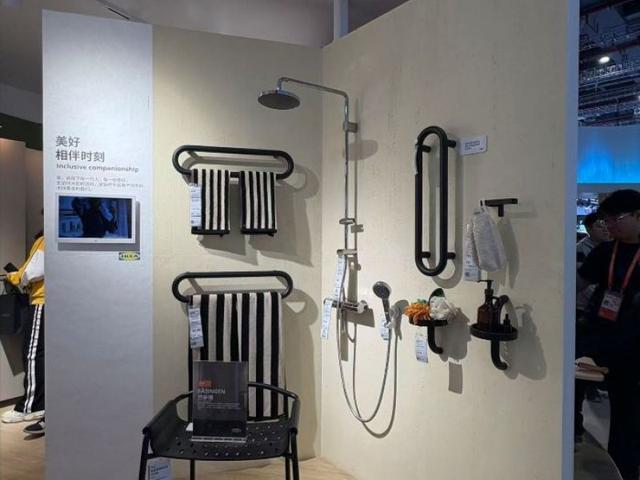
Core Viewpoint - The "silver economy" is gaining attention at the China International Import Expo, with various exhibitors showcasing products and solutions aimed at addressing the challenges of an aging population, indicating a significant market potential and societal need for comprehensive support [2][3][6]. Industry Overview - China's elderly population is large and growing rapidly, with the silver economy market expected to reach 8.3 trillion yuan in 2024 and surpass 20 trillion yuan by 2030 [3][6]. - Sales of elderly nutrition and health products, as well as health monitoring devices, have seen significant growth, with increases of 30.1% and 7.5% respectively in the first half of the year [3]. Company Initiatives - IKEA is actively exploring collaborative models with social designers, care centers, communities, and government agencies to support the silver economy, launching the "Elderly-Friendly Living" project in Shanghai in 2024, which has already served over 2,000 elderly families [2][8]. - The company has introduced over 500 lower-priced elderly-friendly products, with sales of these items increasing by over 50% compared to the previous year, indicating strong consumer demand [8]. Product Innovations - IKEA has designed specific areas in its showroom for the elderly, including the BÄSINGEN series, which features safety-focused bathroom products [3][4]. - Panasonic is integrating technology with elderly care solutions, showcasing a sleep system that uses smart sensors to monitor sleep data and adjust environmental parameters for better comfort [4][6]. Market Trends - The silver economy is being recognized as a new economic growth driver, with policies supporting its development, as highlighted in the recent national planning documents [6][7]. - The industry is witnessing a shift towards addressing the needs of the elderly, with companies like IKEA and Panasonic leading the way in product development and service offerings [8][9]. Challenges and Opportunities - Despite the positive outlook, the silver economy faces challenges such as a shortage of skilled workers in the elderly care sector, which impacts service quality and standardization [9]. - There is a growing emphasis on training and developing a new generation of care professionals to meet the increasing demand for elderly services [9].
工信部:加速推动5G+、人工智能+、机器人+、工业互联网+、北斗+等重点领域应用场景培育|快讯
Hua Xia Shi Bao· 2025-11-10 12:53
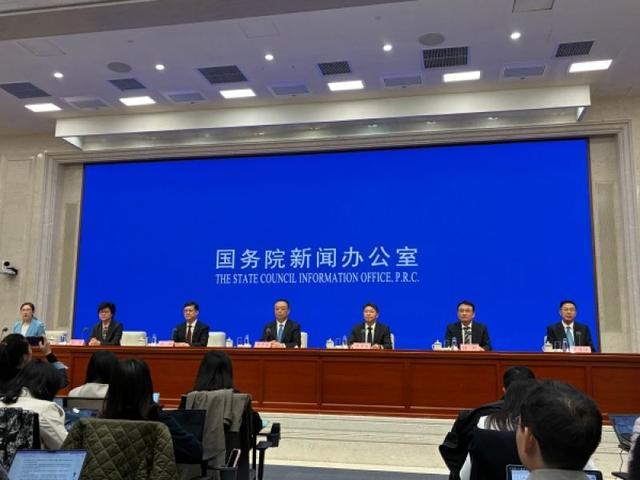
Core Viewpoint - The State Council has issued an implementation opinion to accelerate the cultivation and large-scale application of new economic and social scenarios, emphasizing the integration of new information technologies and intelligent devices [2] Group 1: 5G Applications - The "5G+" application scenario will implement the "Sail" action for large-scale 5G applications, focusing on the construction of 5G factories for small, medium, and large enterprises [2] - Key applications include machine vision quality inspection, remote equipment control, and flexible manufacturing [2] Group 2: Artificial Intelligence Applications - The "Artificial Intelligence+" application scenario will promote AI integration across manufacturing processes, including R&D, production, management, and maintenance [2] - A special action plan for "AI+Manufacturing" will be developed to enhance AI technology innovation and application [2] Group 3: Robotics Applications - The "Robotics+" application scenario aims to deepen and broaden the application of robots in factories, particularly in welding, assembly, spraying, and handling [3] - Focus will be on promoting robotic products in complex and harsh environments such as mining and emergency response [3] Group 4: Industrial Internet Applications - The "Industrial Internet+" application scenario will create an upgraded version of "5G+Industrial Internet" and implement collaborative projects across key industries [3] - Applications will be promoted in design, production scheduling, and warehousing within industries like steel, electricity, shipbuilding, and aviation [3] Group 5: Beidou Applications - The "Beidou+" application scenario will promote the development of the space-time information industry and deepen the application of Beidou in smart cities, intelligent transportation, and precision agriculture [4] - Policies will be researched to accelerate the integration of Beidou with mobile communication and high-precision technologies [4]

改写“进口依赖”!进博会医疗展区直击:十万转离心机破壁、伽玛刀“中国造”、CAR-T疗法可及
Hua Xia Shi Bao· 2025-11-10 11:58
Group 1: Haier Biomedical - Haier Biomedical showcased multiple technological products and digital solutions aimed at addressing practical needs in research and laboratory settings, including a super-speed centrifuge that achieves speeds of 100,000 RPM, filling a domestic gap in the field [2] - The company introduced a fully enclosed automated cell expansion system that enhances consistency and reproducibility in experiments by automating the cell culture process and ensuring data traceability [2] - Haier's biological sample management solution utilizes NAIT recognition technology for automated management in ultra-low temperature environments, significantly reducing labor costs and improving data accuracy [2] - The company presented energy-efficient products, such as ultra-low temperature storage boxes, which reportedly consume 50% less electricity than traditional models [2][3] - Haier Biomedical's products and solutions are now available in over 160 countries and regions, with a commitment to advancing technology development based on user challenges in real-world applications [3] Group 2: Medtronic - Medtronic announced the full localization of its product line in China, showcasing its "fully localized innovative solutions" at the expo, which includes core products for tumor treatment [5] - The company highlighted its Leksell Gamma Knife Elekta Esprit, which supports millimeter-level precision in radiation therapy, and the Elekta Evo platform that integrates AI imaging technology to enhance operational efficiency [5][6] - Medtronic's Elekta Unity system has treated over 10,000 patients since its introduction in China, covering more than 40 types of tumors and generating over 160 related clinical research papers [5][7] - The company aims to support China's "Healthy China 2030" initiative by promoting high-quality radiation therapy technology [7] Group 3: Fosun Pharma - Fosun Pharma presented various innovative drugs and high-end medical devices at the expo, focusing on improving treatment outcomes and quality of life for patients with diseases such as tumors and neurological disorders [8] - The company introduced the Da Vinci surgical robot and CAR-T cell therapy product Yikaida, which has been included in over 110 health insurance plans, enhancing accessibility for lymphoma patients [9] - Fosun's Marie particle therapy system, approved by the FDA, offers a compact design for rapid deployment in hospitals, improving treatment precision for lung and breast tumors [8][9] - The company is actively promoting the application of artificial intelligence in healthcare, with platforms designed for drug decision-making and clinical trial predictions [10]