Hua Xia Shi Bao

Search documents
元旦假期日均近两亿人出行,文旅业消费“开门红”
Hua Xia Shi Bao· 2026-01-04 14:26
Core Insights - The 2026 New Year's holiday saw a significant surge in domestic and outbound travel, with an estimated 590 million trips taken, reflecting a 19.5% year-on-year increase in travel volume [2] - The travel demand was driven by a combination of short trips within major city clusters and long-distance travel, particularly to popular destinations like Northeast China, Hainan, and Yunnan [3][4] - The winter travel trend, especially ice and snow tourism, dominated the holiday, with ice-themed destinations accounting for about 40% of the top domestic travel routes [4] Domestic Travel Market - The domestic tourism market experienced a robust start, with a notable increase in bookings for flights, hotels, and accommodations during the holiday [3] - Popular short-distance trips were prevalent among major city clusters, while long-distance travel to scenic areas like the Northeast and Hainan was also in high demand [3] - The rise of "prayer tourism" led to increased interest in mountainous scenic spots, with hotel bookings in these areas rising over 23% [3] Ice and Snow Tourism - Ice and snow tourism emerged as a leading theme during the holiday, with significant demand for flights to Harbin and other snowy destinations [4] - Harbin Ice and Snow World was particularly popular, with a 45% increase in bookings for day tours [4] - Other notable snowy destinations included Xiling Snow Mountain and Yulong Snow Mountain, which saw a rapid increase in visitor interest [4] Outbound Travel Trends - Outbound travel saw a marked increase, with popular themes including island vacations and destinations with visa-free entry [9] - Key short-haul outbound routes included flights from Shanghai to Singapore and Beijing to Seoul, while long-haul routes featured destinations like Moscow and Sydney [10] - The introduction of visa-free entry for Chinese passport holders to Turkey significantly boosted interest in travel to the country, with search volumes for flights to Istanbul increasing by 320% [10] Inbound Travel Growth - The inbound tourism market also showed strong growth, with ticket bookings increasing by over 110% during the holiday [11] - Popular destinations for inbound tourists included major cities like Shanghai and Beijing, with significant increases in bookings for experiential travel products [11] - The "duty-free shopping + beach vacation" model in Hainan attracted international visitors, with orders for Sanya increasing by 170% [11]



情绪价值当道,微度假地产走出“独立行情”,“非标商业”成破局关键
Hua Xia Shi Bao· 2026-01-04 12:41
Core Insights - The article highlights the emerging trend of "light cultural tourism and micro-vacation" in suburban urban projects, emphasizing the emotional value that drives consumer decisions, particularly among younger demographics [2][4] - The micro-vacation market in China is experiencing explosive growth, with some platforms reporting a compound annual growth rate of 41% in order volume [2] - Successful projects like Shanghai's Panlong Tiandi and Chengdu's Luhua demonstrate the potential of the micro-vacation sector, with significant visitor numbers and residential price premiums [2][3] Group 1: Market Trends - The micro-vacation market is evolving, with projects increasingly integrating cultural elements and community activities to enhance residential appeal [3][6] - A report by JLL indicates that 42% of consumers prioritize emotional satisfaction in shopping, a 9% increase from 2021, highlighting the rise of emotional consumption [4] Group 2: Project Development - The development of micro-vacation projects relies on innovative business models and service concepts, with a focus on high-quality soft services [2][5] - The "Dangu" project in Beijing has seen over 2 million expected commercial visitors by 2025, demonstrating a stable growth trajectory during market adjustments [2][5] Group 3: Community Engagement - The Dangu project fosters a vibrant community atmosphere through frequent activities and events, which helps maintain steady customer traffic even during weekdays [5][6] - The integration of local culture and micro-vacation experiences has created a unique cultural ecosystem, attracting visitors and enhancing community engagement [6][7] Group 4: Innovative Business Models - Dangu's non-standard commercial ecosystem, centered around "curators," has led to innovative business combinations, such as a bookstore and bar, which have become cultural symbols [7] - The project has successfully attracted quality brands, creating a self-sustaining cycle of customer attraction and brand integration [7][8]

华夏时评:用“创新突破”提振“内需信心”
Hua Xia Shi Bao· 2026-01-04 11:54
Core Viewpoint - Confidence is more important than gold, and activating China's massive market through innovation breakthroughs is crucial for high-quality economic growth [2] Group 1: Innovation and Technology Breakthroughs - In 2025, significant advancements in AI models like DeepSeek and breakthroughs in the innovative drug sector showcased China's competitiveness in the AI and biopharmaceutical fields [3] - The rapid iteration of large model technologies and breakthroughs in innovative drugs have created new industries and jobs, sending a strong signal of China's capability in the new technological revolution [3] - The Chinese space industry achieved multiple breakthroughs in 2025, including a record 92 launches, which has further boosted market confidence [3][4] Group 2: Future Expectations and Market Dynamics - The year 2026 is expected to see continued breakthroughs in various fields, including practical applications of AI and advancements in commercial space endeavors [4] - The integration of AI and robotics is anticipated to create new market opportunities in sectors such as elderly care and domestic services, leading to a clear path from technology investment to new consumption [4] - Cross-sector innovations are expected to generate new economic growth points, enhancing consumer confidence and creating significant opportunities for consumption upgrades [5] Group 3: Economic Interaction and Growth - The interaction between innovation and consumption is projected to be a key driver of economic growth in 2026, with technological advancements providing new supply and consumption upgrades creating new demand [5] - The expectation is to witness breakthroughs across various fields, including AI, chips, biotechnology, and renewable energy, contributing to a broader societal confidence boost [5]

和谐健康保险“管理经营一体化数据平台”荣获金融科技发展奖三等奖
Hua Xia Shi Bao· 2026-01-04 10:00
文/王强 项目核心突破在于实时数据处理技术的创新应用。通过融合流式计算与内存数据库技术,平台将数据更 新时延成功压缩至5分钟以内,超越行业平均响应水平。这一技术突破为保险公司精准捕捉业务动态、 快速应对市场变化提供了关键技术支撑,有效解决了传统保险业务中数据滞后导致的决策效率低、客户 体验差等痛点。 在业务协同层面,项目构建了覆盖销售、营销、风控等核心业务域的数字化管理闭环,实现了从数据采 集、清洗、分析到智能决策的端到端贯通。这一全链条数字化体系打破了传统保险业务的信息壁垒,形 成了保险科技领域独有的"数据智能中枢",实现业务流程的全面优化与运营效率的显著提升。 未来,和谐健康将继续坚持数字化转型的战略方向,加强数字金融基础设施建设,做深做实金融"五篇 大文章",以数字技术提升产品和服务质效,为客户提供更加个性化、精准化的产品和服务,为保险业 的健康可持续发展贡献"和谐"力量。 编辑:史言 近日,中国人民银行公布2024年度"金融科技发展奖"获奖名单。和谐健康保险"管理经营一体化数据平 台"项目荣膺三等奖。 "金融科技发展奖"是金融业唯一的部级科技奖项,由中国人民银行统一组织评选国内优秀科技创新成 果。因为 ...
“小资金”博“大转型”?凯撒旅业1584万元入股重整中的张旅集团,能否破解“增收不增利”
Hua Xia Shi Bao· 2026-01-04 09:53
Core Viewpoint - Caesar Travel Industry Co., Ltd. has officially acquired a 400 million A-share stake in Zhangjiajie Tourism Group Co., Ltd. for 15.84 million yuan, marking a strategic investment relationship between the two companies after eight months of collaboration [2][4]. Group 1: Investment Details - The investment of 15.84 million yuan represents a minor financial impact on both companies, but it is significant for strategic positioning rather than financial returns [2][3]. - The formal cooperation began with a strategic cooperation framework agreement signed on April 24, 2025, aimed at establishing a long-term partnership across various tourism sectors [2]. - The investment agreement signed on November 13, 2025, specified the investment amount, share price, and number of shares, transitioning the partnership from strategic intent to actual capital involvement [3]. Group 2: Financial Performance - In the first three quarters of 2025, Caesar Travel reported total revenue of 541 million yuan, a year-on-year increase of 6.52%, but incurred a net loss of 26.78 million yuan, indicating a "revenue without profit" situation [5]. - Zhangjiajie Tourism Group achieved total revenue of 337 million yuan in the same period, an 8.51% increase, and turned a profit in the third quarter with a net profit of 10.87 million yuan, reflecting a significant recovery [6]. Group 3: Strategic Implications - The partnership is seen as a strategic move for Caesar Travel to strengthen its position in the domestic tourism market, particularly as the recovery of domestic tourism outpaces outbound travel [6][7]. - The collaboration aims to enhance the product competitiveness of Caesar Travel by integrating core tourism resources, transitioning from a channel-based model to a resource + channel integrated operator [6]. - Future cooperation will focus on tourism resource integration, joint product development, and supply chain management, with the goal of establishing Zhangjiajie Tourism Group as a comprehensive tourism solution provider [7].


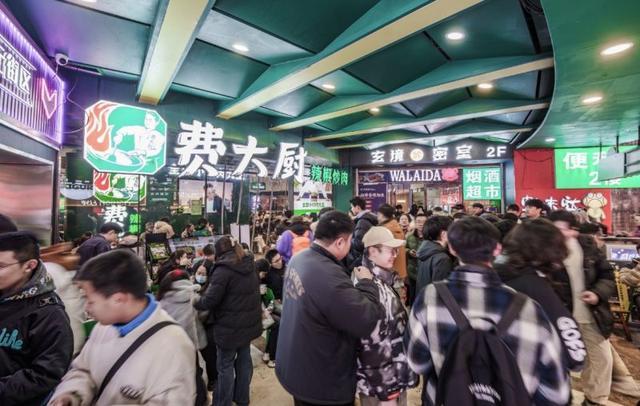
「新消费观察」餐饮元旦强势开局:假期“一桌难求”,等位长龙拉动行业“开门红”
Hua Xia Shi Bao· 2026-01-04 09:27
Core Insights - The restaurant industry experienced a significant surge in consumer traffic during the New Year's holiday, marking a hopeful recovery after a challenging year [2][6][8] - Major brands like Hai Di Lao, Xi Bei, and Fei Da Chu reported high demand, with some locations experiencing wait times of up to 1500 tables [2][5][6] Group 1: Market Performance - The New Year's holiday saw a 142% year-on-year increase in traffic for the "must-eat" list on Meituan [3] - Xi Bei reported approximately 500,000 customer visits across its national stores during the holiday period, with an average wait time of 40-50 minutes on January 1 [3][4] - Hai Di Lao's reservation data indicated over 400,000 tables booked for the New Year's period, reflecting strong consumer interest [3][5] Group 2: Brand Strategies - Hai Di Lao launched interactive activities to enhance customer engagement, including themed events and prize giveaways [7] - Xi Bei and other brands implemented pre-holiday promotional strategies to attract customers, such as themed collaborations and lottery events [7][8] - Fei Da Chu opened a new location in Changsha and extended operating hours to accommodate increased demand, with wait times reaching over 200 tables during peak hours [8] Group 3: Industry Outlook - The resurgence in consumer activity during the New Year's holiday is expected to set a positive tone for the restaurant industry in 2026, with overall consumption growth projected to exceed double digits [8] - Analysts suggest that restaurants should adapt to changing consumer preferences by enhancing experiential dining and integrating with tourism [8]

2025年四季度北京甲级写字楼空置率再回落,机构预警2026年末空置率攀升
Hua Xia Shi Bao· 2026-01-04 05:56
Core Insights - The real estate industry in 2025 is still undergoing a deep adjustment cycle, with low price fluctuations and weak effective demand remaining unresolved [2] - The Beijing Grade A office market shows signs of recovery, with the vacancy rate decreasing to 19.2% by the end of Q4, a year-on-year decline of 1.5 percentage points [3][4] - The market recovery is primarily driven by the concentration of new productive forces in the Zhongguancun area, which has become a core engine for the revival of the Beijing office market [4] Market Performance - The net absorption of Beijing Grade A office space reached approximately 83,000 square meters in Q4, contributing to an annual net absorption of 330,000 square meters, indicating a sustained demand [3] - The new supply of Grade A office space in Beijing for 2025 is limited to 188,000 square meters, which has helped stabilize the market [3] - The effective rental rate for Grade A offices decreased to 222 RMB/month/square meter, a year-on-year decline of 11.5%, but the rate of decline has narrowed compared to the previous year [3] Regional Highlights - The Zhongguancun area recorded a net absorption of over 176,000 square meters in 2025, accounting for 53% of the city's total, marking a peak in nearly 20 years [4] - High-tech manufacturing industries showed significant growth, with an increase of 9.2% in value-added output from January to November [4] Future Outlook - The Beijing office market is expected to face pressure again in 2026, with over 700,000 square meters of new supply anticipated, which may lead to an increase in the vacancy rate [9] - The market's effective demand remains insufficient, with many companies still facing operational challenges, leading to a cautious approach towards office expansion [7] - The competition in the office market is intensifying, particularly in non-core areas, while the core regions are experiencing a significant decline in rental prices [6]

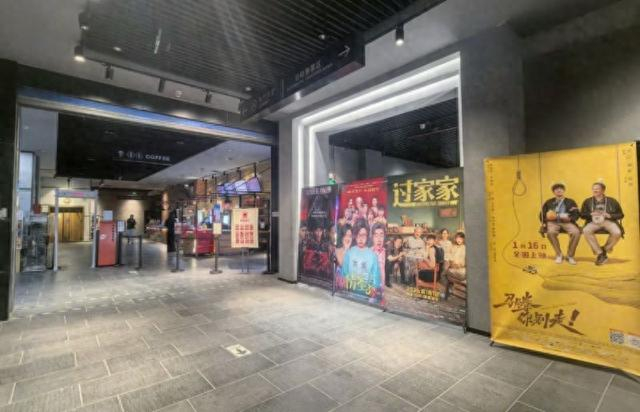
「长镜头」靠“老片”撑场!元旦档票房破7亿元,2026年电影市场如何破局
Hua Xia Shi Bao· 2026-01-04 05:33
Core Insights - The New Year's box office for 2026 exceeded market expectations, reaching 6.99 billion yuan, driven primarily by the strong performance of "Zootopia 2" and "Avatar 3" [2][3] - The dominance of blockbuster films continues, with "Nezha 2" contributing nearly one-third of the total box office in 2025, highlighting an imbalance in market structure [2][5] Box Office Performance - The total box office for the 2026 New Year's period (January 1-3) reached 6.99 billion yuan, with four films surpassing 100 million yuan in revenue: "Zootopia 2," "Avatar 3," "Killing," and "The Legend of Qin" [2] - "Zootopia 2" achieved a single-day box office of over 1 billion yuan on New Year's Day, while "Avatar 3" exceeded 800 million yuan on the same day, showcasing their strong box office appeal [3] Market Trends - The 2025 film market saw a significant recovery, with total box office reaching 51.832 billion yuan and total audience numbers at 1.238 billion, both showing over 20% growth compared to the previous year [5] - The market is increasingly reliant on a few blockbuster films, with a notable concentration of box office revenue among top titles, while mid-tier films continue to struggle [5][6] Upcoming Releases - January 2026 will see the release of several films, including "96 Minutes: Train Explosion," "Just a Job," and "The Aviator," although none are expected to be major blockbusters [6][7] - The upcoming films are primarily mid-tier productions, with limited high-profile releases scheduled for the Spring Festival [7] Industry Outlook - The Chinese film market has a solid audience base and significant growth potential, but it faces challenges in consistently attracting viewer attention and producing high-quality content that meets diverse audience preferences [8] - The industry is expected to continue exploring new avenues for growth as content supply improves and audience demands evolve [8]
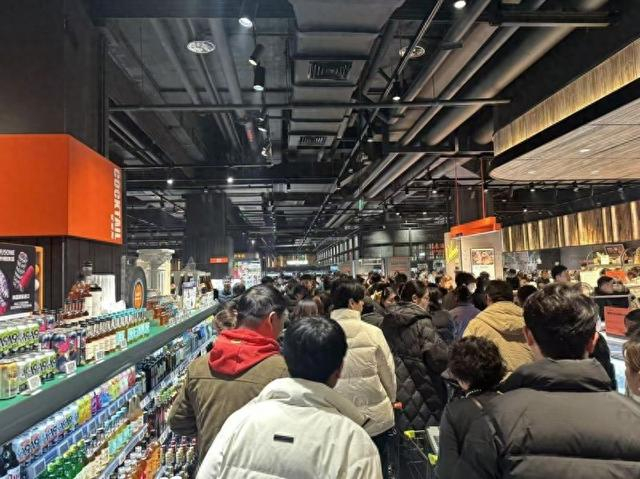
元旦实探胖东来,消费者:没人能空着手出来
Hua Xia Shi Bao· 2026-01-04 02:20
Core Viewpoint - The integration of retail and tourism at Pang Donglai supermarket in Xuchang, Henan, has become a national consumer hotspot, attracting visitors from various regions and enhancing local consumption resilience through a "retail + tourism" model [2][4]. Group 1: Consumer Behavior and Experience - Visitors from cities like Zhengzhou and Luoyang are traveling specifically to shop at Pang Donglai, often filling their vehicles with purchases [4]. - The supermarket has implemented free self-service luggage storage and other facilities to accommodate the influx of out-of-town shoppers [4]. - High foot traffic is observed, particularly in the bakery section, indicating strong consumer interest and engagement [4][6]. Group 2: Sales Performance and Pricing Strategy - Consumer feedback suggests that while spending can reach significant amounts (e.g., 1500 yuan), the perception of value remains high due to product quality and variety [7]. - The supermarket's pricing strategy is transparent, with marked-up prices on items like down jackets showing modest profit margins compared to brand stores [7]. - Pang Donglai's sales figures are impressive, with projected total sales exceeding 23.53 billion yuan by the end of 2025, highlighting the supermarket's dominant position in the retail sector [12]. Group 3: Tourism and Local Economy Impact - The synergy between shopping and local tourism is evident, with visitors extending their trips to explore nearby attractions like the Cao Wei Ancient City after shopping [9][10]. - Social media has become a platform for sharing travel itineraries that include both shopping and cultural experiences in Xuchang, indicating a growing trend of combining retail with tourism [10]. Group 4: Financial and Market Trends - The Ministry of Commerce emphasizes the importance of retail in strengthening domestic demand and encourages learning from successful models like Pang Donglai [12]. - Financial institutions are increasingly focusing on consumer finance to stimulate retail growth, with various initiatives aimed at enhancing consumer spending [12][13]. - The potential for innovative financial products that combine retail and tourism experiences is highlighted as a growth opportunity for the consumer finance sector [13].
“让美大型石油公司进入 为委内瑞拉赚钱”!特朗普宣布将“管理”委内瑞拉 直至实施“安全”过渡 多国表态
Hua Xia Shi Bao· 2026-01-04 01:57
Core Viewpoint - The article discusses the recent military action by the United States against Venezuela, resulting in the capture of President Nicolás Maduro, which has been characterized by President Trump as a significant display of U.S. military power and a necessary intervention to restore order in Venezuela [4][5][10]. Group 1: Military Action and Its Implications - President Trump described the military action as unprecedented since World War II, claiming it demonstrated the effectiveness of U.S. military capabilities [4]. - Trump stated that all military capabilities of Venezuela have been "completely paralyzed," and he emphasized the U.S. intention to govern Venezuela until a safe power transition can occur [4][5]. - The U.S. military operation was portrayed as complex and highly effective, with Trump claiming no U.S. casualties or losses during the operation [8][9]. Group 2: Economic Interests - Trump indicated that the U.S. would allow major American oil companies to invest billions in Venezuela to repair its oil infrastructure, which he described as a long-standing failure [5]. - He reiterated the U.S. commitment to maintaining a complete oil embargo against Venezuela until U.S. demands are fully met [5]. Group 3: International Reactions - The Venezuelan government condemned the U.S. actions as a violation of international law and called for the immediate release of Maduro and his wife [10][14]. - Various countries, including Russia and France, expressed strong opposition to the U.S. military intervention, emphasizing the need to respect Venezuela's sovereignty and international law [14][17][22]. - Protests against the U.S. military action erupted in multiple U.S. cities, with demonstrators calling for an end to military intervention in Venezuela [11][13].