Hua Xia Shi Bao

Search documents
董事长亲自举牌,豪气民企称“完全以自有资金投资发展”,佳运置业成上海土拍“黑马”
Hua Xia Shi Bao· 2025-11-28 00:41
Core Viewpoint - The recent land auction in Shanghai saw a total of 9 plots sold, generating a total revenue of 173.33 billion yuan, with a notable participation from local private enterprises, indicating confidence in the Shanghai real estate market [2][3][9] Group 1: Auction Details - The 9 plots had a total land area of 289,200 square meters and a total planned construction area of 552,600 square meters, with a starting price of 16.911 billion yuan [2] - Among the sold plots, 2 were sold at a premium and 7 at the base price, with the highest attention on the "Chuan Sha" plots acquired by local company Jiayun Real Estate for approximately 2.475 billion yuan, reflecting a premium rate of 15.76% [2][5] - The auction process for the Chuan Sha plots involved 82 rounds of bidding, with Jiayun Real Estate winning at a comprehensive floor price of 29,913 yuan per square meter [5] Group 2: Company Insights - Jiayun Real Estate has been operating for over 20 years, emphasizing its strategy of using entirely self-owned funds for investments, thus avoiding financial risks [5][6] - The company has a history of land acquisitions in Shanghai, with its last significant activity occurring in 2022, when it secured three residential plots for a total of 4 billion yuan [6] - The recent acquisition of the Chuan Sha plots marks a significant return to the Shanghai market for Jiayun Real Estate, which previously faced challenges in selling its properties, as evidenced by low subscription rates for its recent projects [6] Group 3: Market Dynamics - The participation of private enterprises like Jiayun and Dahua in the auction suggests a growing confidence in the Shanghai real estate market, especially as major state-owned enterprises like Poly and China Resources were absent from this auction [3][9] - The lower competition intensity in this auction allowed private firms to capitalize on opportunities, reflecting a shift in the market dynamics where private companies are becoming more prominent players [3][9] - Analysts noted that the diverse participation in the auction and the absence of major developers indicate a cautious approach from firms as they navigate the current market conditions [9]


来宾农商行“六合一”!广西地级市统一法人农商行落地
Hua Xia Shi Bao· 2025-11-27 11:17
Core Viewpoint - The recent approval by the Guangxi Regulatory Bureau of the National Financial Supervision Administration for the merger of Laibin Rural Commercial Bank with five other rural financial institutions signifies a trend towards consolidating local rural banks into unified legal entities, enhancing financial resource allocation efficiency and risk management [2][3][4]. Summary by Sections Merger Details - Laibin Rural Commercial Bank will absorb and merge with Wuxuan Rural Commercial Bank, Jinxiu Rural Commercial Bank, Xiangzhou Rural Cooperative Bank, Xincheng County Rural Credit Cooperative, and Heshan Rural Credit Cooperative, leading to the cancellation of their legal entities and their transformation into branches of Laibin Rural Commercial Bank [3][4]. - The merger plan has been in preparation since July 1, with clear guidelines on asset, business, and shareholder rights transfer [4]. Background and Context - Laibin Rural Commercial Bank has undergone several reforms since its establishment in 1953, evolving through various stages to its current form [5]. - The merger reflects a broader trend in the Guangxi rural financial system aimed at "reducing quantity and improving quality," with the establishment of the Guangxi Rural Commercial Union Bank serving as a guiding framework for such consolidations [5]. Exploration of Models - The reform of rural financial systems in China is accelerating, with two main models being explored: the unified legal entity model and the joint bank model [6]. - The unified legal entity model has been adopted in provinces like Liaoning, Hainan, and Henan, focusing on resource consolidation through mergers [9]. Expert Opinions - Experts highlight the advantages of the unified legal entity model in risk management and resource allocation, while also noting the challenges such as high reform costs and potential loss of local flexibility [10][11]. - The joint bank model retains local independence but may face limitations in risk management and structural issues [11].

“首发额度已经抢完了”,银行理财、基金、保险“开门红”营销战提前打响
Hua Xia Shi Bao· 2025-11-27 11:17
Core Insights - The "opening red" marketing campaign by banks has started earlier this year compared to previous years, with various banks launching special marketing plans for mutual funds, bank wealth management, and insurance products [2][3] - Banks are employing a combination strategy of "products + rates" to capture market share, offering exclusive products and rate discounts [2][5] Group 1: Marketing Activities - Many banks have initiated their marketing activities for asset management products earlier than usual, with several banks holding "special launch meetings" to set sales targets [3] - Banks like China Bank and Ping An Bank are focusing on wealth management as a key component of their marketing strategies for the upcoming peak season [4] - The demand for "opening red" wealth management products has been strong, with some products selling out quickly upon launch [4] Group 2: Product Offerings - Banks are introducing a wider variety of "opening red" insurance products to meet diverse investor needs, with more options available compared to previous years [4] - Some banks are offering exclusive wealth management products for new customers transferring assets, with competitive performance benchmarks around 2.45% [5] Group 3: Fee Discounts - A competitive trend of fee reductions has emerged, with several banks announcing discounts on fund products, including a 90% discount on certain fund subscription fees [6][7] - Banks like Industrial and Commercial Bank of China and Minsheng Bank have implemented fee reductions for various fund products, enhancing their attractiveness to investors [6][7] Group 4: Financial Performance - Wealth management is a significant source of income for banks, with a reported net income from fees and commissions reaching 578.2 billion yuan in the first three quarters of 2025, marking a 4.6% year-on-year increase [8] - Some banks have seen substantial growth in fee income, with notable increases reported by Changshu Bank and others [8]

“国家队”入场!中国邮政获批全牌照保险代理资格
Hua Xia Shi Bao· 2025-11-27 11:17
Core Insights - China Post Group has received approval to operate insurance agency business, marking its entry into the insurance intermediary market amidst a significant industry restructuring [2][3] - The approval allows China Post to offer a wide range of insurance products, including 15 categories covering both property and life insurance, indicating a strategic shift towards enhancing financial services in rural areas [2][3] Industry Context - The insurance intermediary market has undergone a deep cleansing, with over 20 professional intermediary institutions being deregistered in 2024 alone, and the number of deregistrations in the first ten months of 2025 matching the total for the previous year [3] - In Jilin province, 62 insurance intermediary institutions were deregistered by June 2025, reflecting a more than 10% decline in total institutions since the beginning of the year [3] Strategic Implications - The entry of China Post is seen as a move to optimize the industry structure by introducing a state-owned entity with a robust network and credibility, which could accelerate the elimination of inefficient intermediaries and enhance service standards [3][4] - China Post's extensive network of 64,000 end points provides a unique advantage in reaching underserved areas, potentially transforming the insurance landscape by extending coverage to rural regions [4] Internal Coordination Challenges - The integration of China Post's existing insurance-related entities, such as China Post Life and Postal Savings Bank, poses a challenge in avoiding internal competition and ensuring collaboration [5] - Clear delineation of business boundaries and responsibilities is essential to prevent conflicts of interest and optimize resource utilization across different insurance services [5] Regulatory Expectations - The regulatory body has set high standards for China Post's insurance agency operations, emphasizing compliance with laws and regulations, and the establishment of a firewall to protect consumer rights [6][7] - The focus on consumer protection and prevention of sales misguidance reflects the regulatory intent to maintain high operational standards within the industry [6] Market Impact - The entry of China Post may lead to significant shifts in the market, with regional intermediaries facing pressure as China Post leverages its brand trust and extensive network to capture market share in standardized insurance products [6] - The potential for a digital and offline combined agency model could attract a new wave of agents, challenging traditional sales strategies [6] Risk Management Strategies - Emphasis on compliance training and product knowledge for sales personnel is critical to mitigate risks of consumer misguidance [7] - Establishing a rapid response mechanism for customer disputes and an independent complaint handling system is essential to maintain brand integrity and consumer trust [8]

宗馥莉正式卸任,娃哈哈集团核心领导层完成关键更迭
Hua Xia Shi Bao· 2025-11-27 10:15
Group 1 - The core point of the news is the significant management changes at Hangzhou Wahaha Group, with Zong Fuli resigning from her positions as legal representative, chairman, and general manager, and Xu Simin taking over these roles [1] - Following the death of the founder Zong Qinghou in February 2024, Zong Fuli faced numerous challenges, including employee disputes and trademark controversies, leading to her decision to step down [1] - The company has seen multiple key personnel changes, including the exit of Wang Guoxiang as a director and deputy general manager, and the appointment of new board member Bao Minxia and supervisor Kou Jing, with Bao also taking on the role of financial officer [1] Group 2 - Despite resigning from management positions, Zong Fuli remains an important shareholder, holding 29.4% of Wahaha Group's shares [2] - The current shareholders of Wahaha Group include Zong Fuli, the labor union committee, and Hangzhou Wenshang Travel Investment Holding Group, with the latter two's shareholding proportions not disclosed [2] - The future direction of Wahaha Group after Zong Fuli's departure is a key focus of market attention [2]

大牛股上纬新材迎新掌门!32岁少年天才“稚晖君”坐拥双重身份
Hua Xia Shi Bao· 2025-11-27 10:10
Core Viewpoint - The management transition at Shanghai Wei New Materials (688585.SH) has been completed, with the appointment of Peng Zhihui as chairman and Tian Hua as CEO, marking a significant shift in the company's leadership structure and strategy towards AI integration [1][2][3] Management Changes - Peng Zhihui, co-founder of AI giant Shanghai Zhiyuan Innovation Technology Co., has been elected as the chairman of the board, while Tian Hua has been appointed as CEO [1][2] - The management team now includes Tian Hua, Zhou Bin (co-CEO and CTO), Zhang Biao (CFO), and Li Yuan (board secretary), with Peng and others retaining roles at Zhiyuan Robot [2] Stock Performance - Following the announcement of management changes, the stock price of Shanghai Wei New Materials showed minimal movement, closing at 118.97 CNY per share, a slight increase of 0.53% [1] - The stock had previously experienced a significant surge, with a cumulative increase of 1373.78% from July 9 to November 24, 2025, leading to multiple trading risk alerts [4] Business Independence - Shanghai Wei New Materials has stated that it will maintain operational independence from Zhiyuan Robot, focusing on its core business in high-performance corrosion-resistant materials and new composite materials [3][5] - The company emphasized that the new embodied intelligent robot business is still in the product development stage and has not yet generated revenue or profit [5] Market Perception - Analysts express skepticism about the actual impact of the management change on the company's operations, questioning the rationale behind Zhiyuan Robot's significant investment in Shanghai Wei New Materials if both entities are to operate independently [6] - The AI industry is characterized by a high rate of failure, with only a small percentage of companies surviving, making the strategic moves of Zhiyuan Robot noteworthy [6][7] Team Background - The leadership team of Zhiyuan Robot includes individuals with extensive experience in AI and robotics, enhancing the company's credibility and potential for success in the market [7][8] - Key figures such as Luo Jianlan and Jiang Qingsong bring significant expertise from leading tech companies, which could bolster the company's competitive edge in the AI sector [8]

3笔投资失误致18%回撤,百亿元私募创始人致歉后续,公司称无意占用公共资源
Hua Xia Shi Bao· 2025-11-27 08:34
Core Viewpoint - The founder of Shiwa Asset, Liang Hong, publicly apologized for significant net value declines in his funds, attributing the losses to three investment misjudgments related to innovative pharmaceuticals, hardware leaders, and US stablecoin concept stocks, reflecting decisions driven by "greed" and "grand narratives" [1][4] Investment Performance Summary - Shiwa Asset's weekly report indicated that most funds experienced an estimated net value drop of around 7%, with a cumulative decline of approximately 20% from peak values [2][3] - The three main investment errors accounted for about 18% of the total decline, contributing to the overall 20% drop [3] Detailed Investment Errors - The first error involved an innovative pharmaceutical stock that initially contributed over 8 percentage points to net value growth but plummeted after a failed business development announcement, leading to a loss exceeding 4% due to delayed profit-taking [2][3] - The second error was related to a hardware leader stock, which constituted 30% of the portfolio and fell 37% due to rising storage chip prices and negative public sentiment, negatively impacting net value by over 9% [3] - The third error focused on US stablecoin concept stocks, which were heavily invested based on optimistic cryptocurrency market expectations. After a significant price drop of 60%, this investment caused a net value loss of 4-5 percentage points [3] Reflection on Investment Decisions - Liang Hong identified the root causes of the investment mistakes as "greed" and decisions driven by "grand narratives," emphasizing a pattern of over-excitement at high valuations while neglecting risk and cost-effectiveness [4] - An expert noted that Liang's case highlights common pitfalls in the private equity industry, such as over-reliance on single narratives and the failure of risk control mechanisms under emotional pressure [4] Strategic Adjustments - In response to the losses, Liang indicated a shift in investment philosophy, suggesting a need to balance long-term holding with absolute return considerations to reduce future drawdowns [5] - Shiwa Asset plans to maintain its focus on high-quality companies while increasing sensitivity to valuations and market style changes, enhancing quantitative research to mitigate subjective judgment uncertainties [5] Future Investment Direction - Looking ahead, Shiwa Asset intends to maintain a technology-focused investment strategy while also exploring opportunities in sectors like chemicals and consumer goods that may benefit from macroeconomic recovery [6]

「微光力量」让科技更有温度!用脑机接口解码生命信号,强脑科技推动科技助残走向普惠
Hua Xia Shi Bao· 2025-11-27 08:15
Core Viewpoint - The article discusses how technology is transforming the support for disabled individuals from a model based on humanitarian aid to one that systematically addresses their core challenges through advanced technology, particularly focusing on brain-computer interface (BCI) and smart prosthetics [2][6]. Group 1: Technological Innovations - Strong Brain Technology is a leading company in non-invasive brain-computer interface technology, which helps individuals with autism communicate with the outside world and assists physically disabled individuals through smart prosthetics [2][6]. - The smart prosthetics developed by Strong Brain Technology, such as the bionic hand and the lightweight M3 bionic leg, utilize AI algorithms to interpret muscle and nerve signals, enabling users to perform various tasks with precision and ease [4][5]. - The bionic hand can perform complex movements, including playing the piano and climbing, while the M3 bionic leg adapts in real-time to the user's movements, providing a natural walking experience [4][5]. Group 2: Social Impact and Accessibility - Strong Brain Technology aims to expand its impact from individual improvements to societal norms through ongoing public welfare collaborations and product innovations [2][8]. - The company has partnered with various organizations to provide free or low-cost smart prosthetics to disabled individuals, enhancing their quality of life and enabling them to participate actively in society [7][8]. - A recent initiative in Zhejiang Province, supported by local organizations, has successfully provided smart prosthetics to 400 individuals, demonstrating the positive social response to such technology-driven projects [8]. Group 3: Future Directions - Strong Brain Technology plans to continue upgrading its smart prosthetics in terms of functionality, comfort, and cost-effectiveness, aiming to make them more accessible to a broader range of users [8]. - The company is also focusing on expanding its offerings in brain disease rehabilitation, particularly for autism and cognitive recovery in older adults, to cover the entire lifecycle of care from rehabilitation to prevention [8].

宗馥莉正式卸任,娃哈哈集团核心领导层完成关键更迭|快讯
Hua Xia Shi Bao· 2025-11-27 08:12
Core Viewpoint - Recent leadership changes at Hangzhou Wahaha Group, with Zong Fuli stepping down from key positions, raise questions about the company's future direction and stability [2][3] Group 1: Leadership Changes - Zong Fuli has resigned as the legal representative, chairman, and general manager of Wahaha Group, with Xu Simin taking over these roles [2] - Other significant personnel changes include the exit of Wang Guoxiang as a director and vice general manager, and the appointment of Bao Minxia as a new director and financial officer, along with supervisor Kou Jing [2] Group 2: Background Context - Zong Fuli's leadership faced numerous challenges since taking over in August 2023, including employee disputes, equity conflicts, and trademark usage controversies [2] - Following the death of founder Zong Qinghou in February 2024, Zong Fuli's tenure was marked by a "resignation" incident in July, leading to her eventual decision to step down [2] Group 3: Shareholding Structure - Despite her resignation, Zong Fuli remains a significant shareholder, holding 29.4% of Wahaha Group's equity [3] - The current shareholding structure includes Zong Fuli, the labor union of Wahaha Group, and Hangzhou Wenshanglv Investment Holding Group, although the latter two's equity proportions are not disclosed [3]
AI时代的中美竞合与全球秩序重构
Hua Xia Shi Bao· 2025-11-27 05:58
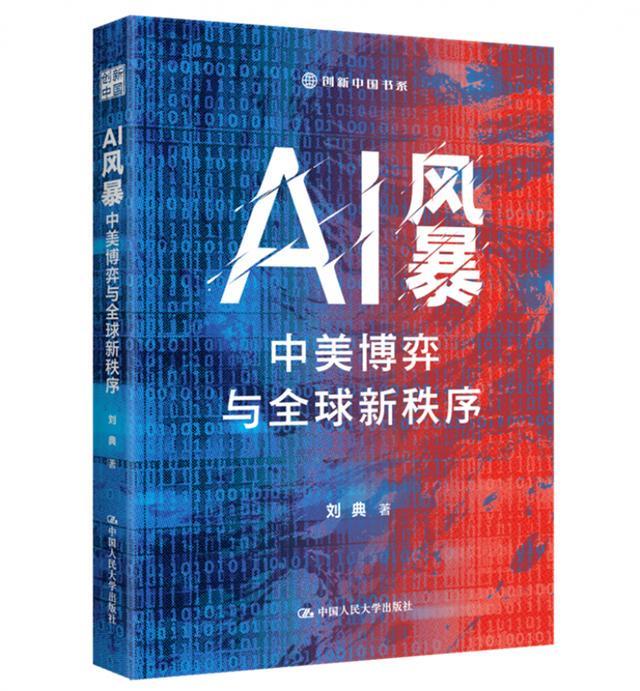
Core Insights - AI has evolved from an abstract academic issue to a profound transformative force in global society, impacting work, life, and international relations [2] - The rapid development of AI technology is reshaping the global political and economic landscape, with significant implications for national strategies, particularly between the US and China [2][4] - The competition in AI is not just about technology but also about control over data, computing power, and algorithms, which are becoming new sources of power [4] Group 1: AI's Impact on Global Dynamics - AI is redefining the future of human civilization and altering the global power structure, leading to a complex new phase in international relations [2] - The US is leveraging its technological advantages and policies to maintain global leadership, while China is seeking to catch up through its unique institutional advantages and large market [2][4] - The book "AI Storm: US-China Competition and Global New Order" explores the dynamics of AI competition and its implications for global governance [4][5] Group 2: Dimensions of US-China AI Competition - The first dimension reveals the competitive landscape in AI between the US and China, focusing on the "new tripartite power structure" around data, computing power, and algorithms [5] - The second dimension analyzes the differing AI development paths: the US's militarized technology model supported by the military-industrial complex and China's innovation route driven by a national system and large market [5] - The third dimension examines the paradoxes and conflicts in global AI governance, particularly the tensions between data sovereignty, security, and algorithm transparency [5] Group 3: Future Considerations - The technological revolution necessitates a balance between innovation and security, openness and autonomy, cooperation and confrontation [6] - The future of AI will significantly influence international political economy, social ethics, and human civilization, raising critical questions about global cooperation versus division [6] - The challenges lie not only in technological breakthroughs but also in ensuring equitable benefits from technology while mitigating social injustices and security risks [6]