Hua Xia Shi Bao

Search documents
康养旅居告别仅有“风景游”,环京地产开始打破医疗短板
Hua Xia Shi Bao· 2025-11-28 13:57
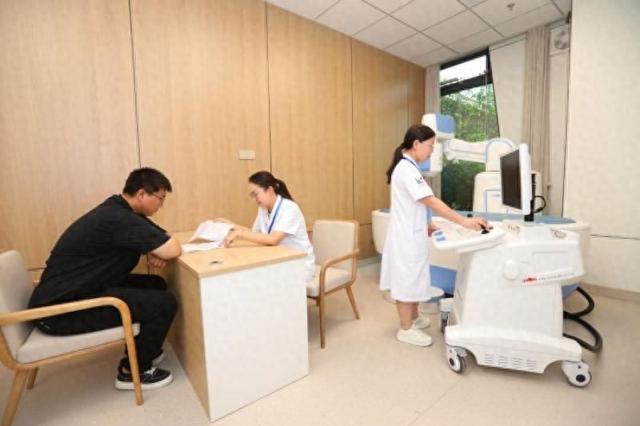
Core Insights - The health and wellness tourism industry is experiencing rapid growth due to rising living standards and health awareness, particularly in northern regions as the temperature drops, leading to an annual peak season for travel [2] - Areas surrounding Beijing, such as Zhangjiakou, are becoming popular wellness tourism destinations due to their natural and transportation advantages [3][4] - The lack of comprehensive medical facilities in wellness tourism projects is a significant concern, making it crucial to develop well-equipped medical services to attract elderly residents [2][6] Industry Trends - In Yunnan, the number of wellness tourists reached 3.93 million in the first three quarters of this year, a 51.5% increase year-on-year, indicating strong growth in the wellness tourism sector [3] - Zhangjiakou is leveraging its natural resources and the impact of the Winter Olympics to position itself as a preferred destination for Beijing's wellness tourism market [3][4] - A strategic cooperation framework agreement between Beijing and Zhangjiakou aims to enhance the integration of elderly care services, facilitating seamless policy transitions and online payment options for elderly care subsidies [3] Project Developments - The Beijing Valley project in Xingshou has introduced a high-standard rehabilitation center, addressing the "light medical" issue prevalent in wellness tourism areas [6][7] - The project emphasizes a comprehensive health management model, including emergency services, digital health check-ups, and a full-cycle health management system [6][7] - The integration of hot spring resources into the project enhances the wellness experience, providing private thermal therapy for residents while ensuring privacy [9] Market Positioning - The Beijing Valley project targets a broad demographic, including younger generations, by addressing diverse living needs and ensuring all-age facilities are available [10][11] - The project is designed to meet the core demands of urban residents for a tranquil lifestyle without sacrificing convenience, with all necessary amenities already operational [11] - The development of the wellness tourism industry relies on innovative tourism models, collaborative elderly care policies, and comprehensive quality projects [11]

股价7年飙涨971%!金诚信业绩狂欢背后:预付款激增103%,资金链藏暗礁
Hua Xia Shi Bao· 2025-11-28 13:57
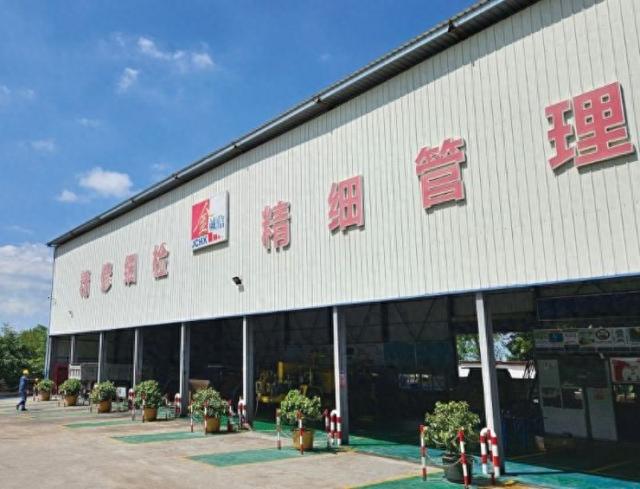
Core Viewpoint - Jin Chengxin has experienced significant growth in net profit and stock price, driven by the copper cycle and resource layout, but faces challenges related to receivables and project uncertainties [2][3][4]. Group 1: Performance and Growth - Jin Chengxin's revenue and net profit have shown substantial growth, with a compound annual growth rate (CAGR) of over 16% in revenue and over 25% in net profit from 2015 to 2024 [6]. - In the first three quarters of 2025, the company achieved revenue of 9.933 billion yuan, a year-on-year increase of 42.50%, and a net profit of 1.753 billion yuan, up 60.37% [6]. - The growth is attributed to increased production and sales in the mining resource development business, alongside effective cost control measures [6][7]. Group 2: Business Transformation - Since 2015, Jin Chengxin has transitioned from a mining service provider to a dual-driven model of "mining services + resources," establishing an overseas division and entering the smart mining equipment manufacturing sector [3][4]. - The company has secured multiple domestic and international mining projects, enhancing its profitability through a dual-driven profit model [3][4]. Group 3: Market Performance - Jin Chengxin's stock price has surged by 971% over the past seven years, reaching nearly 40 billion yuan in market capitalization, with a year-to-date increase of 76.29% [4][6]. - The stock price has consistently broken historical highs due to favorable copper price trends [4]. Group 4: Challenges and Risks - The mining service segment has shown signs of stagnation, with revenue growth of only 7.92% and a decline in gross profit margin by 5.77 percentage points [10][11]. - High accounts receivable and prepayments have raised concerns about cash flow, with accounts receivable reaching 2.570 billion yuan, a year-on-year increase of 12.29% [12][13]. - The company faces uncertainties regarding the progress of key resource projects, which could impact future growth and financial stability [8][15].

公募私募组团入局摩尔线程,国产GPU成资本新宠
Hua Xia Shi Bao· 2025-11-28 13:42
Core Insights - The IPO of Moore Threads, referred to as the "Chinese version of Nvidia," has attracted significant interest from public and private funds, indicating strong market confidence in the domestic GPU industry [2][5][7] Group 1: Fund Participation - A total of 94 public funds participated in the offline allocation of Moore Threads, with 3,670 products collectively acquiring 22.74 million shares, amounting to 2.599 billion yuan [3] - Notable public funds include E Fund, which acquired 3.8418 million shares worth 439 million yuan, and Southern Fund, which secured 3.5132 million shares valued at 401 million yuan [3] - Additionally, 113 private funds participated, with 2,019 products obtaining 501,800 shares, totaling approximately 57.34 million yuan [4] Group 2: Company Background and Potential - Moore Threads, established in 2020, focuses on autonomous GPU development, covering AI computing and digital twin technologies, and has a strong technical team with over 75% of its workforce in R&D [5] - The company has accumulated 514 patents, placing it among the top tier in the domestic industry [5] - The surge in interest from capital markets reflects a broader trend of policy, technology, and demand driving the growth of the domestic GPU sector [5][7] Group 3: Market Outlook - The collective investment in Moore Threads signals confidence in the future of the domestic GPU industry, with expectations of significant advancements in AI computing capabilities [6][7] - Analysts believe that the AI sector, while currently perceived as expensive, holds substantial growth potential, particularly as domestic hardware and talent continue to catch up with international competitors [6]

卸任集团掌门人,宗馥莉退后一步,娃哈哈权力博弈并未结束
Hua Xia Shi Bao· 2025-11-28 13:42
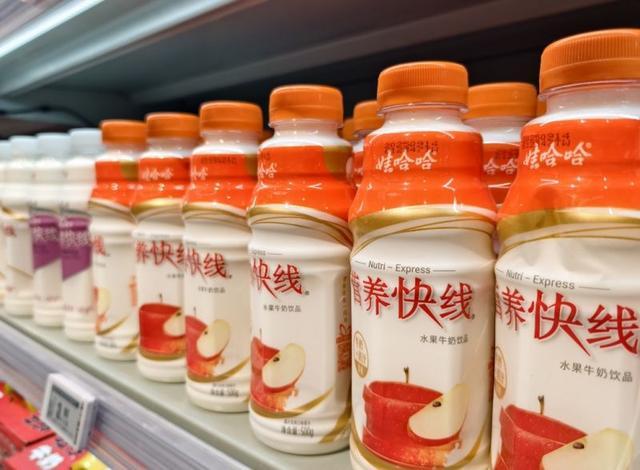
Core Viewpoint - The internal power struggle within Wahaha Group has intensified following the death of founder Zong Qinghou in February 2024, with significant leadership changes and ongoing disputes over shareholding and trademark rights [2][6]. Leadership Changes - On November 27, 2024, Zong Qinghou's daughter, Zong Fuli, resigned from her positions as legal representative, chairman, and general manager of Wahaha Group, with Xu Simin taking over these roles [2]. - Key personnel changes include the resignation of Vice General Manager Wang Guoxiang and the appointment of new board members Bao Minxia and supervisor Kou Jing, both closely associated with Zong Fuli's company, Hongsheng Group [2][3]. - Xu Simin, born in 1994 and a law graduate from Zhejiang University, has a background in Hongsheng Group and has held various positions within Wahaha Group since August 2024 [3]. Shareholding and Influence - Despite her resignation, Zong Fuli retains a significant 29.4% stake in Wahaha Group, maintaining substantial influence over internal decisions [2][5]. - The company has three major shareholders: Zong Fuli, the employee shareholding committee (24.6%), and the state-owned Hangzhou Shangcheng Cultural Tourism Investment Holding Group (46%) [6][7]. Internal Conflicts - Since Zong Fuli's appointment as chairman in August 2024, she has faced challenges, including employee friction and internal disputes over shareholding and trademark rights [6]. - The employee shareholding committee's 24.6% stake has become a focal point of contention, with former employees contesting a 2018 share buyback agreement [6][7]. - Zong Fuli's attempts to transfer the Wahaha trademark to Wahaha Food were unsuccessful, leading to her resignation from key positions in September 2024 due to compliance issues [7]. Future Outlook - Analysts suggest that the recent leadership changes may reflect either a strategic retreat by Zong Fuli or a result of shareholder conflicts, with implications for her influence within the company [5]. - The ongoing internal power struggle and unresolved shareholding disputes pose risks to Wahaha Group's long-term strategic planning and stability [7].
华夏时评:万亿消费蓝图的增长逻辑与挑战
Hua Xia Shi Bao· 2025-11-28 13:42
Core Viewpoint - The implementation plan aims to enhance the adaptability of supply and demand in consumer goods, focusing on expanding domestic demand and promoting consumption as a strategic foundation for economic growth [2][3]. Group 1: Key Concepts of the Implementation Plan - The core concept of the implementation plan is "adaptability," which emphasizes a two-way engagement between supply and demand, ensuring that consumer preferences guide production [3][4]. - The plan outlines the goal of establishing three trillion-level consumption sectors and ten hundred-billion-level consumption hotspots by 2027, marking a shift from directional guidance to precise policy measures [3][4]. Group 2: Targeted Consumption Areas - The three trillion-level consumption sectors include elderly products, smart connected vehicles, and consumer electronics, while the ten hundred-billion-level hotspots encompass baby products, smart wearables, cosmetics, fitness equipment, outdoor goods, pet supplies, civilian drones, trendy toys, jewelry, and national fashion [4]. - The elderly products sector already has a solid foundation, while the smart connected vehicle sector reflects a logic of "incremental expansion," and consumer electronics' potential is driven by AI technology [4]. Group 3: Supply-Side Revolution - The core logic of promoting consumption is a supply-side revolution that aims to create new demand through improved production quality and relevance [5][6]. - The plan's three policy pillars include comprehensive integration of "AI+" actions, flexible manufacturing transformations, and mandatory upgrades to standard systems [5][6]. Group 4: Demand-Side Considerations - The plan also addresses the need for demand-side policies to match the rich supply-side offerings, emphasizing the importance of stable income expectations for consumer spending [6]. - Successful consumption stimulation requires a dual-driven approach from both supply and demand sides, with a focus on creating new jobs through AI and ensuring that technological advancements translate into increased worker income [6]. Group 5: Overall Implications - The implementation plan represents a significant upgrade in China's consumption policy, leveraging AI empowerment, flexible manufacturing, and standard upgrades to create a viable market potential [6]. - The success of supply-side initiatives is contingent upon effective demand-side matching, highlighting the need for policies that not only enhance product intelligence and scene richness but also address consumer income stability [6].

剑指要素错配和资源浪费,促消费再出新招
Hua Xia Shi Bao· 2025-11-28 13:42
Core Insights - The recent implementation of the consumption promotion plan aims to enhance the adaptability of supply and demand in the consumer goods market, targeting the formation of three trillion-level consumption sectors and ten hundred-billion-level consumption hotspots by 2027 [2][6] - The plan emphasizes the transformation from quantity to quality in production and consumption, focusing on customized solutions to improve the adaptability and flexibility of the supply system [4][6] - Artificial intelligence is identified as a catalyst for consumption growth, with the user base for generative AI products reaching 515 million by mid-2023, indicating a significant expansion of application scenarios [2][7] Consumption Market Overview - China is the world's second-largest consumer market, with a total of 230 million types of consumer goods, leading in over 100 categories such as home appliances and furniture [3] - From 2013 to 2023, the average annual per capita consumer spending in China increased from 8,000 yuan to 15,000 yuan, maintaining a share of over 50% in total consumer spending [3] - In the first ten months of 2023, China's retail sales reached 36.6 trillion yuan, with a year-on-year growth of 4.4%, accelerating by 1.2 percentage points compared to the same period last year [3] Structural Challenges - The current consumption market faces structural contradictions, including an oversupply of certain products and a lack of high-quality offerings, alongside demographic changes and generational shifts in consumption [4] - The promotion plan aims to address these issues by enhancing the quality and cultural value of traditional consumer goods while creating new products and services to meet emerging demands [4][6] Policy Initiatives - The government has implemented policies such as trade-in programs for consumer goods, which generated over 2.4 trillion yuan in sales and benefited more than 360 million people in the first ten months of 2023 [5] - Future initiatives will focus on promoting new product launches, enhancing health-related consumption, and fostering digital and green consumption [5] Future Consumption Trends - The plan anticipates the emergence of new consumption markets worth trillions, driven by supply-side structural reforms and the application of new technologies [6] - Key consumption sectors expected to grow include smart connected vehicles, elderly care products, and consumer electronics, with significant potential in areas like children's products, wearable technology, and health and fitness equipment [8]

文峰股份陷入叠加“风暴”:副总被立案调查,控股股东质押率逼近八成
Hua Xia Shi Bao· 2025-11-28 13:29
Core Viewpoint - Wengfeng Group is facing multiple challenges, including the investigation of its vice president and a significant increase in share pledges by its controlling shareholder, which raises concerns about financial stability and operational control [2][5][9]. Group 1: Investigation and Management Changes - Wengfeng Group's vice president, Qin Guofen, is under investigation by the Qidong Municipal Supervisory Committee, which may impact the company's reputation but is stated to be unrelated to the company's operations [5][9]. - Qin Guofen's annual pre-tax salary was reported to be 1.029 million yuan, indicating her significant role within the company [6]. Group 2: Share Pledge Situation - The controlling shareholder, Jiangsu Wengfeng Group, has pledged 10.8 million shares, increasing the total pledged shares to 355.15 million, which is 79.86% of its holdings and 19.22% of the company's total shares [3][4]. - The pledged shares are primarily for supplementing liquidity, with a notable portion set to mature within the next year, raising concerns about potential financial strain [3][4]. Group 3: Financial Performance - Wengfeng Group reported a significant decline in financial performance, with a 14.58% year-on-year drop in revenue to 1.187 billion yuan and a 75.5% decrease in net profit to 16.99 million yuan for the first three quarters of 2025 [9]. - In Q3 2025, the company experienced a 15.2% decline in revenue, resulting in a net loss of 20.53 million yuan, marking a staggering 571.01% decrease in net profit compared to the previous year [9]. Group 4: Business Model - Wengfeng Group operates through three main business models: wholesale, joint sales, and leasing for shopping centers, with joint sales accounting for 90.26% of the sales revenue in the department store segment [10][11]. - The joint sales model has become a significant revenue driver, contributing 76.17% to the overall sales revenue, primarily through apparel and jewelry [11].


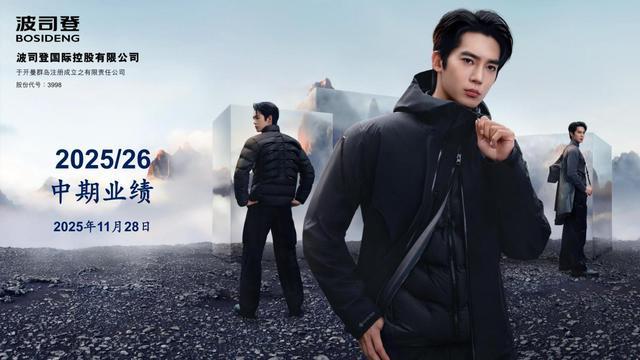
波司登2025/26上半财年业绩稳健增长,双聚焦战略构建增长新引擎
Hua Xia Shi Bao· 2025-11-28 11:57
Core Viewpoint - Bosideng's "dual focus" strategy on down jackets and fashionable functional apparel has shown significant results during the reporting period, with steady revenue and profit growth despite a challenging global consumer market [1][17]. Financial Performance - The company reported a revenue of 8.93 billion yuan, a year-on-year increase of 1.4%, and a net profit attributable to shareholders of 1.19 billion yuan, up 5.3% year-on-year [1]. - The gross margin remained high at 50%, with a slight increase of 0.1 percentage points, and the operating margin improved by 0.3 percentage points to 17% [1]. Business Segments - The down jacket business achieved a revenue of 6.57 billion yuan, growing by 8.3% year-on-year, accounting for 73.6% of total revenue, serving as the core growth driver [2]. - The fashionable functional apparel segment performed well, expanding product offerings such as functional jackets and sun-protective clothing for spring and summer [2]. Product Innovation - Bosideng continues to integrate fashion and technology, enhancing its product matrix with innovative materials and designs, such as UV-resistant and cooling fabrics in sun-protective clothing [4]. - Collaborations with renowned designers, like Errolson Hugh for multifunctional jackets and Kim Jones for the AREAL high-end line, have received positive market responses [6][19]. Channel Development - The company optimized its channel quality, increasing the number of down jacket retail outlets to 3,558, with a net addition of 88 stores [7]. - Self-operated and wholesale channels both saw revenue growth, with self-operated channels up 6.6% and wholesale channels up 7.9% [9]. Supply Chain Management - Bosideng has established a "superior supply chain" system, enhancing efficiency in raw material procurement, production, and logistics [10]. - The company has reduced inventory turnover days to 178, a decrease of 11 days year-on-year, indicating improved inventory management [9]. ESG Practices - Bosideng is the first and only Asian textile and apparel company to receive an MSCI ESG AAA rating, reflecting its commitment to sustainable development [13][15]. - The company emphasizes fair labor practices within its supply chain, ensuring compliance with local wage laws and conducting third-party audits of suppliers [16]. Future Outlook - The dual focus strategy is expected to continue driving growth, with plans to expand the product matrix and enhance brand competitiveness in both down jackets and fashionable functional apparel [20]. - Bosideng aims to leverage its strong brand influence and efficient supply chain management to capitalize on opportunities in the evolving consumer market [20].
数字员工2.0版来了!从使用AI到和AI一起工作,企业深挖超万亿蓝海市场
Hua Xia Shi Bao· 2025-11-28 10:21
Core Insights - The article discusses the evolution of AI digital employees, highlighting their transition from tools to colleagues that can work alongside human employees, enhancing productivity and efficiency [2][4][5] - It emphasizes the potential market value of digital labor, projected to reach 17.3 trillion yuan by 2030, indicating a significant opportunity for businesses to leverage AI in their operations [2] - The article outlines the advancements in collaborative office software, which are becoming knowledge containers and service providers, driven by AI capabilities [3][4] Company Developments - Kingsoft Office has upgraded its digital employee to version 2.0, which can communicate and solve problems like a real colleague, enhancing organizational knowledge management [2][5] - The company has introduced specific roles for its digital employees, such as "Xiao K" for email approvals and project analysis, and "Da Biao Jie" for chat information organization [5] - The WPS 365 platform has seen significant growth, with revenue reaching 151 million yuan, 158 million yuan, and 201 million yuan in the first three quarters of 2025, reflecting over 60% year-on-year growth [9] Industry Trends - The integration of digital employees is becoming a core competitive advantage for companies undergoing digital transformation, particularly in sectors like finance, manufacturing, and pharmaceuticals [6][8] - Companies like CIMC and Qilu Pharmaceutical are implementing AI solutions to enhance collaboration and efficiency, addressing challenges such as information silos and regulatory compliance [7][8] - The article notes that over 70% of the top 500 private companies in China are adopting WPS 365 to improve operational efficiency, indicating a widespread industry trend towards AI-driven solutions [9]


海纳医药港股闯关隐忧:客户黏性不足,应收账款激增
Hua Xia Shi Bao· 2025-11-28 10:19
Core Viewpoint - Nanjing Haina Pharmaceutical Technology Co., Ltd. is making its third attempt to go public by submitting an IPO application to the Hong Kong Stock Exchange after previous failures in the A-share market and a terminated acquisition by Chengdu Xian Dao [2][4]. Company Performance - Haina Pharmaceutical's revenue has shown a "high opening and low closing" trend, with revenue of 425 million RMB in 2024, a growth rate slowing to 3.65%, and a net profit decline to 53.3 million RMB [2][6]. - In the first half of 2025, the company reported a revenue of 178 million RMB, a year-on-year decrease of 16.97%, and a net profit of 22.1 million RMB, down 25.82% year-on-year [2][6]. - The gross profit margin has significantly decreased from 60.1% in 2022 to 46% in 2024, although it rebounded to 52.1% in the first half of 2025, still below previous levels [2][6]. Financial Data - Revenue increased from 264.7 million RMB in 2022 to 424.6 million RMB in 2024, but the growth rate has slowed considerably [3][6]. - The net profit for the same period was 59.8 million RMB in 2022, 73 million RMB in 2023, and dropped to 53.2 million RMB in 2024, indicating a decline in profitability despite revenue growth [3][6]. - Cash flow from operating activities turned negative in 2024 at -34.57 million RMB and worsened to -42.45 million RMB in the first half of 2025 [7]. Client Structure and Asset Quality - The company has a low and variable customer concentration, which may indicate insufficient customer loyalty, as the top five customers changed significantly over the reporting period [8]. - Accounts receivable increased from 44.68 million RMB in 2022 to 176 million RMB in the first half of 2025, with the turnover days rising from 43 to 176 days, indicating slower cash collection [8].