Zhong Guo Neng Yuan Wang

Search documents
国网孝义市供电公司:闻雪而动齐部署 全力筑牢保电防线
Zhong Guo Neng Yuan Wang· 2025-12-08 09:38
Core Viewpoint - The company is proactively preparing for potential snow-related challenges to ensure stable electricity supply during adverse weather conditions [1][2] Group 1: Emergency Response Measures - The company initiated an emergency response for snow and rain weather on December 9, deploying various measures to ensure electricity supply for residents and key sectors [1] - A 24-hour early warning mechanism was established in collaboration with meteorological departments to monitor weather changes and analyze potential risks to the power grid [1] - Emergency repair teams were formed to conduct special inspections on critical 35kV and 10kV distribution lines, focusing on identifying ice hazards and rectifying equipment issues [1] Group 2: Resource Allocation and Preparedness - The company prepared ice-melting devices, emergency generators, cables, and switches in advance to shorten fault response times [1] - Special drills for rapid isolation of distribution network faults and load transfer were conducted to enhance emergency response capabilities [1] Group 3: Customer Communication and Support - The company maintained a 24-hour duty system with all personnel on standby, ensuring smooth communication and quick response to any faults [2] - Information on safe and energy-saving electricity usage during snow weather was disseminated through various channels, including WeChat and community announcements [2] - The company is committed to continuously monitoring weather changes and adjusting power supply measures to ensure stable electricity during the snowfall [2]
国网邯郸市永年区供电公司:供电服务“零距离”企业用电有保障
Zhong Guo Neng Yuan Wang· 2025-12-08 08:32
Core Insights - The company is actively engaging with local enterprises to ensure reliable electricity supply during the winter season, addressing their production electricity needs and safety concerns [1][2] - A proactive service model is being implemented, which includes one-on-one communication with businesses to understand their operational requirements and provide tailored electricity solutions [1] - The company is focusing on energy efficiency and cost reduction for enterprises by offering customized electricity plans and energy-saving services [1] Group 1 - The company conducted on-site visits to the standard parts industry park to assess electricity needs and eliminate potential hazards [1] - With the drop in temperatures, the electricity load for enterprises is increasing, prompting the company to enhance its service offerings [1] - The company is implementing a "supply + energy efficiency" service model to assist enterprises in checking power lines and equipment for safety [1] Group 2 - A "green channel" has been established for enterprises, providing a streamlined process for electricity supply from site inspection to power delivery [2] - The company plans to develop tailored service plans for each enterprise, focusing on customer needs and continuously optimizing service quality [2] - The goal is to ensure that all electricity-related issues for enterprises are addressed promptly and effectively, supporting their high-quality development [2]
国网邯郸市永年区供电公司:迎冬度峰保供电,电力服务暖民心
Zhong Guo Neng Yuan Wang· 2025-12-08 08:32
"冬季用电量大,一定要注意电器使用安全,不要私拉乱接电线……"供电公司党员服务队对用户说道。 近日,随着气温持续走低,居民用电需求攀升,国网邯郸市永年区供电公司组织党员服务队开展表箱电 表巡检与台区运行监测,队员们深入辖区宣讲用电安全知识,为群众温暖过冬筑牢电力保障防线。 队 员们携带钳形电流表对各个街巷内的表箱进行"拉网式"排查。重点检查接线端子是否松动、表箱是否破 损受潮、电表运行是否正常,对发现的老化线路、接触不良等隐患当场整改。同时,通过配电自动化系 统实时监测台区负荷变化,精准预判重载线路运行状态,及时调整供电方案,确保电网安全稳定运行。 队员们身着红色马甲,走进乡村开展用电安全宣传,并结合冬季用电特点,向居民发放安全用电手册, 现场讲解电暖器、空调等大功率电器的正确使用方法。针对独居老人、困难家庭等特殊群体,还提 供"上门式"服务,免费检查室内用电线路,更换老化插座,用实际行动践行"我为群众办实事"的承诺。 下一步,永年公司将持续强化设备运维与服务保障,密切跟踪天气变化和用电负荷波动,全力以赴守护 冬季供电"生命线",让群众在寒冬中感受到电力带来的温暖与安心。(曹艳 杨宇铭) ...
国网邯郸市永年区供电公司:靶向问需解民忧 上门走访暖民心
Zhong Guo Neng Yuan Wang· 2025-12-08 08:32
12月3日,国网邯郸市永年区供电公司以"人民电业为人民"为服务宗旨,开展专项入户走访行动。该公 司工作人员深入用户家中,用"脚板"丈量服务短板,让供电服务真正"接地气"。 走访现场,工作人员与用户面对面交流,针对收集的诉求与问题,建立清单化管理台账,明确责任人与 解决时限,实行销号式处置,确保"件件有落实、事事有回音"。同时,工作人员现场核对用户预留联系 方式,发放连心卡,告知24小时抢修电话与台区经理联系方式,畅通诉求直达通道,让用户用电无忧。 此次专项走访变"被动响应"为"主动问需",广泛征集用户诉求,听取用户对供电服务的满意度,精准掌 握了影响供电可靠性的第一手资料,提升供电服务水平,零距离服务拉近了与用户的距离。 下一步,国网邯郸市永年区供电公司将以此次走访为契机,针对性优化电网运维方案,加快薄弱环节改 造升级,持续完善"主动服务、快速响应"机制,不断提升供电服务水平与用户满意度,为辖区群众提供 更安全、可靠、优质的电力保障。(曹艳 赵军娜) ...
电力护航蔬菜大棚 为永年乡村振兴注入动能
Zhong Guo Neng Yuan Wang· 2025-12-08 08:32
"这几天夜间温度已降至零下,全靠大棚里的保温设备。供电公司的同志们来得太及时了,帮我们做了 全面检查,这下心里踏实多了,再也不用担心夜里跳闸把蔬菜冻坏了。"永年区智慧农业融合发展产业 园负责人欣慰地说道。 近年来,永年区供电公司积极对接地方乡村振兴战略,持续优化农业用电营商环境。通过深化政电联 动,提前掌握冬季农业项目用电需求,持续推进用电优质服务,为现代农业发展提供有力支撑。下一 步,永年区供电公司将密切关注天气变化,加强负荷预测,完善应急预案,持续开展安全用电延伸服 务,及时帮助用户排查整改用电隐患,以优质、可靠、便捷的电力服务,守护好农户的"菜篮子"与"钱 袋子",为永年区乡村振兴注入强劲的电力动能。(宋光驰 武彦峰) 随着气温持续走低,大棚保温、补光等用电负荷显著攀升。12月4日,国网邯郸市永年区供电公司主动 作为,将保障设施农业稳定用电作为服务乡村振兴的重要任务,用心守护群众的"菜篮子"和"钱袋子"。 从保温卷帘到补光照明,冬季大棚的稳定运行离不开可靠的电力支撑。为此,永年区供电公司组织"共 产党员服务队",深入各个农业园区,对涉及大棚生产的供电线路开展特巡。队员们重点排查农网变压 器、开关柜及大棚 ...
OCS光交换机:AI算力集群时代的新蓝海 | 投研报告
Zhong Guo Neng Yuan Wang· 2025-12-08 08:09
Core Insights - The global OCS (Optical Circuit Switch) market is projected to grow from $0.7 billion in 2020 to $7.8 billion by 2025, with a compound annual growth rate (CAGR) of 62%, and is expected to reach $20.2 billion by 2031, with a CAGR of approximately 17.2% from 2025 to 2031 [1][2] Market Overview - The OCS market is currently concentrated, with the top four manufacturers expected to hold about 69% of the market share by 2025, with major players including Google and Coherent [1][2] - The OCS industry chain consists of upstream core components, midstream equipment integration, and downstream applications, with high technical barriers and many participants concentrated in single segments [2] Technical Advantages - OCS technology is ideal for AI model training due to its high bandwidth, low latency, and low power consumption, making it a preferred solution for interconnectivity [1] - OCS operates without the need for optical-electrical conversion and packet processing, providing advantages in reliability and hardware longevity [1] Application Scenarios - OCS is primarily applied in three scenarios within AI computing clusters: Scale-Up (enhancing single-node performance), Scale-Out (multi-node collaboration), and Scale-Across (interconnecting data centers) [1] - For instance, a Google TPU cluster with 4096 TPU v4 chips requires 48 OCS switches, demonstrating an 85:1 ratio of TPU to OCS, which improves to 192:1 with future expansions [1] Company Focus - Yingtang Zhikong is expanding from electronic component distribution to semiconductor design and manufacturing, planning to acquire Guilin Guanglong Integration by 2025 to strengthen its OCS capabilities [3] - Saiwei Electronics, a leader in MEMS technology, is set to begin mass production of MEMS-OCS in 2023, with a significant portion of its revenue (83%) coming from MEMS business, indicating strong growth potential in the AI computing sector [3]


攀西特高压核准获批,储能招标量维持高位 | 投研报告
Zhong Guo Neng Yuan Wang· 2025-12-08 08:04
Group 1: Photovoltaics - The price of silicon wafers has slightly decreased, while the prices of battery cells and modules remain stable. Strong overseas market demand continues to support battery cell prices, with upstream price trends showing slight fluctuations. Overseas orders and policy environment are the main drivers supporting the industry chain, and short-term prices are expected to remain firm [1] Group 2: Wind Power - The domestic bidding environment remains highly prosperous, with China Power Construction initiating tenders for 4GW offshore and 31GW onshore wind turbines. Goldwind Technology is expected to win a bid for a 1.15GW wind power project from the State Energy Group, with a total bid price of 2.522 billion yuan. The high prosperity in domestic offshore and onshore wind bidding is supported by the 14th Five-Year Plan, boosting terminal construction demand [2] Group 3: Energy Storage - Domestic energy storage procurement remains at a high level in November, with global large-scale storage bidding data continuing to be robust. The price of energy storage cells is rising, confirming strong downstream demand. After reaching an economic inflection point, demand for large-scale storage in China is expected to grow non-linearly. The surge in electricity consumption at data centers in the U.S. is driving demand for large-scale storage, while European household storage demand is showing a mild recovery. Emerging markets are exceeding expectations for household storage demand, suggesting a focus on large-scale storage and the recovery of overseas household storage expectations [3] Group 4: Hydrogen Energy - The first grid-side electro-hydrogen collaborative storage project has been connected to the grid, and CRRC has launched a megawatt-level PEM hydrogen production system. The IMO's emission reduction targets and Europe's carbon tax are driving the global shipping industry towards a green transition, with promising prospects for green methanol. The hydrogen energy industry is developing well, with an accelerating factor guarantee system. Financing difficulties in the hydrogen sector are decreasing, and national support for new technology research and development is ongoing, pressing the accelerator on overall hydrogen industry development. Key focus areas include hydrogen production, storage, transportation, and applications [4] Group 5: Power Grid Equipment - The Sichuan Provincial Development and Reform Commission has approved the construction of the Panxi UHV AC project, with a total investment exceeding 23.1 billion yuan. This presents opportunities in the UHV sector [5] Group 6: Robotics - The Trump administration is accelerating the development of robotics technology, with Tesla's Optimus humanoid robot setting new running records. The robotics sector is expected to see continuous catalysts until the end of the year, with a focus on recommending new technology and high-value order targets, as well as domestic potential in body manufacturing [6] Group 7: Electric Vehicles - Strong demand is driving upstream processing fees for lithium iron phosphate to increase, with leading manufacturers planning to raise product processing fees. Salt Lake Co.'s 40,000-ton lithium salt project is operating smoothly, and lithium carbonate is expected to exceed production plans. Yongtai Technology's new capacity of 5,000 tons of VC will gradually be released. Hyundai Motor Group is expanding strategic cooperation with Air Liquide to accelerate global hydrogen economy development. Qianli Zhijia and Cao Cao Mobility are advancing the commercialization of Robotaxi through strategic cooperation. CATL plans to put 1,000 battery swap stations into operation before the Spring Festival. It is recommended to focus on price increase segments with tight supply and demand, such as electrolyte, anode graphite, copper foil, and lithium carbonate [7]
降温持续美国气价上涨、库存提取欧洲气价下行 | 投研报告
Zhong Guo Neng Yuan Wang· 2025-12-08 08:03
Core Viewpoint - The report from Dongwu Securities highlights the ongoing fluctuations in natural gas prices due to weather conditions and inventory changes, with U.S. gas prices rising while European prices are declining [1] Price Tracking - As of December 5, 2025, U.S. HH gas prices increased by 13.2% week-on-week, while European TTF prices decreased by 6.2%. The prices for East Asia JKM, China LNG ex-factory, and China LNG CIF also saw slight declines of 1.9%, 1.4%, and 6.5% respectively [1] Supply and Demand Analysis - U.S. natural gas storage decreased by 120 billion cubic feet to 39,230 billion cubic feet, a year-on-year decline of 0.4% [2] - European gas prices fell by 6.2% due to inventory extraction, with a total consumption of 2,884 billion cubic meters in 2025, reflecting a year-on-year increase of 4.6% [2] - European gas supply decreased by 9.9% week-on-week to 92,490 GWh, with significant contributions from inventory consumption and LNG receiving stations [2] - Domestic gas prices in China decreased by 1.4% week-on-week, with a total apparent consumption of 3,541 billion cubic meters in 2025, a year-on-year increase of 0.7% [2] Pricing Progress - As of November 2025, 67% of cities in China have implemented residential pricing adjustments, with an average increase of 0.22 yuan per cubic meter [3] Investment Recommendations - For 2025, the industry is expected to experience relaxed supply and cost optimization for gas companies, with a focus on pricing mechanisms and demand growth. Key recommendations include: - **New Hope Energy** with a dividend yield of 4.4% and potential valuation recovery [4] - **China Gas** with a dividend yield of 6.0% and **Kunlun Energy** with a yield of 4.7% [4] - Attention to companies with quality long-term contracts and cost advantages, such as **Jiufeng Energy** and **New Hope Holdings** [4] - Focus on companies with gas production capabilities like **New Natural Gas** and **Blue Flame Holdings** due to increasing uncertainties in U.S. gas imports [4]
“以纸代塑”第二轮高质量增长周期开启?
Zhong Guo Neng Yuan Wang· 2025-12-08 05:02
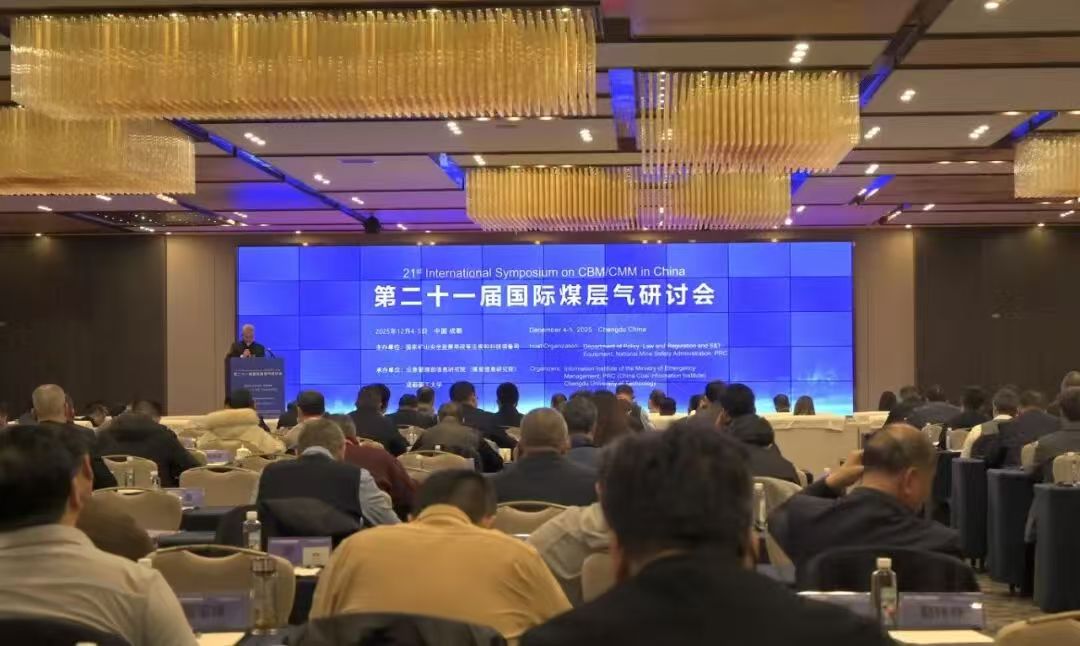
Group 1 - The European Commission has officially released the strategic guidance document "Building a Competitive and Sustainable EU Bioeconomy Strategy Framework" on November 27, 2025, which is seen as the beginning of a significant regulatory shift [1] - A series of stringent regulations are being implemented, including the EU Biotech Act, PPWR, ESPR, and the Green Claims Directive, which will impact the market access and compliance for bio-based materials [1] - By 2026, the EU will implement carbon footprint accounting rules for bio-based plastics and initiate compliance reviews for microplastic release in food contact materials [1] Group 2 - The Chinese paper and packaging industry is undergoing a critical reflection due to the new international standards emerging from Europe, questioning the sustainability of the past decade's growth driven by simple physical replacements [2] - The first round of growth, characterized by "paper replacing plastic," has led to significant market expansion but has also created challenges, particularly with the traditional "paper + PE coating" structure that hinders recyclability [2][3] - There is a consensus in the industry that the reliance on simple physical replacements has reached its limits, prompting a shift towards bio-based water-based coating technologies that focus on carbon reduction and sustainability [2] Group 3 - The traditional PE coating structure presents three systemic challenges: difficulties in recycling, environmental risks from microplastics, and regulatory pressures from new EU laws [3][4] - The emergence of bio-based water-based coating technology represents a significant advancement, moving from a "composite" approach to a "reduction" and "multiplication" strategy [5][6] - This technology allows for easy separation of materials during recycling, significantly reducing the carbon footprint and providing a pathway to meet stringent international market standards [6] Group 4 - Chinese companies are transitioning from being followers of international trends to defining them, leveraging the largest paper industry and advanced synthetic biology capabilities [7] - The integration of various sectors, including chemical technology and new materials, enables China to offer cost-effective and high-performance solutions like Bioten™, transforming low-carbon packaging from experimental to industrial standards [7] - The competition in the second phase of "paper replacing plastic" will focus on technological barriers and data credibility rather than price [8] Group 5 - The bio-based high-performance water-based coating technology is not just a material innovation but also a strategic battle for "carbon rights" and "recycling rights" [8] - Mastery of these rights will define the future of global green packaging, with a focus on solving challenges related to carbon reduction and recyclability [8]

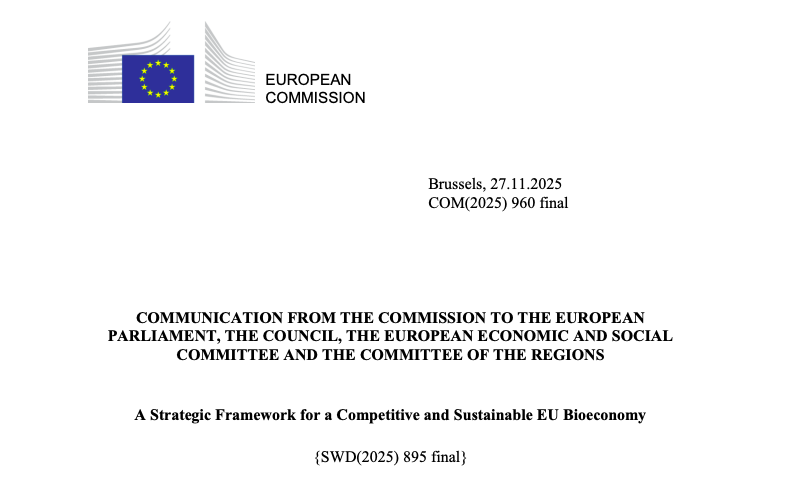
第二十一届国际煤层气研讨会在成都召开 君发科技董事长杨君廷受邀演讲
Zhong Guo Neng Yuan Wang· 2025-12-08 04:18
Core Insights - The 21st International Coalbed Methane Symposium was held in Chengdu, China, focusing on coal mine gas management and utilization, with over 300 experts and representatives from various countries participating [1][3] - The event highlighted the importance of coal mine gas governance and efficient utilization in the context of global energy transition and low-carbon development [3] Group 1: Event Overview - The symposium was organized by the National Mine Safety Administration and co-hosted by the Emergency Management Department's Information Research Institute and Chengdu University of Technology [1] - Keynote speeches were delivered by prominent experts, including members from the Chinese Academy of Engineering and the Polish Central Mining Institute, discussing cutting-edge viewpoints and innovative practices [3] Group 2: Themes and Discussions - The conference featured discussions on topics such as "Frontier Research and Innovative Practices in Coal Mine Gas Extraction and Utilization Technology," "Utilization of Coal Mine Gas under the 'Dual Carbon' Background," and "Unconventional Natural Gas Exploration and Development" [3] - A notable presentation by the chairman of Beijing Junfa Technology Group focused on "Innovative Technology for Full Concentration Utilization of Coal Mine Gas," providing new pathways for addressing low-concentration gas utilization challenges [3] Group 3: Future Directions - The symposium served as a high-quality platform for international exchange in the coalbed methane sector, emphasizing the need for enhanced international cooperation to explore new models and pathways for gas governance and utilization [3] - The event aimed to contribute to the safe and high-quality development of coal mines and global methane reduction efforts through technological innovation and standard co-construction [3]