
Zhong Guo Qi Che Bao Wang

Search documents
666
Zhong Guo Qi Che Bao Wang· 2025-11-28 03:35
Core Points - The Shenzhou-22 spacecraft was successfully launched on November 25, marking China's first emergency mission in manned spaceflight [2] - The launch signifies a significant achievement in China's manned space program, demonstrating the capability for rapid response in space missions [2] Group 1 - The successful launch of Shenzhou-22 represents a milestone in China's space exploration efforts [2] - This mission is part of China's broader strategy to enhance its capabilities in manned spaceflight and emergency response [2]


观车 · 论势 || 越野大众化:别让自由探索失了“指南针”
Zhong Guo Qi Che Bao Wang· 2025-11-28 03:19
Core Viewpoint - The Chinese off-road market is undergoing a significant transformation, evolving from a niche hobby for enthusiasts to a mainstream choice for millions of families, with total sales of off-road vehicles expected to exceed 1.1 million units in 2024, representing a 63% year-on-year growth [1][2]. Group 1: Market Dynamics - The demand for off-road vehicles is driven by multiple social needs, including the upgrading of automotive consumption, the introduction of intelligent technologies that lower the entry barrier for new drivers, and a post-pandemic desire for adventure and exploration [2][3]. - The industry faces challenges due to a lack of standardized performance evaluation, leading to consumer confusion between different vehicle types and their capabilities, particularly in extreme conditions [3][4]. Group 2: Safety Concerns - There is a significant gap in drivers' understanding of their driving abilities, vehicle performance limits, and terrain assessment, contributing to safety risks in off-road driving [3][4]. - The absence of graded and managed off-road environments has resulted in dangerous situations, as seen in recent accidents where inexperienced drivers ventured into high-risk areas without proper guidance [3][4]. Group 3: Industry Standards and Initiatives - Great Wall Motors is attempting to establish a systematic understanding of off-road driving through three grading standards: off-road skills, off-road scenarios, and off-road products, but this alone is insufficient to change market perceptions [4][5]. - The launch of the "Off-Road Travel Compass" brand by Xiangyang Daan Automotive Testing Center aims to provide a structured evaluation system for vehicles, terrains, and driver skills, addressing key industry pain points and promoting safety [4][5]. Group 4: Cultural Shift - The standardization efforts are not meant to restrict freedom but to ensure safety and respect for life, emphasizing that true off-road enthusiasts prioritize preparation and safety over recklessness [5]. - The industry is at a critical juncture, transitioning from a focus on speed to quality, with the "Off-Road Travel Compass" representing a collective industry consensus on the importance of balancing adventure with safety [5].



六部门促消费新方案出炉,为何重点押注汽车消费?
Zhong Guo Qi Che Bao Wang· 2025-11-28 03:19
Core Insights - The recent policy document titled "Implementation Plan for Enhancing the Adaptability of Supply and Demand for Consumer Goods" emphasizes the importance of automotive consumption as a key driver for economic growth, with a target to establish three trillion-level consumption sectors by 2027, particularly focusing on smart connected new energy vehicles [3][7] Group 1: Automotive Consumption as Economic Driver - Automotive consumption has surpassed real estate to become the primary pillar of social consumption, with an annual market scale of 30 million vehicles [3][4] - The automotive manufacturing industry has a strong pull on the supply chain, connecting numerous upstream and downstream industries, thus promoting collaborative development [3][5] - The automotive sales network is extensive, facilitating the circulation of goods and financial turnover across urban and rural areas [3][4] Group 2: Expansion of Automotive Aftermarket - The plan highlights the expansion of the automotive aftermarket, including areas such as vehicle modification, RV camping, and automotive events, indicating a shift in perception of automobiles from mere transportation to integral components of lifestyle [4][5] - This transformation creates new consumer experiences and opens broader development opportunities for the automotive industry, making it a critical node in the entire production, circulation, and service chain [4][5] Group 3: Addressing Structural Issues in Consumption - The automotive sector is positioned to address structural issues in the consumer market, such as insufficient high-end supply and lack of innovative scenarios, which have constrained market vitality [5][6] - Diverse consumer needs span from first-time buyers to enthusiasts seeking personalized modifications, driving demand across the automotive industry [5][6] Group 4: Policy Initiatives and Market Adaptation - The plan proposes a "combination punch" to shift automotive supply from standardized production to scenario-based adaptation, focusing on innovative applications in key sectors like smart connected new energy vehicles [6][10] - Incentives for green and low-carbon consumption are included to encourage the purchase of new energy vehicles, aligning with consumer demand for environmentally friendly travel [6][10] Group 5: New Consumption Scenarios - The plan recognizes the rising trend of outdoor economy and aims to expand new consumption scenarios for automotive use, such as RV camping, which is gaining popularity [9] - Innovations in automotive finance are also highlighted, providing consumers with more flexible purchasing options, thereby increasing accessibility to vehicles [8][9] Group 6: Infrastructure Support for New Energy Vehicles - Support measures for the infrastructure of new energy vehicles, such as integrated solar storage and charging facilities, are proposed to reduce reliance on traditional power grids and lower carbon emissions [10] - The exploration of vehicle-to-grid (V2G) interactions is emphasized, allowing for energy storage and supply back to the grid, creating a win-win situation for both consumers and the energy sector [10]

989898989
Zhong Guo Qi Che Bao Wang· 2025-11-28 02:50
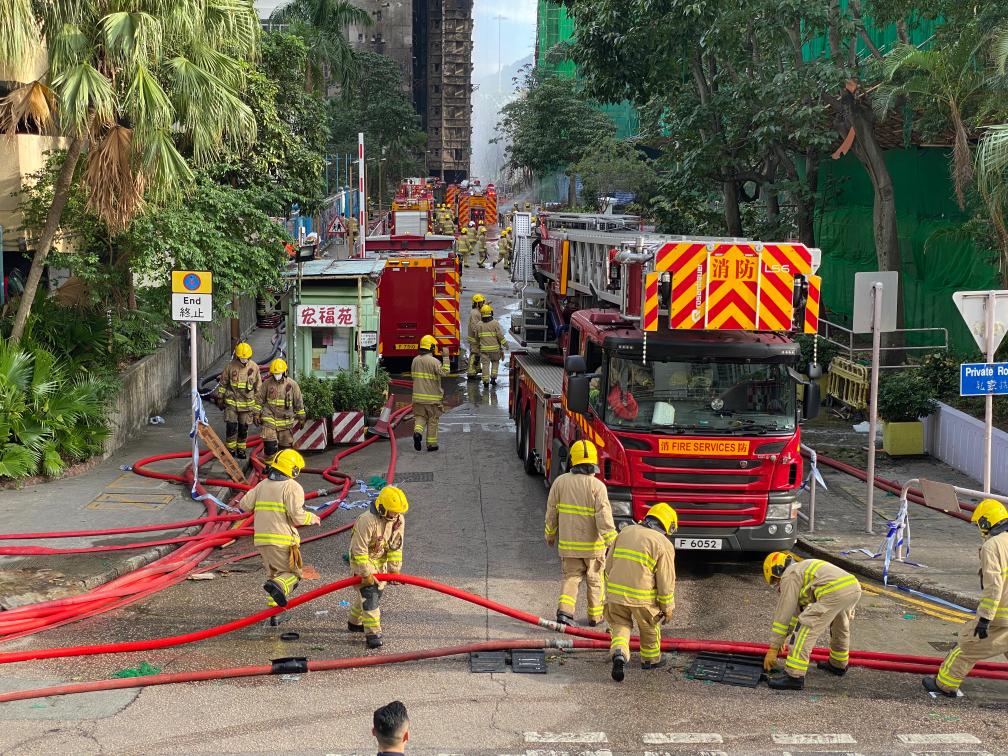
Core Points - A major fire incident occurred in Hong Kong's Tai Po district, resulting in significant casualties and injuries [1][3] - The fire has claimed 94 lives, including one firefighter, with 76 others injured, among which 11 are firefighters [3] Group 1 - The fire was classified as a level five alarm, indicating a severe emergency situation [1] - Firefighters have been working in shifts, with each team operating for 24 hours before taking a two-day rest due to the intense conditions [1] - The Chief Executive of Hong Kong, John Lee, emphasized the commitment to rescue efforts despite challenging environments [1] Group 2 - The Assistant Director of Fire Services, Lam Cheuk-ho, expressed deep sorrow over the loss of colleagues during the rescue operations [3] - The incident has drawn significant media attention, highlighting the bravery and dedication of the firefighting teams involved [3]
333333
Zhong Guo Qi Che Bao Wang· 2025-11-28 02:42
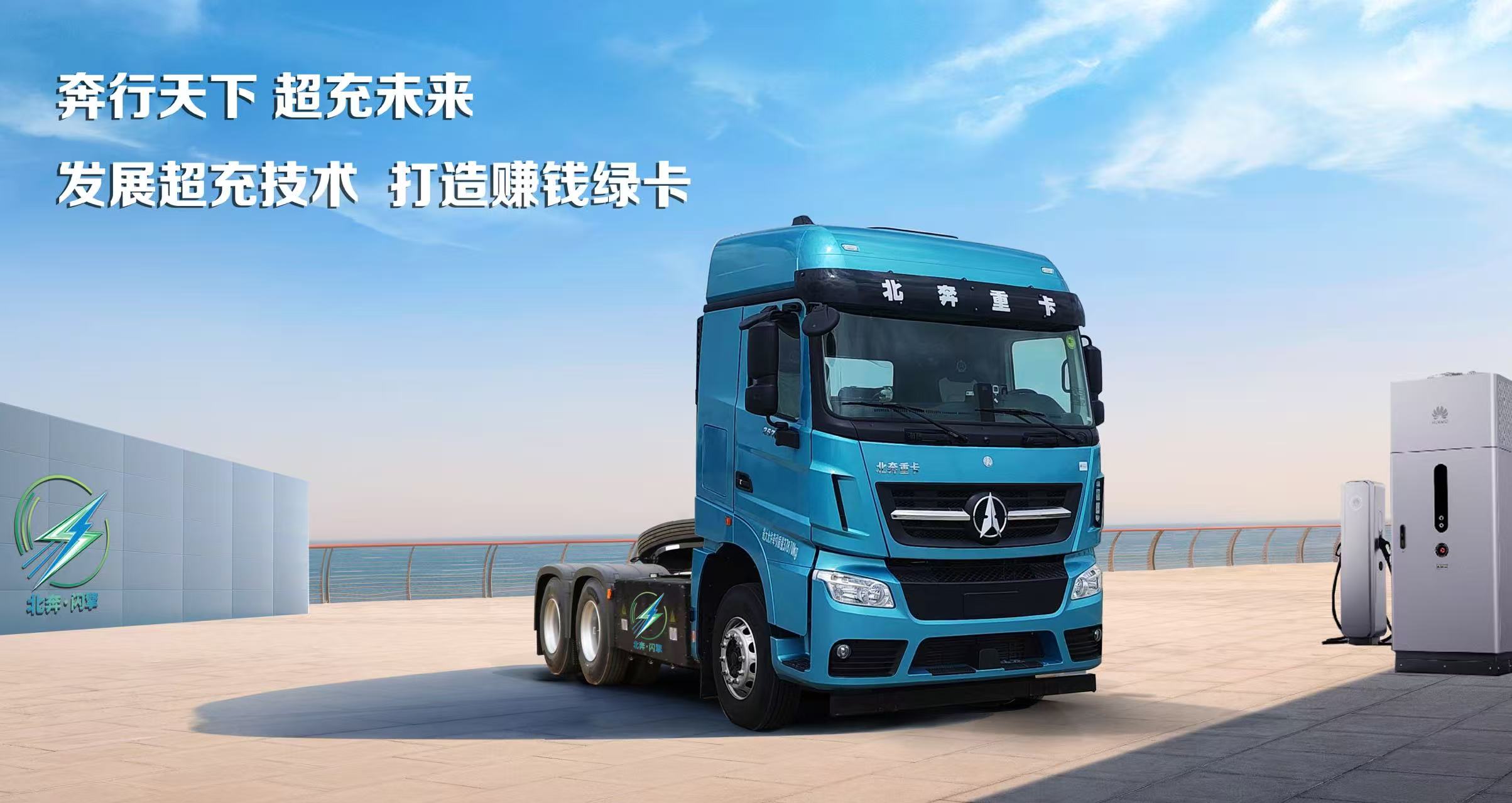
Core Insights - The article emphasizes the development of supercharging technology as a means to create profitable opportunities in the electric vehicle (EV) sector [1] Group 1: Supercharging Technology - The focus is on advancing supercharging technology to enhance the efficiency and accessibility of electric vehicle charging [1] - The initiative aims to establish a "money-making green card," indicating a strategy to monetize the supercharging infrastructure [1]
53.9万元起售 Next Era或重塑中高端重卡格局
Zhong Guo Qi Che Bao Wang· 2025-11-28 02:26
Core Insights - The Chinese heavy truck market is undergoing a structural upgrade, with the mid-to-high-end segment showing significant growth potential, making it a competitive battleground for domestic and international manufacturers [1][5] - Scania and Transfar Group have launched the NEXT ERA series of trucks, specifically designed for the Chinese market, indicating a strategic commitment from international commercial vehicle giants to deepen their presence in China [1][5] Product Development - The NEXT ERA truck has been developed over three years by a local R&D team, utilizing a modular system concept to meet the specific needs of long-distance users in China regarding efficiency, cost, and comfort [3] - The product lineup includes 6×4, 6×2, and 4×2 models, catering to various logistics needs such as express delivery, cold chain logistics, and general cargo transportation [3] - The truck features a TD13 engine with a maximum output of 500 horsepower and a peak torque of 2550 Nm, paired with a new 14-speed automatic transmission, achieving a fuel consumption rate as low as 33.6L/100km, an 8% improvement over the previous generation [3] Cost Efficiency - The NEXT ERA truck can save users between 26,000 to 65,000 yuan annually on flat roads and between 35,000 to 81,000 yuan in hilly areas due to its fuel efficiency [3] - The focus on total cost of ownership (TCO) aims to provide long-term value through localized production and modular technology, starting at a competitive price of 539,000 yuan [4] Market Reception - The launch event saw all 1,000 initial units of the NEXT ERA truck pre-ordered by national dealers, reflecting strong market recognition of its product capabilities and brand appeal [4] - Scania's strategy emphasizes local innovation and collaboration, establishing a comprehensive local presence in R&D, production, sales, and service, which is crucial for success in the Chinese market [5] Industry Impact - The introduction of the NEXT ERA truck is seen as a milestone in Scania's strategic transformation in China, potentially reshaping the competitive landscape of the mid-to-high-end heavy truck market [5] - The industry is shifting from competition based solely on product features to a more comprehensive value chain competition, focusing on long-term value rather than just scale [5]

世界汽车标准创新大会引领全球嬗变
Zhong Guo Qi Che Bao Wang· 2025-11-28 01:32
Core Viewpoint - The global automotive industry is transitioning from a mechanical to a digital era, necessitating the development of a new standardization framework to address challenges in electric and intelligent vehicles [2][3][11]. Group 1: Global Automotive Standardization - The global automotive landscape is changing, with China becoming the largest exporter of vehicles and the rise of intelligent connected vehicles [3][4]. - The first World Automotive Standard Innovation Conference was held in 2023, establishing a foundation for international collaboration on automotive standards [4][6]. - The conference highlighted the need for a cohesive standardization system to address fragmentation and data security issues in the transition to electric and intelligent vehicles [3][4]. Group 2: International Collaboration and Agreements - The first conference facilitated strategic partnerships with organizations like the American National Standards Institute (ANSI) and Uzbekistan's technical regulations authority, marking a shift from isolated cooperation to regional collaboration [4][8]. - Agreements with international organizations, such as the Japan Automobile Research Institute (JARI), signify the expansion of China's automotive standards into global markets [8][15]. Group 3: Digitalization and Future Initiatives - The 2024 conference will initiate the "Automotive Standards Digitalization Action," leveraging digital technologies to enhance international standard cooperation [9][10]. - The establishment of the China Automotive Standards Internationalization Center in Bangkok aims to support local standardization efforts in Southeast Asia and beyond [13][15]. Group 4: Sustainable Development and Market Expansion - The 2025 conference will focus on the integration of sustainable development strategies with automotive standardization, enhancing China's role in global automotive governance [11][17]. - The collaboration with African nations aims to increase the market share of Chinese electric vehicles in Africa from under 5% to 20% by 2030 through standard recognition and reduced trade barriers [15][17].

第19届商用车年度盛典在京举行
Zhong Guo Qi Che Bao Wang· 2025-11-28 01:24
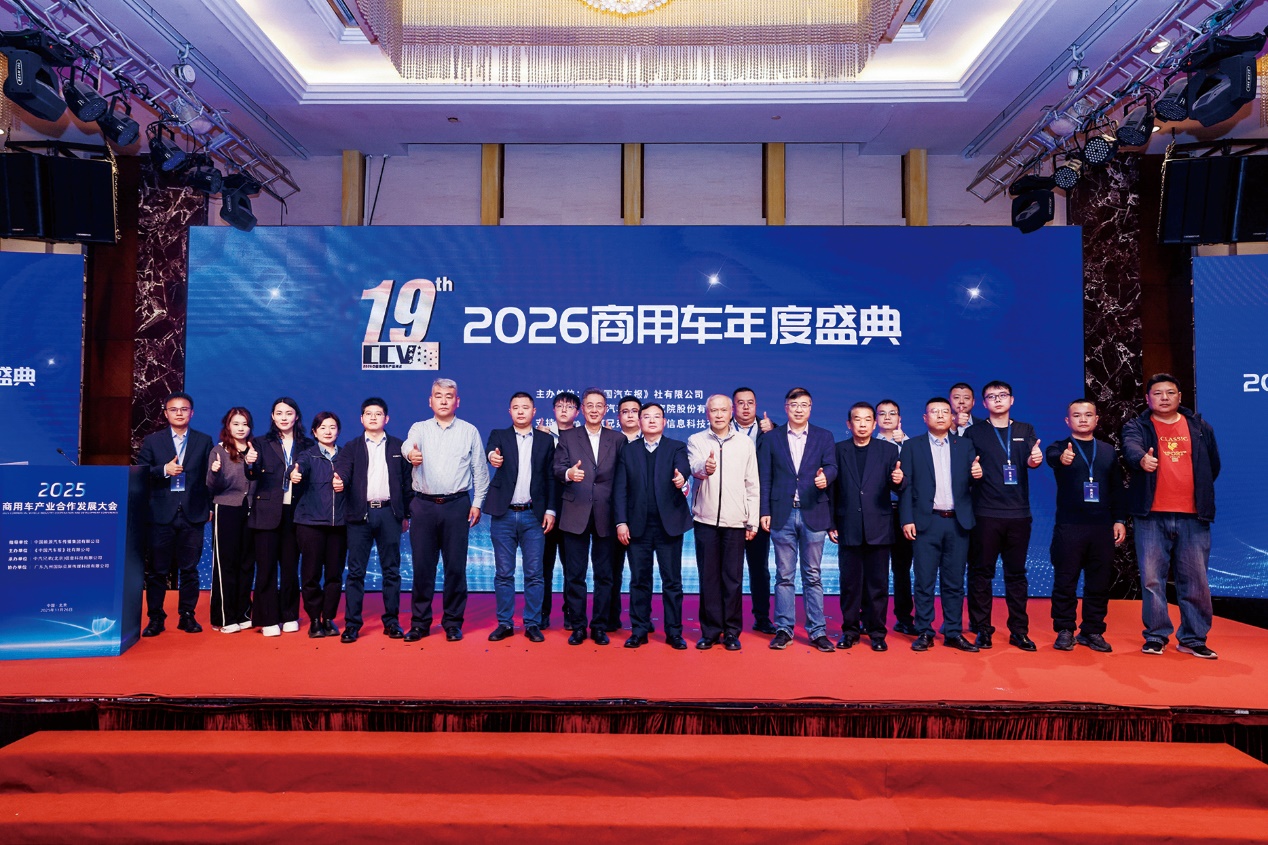
Core Insights - The "2026 Commercial Vehicle Annual Ceremony" was held in Beijing, marking the 19th edition of the event, which has been a witness to the development and progress of China's commercial vehicle industry since its inception in 2007 [1][3] - The commercial vehicle sector is highlighted as a pillar of China's automotive industry and a crucial support for the national economy, playing an irreplaceable role in national strategy, livelihood, and industrial upgrades [3] - The year is significant as it marks the conclusion of the "14th Five-Year Plan" and the planning phase for the "15th Five-Year Plan," positioning it as a critical year for achieving high-quality development in the commercial vehicle industry [5] Industry Development - The commercial vehicle industry has experienced structural changes and breakthroughs, with accelerated transitions towards new energy, intelligent technology, and deepening global strategies [3][5] - The event aims to promote technological innovation in the commercial vehicle sector, helping the industry achieve new leaps and upgrades [5][8] Testing and Evaluation - The event introduced an upgraded testing system that aligns with industry developments and user needs, focusing on energy consumption and driving range in the new energy sector, as well as enhancing safety evaluations in intelligent connected vehicles [5][8] - The testing process aims to provide precise references for users and companies, ensuring that evaluations reflect real market demands and technological advancements [8][10] Future Plans - The 20th anniversary of the event is being prepared, with plans to enhance engagement with companies through direct interactions and discussions on testing protocols [10][12] - The upcoming activities will focus on detailed evaluations of specific vehicle segments, integrating research outcomes to create a dual-dimensional evaluation system that aligns with end-user needs [10][12] Conclusion - The event serves as a platform for collaboration and innovation, aiming to empower the commercial vehicle industry for high-quality development and enhance China's competitiveness in the global market [12]

懂车帝持续发力二手车业务,推出二手特斯拉大促专场活动:最低9.8万
Zhong Guo Qi Che Bao Wang· 2025-11-27 09:36
Core Insights - The company, Dongchedi, is launching a promotional event for used cars, specifically featuring Tesla models, with significant subsidies for consumers [1][4] - The event will take place from November 28 to 30, 2023, and aims to enhance consumer access to high-demand used electric vehicles [1][4] Group 1: Promotional Activities - Dongchedi is offering a "尖货星期天" (Premium Goods Sunday) event, which includes a special focus on used Tesla cars priced at 98,000 yuan [1] - Approximately 400 used Tesla vehicles, primarily Model 3 and Model Y from the last two years, will be available during the event [1] - The promotional activities will utilize live streaming and in-app purchasing methods to facilitate sales [1] Group 2: Vehicle Quality and Assurance - All vehicles participating in the promotion will undergo a thorough inspection process, with 328 standard checks for regular cars and specific tests for electric vehicles [4] - The company provides a comprehensive after-sales service, including a 7-day no-reason return policy and a 60-day full warranty for family cars [4] - Additional guarantees include lifetime buyback for severely damaged vehicles and compensation for odometer tampering [4] Group 3: Market Trends and Company Growth - The used car market in China is experiencing steady growth, with a projected transaction volume exceeding 20 million units for the first time in 2025 [5] - Dongchedi has expanded its used car offerings to over 300,000 vehicles and has established multiple physical locations across various cities [5] - The introduction of large platforms like Dongchedi is expected to enhance market transparency and promote the circulation of high-quality used cars [5]


吉利新能源皮卡携生态产品亮相2025广州车展,定义场景生态新价值
Zhong Guo Qi Che Bao Wang· 2025-11-27 09:13
Core Insights - The article highlights the evolution of the new energy pickup truck from a "tool vehicle" to a "mobile energy ecological carrier" through the dual strategy of "product strength + full-scene ecological solutions" showcased by Geely Radar at the 23rd Guangzhou International Auto Show [1] Group 1: Product Features - The Geely Radar PHEV model features the Thunder EM-P super hybrid system, delivering a maximum power of 260 kW and peak torque of 914 N·m, achieving a 0-100 km/h acceleration in 8.6 seconds, significantly outperforming traditional fuel pickups [3] - The vehicle boasts a comprehensive range of 1068 km and a fuel cost reduction of 75% per kilometer compared to fuel pickups, potentially saving tens of thousands of yuan over a five-year usage period [3] - The design includes a hidden beam structure similar to Tesla's Cybertruck, with a rated load of 0.5 tons and a durable carrying capacity of 1.3 tons, suitable for commercial applications [3] Group 2: Smart Features - The vehicle is equipped with a smart cockpit featuring a 10.2-inch instrument panel and a 14.6-inch display, running on the Galaxy OS system, which allows for 200 ms voice response and continuous dialogue capabilities [5] - An L2-level driver assistance system enhances the vehicle's usability, providing a passenger car-like intelligent experience [5] Group 3: Ecological Solutions - The PSP380 vehicle-mounted discharge device, showcased at the auto show, is a 36 kW mobile power station that redefines outdoor electricity usage, achieving 98% output efficiency and capable of powering large industrial equipment [6] - The mobile power station allows for flexible deployment, improving operational efficiency by 30% and reducing electricity costs by 87.5% compared to fuel generators, potentially saving tens of thousands of yuan annually [8] - Geely Radar has developed tailored solutions for various sectors, including agriculture and engineering, enhancing its service offerings with customized modifications for industry users [8] Group 4: Market Performance - Geely Radar has maintained its position as the leading brand in China's new energy pickup market for three consecutive years, with 9,775 units registered from January to October this year [9] - The brand has achieved a 30% repurchase rate and has been recognized as the sales champion in government procurement for two consecutive years, reflecting strong customer loyalty and brand strength [9] - Geely Radar's dual technology strategy in both pure electric and hybrid models is driving the transformation of the pickup market from fuel to electric [9]

