Zhong Guo Qi Che Bao Wang

Search documents
地平线HSD量产破局:中国车企集体超越特斯拉的关键一跃
Zhong Guo Qi Che Bao Wang· 2025-11-28 05:41
Core Insights - The launch of Chery's Starway ET5 equipped with Horizon HSD marks a significant breakthrough in China's smart driving industry, bringing advanced intelligent driving experiences to mass-market vehicles priced around 150,000 yuan [2][11] - Horizon HSD aims to challenge Tesla's dominance in high-level intelligent driving, facilitating a collective effort among Chinese automakers to surpass industry benchmarks [2][11] Industry Challenges - The Chinese intelligent driving sector faces two main challenges: a focus on high computing power without sufficient algorithm optimization, leading to high hardware costs and limited consumer experience, and the use of segmented technology solutions that result in performance issues [5] - Horizon HSD addresses these challenges with an end-to-end architecture and reinforcement learning, enhancing the driving experience in complex urban scenarios [5] Technological Advantages - Horizon HSD features the "Zhengcheng 6P" chip, providing 560 TOPS of computing power, enabling efficient deployment of advanced driving models [5] - The system's architecture allows for rapid iteration and improvement, with performance enhancements expected to be significant within short timeframes [7] Production Capabilities - Horizon has established itself as the first company to achieve mass production across all levels of driving assistance, with over 40 partnerships and more than 400 models covered, achieving a market share exceeding 30% in the smart driving solutions for domestic passenger vehicles [8] - The company emphasizes a strong engineering and production capability, ensuring seamless integration of technology and mass production [8] Open Empowerment Strategy - Horizon's open empowerment model contrasts with Tesla's closed ecosystem, allowing various automakers to adopt high-level intelligent driving systems without extensive R&D investments [10] - The technology is now accessible to mainstream vehicles priced below 150,000 yuan, breaking the previous barrier that limited advanced driving systems to luxury models [10] Future Goals - Horizon aims to achieve a production target of 10 million units for HSD in the next 3-5 years, driving the widespread adoption of advanced driving assistance systems [11] - The company's efforts are positioned to enhance China's competitiveness in the global smart driving landscape, contributing to a collective advancement beyond Tesla [11]


马勒与佳配达成底盘项目战略合作
Zhong Guo Qi Che Bao Wang· 2025-11-28 05:41
马勒移动出行全生命周期事业部致力于为新能源汽车(NEVs)提供解决方案,在此次展会上展示 了其对未来移动出行的承诺。亮点包括为可靠性而设计的新能源汽车充电桩、800V电动压缩机以及新 能源展车中的创新电池冷却板。马勒通过高质量的产品、培训和BatteryPRO系列等维修厂设备,强调其 对修理厂合作伙伴的支持。此外,马勒还展示了其"修理厂英雄"活动,并展示了在X30驱动系统电 助力自行车技术方面的专业知识。 "马勒是高品质产品的代名词,我们很高兴将双方现有的战略伙伴关系走向更深。"上海佳配邱总表 示,"两家公司之间将产生强大的协同效应,并为发展开辟更广阔的空间。" 新能源汽车的兴起正在重塑售后市场格局,而中国平均车龄已达7至8年,这标志着底盘维护高峰期 的开始。作为全球领先的汽车零部件供应商,马勒凭借对行业趋势及市场窗口的精准把握,正在加快对 中国售后市场的战略部署。 马勒移动出行全生命周期中国事业部与上海佳配成功签署底盘项目战略合作协议。 在今年的上海国际汽车零配件展览会上,马勒与上海佳配签订了底盘项目战略合作协议。 马勒将依托佳配覆盖的36家门店的强大渠道优势,拓展其在中国售后市场的底盘更换与维修业务。 凭 ...

零米轻卡黄金船上市 以精算决胜城配市场
Zhong Guo Qi Che Bao Wang· 2025-11-28 05:25
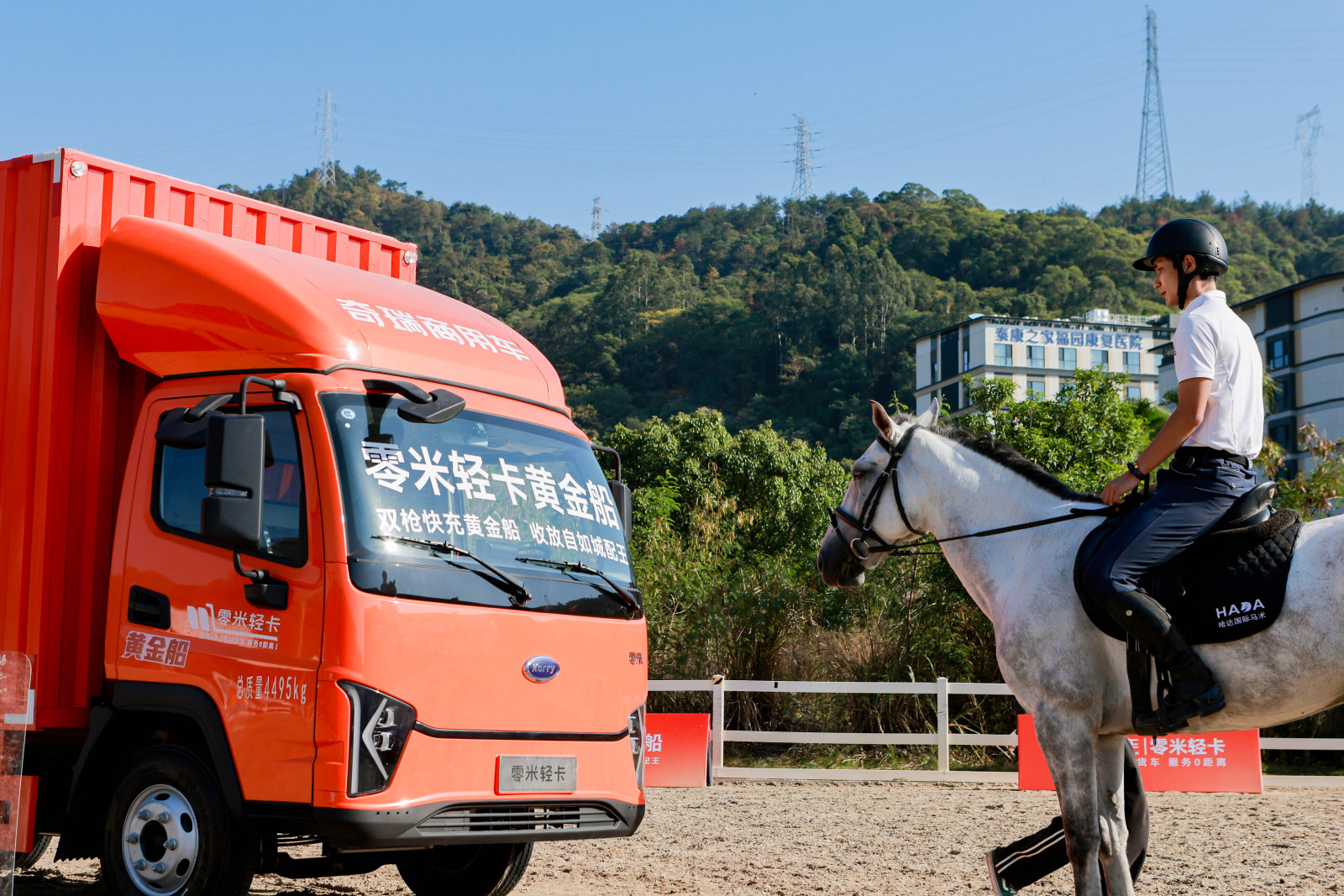
Core Insights - The current urban logistics delivery is evolving towards efficiency and sustainability under the dual pressures of low-carbon management and intensified industry competition, necessitating improvements in electric light trucks to enhance efficiency, reduce energy consumption, and ensure reliability [1][4] - The Zero Mi light truck, known as the Golden Ship, aims to break the conventional focus on range by adopting a "precision calculation" approach to better meet urban logistics demands through precise energy management and rapid power response [1][4] Product Features - The Golden Ship features a CATL CTP 3.0 single-package battery, enabling a low-energy consumption range of 305 kilometers, which aligns with the average daily urban logistics requirement of 250 kilometers [1] - The vehicle supports 2C dual-gun fast charging, allowing a charge from 20% to 80% in just 20 minutes, thus enhancing operational efficiency [1] - With a 100.07 kWh battery, the Golden Ship meets the majority of urban logistics scenarios, ensuring sufficient power, lower costs, and higher efficiency [1] Market Strategy - The Zero Mi light truck offers four variants: operation version, express version, comfort version, and premium version, with a market starting price of 126,800 yuan, and received 95 orders at the launch event [4] - The company emphasizes the importance of accurately matching products to diverse user needs to enhance competitiveness in the ongoing value reconstruction within the urban logistics industry [4] Brand and Value Retention - The low residual value of pure electric light trucks has been a significant barrier to market growth, influenced by past experiences with battery cost declines and early technology limitations [5] - Zero Mi light trucks have achieved a high residual value in the second-hand market, particularly in regions like the Yangtze River Delta, where they have gained significant market share [5][6] - The brand's commitment to technological leadership, strong branding, and full lifecycle services contributes to maintaining high product value [6] Service Commitment - The company has established a robust after-sales service framework, addressing challenges in the electric commercial vehicle sector, particularly in high-voltage maintenance [7] - Zero Mi light trucks offer a range of service commitments, including rapid rescue services and optimized customer experiences, to address common pain points faced by truck drivers [7][10] - The service radius currently extends to 78 kilometers, with plans to reduce it to within 50 kilometers next year, supported by a parts reserve of 30 million yuan [10]
中国保险汽车安全指数(C-IASI)2025年测评车型第一次结果发布
Zhong Guo Qi Che Bao Wang· 2025-11-28 04:24
Core Insights - The China Insurance Automotive Safety Index (C-IASI) evaluates three SUV models: Changan Deep Blue S09, Toyota bZ5, and Honda P7, all of which are electric vehicles. The results will be officially released on November 28, 2025 [1]. Group 1: Evaluation Results - Among the three models, one received a good rating (A), one received a moderate rating (M), and one received a poor rating (P) in crashworthiness and repair economy [2]. - The Toyota bZ5 received a good rating for structural crashworthiness, while the Changan Deep Blue S09 excelled in repair economy [2]. - In terms of collision compatibility, both Changan Deep Blue S09 and Toyota bZ5 received good ratings [2]. Group 2: Safety Ratings - All three models received an excellent+ (G+) rating for occupant safety, with no defects reported in various crash scenarios [3]. - The roof strength and seat/headrest evaluations also showed a 100% excellent rating across all models [3]. Group 3: Pedestrian and Auxiliary Safety - All three models received an excellent+ (G+) rating for pedestrian safety [4]. - In auxiliary safety features, all models achieved at least an excellent (G) rating, with two models rated excellent+ (G+). They all come standard with AEB and emergency rescue services, achieving a 100% installation rate [4]. Group 4: New Energy Vehicle Index - All three models received an excellent (G) rating in the New Energy Vehicle Special Index, with Changan Deep Blue S09 and Toyota bZ5 achieving excellent ratings in both repair economy and vehicle safety [5]. Group 5: Future Directions - C-IASI aims to continue monitoring vehicle performance and encourage manufacturers to develop safer and more competitive new models, focusing on reducing consumer costs and providing an objective vehicle selection guide [6].

16.99万元起!郑州日产锋坦Frontier Pro全球首发,开启“潮玩由NI”皮卡新生活
Zhong Guo Qi Che Bao Wang· 2025-11-28 03:53
Core Viewpoint - The pickup truck market in China is evolving from a purely utilitarian vehicle to a multifunctional model that combines passenger and utility features, driven by consumer demand for lifestyle-oriented products [1][5]. Product Launch - Zhengzhou Nissan launched the Frontier Pro pickup truck, marking the first global debut of a Nissan pickup in China, with nine models available. The price range for the diesel version is 169,900 to 199,900 yuan, for the gasoline version is 176,900 to 196,900 yuan, and for the plug-in hybrid version is 189,900 to 249,900 yuan [3][19]. Brand Transformation - Zhengzhou Nissan is undergoing a transformation to adapt to market changes, emphasizing a new brand value proposition "潮玩由NI" (潮玩由NI), which reflects a shift towards a lifestyle-oriented approach for pickup trucks [5][7]. User Demand - Modern pickup truck users are looking for vehicles that not only perform well but also offer recreational and social features, moving beyond traditional utility [7][9]. Vehicle Features - The Frontier Pro is built on a global multi-terrain platform and offers a dual power matrix of gasoline and hybrid options. It integrates advanced technology, comfort comparable to high-end passenger cars, and leading-edge energy solutions [10][12]. Performance and Comfort - The Frontier Pro features a third-generation M9T diesel engine with 500N·m of torque, advanced off-road capabilities, and a fuel consumption of 8.1L/100km. It also includes high-quality seating and user-friendly cargo features [12][14]. Safety Standards - The vehicle boasts a high-strength steel body with a 70% high-strength steel ratio and advanced battery safety measures for the plug-in hybrid model, ensuring safety during off-road and heavy-load conditions [16]. Customization Options - Zhengzhou Nissan introduced two modified models, "锋坦云梦X" and "锋坦弯刀," designed for outdoor activities and comfort, showcasing the brand's commitment to expanding the pickup truck's lifestyle appeal [18]. Global Strategy - The Frontier Pro is the first Nissan pickup designed, developed, and produced in China, with plans for global export starting in 2026. This reflects Zhengzhou Nissan's strategic positioning in the global market [19][21]. Market Performance - In the first ten months of 2025, the Chinese pickup truck market saw sales of 481,000 units, with Zhengzhou Nissan among the top performers, indicating the effectiveness of its transformation strategies [21].

666
Zhong Guo Qi Che Bao Wang· 2025-11-28 03:35
Core Points - The Shenzhou-22 spacecraft was successfully launched on November 25, marking China's first emergency mission in manned spaceflight [2] - The launch signifies a significant achievement in China's manned space program, demonstrating the capability for rapid response in space missions [2] Group 1 - The successful launch of Shenzhou-22 represents a milestone in China's space exploration efforts [2] - This mission is part of China's broader strategy to enhance its capabilities in manned spaceflight and emergency response [2]

观车 · 论势 || 越野大众化:别让自由探索失了“指南针”
Zhong Guo Qi Che Bao Wang· 2025-11-28 03:19
Core Viewpoint - The Chinese off-road market is undergoing a significant transformation, evolving from a niche hobby for enthusiasts to a mainstream choice for millions of families, with total sales of off-road vehicles expected to exceed 1.1 million units in 2024, representing a 63% year-on-year growth [1][2]. Group 1: Market Dynamics - The demand for off-road vehicles is driven by multiple social needs, including the upgrading of automotive consumption, the introduction of intelligent technologies that lower the entry barrier for new drivers, and a post-pandemic desire for adventure and exploration [2][3]. - The industry faces challenges due to a lack of standardized performance evaluation, leading to consumer confusion between different vehicle types and their capabilities, particularly in extreme conditions [3][4]. Group 2: Safety Concerns - There is a significant gap in drivers' understanding of their driving abilities, vehicle performance limits, and terrain assessment, contributing to safety risks in off-road driving [3][4]. - The absence of graded and managed off-road environments has resulted in dangerous situations, as seen in recent accidents where inexperienced drivers ventured into high-risk areas without proper guidance [3][4]. Group 3: Industry Standards and Initiatives - Great Wall Motors is attempting to establish a systematic understanding of off-road driving through three grading standards: off-road skills, off-road scenarios, and off-road products, but this alone is insufficient to change market perceptions [4][5]. - The launch of the "Off-Road Travel Compass" brand by Xiangyang Daan Automotive Testing Center aims to provide a structured evaluation system for vehicles, terrains, and driver skills, addressing key industry pain points and promoting safety [4][5]. Group 4: Cultural Shift - The standardization efforts are not meant to restrict freedom but to ensure safety and respect for life, emphasizing that true off-road enthusiasts prioritize preparation and safety over recklessness [5]. - The industry is at a critical juncture, transitioning from a focus on speed to quality, with the "Off-Road Travel Compass" representing a collective industry consensus on the importance of balancing adventure with safety [5].



六部门促消费新方案出炉,为何重点押注汽车消费?
Zhong Guo Qi Che Bao Wang· 2025-11-28 03:19
Core Insights - The recent policy document titled "Implementation Plan for Enhancing the Adaptability of Supply and Demand for Consumer Goods" emphasizes the importance of automotive consumption as a key driver for economic growth, with a target to establish three trillion-level consumption sectors by 2027, particularly focusing on smart connected new energy vehicles [3][7] Group 1: Automotive Consumption as Economic Driver - Automotive consumption has surpassed real estate to become the primary pillar of social consumption, with an annual market scale of 30 million vehicles [3][4] - The automotive manufacturing industry has a strong pull on the supply chain, connecting numerous upstream and downstream industries, thus promoting collaborative development [3][5] - The automotive sales network is extensive, facilitating the circulation of goods and financial turnover across urban and rural areas [3][4] Group 2: Expansion of Automotive Aftermarket - The plan highlights the expansion of the automotive aftermarket, including areas such as vehicle modification, RV camping, and automotive events, indicating a shift in perception of automobiles from mere transportation to integral components of lifestyle [4][5] - This transformation creates new consumer experiences and opens broader development opportunities for the automotive industry, making it a critical node in the entire production, circulation, and service chain [4][5] Group 3: Addressing Structural Issues in Consumption - The automotive sector is positioned to address structural issues in the consumer market, such as insufficient high-end supply and lack of innovative scenarios, which have constrained market vitality [5][6] - Diverse consumer needs span from first-time buyers to enthusiasts seeking personalized modifications, driving demand across the automotive industry [5][6] Group 4: Policy Initiatives and Market Adaptation - The plan proposes a "combination punch" to shift automotive supply from standardized production to scenario-based adaptation, focusing on innovative applications in key sectors like smart connected new energy vehicles [6][10] - Incentives for green and low-carbon consumption are included to encourage the purchase of new energy vehicles, aligning with consumer demand for environmentally friendly travel [6][10] Group 5: New Consumption Scenarios - The plan recognizes the rising trend of outdoor economy and aims to expand new consumption scenarios for automotive use, such as RV camping, which is gaining popularity [9] - Innovations in automotive finance are also highlighted, providing consumers with more flexible purchasing options, thereby increasing accessibility to vehicles [8][9] Group 6: Infrastructure Support for New Energy Vehicles - Support measures for the infrastructure of new energy vehicles, such as integrated solar storage and charging facilities, are proposed to reduce reliance on traditional power grids and lower carbon emissions [10] - The exploration of vehicle-to-grid (V2G) interactions is emphasized, allowing for energy storage and supply back to the grid, creating a win-win situation for both consumers and the energy sector [10]

989898989
Zhong Guo Qi Che Bao Wang· 2025-11-28 02:50
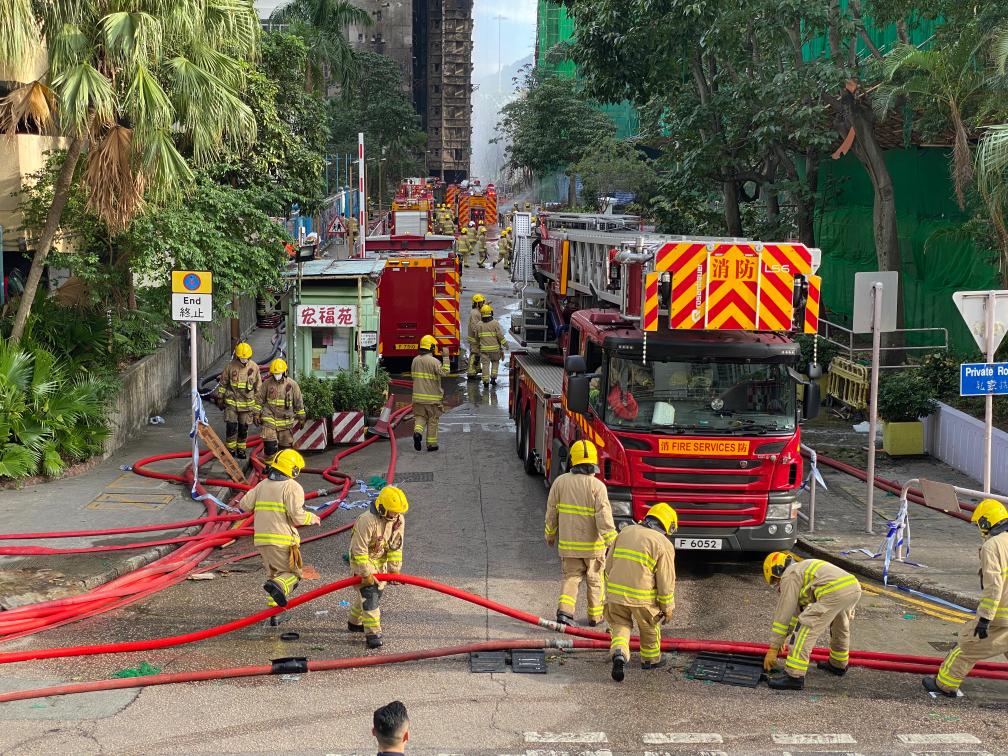
Core Points - A major fire incident occurred in Hong Kong's Tai Po district, resulting in significant casualties and injuries [1][3] - The fire has claimed 94 lives, including one firefighter, with 76 others injured, among which 11 are firefighters [3] Group 1 - The fire was classified as a level five alarm, indicating a severe emergency situation [1] - Firefighters have been working in shifts, with each team operating for 24 hours before taking a two-day rest due to the intense conditions [1] - The Chief Executive of Hong Kong, John Lee, emphasized the commitment to rescue efforts despite challenging environments [1] Group 2 - The Assistant Director of Fire Services, Lam Cheuk-ho, expressed deep sorrow over the loss of colleagues during the rescue operations [3] - The incident has drawn significant media attention, highlighting the bravery and dedication of the firefighting teams involved [3]
333333
Zhong Guo Qi Che Bao Wang· 2025-11-28 02:42
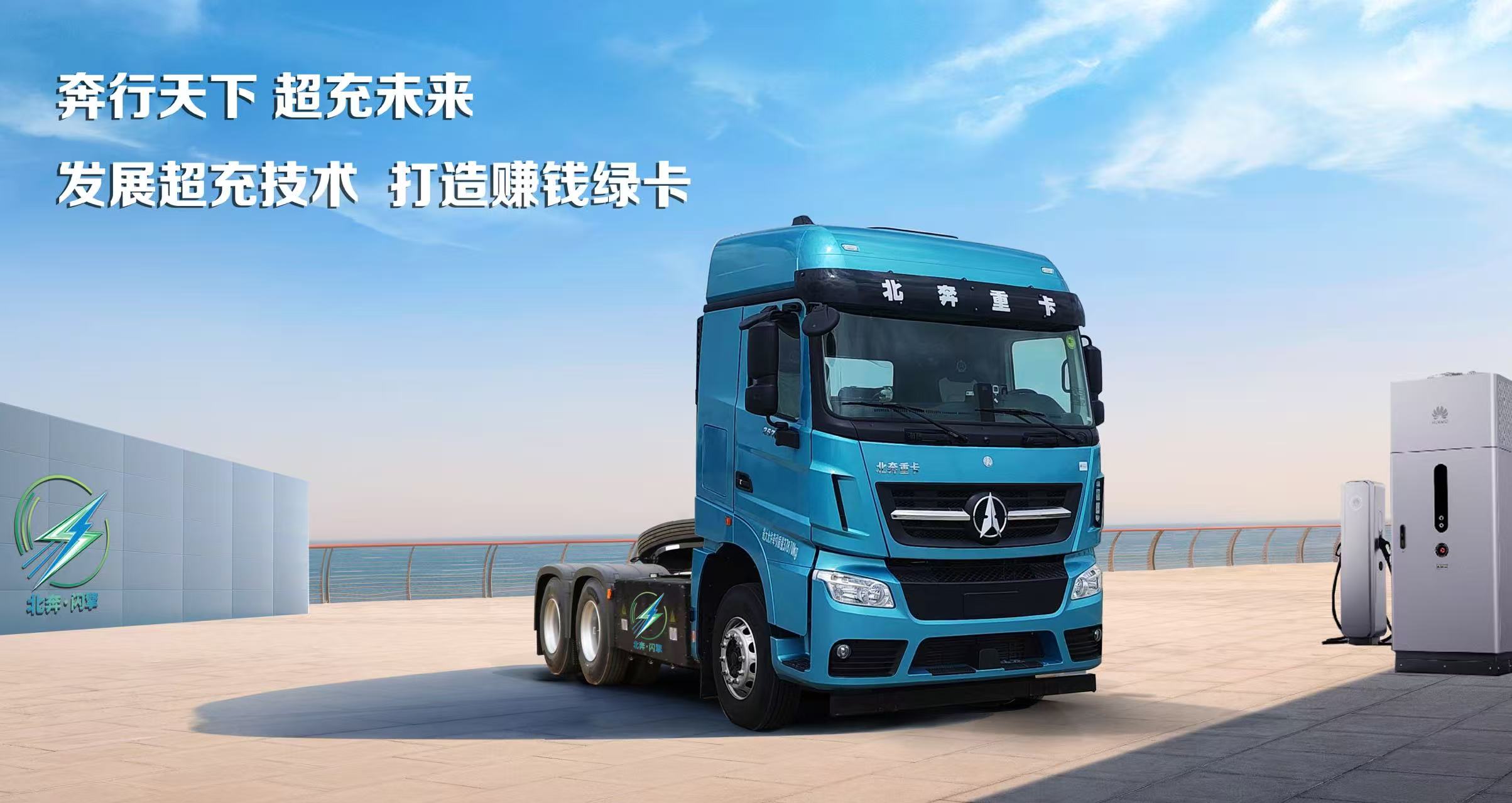
Core Insights - The article emphasizes the development of supercharging technology as a means to create profitable opportunities in the electric vehicle (EV) sector [1] Group 1: Supercharging Technology - The focus is on advancing supercharging technology to enhance the efficiency and accessibility of electric vehicle charging [1] - The initiative aims to establish a "money-making green card," indicating a strategy to monetize the supercharging infrastructure [1]