Zhong Guo Qi Che Bao Wang

Search documents
深度剖析产业发展生态,揭示未来出行无限可能
Zhong Guo Qi Che Bao Wang· 2025-11-09 02:46
Core Insights - The rapid development of autonomous driving technology is transforming cars from mere transportation tools into intelligent mobile living spaces, creating new business models and growth paths for companies in the automotive service ecosystem [1][3][10] Industry Overview - China has become the world's largest market for new energy vehicles, with penetration rates increasing annually, indicating a shift from policy-driven to market-driven growth [3] - By the end of 2025, it is expected that the penetration rates for new energy passenger vehicles and L2-level intelligent driving assistance will exceed 50% [3] - The transition from L2-level assistance to L3-level conditional automation is a critical phase, with L2 already mainstream and L3 expected to be commercially viable by 2026 [3][10] Service Ecosystem Transformation - The shift towards autonomous driving is leading to the formation of a highly automated, intelligent, and collaborative service ecosystem around vehicles, moving from manual operations to automated services [4][5] - Autonomous driving will address challenges such as finding parking spaces and enhance operational efficiency in charging stations, ultimately leading to a seamless service experience [6] New Business Models - The integration of autonomous driving technology into various sectors, including parking, charging, maintenance, real estate, and insurance, is expected to create new business opportunities and value [5][6] - The automotive service industry is seen as a second automotive industry, with its value potentially surpassing that of manufacturing as services become more digitalized and integrated with AI technology [8] Future Outlook - The report emphasizes the need for a collaborative approach among stakeholders to accelerate the transition from technology trials to large-scale implementation of autonomous driving [10] - The integration of policies, technology, services, and scenarios will reshape transportation methods and optimize urban governance, contributing to the development of smart transportation and the digital economy [10]

共商绿色能源发展大计!2025北京甲醇能源峰会圆满落幕
Zhong Guo Qi Che Bao Wang· 2025-11-08 12:31
Core Insights - The "Beijing Methanol Energy Summit" held on November 7 focused on the entire methanol energy industry chain, discussing policy interpretation, technological innovation, industrial practices, and market outlook [1][3][8] - The summit aimed to create a platform for deep integration of production, education, research, and application in the methanol sector [1][3] Policy and Industry Development - The development of methanol energy relies heavily on policy guidance and practical exploration, with significant milestones achieved since the completion of methanol vehicle pilot projects in 2019 [3][10] - The successful hosting of the first Beijing Methanol Energy Summit in 2023 has further enhanced the industry's influence and public awareness [3][10] Technological Advancements - The methanol energy application ecosystem has expanded from early uses in vehicles and stoves to include ships, fuel cells, and power generation [7][31] - The global methanol industry is entering a phase of explosive growth, driven by rigid demand in shipping, chemicals, and transportation sectors [8][14] Market Dynamics - China is leading in methanol production and consumption, with over 60% of its renewable methanol projects being bio-methanol [14][18] - The methanol industry is expected to see a capacity growth rate of approximately 2.9% during the 14th Five-Year Plan, reaching 130 million tons per year by 2030 [18] Safety and Standards - The summit discussed the importance of developing standards for methanol fuel applications, particularly in shipping and thermal combustion [20][22] - Safety assessments indicate that the occupational health risks associated with methanol are currently at an acceptable level [37] Future Outlook - The methanol sector is poised to play a crucial role in the global energy transition, with ongoing technological breakthroughs and a growing array of application scenarios [45] - The collaboration among industry, academia, and research institutions is expected to accelerate the commercialization of green methanol technologies [45]

广阔天地大有作为 甲醇能源已登上世界舞台
Zhong Guo Qi Che Bao Wang· 2025-11-08 12:09
Group 1 - The concept of "green methanol" has transitioned from theoretical discussions to practical industrial applications, marking a significant shift in the methanol energy landscape [3][4] - Methanol is recognized as an efficient and clean-burning fuel, with the ability to be produced from a variety of raw materials, making it a versatile energy source [3][4] - The development of methanol as an energy source in China has evolved from initial applications in vehicles to a broader range of uses, including shipping and fuel cells, indicating a robust growth trajectory [4][5] Group 2 - China's energy resource endowment is characterized by a high dependence on coal and significant oil imports, prompting calls for a national policy to guide the high-quality development of the methanol industry [5][7] - The methanol industry is expected to see a production capacity growth rate of approximately 2.9% during the 14th Five-Year Plan, with projections reaching 13 million tons per year by 2030 [7] - The conference highlighted the importance of technological innovation and practical applications in driving the methanol energy sector forward, with a focus on various fields such as shipping and automotive applications [8][9] Group 3 - Methanol is positioned as a key player in the transition to sustainable energy, with its production capabilities exceeding 60% of the global total, showcasing China's leadership in the sector [9] - The annual consumption of methanol fuel has surpassed 10 million tons, with its applications in vehicles, ships, and power generation becoming increasingly prevalent [9]

2025内燃机产业发展大会将在南京举行
Zhong Guo Qi Che Bao Wang· 2025-11-08 04:58
展会同期召开小型动力设备分会、活塞运动组件分会、轴瓦分会、测试技术与设备分会、电机电器 分会、进排气机构分会等相关工作会议。 为充分体现内燃机行业助力"碳达峰、碳中和"目标实现的决心和落实的实力,由中国内燃机工业协 会主办的2025内燃机产业发展大会、2025国际内燃机及动力装备博览会将于11月11日在南京召开。 此外展会还将集中展示行业向低碳化、零碳化转型的最新成果和技术应用,不仅为企业搭建了学 习、交流、洽谈、展示、采购的一站式优质服务平台,更是以前瞻性引领动力装备产业加速向高质量发 展跃迁,助力内燃机行业高质量发展。 据介绍,该展会自1994年首届举办至今,已经成功举办二十多届,不仅全面展示了中国内燃机工业 各阶段光辉历程和先进技术,同时与时俱进,重磅加入新能源动力,覆盖整个动力产业链。 值得一提的是,中国内燃机工业协会第八次全国会员伐表大会暨八届一次理事会也将在南京举行。 中国内燃机工业协会第八次全国会员代表大会将审议《中国内燃机工业协会第七届理事会工作报告》、 《中国内燃机工业协会第七届理事会财务收支报告》、《中国内燃机工业协会第一届监事会工作报告》 以及《中国内燃机工业协会章程》修订案,审议《第八 ...
中国汽车经销商海外扩张“火力全开”
Zhong Guo Qi Che Bao Wang· 2025-11-07 15:17
Core Viewpoint - The strategic investment by a domestic new energy vehicle company in iCar Group Limited, a subsidiary of Harmony Auto, marks a significant collaboration aimed at expanding overseas market presence and enhancing operational efficiency in the automotive distribution sector [2][3][4]. Group 1: Investment and Strategic Collaboration - Harmony Auto announced that a domestic new energy vehicle company has invested $40 million (approximately 284 million RMB) for a 10% stake in iCar Group, reducing Harmony Auto's direct shareholding from 55% to 49.5% [2]. - The investment is seen as a recognition of Harmony Auto's strong brand management capabilities and valuable overseas channels, aimed at accelerating the overseas expansion of the new energy vehicle brand [3][4]. - The collaboration is expected to deepen the partnership and optimize Harmony Auto's capital structure, enhancing overall competitiveness and creating sustainable long-term value for shareholders [3][4]. Group 2: Market Performance and Growth - As of June 30, 2025, Harmony Auto's revenue reached 9.637 billion RMB, a 29.1% increase compared to the same period in 2024, with overseas markets contributing significantly to this growth [6][9]. - The sales volume from Hong Kong and overseas markets accounted for over 50% of total sales, highlighting the effectiveness of Harmony Auto's international strategy [6][9]. - The company reported a significant increase in sales in key overseas markets, with Indonesia, Cambodia, and the Philippines showing growth rates of 226%, 444%, and 89% respectively [7]. Group 3: Operational Strategy and Efficiency - Harmony Auto employs a "low-cost, high-efficiency" operational model overseas, with lower investment per store compared to traditional 4S stores in China [7]. - The company has established over 157 authorized dealer outlets globally, with a focus on rapid deployment strategies to capture core markets [6][9]. - The strategic investment allows the new energy vehicle company to leverage Harmony Auto's extensive overseas distribution network, enhancing market penetration and operational control [4][10]. Group 4: Industry Context and Future Outlook - The collaboration reflects a broader trend in the automotive industry where domestic companies are increasingly looking to expand their international presence through strategic partnerships [15][19]. - The investment model seen in this case is not uncommon, as it mirrors past strategies employed by companies like Toyota in their overseas expansions [10][19]. - Industry experts suggest that the success of such partnerships will depend on the ability of dealers to adapt to local markets and leverage their existing resources effectively [18][19].
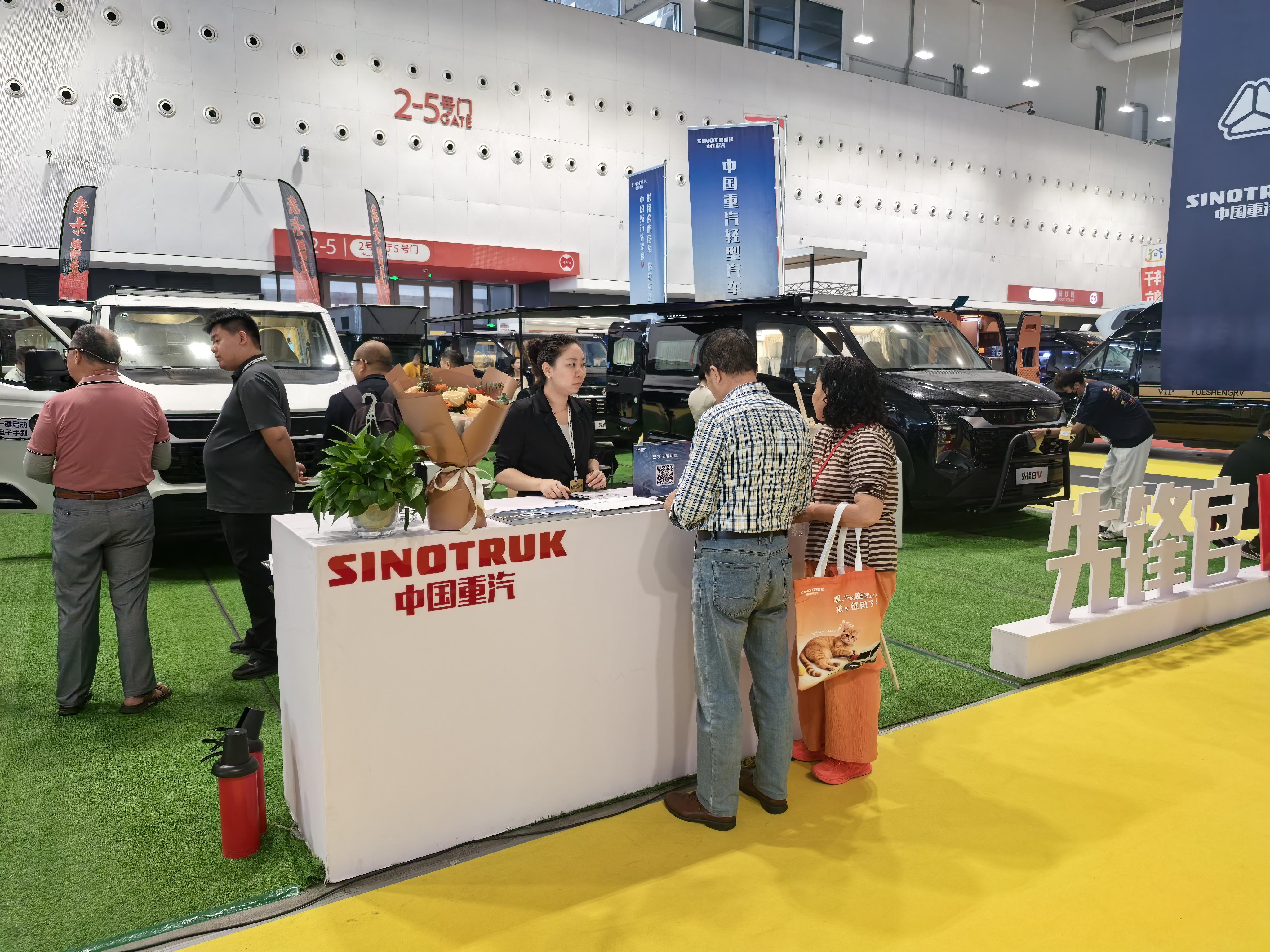
中国重汽轻型汽车登陆广州国际房车展,为户外向往定制移动空间
Zhong Guo Qi Che Bao Wang· 2025-11-07 12:26
Core Insights - The 25th Guangzhou International RV Exhibition showcases China National Heavy Duty Truck's customized RVs based on the Pioneer V chassis, highlighting the company's commitment to diverse product offerings for various user needs in outdoor living [1][4]. Group 1: Product Offerings - China National Heavy Duty Truck presents three distinct customized RVs based on the Pioneer V chassis, catering to different user preferences for travel and modification [1][4]. - The first model focuses on practicality and flexibility, featuring a 500AH lithium battery and a 3000W inverter to support essential appliances, enhancing the quality of outdoor living [7]. - The second model targets higher lifestyle aspirations with advanced features like a 120V split air conditioner and a 10-liter electric water heater, emphasizing comfort and energy management [9]. - The third model integrates comfort and technology, including a voice control system and a comprehensive water and electricity setup, making it suitable for long-distance travel [11]. Group 2: Market Trends - RV tourism in China has transitioned from a niche market to a mainstream activity, with increasing consumer demand for personalized and refined travel experiences [4]. - The company is deepening its ecological layout in the RV sector, expanding its product range to meet the evolving needs of consumers seeking freedom in their travel lifestyles [4][17]. Group 3: Strategic Vision - China National Heavy Duty Truck aims to be a leader in outdoor lifestyle advocacy, having designed its base models with ample modification potential from the outset [17]. - The company emphasizes collaboration with modification partners and user research to enhance the capabilities of its base models, offering a full range of RV products from basic to luxury [17][20]. - The brand's vision is to enable more people to realize their dream of "living on the road," inviting users to explore new possibilities in outdoor living [20].

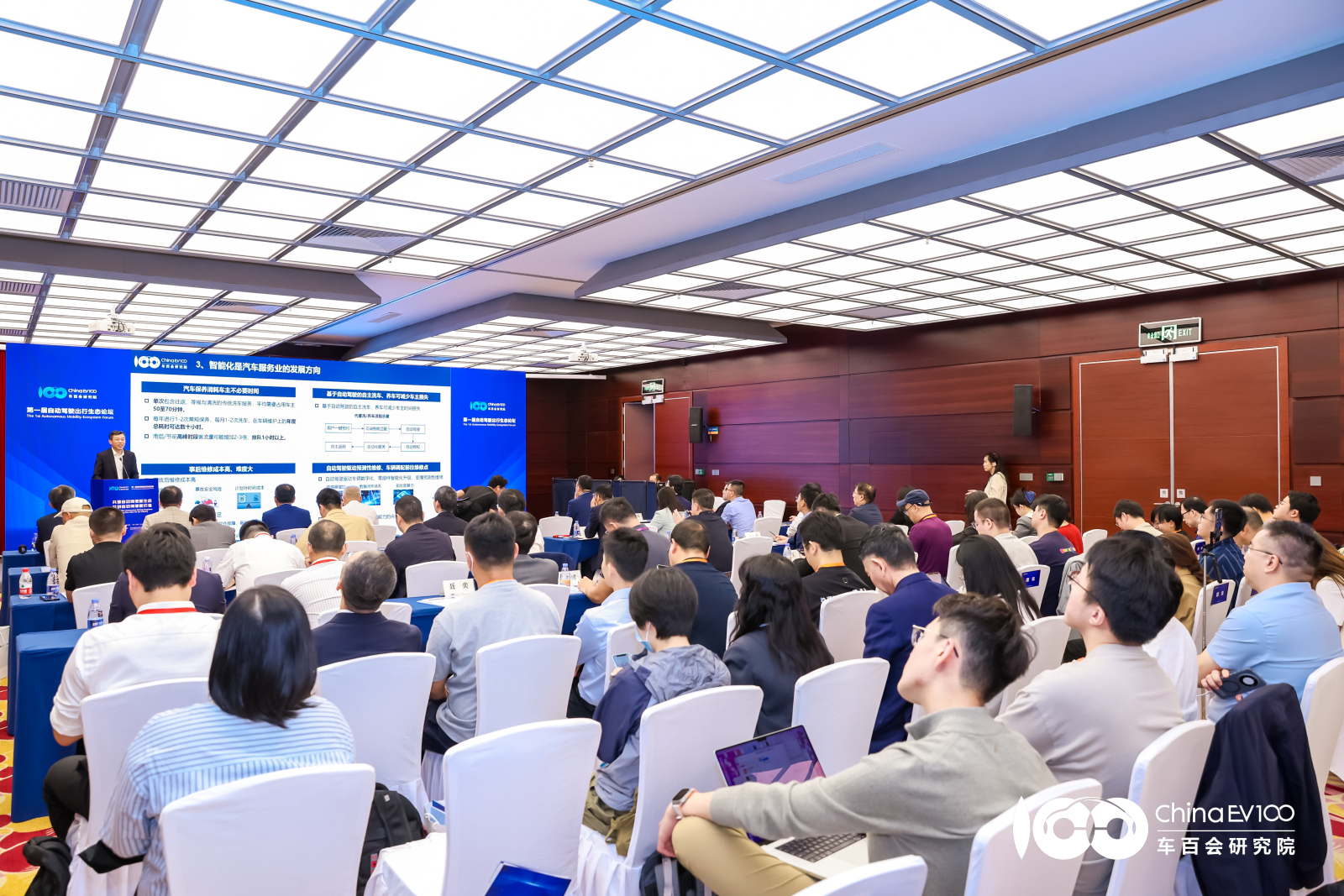
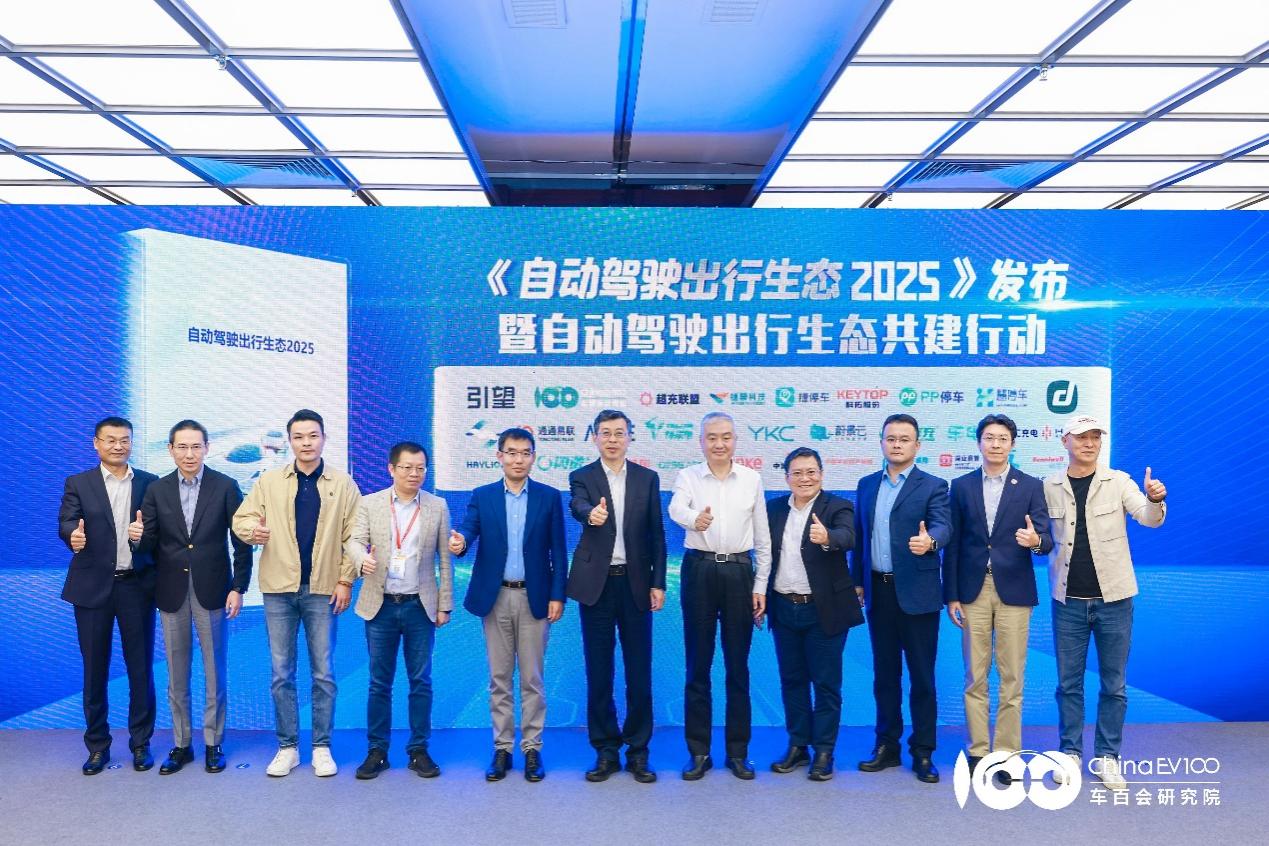
从“技术突破”到“生态共建”,这个论坛为打造自动驾驶出行生态指路
Zhong Guo Qi Che Bao Wang· 2025-11-07 12:12
Core Insights - The forum focused on building a new ecosystem for autonomous driving and creating new value in the industry [1][4] - Key industry leaders and experts gathered to discuss trends and challenges in the autonomous driving sector [3][6] Industry Trends - The automotive service sector is projected to reach a market size of over 8 trillion yuan by 2028, becoming the second largest segment of the automotive industry [4] - The integration of digital and AI technologies is essential for the development of intelligent automotive services [4] Autonomous Driving Development - The timeline for commercializing autonomous driving includes L3 level by 2026, L4 level in urban areas by 2027, and fully autonomous logistics by 2028 [5] - The establishment of an open platform for ecological partners is planned to support the development and integration of autonomous driving technologies [5] Application Value - The report "Autonomous Driving Mobility Ecosystem 2025" outlines the application value of autonomous driving in various sectors, including parking, charging, vehicle maintenance, real estate, insurance, and public transport [7][8][9] - In parking, the solution aims to eliminate the challenge of finding parking spaces and improve resource utilization [8] - In charging, autonomous vehicles will be able to choose optimal charging stations based on electricity prices, enhancing operational efficiency [8] - The insurance sector will evolve to utilize lifecycle data from autonomous systems for risk assessment, promoting a healthier development of autonomous driving [9] Collaborative Efforts - The forum served as a platform for cross-industry collaboration, emphasizing the need for policy, standards, and multi-party engagement in building the autonomous driving ecosystem [6][9] - The launch of the "Autonomous Driving Mobility Ecosystem Co-construction Action" signifies a collective effort to advance the industry [7]
江淮汽车:2025年10月产销数据公布
Zhong Guo Qi Che Bao Wang· 2025-11-07 10:11
Core Insights - Jianghuai Automobile announced that as of October 2025, the company's production volume for the month was 31,523 vehicles, representing a year-on-year increase of 3.86% [1] - The cumulative production for the year reached 312,563 vehicles, showing a year-on-year decline of 9.26% [1] - The monthly sales volume was 31,514 vehicles, reflecting a year-on-year increase of 5.49%, while the cumulative sales for the year were 313,227 vehicles, also down by 9.26% [1] Production and Sales Breakdown - In the passenger vehicle segment, the production of SUVs decreased both for the month and year-to-date, while the production of MPVs and sedans increased for the month [1] - In the commercial vehicle segment, the production of trucks increased for both the month and year-to-date, whereas the production of pickups decreased for the month [1] New Energy Vehicles - The production of new energy passenger vehicles for the month was 3,796 units, marking a year-on-year increase of 18.37% [1] - The cumulative production of new energy vehicles for the year was 20,299 units, which is a year-on-year decline of 6.01% [1] - The monthly sales of new energy vehicles were 3,581 units, reflecting a year-on-year increase of 3.74%, while the cumulative sales for the year were 19,624 units, down by 21.59% year-on-year [1]

日本都市青年流行不买车,背后原因究竟为何?
Zhong Guo Qi Che Bao Wang· 2025-11-07 08:18
如今,随着理念的变化,消费的变迁,日本都市青年人却流行不买车。 在日本繁华的都市街头,汽车穿梭如织,其中有一道独特的风景,租车出行,正逐渐成为都市青年的主流选择。这股租车热潮,不仅改变了个人的出 行轨迹,更重塑了整个城市的交通生态。 城市消费出现新变化 相比之下,租车模式展现出极大的经济优势。短期租赁日均成本约3000日元,长期租赁(含维保)月均10-20万日元,费用灵活可控。租车还能规避 车辆折旧风险,车辆的价值不会随着时间的推移而大幅缩水,让年轻人无需为资产的贬值而担忧。这种"按需付费"的模式,完美契合了年轻人追求"轻资 产"的消费逻辑,他们无需一次性投入大量资金,也无需为低频使用的车辆支付高昂的维护成本,真正实现了资源的高效利用。 以往,汽车对于"70后"而言,是成年礼的象征,拥有一辆汽车意味着步入了成人世界,代表着成功与地位。然而,时过境迁,这种观念在"Z世代"中 已逐渐式微。如今的年轻一代,更加关注汽车的工具属性,它只是一种实现移动的手段,而非身份的象征。调查显示,仅18%的日本青年认同"有车代表 成功",超60%的年轻人认为"租车可满足多样化需求,无需为低频使用付费"。这种认知的转变,标志着汽车从 ...

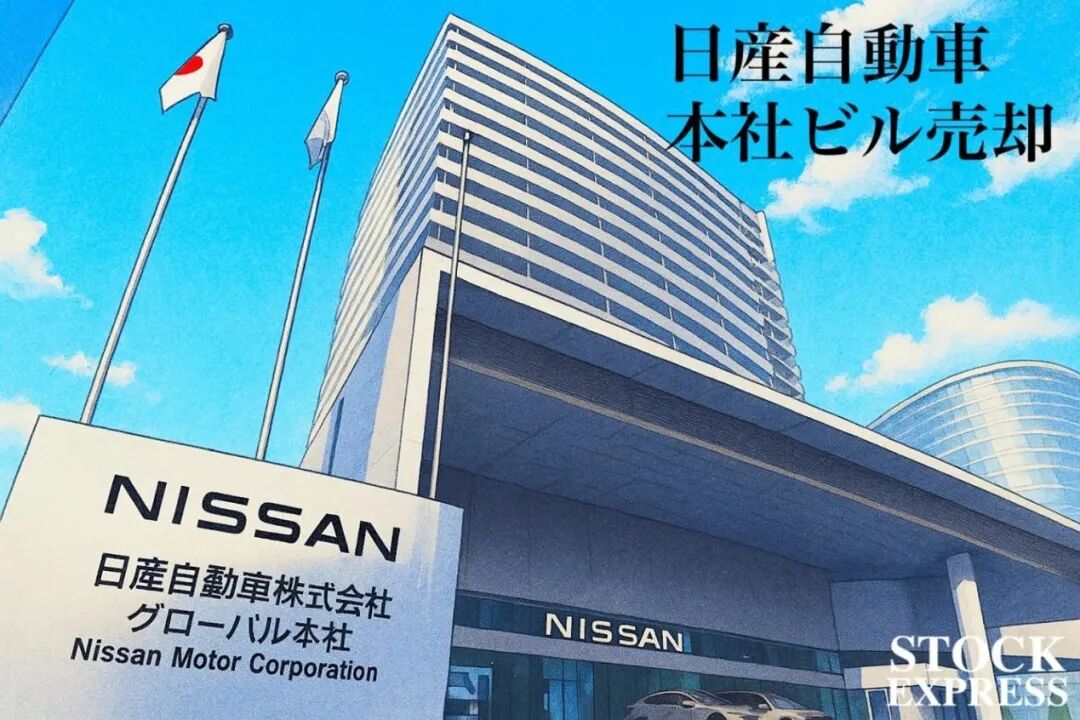
日产总部大楼卖了,事儿还没完
Zhong Guo Qi Che Bao Wang· 2025-11-07 05:25
Core Viewpoint - Nissan has reported significant financial losses while finalizing the sale of its global headquarters building in Yokohama for 97 billion yen (approximately 4.5 billion RMB) to a consortium led by China's Minth Group and US private equity firm KKR [2][3] Financial Performance - For the first half of the 2025 fiscal year (April-September 2024), Nissan's revenue was 5,578.7 billion yen, a year-on-year decline of 6.8% [3] - The company reported an operating loss of 27.7 billion yen, compared to an operating profit of 32.9 billion yen in the same period last year [3] - Net loss reached 221.9 billion yen, contrasting with a net profit of 19.2 billion yen in the previous year [3] - The report indicated that U.S. tariffs reduced operating profit by 149.7 billion yen (approximately 6.9 billion RMB) [3] Sales and Market Performance - Global sales for the first half of 2025 were 1.48 million units, down 7.3% year-on-year [5] - Sales in major markets such as China, Japan, and Europe declined, with only North America showing slight growth [5] - In China, Nissan's sales fell to 696,000 units in 2024, a decrease of 12.2% compared to the previous year, and down by half from 1.381 million units in 2021 [3] Strategic Initiatives - The sale of the headquarters is part of Nissan's broader recovery strategy under new CEO Ivan Espinosa, who launched the "Re:Nissan" plan aimed at significant cost reduction [6] - The plan includes consolidating global manufacturing plants from 17 to 10 by the 2027 fiscal year and reducing annual production capacity from 3.5 million to 2.5 million vehicles [6] - Nissan plans to cut 20,000 jobs, representing 15% of its workforce, which is a more aggressive reduction compared to previous reforms [6] Challenges Ahead - The company faces strong opposition from domestic labor unions regarding the layoffs [6] - Nissan's market position is under pressure due to slow progress in electric vehicle technology and competition in key markets like China and the U.S. [6][7] - The company anticipates an operating loss of 275 billion yen for the 2025 fiscal year, with profit losses expected from currency fluctuations and tariffs [7]