Nan Fang Nong Cun Bao

Search documents
猎德村又发分红啦!村民凌晨排长队“打簿”领钱
Nan Fang Nong Cun Bao· 2026-01-11 04:04
Core Viewpoint - The annual dividend distribution for the residents of Liede Village in Guangzhou has commenced, with villagers eagerly participating in the process to receive their shares for the year 2025 [2][3][10]. Group 1: Dividend Distribution Process - On January 8, 2026, Liede Village will distribute the 2025 annual dividend to its shareholders, which includes new property shares [6][7]. - Villagers are required to present their dividend savings books at designated banks to process their claims [8]. - The atmosphere during the distribution day is lively, with villagers queuing early in the morning to receive their dividends [9][10]. Group 2: Dividend Amounts and Distribution Criteria - The dividend per share for this year is approximately 400 yuan, with some families receiving up to 40,000 yuan based on their shareholdings [13][14]. - The distribution of shares is based on clear criteria: labor shares for those who participated in village labor, welfare shares for villagers born before January 1, 1995, and land shares calculated based on property area [17][19]. Group 3: Economic Transformation of Liede Village - Liede Village has undergone significant transformation since 2007, evolving from an old village to a modern community with high-rise buildings and comprehensive amenities, driven by the development of the Zhujiang New Town [20][21]. - The successful operation of high-end residential and commercial projects in Liede Village has generated continuous rental income and land appreciation, ensuring a stable dividend for villagers [22][23]. Group 4: Villagers' Perspectives - Despite receiving substantial dividends, many villagers emphasize the importance of hard work and maintaining traditional labor values as the foundation of their livelihood [25][27].


Youth乡村计划来了!十所院校发起调研 追踪青年入乡
Nan Fang Nong Cun Bao· 2026-01-10 08:06
Core Viewpoint - The "Youth Rural Co-creation Research Program" aims to track and analyze the trend of youth moving to rural areas, providing empirical evidence to optimize rural revitalization policies in China [3][5][11]. Group 1: Program Overview - The program is initiated by ten universities and research institutions, including Shanghai Jiao Tong University and Sun Yat-sen University, focusing on rural research [2][3]. - It will set an annual theme during the 14th Five-Year Plan period, with the 2026 theme being "Youth in Rural Areas: Industrial Innovation" [4][5]. - The program seeks to document the vibrant practices of youth entering rural areas and bridge academic research with practical exploration [5][11]. Group 2: Context and Background - Since the implementation of the rural revitalization strategy in 2017, there has been a significant increase in talent flow between urban and rural areas [6][7]. - Continuous support policies from central and local governments have created a solid platform for youth entrepreneurship in rural areas [7]. - The rise of digital infrastructure in rural areas has reshaped the social landscape, facilitating the movement of resources and talents between urban and rural settings [7][8]. Group 3: Youth Involvement - A growing number of young individuals, referred to as "new farmers," "rural creators," and "rural CEOs," are moving to rural areas with innovative ideas and skills [8][9]. - These youth are revitalizing agricultural production, leveraging digital technologies, and enriching rural cultural ecosystems, thus becoming key drivers of rural industrial upgrades and improved living standards [8][9]. Group 4: Research and Reporting - The first report under this program is scheduled for release in 2025, which will outline the current landscape and development trends of youth moving to rural areas [10]. - The report will emphasize that this migration is not merely a reversal of urban-rural population movement but a complex process driven by national strategies, social needs, and individual choices [10][11]. Group 5: Participation and Benefits - The program invites various stakeholders, including village committees, youth entrepreneurs, academic teams, and organizations involved in rural revitalization, to participate [22][23]. - Participants will gain access to exclusive resources, support from academic teams, and opportunities for collaboration and promotion through annual conferences [27][29][30].
广州数科集团赴平远县大柘镇调研驻镇帮镇扶村工作
Nan Fang Nong Cun Bao· 2026-01-10 06:53
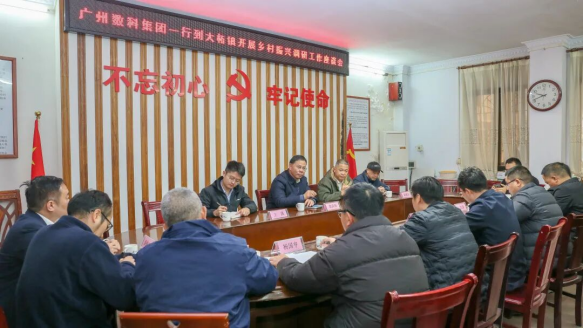
Group 1 - The core focus of the news is the implementation of rural revitalization initiatives through the "Hundred Million Thousand Project" and the support for towns and villages by Guangzhou Digital Technology Group [1] - The research team conducted a meeting at the Dazhe Town government to discuss the progress of the rural support work, highlighting the importance of local government support and the work team's achievements [3] - The work team is encouraged to develop replicable and promotable industrial support models, enhance the connection between farmers and the market, and shift from short-term assistance to long-term win-win strategies [3] Group 2 - The research team visited the blueberry planting base in Tianxing Village to assess the scale of cultivation and discuss industry planning and yield with the base manager [5] - The team emphasized the importance of standardized and large-scale planting to improve the quality and brand value of blueberries, aiming to make them a key product for rural revitalization and farmer income increase [5] - During the visit, the team also provided support and encouragement to the members of the rural support work team [6]
扩张与挑战交织,霸王茶姬发布2025年终回顾
Nan Fang Nong Cun Bao· 2026-01-10 00:34
Core Insights - Bawang Chaji has experienced significant expansion and challenges in 2025, with a focus on global growth and brand reputation issues [2][3][21] Expansion and Growth - By the end of 2025, Bawang Chaji expanded its store presence to 8 countries across 2 continents, including China, Malaysia, Indonesia, the Philippines, Vietnam, Thailand, Singapore, and the United States [10] - The overseas market membership in the Asia-Pacific region grew by 177% year-on-year in 2025 [12] - The annual tea procurement volume exceeded 10,000 tons, covering six major tea categories and over 100 cooperative tea factories [14] - The product "Boyar Jue Xuan" became a phenomenon, with over 30 million customers ordering two or more cups in a year, and cumulative sales reaching 1.25 billion cups from January 2022 to June 2025 [19][20] Challenges and Controversies - Bawang Chaji faced significant challenges, including a food safety incident involving a staff member's improper handling of ingredients, which led to a public backlash and damage to the brand's reputation [23][27] - The company also encountered controversy regarding caffeine content in its products, prompting legal action to defend its reputation [28][29] - Following these controversies, Bawang Chaji's stock experienced a significant drop of 14.5% on December 26, 2025, resulting in a market value loss of approximately $200 million [35][36] Financial Performance - In the third quarter of 2025, Bawang Chaji reported a total GMV of 7.93 billion yuan, with net revenue of 3.208 billion yuan, reflecting a year-on-year decline of 9.4% in revenue and a 22.3% drop in net profit [44][46] - The decline in domestic market performance was attributed to intensified competition in the food delivery sector, affecting customer retention [47][48] - Despite domestic challenges, the overseas market showed strong growth, with GMV surpassing 300 million yuan in the third quarter, marking a year-on-year increase of 75.3% [56]
南农晨读 | 珠海年鱼游进京津冀
Nan Fang Nong Cun Bao· 2026-01-10 00:34
Group 1 - The article discusses the successful launch of the Wuming Wolgan sales season, which generated nearly 900 million yuan in procurement agreements, marking a strong start for the new sales season [52][54][55] - The sales event attracted both domestic and international buyers, with shipments heading to markets in Russia, Canada, and India [54][55] - This initiative is part of a broader strategy to promote rural revitalization through agricultural exports and enhance the economic impact of local products [52][54] Group 2 - The Guangdong province is implementing a new agricultural technology promotion model to enhance the efficiency of agricultural modernization, focusing on a three-tiered collaborative mechanism [18][21][22] - The province is hosting the Guangdong Seed Industry Expo as a key initiative to showcase agricultural achievements and foster connections between research and practical application in farming [19][21] - This approach aims to address the challenges of agricultural technology dissemination and improve overall agricultural productivity [19][20][21] Group 3 - The article highlights the rise of a mural in Wu Ying Village, which has become a social media sensation, attracting visitors and promoting local values [10][11][12] - The mural serves as a symbol of community identity and a reminder of the importance of recognizing and valuing local culture in the face of modernization [11][12][13] - This phenomenon illustrates the potential for art and culture to drive tourism and community engagement in rural areas [10][11][12] Group 4 - The Guangdong province is focusing on integrating AI technology into the traditional Chinese medicine industry, aiming to enhance quality and innovation [62][66][67] - A recent conference gathered industry experts to discuss the integration of AI and the establishment of standard systems to support the development of traditional medicine [65][66] - This initiative is part of a broader effort to strengthen Guangdong's position as a leader in the traditional medicine sector [62][66][67]
供销聚力,双城启新篇——2026年新天润新米上市暨迎新春订货盛典在怀集、南雄成功举办
Nan Fang Nong Cun Bao· 2026-01-10 00:34
Core Viewpoint - The recent launch events for the new Tianrun rice brand in Huai Ji and Nan Xiong aim to enhance brand strategy, strengthen market competitiveness, and support the upgrade of the Guangdong rice industry and rural revitalization [2][3][4]. Group 1: Event Overview - The "New Rice, New Fresh Machine" launch events were successfully held in Nan Xiong and Huai Ji, focusing on the new rice launch and the upcoming Spring Festival consumption peak [3][5]. - The events gathered key grain and oil distributors, strategic partners, and government representatives to witness the brand upgrade and discuss collaborative opportunities [6][12]. Group 2: Strategic Goals - Tianrun Grain and Oil Company aims to leverage the advantages of the supply chain system to deepen the strategic layout of the grain industry across the province [12][13]. - The company is committed to ensuring that every grain of Nan Xiong rice meets quality standards through comprehensive management, including variety selection, green planting, intelligent processing, and strict quality control [14][15]. Group 3: Market Engagement - The events featured themes of "New Rice Launch, New Year Goods Reservation, Customer Interaction," with activities including policy announcements, order signing, and product tasting [23][24]. - Significant agreements were reached, with total orders exceeding 350 million yuan, showcasing strong market demand and collaboration [28][29]. Group 4: Customer Relations and Incentives - The events included a recognition ceremony for outstanding distributors, reinforcing confidence in Tianrun's product quality and fostering deeper cooperation [40][41]. - New Spring exclusive ordering incentives were introduced to stimulate collaboration enthusiasm and secure long-term sales [47][48]. Group 5: Future Outlook - Tianrun Grain and Oil Company plans to continue leveraging its supply chain network to drive a dual strategy of "full industry chain + brand empowerment," aiming to expand its market presence in Guangdong and the Greater Bay Area [58][59].
广东三宝等道地风味荟萃!海珠区帮扶地特色产品新春进社区展会启幕
Nan Fang Nong Cun Bao· 2026-01-10 00:34
Core Viewpoint - The event "Mountain-Sea Connection: Warm Community" is aimed at promoting local specialty products from rural areas into urban markets, enhancing community engagement and consumer access to quality agricultural products [6][7][10]. Group 1: Event Overview - The "New Year Community Exhibition" for local specialty products in Haizhu District officially commenced on January 9, 2026, and will continue until January 18 [6][8]. - The event is organized by the Haizhu District Rural Revitalization Bureau and the Haizhu District Federation of Trade Unions, with support from Guangdong Gongmei Digital Culture Co., Ltd. and Sun Yat-sen University Industry Group [10][11]. Group 2: Community Engagement - The exhibition focuses on community as a link and livelihood as a focal point, showcasing local specialties such as Guangdong Sanbao [8][12]. - The event features a vibrant atmosphere with free tasting areas, allowing residents to sample dishes made from local ingredients before purchasing [15][16]. Group 3: Product Promotion - Guangdong Sanbao, which includes Xinhui Chenpi, Huaju Hong, and Chunsu Ren, is highlighted at the event, promoting traditional heritage products to the Bay Area community [18][22]. - The initiative aims to provide healthy and culturally rich gift options for the New Year, emphasizing the concept of "food as medicine" [19][24]. Group 4: Future Plans - The responsible parties for Guangdong Sanbao plan to collaborate with the "Zhongda Industry - Gongmei Zhihui" supply chain innovation center to enhance the production and sales model, focusing on authenticity and quality [26][27]. - The goal is to create immersive and experiential consumption scenarios, promoting Lingnan local agricultural products to a wider audience [30][31].
两款土特产卖成“爆款”!这家公司找到强村富民金钥匙
Nan Fang Nong Cun Bao· 2026-01-10 00:34
Core Viewpoint - The article highlights the successful transformation of a rural community's economy through innovative market-driven strategies, leading to the creation of popular agricultural products that benefit local residents. Group 1: Economic Transformation - The village collective economy has shifted from "blood transfusion" to "blood production," stimulating endogenous development in rural areas [2][4]. - The establishment of the Luoyuan Yao Autonomous County Luowu Rich Village Agricultural and Tourism Development Company has converted local resources into market capital, ensuring collective benefits for all villagers [5][6]. - The company achieved a production value of over 600,000 yuan and a profit of approximately 100,000 yuan within a year, significantly enhancing the collective economic benefits [19]. Group 2: Product Development - The company successfully launched two self-branded processed agricultural products: "Luowu Rich & Jinmen Bridge" sweet potato noodles and "Yao Township Silk Seed Rice," which have gained market recognition [7][8]. - The sweet potato noodles are made from high-quality local sweet potatoes and wheat flour, designed for urban consumers with convenient packaging [24][30]. - The "Yao Township Silk Seed Rice" is cultivated in an ecologically favorable environment, adhering to strict agricultural practices, and has received multiple quality certifications [36][39]. Group 3: Market Strategy - The company has adopted a "collective-led, market-operated" model, ensuring that the village retains control over core industries and profit distribution [11][12]. - It has established a comprehensive supply chain that includes production, processing, and sales, tapping into various sales channels such as e-commerce and corporate procurement [48][50]. - The successful market performance of both products has led to significant economic returns for the village, allowing residents to share in the benefits through land transfers and employment opportunities [54]. Group 4: Future Prospects - The company plans to expand its product line and develop more high-quality agricultural products with local characteristics, aiming to promote the "Luowu brand" beyond the local area [56]. - The experience of Luowu Village serves as a valuable model for similar rural areas seeking sustainable economic development through collective organization and market integration [59].
中央社会工作部、农业农村部发布典型案例,广东开平塘口上榜!
Nan Fang Nong Cun Bao· 2026-01-09 14:35
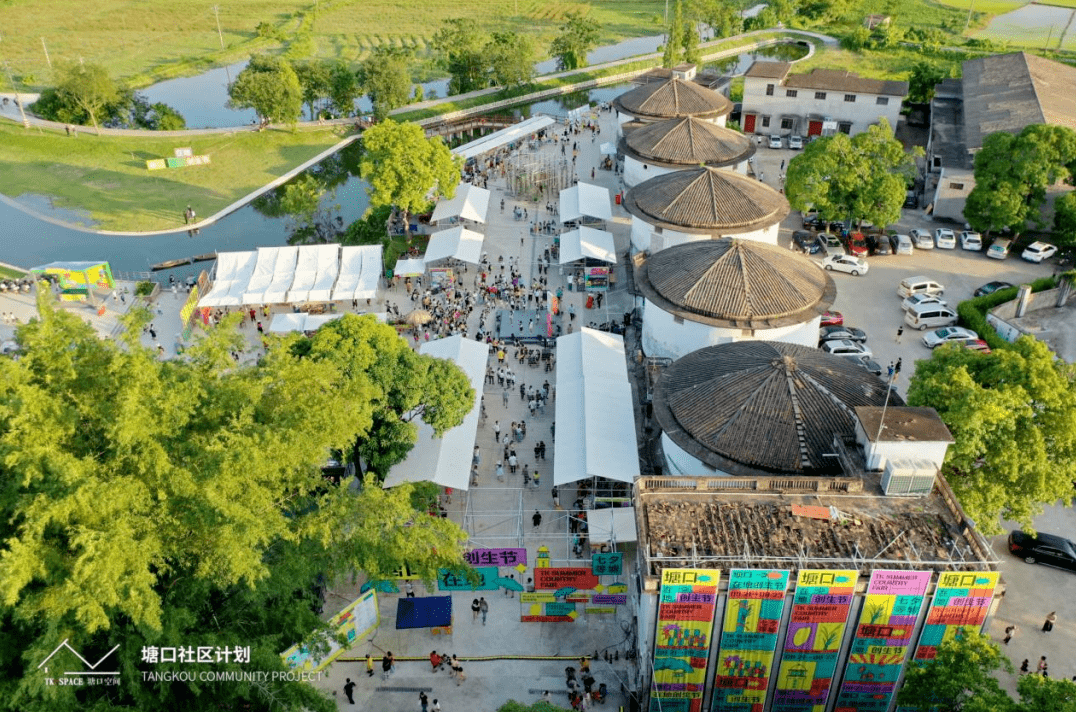
Core Viewpoint - The article highlights the recognition of Tangkou Town in Jiangmen, Guangdong, as a model case for rural governance led by party building, showcasing its transformation from a declining area to a vibrant community attracting youth and tourism [3][6][24]. Group 1: Recognition and Transformation - The Central Ministry of Social Work and the Ministry of Agriculture and Rural Affairs selected 26 typical cases for promoting rural governance, with Tangkou Town being the only representative from Guangdong [2][3]. - Tangkou Town, once facing severe challenges such as aging population and labor outflow, has transformed over the past decade, now hosting over 2,000 young entrepreneurs and receiving more than 1.5 million tourists annually [5][6]. Group 2: Community Engagement and Development - The success of Tangkou is attributed to a progressive approach involving the return of talents, cultural empowerment, spatial integration, and innovative governance, fostering a collaborative environment among locals and newcomers [7][8]. - The town has implemented a targeted approach to engage four types of people—new residents, returnees, original locals, and visitors—encouraging them to participate in community building and economic activities [11][13]. Group 3: Cultural and Economic Revitalization - Tangkou has restructured its public spaces and commercial areas into a "New Era Civilization Practice Street," enhancing community interaction and cultural exchange [14][15]. - The establishment of the Tangkou "IE Commune" has attracted 78 new villagers who contribute to local agriculture and cultural initiatives, balancing work and life [18][20]. - The town has seen the emergence of 372 startups and various cultural events, solidifying its reputation as a hub for creativity and community engagement [21][22].
江门开平塘口镇入选!2025年度党建引领乡村治理典型案例公布
Nan Fang Nong Cun Bao· 2026-01-09 12:36
Core Insights - The central government is promoting the collection of typical cases to enhance rural governance through party leadership, focusing on five key areas including grassroots organization construction and rural customs reform [1] - A total of 26 exemplary cases have been selected for their distinctiveness and effectiveness in improving rural governance [1] Group 1: Rural Governance Initiatives - The initiative aims to strengthen grassroots organizations, reduce burdens on local governance, promote changes in rural customs, enhance consultation and conflict resolution, and integrate party leadership with governance [1] - Five specific cases from various regions have been highlighted for their success in promoting civilized rural customs and addressing issues like high bride prices and extravagant celebrations [1] Group 2: Economic Development in Tangkou Town - Tangkou Town has actively implemented rural revitalization strategies, focusing on the "Hundred Million Thousand Project" and cultural construction [2] - The town has transformed from a "living market town" to a "tourism market town" by leveraging its cultural resources and developing a youth cultural and creative community [2] - Over the past three years, Tangkou Town has seen the establishment of 372 new startups and attracted over 30 professionals in cultural tourism and design, creating more than 2000 jobs [2] - In 2024, fixed asset investment in Tangkou Town increased by 16.2%, with industrial investment growth reaching 124.8%, indicating strong economic momentum [2]