
Zhong Guo Huan Jing Bao

Search documents
既要面上查,也要点上找,汛期风险容不得懈怠
Zhong Guo Huan Jing Bao· 2025-07-23 04:27
近期,全国多地发生持续强降雨,一些地方还出现了洪涝灾害,在给广大人民群众带来重大生命财产损 失的同时,也给生态环境带来了影响。目前正值汛期,各地应高度重视防范极端天气条件下的环境污染 风险。 一方面,要从面上认真查找,做好防范和加固工作。比如,针对河流沿岸、山体周边、道路两侧、化工 园区等区域,要准确识别潜在的环境风险并及时整改。另一方面,要从点上精准查找,扎实开展防治工 作,并完善应急预案,做好应急准备。比如,聚焦重点化工企业、尾矿库、危险废物集中场所、煤矸石 与粉煤灰堆场、污水处理厂、规模化畜禽养殖场,以及集中式饮用水水源地等,要邀请有经验的专家集 中诊断生态环境风险,开出治理药方,压实各方责任,督促整改到位。 防范极端天气条件下的环境污染风险是件大事情,容不得有半点松懈,必须抓紧抓实抓好。陕西每年在 汛期来临之前和主汛期间,都要开展上下贯通、覆盖全面的生态环境风险隐患大排查行动。在此基础 上,省内各市还会根据本地区极端天气致害类型与自身环境风险特征,组织开展针对性更强的专项排查 整治。 例如,陕北地区针对油气生产、煤炭开采、大型化工企业,开展暴雨、强风状态下的环境风险排查。而 陕南地区则重点围绕暴雨和持 ...
“中国蔬菜种业硅谷”如何成就?
Zhong Guo Huan Jing Bao· 2025-07-23 04:25
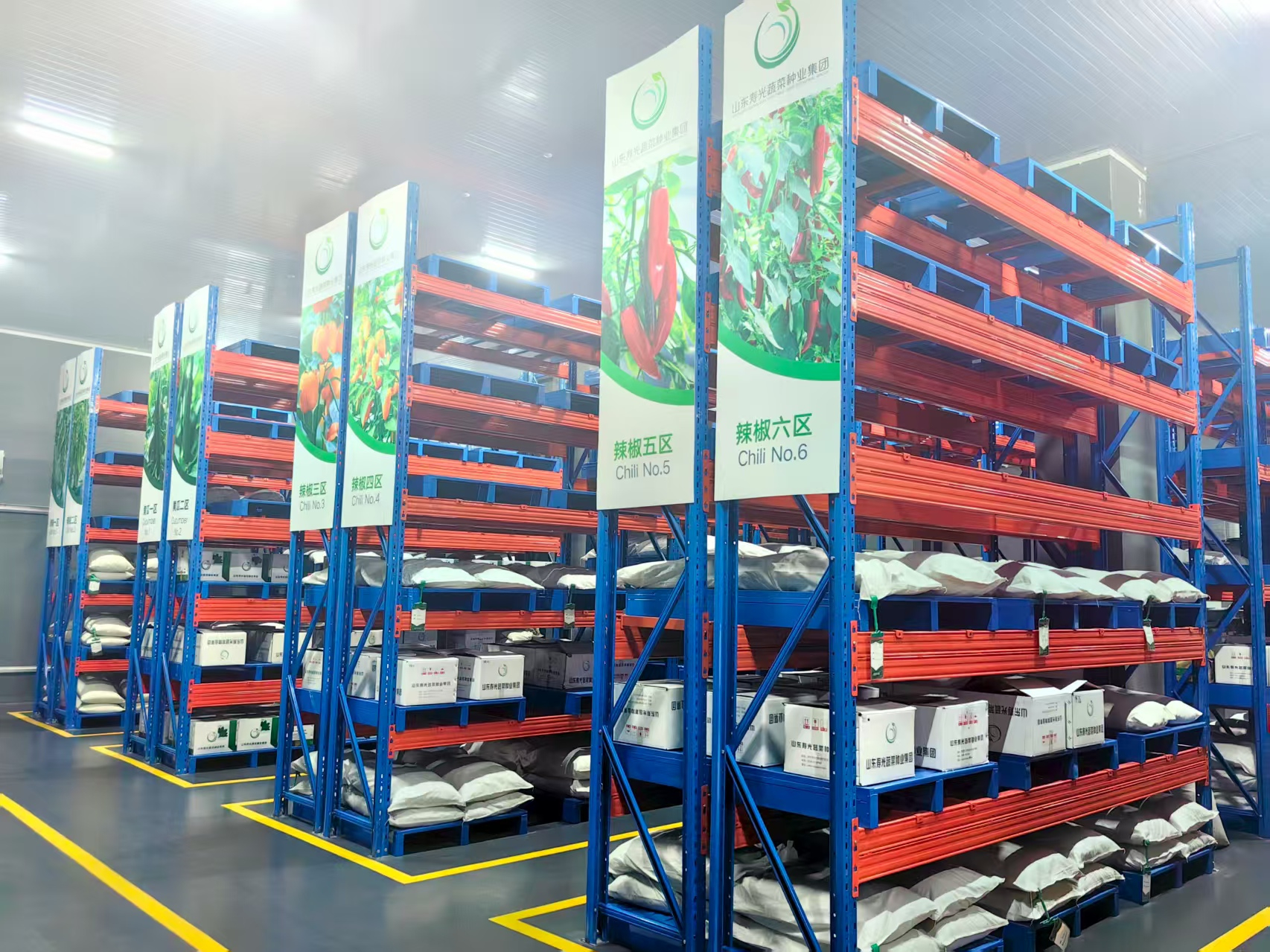
生态环境部日前推出2025年生物多样性保护和可持续利用实践成果案例,山东省寿光市"中国蔬菜种业硅谷"榜上有名。 寿光市委常委、副市长李树俊表示:"寿光建立'原地保护+设施保存+数字化管理'三维保护体系的全国县域最大蔬菜种质资源库,累计收集储存种质资 源超2.6万份,培育植物新品种277个,将国产种子市场占有率从20年前不足30%提高到目前的70%以上,其中黄瓜、圆茄、丝瓜、甜瓜等蔬菜作物市场占有 率超90%。种苗年繁育能力达18亿株,约占山东省1/4,产值突破10亿元。蔬菜年产值超过110亿元,被确定为国家区域性良种繁育基地、国家级蔬菜种业创 新基地。" 保护优先,以利用促保护 建立种质资源库,是当前生物多样性保护的重要措施之一。在山东寿光蔬菜种业集团的蔬菜种质资源库,记者看到,长、中、短期分存的密闭种子库 里,红蓝相间的货架上悬挂着番茄一区、辣椒九区、油菜一区等目录图片,成箱成袋的种子码放整齐,品种、编号等信息标注清晰。 寿光市开展了种质资源普查与收集工作,全面摸清家底,记录蔬菜种质资源。在第三次全国农作物种质资源普查与收集工作中,筛选古老珍稀特色地方 品种、野生近源种质资源42份,其中有33份被国家种质库 ...

排污单位内部环保责任没有落实到位,该如何改变?
Zhong Guo Huan Jing Bao· 2025-07-23 01:41
Core Viewpoint - Despite significant improvements in ecological environment quality, some polluting entities still exhibit inadequate management of unorganized emissions, ineffective pollution control facilities, and improper operation of pollution control systems, leading to diminished effectiveness of environmental protection measures [1] Group 1: Current Issues - Certain enterprises, particularly small and medium-sized ones, face challenges such as unorganized emissions and ineffective pollution control systems, which are exacerbated by a lack of internal environmental responsibility [1] - The Environmental Protection Law mandates that enterprises establish environmental protection responsibility systems, yet many small and medium-sized enterprises fail to do so, and even larger companies often lack clear responsibilities for all personnel involved in environmental management [1] Group 2: Proposed Solutions - To address these issues, it is essential to guide enterprises to comply with ecological laws and regulations, enhance their environmental management capabilities, and reduce their burdens through government-enterprise collaboration [2] - Strengthening oversight and guidance on the establishment of environmental protection responsibility systems is crucial, with punitive measures for non-compliance and a focus on integrating management practices that encourage proactive environmental responsibility [2] Group 3: Implementation Strategies - Establishing a responsibility checklist for environmental management roles within each enterprise, including clear definitions of responsibilities and regular training to ensure understanding of these roles [3] - Developing operational manuals that detail specific tasks for each position to ensure compliance with environmental regulations, such as monitoring vehicle emissions during high pollution periods [3] - Promoting professional management of pollution control facilities and online monitoring systems, while ensuring that enterprises maintain oversight of third-party service providers to achieve effective environmental management [3] - Utilizing digital management tools, such as online monitoring and access control systems, to enhance problem detection and accountability within environmental management practices [3]
你了解碳足迹吗?地球的“热量账单”如何才能减少?
Zhong Guo Huan Jing Bao· 2025-07-23 00:21
Group 1 - The concept of "carbon footprint" measures the impact of human activities on the environment through greenhouse gas emissions, quantified in "tons of CO2 equivalent" [1] - A management system for carbon footprints is being established in China, with a preliminary framework expected by 2027 and a more comprehensive system by 2030, allowing for better comparison of products and strategies to reduce emissions [1] - The carbon footprint can serve as a "heat bill," enabling consumers to choose low-emission products and encouraging industries to innovate and upgrade their technologies [2] Group 2 - Quantifying carbon footprints can drive traditional industries towards high-value, high-tech green sectors, creating job opportunities in research, production, and management [3] - The transition to a low-carbon economy can break the cycle of pollution accompanying growth, demonstrating that technological innovation can enhance living standards while reducing environmental impact [3] - As carbon footprint reduction becomes a cost-effective choice, green development will be integrated into economic operations, leading to lower energy consumption in daily life [3]
守好生态保护红线为城市发展留下山水空间∣学习贯彻中央城市工作会议精神①
Zhong Guo Huan Jing Bao· 2025-07-22 23:11
Core Insights - The recent Central Urban Work Conference in Beijing has set a new direction for urban development in China, emphasizing sustainable planning and addressing urban challenges [1][2][4] Group 1: Urbanization and Development Trends - China's urbanization rate has increased from nearly 55% to 67% from 2014 to 2024, reflecting rapid urban development [1] - The focus of urbanization is shifting from rapid growth to stable development, with an emphasis on improving existing urban quality rather than expanding [2] Group 2: Urban Planning and Sustainability - Effective urban planning is crucial for sustainable development, involving spatial layout, land use, ecological protection, and transportation [1][3] - The conference highlighted the need for urban planning to prioritize ecological protection and integrate green spaces into urban environments [2][3] Group 3: Differentiated Development Strategies - Urban planning must adapt to local resource endowments and carrying capacities, requiring tailored development strategies for different cities [3] - Examples include controlling urban scale in densely populated cities and prioritizing ecological protection in sensitive areas [3] Group 4: Implementation of Planning Goals - The conference's directives aim to incorporate innovation, livability, and beauty into the planning of over 690 cities in China, transforming high-standard blueprints into quality urban development [4]

结合“过紧日子”现实要求,探索村庄自主保洁推进降本增效
Zhong Guo Huan Jing Bao· 2025-07-22 05:44
Core Viewpoint - The article emphasizes the importance of sustainable rural living environment improvement through cost reduction and efficiency enhancement, particularly in the context of the "14th Five-Year Plan" for rural living environment improvement [1] Group 1: Sustainable Improvement Strategies - The focus is on promoting village-led governance in rural living environment projects, which are characterized by low costs, high participation, efficiency, and benefits [1] - The case of Suzhou's Wujiang District illustrates a shift from government-led models to a village self-cleaning model, aligning with the need for cost reduction and efficiency under current financial constraints [1] Group 2: Tailored Self-Cleaning Models - It is essential to develop self-cleaning models that are tailored to local conditions to minimize costs, considering factors like terrain and waste types [2] - Villages should optimize their economic accounts by adopting appropriate cleaning models based on their economic conditions, such as using third-party services or tourism revenue to support self-cleaning efforts [2] Group 3: Institutional Support for Sustainability - Institutional design is crucial for ensuring the sustainability of village self-cleaning operations, with the government providing necessary equipment and technical support [2] - Village committees can establish supervisory groups and reward systems to promote self-cleaning efforts, ensuring regular checks and balances [2] Group 4: Economies of Scale and Scope - Utilizing economies of scale and scope can enhance the efficiency of self-cleaning operations, with county governments coordinating urban-rural cleaning systems [3] - Villages can form self-cleaning cooperatives to manage cleaning tasks collectively, thereby reducing costs and improving efficiency through a more organized approach [3]
矿井废水资源化利用意义重大,需做好政策、技术、区域三大协同
Zhong Guo Huan Jing Bao· 2025-07-22 02:05
Core Viewpoint - The development of innovative technologies for the treatment and resource utilization of mine wastewater is crucial for addressing environmental concerns and enhancing water resource management in coal mining regions [1][2]. Group 1: Innovations in Mine Wastewater Treatment - Shaanxi Coal and Chemical Industry Group has developed an intelligent water treatment system that integrates mixed separation and reverse osmosis technology, allowing for the on-site purification and reuse of mine wastewater [1]. - Henan Province has established a collaborative mechanism for the centralized collection, unified treatment, and coordinated distribution of mine wastewater, promoting its harmless treatment and full utilization [1]. - Heilongjiang Long Coal Shuangyashan Mining Company is exploring the conversion of mine wastewater into production and domestic water [1]. Group 2: Importance of Resource Utilization - Mine wastewater is a byproduct of mining operations and can be a stable and controllable resource if effectively utilized, alleviating water scarcity in coal-producing areas like Shanxi, Shaanxi, and Inner Mongolia [2]. - Proper treatment of mine wastewater can prevent geological disasters such as ground subsidence and reduce pollution of surface water and soil [2]. - Increasing the resource utilization rate of mine wastewater can meet water demands in mining areas and improve the local water ecosystem [2]. Group 3: Recommendations for Improvement - Strengthening policy collaboration is essential, as mine wastewater lacks a unified pricing system and market mechanisms, hindering sustainable commercial models [3]. - There is a need for cross-departmental collaboration in resource management, legal regulations, and policy incentives to create a supportive institutional framework for mine wastewater utilization [3]. - Technical collaboration is necessary due to the diverse geological conditions and wastewater characteristics across different mines, requiring tailored treatment solutions [4]. Group 4: Regional Collaboration - For concentrated mining areas, a comprehensive policy, technical, and economic collaboration mechanism should be established to promote mine wastewater resource utilization [5]. - Incentives such as tax reductions and low-interest loans should be provided to companies adopting advanced technologies for wastewater utilization [5]. - The establishment of a cross-mining area wastewater collection and distribution system can facilitate market mechanisms for wastewater usage rights, promoting a circular economy model [5].
蒲城县以矿山生态修复助力乡村振兴
Zhong Guo Huan Jing Bao· 2025-07-22 01:25
Core Viewpoint - The article highlights the sustainable development approach taken by Pucheng County in Shaanxi Province, focusing on ecological restoration of mining areas while integrating rural revitalization and green development. Group 1: Ecological Restoration Efforts - Pucheng County has implemented a comprehensive ecological restoration strategy, repairing 240 sites, increasing arable land by 76.78 hectares, and adding 214.2 hectares of forest and 246.6 hectares of grassland [1] - A thorough investigation identified over 260 mining sites needing restoration, leading to the establishment of detailed ecological environment archives [2] - Specific measures for different mining conditions include slope reduction, wall construction, and water drainage systems to mitigate geological hazards [3] Group 2: Financial and Regulatory Framework - The county has allocated approximately 196.86 million yuan for ecological restoration projects, integrating various agricultural and environmental funds [2] - Pucheng County emphasizes the responsibility of mining companies to contribute to ecological restoration funds, ensuring adequate financial resources for projects [2] Group 3: Integration with Economic Development - The ecological restoration efforts have been linked with local economic activities, promoting the cultivation of medicinal herbs and economic crops, thus transforming the local economy [4] - The improved ecological environment has attracted community engagement in recreational activities, enhancing the quality of life for residents [4] Group 4: Governance and Community Involvement - A comprehensive regulatory mechanism has been established to oversee the entire process of ecological restoration, ensuring compliance with design and construction standards [5] - The county has fostered a collaborative governance model that combines community participation, legal frameworks, and ecological restoration efforts [6]
经济领跑与低碳发展协同的广东实践
Zhong Guo Huan Jing Bao· 2025-07-22 01:19
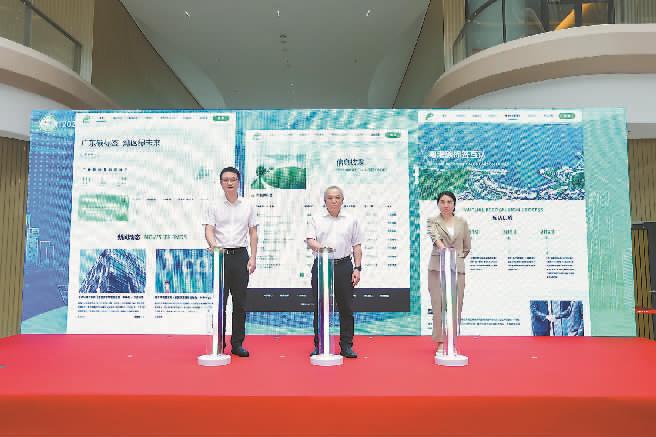
Group 1 - The core viewpoint of the article emphasizes the role of carbon reduction market mechanisms in promoting ecological product value transformation and supporting high-quality rural revitalization in Guangdong Province [1][4] - The measures propose to enhance the carbon reduction market mechanism's support for ecological product value transformation by expanding the carbon inclusive methodology system and exploring region-specific carbon inclusive methodologies [1][3] - The development and reserve of carbon inclusive certified emission reductions (PHCER) in the agricultural and forestry sectors will be strengthened, encouraging projects to purchase provincial ecological carbon fixation PHCER and national certified voluntary emission reductions (CCER) [1][2] Group 2 - The measures highlight the importance of carbon footprint management in supporting high-quality rural revitalization, including the establishment of a carbon footprint database and management rules for agricultural and forestry ecological products [2][3] - Innovative financing support will be provided for agricultural and forestry ecological products with carbon labels, and government procurement standards will incorporate carbon footprint requirements [2][4] - The article discusses the establishment of a climate investment and financing project management system to support green low-carbon development in urban and rural areas, including the creation of a project library and recommendation mechanism [3][4] Group 3 - The launch of the "Guangdong Carbon Label Information Management Platform" aims to assist consumers in querying product carbon footprints and allows manufacturers to apply for their carbon labels online [3][6] - The platform serves both consumer and industrial product sectors, providing tools for better carbon emission management during production processes [3][4] - Guangdong's commitment to green development is reflected in its achievements in environmental quality improvement and the establishment of a comprehensive climate change management system [4]
紧贴需求、科技赋能、严格规范,天津以严执法优服务护航法治化营商环境建设
Zhong Guo Huan Jing Bao· 2025-07-22 00:19
Core Viewpoint - The Tianjin Ecological Environment Protection Comprehensive Administrative Law Enforcement Team is implementing strict, standardized, and civilized law enforcement measures while innovating enforcement methods to enhance ecological environment law enforcement effectiveness for enterprises [1][2][3][4] Group 1: Legal Awareness Promotion - The team is focusing on legal awareness through innovative methods, including a "lecturer-style" legal education program with 22 selected enforcement professionals conducting 7 specialized training sessions [1] - A "joint-action" legal education approach is being adopted, collaborating with 9 industry associations to enhance management levels in 1,115 enterprises [1][2] - An "on-site" legal education initiative is being implemented, providing enterprises with ecological and environmental policy materials and on-the-spot Q&A services [2] Group 2: Technology Empowerment - The team is advancing non-site law enforcement by integrating mobile law enforcement systems with a comprehensive ecological environment big data application platform, creating a closed-loop process for efficient law enforcement [2][3] - New enforcement equipment such as drones and infrared scanning devices are being utilized to establish a "sky and ground" inspection model, improving enforcement efficiency [2] - A model library for law enforcement documents is being developed to assist in the creation of standardized enforcement documents, with 7 types of documents already included [3] Group 3: Strict Regulation and Business Environment Support - The team is committed to strict regulation of administrative enforcement procedures, implementing a "double random, one public" inspection approach to ensure thorough inspections [3] - A mechanism for lenient enforcement is being introduced, allowing first-time offenders with minor violations to avoid penalties if they publicly apologize and commit to rectification, resulting in 87 cases of non-penalization and a total of 3.801 million yuan in waived penalties in the first half of the year [3][4] - A zero-tolerance policy is maintained against serious violations, with 17 cases of hazardous waste violations and related criminal activities reported by mid-June [4]