Jing Ji Wang

Search documents
中证协就新规征求行业意见
Jing Ji Wang· 2025-08-08 03:34
Core Viewpoint - The China Securities Association is seeking industry feedback on the draft "Stability Assurance System Standards for Securities Industry" to enhance the stability of securities companies' networks and information systems, thereby improving the overall stability of the capital market [1][4]. Group 1: Current Issues in System Stability - The securities market requires high continuity in trading, and any anomalies in trading systems can directly impact investor rights and market order [2]. - The complexity of system architecture has significantly increased due to the widespread adoption of technologies like cloud computing and distributed architecture, making traditional maintenance models inadequate [2]. - Current risk perception during operation is primarily reactive, lacking proactive data-driven risk identification capabilities [2]. Group 2: Proposed "Three-in-One" Assurance System - The "Stability Assurance System Standards" aims to integrate best practices from securities companies to provide a practical framework for stability assurance, promoting a shift towards intelligent, standardized, and collaborative development across the industry [3]. - The proposed framework includes organizational support, personnel capability requirements, and goal management, ensuring that management requirements are actionable and traceable [3]. - The standards incorporate advanced technologies such as AI algorithms and big data analysis into stability management processes, establishing a data-driven approach to stability assurance [3]. Group 3: Importance of Stability in Financial Markets - The drafting of the standards involved nearly 20 industry experts, focusing on enhancing operational resilience and maintainability through digital means [4]. - The stability of information systems in the securities industry is deemed a core foundation for ensuring the safe operation of financial markets, as emphasized in various policy documents [5].
暑期档票房蓬勃复苏
Jing Ji Wang· 2025-08-08 03:34
Group 1 - The summer film market in 2025 is experiencing a robust recovery, with total box office surpassing 7.6 billion yuan as of August 7, driven by leading films [1] - "Nanjing Photo Studio" has emerged as the biggest dark horse, accumulating over 1.8 billion yuan in box office, making it the highest-grossing film since the Spring Festival [1] - A total of 128 films are scheduled for the summer season, including 45 dramas and 29 animations, indicating a diverse supply to meet varied audience demands [1] Group 2 - Dongfang Securities reports that "Nanjing Photo Studio" significantly exceeded expectations, potentially contributing an additional 3 billion yuan to the overall box office [2] - The current trend shows that audiences prefer selective viewing, with major releases still attracting large crowds, but regular viewing frequency facing challenges [2] - The industry expert suggests that the phenomenon of "single film driving the market" reflects a transitional phase, emphasizing the need for structural reforms to achieve a healthy ecosystem in the film market [2]
央行连续9个月扩大黄金储备
Jing Ji Wang· 2025-08-08 03:34
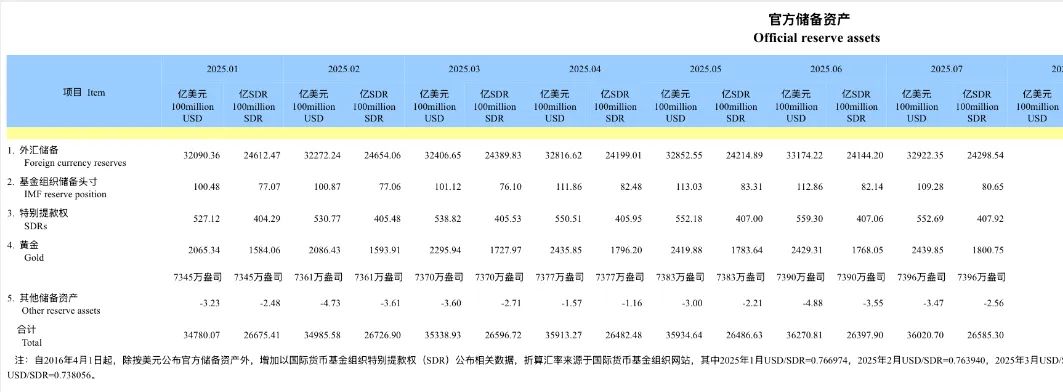
Group 1 - As of the end of July 2025, China's foreign exchange reserves stood at $329.22 billion, a decrease of $25.2 billion from the end of June, representing a decline of 0.76% [1] - The decline in foreign exchange reserves was influenced by macroeconomic data, monetary policy, and expectations from major economies, leading to an increase in the US dollar index [1][2] - The US dollar index rose by 3.4% in July, reaching a peak of 100.1042 on July 31, the highest since May 23, contributing to the depreciation of non-US currencies [1] Group 2 - The fluctuation in foreign exchange reserves was also affected by the performance of global financial assets, with the US stock indices reaching new highs, providing some support to the reserves [2] - China's economic fundamentals remain strong, with long-term supportive conditions for maintaining stable foreign exchange reserves [2] - As of the end of July, China's gold reserves increased to 7.396 million ounces, up by 60,000 ounces from the end of June, marking nine consecutive months of gold accumulation by the People's Bank of China [2] Group 3 - The international gold price continued to fluctuate in July, while China's central bank maintained a steady pace of gold accumulation [3] - In the medium term, uncertainties in global trade and geopolitical factors are expected to drive central banks and investors to increase gold investments [3] - The long-term strategy of diversifying international reserves and dynamically adjusting gold reserves will remain unchanged, with a continued focus on increasing gold holdings [3]
央行继续买买买
Jing Ji Wang· 2025-08-08 03:34
| | | | | | | | | | | | 官方储备资产 Official reserve assets | | | | | | --- | --- | --- | --- | --- | --- | --- | --- | --- | --- | --- | --- | --- | --- | --- | --- | | | 2025.01 | | 2025.02 | | 2025.03 | | 2025.04 | | 2025.05 | | 2025.06 | | 2025.07 | | 201 | | 项目 Item | 亿美元 | IZSDR | 亿美元 | (ZSDR | 亿美元 | IZASDR | 忆美元 | (ZSDR | 亿美元 | IZSDR | 亿美元 | ZSDR | 亿美元 | (ZSDR | 亿美元 | | | 100million | 100million | 100million | 100million | 100million | 100million | 100million | 100million | 100million | 100million | 100mi ...

节奏加快!年内23家公司退市
Jing Ji Wang· 2025-08-08 03:33
Group 1 - The core viewpoint of the articles highlights the increasing frequency of delisting risk warnings in the A-share market, with *ST Tianmao being a notable example due to its inability to disclose financial reports on time [1] - As of August 7, 2023, a total of 23 A-share companies have been delisted this year, with 8 due to trading-type delisting, 7 due to regulatory-type, and 3 due to voluntary delisting [1] - The A-share market is gradually establishing a stable and predictable delisting system, with a focus on strict enforcement, investor protection, and eliminating "shell value" expectations [1] Group 2 - Since 1999, a total of 312 companies have been delisted from the A-share market, with 212 of those delisted from 2019 onwards, which is more than double the number from the previous 20 years [2] - The proportion of trading-type delistings has increased significantly since 2019, with 40% of delisted companies in recent years falling into this category [2] - In 2023, 20 out of 45 delisted companies were due to trading-type reasons, primarily related to stock prices falling below par value [2] Group 3 - The number of companies delisted due to major violations has also increased, following the implementation of the "New National Nine Articles" which emphasizes strict delisting standards [3] - Three companies have been forcibly delisted this year due to major violations, indicating a trend towards stricter enforcement of delisting criteria [4] Group 4 - The new stock listing rules introduced by the exchanges have tightened delisting standards, raising the revenue threshold for financial delisting from 1 billion to 3 billion [5] - As of now, 107 companies are under delisting risk warnings due to financial issues, while 118 face regulatory delisting risks [5] - The "New National Nine Articles" also restricts major shareholders from reducing their holdings in companies that have not paid dividends or have low dividend ratios, further tightening market access for unprofitable companies [6]
盒马宣布:再开近100家!
Jing Ji Wang· 2025-08-07 09:48
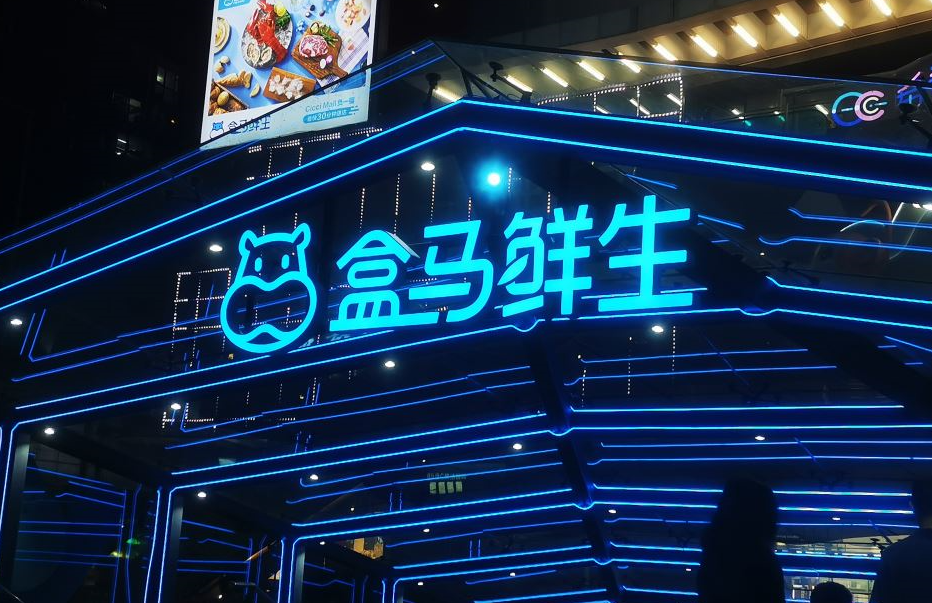
Core Viewpoint - Hema is shifting its focus to its main business formats, Hema Fresh and community discount stores, while closing its membership stores, indicating a strategic realignment to enhance growth and profitability [1][3][4]. Group 1: Business Strategy - Hema plans to open nearly 100 new Hema Fresh stores and enter over 50 new cities in the current fiscal year, demonstrating confidence in the domestic consumption market [1]. - The company has achieved profitability for the first time in the last fiscal year, with a GMV of 750 billion yuan, ranking third among supermarkets in China [3][4]. - Hema's CEO, Yan Xiaolei, has set a target for GMV to reach 100 billion yuan within three years, focusing on Hema Fresh and Hema NB as core business formats [4]. Group 2: Membership Store Closure - Hema has decided to close all membership stores, which were previously seen as a secondary growth avenue, to concentrate on its main business lines [3]. - The closure of membership stores is part of a proactive business adjustment strategy that began earlier in the year [3]. - Customer service representatives confirmed that membership benefits will still be available at regular Hema Fresh stores, ensuring continuity for existing members [3]. Group 3: Market Expansion and Collaboration - Hema is leveraging Alibaba's consumer platform to expand its customer base, including a new initiative that allows Taobao 88VIP members to access Hema membership benefits [5]. - The integration with Taobao has led to a significant increase in membership growth, indicating a successful collaboration [5]. - Hema has also appeared prominently on the homepage of Taobao's flash purchase section, enhancing its visibility and customer reach [6].
每瓶价格能破万?茅台新品明天开抢!
Jing Ji Wang· 2025-08-07 09:48
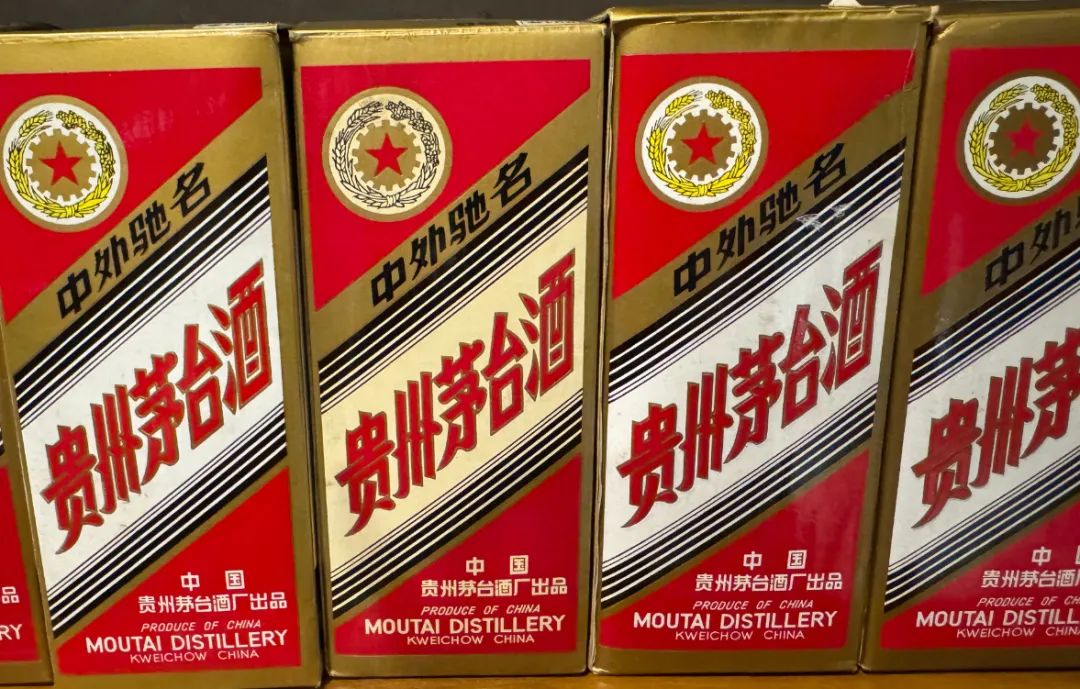
Core Viewpoint - Guizhou Moutai announced the launch of a limited edition Moutai Five-Star trademark commemorative liquor, set to go live on the iMoutai platform on August 8, with significant interest from resellers [1][4]. Group 1 - The commemorative liquor is limited to 25,568 bottles, marking the 70th anniversary of the "Five-Star" trademark, with each bottle featuring a unique identity code corresponding to the days from May 1, 1954, to April 30, 2024 [4]. - The expected price for the Moutai Five-Star commemorative liquor is around 7,000 yuan per bottle [4]. - Resellers anticipate potential profit margins, with speculation that prices could exceed 10,000 yuan if demand surges, although prices may eventually decline [6]. Group 2 - Previous limited edition Moutai products, such as the scattered flower flying Moutai, initially priced at 2,699 yuan, saw market prices peak at 15,000 yuan before falling below 3,000 yuan due to increased supply [6]. - The overall sentiment in the white liquor market is currently low, with expectations for the Moutai Five-Star commemorative liquor not being particularly high due to decreased collector interest [6]. - Current prices for other Moutai products on the iMoutai platform are lower than official prices, indicating a trend of declining market values [6].

艾目易“破壁”:手术机器人国产替代的突围之路
Jing Ji Wang· 2025-08-07 09:13
Core Insights - Guangzhou Aimuyi Technology Co., Ltd. has successfully broken the international technology monopoly in the surgical robot market with its independently developed near-infrared optical positioning system, electromagnetic positioning system, and surgical robot software platform [1][6][10] - The company has established itself as a core technology supplier in the upstream of the domestic surgical robot industry chain, promoting the localization of core components and contributing to the digital and intelligent upgrade of the medical robot industry [1][6] Company Development - Founded in 2017, Aimuyi is a national high-tech enterprise that utilizes a collaborative innovation model of "industry-university-research-application" to achieve core component localization [1][2] - The founder, Professor Yang Rongqian, emphasizes the complexity and lengthy process of transforming scientific research results into industrial applications, which requires collaboration across multiple fields [2][4] Technological Advancements - Aimuyi's team has over 20 years of experience in optical positioning, electromagnetic positioning, and surgical robots, successfully developing China's first near-infrared optical positioning system in 2019, which has reached an internationally advanced level [4][7] - The optical positioning system's performance is influenced by various factors, including positioning algorithms, hardware design, material selection, and optical imaging technology [4][7] Market Positioning - Aimuyi has built a closed-loop ecosystem of "technology supply-demand feedback-iterative optimization," addressing the long-standing reliance on imported core components in surgical robots [6][10] - The company has established deep collaborations with over 100 medical device manufacturers, with applications in orthopedics, neurosurgery, dentistry, and expanding into specialized fields like transcranial magnetic stimulation and radiation therapy [6][10] Innovation and Collaboration - The company employs a full-chain innovation model, ensuring technological autonomy and control over core components, which is crucial for advancing China's surgical robot industry [7][10] - Aimuyi collaborates with upstream precision processing companies and downstream clinical institutions to refine common needs and guide research directions [7][10] Global Strategy - To navigate international patent barriers, Aimuyi adopts a "local cooperation + overall solution export" strategy, establishing a unique market position in niche areas [10][12] - The company has successfully exported products to Europe, America, and Africa, leveraging domestic policies that favor the development of the surgical robot industry [10][12] Standardization Efforts - Aimuyi is transitioning from a general positioning system to specialized applications, developing a "platform + customization" strategy to meet diverse industry needs [12] - The company is actively leading the establishment of interface protocol standards for surgical robots, which is essential for the industry's future development [12][13]


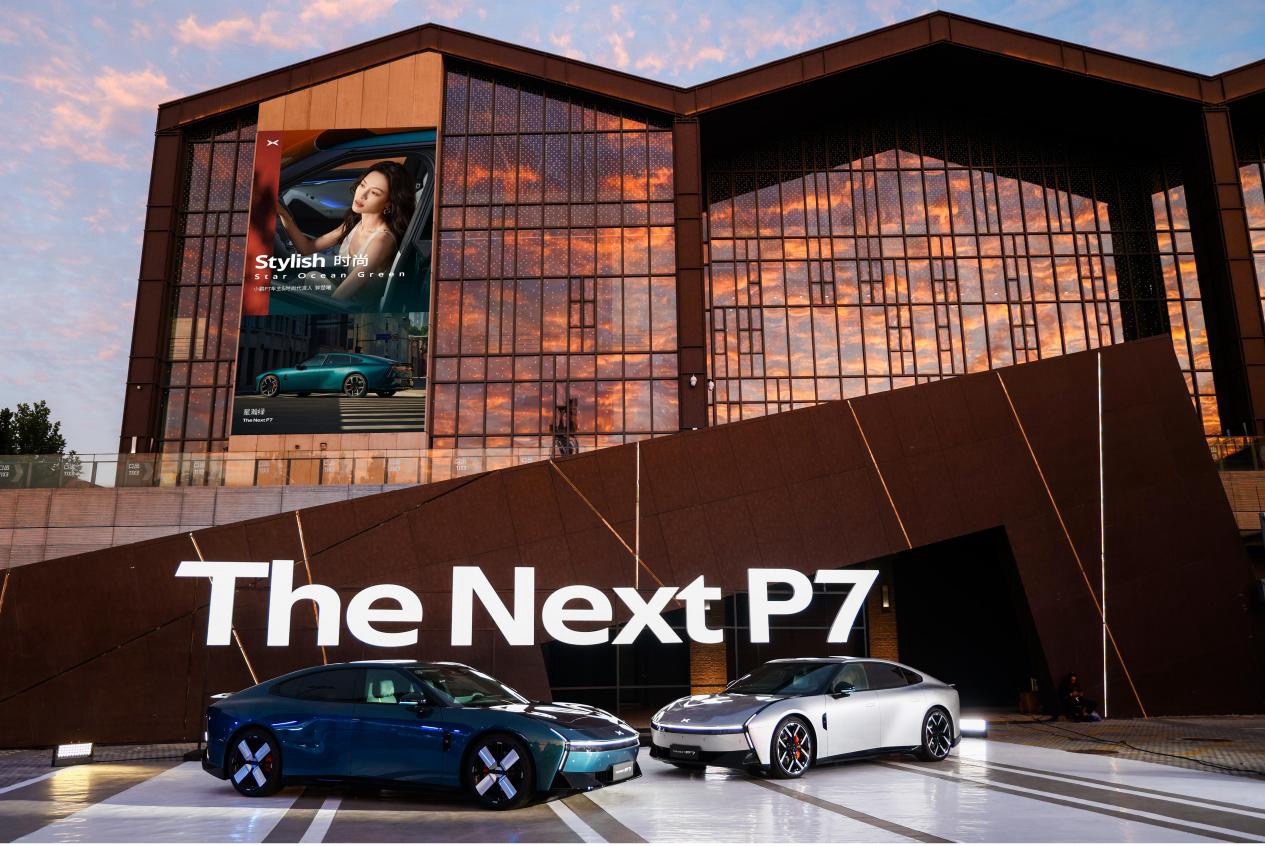
图灵AI芯片+3秒级破百+820km续航,全新小鹏P7亮相
Jing Ji Wang· 2025-08-07 08:50
Core Viewpoint - Xpeng Motors has officially launched the new P7 model, featuring three variants with impressive range capabilities, marking a significant step in the electric vehicle market [1] Design and Aesthetics - The new P7 emphasizes original design, breaking away from homogenization, and features a minimalist curved structure that integrates functional modules into the vehicle's aesthetic [3] - The vehicle boasts a drag coefficient as low as Cd 0.201, achieved through extensive simulation and wind tunnel testing, enhancing both performance and stability [3] - The front design incorporates the new XMART FACE family design language, featuring a seamless logo and futuristic visual elements [3] Intelligent Interaction - The P7 introduces a warm and interactive AI cockpit, featuring an 87-inch panoramic head-up display and a three-axis dynamic screen that responds to voice and gesture commands [5] - It includes the industry's first external four-zone voice system, enhancing communication and privacy through voice recognition and dual security measures [5] Comfort and Luxury - The vehicle offers luxurious features such as NAPPA leather seats with heating, ventilation, and massage functions, along with a spacious rear seating area that comfortably accommodates three adults [7] - It includes high-end amenities like a custom HIFI sound system, AI fragrance, and advanced noise reduction technologies, ensuring a premium experience [8] Performance and Technology - The P7 features a mid-mounted electric drive layout, achieving a 0-100 km/h acceleration in 3.7 seconds and a top speed of 230 km/h, comparable to luxury sports cars [10] - It is built on an 800V high-voltage SiC platform, allowing for rapid charging capabilities, with 525 km of range added in just 10 minutes [10] - The vehicle offers long-range options, with the standard version achieving 702 km, the extended version 820 km, and the high-performance version 750 km [10]

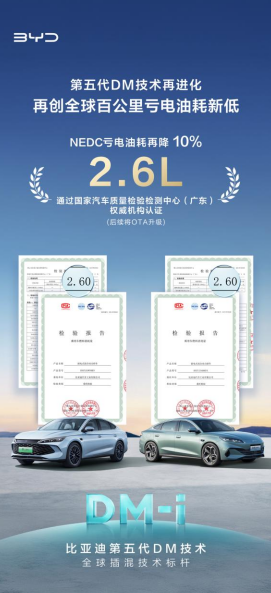
第五代DM技术再进化,让车主每天都有比亚迪“请客”的“快乐水”
Jing Ji Wang· 2025-08-07 08:50
Core Insights - BYD has announced the evolution of its fifth-generation DM technology, achieving a new low of 2.6L per 100km in NEDC conditions, representing a 10% reduction in fuel consumption compared to the previous version [1][4] - The new technology allows existing and new users to benefit from lower fuel consumption through an OTA update, without any additional costs [1][2] - The fifth-generation DM technology has not been surpassed in the past year and has been certified by a national automotive quality inspection center, establishing itself as a global benchmark for plug-in hybrid technology [4] Group 1 - The new fifth-generation DM technology reduces fuel consumption by 0.3L per 100km, saving approximately 1200 yuan annually for car owners, equivalent to the cost of a chilled cola each day [1] - The technology evolution focuses on benefiting existing car owners, showcasing BYD's commitment to enhancing user experience without requiring new purchases [1][2] - Since its launch, the fifth-generation DM technology has accumulated over 150 million units sold, generating 28 billion kilometers of driving data monthly, covering over 1.8 million driving conditions [2] Group 2 - The key to further reducing fuel consumption lies in the collaboration of software and hardware strategies, marking a shift towards a competitive strategy era in plug-in hybrid technology [2] - BYD has developed AI models for the engine and electric drive systems, enhancing the efficiency of the fifth-generation DM technology [2] - The AI model covers over 1.8 million driving conditions, allowing for refined fuel-saving strategies tailored to specific scenarios [2]