3 6 Ke

Search documents
日本芯片,“复仇”韩国?
3 6 Ke· 2026-02-09 05:13
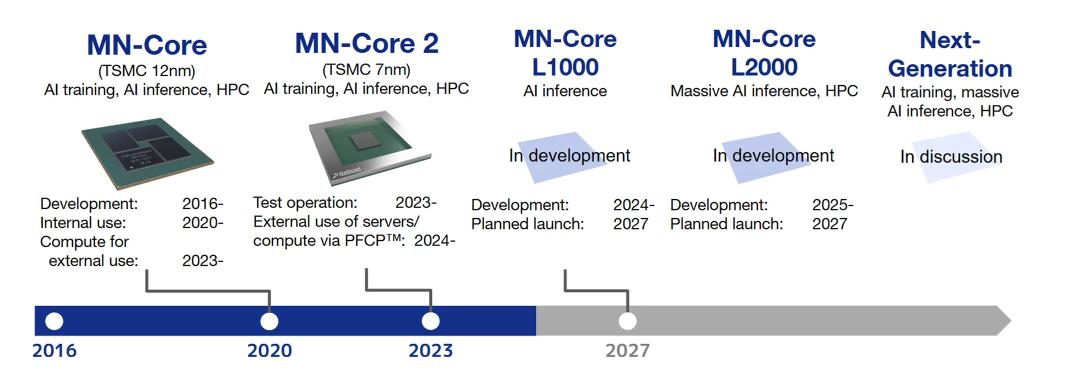
Group 1 - The global storage industry has undergone a significant power shift over the past thirty years, with Japan losing its dominance in the DRAM market to South Korean manufacturers [1][2][10] - In the 1980s, Japanese companies held over 50% of the global DRAM market share, benefiting from a strong manufacturing base and government support for semiconductor development [3][4][8] - The decline of Japanese DRAM dominance began in the 1990s due to economic challenges, structural changes in the DRAM industry, and increased competition from South Korean firms like Samsung and SK Hynix [8][9][10] Group 2 - High Bandwidth Memory (HBM) has emerged as a critical component in AI computing, with South Korean manufacturers capitalizing on their expertise in DRAM technology to dominate this market [12][13] - Japan's current presence in the HBM market is minimal, primarily limited to materials and equipment, lacking significant production capacity or technological advancements [13][14] - The introduction of SAIMEMORY, a subsidiary of SoftBank, aims to innovate in memory technology with the development of Z-Angle Memory (ZAM), which seeks to overcome limitations of current memory architectures [15][16][18] Group 3 - Japan's semiconductor strategy has shifted from attempting to regain past dominance to focusing on securing positions in key technological areas, such as advanced logic processes and packaging technologies [19][20][30] - The establishment of Rapidus represents Japan's effort to maintain a foothold in advanced semiconductor manufacturing, collaborating with IBM and ASML to ensure technological relevance [19][20] - Japanese companies are also investing in AI chip development, with firms like PFN and EdgeCortix leading initiatives to create specialized AI processors for various applications [21][26][28] Group 4 - The overall strategy for Japan's semiconductor industry is to avoid direct competition with South Korea and the U.S. by focusing on niche markets and innovative technologies rather than scale [30][31] - Japan's renewed focus on semiconductor technology reflects a strategic re-evaluation of its position in the global market, aiming to redefine its role in the evolving landscape of AI and memory technologies [29][30]

创业公司忙着掀桌子,老牌巨头如何优雅反杀?
3 6 Ke· 2026-02-09 05:04
Core Insights - Traditional companies can leverage their existing business while innovating, avoiding the pitfalls of solely relying on incremental innovation, which increases the risk of disruption [1][3] - Successful innovation processes in established firms involve three key stages: exploration, commitment, and scaling [3] Exploration: Finding Suitable Startups - Established companies often face challenges in innovation due to their focus on reliable products and services, leading to limited innovation strategies [6] - Many traditional firms have missed opportunities due to their reluctance to embrace disruptive innovations, as exemplified by Blockbuster's failure to acquire Netflix [6] - Successful innovators in established firms follow three practices during the exploration phase to avoid failure [6] Commitment: Leveraging Strengths - Once a breakthrough is achieved, established companies often reassess their roles and increase their commitments, typically through significant investments or acquisitions [10] - Companies should view commitment as a carefully managed upgrade process rather than a binary investment decision [10] - Key questions to assess the viability of an innovation project include the feasibility of the business model, the existence of a supportive ecosystem, customer readiness, and stakeholder support [11][12][13] Scaling: Rapid Action - When a new business model becomes viable, rapid resource mobilization and scaling are crucial for established companies [14] - Investment is often the only factor preventing new enterprises from realizing their full potential, and hesitation can lead to missed market leadership opportunities [14] - Leadership teams can overcome scaling obstacles by involving CFOs early, presenting conservative proposals to the board, avoiding pitfalls of differentiation, and fostering an entrepreneurial spirit [15][16]


前飞书表格技术负责人创业:用AI表格嵌入一切,“喂养”AI丨涌现新项目
3 6 Ke· 2026-02-09 04:26
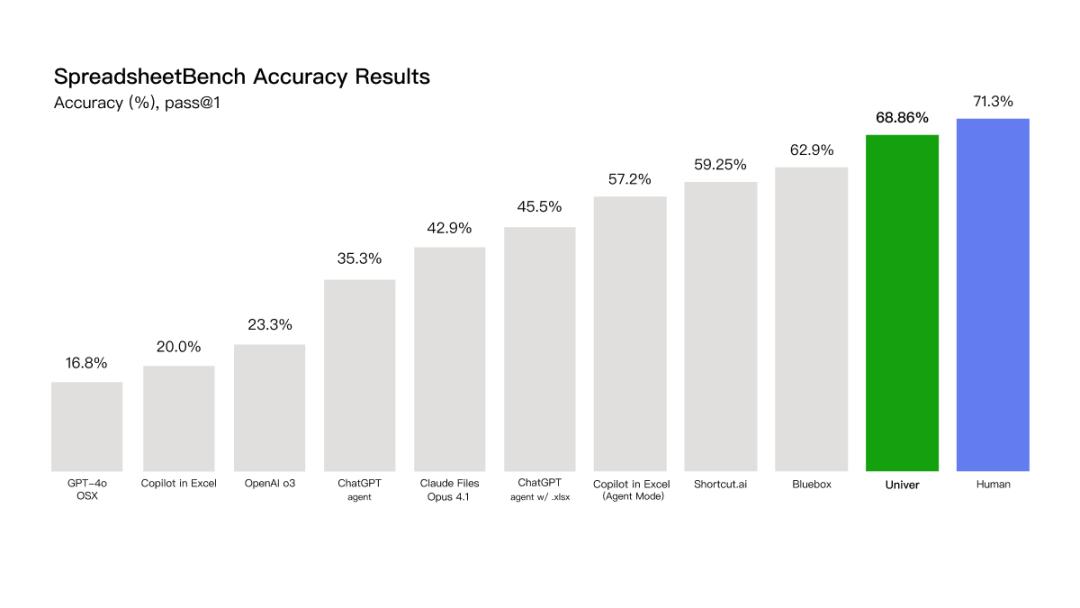
Core Insights - Univer transforms electronic spreadsheets from complex and inefficient tools into an AI-native universal computing engine, relying entirely on its self-developed spreadsheet SDK [2][5][36] Financing Progress - Univer has secured seed round financing, primarily from individual investors [3] Team Introduction - The founder and CEO, Liu Yang, previously led the technology for Feishu's electronic spreadsheets and developed the open-source project Luckysheet, which has over 16,000 stars on GitHub [4] - The server technology lead, Shen Weimin, has a background in Huawei's core network development and was among the first 20 employees at Feishu, contributing to significant user growth [4] - Spreadsheet technology expert, Min Chengcheng, has eight years of experience in spreadsheet development and has held key roles in various projects [4] Product and Business - Univer's product matrix consists of the core Univer engine and various SDK plugins aimed at engineers, along with AI applications like the spreadsheet editing and analysis product "Biao Da" [5][21] - In December 2025, Univer achieved a score of 68.86% in the SpreadsheetBench global evaluation, surpassing ChatGPT Agent and Excel Copilot [5] Product Structure - Univer's product is structured in two layers: the self-developed spreadsheet engine at the bottom and a plugin architecture (SDK) at the top, providing over 100 plugins for core functionalities [17][18] AI Integration - Liu Yang emphasizes that the goal of AI spreadsheet products should be to automate data import, cleaning, and analysis, allowing AI to generate insights directly [9][29] - Univer's self-developed engine allows for better handling of complex data structures, providing more context and accuracy compared to traditional large models [22][34] Market Positioning - Univer aims to position itself as a leader in the AI-native spreadsheet market, with the belief that spreadsheets will become the next major battleground for AI applications [27][35] - The company has already attracted paying customers from North America, Europe, East Asia, and China, including major firms like Novartis and Samsung [26] Future Outlook - The company believes that as AI becomes more integrated into spreadsheets, the role of spreadsheets will shift from being a tool for humans to a tool for AI agents [29][30]

111台小原子预定背后:谁在为“下一代机器人”投票
3 6 Ke· 2026-02-09 03:57
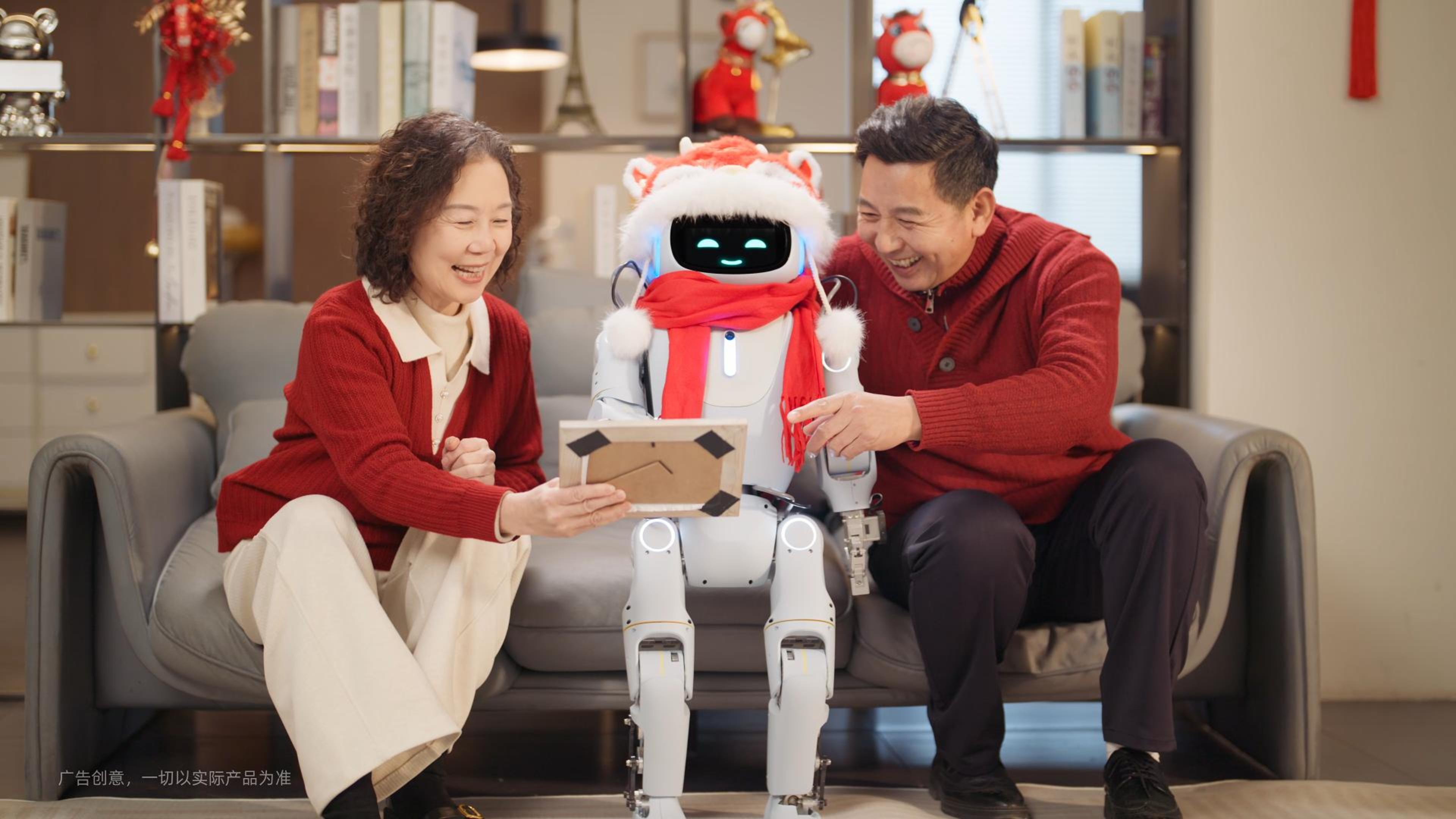
2026年2月4日,原力无限发布心智原生双足机器人「小原子」。 据原力无限介绍,48小时内,预定破百。 截至2月8日,盲定数量来到111台。 如果只看数字,它并不具备"爆款"的戏剧性;但如果把它放进当下具身智能行业的真实语境中,这个结果反而显得异常清晰——这不是一次情绪驱动的消 费,而是一组高度理性的选择。 因为在当前阶段,几乎没有任何一个普通家庭,会因为"多几个自由度"或"更炫的演示动作",就仓促决定把一台双足机器人带回家。 这111个选择,并非为"能力"买单 过去,人类所经历的大多数"智能化",本质上都发生在屏幕之后。AI变得越来越聪明,却始终隔着一层玻璃存在:它能生成文本、理解语义,却无法真正进 入人的物理世界。 在品牌方看来,这111位用户显然意识到了这种缺失。他们选择小原子,并不是为了获得一个"更聪明的设备",而是为了让AI重新拥有身体、重量和在场 感。 95cm 的身高、20kg 的实体重量、可以被触碰、被注视、被绕开的真实存在,都在清晰地表达一件事:AI不再只是云端的幽灵,而是开始参与人类的重力场 与生活秩序。 这是一次从比特(Bit)回到原子(Atom)的选择。 而在过去两年,具身智能行业已经 ...

花 19999 元买三星三折叠:是当凯子,还是过日子?
3 6 Ke· 2026-02-09 03:44
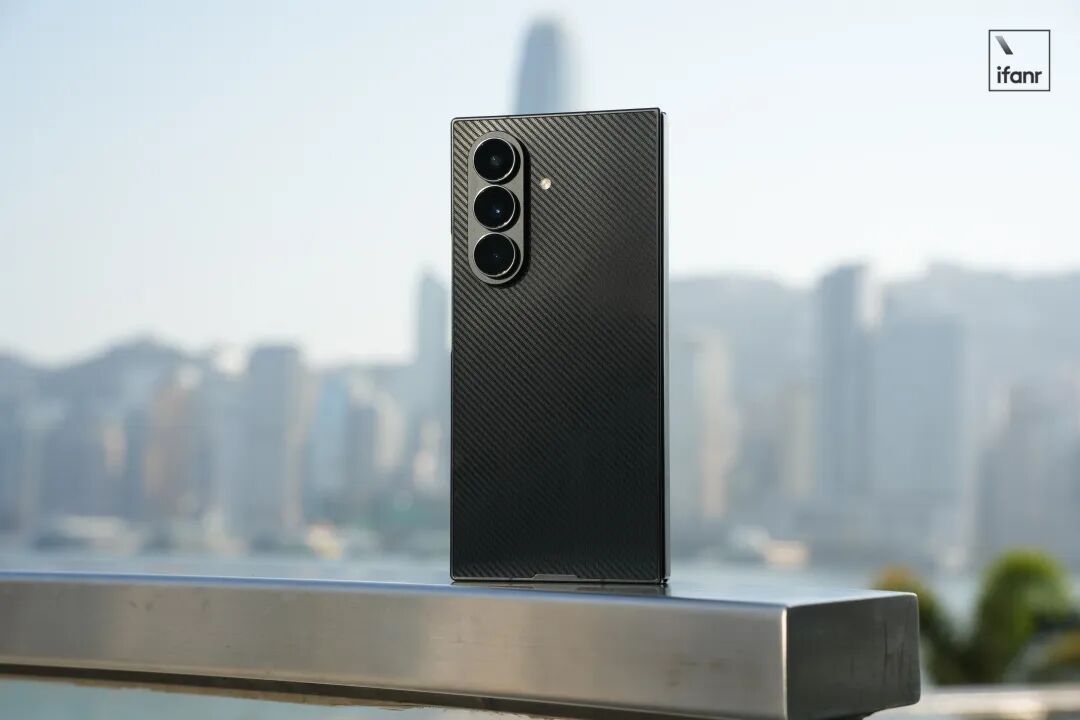
Core Viewpoint - The Samsung Galaxy Z TriFold represents a significant advancement in the foldable smartphone market, introducing a third folding mechanism that enhances usability and efficiency, despite its high price and weight [3][4][44]. Design - The Galaxy Z TriFold is designed with a focus on functionality rather than aesthetics, featuring a minimalist black design that emphasizes its tool-like attributes [6][8]. - The device incorporates high-end hardware, including a Snapdragon 8 Elite processor, 16GB of RAM, and a 200MP main camera, maintaining competitive specifications without compromising on performance [12][31]. Efficiency - The Z TriFold's 10-inch screen offers a 50% increase in display area compared to its predecessor, enhancing user experience for tasks such as reading PDFs and watching videos [18][21]. - The device supports a vertical usage mode, allowing it to function as a small tablet, which is particularly beneficial for media consumption [22][24]. - Samsung's OneUI enhances the user experience by providing features like One Hand Operation+, which facilitates single-handed use of the device [27][29]. Performance - The Z TriFold's internal screen resolution is 1584 × 2160 with a PPI of 269, which is considered low for a device priced at approximately 20,000 yuan [31][34]. - The device's weight is a notable drawback, with a bare weight of 310 grams and up to 350 grams with a case, making it feel heavy compared to competitors [15][17]. Market Position - The Z TriFold is positioned as a premium product in the foldable smartphone market, with a price point that includes additional markup, making it less accessible to average consumers [44]. - The anticipated release of the iPhone Fold in 2026 may accelerate the maturity of the foldable smartphone market, although Apple is not expected to enter the tri-fold segment [45][46].
离开上海和东京,在乡村生活和生产的00后
3 6 Ke· 2026-02-09 03:44
最近几年,社交媒体上持续涌现着"逃离城市"的叙事,美学化的场景制造了浪漫化的风潮,乡村一度成为了都市白领治愈焦虑、实现自由的理 想路径。另一边,随着远程工作模式的兴起,"数字游民"在国内逐渐成为一种可实践的生活方式。许多厌倦了都市高压的年轻人,选择迁往大 理、安吉、万宁等自然环境优美、生活成本较低的地区,形成松散或组织化的社群。他们往往依托于稳定的网络和共享办公空间,将城市的职 业发展与乡村、小镇的居住体验相结合。 区别于那些依赖城市资源、仅将乡村作为背景板的飞地式社区,驻扎在皖南碧山村的黏菌俱乐部试图在乡村探索一种全新的叙事。泽洲、芮综 和灼热,三位创始人离开上海、东京这样的超级大都市,试图更深入地将工作、生活与乡村的肌理相融合。他们没有选择成为来去自由的"数 字游民",也并非简单地回乡隐居,而是试着把工作、生活和生产真正嵌入乡村,成为一种更长期、更现实的存在——他们称自己为"数字乡 民"。在接近两年的时间里,他们与本地村民比邻而居,将碧山村的乡土风味开发成一个乡村风物品牌,也在与房东、村民具体的合作甚至摩 擦中,重新学习何为"乡村"。 那时灼热刚结束在香港大学社会学系的硕士课程,在深圳和上海都生活过一段时 ...

制造面容焦虑的厂商们,谁在大胆擦边?
3 6 Ke· 2026-02-09 03:44
Core Viewpoint - The RF beauty device market is undergoing significant changes due to new regulations requiring third-class medical device registration, leading to a potential market shakeout as many brands rush to sell off inventory before the April 1, 2026 deadline [1][20]. Group 1: Market Dynamics - The RF beauty device market is valued at over 100 billion yuan and is experiencing unprecedented inventory clearance as brands attempt to sell products before the new regulations take effect [1][19]. - Brands are engaging in aggressive discounting, with prices for some devices dropping from thousands to hundreds of yuan, indicating a desperate attempt to clear stock [2][3]. - Some brands are labeling their products as household appliances to avoid the need for medical device certification, creating confusion in the market [5][6]. Group 2: Regulatory Challenges - The new regulations classify RF beauty devices as third-class medical devices, which require rigorous approval processes that many brands are struggling to meet [3][8]. - The application process for third-class medical device registration can take 2 to 10 years and cost between 4 to 5 million yuan, posing a significant barrier for small and medium-sized brands [8][20]. - As of now, only a few brands have successfully obtained the necessary registration, highlighting the challenges faced by the majority of the market [10][19]. Group 3: Consumer Concerns - Consumers are left uncertain about the safety and efficacy of RF beauty devices, especially as many brands have not secured the required certifications [1][12]. - There have been numerous complaints regarding product safety, including reports of burns and other adverse effects, raising concerns about the quality of unregulated devices [13][14]. - The lack of standardized evaluation for beauty device effectiveness complicates consumer recourse in case of product issues [16]. Group 4: Industry Outlook - The impending regulatory deadline is expected to create a clear divide between compliant and non-compliant brands, impacting market competition [22][24]. - The industry is likely to see a consolidation as brands that cannot adapt to the new regulations may exit the market, while those focusing on compliance and safety will emerge stronger [24][25]. - The shift towards compliance is seen as a necessary step to eliminate poorly regulated products and enhance consumer trust in the industry [24].

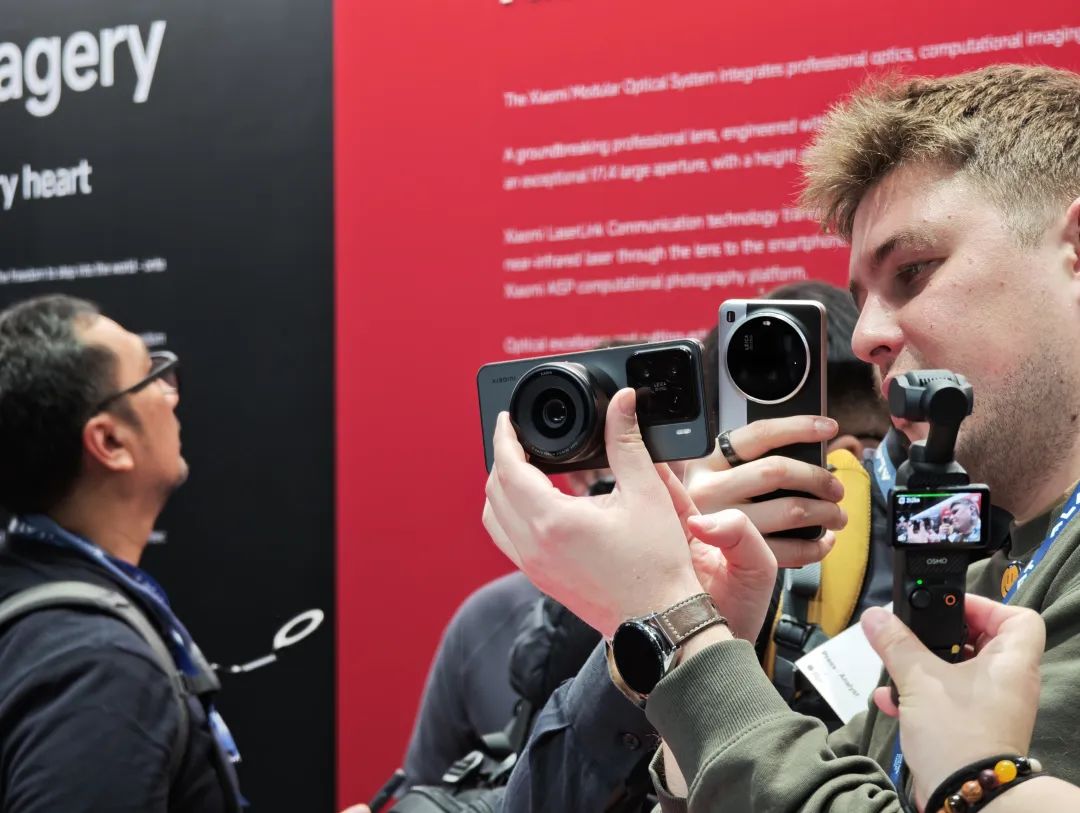
曝小米量产磁吸镜头:移动影像迎来新爆点,「模块化」手机重出江湖?
3 6 Ke· 2026-02-09 03:39
2 月 4 日,数码闲聊站在微博爆料,称某厂的手机磁吸镜头已经启动量产计划,最快今年有机会看到相关产品落地。结合讨论推测,「某厂」很可能就是曾 在 MWC 2025 上拿出磁吸光学模块方案的小米,而这套方案可能会适配后续的 MIX 系列机型。 图片来源:雷科技 当然了,考虑到产品刚刚启动量产计划,有关手机能否在今年看到还是未知数。不过可以肯定的是,那个已经被 AI 影像取代、曾经百家争鸣的移动影像黄 金时代,马上就要回来了。 新一代磁吸镜头,与外挂镜头、无屏相机区别在哪? 这种设计在相机逻辑上是自洽的,但在手机影像时代却显得格格不入:手机影像真正的竞争力,早已不只来自光学硬件,而是来自传感器、算力和算法构成 的整体系统。当手机端的 ISP、HDR、多帧合成和 AI 算法不断进化时,无屏相机却把成像权彻底交给了外置模块,反而割裂了手机影像系统最重要的优 势。 尽管在大众消费者不怎么留意,但其实在手机影像的发展史中,「外挂」并不是一个新概念。 早期的外接镜头,本质上只是给手机镜头增加前组光学结构,对成像链路并没有实质性改变;后来出现的无屏相机方案,则干脆把完整的相机系统独立出 来,通过无线方式与手机连接。 从结果 ...

马斯克画的“太空光伏”饼,又要被东大实现了
3 6 Ke· 2026-02-09 03:38
复制特斯拉奇迹 马年炒"马圣"诚不欺我。 从开年到现在,A股市场轮番炒作马斯克提出的AI、脑机、商业航天等概念板块。到了前几天,更是追捧起了"太空光伏"。 按照马斯克的说法,他不仅要依托光伏在太空建造巨型太阳能电站、再建造巨型的算力中心,未来甚至会不顾海量损耗、将剩余的电力无线传回地球。 如果只是嘴炮的话大家可能也就激情炒作一番。可问题是这周一,他旗下的专业团队还真大摇大摆的来了,深入我们这个光伏第一大国进行考察调研。国 内几家光伏龙头企业,包括Tcl中环、晶澳等接待了这支特殊团队,考察路线细致覆盖了从长三角到中西部的主要光伏制造基地。 一句话,不像是演的。 A. 东大有句老话,草蛇灰线伏脉千里。 太空光伏表面上是马斯克的新故事,实则只是他宏伟计划中的一小块拼图。"开源马圣"的真正野心,远比在太空铺几块太阳能板宏大得多。 要理解这个计划,我们需要先看看他的太空战略全貌:数万颗星链卫星组成的通信网络、即将进行首次轨道试飞的星舰、还有他心心念念的火星殖民计 划,以及巨大到前所未有的算力中心。 B. 这些宏大构想都有一个共同需求,即海量的太空能源供应。 马斯克曾在多个场合暗示,人类要成为多行星物种首先要解决的就是能 ...