
3 6 Ke

Search documents
vivo、影石围猎大疆,Pocket 还能独占多久?
3 6 Ke· 2026-02-06 11:49
Core Viewpoint - The entry of smartphone manufacturers like vivo into the handheld gimbal camera market signifies a convergence of mobile and camera technology, driven by advancements in supply chains and consumer demand for specialized imaging devices. Group 1: Market Entry and Competition - Vivo has confirmed plans to launch a Vlog camera by the end of 2025, targeting DJI's Pocket series, with an expected release in 2026 [1] - Other companies, such as影石, are also set to release handheld gimbal cameras in the first half of 2026, indicating a growing trend among smartphone manufacturers to enter this market [1][33] - The competition is not limited to vivo; Huawei, Xiaomi, OPPO, and Honor are also exploring similar product developments, highlighting a collective shift in the industry [22][24] Group 2: Technological Advancements - Vivo's confidence in entering the camera market stems from its established supply chain and experience with imaging technology, particularly with the use of Sony's one-inch CMOS sensors [4][6] - The integration of advanced imaging chips, such as vivo's self-developed V3+ chip, allows for high-quality video processing capabilities, positioning the company well in the handheld camera space [6][10] - The design and engineering experience gained from previous smartphone models contribute to vivo's ability to create a competitive handheld gimbal camera [8][10] Group 3: Consumer Needs and Market Potential - Handheld gimbal cameras address common consumer frustrations with smartphones, such as battery life and storage limitations, by providing a dedicated device for video recording [15][17] - The market for handheld gimbal cameras has shown significant potential, with DJI's Osmo Pocket 3 achieving over 10 million units sold in just two years, indicating strong consumer interest [29][30] - The high profit margins and user engagement associated with these devices make them an attractive opportunity for smartphone manufacturers looking for new growth avenues [28][30] Group 4: Innovation and Future Outlook - The handheld gimbal camera format represents an innovative solution to the limitations of both smartphones and traditional cameras, offering portability and ease of use [32] - The potential for seamless integration with smartphone ecosystems, such as direct content transfer and collaborative functionality, presents a strategic advantage for smartphone manufacturers [18][30] - As the market evolves, the competition among smartphone brands to establish a foothold in the handheld camera segment is expected to intensify, leading to rapid advancements and innovations [30][35]


库克,终于开口谈了“退休”,但更让他焦虑的是 AI
3 6 Ke· 2026-02-06 11:47
Core Insights - Apple CEO Tim Cook expressed excitement about "AI-driven new products and services," indicating a shift in the company's focus towards artificial intelligence and its potential impact on future hardware [1][2][4] - The current Apple Intelligence capabilities are insufficient to support the new product categories that Cook envisions, highlighting the need for significant improvements, particularly in Siri's functionality [5][9] Group 1: Apple Intelligence and Siri - Apple is planning to launch Apple Intelligence in 2024, integrating generative capabilities into existing devices, but the current features are limited to enhancements like writing assistance and image editing, which may not justify a new product category [5][7] - Siri's capabilities are crucial for the success of new product categories, with Apple aiming to enhance Siri to understand personal context and perform actions across applications by 2026 [8][9] - The overhaul of Siri is divided into two phases, with the first phase targeting improvements by 2026 and the second phase aiming to transform Siri into a more advanced system-level assistant [8][9] Group 2: New Product Categories - Apple is likely to introduce two types of "low-risk wearables" as part of its AI product strategy: smart glasses and AI Pins, both of which will rely heavily on Siri's capabilities [10][12] - The smart glasses project is expected to accelerate in 2025, with a two-phase strategy focusing on voice interaction capabilities, while the AI Pin is also under development, emphasizing the need for effective voice assistant functionality [12][15] - The success of these new products hinges on Siri's ability to perform reliably, as poor voice interaction could render them ineffective compared to existing market offerings [14][15] Group 3: iPhone's Role and Organizational Changes - Despite the focus on new AI products, the iPhone will continue to play a central role in Apple's ecosystem for the foreseeable future, with ongoing updates to Apple Intelligence and preparations for the 2026 iPhone lineup [18][19] - Organizational changes are underway, with leadership transitions and strategic adjustments aimed at ensuring a smooth succession plan for Cook's eventual retirement [19][20] - Apple's 50th anniversary in 2026 serves as a pivotal moment for the company to define its next decade, with a focus on establishing a new interaction paradigm through AI and voice technology [21][22]


千问请喝奶茶的免费效应下,Agent会迎来爆发吗?
3 6 Ke· 2026-02-06 11:43
Core Insights - The article highlights the significant role of AI Agents in enhancing user experience and operational efficiency, particularly during the Chinese New Year, with major companies like Alibaba and Tencent leading initiatives to promote AI technology [1][2][11]. Group 1: AI Agent Development and Adoption - Alibaba's "Qianwen" app launched a "30 billion free order" campaign, allowing users to interact with AI for various tasks, marking a significant step in user education about AI capabilities [1][2]. - The integration of AI Agents into Alibaba's ecosystem, including services like Taobao and Alipay, demonstrates the potential for seamless user experiences without switching between apps [2][10]. - A survey by LangChain indicates that 57% of organizations are already running AI Agents in production environments, with predictions that the integration of autonomous AI in enterprise software will rise from less than 1% in 2024 to 33% by 2028 [6]. Group 2: Business Model and Market Strategy - AI Agents provide a viable monetization path for large model vendors, addressing the long-standing issue of high costs and low returns associated with large models [8]. - Companies can adopt a "Robots as a Service" (RaaS) model, charging clients based on delivered results, which allows for deeper integration into core business processes [8][9]. - Consumer-facing AI Agents are expected to penetrate daily life through subscription models, enhancing user efficiency and creating a complete service loop within ecosystems [10]. Group 3: Competitive Landscape - Major tech companies are accelerating their AI Agent strategies, with ByteDance and Tencent also investing heavily in this area to create comprehensive service ecosystems [11][12]. - The smartphone industry is witnessing a race to integrate AI Agent capabilities, with companies like Honor and Xiaomi positioning themselves to lead in this new competitive dimension [12]. Group 4: Challenges and Future Outlook - Despite the consensus on the importance of AI Agents, challenges remain in terms of service delivery, user trust, and the need for effective multi-Agent collaboration [13][14]. - The stability of output quality and data security are identified as primary concerns for enterprises adopting AI Agents, indicating that overcoming these barriers will be crucial for widespread adoption [14].




炬华科技:拟1000万元认购基金份额,后者专项投资星际荣耀航天科技集团股份有限公司
3 6 Ke· 2026-02-06 11:34
Core Viewpoint - Juhua Technology announced its plan to invest 10 million yuan as a limited partner in the Qingdao Houji Hengtuo Venture Capital Fund, acquiring a 13.8870% share of the fund, which will specifically invest in the Star Glory Aerospace Technology Group through the acquisition of existing shares [1] Group 1 - Juhua Technology will contribute 10 million yuan to the venture capital fund [1] - The investment represents a 13.8870% stake in the total committed capital of the fund [1] - The fund's focus is on investing in Star Glory Aerospace Technology Group through the transfer of existing shares [1]


AI越强,科技股越慌?
3 6 Ke· 2026-02-06 11:30
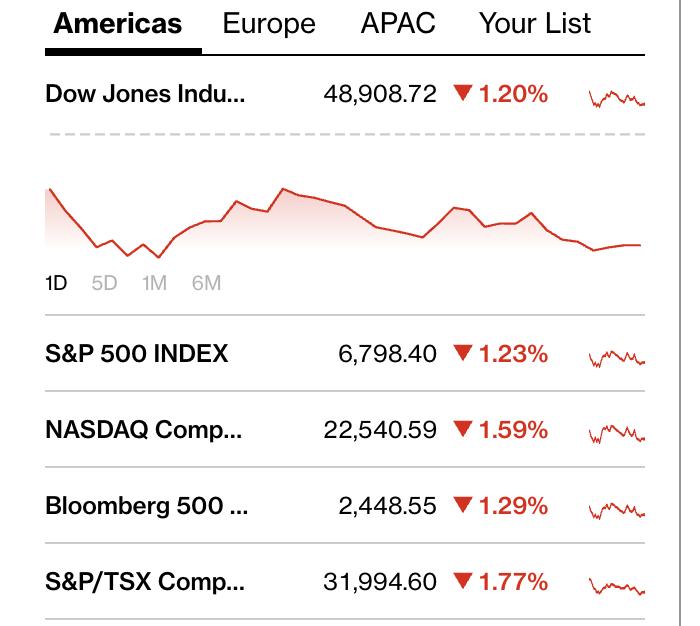
Group 1 - Anthropic and OpenAI released new AI models, Claude Opus 4.6 and GPT-5.3 Codex, respectively, with significant advancements in AI capabilities [1][11] - The market reacted negatively, with the Nasdaq index dropping approximately 1.6% and the iShares Expanded Tech-Software ETF declining over 15% year-to-date [1][2] - The software sector experienced a significant sell-off, with a loss of about $285 billion in market value on February 4, 2026, and Goldman Sachs' software basket index recording its largest single-day drop since April 2025 [2][3] Group 2 - The introduction of the Cowork plugin by Anthropic allowed AI assistants to perform complex tasks, leading to a drastic decline in software and financial services stocks [2][3] - Specific companies like Thomson Reuters and RELX saw stock drops of 16% and 14%, respectively, marking significant losses in the legal and professional information sectors [2] - The broader software basket index from Goldman Sachs has lost approximately $2 trillion in market value, reflecting a 30% decline from its peak [2] Group 3 - The release of Claude Opus 4.6 was associated with a 10% drop in the financial data terminal FactSet, indicating a competitive threat to traditional financial services [3][11] - OpenClaw, an open-source AI agent, gained popularity rapidly, highlighting a shift towards more autonomous AI capabilities that could disrupt existing software models [4][6] - The AI models are increasingly emphasizing "Action" capabilities, which could fundamentally change the business models of traditional software companies [8][19] Group 4 - Companies are facing a dilemma in balancing AI investments with existing IT budgets, as many organizations report feeling they are overspending on AI [16][17] - Major tech companies are projected to spend over $500 billion on AI investments in 2026, significantly increasing their capital expenditures compared to previous years [17][19] - The shift towards AI is not merely enhancing existing business models but is actively disrupting them, leading to a reevaluation of traditional revenue streams [20]
Claude新模型4.6来了,更多饭碗没了:华尔街财务、编译器、安全白帽、PPT…通通失守
3 6 Ke· 2026-02-06 11:24
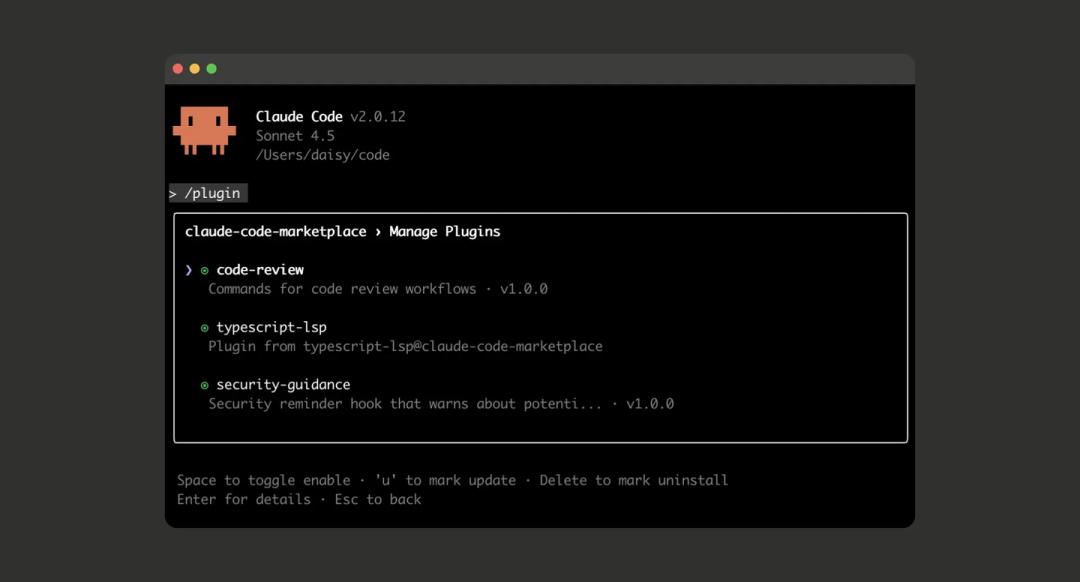
Core Insights - Anthropic has launched its new model, Claude Opus 4.6, which has significantly impacted the market, causing declines in major financial data service providers and indices [1][3][4] - The model demonstrates enhanced capabilities across various domains, including financial analysis, research, and office tasks, surpassing competitors like OpenAI's GPT-5.2 in performance metrics [6][8][29] Model Performance - Claude Opus 4.6 outperforms OpenAI GPT-5.2 by 144 Elo points in the GDPval-AA evaluation, achieving higher scores in approximately 70% of cases [8][29] - In programming tasks, Opus 4.6 achieved the highest score in the Terminal-Bench 2.0 assessment, showcasing its superior task planning and debugging capabilities [11][24] - The model supports multi-language coding and can efficiently handle large codebases, reducing migration time significantly [26] New Features - Opus 4.6 introduces Adaptive Thinking, allowing the model to autonomously determine when to engage in deep reasoning, along with a context compression feature for managing lengthy dialogues [20][21] - The model maintains its pricing structure, charging $5 for every million tokens input/output, with additional fees for exceeding 200k tokens in context [34][35] Security and Collaboration - The model has demonstrated exceptional capabilities in cybersecurity, identifying over 500 previously unknown high-risk zero-day vulnerabilities during testing [41][42] - Opus 4.6 features Agent Teams, enabling multiple instances of Claude to collaborate on tasks without human supervision, exemplified by a project that produced a C compiler in two weeks [36][40] Market Impact - The launch of Opus 4.6 has raised concerns among investors regarding the potential disruption of traditional industries by AI technologies, leading to significant market volatility [1][4][3] - The model's advancements in reasoning and understanding complex domains like law and finance position it as a leading tool in the AI landscape [29][30]
音乐圈的第一批AI受害者出现了
3 6 Ke· 2026-02-06 11:24
Core Insights - Native Instruments has entered preliminary bankruptcy proceedings, which does not imply immediate liquidation but rather a restructuring process under German law [1][3] - The company continues to operate and aims to improve its financial structure for sustainable future development [1][3] Industry Overview - The traditional audio tools and creator tools are among the first casualties in the AI era, with a noticeable market shift expected by 2024-2025 [4] - Many music production tools have faced significant challenges, leading to a series of closures and strategic shifts within the industry [4][6] Company-Specific Developments - Native Instruments is not alone; Loomer, a developer of high-quality plugins, has ceased operations due to financial instability despite previous growth [6][7] - Joué Music, known for its modular controllers, has also announced its closure after struggling to maintain financial stability [7] - Focusrite and MakeMusic have stopped selling certain products as part of strategic decisions, although they continue to operate overall [9] Market Dynamics - The music technology landscape is undergoing a transformation, with companies needing to adapt to new market demands and technological advancements [11][13] - The rise of generative AI in music creation is changing the landscape, with a projected 10% of music creators using AI tools by 2025 [19][22] - Traditional music software is seeing a decline in user numbers and revenue as creators shift towards AI-driven solutions that lower barriers to entry [19][24] Strategic Shifts - Companies like MAGIX and Reason Studios are being acquired and restructured to focus on integrating AI capabilities and expanding their service offerings [11][24] - The shift from selling tools to providing services is becoming a dominant business model, with AI acting as a value-adding engine in the music technology sector [24][28] Future Outlook - The integration of AI into the creative process is expected to become more comprehensive by 2026, indicating a significant shift in how music is produced and consumed [25][26] - The collaboration between major record labels and AI tools suggests a trend towards a more integrated creative ecosystem, presenting both challenges and opportunities for traditional music production tools [28]

2026年,AI SaaS的潮水正在迅猛来袭
3 6 Ke· 2026-02-06 11:20
这种颠覆不仅限于软件即服务(SaaS)领域。人工智能如今正渗透到专业服务行业——财富管理、咨询、法律等,这些行业历来依赖高薪专家和劳动密 集型工作流程,且在很大程度上未受到以往技术革命的影响。人工智能不仅能提炼和整合专家知识,还能打破领域壁垒,提供跨学科的智能服务,其表现 超越了传统的人类专业技能。 一个越来越明确的事实是,人工智能正在重塑工作的方式,但并没有消解软件的存在价值。相反,在 AI 进入企业核心流程之后,软件作为基 础设施的重要性反而被进一步放大。 对头部SaaS厂商而言,真正的挑战不在于是否会被AI"取代",而在于能否成为AI调用的基础设施层,能否将自身产品转化为智能体时代的标准 化能力模块。商业模式的变化或许不可避免,但价值本身并未消失。 最近,AI 与 SaaS 的关系被一次市场波动推到了聚光灯下。随着 Anthropic 发布面向开发者的 AI 插件能力,多家头部 SaaS 公司股价在短时间内出现明显 下跌,"AI 是否正在取代软件""SaaS 是否正在走向终结"的讨论迅速蔓延。 这种情绪并不陌生。每一次底层技术发生跃迁,市场都会本能地将"工具"与"智能"对立起来,仿佛后者的出现必然意味着 ...
白银为啥跌得比黄金猛?
3 6 Ke· 2026-02-06 10:56
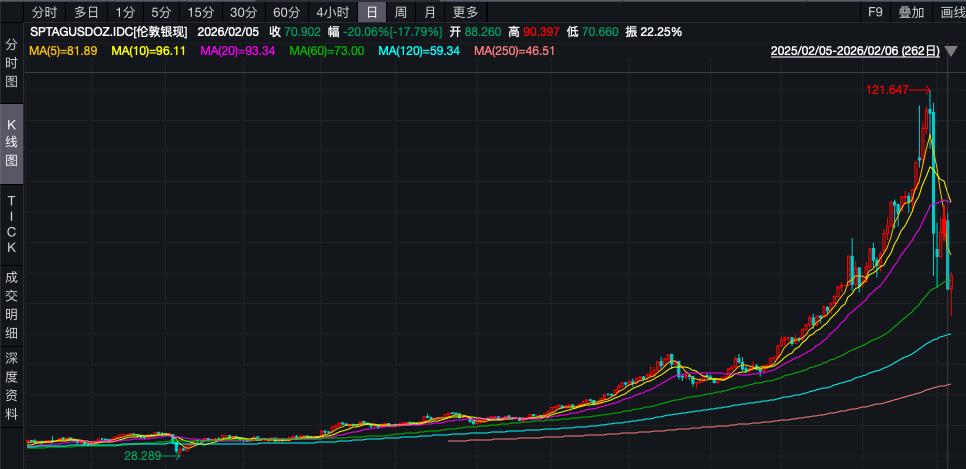
1月29日以来,黄金、白银等贵金属价格出现明显回调,白银价格回调幅度明显高于黄金。经过近几日调整,白银价格的年内涨幅已基本 抹去。 回顾2025年行情,白银价格涨幅后来居上,明显高于黄金。白银价格为何会大涨大跌?本轮跌幅又为何这么大? 6个交易日几乎抹去全年涨幅 现货白银价格近一年走势 来源:Wind 2026年以来,白银价格坐上过山车。1月2日,现货白银价格的开盘价为72.49美元/盎司,此后不断上涨,至1月29日,一度触及121.65美 元/盎司的高点,累计涨幅约为61.88%。 截至发稿时,1月30日至2月6日的短短6个交易日,现货白银价格几乎抹去2026年以来涨幅,年内累计涨幅为1.15%。 白银期货价格也存在类似表现。COMEX白银期货价格从年初的71.74美元/盎司,涨至1月29日的121.79美元/盎司,累计涨幅约63.99%。此 后,COMEX白银期货价格快速下降。2月6日,期货价格开盘后不久就下跌16.70%,截至发稿时,跌幅约为5.85%。截至发稿,2026年以 来,COMEX白银期货价格累计上涨约2.23%。 现货黄金价格近一年走势 来源:Wind 尽管黄金价格在年内也是震荡行情,但幅度 ...
科创板企业扎堆登陆“中国500强”
3 6 Ke· 2026-02-06 10:55
Group 1 - The total value of the top 500 companies in China increased by 21 trillion yuan (38%), reaching 77 trillion yuan, with an average value growth of 41.5 billion yuan, now at 1.53 trillion yuan [1][2] - The entry threshold for the list rose to 34 billion yuan, an increase of 7.5 billion yuan from the previous year, marking a historical high [1][2] - The technology sector continues to be a growth engine, with significant increases in the number and market value of companies in semiconductor, biomedicine, artificial intelligence, and new energy sectors [1][2] Group 2 - Nearly 40% of this year's listed companies were not on the list four years ago, with new entrants primarily from consumer electronics, AI computing, and new energy sectors [2] - The semiconductor industry surpassed the life sciences sector to become the second-largest industry in the list, with TSMC leading the growth [3] - Notable semiconductor companies include TSMC, which saw a value increase of 3.5 trillion yuan, and Cambrian, which grew by 370 billion yuan [3] Group 3 - The new energy sector also performed well, with CATL's value increasing by 690 billion yuan, and other companies like Sungrow and EVE Energy showing significant growth [4] - The Shanghai region had 57 companies on the list, an increase of 7 from the previous year, making it the city with the fastest growth in the number of listed companies [10] - Shanghai is a key research and development hub, with 101 companies establishing their main R&D bases there, reflecting its strong innovation capabilities [10][11] Group 4 - The STAR Market (科创板) has a strong presence in the list, with 45 companies, showcasing the focus on hard technology sectors like semiconductors and biomedicine [6][7] - The semiconductor sector is particularly prominent among STAR Market companies, with many of the highest-valued startups in this field [8] - The overall trend indicates that STAR Market companies are in a high-growth phase, aligning with the broader trend of nearly 40% of this year's companies being new entrants [9]



