3 6 Ke

Search documents
南京狂揽480家首店:德基一骑绝尘,JLC、万象天地争第二
3 6 Ke· 2026-02-12 02:33
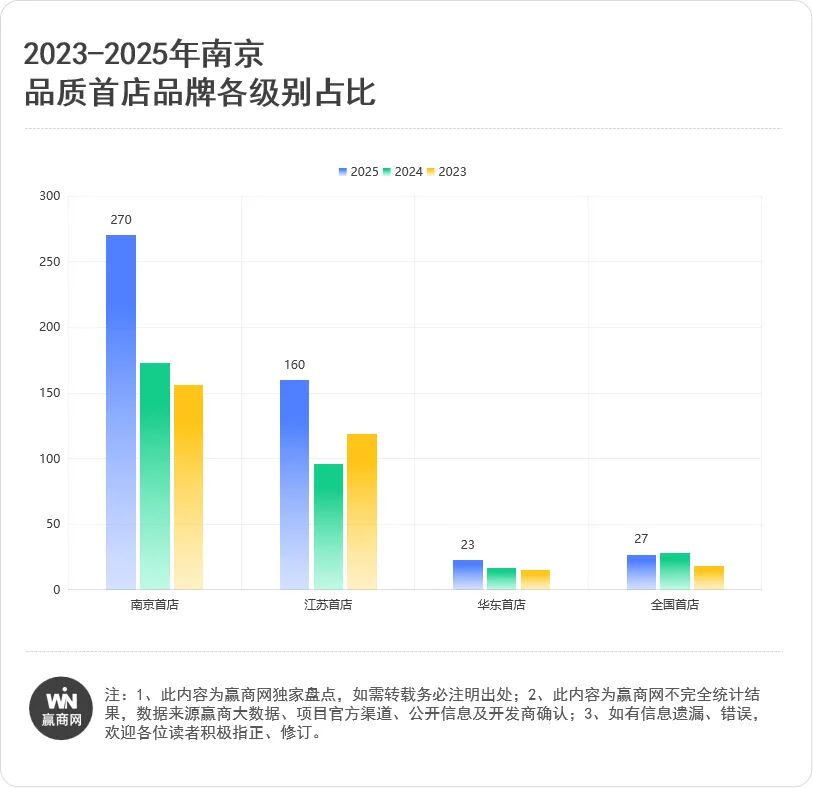
Core Insights - Nanjing has accelerated its "first store economy" in 2025, being selected for multiple national pilot projects and hosting over 1,700 consumer promotion events throughout the year, with the Xinjiekou business district maintaining its leading position in East China [1][3] - The city introduced a record 480 quality first stores, with significant growth in consumer experiences and international offerings, indicating a substantial uplift in urban consumption capabilities [1][3] Group 1: First Store Introduction - A total of 480 quality first stores were introduced in Nanjing, with 237 in dining and 199 in retail, accounting for over 90% of the total, reflecting a strong consumer demand for high-frequency and quality experiences [3][6] - The concentration of first stores in dining and retail indicates a solid local consumption base, supporting brands' entry and testing in the market [6][7] - Nanjing's Deji Plaza introduced 56 retail first stores, contributing nearly 30% of the city's retail first store resources, reinforcing its status as a key city for high-end retail brand launches [7][8] Group 2: Dining Sector Dynamics - The dining sector emerged as the most active area for first store competition in 2025, with JLC Nanjing introducing 28 dining first stores, leading in quantity [10][11] - The popularity of casual dining is evident, with 46 new beverage stores and 32 dessert stores introduced, showcasing a trend towards frequent product iteration and diverse consumer experiences [13][15] - Despite lower numbers, sectors like children's services and entertainment are increasingly valuable for enhancing consumer ecosystems and extending visit durations [15] Group 3: Commercial Ecosystem and Performance - Nanjing's first store economy not only increased in quantity but also in quality, with 27 national first stores and 23 East China first stores introduced, enriching the commercial ecosystem [16][19] - Deji Plaza achieved a sales figure of 26.24 billion yuan, a 7.1% increase year-on-year, maintaining its position as the top-performing shopping center in the country [21][23] - JLC Nanjing quickly became a cultural landmark, introducing 59 first stores, with over 40% of tenants being brands new to Nanjing, Jiangsu, or even nationwide [26] Group 4: Policy Support and Future Outlook - Nanjing has released new policies to support the development of the first store economy, offering financial incentives for high-quality brand introductions and events [37][39] - The policies aim to enhance service consumption quality and support the development of new consumption models, indicating a strategic focus on nurturing a vibrant consumer environment [39][41] - Looking ahead to 2026, Nanjing plans to continue implementing first store economy policies, aiming to establish itself as a leading international consumer city [41]

OpenClaw放量万亿token,阿里云进击火山腹地
3 6 Ke· 2026-02-12 02:27
Core Insights - OpenClaw, an open-source AI Agent project, has rapidly gained popularity, with monthly user visits skyrocketing to 2.63 million, a 10,000% increase in just two weeks, leading to significant demand for cloud services and MaaS orders [1] - Major cloud providers like Alibaba Cloud, ByteDance's Volcano Engine, and Baidu Intelligent Cloud are competing fiercely to support OpenClaw deployments, indicating a shift in the cloud market dynamics [1][2] - The MaaS market is projected to grow significantly, with a year-on-year increase of 421.2% expected by mid-2025, driven by the rise of AI Agents and the associated token economy [2][3] Group 1: Market Dynamics - ByteDance's Volcano Engine leads the domestic market with a 46% share of the public cloud model market, actively expanding its sales team to capitalize on the growing demand for MaaS [2][8] - Baidu's Wenxin model has seen substantial growth, with daily API calls reaching 500 million in Q4 2023, and projected to exceed 1.65 billion by December 2024 [4] - The competition among cloud providers is intensifying as they seek to capture market share in the rapidly expanding MaaS sector, with Alibaba focusing on reclaiming lost ground [15][17] Group 2: Technological Advancements - The concept of "Token efficiency" is becoming crucial as the demand for AI applications grows, emphasizing the need for cloud providers to offer low latency, high stability, and transparent cost structures [3] - Companies are exploring new architectures to improve token efficiency, which is essential for handling complex tasks with fewer tokens [3] - The integration of AI models with cloud services and proprietary chips is seen as a strategic advantage for companies like Alibaba, aiming to create a comprehensive AI cloud ecosystem [17][18] Group 3: Future Projections - The token economy is expected to reach trillions in value as the demand for AI Agents increases, with OpenClaw serving as a catalyst for this growth [2][3] - By 2027, the daily token consumption for ByteDance's Doubao model is predicted to exceed 100 trillion, highlighting the immense potential for growth in the MaaS market [10] - The competition will not only be about token consumption but also about the ability to provide efficient and effective AI solutions that meet developer needs [21]



百草味的坚果礼盒,你可能也需要仔细看看小字
3 6 Ke· 2026-02-12 02:27
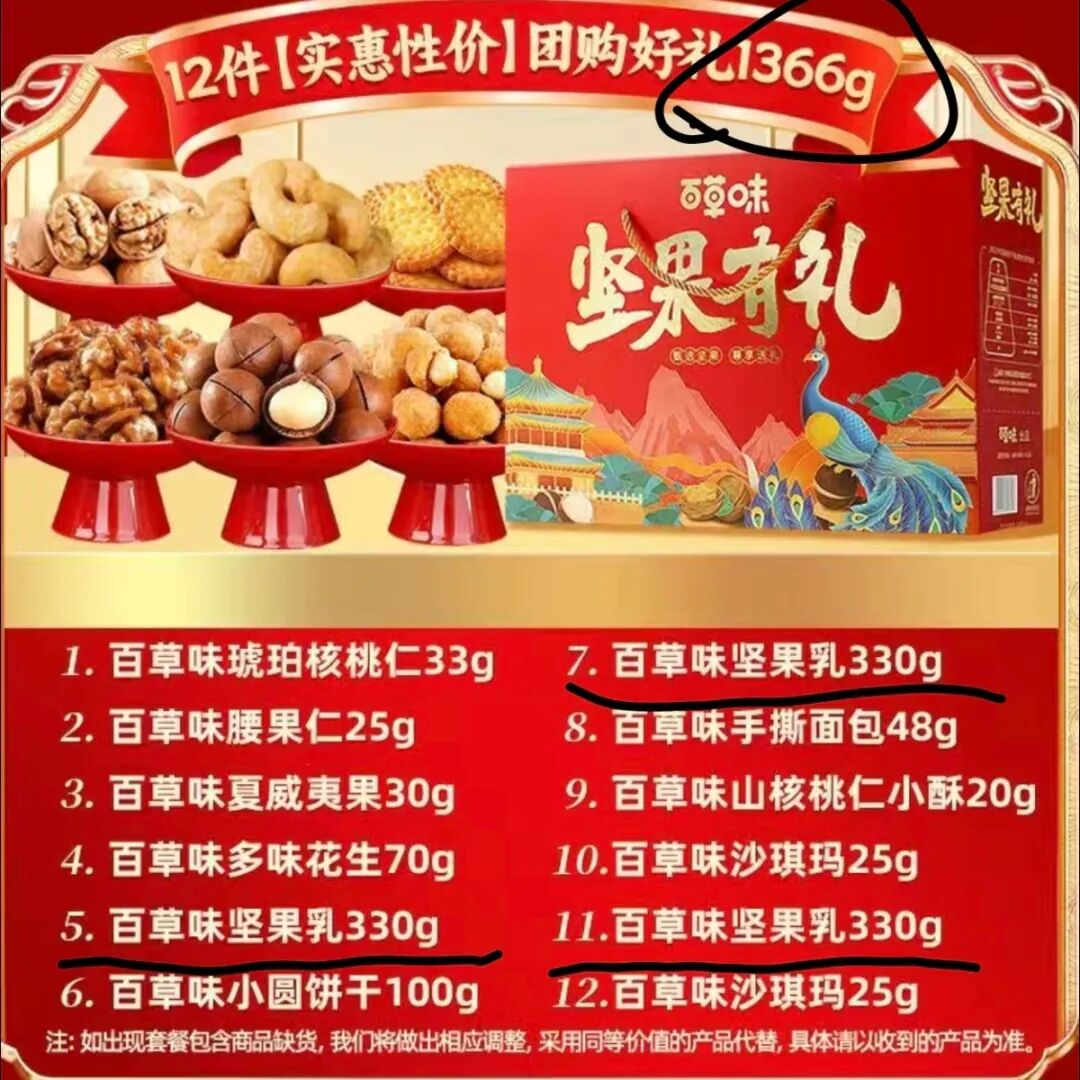
Core Insights - The article highlights the deceptive practices of nut gift box vendors, where the actual nut content is significantly lower than expected, often as low as 10% [1][2][3] - Despite the decline in nut content, consumer demand for nuts continues to grow, indicating a disconnect between supply issues and consumer behavior [1][17] Pricing and Cost Issues - Rising production and import costs for nuts are driving vendors to reduce nut content in gift boxes, leading to a price war among competitors [1][10] - The cost of domestic nut production has increased due to higher labor and agricultural input costs, while international shipping costs have also risen, impacting imported nut prices [11][12] Consumer Behavior and Market Trends - The Chinese nut market is projected to exceed 300 billion yuan in 2024, with expectations to reach 428.3 billion yuan by 2029, indicating a robust growth trajectory [17] - Consumer purchasing habits show that over 80% spend between 20 to 100 yuan monthly on nuts, with a significant portion of purchases driven by gifting [17] Vendor Strategies - Vendors employ three main tactics to mislead consumers: "wordplay," "positioning," and "concept confusion," which obscure the actual nut content in gift boxes [1][3][10] - Examples include using misleading packaging and hiding non-nut products within the gift boxes, which can mislead consumers about the actual contents [3][6][9] Consumer Responses - Consumers are adapting by forming groups to navigate the market: "big brand channel" buyers prefer reliable sources, "name recognition" shoppers focus on pure nut products, and "flexible purchasing" consumers buy nuts individually [17][25] - The presence of deceptive practices has led to a demand for more transparency and quality in nut gift boxes, suggesting that vendors with low nut content may face long-term consequences [1][17]
36氪首发|农业具身智能企业拿到新融资,估值达5亿元
3 6 Ke· 2026-02-12 02:27
Core Insights - HeXin Power, an agricultural embodied intelligence company, recently completed a multi-million yuan angel round financing, achieving a post-investment valuation of 500 million yuan [1] - The funding will primarily be used for core product iteration, global scene expansion, and talent acquisition [1] - The company focuses on "agricultural embodied intelligence" by developing drones, robots, and smart terminals to address labor shortages and standardization issues in agriculture [1] Company Overview - HeXin Power was established in 2025 and aims to transition agricultural automation from "mechanization" to "intelligence" [1] - The company collaborates with Tsinghua University, the Chinese Academy of Agricultural Sciences, and Harbin Institute of Technology to tackle core technologies such as environmental perception and agricultural-specific AI models [1][2] Technology and Products - HeXin Power has developed a high-speed digital motor technology capable of producing motors with speeds between 180,000 to 200,000 RPM, which is applied in their drones and robots [2] - The company has created a pesticide drift prediction platform and a YOLO-Fi algorithm model for precise variable spraying, enhancing the efficiency of agricultural operations [2] - Key products include a series of plant protection drones and agricultural robots, such as a mushroom picking robot and a weeding robot, which are cost-effective compared to international competitors [3] Market Strategy and Commercialization - HeXin Power employs a strategy of "R&D in Shenzhen, production in the mainland, and market globally," having delivered 10 robots and secured over 100 orders across various scenarios [3] - The company has expanded into markets in Central Asia, South America, and Africa, establishing a smart planting experimental base in Nigeria [3] Leadership Team - The founder and CEO, Zhao Feng, has 14 years of experience in agricultural strategic investment, while the CTO, Sun Shilong, is a professor at Harbin Institute of Technology with expertise in robotics and precision agriculture [4] - The CFO, Zhang Jiang, previously served as the chief analyst for agriculture at UBS and Huaxing Capital [4] Future Goals - HeXin Power aims to become a standardized intelligent production unit for global farmland, leveraging embodied intelligence technology to adapt to unstructured field environments [5] - The company plans to continue promoting its products in large-scale farms across multiple countries as global agricultural automation demand grows [5]
经济第一大省,再添一个“万亿级”
3 6 Ke· 2026-02-12 02:16
Core Insights - Guangdong's ultra-high-definition video industry cluster is projected to achieve a revenue of 1,080.306 billion yuan by 2025, marking it as the province's tenth trillion-level industry cluster and the first of its kind in the nation [1][2]. Group 1: Industry Development - The "chip shortage and screen shortage" previously hindered the development of China's electronic information industry, with display panels once ranking as the fourth largest import commodity [1]. - Since 2017, Guangdong has been at the forefront of developing the ultra-high-definition video industry, leveraging its comprehensive manufacturing supply chain and large-scale market [1]. - Guangdong has established a complete industry chain covering content production, network transmission, terminal presentation, core components, and industry applications, with over 60,000 related enterprises [1]. Group 2: Economic Impact - The trillion-level industry cluster is characterized by significant scale effects, outstanding innovation capabilities, and strong resilience in the supply chain, which can lower costs and enhance efficiency through upstream and downstream collaboration [1]. - The province has maintained a pace of one trillion-level industry cluster breakthrough per year, with the automotive industry becoming the eighth in 2023 and the new energy industry cluster surpassing one trillion yuan in 2024 [2]. Group 3: Future Prospects - The next potential trillion-level industry cluster is expected to be the biopharmaceutical and health industry cluster, aiming to exceed one trillion yuan by 2027, with the pharmaceutical industrial scale exceeding 500 billion yuan [3]. - Other industries such as semiconductors and integrated circuits, new energy storage, and low-altitude economy also show potential for advancement [3].
2026格局与趋势丨(下):汽车制造商痛失定价权
3 6 Ke· 2026-02-12 01:52
Core Insights - Tesla is shifting its production focus from Model S and Model X to the Optimus robot, indicating a broader industry trend towards innovation and transformation amidst profit challenges [1] - The automotive industry is facing a profit crisis, with a projected profit margin of only 4.1% in 2025, significantly lower than the 5.9% margin of downstream industries [4][6] - The price war initiated by Tesla has spread across the entire automotive market, leading to a decline in revenue and profit margins for many manufacturers [6][8] Industry Challenges - The automotive sector is experiencing a "spiral of death" in profits due to five core factors: intense price competition, rising costs, imbalanced profit distribution, overcapacity, and the pains of electrification [3] - In December 2025, the industry's profit margin fell to a historic low of 1.8%, with revenues declining by 0.8% while costs increased by 0.8%, creating a "scissors gap" [6][8] - The overall capacity utilization rate for the automotive industry is projected to be 73.2% in 2025, below the healthy threshold of 75%, with some joint ventures operating at only 40-60% [8][9] Financial Performance - The automotive industry's revenue is expected to reach approximately 11.18 trillion yuan in 2025, reflecting a year-on-year growth of 7.1% [4] - The cost of production is anticipated to rise by 8.1% in 2025, leading to a decrease in per vehicle revenue by 1.6 million yuan and continuous pressure on gross profit margins [8] - The average profit margin for automotive dealers is projected to be around 4.1%, with over 58% of dealers expected to incur losses in 2025 [10][12] Supply Chain Dynamics - The supply chain is experiencing a bifurcation, with suppliers showing moderate improvement while dealers face significant losses [12] - The dominance of battery manufacturers like CATL is evident, as they captured 76.9% of the net profits in the industry, with CATL alone accounting for 68.1% [27][29] - The shift in value from traditional automotive manufacturers to technology and battery suppliers is reshaping the industry's profit landscape [14][27] Future Outlook - The automotive industry is expected to face ongoing challenges from rising costs in chips and materials, with potential cost increases of 4,000 to 7,000 yuan per vehicle due to supply chain pressures [35] - The transition towards electric and smart vehicles is creating a competitive environment where traditional manufacturers are losing pricing power to tech companies and battery suppliers [21][29] - The long-term outlook suggests that while battery suppliers currently hold significant power, this may shift as competition intensifies and manufacturers seek to reduce dependency on external suppliers [33]



巨兽出山,围堵大疆
3 6 Ke· 2026-02-12 01:52
作者 | 张子怡 编辑 | 袁斯来 大疆躺着赚钱的赛道,终于被更凶悍庞大的对手纳入狙击范围。 近日,vivo官方确认正式立项独立vlog相机产品,产品形态将直接对标大疆Osmo Pocket系列。而此前,媒体曾报道OPPO的首席产品官刘作虎,正亲自带 队攻坚类似产品。 OPPO和vivo这样经历过无数血战,仍然屹立不倒的巨头,绝非大疆想要遭遇的对手。 但这场交锋,在Pocket 3爆红的那一刻已经埋下伏笔。 很少有消费电子单品能在很长一段时间中独占市场,大疆Osmo Pocket 3做到了。根据媒体报道,Pocket 3全球销量一年就超千万台,单款产品贡献营收超 200亿元。由于产能不足,过去很长一段时间里,Osmo Pocket 3被戏称为"电子茅台",二手溢价一度超过30%。直到大疆去年下半年主动降价,一货难求 的故事才宣布告终。 大疆Osmo Pocket 3(图源/官网) 更重要的是,在用户心智中,云台相机某种程度上已经等同于"大疆Pocket"——无数消费电子公司渴望拿下的品类定义者角色,大疆似乎很轻松地收入了 囊中。 如果放在5年前,手机厂商或许不会重注投入这一个品类。几家头部手机公司每年营收数千 ...

“大模型第一股”加入“春节AI战”,交出最强旗舰模型GLM-5,从写代码转向写工程
3 6 Ke· 2026-02-12 01:46
2月12日,智谱正式发布并开源新一代旗舰基座模型 GLM-5,定位为面向复杂系统工程与长程Agent任务的基座模型,在大型编程任务中提供 对标顶尖闭源模型的可靠生产力,为懂行的顶尖程序员而生。 几周前,开源社区曾流传一个名为Pony Alpha的模型。它能进行长程交互、拆解复杂任务、在多轮对话中保持稳定上下文,一度引发广泛猜 测。如今答案揭晓,Pony Alpha正是GLM-5的匿名测试版本。 过去一年,AI Coding正在发生一次深层次的能力迁移。前OpenAI研究科学家Andrej Karpathy在 "vibe coding" 实践一周年时提出,开发者的角 色正从"写代码"转向"编排 AI Agent"。 这一趋势在顶尖闭源阵营中已经得到验证。Claude Opus 4.6与 GPT-5.2 在长上下文、复杂编排和工具调用上的表现,推动市场对大模型的"系 统级能力"重新定价。 在开源世界,月之暗面(Moonshot AI)在 2026 年 1 月 27 日正式发布了 Kimi K2.5,是一个主打超长上下文与多智能体协作的原生多模态模 型,能够自主调度上百个子智能体高效完成跨领域的复杂任务。 模型能力 ...

400亿狂热追逐:具身智能2025投资战事
3 6 Ke· 2026-02-12 01:46
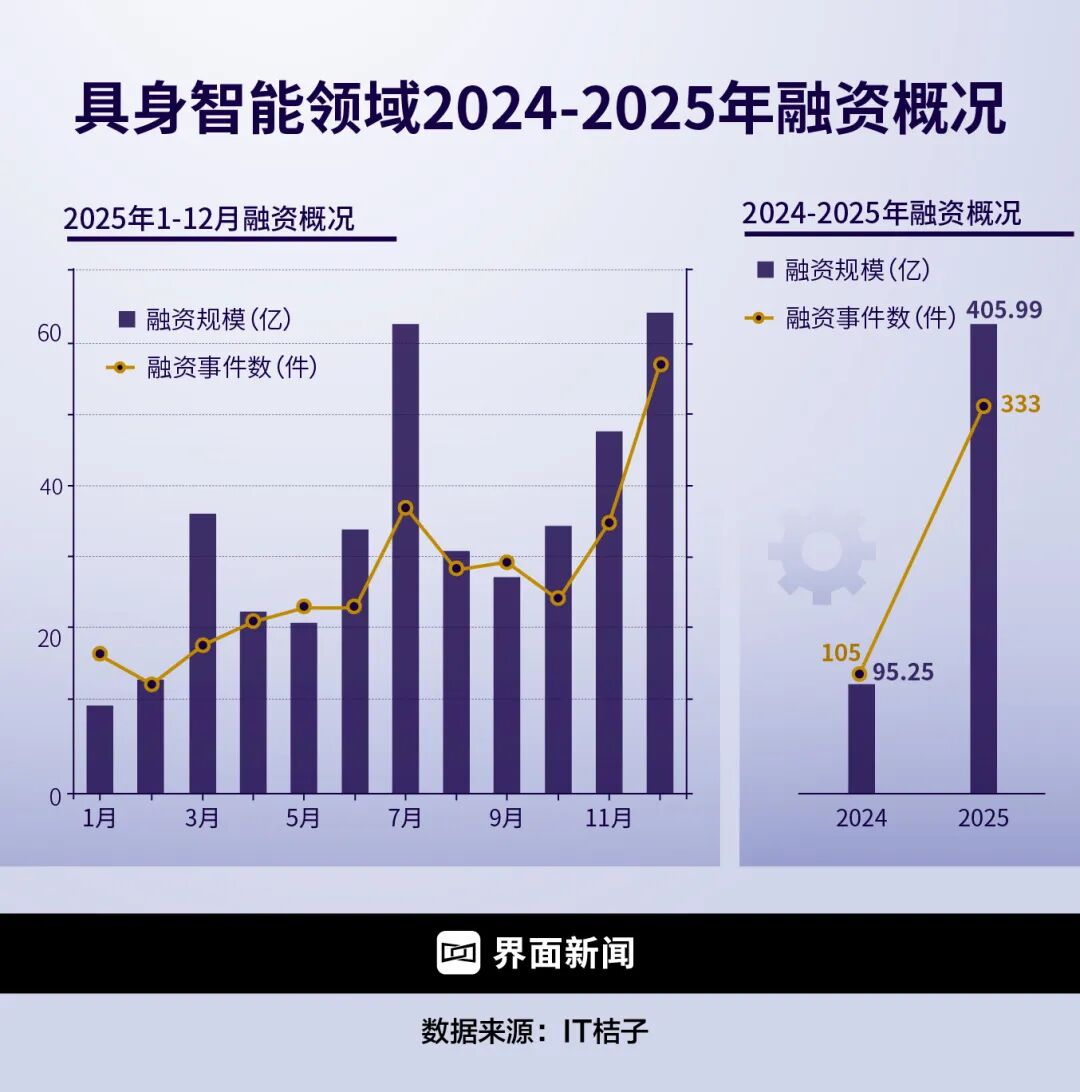
2025年接近年末,绿洲资本创始合伙人张津剑跟成立刚一年的具身智能创企HillBot联合创始人苏昊共进了一顿晚餐。 苏昊给张津剑展示了一些数据,进而抛出一个想法:他觉得具身智能即将在2026上半年走到GPT-2时刻。 这在行业内并不是共识。更多受访者认为,行业应该还没走到GPT-1。 具身智能赛道火在大模型之后,又与大模型紧密相关。尽管从技术上无法完全对标,但投资人愿意用"GPT-1"之类的表述试图对行业发展阶段进行定位 ——这从根本上影响他们选择是否加码、何时加码以及加多少码。 "GPT-1是搭建一个验证它是否可行的技术环境,GPT-2是本质上证明了某些技术路径是可行的。"张津剑对所谓具身智能的"GPT"时刻下如此定义。 这种定位十分重要。假设你在GPT-3.5和GPT-1/2两个时期投进OpenAI,那么2026年你得到的估值增长将分别是30倍和大约100倍。 奇怪的是,具身智能还远远没有走到GPT-3.5阶段,只因宇树科技在2025年春晚舞台上意外走红,就提前浮出了水面。 "好在最后磨下来了点(额度),但真的是'生磨'。" 类似的例子有很多。另一位AI领域投资人告诉智通财经记者,三年前曾有一个具身智能项 ...
偷偷挣钱的芯片巨头
3 6 Ke· 2026-02-12 01:40
Core Insights - Nvidia stands out as a leading player in the AI wave, dominating the market with its GPU architecture and CUDA ecosystem, which are central to AI training and inference [1] - The rise of Nvidia is not an isolated event; it reflects a broader evolution in the AI infrastructure ecosystem, involving multiple components such as wafer manufacturing, advanced packaging, and network interconnects [1][8] - The competition in AI infrastructure has shifted from pure computational power to the ability to connect and manage vast numbers of GPUs effectively [8] Group 1: Nvidia's Market Position - Nvidia's data center revenue has reached new highs, with its latest GPU products being in high demand even before full release [1] - The company is perceived as defining AI infrastructure almost single-handedly, raising questions about the sustainability of relying on a single entity for foundational computing power [1] Group 2: The Role of Credo - Credo, a lesser-known semiconductor company, has seen its stock price surge by 245% in 2024 and is expected to double again in 2025, driven by the demand for active electrical cables (AEC) in AI data centers [2][4] - Credo holds an 88% market share in the AEC market, with analysts projecting its revenue to approach $1 billion by 2026 [4] Group 3: The Shift to Fiber Optics - Corning, a major player in fiber optics, is experiencing a resurgence as AI data centers increasingly require high-speed, reliable connections, with a significant contract from Meta for $6 billion [5][9] - The efficiency of fiber optics over copper cables is highlighted, with Corning's technology expected to dominate the internal networks of data centers [5][9] Group 4: Lumentum's Transformation - Lumentum is transitioning from a telecom-focused company to a key enabler for AI data centers, with a 58% year-over-year revenue increase [9][10] - The company is betting on three AI growth engines: optical circuit switches, co-packaged optics (CPO), and cloud transceivers [9][10] Group 5: SiTime's Importance - SiTime specializes in MEMS clock devices, crucial for maintaining synchronization in AI servers, with a 45% revenue growth in its communication and data center business [17][21] - The company’s technology is essential for ensuring the performance and efficiency of AI systems, especially as data center demands increase [21][22] Group 6: Supply Chain Vulnerabilities - The supply chain supporting Nvidia's empire is both powerful and fragile, with dependencies on specific technologies and materials that are difficult to replicate [23] - Companies like Nittobo, which supplies T-glass, face challenges in scaling production to meet the surging demand from AI companies [20][23] Group 7: The Future of AI Infrastructure - The AI infrastructure landscape is evolving, with a focus on connectivity and the ability to manage large-scale GPU deployments becoming as critical as computational power itself [8][24] - The sustainability of this supply chain and its ability to meet exponential growth in computational demand will be crucial for the future of AI [25]