Bei Ke Cai Jing

Search documents
1688:工厂智能化呈现“东高、中快、西广”区域格局
Bei Ke Cai Jing· 2026-01-14 14:57
Core Insights - Alibaba's 1688 platform has over 1 million merchants, with more than 290,000 daily users engaging with AI products and technologies, indicating a significant increase in AI usage among merchants [1] Industry Trends - The report highlights that China's industrial sector is at a pivotal transition from digitalization to intelligence, where AI is not merely a technical application but a means to reshape operational logic and value distribution [2] - Four core challenges facing the industry include extreme fragmentation on the supply side, high non-standardization on the demand side, lengthy and inefficient decision-making processes, and the difficulty in reusing industry experience [2] Regional Development Patterns - The report identifies a regional pattern in factory intelligence characterized by "East High, Central Fast, West Broad," with eastern regions leading in digitalization, central regions experiencing the fastest growth, and western regions expanding their digital coverage [3] - Yiwu ranks first in national AI application activity, followed by manufacturing hubs such as Guangzhou, Shenzhen, Dongguan, and Wenzhou [3]

24万颗卫星背后的低轨卫星争夺战,商业航天走到爆发前夜
Bei Ke Cai Jing· 2026-01-14 09:35
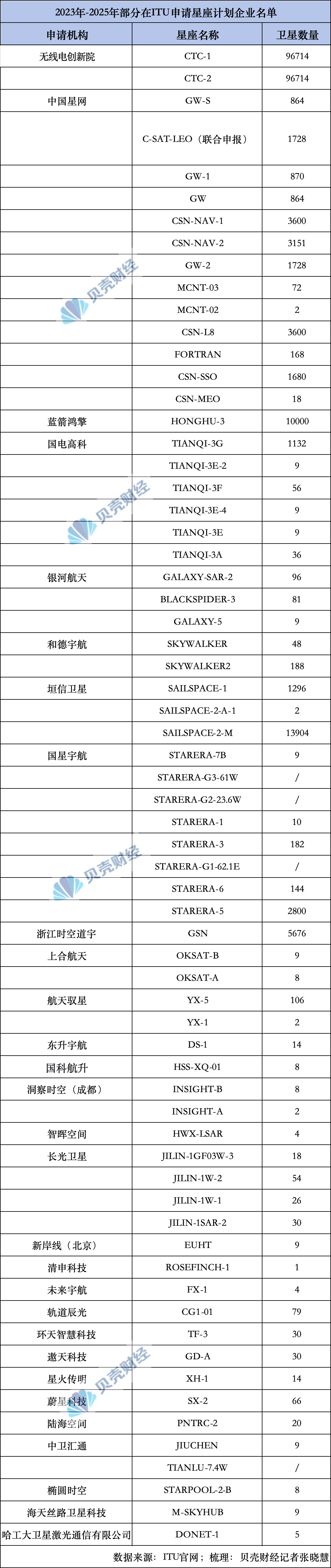
Core Viewpoint - The commercial space industry in China is experiencing significant growth, with numerous companies submitting satellite constellation applications, leading to increased market interest and investment opportunities [1][8][21]. Group 1: Industry Developments - In January 2026, the commercial space sector gained attention with the IPO acceptance of Blue Arrow Aerospace, which was subsequently inspected by regulatory authorities [1]. - China has expanded its satellite constellation applications to four entities, each proposing over 10,000 satellites, including China Star Network and Shanghai Yuanxin [2]. - Over 60 institutions have submitted satellite applications to the International Telecommunication Union (ITU) since 2023, with a total of over 240,000 satellites proposed [8]. Group 2: Competitive Landscape - A competition is emerging between state-owned and commercial entities in the low Earth orbit satellite sector, marking a shift from theoretical applications to practical implementations [4]. - Major players like China Star Network and Shanghai Yuanxin have submitted large-scale satellite constellation plans, with China Star Network proposing 12,992 satellites and Shanghai Yuanxin over 15,000 [5][6]. - The Wireless Innovation Institute has also entered the fray with two applications for constellations of 96,714 satellites each [7]. Group 3: Market Potential and Challenges - The demand for large satellite constellations is expected to drive significant manufacturing and launch needs, creating optimistic market expectations [19]. - Analysts predict that the years 2024-2025 will be pivotal for China's commercial space sector, transitioning from technology validation to large-scale networking [21]. - Despite the potential for growth, the industry faces challenges in technology breakthroughs and cost reductions for large-scale satellite launches [23]. Group 4: Company Insights - Blue Arrow Aerospace, a key player in the commercial space sector, is focusing on enhancing its reusable rocket capabilities, although it has yet to achieve profitability [24][25]. - The company is involved in providing launch services for major satellite constellations, including GW and Qianfan [26]. - Other commercial space companies like Interstellar Glory and Zhongke Aerospace are also pursuing IPOs, indicating a growing interest in the sector [27].


沪深京三市成交额超3.95万亿元,续创历史记录
Bei Ke Cai Jing· 2026-01-14 07:16
Group 1 - The core point of the article highlights that the transaction volume in the Shanghai, Shenzhen, and Beijing markets exceeded 3.95 trillion yuan, setting a new historical record [1] Group 2 - The data is sourced from Tonghuashun iFinD, indicating a significant increase in market activity [1] - The achievement reflects a strong performance in the financial markets, suggesting heightened investor interest and engagement [1]
中汽协:2025年新能源汽车产销量突破1600万辆
Bei Ke Cai Jing· 2026-01-14 06:49
编辑 杨娟娟 校对 陈荻雁 新京报贝壳财经讯(记者王琳琳)1月14日,中国汽车工业协会(简称"中汽协")发布的最新数据显 示,新能源汽车产销分别为1662.6万辆和1649万辆,同比分别增长29%和28.2%,新能源汽车新车销量 达到汽车新车总销量的47.9%,较去年同期提高7个百分点。我国新能源汽车连续11年位居全球第一。 从新能源汽车内销表现来看,2025年新能源汽车国内销量1387.5万辆,同比增长19.8%,2025年新能源 汽车国内销量占汽车国内销量比例为50.8%。其中,2025年新能源乘用车国内销量占乘用车国内销量比 例为54%;新能源商用车国内销量占商用车国内销量比例为26.9%。 ...
中汽协:2025年我国汽车产销均超3400万辆,创历史新高
Bei Ke Cai Jing· 2026-01-14 06:29
Core Insights - The China Automotive Industry Association (CAAM) reported that by 2025, China's automobile production and sales are projected to reach 34.53 million and 34.40 million units, respectively, representing year-on-year growth of 10.4% and 9.4%, exceeding earlier expectations [1] - China has maintained an annual automobile production and sales volume above 30 million units for three consecutive years, solidifying its position as the world's largest automobile market for 17 years [1] - Automobile exports are also expected to reach a record high, with projections of over 7 million units, specifically 7.098 million units, reflecting a year-on-year increase of 21.1% [1] Industry Performance - The automotive industry in China is increasingly focusing on expanding into overseas markets, with a notable improvement in the international competitiveness of Chinese brands [1] - Joint ventures are also performing well in terms of exports, contributing to the overall growth of the sector [1] - The rapid growth of new energy vehicle exports is a significant factor driving the increase in China's automobile export figures [1]
西部矿业:玉龙铜矿新增铜金属资源量131.42万吨
Bei Ke Cai Jing· 2026-01-14 04:37
新京报贝壳财经讯 1月13日,西部矿业发布公告称,公司控股子公司西藏玉龙铜业股份有限公司近日取 得西藏自治区自然资源厅出具的矿产资源储量评审备案复函,玉龙铜矿累计查明资源量新增铜金属资源 量131.42万吨,伴生钼金属资源量10.77万吨。此次增储将进一步延长矿山服务年限,促进战略性矿产资 源增储上产,为公司可持续发展打牢基础,持续提升公司盈利能力。 ...

2026马年纪念币钞预约火爆,多家银行回应系统拥堵
Bei Ke Cai Jing· 2026-01-14 04:03
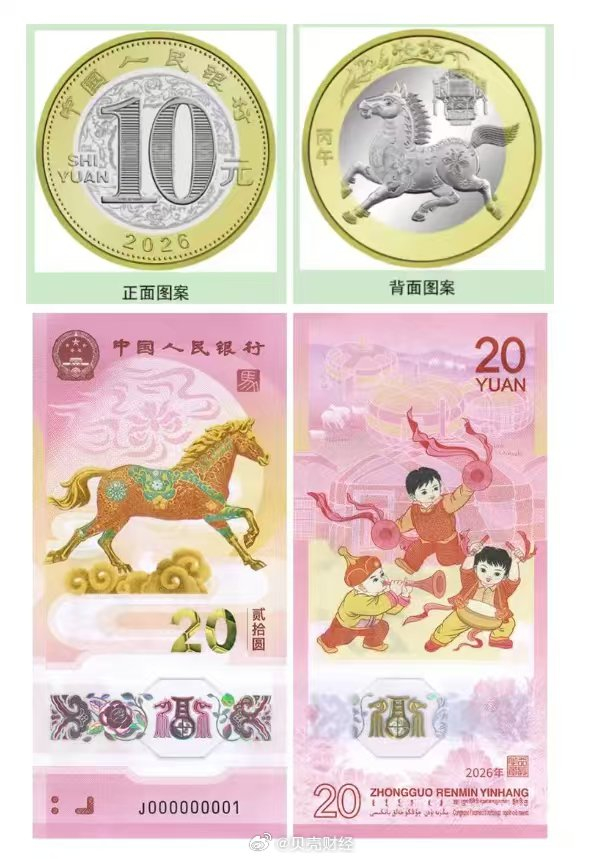
Group 1 - The 2026 New Year commemorative coin and banknote reservation officially opened on January 13, leading to high demand and related topics trending on social media [1] - Construction Bank reported no system failures during the reservation process, but noted that high traffic could cause congestion on the reservation page [1] - Agricultural Bank indicated that this was the first reservation for the 2026 commemorative coin and banknote, and there has been no notification regarding a second reservation [1]



外资机构:中国资产吸引力正在提升,建议超配A股
Bei Ke Cai Jing· 2026-01-14 03:16
Group 1 - The core viewpoint of the articles is that foreign investment institutions are optimistic about the Chinese stock market, particularly in the context of improving market expectations and the potential for significant capital inflows into A-shares [1][10]. - UBS's China head, Fang Dongming, believes that China's asset attractiveness will increase this year, positioning it as an important market for international capital diversification [1]. - Standard Chartered's Liang Dawei suggests an overweight allocation to Chinese A-shares this year, anticipating targeted stimulus measures in 2026 that will enhance investment in advanced technologies [1][9]. Group 2 - The AI sector is highlighted as a key focus for investment, with foreign institutions unanimously agreeing on its potential [2]. - The AI industry is transitioning from "technological breakthroughs" to "scene implementation," driven by technological iterations, policy support, and market demand, making it a leading growth direction [3]. - UBS's Wang Zonghao notes that foreign investors are increasingly interested in Chinese AI companies due to their lower correlation with U.S. markets compared to other markets [3]. Group 3 - Innovation capability is identified as a core advantage for China, alongside its large production capacity and market size, which will continue to attract foreign investment [5]. - Liang Dawei emphasizes that technology stocks, particularly in AI, remain a core allocation for A-shares, advising investors to focus on "hard technology" with certainty in orders and production capacity [6]. Group 4 - There is a cautious outlook on the consumer sector, with significant divergence in growth observed. High-end consumer goods performed well last year, but overall consumer sector performance has been lackluster [8]. - Wang Zonghao suggests that if the real estate market improves, the wealth effect on consumers may also enhance opportunities in the consumer sector [8][9]. - Liang Dawei believes that strengthened consumer policies and a stable real estate market could create opportunities in consumer-related sectors, potentially rotating with the AI sector [9]. Group 5 - The market outlook for A-shares remains optimistic, with expectations of significant capital inflows as deposit rates decline and funds are redirected into the stock market [10]. - UBS's Meng Lei indicates that while foreign capital has not yet entered the market in large volumes, there are signs of a "deposit migration" occurring, with increased investment from insurance companies and private equity funds [10]. - Liang Dawei notes that both A-shares and H-shares have good performance potential this year, with foreign capital expected to play a significant role in driving the market upward [10].
车市2025|反“内卷”、闯关L3,十大热词看行业进化轨迹
Bei Ke Cai Jing· 2026-01-14 00:07
Core Insights - In 2025, the focus of competition in China's automotive industry shifts from domestic market share battles to global competition centered on technology, systems, and regulations [1] - The industry is moving towards sustainable value creation, with a significant emphasis on technological innovation and user experience [4] - Key developments include advancements in solid-state batteries and megawatt fast charging technology, aimed at addressing electric vehicle range and charging anxiety [1][16][20] - The trend of "going global" deepens into full value chain localization, while listings attract international capital to reshape the global industry landscape [1][22][24] Group 1: Order Restoration - A "revolution of order" is underway in the automotive industry, countering the detrimental effects of endless price wars that have driven profits to historical lows [2][3] - The government has initiated corrective actions against "involution" competition, with measures including price monitoring and cost investigations [3][4] Group 2: Anti-Involution Measures - The average profit margin in the industry fell to around 4% due to aggressive price wars, prompting a government response to restore healthy competition [3] - A collective commitment from 17 automakers to enforce a 60-day payment term for suppliers was established to stabilize the supply chain and improve cash flow for smaller enterprises [5][6] Group 3: Second-Hand Vehicle Regulations - The "zero-kilometer used car" issue has been addressed, with regulations requiring that exported vehicles labeled as "used" must provide after-sales service commitments and parts supply guarantees [7][8] Group 4: Intelligent Driving Advancements - The automotive industry in China is transitioning from the demonstration phase of intelligent driving to large-scale application and regulatory commercialization [9] - The penetration rate of L2-level assisted driving features in new vehicles reached approximately 64% by Q3 2025, with major automakers standardizing high-level assisted driving in key models [11][12] - The first L3-level automated driving models received conditional approval for road testing, marking a significant legal milestone in the industry [13][14] Group 5: Technological Innovations - The path to solid-state battery commercialization has become clearer, with major automakers announcing production timelines and breakthroughs in technology [17][18] - Megawatt-level ultra-fast charging technology has advanced significantly, with BYD achieving a charging power of 1 megawatt, enabling rapid charging capabilities [20] Group 6: Global Market Dynamics - Chinese automakers are entering a new phase of globalization, focusing on local production and high-end branding to navigate trade barriers [22][23] - A wave of listings in international capital markets is providing substantial funding for Chinese automakers, enhancing their global competitiveness [24][25]

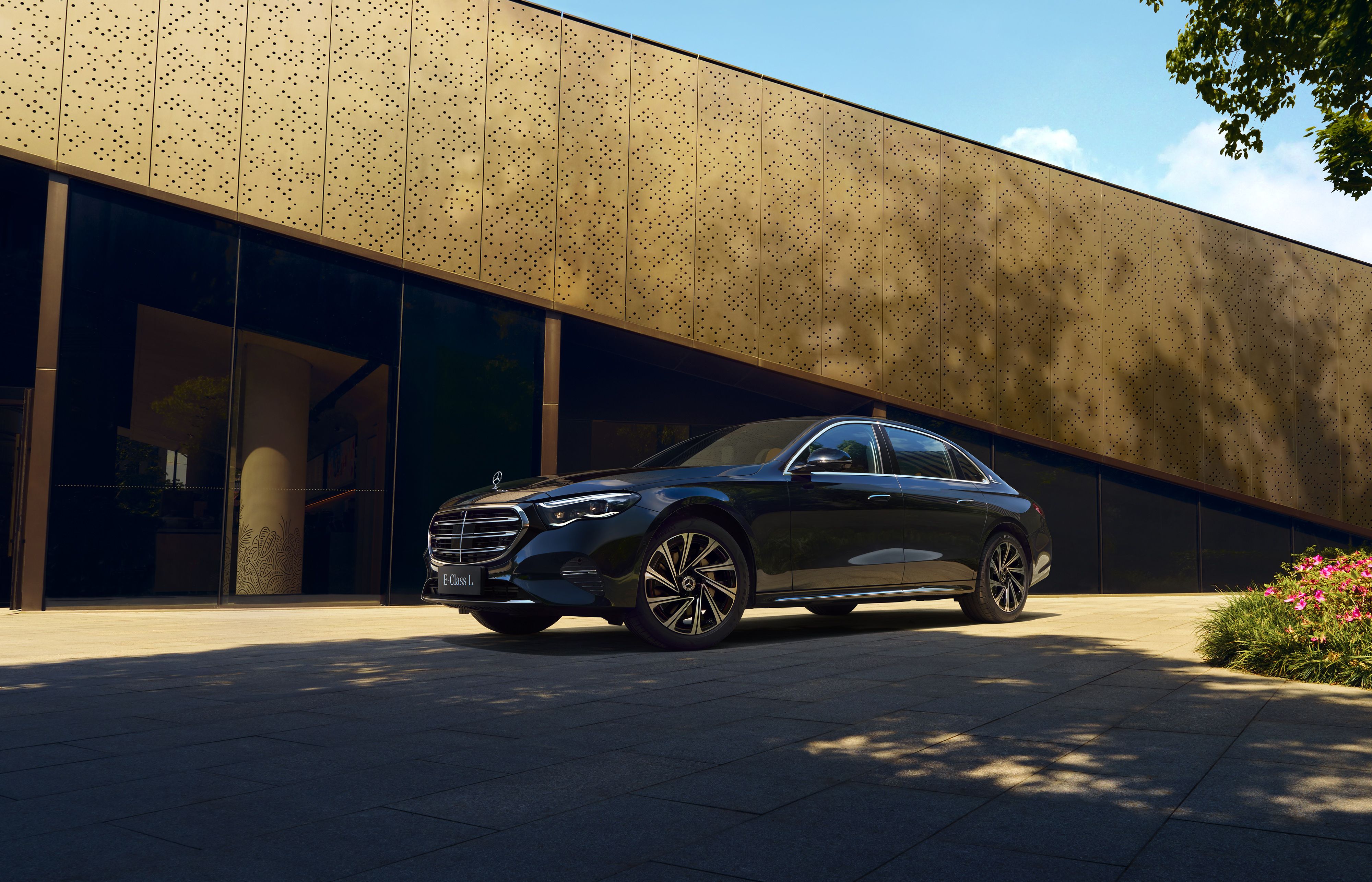
奔驰:2026年在中国市场推超15款新车,继续推进数字化落地
Bei Ke Cai Jing· 2026-01-13 13:39
Core Insights - In 2026, Mercedes-Benz plans to enhance its product offerings, luxury services, and customer experience in the Chinese market, with over 15 new and updated models expected to launch [1][5] - The luxury car market is facing challenges, with a contraction in the segment above 400,000 yuan, and 2025 is seen as a critical year for product updates [4][5] - Mercedes-Benz maintained its leading market share in the core luxury segment (400,000 yuan and above) and high-end luxury segment (1 million yuan and above) in China for 2025, with a total global sales of 2.16 million vehicles, including over 575,000 units sold in China [5] Product Strategy - Mercedes-Benz will implement a product strategy focusing on both traditional and electric vehicles, with a lineup refresh planned for 2026, including new models like the long-wheelbase pure electric GLC SUV and the next-generation S-Class [5][6] - The company aims to leverage its MB.OS operating system for multiple over-the-air software updates in 2026, enhancing the smart cockpit and advanced driver assistance systems across its product range [6]