Xi Niu Cai Jing

Search documents
库迪回应“禁带竞品入座”风波,门店激进行为折射增长压力
Xi Niu Cai Jing· 2025-12-12 09:55
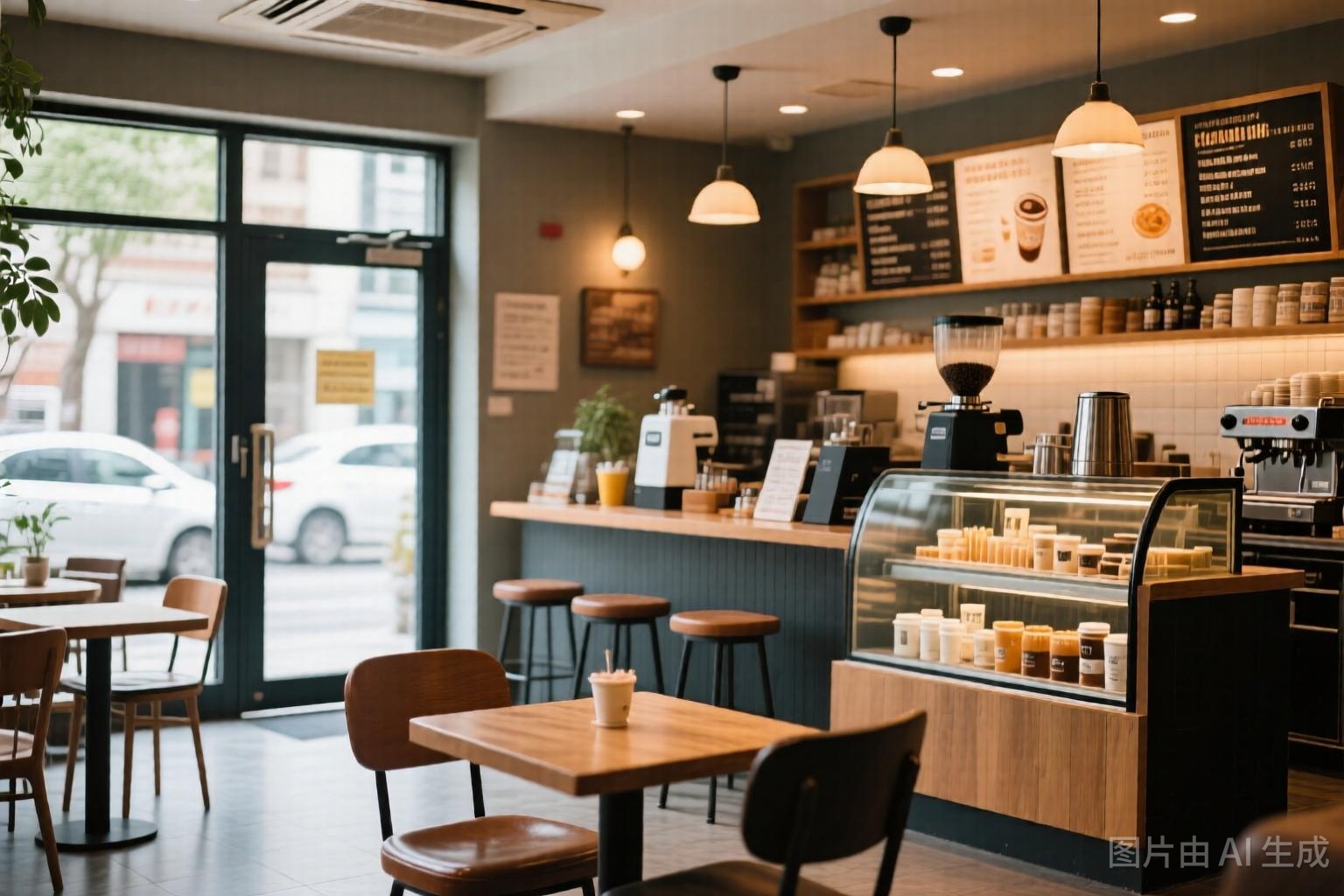
Core Viewpoint - The controversy surrounding Kudi Coffee's recent signage reflects the intense competition in the coffee market and highlights the challenges the company faces amid its aggressive expansion strategy [5][6]. Group 1: Company Actions and Responses - A photo of a sign at Kudi Coffee's store, which prohibited customers from bringing in a competitor's coffee, sparked significant public discussion [2]. - Kudi Coffee's official response clarified that the company did not issue any such directive and would investigate the matter, labeling it as an isolated incident by a specific store [5]. Group 2: Market Position and Strategy - Since its establishment in 2022 by Lu Zhengyao, Kudi Coffee has rapidly expanded in the Chinese coffee market, aiming to open 50,000 stores by the end of 2025 through aggressive pricing and franchise policies [5][6]. - The company has adopted a "store-in-store" model to lower investment thresholds for franchisees, allowing them to set up mini-counters in various locations, which has led to issues with brand image and quality control [6]. Group 3: Financial and Operational Challenges - Kudi Coffee faces significant financial pressure as the cost of producing a cup of coffee approaches or exceeds its selling price, relying on subsidies from both headquarters and franchisees [6]. - As of November 2025, Kudi Coffee's total store count is approximately 15,000, falling short of its ambitious target of 50,000 stores [6]. Group 4: Competitive Landscape - Competitors like Luckin Coffee have nearly 30,000 stores and are achieving stable profitability, while other brands are also intensifying their presence in the market, eroding Kudi's initial price advantage [6]. - The recent controversy over the sign reflects the desperation of some stores to maintain customer traffic and sales amid fierce competition [6]. Group 5: Future Outlook - Kudi Coffee's future success may depend on its ability to shift from a rapid growth strategy to a more stable approach, focusing on supply chain management, franchisee support, product differentiation, and brand value [7].

昔日中国市场拓荒者褪去光环,梦龙独立上市后如何重拾荣光?
Xi Niu Cai Jing· 2025-12-12 09:55
Core Viewpoint - The Magnum Ice Cream Company has officially launched in the capital markets after spinning off from Unilever, achieving a market capitalization of €7.8 billion (approximately ¥64.2 billion) on its first day of trading, marking it as the largest listing on the pan-European exchange this year [2] Company Overview - The company holds a significant market share of approximately 21% in the global ice cream market, with projected revenues of about €7.9 billion (approximately ¥65 billion) for 2024 [2] Market Challenges - Despite its strong global presence, the company faces significant challenges in the Chinese market, where it is now ranked second behind local competitor Yili, with its brands falling behind in market positioning due to intense competition from domestic giants like Yili and Mengniu [3] - The shift in consumer preferences towards more affordable products has posed a fundamental challenge, as high-priced products have led to increased price sensitivity among consumers [3] - A public relations crisis stemming from allegations of differing product ingredients between domestic and international offerings has severely damaged the company's brand reputation [3] Strategic Response - In response to these challenges, the company has established a new operational entity, Magnum Investment (Shanghai) Co., Ltd., and significantly increased its investment to ensure comprehensive control over its Chinese operations [4] - The company plans to focus on high-end positioning while introducing new products tailored to local tastes, having launched 31 new products this year [4] - The company aims to leverage its traditional strengths by expanding its offline freezer network to capture valuable retail terminals [4] Future Outlook - Analysts believe that while the company's independent listing provides it with greater agility in decision-making, it must genuinely understand the current Chinese consumer's pursuit of value for money, restore brand trust, and find effective ways to compete with local players like Yili and Mengniu [5] - The listing marks only the beginning of the company's journey, as regaining its former glory in the Eastern market will be a more challenging battle [5]
酒类O2O明星易主,天音控股旗下基金拿下酒便利51%股权
Xi Niu Cai Jing· 2025-12-12 09:48
Group 1 - The core point of the article is that the well-known domestic liquor instant retail chain "Jiu Bian Li" has undergone a significant ownership change, with 51% of its shares auctioned off on the Taobao judicial auction platform [2][3] - The shares were acquired by Gongqingcheng Chuang Dongfang Huake Equity Investment Partnership (Limited Partnership) for approximately 63.9 million yuan, indicating a transfer of actual control of Jiu Bian Li [3] - The new controlling entity, Tianyin Communication Holdings Co., Ltd., is a publicly listed company in A-shares, known for its mobile distribution business and as a core agent for brands like Apple [3] Group 2 - Jiu Bian Li was once a star in the liquor O2O sector, boasting nearly 400 stores and a "20-minute delivery" service model, but has faced operational difficulties and significant losses, with over 100 million yuan in losses projected for 2024 and a substantial revenue decline in the first half of 2025 [4] - The challenges faced by Jiu Bian Li are attributed to the competitive environment in the liquor industry and internal crises stemming from the previous owner's disappearance [4] - Tianyin Communication's acquisition is viewed as a strategic cross-industry move, potentially leveraging Jiu Bian Li's operational experience and retail network to create synergies with its existing channel business and explore new growth opportunities [4][5] Group 3 - The success of this transaction in reversing Jiu Bian Li's downward trend will depend on Tianyin Communication's ability to integrate resources and empower the business effectively [5]

珠江啤酒董事会发生变动 董事吴家威因退休辞任
Xi Niu Cai Jing· 2025-12-12 09:48
Core Viewpoint - The resignation of Wu Jiawei from the board of directors of Zhujiang Beer due to reaching the legal retirement age will not affect the normal operation of the board or the company's business [2]. Group 1: Board Changes - Wu Jiawei held significant positions in another listed state-owned enterprise, Guangzhou Restaurant Group, indicating his experience and influence [4]. - Following Wu's resignation, there will be a vacancy on the Zhujiang Beer board, which will be filled through the appropriate election process [4]. - The board of Zhujiang Beer has experienced frequent changes in recent years, including the departure of the former non-executive director and vice chairman Cheng Yanjun from Budweiser APAC, and the appointment of new general manager Zhang Yong [4]. Group 2: Strategic Importance - The stability and balance of Zhujiang Beer's board are crucial for navigating the current competitive landscape of the beer industry, which is characterized by stock competition [4]. - The intentions of major shareholder Guangzhou Industrial Investment Holding Group and its concerted actions need to be effectively implemented through the board [4]. - The industry experience and resources of strategic shareholder Budweiser APAC, along with the innovative thinking of the newly introduced management team with cross-industry backgrounds, require effective collaboration at the board level [4]. Group 3: Future Outlook - The new management team at Zhujiang Beer faces the challenge of finding profit growth opportunities in the highly competitive beer market, referred to as the "red sea," while aiming for stable performance growth in the "blue sea" [5].

大窑回应旗下子公司注销:系业务布局常规调整
Xi Niu Cai Jing· 2025-12-12 09:42
近日,一则关于内蒙古大窑饮品有限责任公司拟注销的公告引发市场关注。 根据国家企业信用信息公示系统的信息,这家由知名汽水品牌大窑嘉宾饮品股份有限公司全资持股的子公司,因"决议解散"正在进行注销备案。 对此,大窑饮品相关负责人对媒体回应称,这是企业对区域业务布局的常规调整。 大窑这次组织架构的变动,发生在市场频频猜测大窑饮品资本动向的背景下。今年早些时候,市场曾传出大窑正筹备赴港上市的消息,但大窑对此予以了否 认。 但今年7月,美国私募股权巨头KKR收购一家名为"远景国际有限公司"85%股权的交易获得了中国监管部门的批准。由于交易目标的董事姓名与大窑创始人 王庆东的拼音拼写高度一致,且该公司在华业务为饮料,市场普遍猜测此次收购的对象正是大窑。对于这些收购传闻,大窑方面始终未予置评。 大窑饮品凭借主打餐饮渠道、大容量高性价比的产品策略,近年来增长迅速。公开数据显示其2023年营收已突破32亿元。然而,在快速扩张的同时,大窑也 面临产品线拓展、全国市场深化以及行业激烈竞争等多重挑战。 分析人士认为,无论是此前传闻的资本运作,还是此次的内部业务整合,都反映出这家从区域走出的国产汽水品牌,在发展到一定规模后,正试图通过优 ...
华润饮料董事迎新 前康师傅与今麦郎高管王德刚被任命为非执行董事
Xi Niu Cai Jing· 2025-12-12 09:42
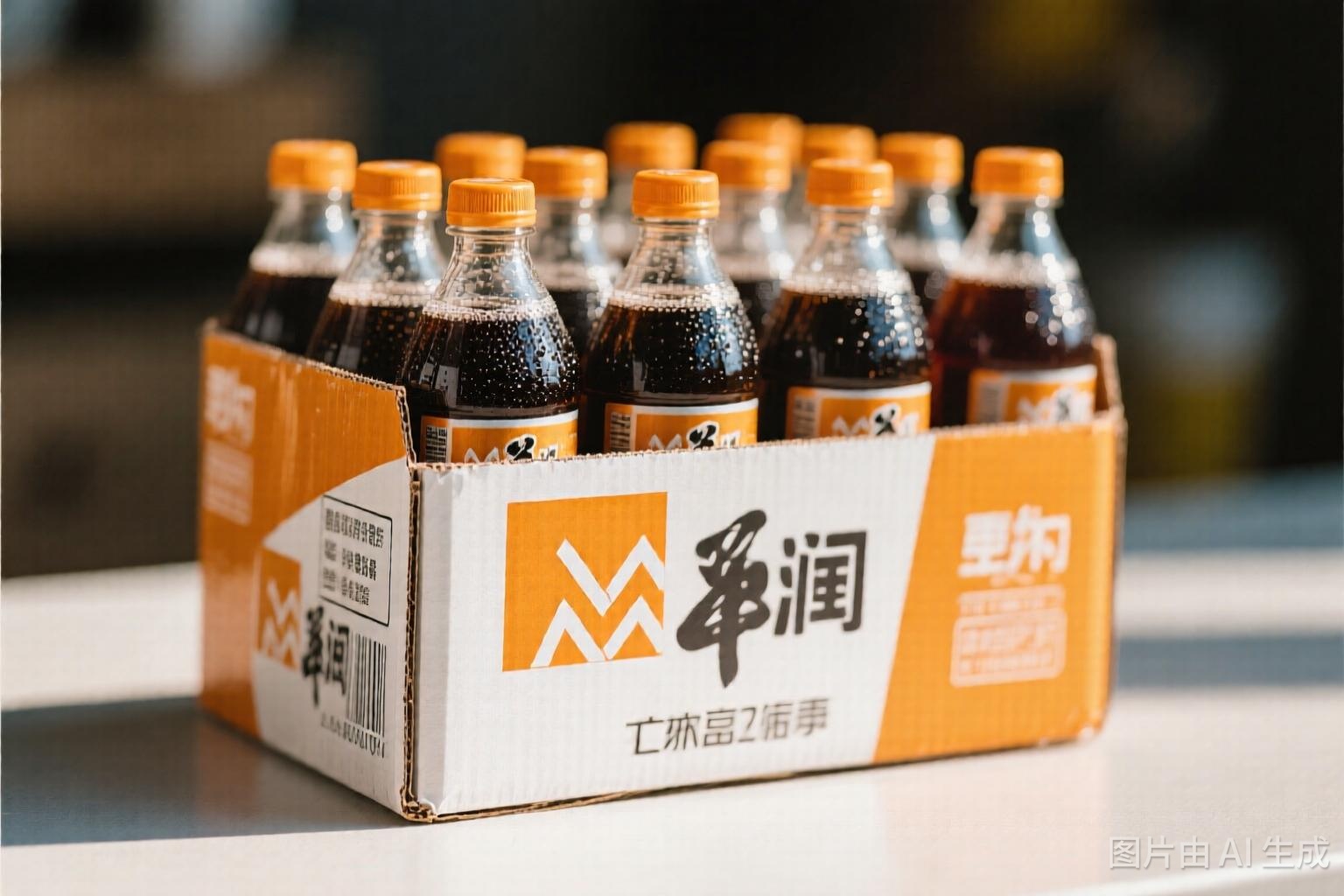
Group 1 - The core point of the announcement is the appointment of Wang Degang, a veteran with over 34 years of experience in the food and beverage industry, as a non-executive director and chairman of the Strategic and Investment Committee at China Resources Beverage [2][4] - The company aims to leverage external expertise to seek breakthroughs in strategy, product, and channel development, as indicated by the recent board change [4] - In the first half of 2025, the company reported a revenue of 6.206 billion yuan, a year-on-year decline of 18.52%, and a net profit attributable to shareholders of 805 million yuan, down 28.63% [4] Group 2 - The gross profit margin decreased by 2.2 percentage points to 46.67%, reflecting challenges in the competitive landscape [4] - The core business of packaged drinking water, represented by Yibao, saw a revenue decline of 23.1%, facing intense competition from major players like Nongfu Spring and Master Kong [4] - Although the beverage business achieved a 21% year-on-year growth in the first half of 2025, it only accounted for 15.39% of total revenue, indicating a long way to go before it can support the company's stable development as a "second growth curve" [4]
钛白粉1年涨价6轮! “工业味精”如何“烹”出高端味?
Xi Niu Cai Jing· 2025-12-12 09:10
Group 1 - Longbai Group, the world's largest producer of titanium dioxide, announced a price increase for its Xuelian brand titanium dioxide products, raising domestic prices by 700 yuan per ton and international prices by 100 USD per ton [2] - Following Longbai Group's lead, over twenty domestic companies, including Anada and Titan Chemical, quickly adjusted their prices in line with Longbai Group [2] - As of November 2025, the price of sulfuric acid rutile titanium dioxide reached 12,900-13,900 yuan per ton, while the price of anatase titanium dioxide was 12,000-12,500 yuan per ton [2] Group 2 - The titanium dioxide industry is facing high cost pressures due to global supply chain disruptions, policy adjustments in major production areas, and sustained high shipping costs, with titanium concentrate prices remaining around 2,400 yuan per ton, up over 15% year-on-year [3] - Sulfur prices have surged, pushing sulfur procurement costs to historical highs of 900-1,000 yuan per ton, significantly impacting companies reliant on purchased sulfur [3] - The production of titanium dioxide is energy-intensive, with high industrial electricity prices and fluctuating coal prices affecting operational costs [3] Group 3 - The collective price increase is a natural response to maintain survival amid rising costs, with Longbai Group's net profit for Q3 2025 dropping 65.7% year-on-year to 290 million yuan [4] - Anada reported a revenue of 1.31 billion yuan for the first three quarters of 2025, down 6.03% year-on-year, with a net loss of 46.37 million yuan, a 213.57% decline [4] Group 4 - Despite the price increases, downstream demand remains weak, particularly in the paint industry, which is closely tied to the real estate and infrastructure sectors, with a 10.5% year-on-year decline in real estate investment from January to October 2025 [6] - The overall low demand has led to a "just-in-time" purchasing model in the titanium dioxide market, with downstream companies showing limited acceptance of price increases [6][7] - The pricing dynamics have resulted in a situation where actual transaction prices often differ from announced price increases, leading to a squeeze on profit margins for titanium dioxide producers [7] Group 5 - China's titanium dioxide production capacity has exceeded 5 million tons, while the domestic apparent consumption is only about 3.5 million tons, indicating significant oversupply [8] - The average operating rate in the domestic titanium dioxide industry was only 70% from January to August 2025, leading to rapid inventory accumulation [8] - The industry faces a structural imbalance, with a low gross margin of -18% and a predominance of low-end sulfuric acid products, while high-end chlorination products account for less than 20% of production [8] Group 6 - The industry must shift from "scale competition" to "value competition," with a focus on high-end product development and chlorination process adoption as effective paths for achieving high-end market penetration [9] - Companies are exploring the production of lithium battery materials from by-products of titanium dioxide production, indicating a diversification strategy [9] - There is a trend towards vertical integration in the industry, with companies seeking to control titanium ore resources and establish a comprehensive cost advantage from mining to end products [9]

转型阵痛待解 广汽传祺11月销量暴跌超四成
Xi Niu Cai Jing· 2025-12-12 08:38
Core Viewpoint - GAC Group's sales report for November 2025 reveals a significant decline in sales for its brand GAC Trumpchi, with November sales dropping by 42.04% year-on-year, indicating substantial market pressure [2][4]. Sales Performance - GAC Trumpchi's November sales were 25,739 units, down from 44,406 units in the same month last year, marking a nearly halved performance [2][4]. - In contrast, GAC Honda's November sales reached 41,366 units, up 5.68% year-on-year, while GAC Toyota's sales were 73,500 units, showing a slight increase of 0.71% [2][3]. - GAC Aion, despite facing challenges, reported November sales of 38,326 units, a decline of 9.40%, which is significantly less than Trumpchi's drop [2][3]. Cumulative Sales Data - For the year-to-date period from January to November, GAC Trumpchi's cumulative sales totaled 294,887 units, down 17.29% from 356,535 units in the same period last year [2][3]. - GAC Honda's cumulative sales decreased by 22.97%, while GAC Toyota's cumulative sales increased by 3.98% [3]. Brand Challenges - GAC Trumpchi, once a leading brand with peak sales of 534,000 units in 2018, is now struggling due to a lack of market-disrupting models and declining sales of key models like the Trumpchi M8 and E8 [4]. - The brand's flagship model, the Trumpchi Yingbao, has seen a significant drop in monthly sales, indicating a loss of market appeal [4]. Pricing and Market Position - The pricing strategy for models like the Xiangwang S7, starting at 175,800 RMB, is seen as less competitive in a market focused on value, especially against established competitors [5]. - Quality issues, such as complaints about the GS4's transmission and stability of the vehicle's system, have also impacted brand perception [5]. Future Outlook - Despite challenges, GAC Trumpchi has achieved over 150,000 sales in its new energy vehicle segment and continues to lead in the medium MPV category with the E8 series [5]. - The company's future actions to boost sales remain to be observed, particularly in adapting to the evolving market demands for electric vehicles [5].


近八成销量靠“小马” 一汽奔腾只能玩“低端局”?
Xi Niu Cai Jing· 2025-12-12 08:38
Group 1 - The core viewpoint of the articles highlights that while FAW Bestune has achieved impressive sales figures in 2023, particularly with the Bestune Mini, the brand faces significant challenges in profitability and market positioning due to its reliance on low-cost models [2][3][4] - FAW Bestune's cumulative sales from January to October reached 139,039 units, with an average monthly sales of 13,000 units, and a peak of nearly 20,000 units in September, driven largely by the Bestune Mini, which accounted for 78.19% of October's sales [2] - The introduction of the "Yueyi" series aimed at improving the brand's market position has not met expectations, with the Yueyi 03 maintaining around 3,000 monthly sales and the Yueyi 07 performing poorly at an average of only 400 units per month since its launch [2][3] Group 2 - FAW Bestune's financial performance has been under pressure, with net losses projected to increase from 20.97 billion yuan in 2022 to 43.47 billion yuan in 2024, totaling over 94 billion yuan in cumulative losses [3] - The brand's reliance on external funding has become critical, with a recent capital increase attracting 33.1 billion yuan from four major enterprises, while the controlling shareholder, China FAW, contributed 52.4 billion yuan [3] - The company's distribution network has significantly shrunk from 1,000 dealers in 2019 to less than 400 in 2023, exacerbating its competitive position in the microcar market against rivals like Wuling Hongguang MINI EV and Changan Lumin [3][4]

示界06市场遇冷 神龙汽车新能源突围之路艰难
Xi Niu Cai Jing· 2025-12-12 08:31
Core Insights - The HEDMOS brand's first compact electric SUV, the Shijie 06, has faced disappointing sales despite high expectations, with only 134 units sold in June and a low of 69 units in October [2] - The vehicle's starting price of 108,800 yuan aimed to capture market share in the highly competitive 100,000 yuan electric vehicle segment, but it faces strong competition from established brands like BYD and Geely [2] - The Shijie 06's design has been criticized for lacking originality, as it closely resembles other models from the Dongfeng family, which may undermine consumer interest [3] Product Performance - The Shijie 06 features notable strengths, such as chassis tuning by the Peugeot Citroën team, achieving a moose test score of 75 km/h comparable to vehicles in the 200,000 yuan range [3] - However, its technological offerings are seen as lacking, with an 8155 chip and L2-level driving assistance that do not match competitors equipped with advanced features like laser radar [3] Company Challenges - Dongfeng Motor has struggled with declining sales, dropping from 710,000 units in 2016 to 600,000, with an ongoing decline for eight consecutive years [4] - In 2023, the company's sales fell by 35.81% year-on-year, with projections indicating a further decline of 15% in 2024 and a 24.9% drop in the first ten months of 2025 [4] - The company is planning to launch eight new energy models over the next five years, aiming to address the mismatch between product offerings and market demand [4]