晚点LatePost

Search documents
破除新能源用车焦虑,传祺向往的解题思路
晚点LatePost· 2025-12-02 09:13
Core Viewpoint - GAC Trumpchi's new positioning of the "Wishing" series as a "no range anxiety" electric vehicle lineup aims to address the fundamental concerns of electric vehicle users regarding reliability, charging convenience, and product quality [3][4][20] Product Strategy - The "Wishing" series includes three models: Wishing S7 (mid-size SUV), Wishing M8 (mid-large MPV), and Wishing S9 (mid-large SUV), effectively covering the SUV and MPV markets [5] - GAC Trumpchi has partnered with Huawei to enhance the smart features of Wishing M8 and Wishing S9, positioning them among the industry's top tier in terms of intelligence [5][11] Technical Innovations - The Wishing series addresses range anxiety through advanced technology, achieving a comprehensive range of over 1200 kilometers, with the Wishing M8 featuring a 2.0T ATK engine with a thermal efficiency of 44.14% [6][8] - The flexible energy strategy of "one car, three uses" allows users to switch between pure electric, range-extended, and plug-in hybrid modes, optimizing fuel economy and driving experience [6][8] Quality Assurance - GAC Trumpchi emphasizes product quality through rigorous testing, including wind tunnel tests and extreme condition evaluations, ensuring reliability under various scenarios [8][9] - The self-developed battery technology has maintained a record of over one million vehicles with "zero combustion," enhancing user confidence in safety [9] Resale Value - GAC Trumpchi has ranked first in resale value among domestic brands for three consecutive years, addressing consumer concerns about rapid depreciation in the electric vehicle market [11] - The collaboration with Huawei has further advanced the product evolution from "reliable" to "smart," enhancing user experience with top-tier intelligent features [11] Lifestyle Integration - GAC Trumpchi aims to create a comprehensive ecosystem beyond just vehicles, integrating various lifestyle aspects such as culture, health, and travel into the "Wishing Life Circle" [12][13] - The brand's partnership with the popular show "Wishing Life" reflects its commitment to building emotional connections with users, promoting a philosophy of enjoying life [13][15] Market Performance - As of October this year, GAC Trumpchi's cumulative sales of new energy vehicles have exceeded 150,000 units, indicating a positive market reception [17] - Future plans include launching upgraded models and expanding the product matrix to cater to diverse family structures and usage scenarios [18]



艺术市场正在萎缩?但新圈层的交易正在发生
晚点LatePost· 2025-12-02 09:13
Core Viewpoint - The article discusses how Xiaohongshu aims to create a new art market that differs from traditional auction houses like Sotheby's, focusing on the integration of social media and direct artist-collector interactions [2][10][29]. Group 1: Traditional Art Market Success - Sotheby's achieved a record-breaking auction with a painting sold for $236.4 million, marking the highest price ever for a contemporary artwork [2][5]. - The auction's success was attributed to a well-planned and expensive marketing strategy, which included significant renovations to their headquarters [5][7]. - Despite Sotheby's success, the overall art market is experiencing a downturn, with a 33.5% decline in global auction sales in 2024, the lowest since 2009 [8][10]. Group 2: Emerging Online Art Ecosystem - The decline in high-end art sales has led to a rise in lower-priced artworks, with over 50% of art sales below $607, indicating a shift towards more accessible art [14][10]. - Social media platforms, particularly Xiaohongshu, are reshaping art buying habits, with 51% of high-net-worth collectors purchasing art through Instagram [14][15]. - Xiaohongshu has initiated programs to support young artists, including online graduation exhibitions and a dedicated plan for promoting emerging talents [15][29]. Group 3: Direct Artist-Collector Interaction - Xiaohongshu allows artists to interact directly with collectors, breaking the traditional pyramid structure of the art market, which often limits access to a select few [25][28]. - The platform has seen rapid growth in art-related content, with established artists now actively engaging with audiences through Q&A sessions and sharing their creative processes [26][28]. - The online art ecosystem on Xiaohongshu is becoming a self-sustaining commercial model, with successful live-streaming sales generating significant revenue [29][30]. Group 4: Future of Art Consumption - The article suggests that as online platforms mature, they will facilitate a more transparent pricing environment, impacting traditional art pricing structures [39][38]. - There is optimism about the potential for increased art consumption as more people become aware of the unique appeal of art through online channels [38][39]. - Xiaohongshu's initiatives are seen as a precursor to a broader transformation in the art market, driven by the demand for accessible and diverse artistic expressions [39][40].

实测豆包手机助手:比价点外卖、自动回微信,AI 操作手机的时代来了?
晚点LatePost· 2025-12-01 03:01
Core Viewpoint - ByteDance is developing the Doubao mobile assistant, which integrates AI capabilities to automate complex mobile tasks, enhancing user experience and interaction with smartphones [3][36]. Group 1: Doubao Mobile Assistant Features - The Doubao mobile assistant allows users to perform tasks that typically require multiple screen taps through voice commands or minimal manual input [3][5]. - It can execute cross-application operations, such as comparing prices across different food delivery platforms and automatically gathering information [5][9]. - The assistant has a "correction mechanism" that allows it to attempt to complete tasks even when faced with obstacles, such as pop-up windows [20]. Group 2: User Interaction and Experience - Users can summon the Doubao assistant using a dedicated physical button, which overlays the current app without interrupting ongoing activities [23][28]. - The assistant can read chat contexts and generate responses, allowing for seamless communication without manual typing [25][33]. - It can also perform scheduled tasks, such as checking trending topics on social media and saving information for later use [18][32]. Group 3: Market Position and Collaboration - ByteDance is collaborating with multiple smartphone manufacturers to integrate the Doubao assistant into their devices, indicating a shift towards partnerships with external AI model providers [4][36]. - The assistant's development reflects a broader industry trend where smartphone companies are seeking to enhance their AI capabilities through collaborations rather than solely relying on in-house development [36][37]. - The assistant's current performance shows room for improvement, particularly in executing tasks more efficiently compared to manual operations [36][37].

对话两代火灾科学家:没有任何消防系统能扑灭高层外墙大火
晚点LatePost· 2025-11-30 02:06
Core Viewpoint - The article discusses the catastrophic fire at Hong Kong's Hong Fu Garden, highlighting the unique challenges of high-rise building fires and the need for improved fire safety regulations and practices globally [4][6][12]. Group 1: Fire Incident Analysis - Experts agree that the fire at Hong Fu Garden was unprecedented, with seven high-rise buildings igniting simultaneously, indicating a lack of preparedness among firefighters [5][7]. - The fire resulted in 128 fatalities and around 200 individuals unaccounted for, raising questions about the materials used in construction and the effectiveness of fire alarms [7][10]. - The fire's rapid spread was attributed to combustible materials like bamboo scaffolding and foam sealants, which facilitated vertical and horizontal fire propagation [9][10][12]. Group 2: Fire Safety Regulations - Historical fire incidents, such as the 1996 Hong Kong Gala Tower fire and the 2017 Grenfell Tower fire in London, have led to the establishment of new safety standards, emphasizing the need for continuous improvement in fire safety regulations [6][15]. - Current regulations in Hong Kong are stringent, yet the classification of bamboo scaffolding as a temporary structure creates loopholes in fire safety oversight [15][16]. - Experts suggest that integrating scaffolding regulations into building codes could enhance overall fire safety and prevent future tragedies [16][20]. Group 3: Recommendations for Improvement - The article emphasizes the importance of proactive fire safety management, including early detection systems and regular maintenance of fire safety equipment [20][21]. - It is suggested that the government should phase out bamboo scaffolding in favor of safer alternatives to mitigate fire risks [16][20]. - The need for a collaborative approach among property owners, tenants, management companies, and contractors is highlighted to ensure effective implementation of fire safety measures [19][20].

香港宏福苑大火熄灭后的 24 小时:哭声很轻,守着废墟的人没有走
晚点LatePost· 2025-11-29 10:54
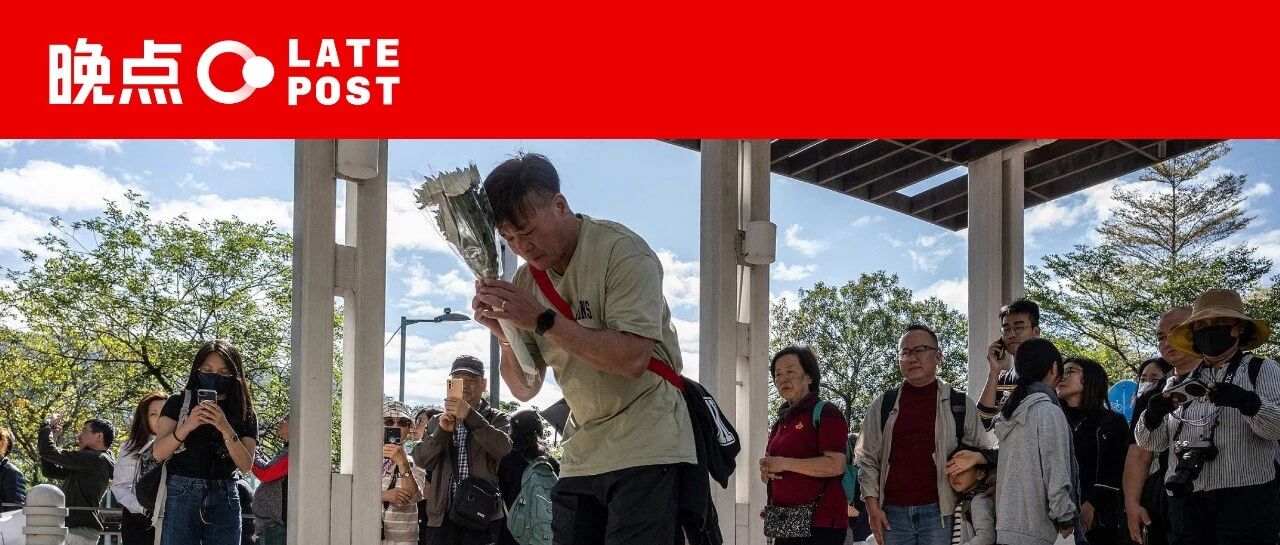
Core Viewpoint - The tragedy of the fire at Hong Kong's Mong Fuk Court highlights the challenges of rebuilding hope and community after losing loved ones and homes, which is more difficult than the physical reconstruction of buildings [4][39]. Group 1: Incident Overview - On November 26, 2025, a major fire broke out at Mong Fuk Court in northeastern Hong Kong, lasting for 33 hours and resulting in the destruction of seven high-rise buildings and 128 fatalities by November 28 [4][8]. - This incident is noted as the most severe fire disaster in Hong Kong since the 1996 Yau Ma Tei fire, which resulted in 41 deaths [8][11]. Group 2: Community Response - Following the fire, local residents quickly organized to provide aid, collecting supplies and offering support to those affected, demonstrating strong community solidarity [12][13]. - Various volunteer groups emerged on social media to coordinate relief efforts, including a website for residents to report their status and needs [12][28]. Group 3: Safety and Infrastructure Concerns - The fire raised significant concerns about the safety of older buildings in Hong Kong, particularly regarding fire alarms and emergency response systems that failed during the incident [29][32]. - The use of flammable materials in building renovations, such as bamboo scaffolding and foam boards, has been criticized as a major safety hazard that contributed to the rapid spread of the fire [34][35]. Group 4: Socioeconomic Implications - The incident underscores the socioeconomic disparities in Hong Kong, where vulnerable populations often reside in older, less safe housing [36][39]. - The community's response to the disaster reflects a broader issue of social support and the need for better safety regulations in housing for low-income residents [36][39].
百胜中国 CFO 揭秘,如何扩张,如何赚钱,如何提效
晚点LatePost· 2025-11-27 13:18
Core Viewpoint - Yum China believes that the current challenging environment in the restaurant industry presents a unique opportunity for expansion, aiming to increase its store count to over 30,000 in five years, with a focus on penetrating lower-tier cities [2][5]. Expansion Strategy - The company plans to open 4,500 new stores across various counties and cities, effectively doubling its current count of over 17,000 stores [2]. - Financial targets include maintaining same-store sales growth between flat and 2%, improving group profit margins, and increasing return on invested capital (ROIC) from 16.9% to 20% [2][15]. Store Models and Innovations - Yum China has developed a "three-in-one" store model, combining KFC, K Coffee, and KPRO (light meals), which has reportedly doubled weekly sales in some locations [3][8]. - The company is diversifying its product offerings to cater to different consumer preferences, including introducing Chinese-style toppings on Western dishes [3][5]. Market Penetration - The penetration rate of chain restaurants in China is around 20%, significantly lower than over 50% in the US, Europe, and Japan, indicating substantial growth potential in lower-tier cities [5]. - The company is focusing on a mix of direct ownership and franchising to expand its presence, particularly in lower-tier cities where market density is low [5][22]. Cost Management and Efficiency - The company aims to improve operational efficiency by optimizing supply chain management and reducing costs through direct sourcing from suppliers [18][20]. - Innovations in menu design and product offerings are intended to enhance customer experience while managing costs effectively [19][20]. Pricing Strategy - Yum China has adopted a strategy of lowering prices to increase customer traffic, with Pizza Hut's average transaction value dropping from over 100 RMB in 2019 to around 70 RMB in recent quarters [10]. - The company plans to maintain stable effective pricing while introducing value-driven products to attract consumers without sacrificing profitability [24]. Franchise Management - The company has shifted its franchise agreements from a 10-year to a 5-year renewal cycle to provide more flexibility and assurance for franchisees [22][23]. - Training and support for franchisees are emphasized to ensure compliance with food safety standards and operational efficiency [22]. Brand Differentiation - Yum China is focusing on enhancing its brand offerings by introducing new modules rather than entirely new brands, leveraging the established brand strength of KFC and Pizza Hut [28]. - The company is also exploring the coffee market with its K Coffee and LAVAZZA brands, aiming to differentiate through quality and unique product offerings [26][27].


牵手 6 年后,阿维塔与华为乾崑合作再升级
晚点LatePost· 2025-11-27 13:18
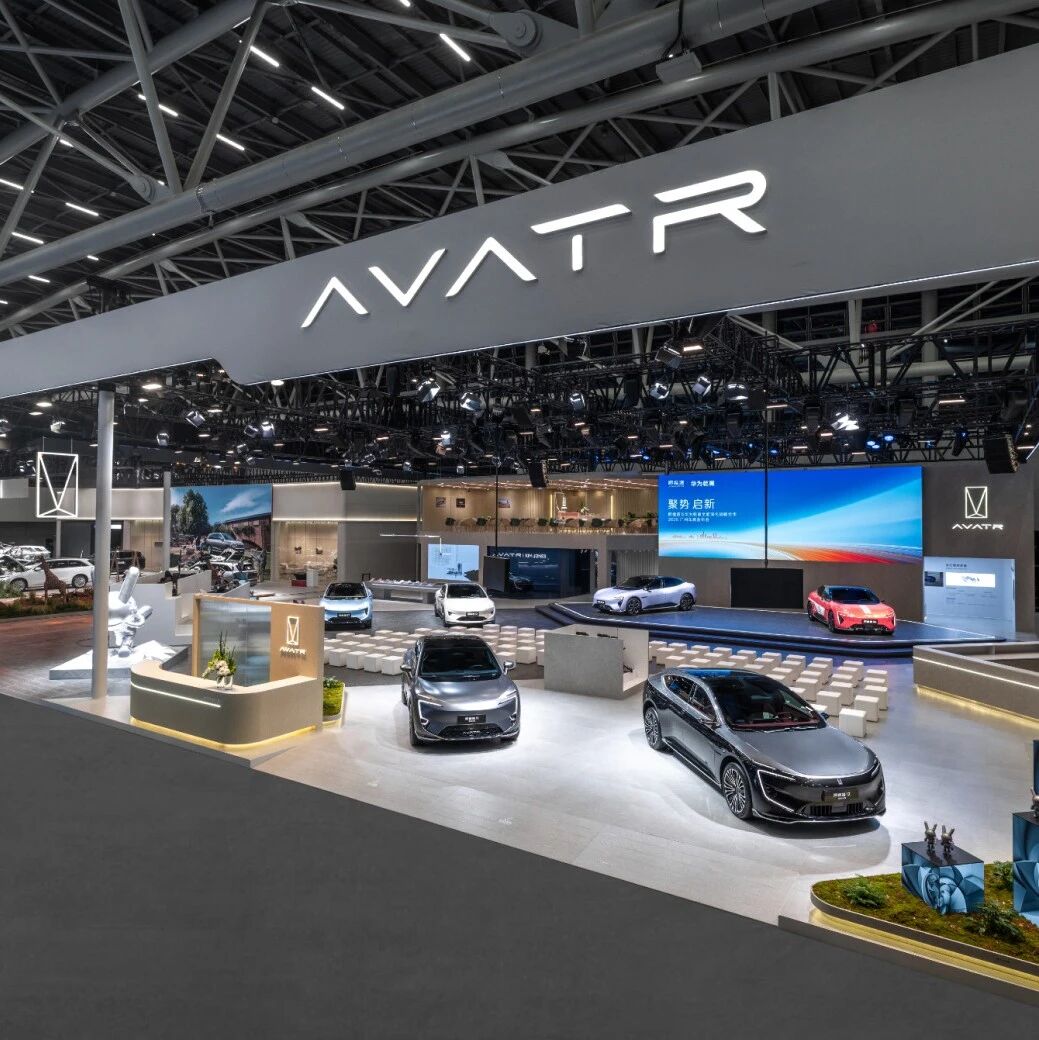
Core Viewpoint - Avita has upgraded its cooperation model with Huawei to the HI PLUS model, enhancing collaboration across various aspects including product development, marketing, and team building [2][3][6]. Group 1: Partnership Development - The partnership between Avita and Huawei began in January 2019, with Avita being an early collaborator in Huawei's HI model [5]. - The HI model allows Avita to define and develop products while Huawei provides a complete set of smart automotive solutions, resulting in the launch of multiple models including Avita 06, 12, 07, and 11 [5][6]. - Avita's sales reached a historical high in October, with a year-on-year growth of 34%, totaling nearly 14,000 vehicles sold [5]. Group 2: Strategic Investments - Avita acquired a 10% stake in Huawei's subsidiary, enhancing strategic collaboration and ensuring revenue growth from any brand associated with Huawei [6]. - As of October, Huawei has partnered with 14 automotive companies, resulting in 33 mass-produced models equipped with Huawei's smart driving and cockpit systems [6]. Group 3: Future Product and Market Strategy - Avita plans to invest 50% of its efforts in enhancing marketing and services, focusing on product technology and service improvements [7]. - The first model under the HI PLUS model will be a flagship large SUV priced at over one million yuan, developed jointly by Avita and Huawei [7]. - Avita aims to accelerate its product launch pace, with four new models planned for next year, while also undergoing significant upgrades to existing products [9][10]. Group 4: Global Expansion - Avita is actively pursuing international markets, having entered 34 countries and regions, with plans to expand into Latin America and the Middle East [11]. - The company's global strategy is aligned with the broader goals of Changan Automobile, emphasizing the importance of international presence for Chinese brands [11].
丢下那桩年入 500 万美金的好生意丨100 个 AI 创业者
晚点LatePost· 2025-11-27 13:18
Core Insights - The article discusses the entrepreneurial journey of Yu Beichuan, who transitioned from a successful startup, Deeplink, to a new product, Lessie AI, driven by a desire to create a "great company" focused on product-driven growth [4][10]. Group 1: Entrepreneurial Journey - Yu Beichuan founded Deeplink, achieving an annual recurring revenue (ARR) of $5 million within a year and reaching profitability [4][9]. - After experiencing a failed venture in the U.S. e-commerce market on TikTok, Yu reflected on his mistakes, realizing he overestimated his abilities and lacked industry knowledge [7][8]. - The failure led to a critical self-awareness, prompting Yu to focus on areas where he could leverage his strengths [8]. Group 2: New Ventures and Product Development - In 2024, Yu began his second entrepreneurial venture, identifying opportunities in the AI sector, particularly in automating influencer marketing for businesses [9][10]. - Lessie AI, launched in September 2023, aims to streamline the process of finding and connecting with potential candidates or influencers through a user-friendly interface [10][11]. - The product has gained traction, with over 20,000 users and several hundred paying customers within a month of launch [11]. Group 3: Company Culture and Team Dynamics - The company, Index Gravity, consists of about 30 employees, with a focus on a flat and transparent culture reminiscent of early ByteDance [12]. - Yu emphasizes hiring young talent who are driven and willing to take risks, fostering an environment of trust and opportunity [12].

小鹏拆掉过去的自己,再战 “物理 AI”
晚点LatePost· 2025-11-26 08:46
Core Insights - The article discusses how Xiaopeng Motors is shifting its focus towards advanced technologies, particularly in the realm of "physical AI," which encompasses autonomous driving, robotics, and flying cars [2][20]. Group 1: Technological Innovations - Xiaopeng Motors has introduced a new autonomous driving model called VLA (Vision-Language-Action), which aims to deploy AI reliably in real-world scenarios [3][20]. - The second generation of the VLA product has been designed to be more "human-like," capable of interpreting gestures and navigating complex traffic situations [3][4]. - The company is also focusing on humanoid robots, with the latest iteration showcasing advanced design features that enhance its mobility and human-like characteristics [4][7]. Group 2: Strategic Shifts - Xiaopeng's leadership emphasizes the need to dismantle past successful experiences to foster innovation and adaptability in a rapidly changing technological landscape [4][10]. - The company is moving away from traditional modular approaches to a more streamlined, end-to-end architecture for its autonomous driving technology [10][12]. - The strategy includes a dual approach where one team iterates on existing products while another focuses on new technologies, ensuring continuous improvement and innovation [13][20]. Group 3: Future Goals and Market Position - Xiaopeng aims to become a global leader in embodied intelligence, with plans to scale production of humanoid robots and advanced autonomous vehicles by 2026 [20][24]. - The company has set ambitious targets, including the production of 1 million robots by 2030, aligning its goals with industry leaders like Elon Musk [23][24]. - Recent financial performance indicates a positive trend, with a cumulative delivery of 350,000 vehicles and a gross margin exceeding 20% in Q3 [19][20].


投资人回顾小马、文远口水仗:连卖车的都不会搞得这么难看
晚点LatePost· 2025-11-26 08:46
以下文章来源于晚点Auto ,作者晚点团队 晚点Auto . 从制造到创造,从不可能到可能。《晚点LatePost》旗下汽车品牌。 "没有必要搞得那么剑拔弩张"。 文 丨 郭瑞婵 李安琪 编辑 丨 龚方毅 三周多前,小马智行和文远知行因为一份路演材料爆发争执。长期高度同质竞争外加一方 IR 在朋友 圈直接点名对方,为整件事增加了一点戏剧效果。但在多位长期跟踪自动驾驶的投资人看来,两家公 司之间的争执并不新鲜,也不重要。 路演期间,小马展示了自己在北上广深全无人区域的运营数据,漏了文远的广州区域与百度萝卜快跑 的武汉主力区域, 且把文远的运营订单标为零 ,引发文远反击,认为其行为 "已超出正常竞争范 畴";百度也对此公开表示 "依法维权"。 一位参加小马上市前路演的投资人告诉我们,因为日常关注小马比较多,所以没在意那份路演材料。 这位投资人对我们说,两家公司平时就喜欢互怼,而且跟业务关系不大,主要还是为了增强资本市场 资源。"但感觉没有必要搞得那么剑拔弩张,(这是)从 0 到 1 的行业,连卖车的都不会搞得这么难 看。" 行业蛋糕还没做大之前,"吵架" 意义有限。港股上市当天,两家公司创始人握手言和, 到今天小 ...