商业洞察

Search documents
资产配置的底层逻辑,正在发生变化!
商业洞察· 2025-06-24 09:26
最近行情,像不像一锅温水?表面平静,但底下已经开始翻腾。你可以不敏感,但主力已经在抢位置 了。 这一周的消息面密集得离谱: 1:伊朗突然空袭以色列港口,地缘局势升温,黄金、军工、石油都有动作; 2:巴黎航展大单频出,低空经济、航空制造链一呼百应; 3:华为开发者大会敲定,盘后消息刺激鸿蒙、AI PC,芯片、算力再被点火; 4:印花税数据暴跌9成+,减税预期又被市场拿出来炒; 5:跨境支付互联互通消息落地,有人在说"人民币版Swift来了"; 6:中报炒作预热中,资金在押注那些一季报暴涨+有题材的。 热点拆解:比如这波低空、 AI芯片、稀土的逻辑深挖 风控提醒:什么不能做,什么时候该空仓 还有一点,更多不能写明的内容,只能在那边讲 如果你仔细观察,会发现:盘面越来越不像存量博弈,而像在酝酿 "新一轮局部主升浪"但,这种主升 浪,和你印象中那种"大牛市"不同。 它更像是:战术性行情,结构性爆发,以新为主线的风口轮动,说白了,不适合闭眼重仓,但特别适合 有战法、有策略、有执行的人。 所以我专门开了个新窝。因为老地方太吵,太多人在赌反弹、追热点,我想换个地方,把主升浪的节奏 讲清楚,有兴趣的朋友可以关注我下面公众号! ...

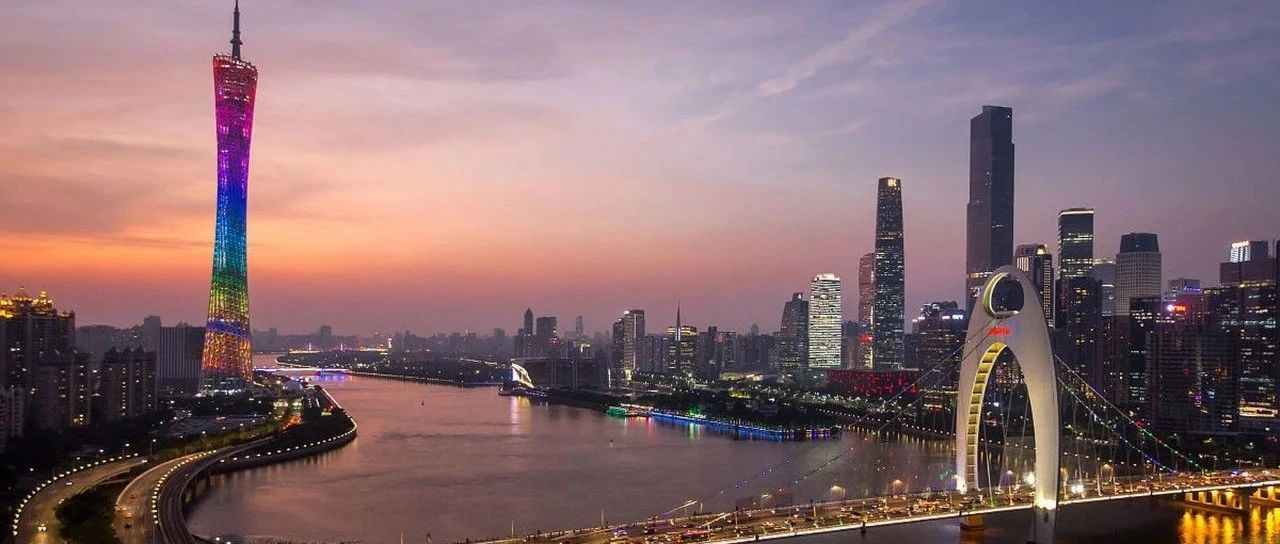
苏超,彻底暴露了江苏的家底
商业洞察· 2025-06-24 09:26
Group 1 - The core viewpoint of the article highlights the unexpected popularity and financial success of the Jiangsu Provincial City Football League (referred to as "Su Super"), which has attracted significant sponsorship from both local and international brands, including Heineken, JD.com, and KFC [3][8][10] - The league has seen a rapid increase in sponsorship, with 19 sponsors confirmed by June 19, 2025, compared to only 6 at the start of the season, indicating a surge in interest and investment [7][8][20] - The total market value of the listed companies sponsoring the league exceeds 4 trillion yuan, showcasing the financial strength and appeal of the event [15][20] Group 2 - The Su Super has successfully integrated football with tourism and consumer spending, leading to a significant increase in visitor numbers and spending in host cities, with some cities seeing tourist numbers rise by over 48% [22][24] - The league's ability to attract major sponsors reflects its growing popularity, with sponsorship prices skyrocketing to 300 million yuan for official seats, indicating high demand [8][24] - The economic strength of Jiangsu province, with a GDP surpassing 13 trillion yuan in 2024, supports the league's financial viability and attractiveness to sponsors [25][26]






毕业季×看海季双引擎:抖音生活服务“宝藏海岸线”激活青岛城市消费新势能
商业洞察· 2025-06-24 09:26
Core Viewpoint - The article emphasizes the role of youth-oriented marketing in driving new economic growth in urban areas, particularly through events and activities that resonate with young consumers during peak seasons like graduation and summer [1][19]. Group 1: Marketing Strategies - Douyin Life Services launched exclusive graduation-themed activities in June to engage young consumers and stimulate local economic activity in Qingdao [1][11]. - The "浪漫青岛" long-term campaign was designed to integrate Qingdao's coastal culture and youthful experiences, creating immersive social consumption opportunities for young people [21]. Group 2: Event Highlights - The "海风派对集" pop-up event in Taidong Pedestrian Street showcased Qingdao's coastal charm, featuring interactive zones and local merchant promotions, significantly increasing foot traffic and consumer engagement [14][17]. - The "抖音仲夏毕业歌会" live event attracted over 1.25 billion views and 988 million interactions, effectively promoting local businesses and enhancing the visibility of Qingdao's unique offerings [11][21]. Group 3: Economic Impact - The pop-up event led to a 496% increase in point of interest (POI) heat in Taidong Street, with daily foot traffic exceeding 300,000 to 500,000 visitors, boosting sales for local restaurants and accommodations [19]. - The integration of cultural elements and experiential marketing has proven effective in transforming short-term promotional activities into long-term economic growth strategies for urban areas [19][21].


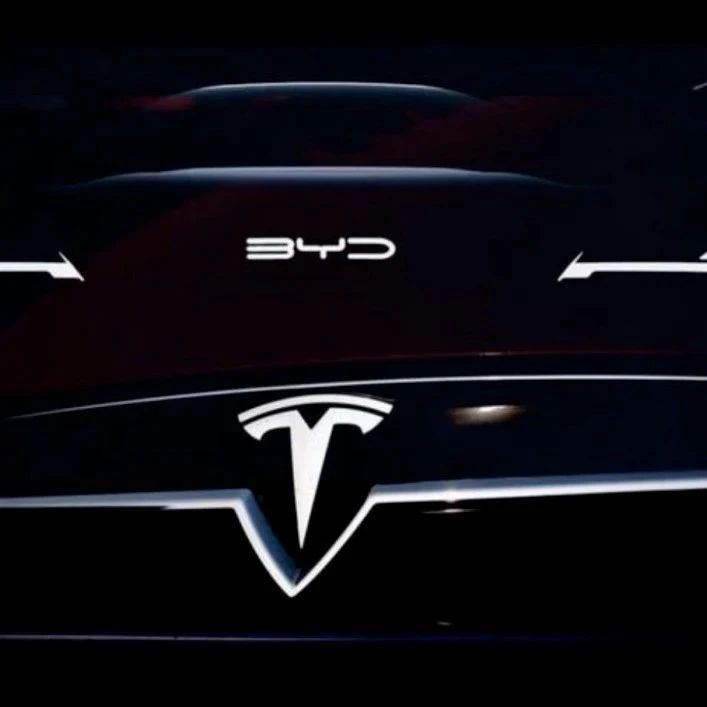
比亚迪在欧洲卖爆!销量把特斯拉甩老远,咋做到的?
商业洞察· 2025-06-23 09:04
Core Viewpoint - BYD has achieved remarkable overseas sales performance in May 2025, reaching 88,640 units, a year-on-year increase of 133.6%, surpassing Tesla in 16 European countries [1] Group 1: Sales Performance - In May 2025, BYD's sales in Germany reached 1,857 units, a year-on-year increase of 824%, surpassing Tesla for two consecutive months [3] - In the UK, BYD sold 3,025 units, a year-on-year increase of 408%, also exceeding Tesla's sales [3] - In Italy, BYD's sales approached 2,000 units, with a month-on-month growth of 15.6%, leading Tesla by 135% [3] - In Spain, BYD's sales reached 2,434 units, three times that of Tesla [3] - In France, BYD's sales were 938 units, marking the first time it surpassed Tesla [3] Group 2: Challenges Faced - Initially, BYD faced significant challenges entering the European market, including low consumer acceptance of new energy vehicles and negative perceptions of Chinese brands [5] - In Germany, BYD dealt with reduced electric vehicle subsidies and a 17% "anti-subsidy" tax from the EU, which doubled the prices of its main models [5] - In France, BYD struggled with brand recognition, facing mispronunciations of its name and difficulties in securing dealer partnerships [6] - In the UK, BYD encountered low brand awareness and challenges in financing and dealer cooperation [7] - In Italy, BYD relied on a grassroots approach, using test drives to overcome skepticism about Chinese technology [8] Group 3: Strategic Responses - BYD actively responded to market barriers by enhancing brand visibility through sponsorship of the 2024 European Championship and achieving five-star ratings in EU crash tests [11] - The company launched models tailored to European needs, such as the long-range ATTO 3 and the compact electric vehicle Seagull, to capture niche markets [11] - BYD accelerated its localization efforts by establishing a complete vehicle factory in Hungary and a research center in Germany, while integrating into the European charging ecosystem [11] - The company showcased its technological advancements, including the fifth-generation DM Super Hybrid and other innovations, which were widely reported by overseas media, enhancing its brand image as a technology leader [11] Group 4: Future Outlook - By 2025, BYD plans to expand its product lineup in Europe to 10 models, covering both pure electric and hybrid vehicles, with over 350 dealer outlets [13] - BYD's strategic approach and strong technical capabilities have gradually earned recognition from European consumers, setting a benchmark for Chinese new energy vehicle brands in international markets [13]

钟薛高破产,属于雪糕刺客的时代结束了
商业洞察· 2025-06-23 09:04
Core Viewpoint - The article discusses the downfall of the ice cream brand Zhong Xue Gao, once celebrated as the "Hermès of ice cream," highlighting its recent bankruptcy filing and the broader implications for the new consumer brand landscape in China [4][22][41]. Group 1: Company Overview - Zhong Xue Gao, founded in 2018, initially thrived on a high-end market positioning with products priced significantly above competitors, achieving over 1 billion yuan in revenue in its first year and surpassing 1 billion yuan in sales by 2021 [10][12]. - The brand's unique selling proposition was its premium pricing strategy, which was initially well-received by consumers seeking luxury experiences [10][34]. Group 2: Recent Developments - Recently, Zhong Xue Gao's subsidiary, Zhong Mao (Shanghai) Food Technology Co., Ltd., was filed for bankruptcy due to an inability to repay debts, marking a significant shift in the company's fortunes [4][5][8]. - The brand has faced a series of crises, including declining sales, negative public perception, and operational challenges, leading to a drastic reduction in product offerings [15][18][21]. Group 3: Market Dynamics - The term "ice cream assassin" emerged as consumers began to question the value of high-priced ice cream, leading to a decline in Zhong Xue Gao's market position and exposing the flaws in the "high price equals high quality" narrative [12][14][22]. - The article emphasizes that the brand's struggles reflect a broader trend in the fast-moving consumer goods sector, where consumer preferences are shifting towards value and practicality rather than premium pricing [22][41]. Group 4: Future Outlook - For Zhong Xue Gao to survive, it must abandon the myth that "expensive equals good" and instead focus on authentic pricing, cost, and consumer experience [45][47]. - The article suggests that the brand's potential revival lies in returning to a more realistic market approach, moving away from its previous high-end positioning [46][49].

奥迪,撑不住了
商业洞察· 2025-06-23 09:04
Core Viewpoint - Audi has officially retracted its goal for full electrification by 2033, indicating a shift in strategy under the new CEO Gernot Döllner, who plans to continue producing combustion engine vehicles until around 2035 or longer, while maintaining a parallel development of combustion, hybrid, and electric vehicles until 2035 [1][2][3]. Group 1: Strategic Decisions - The previous CEO's aggressive electrification timeline is deemed outdated, leading to a more flexible approach to product offerings that includes combustion, hybrid, and electric vehicles [1][2]. - Other German luxury car manufacturers, including BMW and Mercedes-Benz, have also adjusted their electrification plans, indicating a collective shift among major players in the industry [2]. - Audi's financial performance has suffered due to strategic missteps, with a projected revenue of €64.5 billion in 2024, a 7.6% decline year-on-year, and a significant drop in operating profit by 37.8% to €3.903 billion [3][11]. Group 2: Market Performance - Audi's electric vehicle sales have not met expectations, with global sales of pure electric vehicles at 118,200 units in 2022 and 178,000 units in 2023, accounting for less than 10% of total sales [5][9]. - The launch of the Q6 e-tron has been delayed due to software development issues, resulting in a projected delivery of only 15,000 units in 2024 [5][6]. - In 2024, Audi's global sales are expected to decline by 11.8%, with significant drops in major markets: China down 10.9%, the U.S. down 14%, and Germany down 21.3% [9][11]. Group 3: Operational Changes - Audi has initiated a series of reforms, including the closure of its Brussels plant, which produced 53,000 electric vehicles in 2023, representing about 30% of its total electric vehicle deliveries [9][13]. - The company plans to cut 7,500 jobs in Germany by 2029 and aims to reduce material costs by €8 billion and labor costs by €10 billion by 2030 [13]. - Audi's new CEO has emphasized the need for a more competitive product lineup, with plans to launch over 20 new models in the next two years, including the Q6 e-tron and Q3 [15][16].

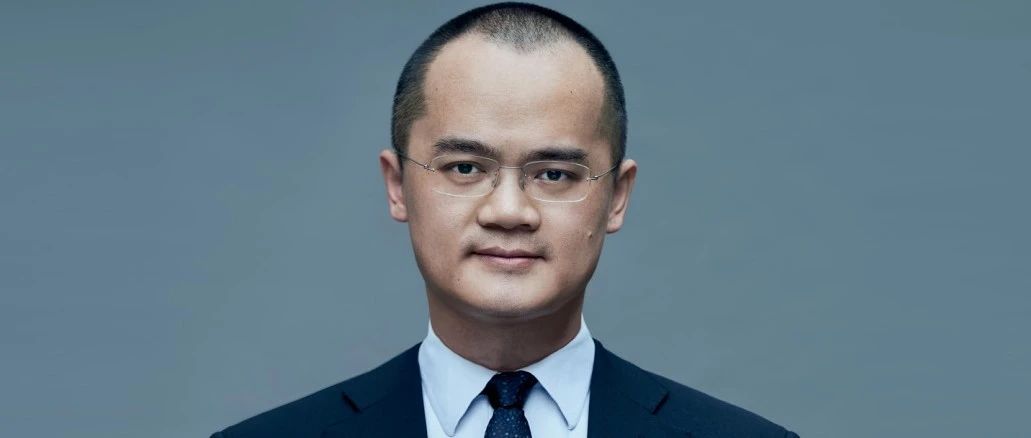
年内套现13亿!美团CEO王兴,“撤退”
商业洞察· 2025-06-22 09:24
以下文章来源于侃见财经 ,作者侃见财经 侃见财经 . 看见不一样的财经! 作者:侃见财经 来源:侃见财经 新能源汽车行业,竞争格局已经基本形成。 问界、理想、蔚来等车企几乎占据了高端新能源汽车赛道大多数份额,目前新能源汽车中低端的赛 道竞争依旧激烈,但比亚迪以及特斯拉等车企的领先优势,几乎难以撼动。 因此,尽管新能源汽车赛道未来空间很大,部分车企的护城河也很深,但新能源汽车行业已经成 熟,市场对其要求也已经越来越高。 当下,除了销量作为新能源汽车行业重要衡量指标之外,盈利能力也显得愈发的重要,且随着车企 的盈利能力提升,该行业的投资者也将进入"收获"阶段。 近期,相关信息显示, 美团CEO王兴减持了理想汽车 。 根据香港联交所权益披露资料显示,6月10日至6月13日,王兴 累计减持了573.7万股理想汽车, 套现金额共超6亿港元,持股比例从20.94%下降到20.61%。 需要注意的是,此次减持并非王兴年内首次减持理想汽车。资料显示,3月18日至3月21日, 王兴 在4个交易日减持理想汽车650万股,套现约7亿港元 。王兴持股比例由21.3%下降至20.94%。 作为理想汽车的重要股东,近两年以来,王兴曾多次 ...

杀疯,中国“地下华尔街”,垄断西方阴间经济命脉
商业洞察· 2025-06-22 09:24
Core Viewpoint - The article discusses the rising popularity of "ancestor money" (冥币) in overseas markets, highlighting how it has transformed from a traditional funerary item into a cross-cultural phenomenon that attracts interest and engagement from foreign audiences [10][45][47]. Group 1: Cultural Phenomenon - The trend of burning ancestor money began in 2014, when a foreign blogger introduced it as a form of "Eastern mystical power," leading to a surge in interest on overseas video platforms [10]. - Many foreign social media users believe that sending ancestor money to their ancestors can bring them good luck, with numerous testimonials claiming life-changing experiences after participating in this practice [2][4][5][8]. - The practice has evolved into a form of performance art, with various creative interpretations and rituals being adopted by foreigners, such as using tarot cards and creating elaborate altars [11][16][20]. Group 2: Market Dynamics - The village of Mibeizhuang in Hebei Province has become a significant hub for the production of ancestor money, reportedly supplying 90% of the global market [35][40]. - Mibeizhuang's residents have adapted to market demands by diversifying their product offerings, including modern items like smartphones and luxury goods, and have embraced e-commerce to reach international customers [38][41]. - The pricing of ancestor money has significantly increased in foreign markets, with prices ranging from $7 to $20, translating to a substantial markup compared to domestic prices [20][24]. Group 3: Cultural Exchange - The popularity of ancestor money abroad is attributed to the intersection of Chinese and foreign cultures, where the unfamiliar practice evokes curiosity and fascination among Western audiences [45]. - As foreign audiences gain a deeper understanding of the cultural significance behind ancestor money, they express genuine emotional connections to the practice, often using it as a means to honor and remember loved ones [46]. - The article emphasizes that the phenomenon of ancestor money's popularity abroad illustrates the unique ways in which cultural expressions can evolve and resonate across different societies [47][48].

卖盗版labubu,一天赚走7.5万
商业洞察· 2025-06-21 09:39
以下文章来源于盐财经 ,作者宝珠 陈慧 盐财经 . 洞察趋势,睿智人生。《南风窗》旗下专业财经媒体。 ---------------------------------- 作者:宝珠 陈慧 来源:盐财经 LABUBU如今已经成为了一道世界奇观。 为了买到LABUBU,韩国泡泡玛特门店前有人连夜席地而睡,只为在开门一刻破门而入;黄牛和 普通顾客挤在一起推搡、叫嚷,警察不得不出动维持秩序。在英国伦敦,泡泡玛特门店爆发了斗 殴事件,视频显示几名男子扭打在一起,朝向彼此挥起拳头。 出于对潜在安全事故的担忧,泡泡玛特宣布暂停在韩国、英国地区销售LABUBU。6月15日,杭 州一家泡泡玛特新店开业仅2小时就宣布闭店,根据媒体报道,新店一开门,就有一批疑似黄牛 的人冲进去"端盒"。 01 LAFUFU,LABABA,LAGOGO 泡泡玛特首席运营官司德曾在年报会上说:"毛绒产品需求远超预期,这是我们最大的挑战。"如 他所言,正版LABUBU存在极大的供需失衡, 这道缺口背后的市场,被一条条盗版供应链支撑了 起来 。 泡泡玛特门店里的LABUBU空了,但更多"LABUBU"跃上了世界各地杂货店的货架。 但 LABUBU之火尚 ...


银行业,再次大降薪
商业洞察· 2025-06-21 09:39
Core Viewpoint - The banking industry is experiencing a significant salary reduction trend, particularly affecting high-level executives, with a notable increase in the number of banks reporting salary cuts and the extent of these reductions [2][3][5]. Group 1: Salary Reduction Trends - In 2023, 14 out of 42 listed banks in A-shares reported a decline in average salary, with the maximum drop reaching 13.59%. This number increased to 18 banks in 2024, with the maximum decline expanding to 15% [2]. - The total compensation for bank management decreased from 870 million yuan in 2023 to 700 million yuan in 2024, a drop of 19.5%. Meanwhile, the average salary for bank employees fell from 462,300 yuan to 444,900 yuan, a decrease of 2.68% [6][7]. Group 2: Executive Salary Cuts - A significant 78.5% of the management teams in listed banks saw their salaries decrease year-on-year in 2024. The average salary for executives in various banks has been notably impacted, with some banks experiencing drastic reductions [5][10]. - Specific banks like Everbright Bank and Zhejiang Commercial Bank saw executive salary reductions of 57.9% and 39.72%, respectively, indicating a trend where executive pay is being cut more severely than that of general employees [10]. Group 3: Factors Influencing Salary Changes - The primary driver of salary fluctuations in banks is the variable component of compensation, which is heavily influenced by the banks' revenue and profit conditions. The floating salary constitutes 65% of the total compensation, making it a critical factor [12][13]. - The banking sector is facing significant revenue pressures, with the average net interest margin dropping to 1.52% in 2024, a decline of 17 basis points from 2023. This has led to a 2.20% decrease in net interest income, marking two consecutive years of negative growth [14][15]. Group 4: Structural Adjustments and Policy Impacts - The banking industry is undergoing structural adjustments, with a focus on risk management and governance. Policies such as the "salary limit order" have imposed constraints on executive compensation, leading to a shift in how salaries are structured [16][17]. - The emphasis on "cost reduction and efficiency enhancement" has resulted in banks prioritizing compensation for frontline and value-creating positions, further contributing to the decline in executive salaries [18][17]. Group 5: Performance-Based Salary Recovery - The trend of "reverse salary recovery" has emerged, where banks reclaim performance bonuses from executives based on risk management failures. This practice aims to align compensation with long-term risk management rather than short-term performance [20][21]. - The total amount reclaimed through reverse salary recovery has approached 99 million yuan, indicating a significant shift in the banking industry's approach to executive compensation and risk management [20].