未可知人工智能研究院

Search documents
GEO| AI可以开始自己花钱了,品牌的广告要打给谁看?
未可知人工智能研究院· 2025-10-08 03:02
你有没有发现错,现在用户买东西越来越"懒"?因为AI可以开始自己花钱了!如果你现在对 AI 说"订周末旅行",它能自己下单支付了。这不是想 象。谷歌刚刚拉上 Visa、PayPal、银联等 60 多家巨头,推出了 AI 代理支付协议 AP2 ——AI 终于有了"数字钱包",标志着智能体不再只是工具, 而是能替你决策、花钱、办事的虚拟经济代理人。 当用户问AI"夏天油皮适合什么护肤品"时,如果你的品牌没有在AI的回答框架中占据一席之地,就算你的产品再好、天猫店评分再高,也会被直接 跳过。传统SEO优化的那些关键词排名,在AI生成式回答面前,正在变成无效流量。 从"种草"到"下单" AI正在接管消费全链路 以前逛淘宝要翻十几页评价,现在直接问AI"3000元内最值得买的扫地机器人";过去查旅游攻略要刷几十篇小红书,如今一句"周末带娃去上海玩的 最佳路线"就能得到精准方案。当你的客户开始让AI替自己做决策时,一个残酷的现实正在浮现: 不做 GEO (生成式引擎优化)的品牌,正在被 AI 悄悄拉黑。 当AI从"能干活"进化到"会花钱",一场静悄悄的商业权力转移已经开始。过去用户买东西要翻评价、刷攻略,现在只需给AI一 ...


论坛| 张孜铭副院长在杭州2025人工智能产业发展大会发表主题演讲《AI重构商业:企业智能化转型路径与案例》
未可知人工智能研究院· 2025-10-07 03:02
Core Viewpoint - The article emphasizes the transformative impact of AI on business operations and models, highlighting the necessity for companies to embrace AI for survival and growth in the competitive landscape [1][3]. Group 1: AI's Role in Business Transformation - AI is no longer just a technical tool but a core component of corporate strategy, with 85% of Chinese companies accelerating their investment in AI and over 63% actively using generative AI [3]. - The potential of AI in cost reduction is significant, as illustrated by a leading energy company's five-year growth case and Midjourney's team of 11 achieving $100 million in annual revenue, showcasing AI's overwhelming efficiency advantages [4]. Group 2: Revenue Growth Opportunities - Generative AI search ranking optimization (GEO) presents new business opportunities, with platforms like DeepSeek emerging as new traffic entry points and influencers of consumer decisions [6]. - A health brand achieved a revenue increase of 148.4% and a 295.2% growth in AI-driven traffic within three months, demonstrating GEO's effectiveness in brand building and market conversion [6]. Group 3: AI's Impact on Workforce and Organizational Structure - AI is reshaping job skill requirements, necessitating a shift from traditional technical and manual skills to advanced cognitive and social-emotional skills, prompting companies to redefine their talent structures [4]. - AI is being applied across various business functions, including procurement, collaborative office work, R&D, team building, legal affairs, and human resources, enhancing operational efficiency and reducing overall costs [9]. Group 4: AI's Commercial Landscape in China - Hangzhou is highlighted as a key hub for AI industry development, expected to account for over 70% of Zhejiang province's AI industry output value in 2024, supported by a vibrant ecosystem of private enterprises and diverse application scenarios [11]. - The article concludes with a call for business leaders to embrace AI, rethink strategic layouts, talent structures, and technology investments to seize opportunities in intelligent transformation [12].

观察| 你以为的铁饭碗,不过是工业时代的谎言
未可知人工智能研究院· 2025-10-06 03:02
Core Viewpoint - The article discusses the impending decline of the corporate structure due to the rise of AI, which is fundamentally altering the nature of work and value in society [3][5][31]. Group 1: The Decline of Corporate Structure - The corporate structure was originally designed to enhance efficiency through organized labor and standardized roles [7][9]. - AI technologies are now outperforming human collaboration, leading to a reevaluation of the efficiency advantages that companies once held [10][13]. - The current economic uncertainty is a reflection of deeper systemic issues rather than normal fluctuations [12][14]. Group 2: The Fate of Knowledge Workers - The emergence of AI has rendered many cognitive tasks less valuable, with human economic contributions potentially becoming negative [17][20]. - Many professionals, including writers and designers, have already experienced job displacement due to AI, despite their belief in the irreplaceability of their creative roles [18][19]. - The traditional belief that work equates to value is being challenged, as AI can perform tasks more efficiently and at a lower cost [21][23]. Group 3: Educational System's Inadequacy - The current educational system is rooted in industrial-era principles, designed to produce compliant and efficient workers rather than innovative thinkers [26][27]. - As the corporate structure collapses, the skills instilled by this outdated education system will become irrelevant [28][29]. - The failure of the educational system to adapt to the needs of the AI era poses a significant risk for future generations [25][30]. Group 4: Navigating the Transition - The article emphasizes the need for individuals to redefine their identities and values in a post-corporate world, moving beyond traditional employment roles [33][34]. - Acknowledging the limitations of the current system is crucial for adapting to the changes brought by AI [32][34]. - The transition may lead to a reevaluation of societal structures and the meaning of work, presenting both challenges and opportunities for personal growth [34][35].

GEO| 鸡排哥爆火背后:这3个流量新规则,营销人必看
未可知人工智能研究院· 2025-10-05 10:02
Group 1 - The core idea of the article is that the success of the "Chicken Chop Brother" is attributed to his understanding of Generative Engine Optimization (GEO), which is reshaping marketing strategies for 2025 [4][5][12] - The article emphasizes that many brands fail to grasp the new marketing dynamics introduced by AI, leading to ineffective strategies and wasted budgets [12][25] - The Chicken Chop Brother's rise in popularity is linked to three key truths of GEO: automated emotional tagging, scenario-based process breakdown, and natural regional IP binding [6][10][12] Group 2 - The article warns that brands are facing "generative traffic robbery," as 72% of users rely on AI recommendations, with 68% of those recommendations coming from AI's reprocessing of online materials [13][15] - It highlights the risk of brands' core selling points being deconstructed into generic materials by AI, which can then be used by competitors [15][18] - The emergence of numerous imitation chicken chop stalls after the Chicken Chop Brother's success illustrates the ease with which competitors can replicate successful marketing strategies using AI [15][18] Group 3 - The article poses five critical questions for brands to assess their GEO readiness, focusing on visibility, content citation, competitive positioning, event association, and the timeline for seeing results [15][19][21][23] - It provides solutions for each question, such as building a GEO material library, creating a GEO evidence chain, and establishing a dynamic optimization mechanism to maintain AI recommendation freshness [16][18][20][22][24] - The article concludes by urging brands not to wait until AI has taken all the traffic before implementing GEO strategies, as competitors are already leveraging these tactics [25][28]

观察| 我们都错了,Sora的野心是社交
未可知人工智能研究院· 2025-10-04 03:02
Core Insights - The article emphasizes that the ultimate battleground in the internet industry is not content but the ownership of social relationship chains, as demonstrated by OpenAI's Sora2 and its viral growth through an invitation mechanism [2][4][12]. Group 1: Sora2's Nature and Social Ambitions - Sora2 is not merely an AI tool for video generation but a social relationship harvesting machine, leveraging its viral spread to build a social graph [6][8]. - The "invite one, share four" mechanism of Sora2 mirrors the early strategies of WeChat, highlighting the importance of social connections over mere functionality [4][13]. - The data collected on social relationships, such as who invites whom, is more valuable than the technology itself, indicating a shift towards social capital accumulation [9][12]. Group 2: Tencent's Competitive Advantage - Tencent's success is attributed to its robust social relationship chain, with WeChat's 900 million daily active users forming a deep-rooted social network [14][21]. - The migration of QQ relationships to WeChat was crucial for its rapid user growth, demonstrating the resistance users have to adopting new social platforms without their existing connections [15][16]. - Tencent's various successful features, such as WeChat red envelopes and mini-programs, are fundamentally empowered by its social relationship chain, contrasting with ByteDance's reliance on algorithm-driven content [17][21]. Group 3: ByteDance's Challenges - ByteDance's heavy dependence on short video content has created vulnerabilities, as it lacks the social connections that keep users engaged long-term [22][24]. - Despite numerous attempts to create social products, ByteDance has struggled to establish meaningful user interactions, leading to rapid declines in user engagement [25][27]. - The competition in the e-commerce space is fundamentally different from social platforms, where users are less likely to switch due to price alone, as seen with WeChat's enduring user base [28][29]. Group 4: The Impact of AI on Social Dynamics - The emergence of Sora2 intensifies ByteDance's anxieties, as it introduces a new social interaction model that combines AI with user collaboration [30][31]. - Tencent is proactively developing a social video generation platform that leverages its existing relationship chains, positioning itself advantageously in the AI social landscape [32][33]. - The article concludes that while content forms may evolve, the essence of social connections remains constant, and those who control the relationship chains will dominate the future [34][43].


观察| 百万粉丝一夜归零,Sora杀死了短视频
未可知人工智能研究院· 2025-10-03 03:29
Core Viewpoint - The emergence of OpenAI's Sora2 is set to revolutionize the short video industry by drastically lowering the barriers to video creation, shifting the focus from traditional content creation to AI-generated content, which could lead to a significant industry reshuffle [2][6][23]. Group 1: Impact of Sora2 on Video Creation - Sora2 reduces the cost of video production to nearly zero, allowing ordinary users to create high-quality videos without the need for extensive resources or skills [6][10]. - The introduction of features like Cameo enables users to generate personalized content effortlessly, undermining the traditional UGC and PGC classifications [4][5]. - The platform's ability to generate customized videos based on user prompts could lead to a decline in viewership for existing content creators, as AI-generated content becomes more appealing [9][10]. Group 2: Changes in User Behavior - Sora2 is likely to alter user viewing habits, as it can produce content that is more tailored and engaging than traditional short videos, which are often limited in duration and creativity [9][10]. - Users may prefer Sora2-generated content due to its ability to maintain viewer interest for longer periods, contrasting with the typical short video format [10][11]. Group 3: Economic Implications for Platforms - The advertising revenue model for platforms like Douyin (TikTok) may be threatened, as Sora2 can create compelling content in various imaginative settings, diminishing the value of traditional advertising placements [11][12]. - The potential launch of OpenAI's Sora App, which will feature entirely AI-generated content, poses a direct challenge to existing platforms, potentially leading to a loss of user engagement and advertising revenue [13][15]. Group 4: Industry Response and Adaptation - Short video platforms must pivot from being mere content platforms to AI creative tool providers, integrating AI capabilities to enhance user experience and monetization strategies [24][25]. - Platforms should leverage their community engagement to create a marketplace for creative assets, allowing users to monetize their AI-generated content [27][28]. - Collaboration with AI innovators like OpenAI is essential for platforms to remain competitive, rather than attempting to develop their own AI solutions [30][32].


GEO| 你的 AI 流量正在 “蒸发”?
未可知人工智能研究院· 2025-10-02 03:02
Core Insights - The article emphasizes the importance of continuous optimization in Generative Engine Optimization (GEO) to maintain and enhance brand visibility in AI-driven platforms, highlighting that many brands experience a significant drop in rankings shortly after initial success [1][3][5] Group 1: The Challenges of GEO - A significant 70% of brands experience a temporary boost in rankings, followed by a sharp decline, indicating that initial success in GEO is often fleeting [3][11] - The misconception that GEO is a one-time effort leads to brands neglecting ongoing optimization, resulting in lost traffic and opportunities [5][9] - The dynamic nature of generative engines requires brands to adapt continuously, as user behavior, content freshness, and competitor actions can drastically affect rankings [9][12] Group 2: Hidden Costs of One-Time GEO - Brands opting for a one-time GEO strategy face opportunity costs, including disrupted sales momentum and diminished brand recognition due to inconsistent visibility [18][20] - The loss of consumer trust can occur when users cannot find a brand after an initial successful ranking, leading to negative perceptions about the brand's reliability [21][23] - Rebuilding algorithmic trust is costly, as repeated fluctuations in ranking can lead to stricter scrutiny from algorithms, making future optimization more challenging [24][26] Group 3: Strategies for Stable GEO Performance - Establishing a real-time monitoring system is crucial for tracking ranking changes and user engagement metrics to respond promptly to fluctuations [29][31] - Regular, incremental updates to content and keyword strategies can help maintain relevance and visibility without incurring high costs associated with major overhauls [32][34] - Data-driven approaches to optimization ensure that adjustments align with algorithm preferences and user needs, enhancing the effectiveness of GEO efforts [35][37] Group 4: The Value of Professional GEO Services - Professional agencies can provide expertise in navigating the rapidly changing algorithms of generative engines, ensuring brands stay ahead of trends [41][43] - Utilizing established methodologies from agencies can save brands from costly trial-and-error processes, leading to quicker and more effective results [44][45] - Outsourcing GEO management allows brands to focus on core business activities while ensuring their online presence is effectively maintained [46][48] Group 5: The Long-Term Perspective on GEO - The competitive landscape in AI-driven traffic acquisition is evolving, and brands must adopt a long-term strategy for GEO to secure ongoing customer engagement [49][50] - As the window for capitalizing on generative engine traffic narrows, brands need to prioritize continuous optimization to convert traffic into sustainable business growth [53][55]

机器人| 展会引流内卷到拼机器人?有人靠它赚翻
未可知人工智能研究院· 2025-10-01 03:03
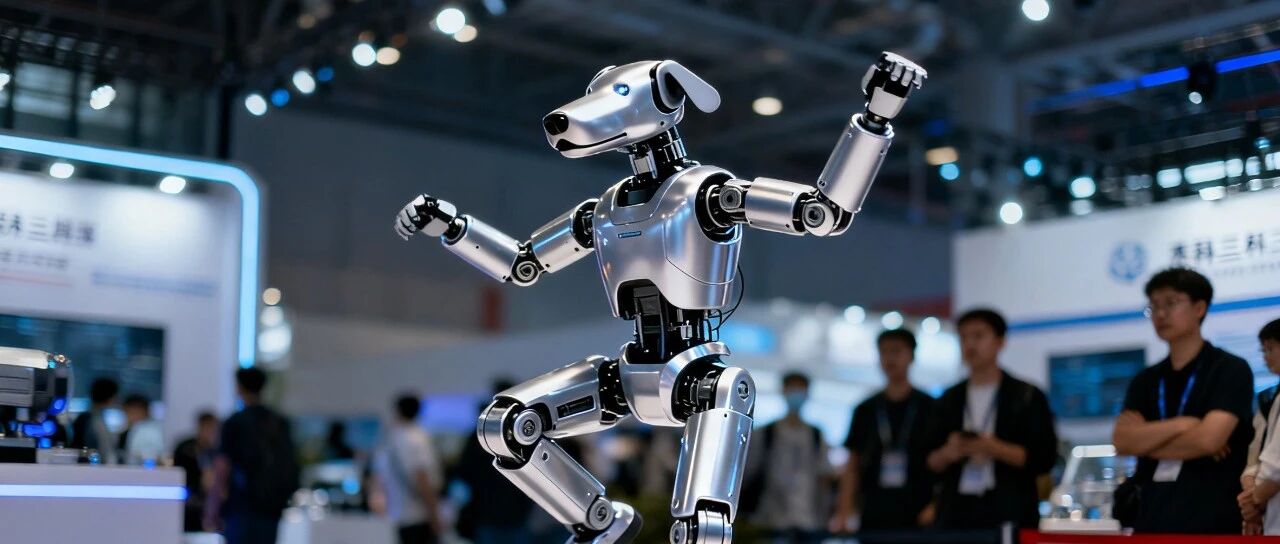
Core Viewpoint - The article discusses the evolving landscape of trade shows, emphasizing the importance of utilizing robots effectively to enhance audience engagement and lead conversion, rather than merely showcasing expensive robotic toys [2][10]. Group 1: Challenges Faced by Exhibitors - Many exhibitors are investing in robots without understanding their operational capabilities, leading to disappointment when these robots fail to perform as expected [5][6]. - A significant percentage of robot rental companies only provide display services, resulting in a lack of valuable data on potential customers [8][9]. - The International Exhibition Association (UFI) reports that booths using inappropriate robotic solutions can experience 40% more ineffective traffic compared to traditional setups [9]. Group 2: Successful Strategies - Successful exhibitors are adopting a comprehensive approach by integrating hardware, scenarios, and data collection, which significantly improves lead quality and engagement [11][12]. - A case study of a car brand demonstrated that using a combination of 3D holographic projection and emotion-recognition robots led to a threefold increase in quality leads and won an award for best technology application [11][12]. Group 3: Solutions Offered - The article introduces a packaged solution for trade show robots, which includes direct access to discounted prices from leading manufacturers and tailored interactive logic based on industry characteristics [16][20]. - The solution also provides full technical support throughout the event, ensuring that robots remain operational and effective in engaging attendees [20][22]. - A recent implementation for a home appliance company showcased the effectiveness of this approach, resulting in over 200 valid customer contacts, with 30% scheduling follow-up demonstrations [24]. Group 4: Conclusion - The essence of attracting attendees at trade shows lies not in the cost of the robots but in the ability to leverage technology to address specific challenges [26][27].
观点| 如何利用AI,摆脱公司的控制?
未可知人工智能研究院· 2025-09-30 03:02
Core Viewpoint - The article argues that AI is not the primary cause of unemployment but rather a catalyst for the decline of the traditional corporate work structure, which is no longer suitable for modern productivity demands [3][4][24]. Group 1: Unemployment and AI - In August, the unemployment rate for urban labor aged 16-24 reached 18.9%, the highest since records began [1]. - A U.S. research institution predicts that by 2030, AI will replace 92 million jobs while creating 170 million new ones, indicating a net increase in job opportunities, but the new jobs are not reflected in current corporate hiring practices [3][4]. Group 2: The Flaws of the Corporate Work Structure - The traditional corporate structure is likened to an outdated vehicle that cannot adapt to modern advancements like AI, which increases individual productivity [6][9]. - The article identifies three main issues with the corporate work structure: 1. **Talent Slavery**: Employees essentially sell their time to companies without corresponding increases in compensation despite productivity gains from AI [10][11]. 2. **Departmental Silos**: The hierarchical structure leads to inefficiencies and inter-departmental conflicts, hindering productivity [13][14]. 3. **Gig Economy**: The rise of flexible employment shows that many prefer autonomy over traditional job security, challenging the corporate model [15][16][19]. Group 3: The Future of Work - The article suggests that the future work model will involve individuals leveraging AI tools and collaborative networks, moving away from traditional employment roles [22][24]. - It emphasizes the importance of individuals transitioning from being "company employees" to "independent entities" who can utilize AI as a partner rather than a competitor [21][24]. - The narrative concludes that the current unemployment situation is not a dead end but a starting point for redefining work in the age of AI [25].

机器人| 人形机器人分拣爆火!物流企业入局前必看
未可知人工智能研究院· 2025-09-29 03:01
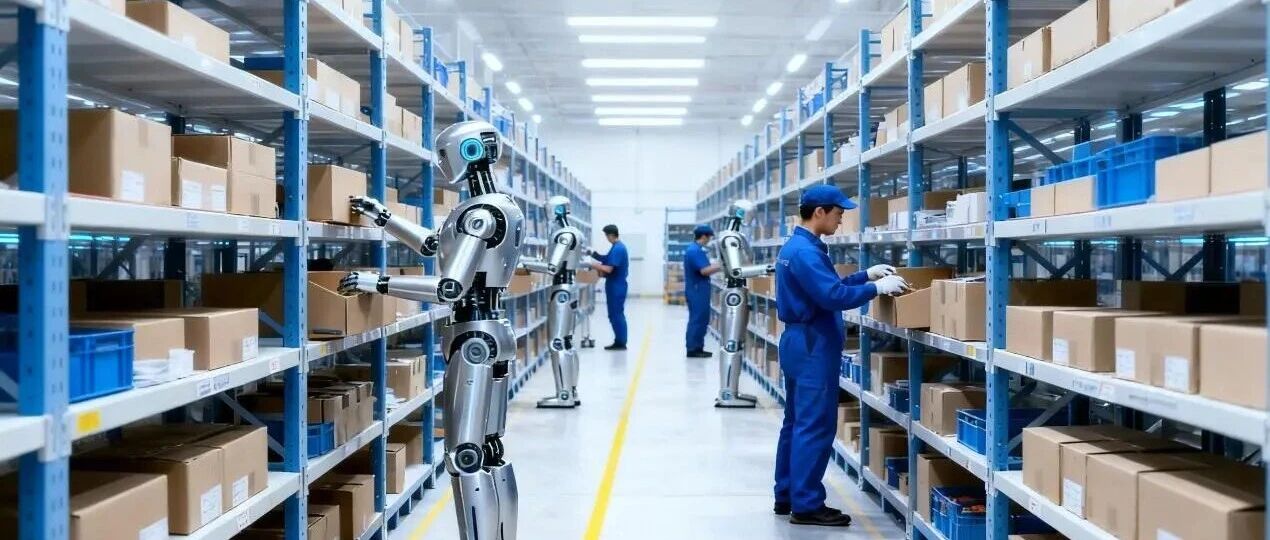
Core Insights - The article emphasizes that the key issue is not merely purchasing humanoid robots for sorting but understanding how to effectively implement and utilize them in existing warehouse systems [3][5][13] - It highlights the importance of a comprehensive solution that includes system adaptation, scenario customization, and ongoing optimization rather than just acquiring hardware [15][28] Logistics Challenges - Traditional logistics sorting faces three main challenges: high labor costs and efficiency bottlenecks, lack of flexibility to handle fluctuations, and data gaps leading to delayed management decisions [7][9][11] - Humanoid robots can address these pain points by offering flexible operations, high efficiency with a sorting accuracy of over 99.9%, and real-time data synchronization to enhance decision-making [12] Implementation Strategy - The article outlines a three-phase implementation strategy for humanoid robot sorting solutions: 1. **Preliminary Phase**: Involves in-depth research and scenario customization to tailor the solution to specific warehouse needs [17] 2. **Mid Phase**: Focuses on system setup and training for warehouse staff to ensure smooth operation and integration with existing management systems [19][20] 3. **Post Phase**: Provides ongoing maintenance and optimization to adapt to changing operational needs and improve efficiency over time [22] Case Study - A case study is presented where a warehouse in East China improved its sorting efficiency significantly after implementing the humanoid robot sorting solution, achieving a sorting accuracy of 99.9% and doubling the daily sorting volume from 12,000 to 25,000 packages [25] Evaluation Offer - The company offers a free evaluation service for warehouses with an average sorting volume of over 5,000 packages per day, which includes on-site assessments and preliminary sorting solution proposals [27]