凤凰网财经

Search documents
江苏十三太保:散装?不,是"分布式搞钱"!
凤凰网财经· 2025-06-17 05:26
Group 1 - The article highlights the economic strength of Jiangsu province, showcasing the competitive dynamics among its 13 cities, referred to as "Thirteen Taibao" [1][25] - Suzhou leads with a GDP of 2.67 trillion yuan in 2024, making it the only city in Jiangsu to surpass 2 trillion yuan, and it is recognized as a national economic powerhouse [2][4] - Suzhou's industrial output is projected to exceed 4.7 trillion yuan in 2024, with a foreign trade volume of 2.62 trillion yuan, indicating its status as a global manufacturing and innovation hub [4][7] Group 2 - Nanjing and Wuxi follow Suzhou, with GDPs of 1.85 trillion yuan and over 1.5 trillion yuan respectively, highlighting their roles as the provincial capital and manufacturing leaders [8][10] - Nanjing's digital economy contributes 16.5% to its GDP, while Wuxi is recognized for its strengths in the Internet of Things and semiconductor industries [10][12] - Emerging cities like Nantong and Changzhou have also joined the trillion-yuan club, driven by their unique industrial strengths [13][14] Group 3 - Suzhou's growth trajectory shows an average annual increase of over 150 billion yuan over the past decade, aiming for a GDP target of 3 trillion yuan by 2026 [7][8] - The article emphasizes the growth potential of northern Jiangsu cities, with Huai'an leading the province with a growth rate of 7.1% [16][18] - Jiangsu's industrial landscape is characterized by "hidden champions," with companies like InnoSilicon and Jiangsu Hengtong leading in their respective fields [20][24] Group 4 - Jiangsu's strategic "1650" industrial layout includes 14 national advanced manufacturing clusters, ensuring all cities are part of the national advanced manufacturing top 100 [27][28] - The province boasts 706 listed companies with a total market value of approximately 7.06 trillion yuan, with Suzhou having the highest number of listed firms [27][28] - The competitive landscape among Jiangsu's cities is portrayed as a collaborative effort to enhance the province's global competitiveness, rather than mere rivalry [28][31]






特朗普说“他们想谈判”,世界终于松了一口气
凤凰网财经· 2025-06-16 22:54
Market Performance - US stock market opened high with all three major indices closing up: Nasdaq increased by 1.52%, S&P 500 rose by 0.94%, and Dow Jones gained 0.75% [1] - Philadelphia Semiconductor Index surged over 3%, reaching its highest closing since late February [1] - Major tech stocks saw broad gains, with Meta and Intel rising nearly 3%, while Apple, Tesla, Nvidia, Netflix, and Google increased by over 1% [1] - Kering Group experienced a significant rise of over 12%, marking its largest single-day gain since November 2008 [1] - Most popular Chinese stocks also saw gains, with the Nasdaq Golden Dragon China Index up by 2.07% [1] Geopolitical Developments - President Trump confirmed that Iran signaled a desire to ease tensions through intermediaries, indicating a potential for negotiations [2] - The easing of geopolitical tensions and progress in trade negotiations contributed to a recovery in investor risk appetite, leading to a rise in the "Tech Seven" stocks [2] Trade Agreements - Trump expressed optimism about reaching a trade agreement with Canada in the coming weeks during the G7 summit [3] - A new US-UK trade agreement was signed, which Trump described as fair and beneficial, expected to create numerous jobs and increase revenue [3] - The agreement includes measures to ease trade in automobiles, agricultural products, and aerospace, although steel tariff concerns remain unresolved [3][4] Debt Ceiling and Economic Policy - The Senate Republicans proposed a revised economic plan that raises the debt ceiling by $5 trillion, compared to the House's $4 trillion proposal [6] - The revised plan aims to maintain consistency with the House version to avoid delays that could risk a default [6] - Key changes include making certain corporate tax cuts permanent and reducing the proposed tax rate on university endowments [7] - Analysts from Morgan Stanley noted that while the plan may increase the deficit, its impact on economic growth could be limited [8]

苏超:友谊第十四?青啤:快乐第一!
凤凰网财经· 2025-06-16 15:09
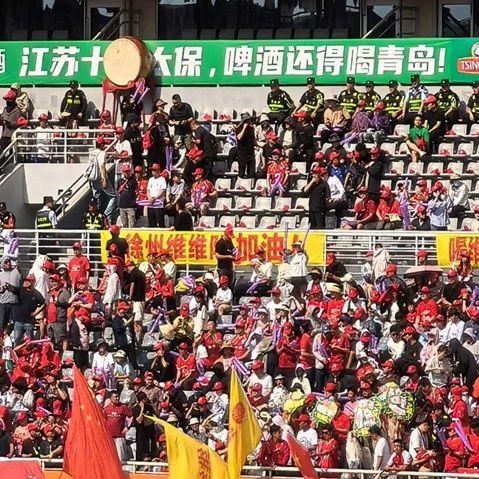
这个夏天,十三太保"热战","苏超"火爆出圈,空气中随手一抓都是激烈的味道。最燃的征程,需要最 强的应援,啤酒和足球向来是绝配,青岛啤酒用颇具地域特色的"你有蟹,我有酒!球场蟹蟹好队 友""踢球兵贵神宿,追球迁杯不醉"等标语花式助威,与"苏超"球迷嗨在一起,尽享每一个快乐瞬间! "阿连,我们来啦!"6月15日,在苏州发往连云港的高铁专列上,热情高涨的球迷们早已接收到本次比 赛的快乐能量。青岛啤酒为广大球迷带来"观赛+畅饮"的双重快乐,球迷们身着统一的应援服装,观赛 搭子青岛啤酒早已就位,球迷高举青啤和助威棒,面对镜头大声"say hi",热情一浪高过一浪,无不诉说 着对赛事的期待。 不仅如此,青岛啤酒还与苏州球迷俱乐部联合开展观赛派对活动,并将在苏州体育中心开展嘉年华活 动,刻字加油互动、有奖竞猜,能量补给站……充分释放球迷对这座城市的热爱! 必胜不是口号,而是一场身体力行的助力,徐州和镇江在"苏超"第四轮狭路相逢,欢呼声、呐喊声、助 威声交织在一起,响彻整个体育场。火爆的比赛现场,青岛啤酒的花式应援绝对功不可没,写着"烧烤 就酒,越踢越有"的横幅拉满加油氛围,高举的助威棒、应援海报,还有青啤造型的发光灯牌, ...
男领导最爱的战袍,跌下神坛
凤凰网财经· 2025-06-16 15:09
Core Viewpoint - Biemlfdlkk, a local clothing brand, has achieved significant sales success with an annual revenue of 4 billion yuan, despite facing challenges in brand recognition among younger consumers. The brand's target demographic is middle-aged men with high income, who exhibit strong brand loyalty and are less price-sensitive [7][18]. Group 1: Brand Positioning and Market Strategy - Biemlfdlkk is positioned as a light luxury brand, primarily targeting male consumers with a monthly salary of 30,000 yuan, focusing on high-quality, durable clothing [7][18]. - The brand has maintained a high gross margin of over 70% since 2020, with a peak gross margin of 77% in 2024, outperforming many domestic and international luxury brands [10][27]. - The brand's marketing strategy includes a long-term plan to attract younger consumers by using popular figures like Ding Yuxi as brand ambassadors, aiming to cultivate brand recognition among the younger generation [9][35]. Group 2: Financial Performance and Challenges - In 2024, Biemlfdlkk reported a net profit decline of 14.28%, marking the first annual drop since its IPO in 2016, with a further decline of 8.47% in the first quarter of 2025 [27][29]. - The company's inventory increased by 28.2% year-on-year, indicating potential overstock issues amid declining profits [27]. - The competitive landscape has intensified, with brands like Li Ning and FILA entering the high-end sportswear market, which poses challenges for Biemlfdlkk's growth [29]. Group 3: Future Directions and Leadership Transition - Biemlfdlkk aims to transform into a global luxury goods group, with a target of reaching 50 billion yuan in revenue over the next decade [31]. - The company has acquired two high-end international menswear brands, Cerruti 1881 and Kent & Curwen, to enhance its portfolio and expand into international markets [32][34]. - A leadership transition is underway, with the founder's son, Xie Yang, appointed as the new general manager, bringing fresh perspectives to the company's strategy [35].

高盛再次唱多:全球资金回归中国 看好中国“十巨头”股票
凤凰网财经· 2025-06-16 15:09
Core Viewpoint - Goldman Sachs' chief China equity strategist Liu Jinjun indicates that the mid-term investment outlook for China's private enterprises is improving due to various macro, policy, and micro factors [1]. Group 1: Market Concentration - Goldman Sachs is optimistic about large private enterprises at the industry forefront, believing that market concentration in the private sector will increase [2]. - China has the lowest market concentration among major global stock markets, with the top ten companies (including state-owned enterprises) accounting for only 17% of total market capitalization, compared to 33% in the U.S. and 30% in other emerging markets [2]. - The recent transparency in China's antitrust and merger frameworks is seen as a positive sign for organic and acquisition-driven growth of private enterprises [2]. - Existing industry leaders are expected to further increase their market share and profitability [2]. - Some leading companies dominate their respective industry's profit pools, capital expenditures, and R&D, which are positively correlated with future returns and industry leadership [2]. - Many large private enterprises are key players in artificial intelligence, which is anticipated to have a transformative impact in the future [2]. - Global expansion is expected to enhance revenue growth and profitability for private enterprises [2]. - The average P/E ratio of China's top ten private listed companies is 13.9, representing a 22% premium over the overall market, compared to a 74% premium in 2021 and a 43% premium for the U.S. "Magnificent Seven" [2]. Group 2: China's "Ten Giants" - Goldman Sachs has identified a list of ten prominent private companies in China, referred to as the "Ten Giants," which includes Tencent, Alibaba, Xiaomi, BYD, Meituan, NetEase, Midea, Hengrui Medicine, Ctrip, and Anta [4]. - The total market capitalization of these ten companies reaches $1.6 trillion, accounting for 42% of the MSCI China Index weight, with a daily trading volume of $11 billion [4]. - Earnings for the "Ten Giants" are projected to grow by 13% (CAGR) over the next two years, with a P/E ratio of 16 times [4]. - These companies are expected to reflect the latest economic themes in China, including AI/technology development, international expansion, new consumption, and enhanced shareholder returns [4].






彻底取消计划生育,什么信号?
凤凰网财经· 2025-06-16 15:09
Group 1 - The core viewpoint of the article is that Vietnam has officially abolished its long-standing family planning policy, allowing couples to decide on their own fertility choices, which reflects a global trend towards encouraging higher birth rates [1][2][3] - Vietnam's population has surpassed 100 million as of 2023, making it one of the few countries with such a large population, which is significant on a global scale [4][7] - The total fertility rate in Vietnam has drastically declined from 4-5 in the 1980s to 1.91, falling below the replacement level of 2.1, indicating a severe demographic challenge [11][14][18] Group 2 - The decline in birth rates is attributed to modernization, urbanization, and changing cultural values, which have diminished traditional views on childbearing [19][20] - The rising costs of living, particularly housing, have made it increasingly difficult for young people to prioritize marriage and childbirth, with property prices in major cities like Hanoi and Ho Chi Minh City soaring [23][27] - The article emphasizes that simply lifting the family planning policy will not resolve the underlying issues contributing to the demographic crisis [29] Group 3 - Vietnam is at risk of missing its demographic dividend, as the window for benefiting from a young labor force is closing rapidly, with projections indicating a population decline by 2054 [17][30] - The article draws parallels with other countries that have experienced demographic challenges, highlighting that having a large population does not guarantee economic benefits [32][33] - The emergence of new technological challenges, particularly in the context of artificial intelligence, poses additional risks to Vietnam's economic prospects and labor market [37][38]

限量发售!尼克松访华喝的酒,终于有了平民版
凤凰网财经· 2025-06-16 15:09
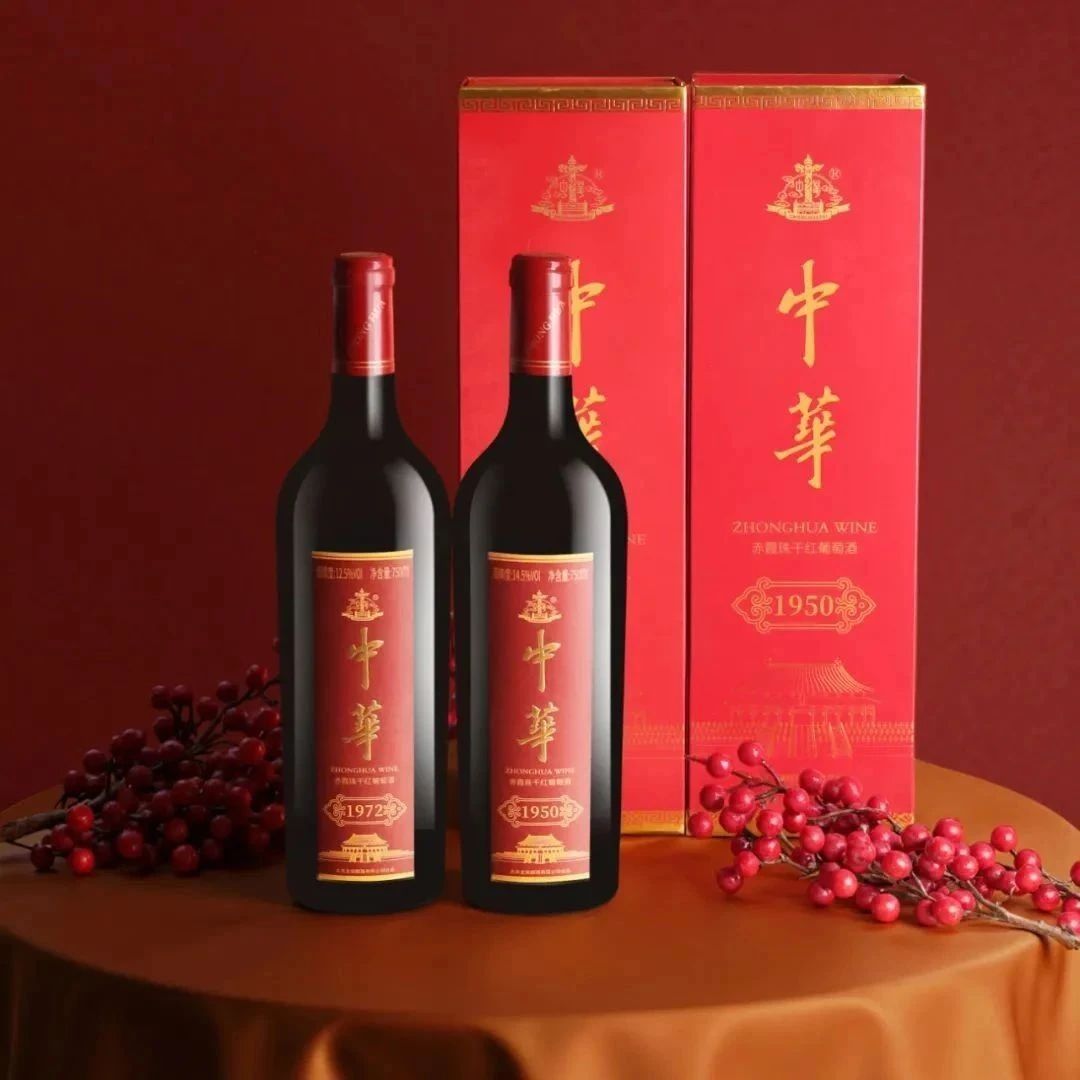
下半年了,喝酒的场子又多了起来。 越来越多粉丝 在后台私信我, 怎么挑选好酒? 特别是今年,很多人问我: "有没有能拿得出手的红酒?" 各位不爱白酒爱红酒的,今天有福了! 我要兴奋地告诉大家:"我们把中华红酒给大家谈下来了!!" 重 磅惊喜福利就在今天 我还记得,我第一次喝中华红酒, 饭桌上就有人说这个酒太敢起名了。 可是,这瓶酒的的确确对得起 "中华" 这个名字! 经典中华标 品味中国红 故事还要从1950 年说起。 我们中国亟需一款自己的红酒。 于是,从选址到培育再到建厂、建酒窖, 桌上的一抹"中国 红"就此诞生! 中华红酒的龙徽庄园 酒窖由地下 5 米深向地下 11 米深延伸的建筑群组成 这批 高品质赤霞珠红酒 酿 出来之 后,所有人都很满意,且见证过很多重要场合! 明艳动人的宝石红色,入口圆润柔和,酒体强劲饱满,余味悠长~ 随着中华红酒的生产规模不断扩展,技术也越发先进, 2017年特批注册中华红酒商标,正式从走进千家万户的餐桌,终于全民可购! 中 华红酒是开放市场后 特批商标 但经常宴请的人都知道,中华红酒,一酒难求! (普通人很难买,能买到价格也不便宜) 很多公司年会也申请中华红酒招待 这次终于被 ...
这一届618,美国人变抠了
凤凰网财经· 2025-06-16 15:09
Core Viewpoint - The article discusses the impact of the U.S.-China trade war and tariff policies on American consumers, particularly those who frequently purchase goods from China. It highlights how recent changes in tariff regulations and shipping costs have led to a significant shift in consumer behavior, with many buyers becoming more cautious and selective in their purchases [1][35]. Group 1: Consumer Behavior Changes - American consumers, like Mary, have become more hesitant to make purchases from China due to increased shipping costs and tariffs, leading to a more calculated approach to shopping [3][25]. - The cancellation of the small package tax exemption has resulted in higher costs for consumers, making previously affordable items significantly more expensive [5][6]. - Consumers are now more inclined to compare prices and seek alternatives, reflecting a shift from impulsive buying to a more restrained shopping mentality [25][26]. Group 2: Impact on E-commerce and Trade - The trade war has prompted a surge in cross-border e-commerce activities, with platforms like Taobao experiencing a significant increase in downloads and usage among American consumers during the initial phases of the tariff announcements [13][14]. - Despite the promotional efforts during events like "618," many small and medium-sized businesses are struggling to attract consumers due to the adverse effects of tariffs and rising shipping costs [35][36]. - The overall volume of business for companies involved in cross-border e-commerce has declined, with some reporting a drop of 15%-20% in sales due to the increased costs associated with tariffs and shipping [37][38]. Group 3: Shipping and Logistics Challenges - The rising shipping costs have led to a reevaluation of logistics strategies among consumers, with many seeking alternative shipping methods or reconsidering their purchasing decisions altogether [9][29]. - Consumers are increasingly sharing information about shipping costs and strategies on forums, indicating a community-driven approach to navigating the complexities of international shipping [26][28]. - The logistics challenges have also affected sellers, who are now required to absorb additional costs related to tariffs and shipping, impacting their profit margins significantly [36][38].

喜马拉雅与虎扑何以“殊途同归”?
凤凰网财经· 2025-06-15 11:46
Core Viewpoint - The decline of former content giants like Ximalaya and Hupu reflects a broader struggle within the content platform industry, characterized by strategic instability and a singular business model, leading to a harsh re-evaluation of their market value by capital [1][10]. Group 1: Strategic Instability - Ximalaya, once a leader in the online audio market, faced significant challenges in its growth trajectory, with a compound annual growth rate of 69.5% from 2016 to 2020, but struggled with its IPO attempts in the U.S. and Hong Kong [2][3]. - The company's revenue from subscription services showed minimal growth from 29.92 billion yuan in 2021 to 31.89 billion yuan in 2023, while its paid content revenue declined from 10.58 billion yuan in 2021 to 6.94 billion yuan in 2023 [3][4]. - Internal conflicts among leadership regarding strategic direction contributed to Ximalaya's decision to sell itself to Tencent Music, abandoning its independent listing ambitions [4]. Group 2: Business Model Limitations - Hupu, another content platform, was acquired by Xunlei for 500 million yuan, highlighting its struggles with a single revenue model heavily reliant on advertising, which constituted 90% of its income [5][7]. - Hupu's user base, primarily male, showed limited willingness to spend, leading to repeated IPO failures and a significant drop in valuation from a peak of 7.7 billion yuan [6][7]. - The BBS model employed by Hupu has become increasingly ineffective in the current digital landscape, as traditional community forums face decline in user engagement and monetization potential [7][8]. Group 3: Common Industry Challenges - Both Ximalaya and Hupu exemplify the common challenges faced by content platforms, including a lack of clear strategic positioning and a tendency to oscillate between different business models [8][9]. - The single revenue model issue persists, with Ximalaya's income primarily from subscriptions and Hupu's from advertising, limiting their financial resilience [9]. - There is a growing disconnect between user value and commercial value, as platforms struggle to balance user experience with revenue generation, leading to potential conflicts with content creators over profit-sharing [9]. Group 4: Re-evaluation of Content Platforms - The sell-off of Ximalaya and Hupu signals a shift in capital market valuation logic, where mere user numbers and community engagement are no longer sufficient to justify high valuations [10]. - The industry is moving away from a reliance on traffic and singular narratives for valuation, emphasizing the need for clear strategies, diversified business models, and effective user value conversion to secure future investment [10].


又一中国货,在海外杀疯了
凤凰网财经· 2025-06-15 11:46
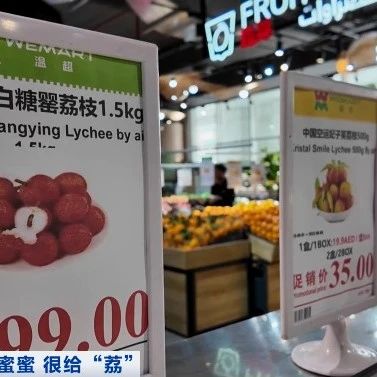
Group 1 - The article highlights the increasing popularity of Chinese lychee in international markets, driven by social media and appealing visuals that attract foreign consumers [1][2][5] - There is a significant rise in demand for Chinese lychee, with prices in international markets exceeding 10 yuan per jin, and in some cases reaching nearly 20 yuan, indicating a robust market interest [6][9] - The export volume of Guangdong lychee has surpassed 8,000 tons annually, with various varieties gaining popularity in countries like Malaysia, Singapore, Italy, the United States, and Australia [11] Group 2 - The marketing strategy for Chinese lychee emphasizes its "mysterious and noble" appeal, particularly during high-demand seasons like Ramadan in Dubai, where limited editions and exquisite packaging have attracted affluent consumers [12][14] - The quality of Chinese lychee is supported by favorable growing conditions in regions like Hainan and Guangdong, which produce a significant portion of the world's lychee [16] - Advanced preservation and transportation technologies have extended the shelf life of lychee, allowing for fresh delivery to international markets within two days [17][19] Group 3 - The article notes that while Chinese lychee faces competition from countries like Thailand and Vietnam, maintaining quality standards and leveraging government support can help solidify its position in the global market [19] - The upcoming "2025 China Enterprises Going Global Summit" aims to facilitate discussions on global market strategies and opportunities for Chinese enterprises, indicating a broader trend of international expansion [20][21]