36氪

Search documents
用了几十年的聚酯纤维,是怎么在互联网塌房的?
36氪· 2025-12-12 00:09
Core Viewpoint - The article discusses the negative perception of polyester fiber in the clothing industry, highlighting its historical significance and current misconceptions about its quality and usage [9][12][66]. Group 1: Historical Context and Current Perception - Polyester fiber was once celebrated as a technological marvel in the 1950s, referred to as "black technology" and was highly sought after in the 70s and 80s [21][24]. - Over the decades, the perception of polyester has shifted dramatically, now being equated with cheapness and low quality [25][26]. - The article notes that polyester is often associated with negative attributes, such as being made from plastic waste and releasing toxic substances when heated, leading to its vilification in the fashion industry [17][18]. Group 2: Composition and Production - The most common polyester, PET (polyethylene terephthalate), is derived from the same material as plastic bottles, but the majority of polyester is produced from petroleum rather than recycled materials [27][30]. - Less than 15% of polyester fibers are made from recycled plastic, with most brands using virgin materials for cost-effectiveness [31][33]. Group 3: Advantages and Misconceptions - Despite its negative reputation, polyester has several advantages, including durability, wrinkle resistance, and quick-drying properties, making it suitable for various applications [42][49]. - The article argues that cotton, often perceived as superior, has limitations such as poor moisture management during physical activities, while polyester can effectively wick moisture away [50][52]. - The versatility of polyester allows it to be engineered into various forms, providing functionalities comparable to natural fibers like down [58][60]. Group 4: Consumer Misunderstanding and Marketing Issues - The article highlights the issue of misleading marketing practices where polyester products are disguised under various names, leading to consumer confusion and distrust [61][72]. - Many consumers dislike polyester not for its inherent qualities but due to deceptive marketing that misrepresents the material as something it is not [72].


8点1氪:B站辟谣“全面会员制”;蜜雪冰城推出7.9元早餐套餐;美国众议院有关弹劾总统特朗普的动议经表决后被搁置
36氪· 2025-12-12 00:09
Group 1 - Bilibili officially refuted rumors that all videos will require a membership starting March 1, 2026, and stated that they will pursue legal action against the rumor spreaders [4][6] - The rumors claimed that all video content, including anime, original content, and documentaries, would only be accessible to paying members, with no free content available [4][6] Group 2 - The number of stores for Heytea has decreased significantly, with over 600 closures reported within a year, leading to discussions on social media [5][7] - As of October 2024, Heytea had 4,610 stores, which dropped to 3,930 by October 2025, marking a net decrease of 680 stores and a year-on-year decline of 15.41% [7] Group 3 - Apple launched a free three-hour delivery service for select products in mainland China starting December 10, 2023 [8][9] - Customers can choose this service for specific products like iPhones and MacBooks, while other items may incur a delivery fee [9][10] Group 4 - SpaceX's CEO Elon Musk confirmed plans for an IPO in 2024, aiming to raise several billion dollars [5] - The company is expected to generate significant funding through this public offering [5] Group 5 - Xiaomi announced the upcoming release of its self-produced central air conditioning unit, marking a new milestone in its home appliance offerings [5][10] - The product is part of Xiaomi's strategy to enhance its high-end home appliance portfolio [10]
格力电器12月11日全情报分析报告:「格力空调-35℃稳定制热技术突破」对股价有积极影响
36氪· 2025-12-11 13:37
Core Viewpoint - Gree Electric's recent product launch and technological advancements in air conditioning systems are expected to positively influence market sentiment and investor confidence, potentially leading to an increase in stock price. Group 1: Stock Performance - On December 11, Gree Electric's stock rose by 0.69%, closing at 40.65, with a trading volume of 455,900 hands and a turnover rate of 0.83% [5][6][7]. - The stock's market capitalization is approximately 227.7 billion, with a slight decrease of 0.07% compared to the average closing price over the past year [7]. Group 2: Product Launch and Innovation - Gree has introduced the iShang-Ⅱ cabinet and U Platinum wall-mounted air conditioners, featuring a second-generation Gree cold machine capable of heating at temperatures as low as -35°C [8]. - The new products utilize advanced defrosting technology, extending the frost-free period by 30% and maintaining indoor temperature fluctuations within 3°C during defrosting [8]. Group 3: Public Sentiment Analysis - As of December 11, the total online sentiment regarding Gree's new product launch reached 10,612 mentions, with 70% being positive and only 0.1% negative [9]. - The primary platform for this sentiment was Toutiao, accounting for 2.08% of the total mentions [11]. Group 4: Market Impact - The launch of new air conditioning products during winter addresses traditional heating issues, likely enhancing consumer confidence in Gree's innovation and product capabilities [13]. - The introduction of state energy subsidies and promotional activities is expected to stimulate consumer demand, potentially increasing sales volume and revenue for Gree Electric [13][14]. Group 5: Competitive Advantage - Gree's technological innovations, such as the second-generation cold machine and advanced defrosting technology, provide a competitive edge over industry peers, likely leading to increased market share and profitability [14]. - The company's proactive response to government policies and collaboration with authorities enhances its market presence and social image, positively impacting stock performance [14]. Group 6: Professional Opinions - Analysts express a generally positive outlook on Gree Electric's technological advancements, which may bolster its market position and future performance [21]. - However, some analysts note challenges such as rising copper prices and decreasing subsidies, which could pressure sales and overall performance [22][23].

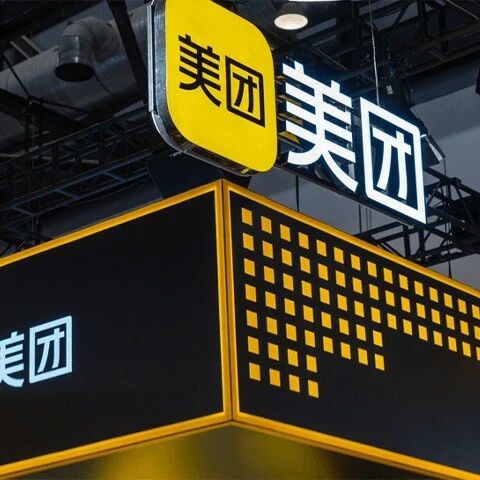
美团AI转向,前字节视觉模型AI平台负责人潘欣加入|36氪独家
36氪· 2025-12-11 13:37
Core Viewpoint - The article discusses Meituan's strategic focus on AI infrastructure amidst intense competition in the food delivery market, highlighting the company's aggressive approach to AI development and application [3][5]. Group 1: AI Talent Acquisition and Leadership - Pan Xin, a former partner at Flash Technology and head of visual model AI platform at ByteDance, has joined Meituan to lead multimodal AI innovation [4]. - Meituan's AI strategy is built on three levels: AI at work, AI in products, and building large language models (LLMs) [6]. Group 2: AI Model Development and Applications - Since 2025, Meituan has made significant progress in developing foundational models and applications, completing a multimodal foundation that includes language, visual, audio, and video capabilities [8]. - In October, Meituan launched AI tools like "Kangaroo Advisor" and "Smart Manager" for restaurant merchants, making them available for free to all industry players [9]. Group 3: Recruitment and Business Focus - Meituan has been actively recruiting AI talent, particularly in model training, with high standards for candidates primarily sourced from Alibaba, Tencent, and other leading tech firms [7]. - The company is shifting its focus from independent consumer-facing AI applications to integrating AI into its core business operations [11].
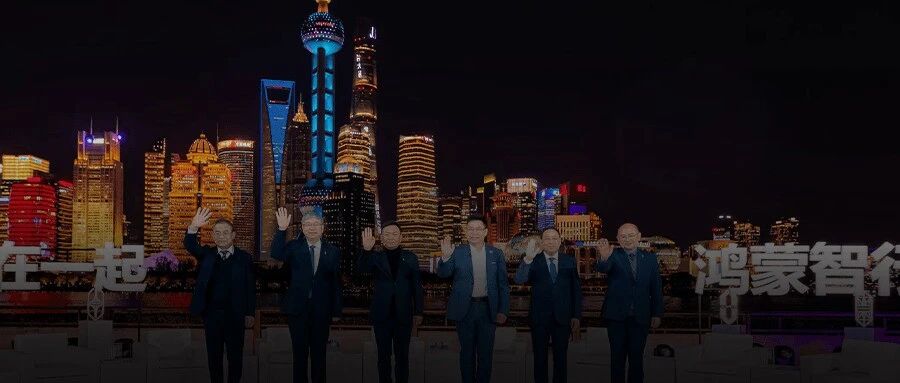
一场直播,看见鸿蒙智行「在一起」的力量
36氪· 2025-12-11 13:37
Core Viewpoint - The article highlights the successful collaboration of Huawei's HarmonyOS Intelligent Driving and five major Chinese automotive companies, marking a shift from single-brand competition to a collaborative ecosystem in the smart vehicle industry [1][3][20]. Group 1: Product Foundation - HarmonyOS Intelligent Driving has achieved significant milestones, delivering 1 million vehicles in 43 months, with a notable 83% year-on-year increase in deliveries in November, totaling approximately 81,864 units [1]. - The brand's models, including the AITO series, have seen impressive sales, with the Wanjie brand alone delivering about 51,000 units in November [1]. - The collaboration among the five brands aims to unify technology standards, service systems, and after-sales networks, indicating a new industrial cooperation model [3][20]. Group 2: Safety and Technology - Huawei's core competencies in smart technology, chips, and algorithms are being leveraged to enhance vehicle safety, as demonstrated by a user experience where satellite communication was used for emergency assistance [6][7]. - The Huawei Whale Battery platform has over 150 million battery cells in use, with no reported safety incidents, showcasing a commitment to high safety standards [7]. - The advanced driving assistance system (ADAS) has been optimized through extensive data training, improving real-world road understanding and safety [9][10]. Group 3: User Experience and Market Strategy - The user experience is enhanced through seamless integration of technology across devices, allowing for natural interactions and continuous connectivity [10][12]. - The launch of the Xiangjie S9T model has redefined market expectations, achieving over 30,000 pre-orders in just 66 days, indicating a successful shift from niche to mainstream [12]. - The sales strategy emphasizes a user-centric approach, with a focus on transparent service processes and high-quality after-sales support, which are critical for brand loyalty [14][16]. Group 4: Industry Transformation - The article emphasizes that the future of automotive competition will focus on building sustainable capability networks rather than just performance and pricing [20][22]. - The five brands under HarmonyOS Intelligent Driving are positioned to cater to different market segments while maintaining consistent safety and service standards [20]. - This collaborative approach represents a significant shift in the Chinese automotive industry, moving towards a model that integrates technology and user experience into the core of vehicle development [22][23].
在大厂,人人都想成为「老白兔」
36氪· 2025-12-11 13:37
Core Viewpoint - The article discusses the concept of "Old White Rabbits" in the internet industry, referring to long-tenured employees who are perceived as low performers but are difficult to remove due to their established positions and relationships within the organization [5][7][19]. Group 1: Definition and Origin - The term "Old White Rabbit" originated from a talent assessment matrix in a major internet company, categorizing employees based on values and performance, with "rabbits" representing those with good values but poor performance [7]. - As the internet industry matured, many early employees became "Old White Rabbits," characterized by long tenure, low output, and stable relationships, leading to a critical view of this group [8][9]. Group 2: Organizational Dynamics - The presence of "Old White Rabbits" is seen as a natural outcome of organizational structures that become rigid as companies mature, especially during periods of cost-cutting and efficiency drives [8][14]. - The article highlights that the elimination of "Old White Rabbits" is complicated by the need for stability in organizations, as removing them can lead to disruptions and further inefficiencies [24][25]. Group 3: Employee Perspectives - Employees express mixed feelings about "Old White Rabbits," recognizing their low productivity while also feeling the impact of their presence on team dynamics and overall morale [20][21]. - The article illustrates how younger employees often feel frustrated by the inefficiencies caused by "Old White Rabbits," who may resist collaboration and contribute to a toxic work environment [20][21]. Group 4: Cultural Implications - The article suggests that as companies face downturns, the reliance on familiar, albeit less productive, employees increases, making it challenging to replace them with more capable newcomers [24]. - The culture within organizations often shifts to accommodate the "Old White Rabbit" mentality, where survival strategies become focused on navigating internal politics rather than driving performance [27][32].

美国AI春晚,一盆凉水浇在Agent身上
36氪· 2025-12-11 10:00
Core Insights - The article discusses the emergence of AI Agents and the current state of AI infrastructure, highlighting the gap between the rapid development of AI Agents and the readiness of the underlying infrastructure to support them [3][5][9]. Group 1: AI Agent Development - The AI Agent era is recognized as having arrived, with significant announcements from Amazon Web Services (AWS) regarding AI infrastructure and management [5]. - There is a notable increase in interest and investment in AI Agents, with many developers and companies focusing on this area during major events like re:Invent [5][6]. - However, there is a contrasting sentiment among developers regarding the current capabilities of AI infrastructure, which is perceived as inadequate to support the demands of AI Agents [9]. Group 2: Infrastructure Challenges - Developers express concerns about the current state of AI infrastructure, citing weaknesses in cost management and AI-first capabilities [9][11]. - The high costs associated with AI model inference are a significant barrier, with estimates indicating that 80-90% of AI Agent costs are tied to inference [11]. - There is a call for a software revolution to better accommodate AI Agents, including the need for simpler interaction interfaces and the elimination of data silos [13][14]. Group 3: Investment Trends - A new wave of investment in AI infrastructure is emerging, with companies focusing on optimizing AI infrastructure to reduce inference costs [15]. - Major players like NVIDIA are making significant investments in AI infrastructure startups, indicating a trend towards enhancing the foundational technologies that support AI Agents [15]. - Database companies are also recognizing the importance of adapting their products to better interact with AI Agents, emphasizing the need for scalable solutions to meet the growing demand [15].


爱马仕继承人千亿家底被掏空:一场长达20年的「养猪局」
36氪· 2025-12-11 10:00
Core Viewpoint - The article discusses a bizarre financial fraud case involving Nicolas Puech, the fifth-generation heir of Hermès, who lost a significant portion of his wealth due to the actions of his financial manager, leading to a dramatic decline in his financial status [4][6][35]. Group 1: Fraud Case Details - Nicolas Puech discovered that stocks worth 100 billion yuan had disappeared, leading him to sue Bernard Arnault, the chairman of LVMH, claiming his shares were taken [6][10]. - After an audit, it was revealed that Puech had only 600,000 euros in cash and approximately 96 million euros in illiquid investments, a stark contrast to his previous wealth [12][13]. - Puech's financial manager, Eric Fremont, had manipulated his assets over the years, leading to a court ruling against Puech due to lack of evidence [14][15]. Group 2: Financial Manager's Role - Fremont claimed that his expenditures were gifts to Puech, and he had been in a personal relationship with him, complicating the case further [16][18]. - The financial manager had previously encouraged Puech to convert his shares into bearer stocks, making them easier to transfer without Puech's knowledge [14][18]. - Fremont died in a train accident, which was ruled a suicide, leaving many questions about the missing assets unanswered [20][21]. Group 3: Impact on Hermès and Luxury Market - Hermès, a leading luxury brand, reported revenues of 15.2 billion euros and a net profit of 4.6 billion euros in 2024, with a net profit margin of around 30% [25]. - The luxury market is experiencing a downturn, with major brands like LVMH and Kering reporting declines in profits and revenues [43][44]. - The number of luxury consumers has decreased from 400 million in 2022 to approximately 340 million in 2025, indicating a shift in consumer behavior towards more experiential spending rather than conspicuous consumption [47][48]. Group 4: Changing Consumer Trends - Older consumers are becoming more conservative, preferring investments in gold and jewelry, while younger consumers are shifting from ostentatious purchases to experiences [45][46]. - Luxury brands are attempting to reach a broader audience by engaging with everyday consumers, but these efforts have met with mixed reactions [52][54].

德国豪华巨头,要换掌门人了
36氪· 2025-12-11 10:00
Core Insights - The article discusses the upcoming leadership transition at BMW Group, highlighting the significance of Oliver Zipse's tenure and his strong focus on the Chinese market, which has been pivotal for the company's growth and strategy [6][8][18]. Group 1: Leadership Transition - Oliver Zipse, who has been the Chairman of BMW Group since August 2019, will officially step down in May 2024, coinciding with the company's annual shareholder meeting [6][16]. - Zipse has been recognized for his contributions during challenging times, including the COVID-19 pandemic, and has emphasized the importance of new models for the company's future [17]. - Milan Nedeljković, who will succeed Zipse, has a long history with BMW and is seen as a suitable candidate to lead the company through its next phase, particularly focusing on production efficiency and the rollout of the "New Generation" strategy [26][30]. Group 2: Focus on China - Zipse is noted for his frequent visits to China, referring to it as BMW's "second home," and has been a vocal advocate against EU tariffs on Chinese electric vehicles [8][17]. - Under Zipse's leadership, BMW achieved record sales in China in 2019, selling 723,700 units, which contributed to a global sales increase of 1.2% [18][19]. - Despite a decline in overall sales in China in 2025, BMW's electric vehicle sales have surged, with over 470,000 units sold, marking a 15% increase [21]. Group 3: Strategic Initiatives - The "New Generation" strategy, which aims to reshape BMW's future in the electric and intelligent vehicle era, is a key focus for the company, with the iX3 model set to debut in 2026 [22][24]. - BMW has established significant R&D capabilities in China, including four innovation bases and partnerships with local firms for battery production, indicating a commitment to local market adaptation [33]. - The leadership transition is seen as a critical moment for BMW, as the company must effectively translate its ambitious technological plans into market-ready products while maintaining profitability [30][31].

租一部手机,竟然背上了高利贷
36氪· 2025-12-11 10:00
Core Viewpoint - The article highlights the risks associated with the mobile phone rental industry, particularly focusing on the case of Qingyun Rent, which has been accused of operating a high-interest loan scheme disguised as a rental service [3][7]. Company Overview - Qingyun Rent is a platform specializing in the rental of 3C digital products, primarily Apple phones, offering investors annual rental yields of 14.4% to 16.8% through a full-service model [4]. - The company has expanded rapidly, establishing seven branches across major cities in China before its sudden collapse [7]. Operational Issues - Employees reported excessive overtime and restructuring efforts, indicating potential operational strain within the company [5]. - Qingyun Rent ceased operations abruptly, with reports of employees filing for labor arbitration after the company vacated its office [6]. Financial Practices - The company promised high returns to investors, which raised concerns about the sustainability of its business model [4][10]. - Allegations surfaced that the company was involved in deceptive practices, including using duplicate serial numbers for phones sold to different investors [9]. Industry Context - The mobile rental industry has been described as chaotic, with many companies potentially engaging in high-interest lending disguised as rental services [7][16]. - The article discusses the emergence of intermediaries who exploit individuals in debt by encouraging them to rent phones for cash, leading to deeper financial troubles [17]. Legal and Regulatory Concerns - The article references a court case involving mobile rental services being used for disguised high-interest lending, highlighting the legal implications of such practices [18][19]. - Qingyun Rent's operations are under investigation, with indications that the company may have connections to high-interest loan schemes [28]. Shareholder and Management Issues - The company's major shareholder, Bian Wenbin, claimed to be a nominee shareholder, raising questions about the true ownership and management structure [22]. - The rapid changes in ownership and the introduction of new investors shortly before the company's collapse suggest potential financial mismanagement [24][26].