21世纪经济报道

Search documents
工信部部署2026年重点工作,这些领域将迎利好
21世纪经济报道· 2025-12-27 12:35
Core Viewpoint - The primary task for 2026 is to "fully consolidate the stable and positive trend of the industrial economy," reflecting a shift in policy focus from "stabilizing growth" to "improving quality" [3][4][5] Group 1: Industrial Economic Stability - The meeting emphasizes the need to support industrial provinces and stabilize effective investment in manufacturing [4][5] - There is a focus on increasing the supply of green products, trendy products, and products for the elderly, aligning with market demand trends [4][5] - The shift from "promoting stable growth" to "consolidating a stable and positive trend" indicates a deeper understanding of the current industrial economic situation [3][4] Group 2: Traditional and Emerging Industries - The meeting outlines plans to optimize and enhance traditional industries through "smart empowerment," which integrates digital and intelligent technologies [8][9] - Specific industries such as steel, non-ferrous metals, and light industry are highlighted for transformation and upgrading [9] - New emerging pillar industries include integrated circuits, new displays, new materials, aerospace, low-altitude economy, and biomedicine [11][12] Group 3: Artificial Intelligence and Smart Manufacturing - The "Artificial Intelligence+" initiative is crucial for promoting the digital transformation of manufacturing [7][11] - The goal is to cultivate key industry intelligent entities and support the integration of artificial intelligence with manufacturing [7][11] - The focus on "smart empowerment" aims to enhance efficiency and create new opportunities for traditional industries [8][9] Group 4: Quality and Innovation in Enterprises - The meeting stresses the importance of nurturing high-quality enterprises, including "little giant" companies and manufacturing champions [16] - There is a commitment to improving the innovation capabilities of industries and addressing core technological challenges [15][16] - The establishment of a national integrated technology market and the promotion of a "pay after use" model for technological achievements are part of the strategy [15][16] Group 5: Information and Communication Industry - The information and communication sector is directed to enhance its service capabilities, with a focus on 5G integration across various economic sectors [16][17] - The introduction of frequency development guidelines is aimed at supporting the low-altitude economy and addressing industry bottlenecks [17] - The meeting highlights the need for effective governance and the elimination of "involution" competition in the industry [17]


豆包AI手机,打响APP入口争夺战
21世纪经济报道· 2025-12-27 12:35
Core Viewpoint - The emergence of the Doubao mobile assistant has sparked significant interest in the smartphone industry, being recognized as a "truly AI phone" due to its autonomous cross-application capabilities, although it faces challenges regarding user privacy and data permissions [1][3][5]. Group 1: Doubao Mobile Assistant and Industry Response - The Doubao mobile assistant was launched at the end of 2025, creating a stir in the smartphone market due to its ability to operate autonomously across applications [1]. - Despite the initial excitement, the Doubao mobile assistant encountered restrictions in its application usage, leading to an announcement regarding adjustments to its AI operational capabilities [1][3]. - The assistant's features are not significantly different from previously demonstrated smart applications by other manufacturers, indicating that while technology is evolving, commercial application remains a challenge [5][6]. Group 2: Challenges and Legal Considerations - The core challenge for AI phones, including the Doubao assistant, lies in legal disputes over cross-application automation and whether it infringes on the interests of internet companies [6]. - Current compliance standards are inadequate for the demands of AI, which seeks to perform tasks across multiple applications, highlighting a "standard vacuum" in the industry [6][15]. - The need for a unified protocol and open ecosystem is emphasized, as the integration of multiple agents requires collaboration between smartphone manufacturers and third-party service providers [15]. Group 3: Technological Advancements and Market Dynamics - The rapid improvement of domestic open-source large models has provided a solid foundation for the iterative development of AI phones, shifting focus from cloud-based models to offline capabilities [3][11]. - The introduction of the AutoGLM model and its open-source nature marks a significant step towards "technological equality," potentially leading to an explosion of edge AI applications [10]. - The competition in AI phones is evolving from mere hardware specifications to a comprehensive race involving edge capabilities, ecosystem openness, and user experience [17]. Group 4: Future Prospects and Ecosystem Development - The ultimate competition in AI phones is fundamentally about ecosystem development, requiring breakthroughs in technology and the establishment of an open collaborative framework [15]. - The industry faces three main challenges: ecosystem openness, cross-application scheduling permissions, and user habit formation [15]. - The trend of software and hardware boundaries blurring is evident, with companies exploring AI hardware to enhance data collection and user interaction [16][17].

明年1月起,部分公积金贷款可降月供
21世纪经济报道· 2025-12-27 11:14
Core Viewpoint - The People's Bank of China announced a reduction in personal housing provident fund loan interest rates, effective from May 8, 2025, which will lower monthly payments for borrowers [1][2]. Interest Rate Adjustments - The new interest rates for first-time homebuyers will be 2.1% for loans of 5 years or less and 2.6% for loans over 5 years, down from 2.35% and 2.85% respectively [1][2]. - For second-time homebuyers, the rates will be adjusted to 2.525% for loans of 5 years or less and 3.075% for loans over 5 years, compared to the previous rates of 2.775% and 3.325% [2]. Financial Impact - A typical family borrowing 1.2 million yuan over 30 years will save approximately 57,100.85 yuan in interest for a first home and 59,070.01 yuan for a second home due to the rate adjustments [2]. - For families with multiple children borrowing 1.56 million yuan, the savings will be around 74,229.62 yuan for a first home and 76,789.24 yuan for a second home [2]. Policy Enhancements - Various cities are enhancing housing support through provident fund policies, such as increasing loan limits for first and second homes in Tianjin and lowering down payment ratios in Foshan [3][4]. - Policies are becoming more refined, with specific adjustments for families with multiple children, such as increased loan limits in Yunnan [3][4]. Rental Support Initiatives - Cities are also increasing support for rental housing, with Shijiazhuang raising the annual rental withdrawal limit from 15,000 yuan to 18,000 yuan per person [4]. - Some regions are optimizing the process for withdrawing provident funds for rent, allowing direct monthly payments for certain rental agreements [4]. Expanded Usage of Provident Funds - Some cities are allowing provident fund withdrawals for non-housing expenses, such as property fees and heating costs, and expanding the range of medical conditions eligible for fund withdrawals [5]. - There is a push to increase participation in the provident fund system among flexible employment workers, with policies in place to facilitate their access to loans and tax benefits [5]. Intercity Recognition of Provident Funds - Many regions are advancing the mutual recognition of provident funds across cities, allowing for easier access to funds for home purchases and repayments nationwide [6].

国盛证券研究所分析师集体出走
21世纪经济报道· 2025-12-27 11:14
Group 1 - The core viewpoint of the article highlights the significant personnel changes at Guosheng Securities, with key analysts leaving for other firms, raising concerns about talent retention and the impact on research capabilities [1][3][5] - Liu Gaochang, a prominent analyst who specialized in the computer industry, has officially joined Guojin Securities as the chief analyst and deputy director of the research institute, indicating a shift in talent within the industry [1][3] - The article notes that Guosheng Securities has seen a decline in its commission income from research, with a reported 28.35% decrease in the first half of 2025 compared to the previous year, ranking 21st in the industry [1][8] Group 2 - The article discusses the broader trend of analyst turnover in the securities industry, with at least five analysts from Guosheng Securities having their professional records removed from the Securities Association as of December [5][10] - It mentions that Guosheng Securities has been actively recruiting new research teams to fill the talent gap created by the departures, indicating a proactive approach to maintaining research output [1][5] - The research business is undergoing a transformation, shifting from traditional sell-side operations to a focus on industry research and asset allocation, as firms adapt to declining commission revenues [10][11]

中国ETF规模首破6万亿元,8只ETF年内涨幅翻倍
21世纪经济报道· 2025-12-27 08:24
记者丨李益文 实习生张天藉 编辑丨叶映橙 2025年12月26日,中国公募基金市场迎来标志性里程碑—— ETF(交易型开放式指数基金)总规模正式突破6万亿元大关,达到 6.03万亿元,年内ETF规模增加2.29万亿元,同比增长突破60% ,市场规模与吸引力迈上新台阶。 视频制作:柳润瑛 这一规模跨越的背后,是中国ETF市场从"缓步积累"到"跨越式增长"的进阶轨迹。回顾行业历程,2004年12月国内首只ETF上市 后,市场规模长期处于低速增长通道:2020年10月首次突破1万亿元,这一过程历时近16年。 从1万亿元到2万亿元的跨越则用了3年时间,2023年底规模定格在2.05万亿元。而自2024年起,市场迈入爆发式增长阶段: 2024年全年规模增长1.68万亿元,2025年8月突破5万亿元,12月即站上6万亿元关口,从5万亿元到6万亿元的万亿级跨越仅耗时 4个月,创下了万亿元整数关口的最快跨越纪录。 设计:刘妍妍 规模突破6万亿元的同时,ETF市场的产品结构也日益多元和均衡。21财经·南财快讯记者据Wind统计, 当前全市场ETF基金数量已 突破1391只, 2025年年内新发产品达352只,新发份额2,635 ...

这些全球首发的硬核科技,都来自同一个地方
21世纪经济报道· 2025-12-27 08:24
Core Viewpoint - The article highlights the emergence of Guangdong as a global launchpad for innovative technologies and products, driven by the "premiere economy" that transforms exhibition traffic into tangible orders, thereby enhancing the region's influence in the global market [1][2]. Group 1: Premiere Economy - The premiere economy is characterized by the rapid launch of new technologies and products at global exhibitions, such as the AIE, which has led to significant sales in markets like the US, Canada, and the UK [1]. - Guangdong's "14th Five-Year Plan" emphasizes the development of the premiere economy, focusing on cities like Guangzhou and Shenzhen to enhance product visibility and brand reputation [1]. - The premiere platforms in Guangdong are not limited to offline sales but aim to create comprehensive environments for technology display, interactive experiences, and feedback collection [1]. Group 2: Technological Innovation - Guangdong is transitioning from a "manufacturing base" to a "premiere highland" for global technological innovation, showcasing numerous world-first technologies, including the first operational certificate for unmanned aerial vehicles and advanced robotics [4]. - The region has seen significant technological breakthroughs, such as the world's first humanoid robot capable of performing complex movements and the introduction of innovative products like the MAXHUB X7 quadruped robot [4][10]. - The dynamic cycle of "technological breakthroughs—premiere validation—innovation feedback" is effectively shortening the distance between technology and market [7]. Group 3: Global Market Positioning - Guangdong's strategic location, backed by Hong Kong and Macau, positions it as a gateway for international brands entering China and for Chinese manufacturing to reach global markets [2][9]. - The region's robust manufacturing ecosystem and flexible supply chain facilitate rapid transformation of technological achievements into market-ready products [2][10]. - The premiere economy allows Guangdong to redefine its ecological position in the global industrial landscape, attracting quality buyers and overseas investment [9][12]. Group 4: Industry Development - The integration of various industries in Guangdong, supported by favorable policies and a strong innovation ecosystem, is driving the transformation of traditional manufacturing into high-tech production [11]. - Companies like ExxonMobil and TCL are establishing new production lines in Guangdong, contributing to the region's economic dynamism and enhancing the product structure for a "second wave" of globalization [11]. - The collaboration between Macau and the Greater Bay Area is fostering a unique environment for cross-border technological trials and innovation, enhancing the region's attractiveness to international tech firms [11].





首批国家级零碳园区建设名单出炉
21世纪经济报道· 2025-12-27 08:24
Core Viewpoint - The first batch of national-level zero-carbon park construction lists has been released, comprising 52 parks across 31 provinces, indicating a significant step towards achieving near-zero carbon emissions in industrial zones [1][10]. Summary by Sections Zero-Carbon Park Definition and Importance - Zero-carbon parks are designed to reduce carbon emissions from production and living activities to "near-zero" levels, with the potential to achieve "net-zero" conditions [5]. - The construction of zero-carbon parks is a key part of national strategic deployment, aiming to lower carbon emissions to about one-tenth of the current national average [5][6]. Key Indicators for Zero-Carbon Parks - The construction of national-level zero-carbon parks is guided by a framework of "1 core indicator + 5 guiding indicators" [12][13]. - Core Indicator: Carbon emissions per unit energy consumption must be ≤0.2 tons/ton of standard coal for parks consuming 20-100 million tons of standard coal annually, and ≤0.3 tons/ton for those consuming ≥100 million tons [2]. - Guiding Indicators: - Clean energy consumption ratio > 90% - Unit energy consumption of products meets or exceeds secondary energy consumption standards - Industrial solid waste utilization rate ≥ 80% - Comprehensive utilization rates of waste heat/cold/pressure > 50% - Industrial water reuse rate ≥ 80% [2][14]. Construction and Operational Strategies - The parks will serve as experimental fields for new energy systems, focusing on direct supply of green electricity and energy storage solutions [6]. - The construction emphasizes a tailored approach based on local resources and industrial bases, promoting a coordinated regional development model [6][10]. Economic and Competitive Advantages - Zero-carbon parks are expected to enhance the green competitiveness of enterprises by lowering energy consumption and carbon emissions, thus improving production processes and technology [15]. - They will also help businesses comply with international green trade regulations, providing a competitive edge in the global market [15][7]. Investment and Funding Requirements - The investment required for constructing national-level zero-carbon parks varies significantly based on park type, scale, and foundational conditions, typically ranging from tens to hundreds of billions of RMB [16]. - Funding sources include enterprise investments, market-driven energy projects, and social capital, with a phased implementation approach to manage costs effectively [16].

大棚、牛羊都能当抵押物贷款了,三部门力挺乡村振兴
21世纪经济报道· 2025-12-27 06:55
Core Viewpoint - The recent notification from the People's Bank of China, Ministry of Agriculture and Rural Affairs, and Financial Regulatory Bureau introduces a solution to the financing difficulties faced by agricultural enterprises by allowing agricultural facilities and livestock to be used as collateral for loans, thereby supporting rural revitalization [1]. Group 1: Key Assets for Collateral - Two types of agricultural assets are now eligible for collateral: agricultural facilities and livestock, addressing the long-standing issue of insufficient collateral for loans [2]. - Agricultural facilities must meet specific criteria for ownership clarity and investment value, while livestock must have clear ownership and be identifiable through digital means [2]. Group 2: Digital Management and Verification - The notification outlines a digital approach for asset verification, including a clear registration process for agricultural facilities and the use of electronic tags and biometric identification for livestock [2][3]. - Encouragement for regions to develop digital management platforms for these assets, including unique QR codes for tracking and management [3]. Group 3: Financial Product and Service Innovation - Financial institutions are encouraged to create tailored loan products for agricultural facilities and livestock, including supply chain financing and insurance-linked financing models [4]. - The notification promotes the optimization of loan terms to align with the agricultural production cycle, ensuring that the value of collateral matches the loan amount throughout the loan period [5]. Group 4: Risk Management Enhancements - Strengthening risk management through a national agricultural credit guarantee system and improved insurance policies to cover agricultural loans [5]. - Financial institutions are advised to monitor the value of collateral and implement measures in case of asset depreciation or other risks [5]. Group 5: Asset Liquidation Channels - Clear pathways for asset liquidation in case of loan default, including the establishment of multi-level rural property trading platforms and pre-trading agreements to facilitate quick asset sales [6]. - Encouragement for financial asset management companies and agricultural enterprises to engage in the acquisition of non-performing assets [6]. Group 6: Target Beneficiaries - The new policy prioritizes regions around major cities, agricultural clusters, and large livestock counties, focusing on capable agricultural operators and medium to large agricultural enterprises [7]. - Local departments will coordinate to address implementation challenges and promote the policy through various media channels [7].

万亿航母级基金,正式启动
21世纪经济报道· 2025-12-27 06:55
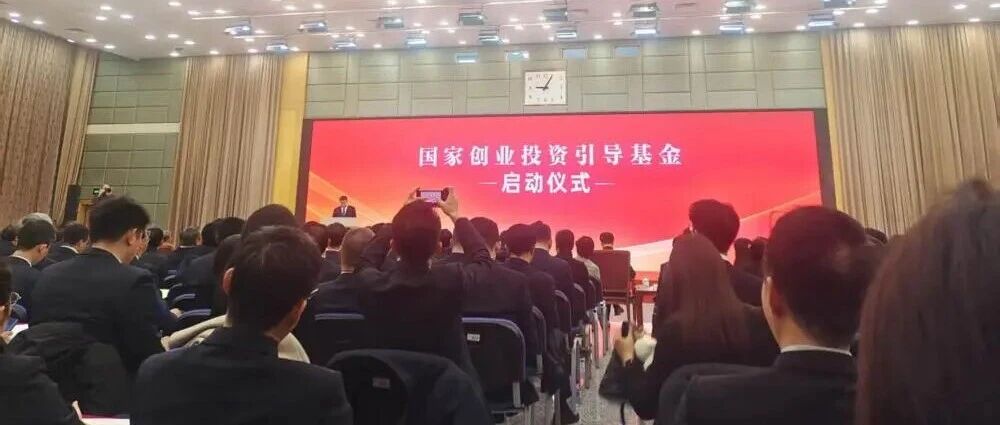
记者丨申俊涵 赵娜 编辑丨林坤 视频丨 柳润瑛 12月26日,"航母级"的国家创业投资引导基金(简称"引导基金")正式启动,为耐心资本实践立下新标杆。 据悉,引导基金使用超长期特别国债资金出资,在国家层面由财政出资1000亿元,在区域基金、子基金层面积极鼓励社会资本参 与。 引导基金发挥中央资金引领带动作用,广泛吸引地方政府、中央企业、金融机构、民间资本等多方参与,形成万亿资金规模,通过 投基金、投企业、投项目,加大对战略性新兴产业和未来产业支持力度,加快培育和发展新质生产力。 在定位上,坚持做早期基金、耐心基金、市场化基金和标杆基金;架构上,开创性设立"基金公司—区域基金—子基金"的3层架构; 投资上,坚持投早、投小、投长期、投硬科技的"4投"导向;期限上,设置20年存续期;绩效考核方面,不简单以单个项目或单一年 度的盈亏作为考核依据。 据悉,在此次的启动仪式上,3只区域基金共与49只子基金、27个直投项目签订投资意向,管理团队已经与各只基金和项目充分沟 通,预计近期可完成一批重点子基金和直投项目投资。未来,引导基金将推动在三个区域设立超过600只子基金,服务新兴产业和未 来产业发展。 "引导基金最大的亮点 ...
央行发布重磅报告,背后信号很大
21世纪经济报道· 2025-12-27 05:28
Core Viewpoint - The People's Bank of China (PBOC) released the "China Financial Stability Report (2025)", indicating that the financial system is generally stable, with overall risks under control and financial institutions operating within reasonable parameters [1]. Group 1: Financial System Stability - The report emphasizes the need for increased counter-cyclical and cross-cyclical adjustments to continuously prevent and mitigate risks in key areas, aligning with the directives from the Central Economic Work Conference and the Central Financial Work Conference [3]. - It highlights the importance of maintaining ample liquidity and promoting stable growth in social financing costs, while ensuring the stability of the RMB exchange rate [3]. Group 2: Long-term Capital Market Development - The report outlines a collaborative effort among various regulatory bodies to enhance the institutional environment for long-term investments, aiming to significantly increase the scale and proportion of long-term capital invested in A-shares [2][16]. - It stresses the importance of a healthy cycle between the preservation and appreciation of long-term capital, stable capital market operations, and high-quality development of the real economy [2][16]. Group 3: Support for Technology and Innovation - The PBOC plans to deepen financial supply-side structural reforms to support technology finance, focusing on early, small, long-term, and hard technology investments [6]. - It aims to enhance credit support for technology SMEs and promote high-quality development in the venture capital sector [6][7]. Group 4: Financing Platform Risk Mitigation - The report indicates that significant progress has been made in mitigating financing platform debt risks, with a notable reduction in the scale of operating financial debt by approximately 25% compared to the beginning of 2023 [8]. - It emphasizes the need for continued support for debt restructuring and maintaining financing for key areas and projects [9]. Group 5: Interest Rate Marketization - The PBOC is committed to advancing interest rate marketization reforms, focusing on improving the pricing capabilities of financial institutions and ensuring a balance between supporting the real economy and sustainable operations [10][11]. Group 6: Market Value Management for Listed Companies - The China Securities Regulatory Commission (CSRC) has introduced a market value management system to guide listed companies in enhancing their quality and investment value [12]. - The report outlines four key areas for future work, including regular visits to listed companies, promoting quality improvements, enforcing management responsibilities, and increasing regulatory oversight to prevent market risks [12][14]. Group 7: Liquidity Risk Monitoring - The PBOC has conducted liquidity stress tests on open-ended bank wealth management products, finding that overall liquidity risks are manageable [15]. - It plans to enhance daily monitoring of liquidity risks and address potential risks arising from external shocks [15]. Group 8: Macro-Prudential and Financial Stability Functions - The PBOC aims to expand its macro-prudential and financial stability functions, continuously optimizing existing tools and exploring new financial instruments to maintain market stability [17][18].