创业家

Search documents
扶了王健林一把的男人,千万股权被冻结
创业家· 2025-09-14 10:07
Core Viewpoint - The article highlights the recent stock freeze of Ke Liming, a key figure in the film industry and the actual controller of Wanda Film, which has drawn public attention due to its implications for Wanda's debt management and corporate restructuring [4][10]. Group 1: Stock Freeze and Corporate Control - Ke Liming's shares in Shanghai Ruyi Film Production Co., Ltd. and Shanghai Ruyi Investment Management Co., Ltd. have been frozen for a total of 12.87 million RMB for three years, as per the Jinan Intermediate People's Court [9][10]. - Ke Liming became the actual controller of Wanda Film after a series of capital operations, taking over from Wang Jianlin, who has been selling assets to alleviate Wanda's debt pressure [4][12]. - The stock freeze has negatively impacted Wanda Film's stock price, which saw declines of 0.68%, 3.01%, and 1.06% over three consecutive days following the news [10]. Group 2: Ke Liming's Background and Business Ventures - Ke Liming, born in 1982, has a background in finance and has been involved in the film industry since 2012, gaining recognition for investing in successful films like "So Young" [18][22]. - He is also the main stakeholder in the Hong Kong-listed company China Ruyi, which has diversified investments in film production, online streaming, gaming, and mergers and acquisitions [4][22]. - As of 2025, Ke Liming's wealth is estimated at 10.39 billion RMB, ranking him 329th on the New Fortune 500 list, reflecting a significant increase of 1.75 billion RMB from the previous year [4][22]. Group 3: Wanda Film's Financial Performance - Wanda Film reported a revenue of 6.689 billion RMB for the first half of 2025, marking a year-on-year increase of 7.57%, and a net profit of 536 million RMB, a substantial rise of 372.55% [14][16]. - The company has maintained its position as the top player in the domestic film market for 16 consecutive years, with a market share of 14.4% and a box office revenue of 4.21 billion RMB from its directly operated cinemas [15][16]. - Membership growth has been robust, with a 40% increase year-on-year, bringing the total to approximately 80 million members, which has contributed to 37.6% of the box office revenue [16].


吴世春:一个企业的创始人,要在人脉和链接上多下功夫
创业家· 2025-09-14 10:07
Core Insights - The article emphasizes that entrepreneurs often face developmental bottlenecks that require elevating their understanding and approach to problem-solving [3][11][12] - It suggests that solutions to issues in sales, product, design, and aesthetics must be addressed at higher cognitive levels, advocating for a shift in perspective [4][5][6][7] - The importance of networking and learning from successful peers is highlighted as a critical strategy for overcoming challenges [13][14] Group 1 - Entrepreneurs should seek out individuals with higher levels of understanding and thinking to exchange ideas and insights [11] - It is essential for entrepreneurs to elevate their own cognitive levels to effectively tackle existing problems [12] - Networking is portrayed as a valuable asset for entrepreneurs, with connections being equated to value [13] Group 2 - The article mentions a planned offline learning event in Sichuan, where entrepreneurs can explore innovative growth strategies and collaborate with peers [14][21] - The event will feature deep engagement with industry leaders and focus on various sectors, including robotics, smart manufacturing, and satellite communications [22][34] - Participants will gain insights into capital trends and strategies for navigating industry challenges [24][38]

西贝贾国龙:哪怕生意不做了,和罗永浩的官司一定要打
创业家· 2025-09-13 10:05
Core Viewpoint - The article discusses the ongoing conflict between Jia Guolong, CEO of Xibei, and Luo Yonghao, a prominent internet celebrity, highlighting the impact of Luo's criticism on Xibei's business and the subsequent legal actions taken by Jia to defend the company's reputation [6][7][19]. Group 1: Impact on Business - Xibei's daily revenue dropped significantly, with a reported decrease of 1 million yuan on September 10 and 11, and an estimated drop of 2 to 3 million yuan on September 12 due to Luo's online attacks [14][19]. - The conflict has led to a drastic reduction in customer traffic, which Jia describes as a "cliff-like decline" [14][33]. - Jia expressed his determination to recover customer trust, stating that he believes loyal customers will return despite the current challenges [19][21]. Group 2: Legal Actions and Responses - Jia confirmed that he intends to pursue legal action against Luo, emphasizing that the decision is not impulsive but a necessary step to clarify the truth [19][20]. - Despite receiving advice to take a more conciliatory approach, Jia remains firm in his decision to confront Luo directly, indicating a strong commitment to defending Xibei's reputation [21][22]. - Jia's approach contrasts with typical customer service responses, as he prioritizes addressing the issue publicly rather than offering apologies or discounts [17][22]. Group 3: Crisis Management - Jia characterized the situation as the largest external crisis Xibei has faced, primarily due to the negative publicity generated by a high-profile individual [28][33]. - He noted that previous crises were mostly internal, related to management or strategic errors, making this external attack unprecedented for the company [33][35]. - Jia believes that overcoming this crisis will ultimately strengthen Xibei's organizational capabilities [34]. Group 4: Clarification on Product Offerings - In response to accusations of serving pre-prepared dishes, Jia clarified that while Xibei employs pre-preparation techniques, it does not serve pre-prepared meals as defined by industry standards [39][45]. - He explained that the company focuses on quality and freshness, using pre-preparation methods to enhance efficiency without compromising on the quality of the dishes served [42][46]. - Jia emphasized the importance of distinguishing between pre-preparation and pre-prepared meals, asserting that Xibei maintains high standards in its food offerings [45][46].

一个小小的杯子,我卖了近50亿
创业家· 2025-09-13 10:05
Core Insights - The article emphasizes the importance of understanding user needs and perspectives in product design, illustrated through a personal experience of a child suffering from a burn due to hot water [23][28]. - It highlights the successful development of the "55-degree cup," which addresses the unmet need for a product that can safely cool hot water for children, achieving significant sales of nearly 5 billion yuan in its first year [28]. Group 1: Product Development and User Needs - The founder of LKK Design, Jia Wei, reflects on the critical moment that led to the creation of the "55-degree cup," which can cool boiling water to a safe drinking temperature [26][28]. - The article discusses the lack of products designed to prevent burns from hot liquids, indicating a gap in the market that the "55-degree cup" successfully fills [23][24]. - The experience of the child’s injury prompted a deeper understanding of user needs and the importance of empathy in product design [23][25]. Group 2: Product Philosophy and Market Strategy - Jia Wei introduces the concept of "product three views," which includes user perspective, product value, and product worldview, essential for successful product development [29][30]. - The article suggests that to create effective products, companies must establish a correct understanding of these three views, similar to how individuals have their own worldviews [31][32]. - The success of the "55-degree cup" serves as a case study for how aligning product design with user needs can lead to market success [28][29]. Group 3: Industry Insights and Future Trends - The article outlines a course aimed at teaching companies how to innovate products and expand brands in the current market landscape, featuring industry leaders and experts [33][35]. - It discusses the transformation of consumer behavior and the necessity for companies to adapt to these changes through innovative product development and understanding market demands [40][41]. - The course will cover strategies for navigating the challenges of a saturated market and leveraging technology to enhance product offerings [42][43].

吴世春:我投创业者从不看学历,更看重这四个能力
创业家· 2025-09-12 10:21
Core Viewpoint - Entrepreneurship is extremely challenging, and successful entrepreneurs possess unique qualities that set them apart from others [3][4]. Group 1: Entrepreneurial Qualities - Successful entrepreneurs are characterized by resilience and the ability to endure hardships, often described metaphorically as "chewing glass" and "walking with mud on their feet" [3]. - Academic credentials such as degrees from prestigious universities are not considered indicators of entrepreneurial success; practical skills and personal attributes are prioritized [5][6]. - Key qualities that are valued in entrepreneurs include strong psychological resilience, deep understanding, broad vision, and a calm mindset [7][9][10]. Group 2: Investment Insights - The company manages funds exceeding 100 billion, having invested in over 600 companies and assisted 13 in going public [11][12]. - An estimated investment of no less than 1.5 billion is expected in the second half of the year [13]. - The company is actively seeking new growth engines through initiatives such as a field trip to explore innovation in underdeveloped areas [14]. Group 3: Event Details - An upcoming event led by a notable mentor will focus on industries such as aerospace technology, consumer technology, and robotics, aiming to explore collaborative ecosystems and unlock new market opportunities [18]. - Participants will engage in deep learning experiences, networking with industry leaders, and gaining insights into capital trends and entrepreneurial strategies [20][21]. - The event will include various activities such as hiking, discussions, and workshops designed to enhance participants' understanding of industry dynamics and innovation [28][30].
马云的朋友圈又热闹起来了
创业家· 2025-09-12 10:21
Core Viewpoint - The article discusses the resurgence of Yunfeng Financial, a company co-founded by Jack Ma and Yu Feng, highlighting its recent activities and strategic moves in the digital currency space, as well as its impressive financial performance. Group 1: Company Overview - Yunfeng Financial, established 15 years ago, has evolved from a private equity firm to a significant player in the financial market, with Yu Feng often referred to as "Jack Ma's right-hand man" [5][6]. - The company recently received approval from the Hong Kong Securities and Futures Commission to offer virtual asset trading services, including Bitcoin and Ethereum [5][11]. Group 2: Financial Performance - For the first half of 2025, Yunfeng Financial reported a net profit of HKD 486 million, a substantial increase of 142% compared to the previous year, marking its best mid-year performance since its listing [11][12]. - The company has strategically invested USD 44 million in acquiring 10,000 Ethereum as part of its asset reserve [11][12]. Group 3: Strategic Partnerships - Yunfeng Financial announced a strategic partnership with Ant Group's Ant Financial and invested in the Pharos blockchain, which aims to facilitate the transition of traditional assets to the blockchain [14]. - The collaboration with Ant Group positions Yunfeng Financial as a trusted partner in the digital currency strategy, leveraging its licensed status and market presence [14]. Group 4: Leadership and Team Expansion - Recent appointments to Yunfeng Financial's board include Liang Xinjun, former CEO of Fosun International, and Lu Minfang, former president of Mengniu, indicating a strategic expansion of leadership [5][23][24]. - The recruitment of these industry veterans reflects Yunfeng Financial's ambition to strengthen its operational capabilities and market positioning [23][24].

创业团队,需要这两种人
创业家· 2025-09-12 10:21
Core Insights - Entrepreneurship is a collective effort, requiring a broad vision and an open mindset from founders [1] - Successful teams should consist of individuals who can inspire others and those who are goal-oriented, proactive, and decisive [1] Group 1: Event and Activities - A learning event led by Wu Shichun is scheduled from September 21 to 23, focusing on exploring innovative growth engines in Sichuan [3][10] - Participants will engage in deep discussions with industry leaders and investors, enhancing their understanding of capital trends and industry dynamics [12][13] - The event includes immersive learning experiences, covering topics from technological innovation to commercialization strategies [13][28] Group 2: Investment Opportunities - Wu Shichun anticipates investing no less than 1.5 billion in quality projects in the second half of the year [6] - The event aims to connect entrepreneurs with potential investors, fostering collaboration and problem-solving in real-time [13][28] - The focus will be on sectors such as satellite communication, smart manufacturing, and hard technology, which are seen as key growth areas [24][27] Group 3: Featured Speakers and Mentors - Wu Shichun, a prominent angel investor and founder of Meihua Venture Capital, has managed over 10 billion in funds and invested in over 600 companies [15] - 彭媛媛, founder of Xingyi Lianxin, will discuss satellite manufacturing and commercialization, highlighting advancements in the satellite internet sector [19][28] Group 4: Target Audience - The event targets entrepreneurs and companies in various sectors, including robotics, smart manufacturing, low-altitude economy, and satellite communication [24][27] - Participants will benefit from networking opportunities with 100 elite entrepreneurs, facilitating knowledge exchange and collaboration [13][28]

俞敏洪:做生意首先要解决痛点
创业家· 2025-09-11 10:18
Core Viewpoint - The article emphasizes the importance of addressing customer pain points in business, suggesting that entrepreneurs should base their business models on genuine customer needs and ensure that solutions do not create new pain points while targeting sufficiently large markets [1]. Group 1: Event Overview - The article promotes an upcoming offline learning event led by Wu Shichun, aimed at exploring innovation in lower-tier markets and seeking new growth engines [2][5]. - The event is scheduled for September 21-23, 2025, in Luzhou, Sichuan, and will involve 100 entrepreneurs [2][8]. Group 2: Learning Outcomes - Participants will engage in a deep-linking journey with industry leaders and investors, enhancing their understanding of the industry ecosystem [11]. - The event will provide immersive learning experiences, covering topics from technological innovation to commercialization strategies [11]. - Attendees will gain insights into capital trends and strategies for occupying high points in the industry [11]. Group 3: Target Audience - The event targets various sectors, including robotics, smart manufacturing, low-altitude economy, satellite communication, and technology-driven consumer goods [24][25][26][27]. Group 4: Notable Mentors - Wu Shichun, a well-known angel investor and founder of Meihua Venture Capital, will lead the event, having managed over 10 billion in funds and invested in over 600 companies [13]. - The event will also feature other industry experts, including founders of successful startups in the satellite communication sector [17]. Group 5: Event Schedule Highlights - The schedule includes networking sessions, cultural exploration, and discussions on entrepreneurship and innovation [19][20][21][23][28]. - Specific activities include a welcome dinner, group tasks, and a peak dialogue with Wu Shichun [22][28].

朱啸虎:未来5到10年,中国还有三个巨大的时代红利
创业家· 2025-09-11 10:18
Core Viewpoint - The article discusses three major market opportunities in China over the next 5-10 years, highlighting the potential of the aging population, pet ownership, and the chain retail industry as significant areas for investment and growth [3][4][5][6][7]. Group 1: Market Opportunities - The aging population presents a significant market opportunity, with 20 million new retirees each year who have disposable income and time to spend, contributing to the silver economy [5]. - Pet ownership is on the rise, with households treating pets as family members, leading to substantial monthly expenditures on pet care [6]. - The chain retail industry in China is still underdeveloped compared to countries like the US, Japan, and Hong Kong, indicating a large potential for growth in this sector [7][8]. Group 2: Event Promotion - An immersive course titled "Black Horse Consumption Rise" will take place from October 17-19 in Shenzhen, featuring industry leaders who will share insights on product innovation and brand expansion in the current market landscape [10][11]. - The course aims to dissect how Japanese and Chinese consumer companies succeed in the current market, focusing on product innovation and the integration of technology with consumer needs [15][16]. Group 3: Insights from Industry Leaders - The article emphasizes the importance of transforming technology into user-perceived value, as demonstrated by successful Japanese companies like Sony and Uniqlo, which focus on understanding consumer needs rather than just technological specifications [15]. - AI is reshaping consumer products, and future market leaders will be those who can effectively merge demand with algorithmic solutions [15][18]. - The course will feature discussions on how to navigate the challenges of market saturation and competition, particularly in the context of AI-driven consumer products [18][19].

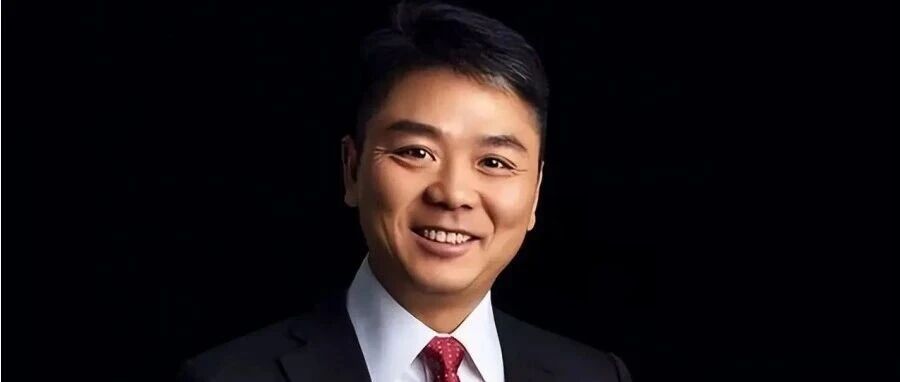
刘强东,“买买买”
创业家· 2025-09-11 10:18
Core Viewpoint - Liu Qiangdong is actively pursuing international expansion through significant acquisitions, including logistics assets in Singapore and consumer electronics retailers in Europe and Hong Kong, totaling approximately 200 billion yuan [5][12][13]. Group 1: Recent Acquisitions - Liu Qiangdong's recent acquisition of logistics assets in Singapore involves a transaction price of 306 million SGD, approximately 1.7 billion yuan [5]. - The logistics assets include properties located in key industrial areas of Singapore, with a total building area of about 186,346 square meters and an average remaining land lease of 27 years [22]. - The largest asset in the acquisition is a logistics hub on Pandan Avenue, valued at 14 million SGD, accounting for half of the total transaction price [19]. Group 2: Strategic Partnerships - The acquisition is a collaborative effort with Swiss investment firm UBS and Eza Hill, which is backed by Hillhouse Capital [24][25]. - Eza Hill has been actively acquiring logistics assets in Southeast Asia, including a recent purchase of logistics properties in Jakarta valued at 148 million USD [29]. - The partnership aims to establish a REIT with a target scale exceeding 1 billion USD, marking a significant move in the Singapore REIT market [33]. Group 3: International Expansion Strategy - Liu Qiangdong emphasizes internationalization as a key direction for JD's future, with over 2,000 employees and logistics networks covering 19 countries [16]. - Successful acquisitions in Europe and Hong Kong will serve as strategic footholds for JD's internationalization efforts [17]. - The logistics sector is identified as a critical area for JD's future growth, with plans to enhance supply chain capabilities globally [18][39]. Group 4: Supply Chain Development - Liu Qiangdong's logistics investments are seen as foundational to his business empire, with four out of six listed companies under his control related to logistics [41]. - Recent investments include a 50 billion yuan logistics infrastructure fund targeting key urban areas in China [36]. - The goal is to achieve over 100% growth in global self-operated overseas warehouse space by the end of 2025 [39].