
半导体行业观察

Search documents
ICCAD 探馆直播!五大厂商共话AI算力的中国生态
半导体行业观察· 2025-11-14 01:44
Core Insights - The article emphasizes that computational power is becoming the "first productive force" in the era of accelerated AI large models, with China's intelligent computing scale expected to grow by 74.1% year-on-year in 2024 [1] - The industry is facing significant challenges, including the "memory wall," "process wall," and "interconnect wall," prompting rapid advancements in technologies such as Chiplet advanced packaging, heterogeneous computing, RISC-V architecture innovation, and distributed clusters [1] - A live forum titled "Building the AI Computing Ecosystem in China" is being organized to address these challenges, featuring key players in the semiconductor industry [1] Group 1: Event Details - The live forum will take place on November 20, 2025, from 14:00 to 16:00 [2] - The event will be accessible via a live streaming platform, with prior registration encouraged [2][8] Group 2: Technical Challenges - In the EDA tools layer, AI-assisted design is crucial for ensuring that domestic AI computing remains autonomous and controllable [6] - The Chiplet architecture layer faces new challenges in system verification, interconnectivity, and standardization across different processes and packages [6] - The computing fusion layer is characterized by a diverse landscape of CPU, GPU, NPU, FPGA, DPU, and emerging architectures like RISC-V, necessitating intelligent collaboration for both Scale-Up and Scale-Out [6] - The ecosystem co-construction layer highlights the need for a closed-loop ecosystem that integrates EDA, Chiplet, NPU, and cloud services, which is still under development [6] Group 3: Roundtable Discussion Topics - The roundtable will discuss how to initiate breakthroughs in autonomous computing systems [7] - It will explore the construction of an evolving computing architecture from Chiplet to system [7] - The discussion will address how to achieve collaborative advancement in a multi-faceted computing ecosystem [7] - It will also focus on igniting collaboration between upstream and downstream players in the industry chain to enhance global competitiveness in AI [7] Group 4: Event Participation - The ICCAD 2025 event is expected to gather over 8,000 industry professionals, 2,000 IC companies, and 300 service providers from the IC industry [7] - For those unable to attend in person, there will be opportunities to virtually explore the event and witness the latest industry trends [7]


芯片的隐形杀手
半导体行业观察· 2025-11-14 01:44
Core Viewpoint - Noise has become a critical issue for semiconductor designers, affecting signal integrity and device performance as technology scales down to 7nm and below [3][4][5]. Noise Sources and Impact - Noise can be defined as any deviation from the ideal state that may affect expected functionality, with sources including temperature instability and flicker noise [2]. - Power noise can reach 5% to 10% of the nominal VDD if not managed properly, exacerbated by lower power voltages and higher current densities [3]. - The complexity of modern packaging and increased transistor density have diminished traditional design margins, making even minor fluctuations potentially detrimental [3][4]. Signal Integrity Challenges - Signal integrity issues have existed for over 30 years, but the integration of chip and system design has introduced new challenges for chip designers [4]. - Advanced chips consume significant power, leading to noise that overlays digital designs with analog characteristics, complicating power supply stability [5]. Advanced Packaging Issues - Advanced packaging technologies like 2.5D/3D integration introduce new challenges, including power integrity issues and electromagnetic coupling, which can degrade performance [7][8]. - The proximity of interconnects in advanced packaging increases crosstalk and noise across power networks, complicating noise management [5][7]. Verification and Testing Challenges - Noise is increasing the burden on verification processes, especially for circuits that intertwine analog and digital domains, requiring extensive testing under various conditions [10]. - The first-pass success rate for SoC chips using AMS technology is typically 10% to 15% lower than for pure digital chips due to insufficient coverage of extreme conditions [10]. Solutions and Strategies - Noise management can be approached through existing tools, focusing on RTL design choices and backend power network design [14]. - The integration of on-chip voltage regulators is being explored to mitigate noise, although this may increase costs and complexity [14]. - A holistic view of chip, package, and system as an integrated power distribution network can help in designing lower-noise chips [14].
日本芯片设备巨头,挣翻了
半导体行业观察· 2025-11-14 01:44
公众号记得加星标⭐️,第一时间看推送不会错过。 爱德万测试首席执行官道格拉斯·勒弗弗在财报发布会上表示,中期计划中上调业绩预期反映了"强劲 的人工智能相关需求、增强的供应能力和市场份额的扩张"。 岩井证券高级分析师斋藤和义注意到这一乐观基调,并表示爱德万测试管理层对下一财年销售额将超 过1万亿日元充满信心。 人工智能带来的更广泛的推动作用正从人工智能专用的高带宽内存芯片扩展到主流DRAM和NAND闪 存,从而刺激了对相关材料和设备的需求。BI的若杉在接受采访时表示,市场对人工智能GPU的需求 依然强劲,并可能在2026年进一步增强。 来 源 : 内容编译自彭博 。 人工智能推动日本科技行业财报季表现强于预期,数据中心需求的激增促使芯片制造商和设备供应商 纷纷上调业绩预期。 MSCI日本信息技术指数的大部分成分股公司已发布财报,其中超过四分之三的公司业绩超出分析师 预期,在MSCI日本指数整体表现中名列前茅。彭博社汇编的数据显示,该指数成分股公司利润增长 35%,其中爱德万测试公司贡献最大。 尽管领先供应商的乐观业绩指引和政府的持续支持推动了日本芯片行业的复苏,但财报季也凸显了全 球芯片行业日益扩大的分化:人工 ...

铠侠利润,暴跌60%
半导体行业观察· 2025-11-14 01:44
Core Viewpoint - Kioxia is experiencing a significant decline in profits despite the booming demand for memory driven by artificial intelligence, with a net profit drop of 62% year-on-year in Q2 FY2025, falling short of market expectations [2][3] Group 1: Financial Performance - Kioxia reported a net profit of 40.7 billion yen for Q2 FY2025, down 62% from the previous year [2] - The company's profit was below market expectations of 47.4 billion yen, following a 74% drop in the previous quarter [2] - Despite short-term challenges, Kioxia remains optimistic about future quarters, forecasting a revenue increase of 12% to 23% in Q3 FY2025, reaching between 500 billion to 550 billion yen [3] Group 2: Market Outlook - Kioxia predicts that NAND flash demand will exceed supply by 2025, with a bit growth rate of around 15% [3] - The company expects this growth rate to accelerate to over 10% by 2026 due to tightening supply [3] - Kioxia's 8th generation BiCS flash memory is anticipated to drive AI demand starting in early 2026 [3] Group 3: Industry Trends - Major NAND flash manufacturers, including Kioxia, are expected to cut production in the second half of 2025 to boost prices, as indicated by SanDisk [4][5] - NAND flash prices have been hovering around cost levels, with a potential increase of 20% to 30% being discussed among major suppliers [5] - Recent data shows NAND flash prices rose by 15% last quarter, with expectations of further increases of 40% to 50% in the coming months [5][6] Group 4: Technological Developments - The industry is shifting towards QLC NAND flash due to strong demand from AI data centers, with Kioxia and other manufacturers ramping up production [7] - SK Hynix plans to ship 321-layer QLC NAND products by the second half of 2026, while Samsung is increasing investments in QLC NAND flash [7]

超越SiC?功率器件市场,跑出一匹黑马!
半导体行业观察· 2025-11-14 01:44
Group 1 - The core viewpoint of the articles is that ultra-wide bandgap (UWBG) materials, particularly germanium dioxide (GeO₂) and gallium oxide (Ga₂O₃), are emerging as key players in the power semiconductor industry, with significant potential for commercialization driven by trends in electric vehicles, AI data centers, and energy efficiency demands [2][30]. Group 2 - Patentix Corporation has achieved a breakthrough by successfully growing the first bulk crystal of rutile-type GeO₂ using the FZ method, with a size of 5 mm and a bandgap of 4.68 eV, which is significantly higher than that of silicon carbide (SiC) and gallium nitride (GaN) [2][6]. - GeO₂ is positioned as a competitive UWBG semiconductor due to its high power potential, suitability for both p-type and n-type doping, and the availability of low-cost bulk crystals [3][5]. - The company aims to produce half-inch GeO₂ substrates and develop ultra-high-performance power devices that traditional semiconductor materials cannot achieve [12][30]. Group 3 - Ga₂O₃ is recognized for its superior performance compared to GaN and is seen as a promising material for high-voltage power devices, with a bandgap of approximately 4.8 eV and a breakdown field strength of 8 MV/cm [14][15]. - Japan has a strong foundation in Ga₂O₃ research, with significant advancements made by companies like Novel Crystal Technology (NCT), which has developed a vertical Ga₂O₃ MOSFET with a power quality factor of 1.23 GW/cm², significantly enhancing the performance of Ga₂O₃ transistors [19][20]. - Chinese companies are also making strides in the Ga₂O₃ sector, with Hangzhou Garen Semiconductor achieving the world's first 8-inch Ga₂O₃ single crystal, marking a significant advancement in substrate technology [22][25]. Group 4 - The competition in the Ga₂O₃ market is intensifying, with Japan leading in technology accumulation while China is rapidly advancing in industrialization, indicating a potential shift in the global semiconductor landscape [30].
中芯国际赵海军:产能供不应求,年营收预计首破90亿美元
半导体行业观察· 2025-11-14 01:44
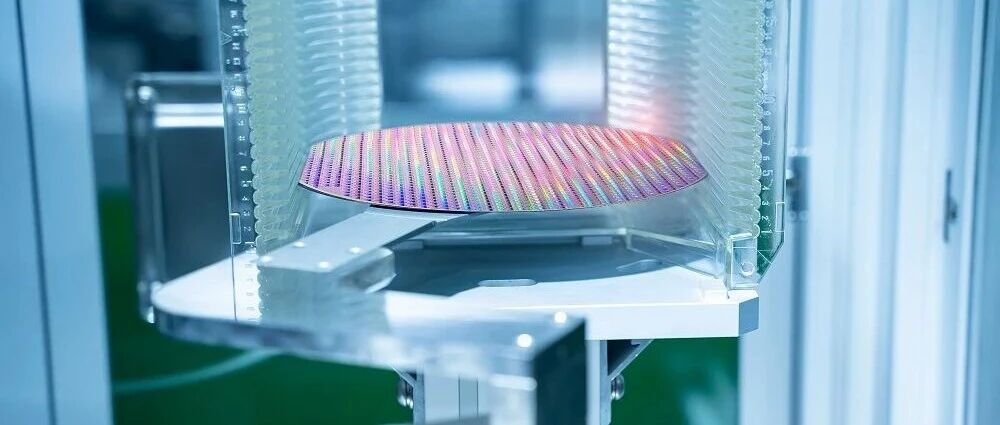
Core Viewpoint - SMIC demonstrated robust growth in Q3 2025, with revenue and gross profit increasing both year-on-year and quarter-on-quarter, showcasing strong business resilience amid market fluctuations [2][5][11]. Financial Performance - In Q3 2025, SMIC achieved total sales revenue of $2.382 billion, a 7.8% increase from Q2 2025 and a 9.7% increase from Q3 2024 [4][5]. - Gross profit reached $522.81 million, reflecting a 16.2% quarter-on-quarter growth and a 17.7% year-on-year growth, with a gross margin of 22.0% [5][12]. - Operating profit surged to $351.07 million, up 133.0% from Q2 2025 and 106.6% from Q3 2024 [5][12]. - Net profit for the period was $315.47 million, marking a 115.1% increase from the previous quarter and a 41.3% increase from the same quarter last year [5][12]. Business Structure and Market Dynamics - The revenue distribution shows that the China market remains the core pillar, contributing 86.2% of total revenue in Q3 2025, up from 84.1% in Q2 2025 [7][8]. - The wafer foundry business continues to dominate, accounting for 95.2% of total revenue, with consumer electronics demand being particularly strong at 43.4% [7][8]. - The company is experiencing a shift in its business structure, with industrial and automotive sectors growing steadily, now representing 11.9% of revenue [7][8]. Capacity and Production - SMIC's monthly capacity increased from 991,300 8-inch equivalent wafers in Q2 2025 to 1,022,800 in Q3 2025, indicating ongoing capacity expansion [9][10]. - The wafer sales volume reached 2,499,465 units in Q3 2025, a 4.6% increase from Q2 2025 and a 17.8% increase year-on-year [10][11]. - Capacity utilization improved to 95.8%, up from 92.5% in the previous quarter, reflecting strong market demand [10][11]. Cost Management and R&D Investment - Operating expenses decreased significantly, down 42.6% quarter-on-quarter and 37.4% year-on-year, totaling $171.74 million [12][15]. - R&D expenditures reached $203.15 million, with an 11.7% increase from Q2 2025, supporting ongoing technological advancements [12][15]. Future Outlook - The company anticipates Q4 2025 revenue to remain flat or grow by 2%, with a gross margin guidance of 18% to 20% [16][17]. - SMIC expects to surpass $9 billion in annual sales revenue for 2025, marking a significant milestone [17][19].

都在抢3nm,台积电大扩产
半导体行业观察· 2025-11-14 01:44
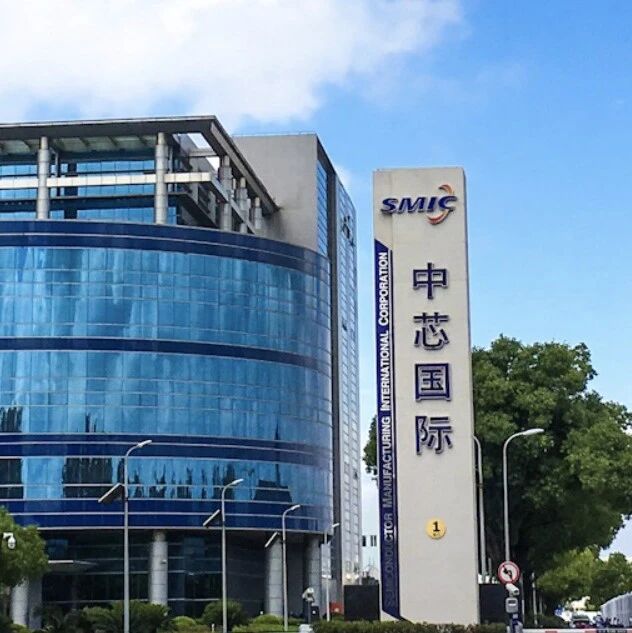
Core Viewpoint - Morgan Stanley's report highlights the increasing demand for 3nm capacity from major AI companies and Tesla, leading to a shortage and urgent capacity expansion by TSMC [2][3]. Group 1: Capacity Expansion - TSMC is expected to increase its 3nm capacity by an additional 20,000 wafers per month by the end of this year, raising the total to 110,000-120,000 wafers per month, exceeding previous expectations [2]. - By 2026, TSMC's 3nm capacity is projected to further expand to 140,000-150,000 wafers per month, primarily from the second phase of the Arizona plant and the conversion of existing 4/5nm lines in Taiwan [3]. Group 2: Capital Expenditure - TSMC's capital expenditure for next year is anticipated to rise from the original plan of $43 billion to a range of $48-50 billion due to the increased capacity expansion [2][3]. - The capital expenditure for 2026 is expected to reach $48-50 billion, with a significant portion allocated to advanced process technologies [3]. Group 3: Industry Impact - The expansion of TSMC's 3nm capacity and increased capital expenditure is expected to have a positive catalytic effect on semiconductor equipment manufacturers [3]. - Tesla's future AI6 chip, utilizing 2nm technology, is projected to generate approximately $2 billion in foundry opportunities for TSMC annually [3].
IBM量子芯片,重磅发布
半导体行业观察· 2025-11-13 01:35
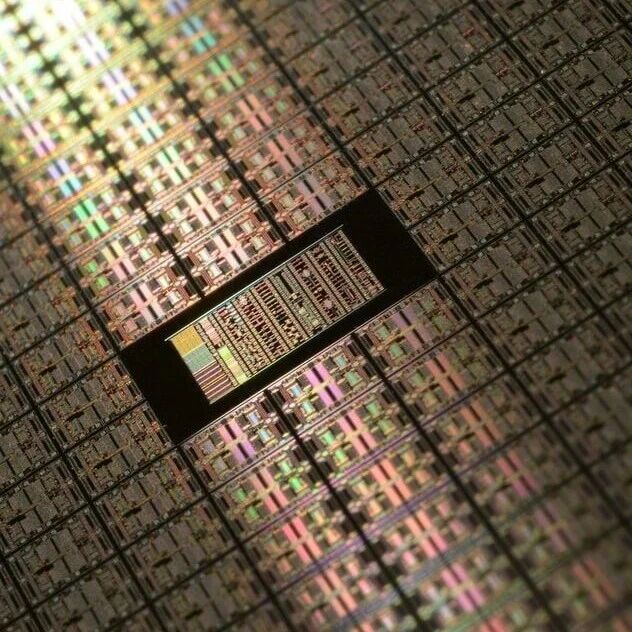
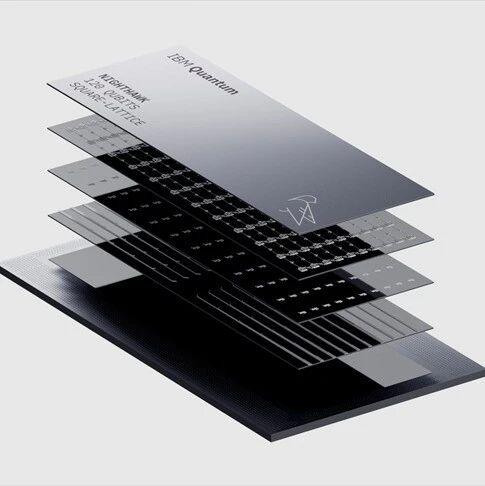
Core Insights - Quantum computing is gaining momentum with significant advancements from both emerging companies and established tech giants like Google, Microsoft, Amazon Web Services, and NVIDIA [2] - IBM is a leading player in the quantum computing space, recently unveiling its Quantum roadmap aimed at building a large-scale, fault-tolerant quantum system called Quantum Starling by 2028 [3][5] Group 1: IBM's Quantum Developments - IBM launched the Nighthawk processor, which will be delivered to users by the end of this year and is expected to play a crucial role in achieving quantum advantage by the end of 2026 [5] - The Nighthawk processor features 120 superconducting qubits connected by 218 tunable couplers, allowing for 30% more complex circuits compared to its predecessor, Quantum Heron, while maintaining a low error rate [8] - IBM's Quantum Loon is described as an experimental processor that includes key components necessary for fault-tolerant quantum computing [7] Group 2: Software and Collaboration - IBM's new quantum software improves the accuracy of circuits with over 100 qubits by 24% and reduces the cost of obtaining precise results by over 100 times [8] - The company collaborates with institutions like Algorithmiq and Flatiron Institute to contribute experimental results to a new open community system for tracking claims of quantum advantage [8] - IBM's partnership with AMD demonstrates that classical computers can use qLDPC (quantum low-density parity-check) codes for real-time error decoding, enhancing the reliability of quantum computations [14] Group 3: Future Roadmap and Innovations - IBM's roadmap includes four generations of Nighthawk processors, with the next generation expected to offer up to 7,500 quantum gates by the end of 2026 and 10,000 gates the following year [11] - By 2028, systems based on Nighthawk are projected to include up to 15,000 two-qubit gates and connect over 1,000 qubits [11] - The advanced 300mm wafer fabrication facility in Albany, New York, is expected to double the development speed of IBM's quantum processors, significantly enhancing qubit connectivity and performance [16]

新思科技,计划裁员10%
半导体行业观察· 2025-11-13 01:35
Core Viewpoint - Synopsys plans to lay off approximately 10% of its workforce, around 2,000 employees, to reallocate resources to faster-growing areas following disappointing financial results and a recent acquisition [2][4]. Group 1: Financial Performance - Synopsys reported third-quarter adjusted earnings per share of $3.39, below the market expectation of $3.74, with sales of $1.73 billion, also below the expected $1.76 billion, but showing a year-on-year growth of 14% [2]. - The company anticipates adjusted earnings per share between $2.76 and $2.80, significantly lower than the expected $4.51, while projected sales are between $2.23 billion and $2.26 billion, exceeding the expected $2.09 billion [3]. Group 2: Restructuring and Costs - The restructuring plan approved by Synopsys' board is expected to incur pre-tax costs of $300 million to $350 million, primarily related to severance pay, one-time termination benefits, and costs associated with the closure of specific locations [4]. - Most layoffs are expected to be completed by the end of the 2026 fiscal year, with the restructuring plan anticipated to be largely finalized by the end of the 2027 fiscal year, subject to local laws and consultation requirements [4]. Group 3: Market Challenges - Synopsys has faced challenges due to a decline in sales from its design IP business, concerns surrounding its artificial intelligence strategy, and geopolitical factors, particularly regarding China, which have negatively impacted its stock price [3]. - The company's stock has fallen 18% year-to-date, with at least two of the last three quarters failing to meet revenue and adjusted earnings expectations [2].

中国雷达厂商,强势崛起
半导体行业观察· 2025-11-13 01:35
Core Insights - The automotive radar market is transitioning from high-end to mass-market applications, with 77-81 GHz modules becoming standard for safety compliance and enhanced perception capabilities [2] - The 4D radar technology is rapidly becoming a benchmark, while imaging radar is gaining traction in the high-end market due to its superior detection range and angle resolution [2][3] - The radar module market is projected to reach $8 billion in 2024 and $13 billion by 2030, driven by regulatory initiatives and the increasing adoption of advanced driver-assistance systems (ADAS) [2][3] Group 1: Market Trends - By 2024, 4D radar is expected to account for approximately 40% of vehicle shipments, becoming a standard feature in new designs [3] - Regulatory measures from Euro NCAP, the EU, and NHTSA are pushing OEMs to expand radar coverage, with a forecast that by 2030, every vehicle will be equipped with five radars [3] - The Chinese market is reshaping the ADAS radar landscape, moving towards a first-tier supplier procurement model, with local companies like BYD and Geely leading the charge [6] Group 2: Technological Developments - The technology stack is evolving with advancements in CMOS-based RFIC and radar SoC, promoting cost-optimized corner radar and scalable 77-81 GHz performance [6][8] - The radar chip market in 2024 is expected to be dominated by MMIC designs, with over 90% market share, integrating RFIC and MCU for edge processing [7] - Companies like NXP and Texas Instruments are leading the transition towards SoC solutions, particularly in cost-sensitive ADAS applications [7][8] Group 3: Competitive Landscape - Calterah is emerging as a significant SoC supplier in China, while Bosch is preparing to expand its in-house SoC radar chip production [8] - Semiconductor material choices are evolving, with 22/28 nm CMOS technology becoming prevalent in RFIC and SoC domains, while SiGe technology is expected to decline [8] - The demand for higher resolution and robustness in radar systems is driving a shift towards simpler "satellite" sensor architectures that relay data to centralized computing platforms [8]
