小熊跑的快

Search documents
无人问津很久的ai 今天终于有人问了
小熊跑的快· 2025-07-15 07:52
Core Viewpoint - The industry is experiencing a shift as the period of scarcity for cards is coming to an end, with new developments indicating a potential increase in market activity and interest in AI computing power and applications. Group 1 - The recent months have seen a lack of interest in AI computing power and applications, with no inquiries for over two months [2][6]. - There has been a sudden resurgence of interest, with inquiries starting to emerge today [3][7]. - The previous assessment indicated that the state of unavailability of cards would soon be resolved, following trips to Mongolia and Hangzhou [4]. Group 2 - Developments such as self-developed ASIC cards, the upcoming release of low-end NVIDIA cards, and the launch of Alibaba and ByteDance's overseas IDC services suggest that the card scarcity period since March is nearing its end [5]. - Despite the recent uptick in interest, the market's enthusiasm remains significantly lower than that for stablecoins, at less than one-fifth of the previous levels [8].

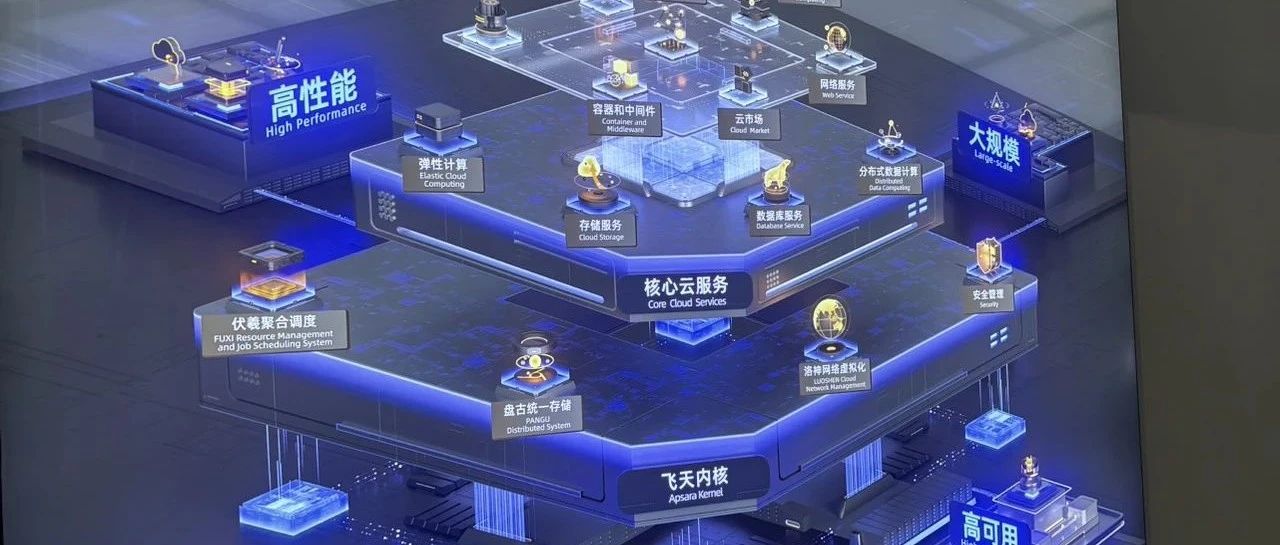
杭州行感悟
小熊跑的快· 2025-07-13 08:26
Core Viewpoint - The article emphasizes the growing importance of Alibaba Cloud as a key highlight for Alibaba Group, especially in light of declining performance in its e-commerce segment, particularly Taobao [4][5]. Group 1: Alibaba's Current Challenges - Taobao's contribution to a service company’s revenue has decreased from over 85% four years ago to 50% currently, indicating a loss of market share to competitors like Douyin, Pinduoduo, and Xiaohongshu [4]. - Consumer dissatisfaction with Taobao's return policies and shipping fees has led to a decline in user engagement, with some families completely uninstalling the app [4]. Group 2: Alibaba Cloud's Potential - Alibaba Cloud is recognized as the only bright spot for Alibaba, attracting attention from capital markets due to its significant scale and capabilities [5]. - Alibaba Cloud ranks as the fourth largest globally and the largest in China, benefiting from economies of scale that allow it to offer competitive pricing for services like GPU leasing [6]. Group 3: AI and Cloud Adoption - The rise of AI is expected to drive a second wave of cloud adoption among enterprise customers, as many companies will seek cost-effective cloud computing solutions due to the increasing complexity of AI infrastructure [7]. - The low cloud adoption rate in China is attributed to concerns over data security and the affordability of traditional servers, but the demand for AI capabilities is likely to push more companies towards cloud solutions [6][7]. Group 4: Future Trends in AI and Cloud - The article suggests a shift towards open-source models combined with public cloud architectures, as companies become more cautious about using closed-source APIs, particularly in sensitive sectors like biotechnology [8]. - Major tech companies, including Google, are at a crossroads regarding their reliance on either open-source models or cloud services for revenue generation, indicating a broader industry trend [9]. Group 5: Alibaba Cloud's Strategy - Alibaba Cloud's internal structure promotes a straightforward approach to business development, allowing for efficient expansion while maintaining a balance between openness and conservatism compared to competitors like Tencent Cloud and Volcano [10]. - Confidence in Alibaba Cloud's future prospects remains strong, suggesting a belief in its ability to navigate the evolving market landscape [11].

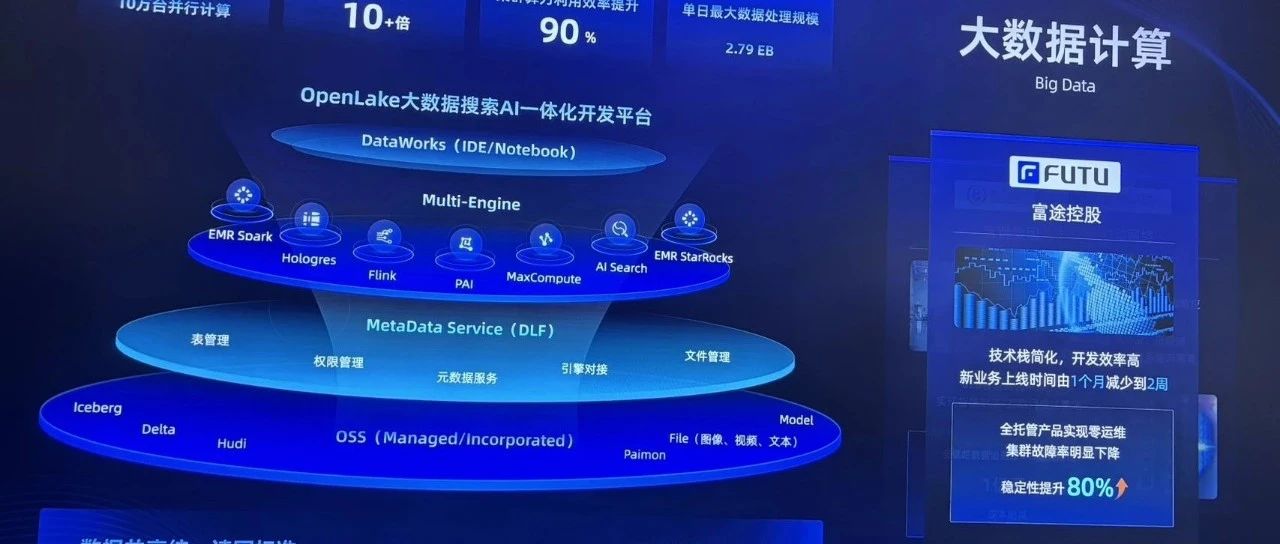
grok4
小熊跑的快· 2025-07-10 13:16
Core Insights - The release of Grok 4 marks xAI's latest advancement in artificial intelligence, aiming to compete with OpenAI and Google [1] - Elon Musk claims Grok 4 demonstrates superior performance in standardized tests and exhibits doctoral-level knowledge across various disciplines [1][2] - Grok 4 is positioned as a response to existing models like OpenAI's ChatGPT and Google's Gemini, with capabilities to analyze images and answer questions [2] Summary by Sections - **Product Launch**: Grok 4 was launched on Thursday as xAI's latest AI model, part of a multi-billion dollar investment by Musk to rival major players in the AI space [1] - **Performance Claims**: Musk asserts that Grok 4 outperforms doctoral-level expertise in all academic subjects without exception [2] - **Subscription Model**: A subscription service for Grok 4 is available for $300 per month, indicating a monetization strategy for the AI model [2] - **Market Positioning**: Grok 4 is seen as a direct competitor to ChatGPT and Gemini, highlighting the competitive landscape in AI technology [2]

DeepSeek首次下滑!最新6月AI产品榜发布,互联网女皇权威认证|AI产品榜
小熊跑的快· 2025-07-08 04:58
Core Insights - The article discusses the latest AI product rankings and highlights the growth and performance of various AI applications in June 2025, emphasizing the importance of both software and hardware in maximizing AI capabilities [4][10][15]. Global Rankings - ChatGPT remains the top AI application globally with a monthly active user (MAU) count of 655.03 million, showing a growth rate of 5.59% [15][16]. - The top five AI applications by MAU include: 1. ChatGPT: 655.03M MAU, 5.59% growth 2. Quark (Alibaba): 156.18M MAU, 2.51% growth 3. Baidu Cloud: 154.99M MAU, 1.21% growth 4. Douyin's Smart Assistant: 125.94M MAU, 6.50% growth 5. DeepSeek: 94.1M MAU, -6.06% decline [15][16][19]. Subscription Revenue Rankings - The top five AI applications by annualized subscription revenue are: 1. ChatGPT: $1.377 billion, 10.08% growth 2. Suno: $19.76 million, 8.06% growth 3. PLAUD (hardware): $16.96 million, 7.57% growth 4. Claude: $19.10 million, 7.41% growth 5. PolyBuzz: $19.64 million, 4.20% growth [10][12][13]. Domestic Rankings - The domestic AI product rankings show intense competition among the top three applications: Quark, Baidu Cloud, and Douyin's Smart Assistant, all of which are striving for growth [18][19]. - DeepSeek experienced its first negative growth, dropping to 94.1 million MAU, indicating potential challenges in user engagement [18][19]. International Expansion - The top three AI applications in the international market by growth rate are: 1. Cici (ByteDance): 24.01 million MAU, 17.56% growth 2. DreamFace (Tonghuashun): 3.90 million MAU, 7.89% growth 3. Linky (Kunlun Wanwei): 3.75 million MAU, 6.19% growth [21][23]. Event Announcement - The AI Product List will host its 2nd Anniversary Conference on July 17, 2025, in Shenzhen, focusing on the integration of software and hardware in AI development [4][6].

7.17 深圳 线下AI大会报名
小熊跑的快· 2025-07-08 04:09
Core Insights - The article discusses the upcoming AI Product List Annual Conference, highlighting its significance in the AI industry and the various topics that will be covered during the event [1][3]. Event Overview - The conference will feature discussions on global AI product trends, hardware innovations, and the evolution of AI in creative industries [3][4]. - Notable speakers include industry leaders and founders from various AI companies, emphasizing the collaborative nature of the event [3][4]. Key Sessions - Roundtable discussions will focus on topics such as the current state and future of AI glasses, hardware innovation under generative AI, and the potential of robotics in households within the next decade [4][5]. - The event will also include a public lecture on investment opportunities in the AI era, led by prominent venture capitalists [4]. Awards and Recognition - The conference will announce the "2025 AI MVP TOP 50" and "2025 China AI Potential Enterprises TOP 50," recognizing leading companies in the AI sector [5]. Networking Opportunities - The event will provide opportunities for networking among attendees, including a dedicated session for free interaction and an exclusive dinner for invited guests and AI Product List members [5][6].

复盘国内外AI,兼论恒生科技
小熊跑的快· 2025-07-07 09:45
Market Overview - After April 7, both the US and Chinese stock markets experienced a rally, with the Nasdaq rising by 32.9%, the Hang Seng Tech Index ETF (513180) increasing by 11.57%, and the Shanghai Composite Index gaining 12.16% [1] AI Chip Market Dynamics - The focus has shifted from training GPUs to AI inference ASIC chips, driven by a slowdown in the iteration of foundational models under the transformer architecture [3][5] - The rental prices for training chips like H100 and H200 have declined since February, influenced by the industry's pivot towards reinforcement learning (RL) [5][6] - The upcoming GPT-5 model is expected to emphasize RL, which has a smaller demand compared to the pre-training phase [5] Data Source Considerations - A significant portion of the training data for GPT-5 is synthetic, raising concerns about the quality and sourcing of training data for future models [6] - The competition in the coding domain, particularly between Claude4 and Cursor, highlights the necessity for models to specialize in industry-specific data to maintain value [6] Token Usage Growth - Microsoft reported a token volume exceeding 100 trillion in Q1 2025, a fivefold increase year-on-year, while Google's monthly token processing surged from 9.7 trillion to 480 trillion, a growth of approximately 50 times [7] - Domestic AI models, such as Doubao, saw daily token usage exceed 16.4 trillion in May, marking a growth of over 4 times compared to the end of 2024 [7] ASIC Chip Outlook - The current market environment favors the development of inference ASIC chips, as existing models are sufficiently accurate for application [8][9] - The anticipated return of ASIC chips in Q3 is expected to alleviate supply issues faced in the first two quarters [9][10] - The overall sentiment towards the Hang Seng Tech Index is cautiously optimistic, with expectations of a rebound in capital expenditures (capex) [10] Future Projections - The ASIC chip market is projected to see significant growth from 2025 to 2027, coinciding with the next major architectural shift in foundational models [10] - Companies like Microsoft and Amazon are expected to continue their ASIC chip design efforts, with no immediate acknowledgment of failures in early generations [10]

下周90天到
小熊跑的快· 2025-07-06 07:32
Group 1 - The upcoming tariff developments are anticipated, with a focus on the implications for the market, particularly regarding the 20% tariff on Vietnam [1] - The release of a new batch of ASIC cards in Q3 and Q4 is expected to alleviate the domestic card shortage [2] - Uncertainty remains regarding the future direction of NVIDIA's policies [2][3] Group 2 - xAI's flagship model Grok4 focuses on enhancing natural language processing, mathematical reasoning, and comprehensive reasoning capabilities [4] - Grok4Code is designed for programming optimization and aims for seamless integration with code editors to improve development efficiency [4] - xAI plans to provide API access to Grok4 and will expand to multimodal capabilities, lowering integration barriers for developers [4] Group 3 - Anthropic's annual revenue has reached $4 billion, growing nearly fourfold since the beginning of the year [4] - Cursor has enhanced its market competitiveness by bringing in executives from Anthropic [4] Group 4 - Alibaba Cloud is establishing its first global AI capability center and plans to set up new data centers in Malaysia and the Philippines [2] - The initiative aims to collaborate with over 1,000 enterprises to create more than 10 industry AI demonstration projects and partner with over 120 universities globally to train 100,000 AI talents annually [2]

hood的四问
小熊跑的快· 2025-07-04 05:40
Core Viewpoint - Robinhood is leveraging its regulatory licenses to expand into the Web 3.0 financial space, allowing for the tokenization of equity derivatives in Europe, which enhances its competitive edge in the brokerage industry [4][5]. Group 1: Revenue Model - Robinhood operates as a zero-commission brokerage, primarily earning through the bid-ask spread, which is narrower compared to other brokers [4]. - The company’s securities trading license is valuable, enabling it to engage in various financial activities [4]. Group 2: Regulatory Advantages - Robinhood acquired Bitstamp, gaining MiFID II investment company status, allowing it to operate a Multilateral Trading Facility (MTF) and legally facilitate trades of financial instruments recognized by MiFID [4]. - The MTF status enables Robinhood to provide services across the EU with a single regulatory approval, a significant advantage over competitors like Coinbase, which lacks this capability [4]. - Bitstamp has obtained a CASP license from Luxembourg, covering all aspects of crypto asset business, ensuring compliance with KYC/AML regulations [4]. Group 3: Trading Operations - Robinhood offers 24/7 trading, which theoretically exposes it to risk during non-trading hours, as it can only trade tokens when the stock market is closed [6]. - The company can partially mitigate this risk by connecting with market makers during night trading sessions [6]. Group 4: Market Potential - The new business model opens up significant opportunities, especially for European investors trading U.S. stocks, simplifying the process through the Bitstamp platform [8]. - The potential market space for this new business is varied among competitors, indicating a wide range of estimates regarding its success [8]. Group 5: Competitive Landscape - Other firms similar to Robinhood could emerge by combining brokerage services with Web 3.0 capabilities and obtaining MTF licenses in Luxembourg [9].


海外算力基建有加速
小熊跑的快· 2025-07-03 22:08
Group 1 - The discussion around AI infrastructure has been reignited, particularly overseas, starting from Monday [1] - A significant research initiative was organized by a company in Inner Mongolia last week, yielding noticeable results [1] Group 2 - ByteDance and Alibaba's overseas infrastructure have seen some gains in the third quarter [2] - Domestic performance remains uncertain, but cloud data in Southeast Asia has shown an upward trend in the third quarter of this year [2]
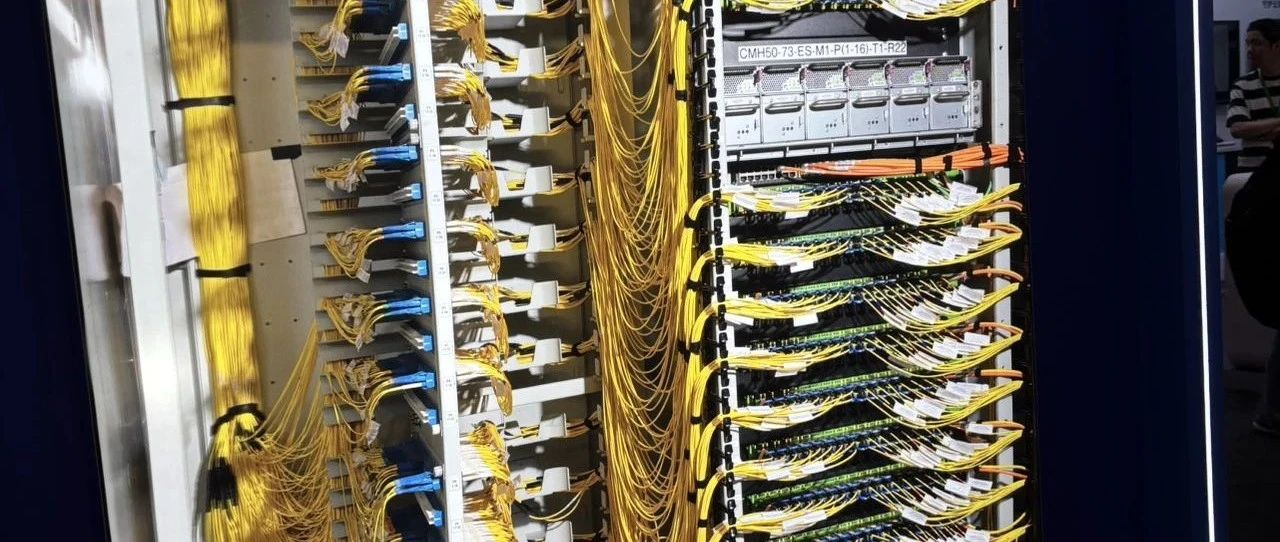
市场又开始关心 字节 阿里的海外了
小熊跑的快· 2025-07-02 15:13
已经很久没人关心国内算力了 突然一堆人来关心字节 阿里的海外 出海逻辑还是出海逻辑 天天都是电风扇 难道2个月能发生啥大变化? ...