新财富

Search documents
国货生意的公域突围样本
新财富· 2025-07-30 08:05
Core Viewpoint - The article emphasizes that Betaini's success is attributed to its ability to capture industry details and adapt its strategy based on transformative trends, particularly highlighting its transition from private to public domain as a leading domestic skincare brand [1]. Group 1: Betaini's Performance and Strategy - Betaini achieved a remarkable performance with a revenue of 4.022 billion yuan in 2021, representing a year-on-year growth of 53%, and a net profit of 863 million yuan, up 59% [24]. - The company has faced challenges post-2021, with declining net profits in 2022 and 2023, indicating a need for strategic adjustments [24][30]. - The brand's growth was heavily reliant on offline channels, particularly through dermatologist recommendations, which has structural limitations [31]. Group 2: Key Leadership and Historical Context - Guo Zhenyu, the chairman of Betaini, previously led Yunnan Dianhong Pharmaceutical Group, where he demonstrated strong strategic vision and execution capabilities [3][4]. - The brand Winona, which is part of Betaini, was initially incubated at Dianhong and has maintained a strong market presence through both online and offline channels [4][5]. Group 3: Market Positioning and Brand Development - Winona's strategy involved leveraging medical endorsements and establishing a robust presence in the dermatological community, which has been crucial for its brand credibility [15][20]. - The brand's unique selling proposition is its reliance on 200,000 doctors' prescriptions, differentiating it from competitors that rely on influencer marketing [20][21]. - Despite its strong medical backing, Winona has struggled with brand identity and consumer perception, failing to establish a compelling brand narrative beyond its medical endorsements [24][27]. Group 4: Future Directions and Adjustments - Winona aims to enhance its private domain operations to improve customer retention and loyalty, shifting focus from public domain promotions that have led to brand dilution [30][32]. - The company has set ambitious revenue targets, aiming for 15 billion yuan, with aspirations to become the world's leading efficacy skincare brand [33].

中国产业叙事:华虹半导体
新财富· 2025-07-29 08:05
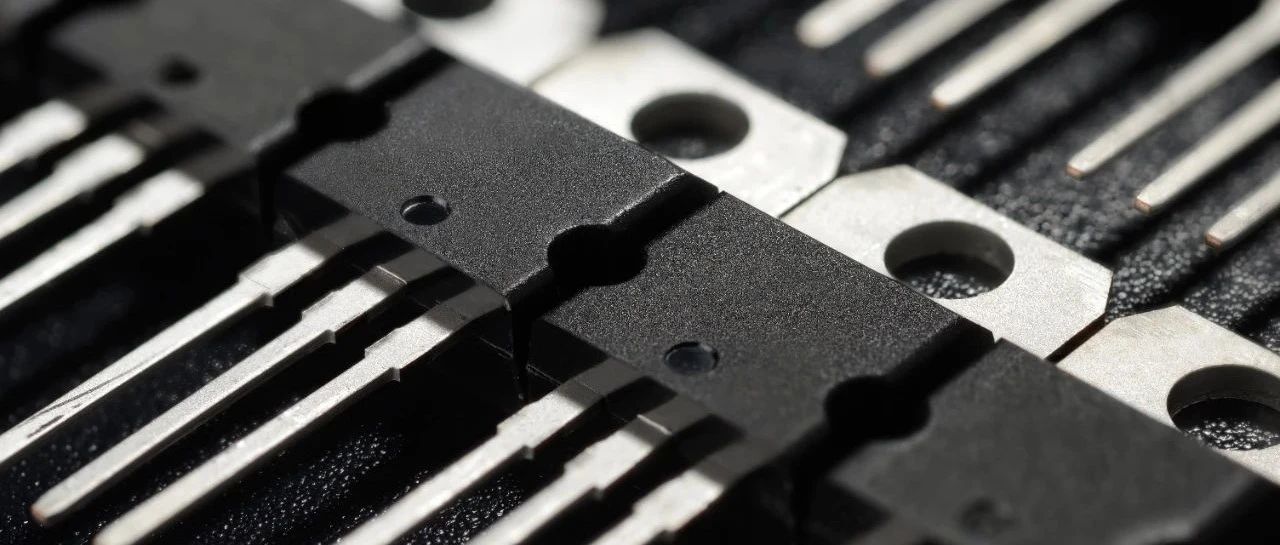
Core Viewpoint - The article emphasizes that China's semiconductor industry can achieve sustainable growth by focusing on niche markets and developing unique technologies rather than blindly following cutting-edge advancements [2][30]. Group 1: Historical Context and Strategic Shifts - The "909 Project" initiated in the 1990s aimed to establish self-sufficient semiconductor manufacturing technology in China, with significant investments exceeding 10 billion yuan [5][6]. - The partnership with NEC marked a strategic shift from self-reliance to leveraging foreign expertise, which accelerated the development of China's semiconductor capabilities [6][7]. - The successful production of the first 64MB DRAM chip in 1999 represented a significant milestone for China's semiconductor industry, achieving sales of 3 billion yuan and a net profit of 500 million yuan by 2000 [8]. Group 2: Transition to Foundry Services - In 2003, the company shifted its focus from DRAM production to wafer foundry services, targeting domestic market needs and less complex chip designs [12]. - The company became the largest supplier of IC chips for national ID cards, providing over 75% of the market, which saved the country billions in import costs [13]. - By entering the power semiconductor market, the company established itself as the world's leading foundry for power devices, supporting China's strategic assets in new energy [13][14]. Group 3: Technological Advancements and Market Position - The company has developed a unique position in mature process technologies, achieving a quarterly capacity utilization rate of 102.7% in Q1 2025 [14]. - The transition to 12-inch production lines has been pivotal, with the company planning to increase monthly capacity to at least 80,000 wafers by 2025 [25]. - The power semiconductor segment has become the largest revenue source, contributing $902 million in sales in 2023, a 16.5% increase year-over-year [21]. Group 4: Future Outlook and Challenges - The company is positioned to benefit from the growing demand for power devices in electric vehicles and industrial control, with expectations of significant growth in the coming years [21][25]. - The second phase of the Wuxi project is expected to further enhance the company's capabilities, with a focus on automotive-grade chips and advanced process technologies [24][25]. - The semiconductor industry is facing unprecedented changes, and the company must navigate material innovations and international restrictions while maintaining its competitive edge [29][30].
【投顾沙龙·贵阳站】风卷医药海,潮起香江湾
新财富· 2025-07-29 08:05
Core Viewpoint - The pharmaceutical sector, previously undervalued, is experiencing a resurgence, particularly in the innovative drug segment, which is becoming a vibrant example of "reverse growth" as of the first half of 2025 [1]. Group 1: Event Details - An insightful seminar on the future of Hong Kong's pharmaceutical industry is scheduled for August 7, 2025, in Guiyang, focusing on the cyclical logic and growth opportunities of innovative drugs [2]. - The seminar will take place at the Guanshan Hall, Hilton Hotel, Guiyang, from 13:30 to 16:00 [3]. Group 2: Seminar Themes and Speakers - The seminar will feature a presentation by Nie Lili, a senior analyst from Guolian Securities, discussing the causes and sustainability of the current innovative drug boom [4]. - Tang Yibing, a fund manager from Bosera Fund, will share insights on investment opportunities in Hong Kong's innovative drug sector, exploring the valuation recovery and ETF allocation logic [4]. - Xiao Peng, the general manager of Guotai Haitong Securities in Guiyang, will provide insights on becoming a versatile investment advisor, sharing pathways for skill enhancement based on personal experience [4].

Kimi K2拿到了世界第一,也杀死了过去的自己
新财富· 2025-07-28 02:58
Core Viewpoint - The release of Kimi K2 marks a significant turning point for the company, indicating a shift from a reliance on scaling laws to a more innovative approach in AI model development and strategy [2][4][22]. Group 1: Kimi K2 Release and Its Impact - Kimi K2 achieved a global fifth ranking in the LMArena leaderboard and first among open-source models, surpassing competitors like Claude 4 and DeepSeek-R1-0528 [2]. - The release is seen as more than just a temporary success; it represents a deeper strategic shift for the company and the industry [4][22]. - Kimi K2 introduces two major advancements: an expansion of model parameters to over 1 trillion and the concept of "model as agent," allowing for tool utilization [23][35]. Group 2: Challenges Faced by Kimi - Kimi's previous strategy relied heavily on scaling laws, believing that larger models and more data would lead to better performance, but this approach faced challenges as high-quality data became scarce [8][13][14]. - The company's user growth strategy was questioned after competitors like DeepSeek demonstrated significant user acquisition without marketing spend, highlighting the need for a more effective product [18][54]. - Kimi's marketing budget reached approximately 900 million RMB in 2024, yet user engagement declined, indicating a disconnect between spending and user retention [17]. Group 3: Strategic Transformation - The company has shifted its focus from aggressive marketing to enhancing model performance and embracing open-source collaboration, reflecting a significant cultural change [55]. - Kimi's team has decided to halt all marketing activities and concentrate resources on foundational algorithms and the K2 model, emphasizing the importance of product quality over quantity [55]. - The strategic pivot is seen as a response to the success of DeepSeek, which has prompted Kimi to adopt more effective architectural choices and prioritize technical research [55][56].

2025新财富最佳分析师评选:聚焦研究机构评价,买方主导全面确立
新财富· 2025-07-24 14:32
Core Viewpoint - The article discusses the optimization and adjustment of the evaluation mechanism for the New Wealth Best Analyst Awards starting in 2025, focusing on enhancing the research service experience and reducing non-research-related influences in the voting process [2][6]. Group 1: Mechanism Adjustments - The evaluation will shift from individual analyst assessments to a focus on "industry + research institution," eliminating the need for individual declarations [3]. - Only the names of research institutions will be published, not individual analysts, to prevent personnel changes or short-term controversies from affecting voting judgments [4]. - Research institutions can disclose their team members post-award for internal motivation and external promotion [5]. Group 2: Rationale for Adjustments - The traditional "declaration-display-voting" chain, while easy to disseminate, has been found to be susceptible to non-research influences, undermining the professional value of the evaluation [7]. - The adjustments aim to return to the essence of research services, allowing buyers to make professional judgments based on their research service experiences [8]. - The changes will facilitate a horizontal scan of all market research institutions by buyers [9]. - The adjustments seek to minimize irrational factors in the evaluation process, such as personnel fluctuations and vote-buying phenomena [10]. - The goal is to provide buyers with a cleaner, more focused, and efficient evaluation path [11]. - The market's attention is intended to shift from "star individuals" to "stable delivery capabilities," promoting the overall system construction of research institutions [12]. Group 3: Buyer Voting Experience - The new mechanism is expected to simplify the voting decision for buyers, allowing them to assess whether an institution provides trustworthy research services without recalling individual analyst names [14]. - Voting criteria will be more stable, unaffected by analyst job changes [15]. Group 4: Evaluation Positioning - The evaluation remains a third-party service assessment mechanism based on independent buyer judgment, providing authoritative references for buyers' research resource allocation and service procurement decisions [17]. - The evaluation will continue to serve as an important benchmark for measuring the professional capabilities of research institutions [18]. - A "buyer classification ranking" will be established based on different types of buyer institutions, enhancing the voice of voters and promoting broader service improvements and resource optimization [18].
滚筒&履带拖得更干净,扫地机器人拖地创新升级
新财富· 2025-07-24 06:39
Core Viewpoint - The article discusses the rapid growth of the robotic vacuum cleaner market in China, driven by government subsidies and product innovations, highlighting the competitive landscape among major brands like Roborock, Ecovacs, and others [4][18]. Group 1: Market Performance - In Q2 2025, the domestic robotic vacuum market saw online sales reach 4.8 billion yuan, a year-on-year increase of 36.2%, with sales volume at 1.41 million units, up 40.6% [5]. - The average price of robotic vacuums decreased by 3.2% to 3,381 yuan, marking the first quarterly decline since 2021, attributed to the introduction of more feature-rich products [7]. - For the first half of 2025, online sales totaled 7.75 billion yuan, with a sales volume of 2.32 million units, reflecting a year-on-year growth of 46% [8]. Group 2: Product Innovations - Major brands have upgraded their products significantly, with suction power exceeding 10,000 Pa and features like liftable mops to prevent wetting carpets [11]. - The 2025 product innovations focus on mop technology, with many brands adopting active water roller or track-style mops to enhance cleaning efficiency [13]. - Ecovacs introduced the X8 model with active water roller technology, while Roborock and other brands are expected to follow suit with similar innovations [14][19]. Group 3: Competitive Landscape - The market share of Roborock reached 28.09% in H1 2025, an increase of 2.95%, while Ecovacs held 26.34%, up 1.18% [18][21]. - The competition is intensifying as brands like Roborock and Ecovacs improve user experience, while others like Dreame and Eufy are also gaining traction in the market [19]. - The article notes that the competitive dynamics are shifting towards leading brands due to their superior product offerings and user experience enhancements [24]. Group 4: International Market Trends - The overseas market for robotic vacuums has shown growth, with France and Japan experiencing increases of approximately 25-26% year-on-year [28]. - In the U.S. market, domestic brands are significantly capturing market share from iRobot, with Roborock achieving a retail sales figure of 78.87 million dollars, a 29% increase [31]. - The article highlights that the penetration of domestic brands in international markets is on the rise, driven by product upgrades and targeted innovations [35][36].



鸿蒙智行走到十字路口
新财富· 2025-07-23 07:51
Core Viewpoint - Harmony Intelligent Mobility Alliance (HIMA) achieved a record monthly sales of 52,747 vehicles in June 2025, regaining its position as the top-selling new energy vehicle brand among emerging automakers [2][4]. Group 1: Structural Growth - The sales growth of HIMA is primarily driven by the Wanjie series, which accounted for approximately 85% of total sales in June, with 44,700 units sold [4][5]. - The Wanjie M8, launched three months prior, saw sales soar to 21,200 units, while the flagship Wanjie M9 sold 13,700 units, together contributing over 60% of HIMA's total sales [5]. - The Wanjie series is positioned as a premium offering, with the M9 dominating the 500,000 RMB SUV market and the M7 appealing to family users with a price range of 250,000 to 300,000 RMB [5]. Group 2: Comprehensive Coverage Issues - HIMA's product lineup now spans price ranges from 150,000 to 800,000 RMB, covering four vehicle categories: family, sports, executive, and ultra-luxury [8][10]. - The strategy of having multiple series based on product positioning rather than price may lead to internal competition, particularly in the 250,000 to 350,000 RMB range [11][12]. - The introduction of the new model, Shangjie H5, priced between 150,000 and 250,000 RMB, aims to clarify the brand's market segmentation and address potential overlaps in product offerings [12]. Group 3: Sales Network Restructuring - Starting August 2024, HIMA will implement a dual sales channel for the Wanjie models, allowing independent and Huawei channels to coexist [16]. - The decision to decentralize sales is based on the successful sales performance of Wanjie post-network separation, which did not negatively impact overall sales [17]. - This restructuring is seen as a power reallocation between Huawei and its partner automakers, potentially leading to more flexible and customized sales approaches in the future [17].


投票机构预公示 | 2025第二十三届新财富最佳分析师评选
新财富· 2025-07-22 05:13
Group 1 - The voting institution information for the 2025 annual selection is continuously being updated [1] - The query methods for the voting institutions include mobile and web options [1] - Feedback can be provided via the specified email address [1] Group 2 - Information and steps related to this year's voting will be announced before the voting begins [2] - The official website and WeChat account are the primary sources for updates [2]
理想在打什么牌?
新财富· 2025-07-21 06:48
Core Viewpoint - Li Auto has adjusted its Q2 delivery forecast down to 108,000 units from a previous estimate of 123,000 to 128,000 units, indicating challenges in meeting its annual sales target of 700,000 units due to market competition and internal restructuring efforts [1][2]. Group 1: Market Dynamics - The current market landscape is becoming increasingly competitive, particularly in the 200,000 to 300,000 RMB price range, with strong contenders like Xiaomi's SU7/YU7 and AITO's M8 impacting Li Auto's sales performance [2]. - Li Auto's sales growth has slowed, with a year-on-year decline in June sales, attributed to the competitive pressure from new entrants in its preferred price segment [2]. Group 2: Product Strategy - Li Auto is transitioning from range-extended vehicles to pure electric models, with the upcoming launch of the Li i8/i6 expected to significantly impact the market [2][10]. - The company is restructuring its sales organization, consolidating 26 sales regions into five major areas to enhance operational efficiency and better prepare for the new product cycle [1]. Group 3: Charging Infrastructure - Li Auto has made significant investments in charging infrastructure, with over 15,000 supercharging stations established, including a substantial number of high-capacity 360 kW chargers, which can charge the Li MEGA from 10% to 80% in just 15 minutes [10][13]. - The company aims to achieve a target of 4,000 supercharging stations by the end of the year, enhancing the convenience of charging for users and aiming for coverage comparable to traditional gas stations [10][13]. Group 4: User Experience and Product Design - The new Li i series features a design that blends characteristics of SUVs and MPVs, targeting family users who prioritize comfort and space over traditional SUV aesthetics [18][19]. - The shift in design philosophy aims to cater to the growing demand for family-oriented electric vehicles in the 300,000 RMB price range, where quality is prioritized over exterior design [19].

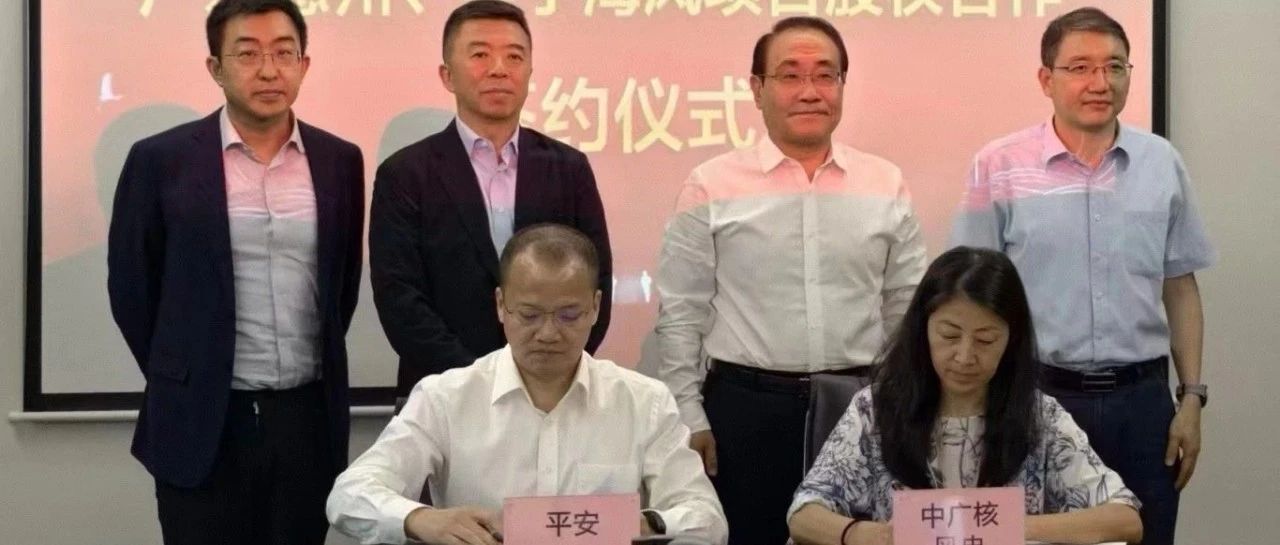
对话平安:践行国家能源安全战略,险资“耐心资本”布局新能源
新财富· 2025-07-18 06:31
Core Viewpoint - The article emphasizes the significant role of insurance capital in promoting energy transition and high-quality development in China's energy sector, particularly through direct equity investments in offshore wind power projects [1][2]. Group 1: Investment Opportunities - China Ping An's investment of 3.726 billion yuan in China General Nuclear Power Corporation's offshore wind projects marks the first direct equity investment by insurance capital in offshore wind power in China [1][2]. - The total installed capacity of the two offshore wind power stations involved is 1.9 GW, making them the first million-kilowatt-level offshore wind projects in the Guangdong-Hong Kong-Macao Greater Bay Area [1][2]. Group 2: Industry Context - Since the 18th National Congress, China's energy development has entered a new era, guided by the "Four Revolutions, One Cooperation" energy security strategy, which sets ambitious investment goals exceeding 5 trillion yuan during the 14th Five-Year Plan [5]. - The ownership of renewable energy assets is increasingly concentrated among central and local state-owned enterprises, with projections indicating that by the end of 2025, these entities will control approximately 70% of the market share in wind and solar energy installations [7][8]. Group 3: Insurance Capital's Role - Insurance capital is well-suited for investing in renewable energy due to its large market size, long investment duration, stable returns, and alignment with ESG strategies [9]. - The entry of insurance capital into renewable energy projects can enhance the efficiency of state-owned capital allocation and resource optimization, while also reducing overall debt levels for energy companies [8][9]. Group 4: Current Challenges and Considerations - The investment environment for insurance capital is becoming more complex, with challenges such as declining interest rates and increased market volatility [10]. - Insurance companies need to adapt their return expectations for equity investments in renewable energy, as the sector offers stable and less volatile returns compared to traditional private equity investments [17]. - Regulatory frameworks and local electricity market policies are critical factors that insurance capital must navigate to ensure successful investments in renewable energy projects [14][19].