新财富

Search documents
中国产业叙事:长电科技
新财富· 2025-07-18 06:31
Core Viewpoint - The article outlines the historical evolution and significant milestones of Changjiang Electronics Technology Co., Ltd. (长电科技), emphasizing its transformation from a small factory in 1972 to a leading player in the global semiconductor packaging and testing (OSAT) industry, with projected revenues exceeding 35 billion yuan in 2024, marking its entry into the top three globally [1]. Group 1: Historical Context - The establishment of Jiangyin Transistor Factory in 1972 coincided with the early stages of China's semiconductor industry under a planned economy, highlighting the challenges faced during this period [3]. - The factory's initial struggles included a near bankruptcy due to competition from foreign firms, but it achieved a breakthrough in 1984 by contributing to the successful launch of China's synchronous communication satellite [4]. - The leadership of Wang Xinchao was pivotal in improving production quality and transitioning the company towards integrated circuit manufacturing, marking a significant shift in its operational strategy [7]. Group 2: Strategic Developments - In 1994, Changjiang Electronics officially launched its packaging and testing business, positioning itself strategically within the semiconductor supply chain [7]. - The company underwent modernization and capital restructuring in the early 2000s, leading to its listing on the Shanghai Stock Exchange in 2003, which facilitated further investments in advanced packaging technologies [9]. - The acquisition of STATS ChipPAC in 2015 marked a significant milestone, enhancing Changjiang's capabilities in advanced packaging and expanding its international presence [16][20]. Group 3: Industry Position and Market Dynamics - Changjiang Electronics has established itself as a key player in the global semiconductor packaging market, competing with major firms like ASE and Amkor, and holding over 10% market share [23]. - The article notes the ongoing transformation in the semiconductor packaging industry, driven by advancements in technology and increasing demand for high-performance packaging solutions, particularly in the context of AI and IoT applications [26][28]. - The advanced packaging market is projected to grow significantly, with expectations of reaching $80 billion by 2029, driven by innovations in 2.5/3D packaging technologies [24][26]. Group 4: Future Outlook - The company is expected to achieve revenues of nearly 36 billion yuan in 2024, with advanced packaging accounting for over 70% of its business, indicating a strong focus on high-value markets [33]. - Despite facing challenges during industry downturns, the company's strategic emphasis on advanced packaging and its ability to adapt to market changes position it favorably for future growth [34].


影石十年,增量式创新从未停止
新财富· 2025-07-17 06:02
Core Viewpoint - The article discusses the rise of Insta360, a leading company in the panoramic camera market, highlighting its innovative strategies and market positioning in the context of increasing demand for personalized photography and video content [4][10][11]. Group 1: Company Overview - Insta360, founded in 2015, has become the global leader in the panoramic camera sector and successfully listed on the Sci-Tech Innovation Board in May 2021 [4][5]. - The founder, Liu Jingkang, is noted as the first post-90s entrepreneur to lead a company to this achievement, drawing significant market attention [5][6]. Group 2: Market Demand and Innovation - The demand for panoramic cameras has surged due to the democratization of photography and the rise of user-generated content platforms like Douyin [10][11]. - Insta360 identified and addressed the shortcomings of earlier panoramic cameras, such as Ricoh's THETA and Samsung's Gear 360, by offering a more user-friendly experience with its first product, Insta360 Nano, which allowed for real-time preview and reduced waiting times for video processing [22][27]. Group 3: Competitive Strategy - Insta360's strategy involved incremental innovation by combining panoramic photography with action camera features, targeting new user scenarios that competitors like GoPro had not fully explored [36][40]. - The launch of Insta360 ONE in 2017 marked a significant step, as it offered 4K panoramic video capabilities at a lower price point than GoPro's offerings [41]. Group 4: Technological Edge - Insta360 has maintained a competitive advantage through its commitment to full-stack self-research in both hardware and software, allowing for seamless integration of image capture, stitching algorithms, and editing experiences [48][50]. - The collaboration with Adobe for editing software has further enhanced user experience, making video editing accessible and efficient for average users [50][51]. Group 5: Company Culture and Future Vision - The company emphasizes the importance of continuous product development and employee growth, aiming to create a culture that fosters innovation and responsiveness to market needs [56][60]. - Liu Jingkang's approach to leadership focuses on empowering teams to explore and learn from their experiences, which is seen as essential for developing the next world-class product [66].

150亿美元传闻引爆市场,PD-(L)1/VEGF双抗成新药王候选
新财富· 2025-07-16 07:42
Core Viewpoint - AstraZeneca is reportedly in deep negotiations with Summit for a global licensing deal for AK112, potentially worth up to $15 billion, which has stirred significant market interest [2][4]. Group 1: Market Reaction - Following the announcement, Summit's stock surged nearly 15% during trading, closing up 14.68%, while CanSino Biologics, the original developer of AK112, saw a 9.43% increase in its stock price the next day, marking a market capitalization exceeding HKD 100 billion [3]. Group 2: Product Overview - AK112 is a PD-1/VEGF bispecific antibody developed by CanSino Biologics. The rights for its development and commercialization in major markets were previously licensed to Summit for a total of up to $5 billion, with an initial payment of $500 million [4]. Group 3: Clinical Data and Challenges - In a Phase III clinical trial, AK112 demonstrated a significantly improved progression-free survival (PFS) of 11.1 months compared to 5.8 months for Keytruda, marking it as the first product to outperform Keytruda in a head-to-head trial [7]. - However, subsequent data from another Phase III study indicated that while PFS was statistically significant, overall survival (OS) did not reach statistical significance, raising concerns about its market viability [8]. Group 4: Competitive Landscape - The PD-(L)1/VEGF bispecific antibody market is becoming increasingly competitive, with multiple multinational corporations (MNCs) actively pursuing assets in this space. Pfizer, for instance, shifted its focus to another bispecific antibody, SSGJ-707, indicating a lack of confidence in AK112 [10][12]. - Major players like BMS and Merck are also making significant investments in this area, highlighting the strategic importance of PD-(L)1/VEGF products in the immuno-oncology (IO) market [14][15]. Group 5: Strategic Implications for AstraZeneca - AstraZeneca's potential acquisition of AK112 is seen as a move to enhance its competitive position in the tumor immunotherapy sector, especially given its relatively fewer commercialized products compared to established players like Merck and BMS [19]. - The timing of the acquisition is critical, as the recent decline in Summit's valuation following the mixed clinical data may provide AstraZeneca with a more favorable negotiation position [18][20]. Group 6: The Rise of Chinese Biotech - The emergence of PD-(L)1/VEGF bispecific antibodies is largely driven by the rapid growth of Chinese biotech companies, which are now seen as key players in the global market [25][26]. - The total transaction value in the PD-1/VEGF space has exceeded $17 billion in 2024 alone, reflecting the increasing global bargaining power of Chinese innovative drugs [27].



为渠道买单的消费者
新财富· 2025-07-15 07:36
Core Viewpoint - The medical beauty industry in China is experiencing significant investment activity, with a total of over 1.1 billion yuan raised in 30 financing rounds in 2024, indicating a robust market despite economic challenges [1][2]. Group 1: Industry Overview - The medical beauty industry can be divided into three core segments: upstream (raw materials and equipment suppliers), midstream (medical beauty institutions), and downstream (medical beauty platforms and end consumers) [2][3]. - Upstream companies like Aimeike and Jinbo Bio have high profit margins, with Aimeike's gross margin reaching 95% and net profit up to 50%, while midstream institutions often struggle with profitability [3][4]. Group 2: Upstream Dynamics - The upstream segment benefits from high entry barriers due to stringent regulatory requirements and long R&D cycles, with products like hyaluronic acid requiring 3-8 years for development and approval [9][11]. - The medical beauty market is characterized by a "gold rush" phenomenon, where suppliers of essential materials and equipment (the "shovel sellers") are the primary beneficiaries of the industry's growth [5][6]. Group 3: Midstream Challenges - Midstream medical beauty institutions face significant challenges, including high customer acquisition costs, which have risen to 3,000-5,000 yuan per customer, and a competitive environment that has led to low profitability [18][16]. - The lack of standardization and regulatory compliance among medical beauty institutions contributes to a fragmented market, with only 12% of institutions being legally compliant as of 2019 [14][16]. Group 4: Downstream Competition - The competition between platforms like Meituan and Xinyang has intensified, with Meituan leveraging its large user base to dominate the market, significantly impacting the profitability of downstream medical beauty institutions [20][21]. - Meituan's entry into the medical beauty sector has disrupted traditional profit-sharing models, forcing institutions to lower prices and accept lower margins [22][21].


理性看待三排六座SUV
新财富· 2025-07-14 07:17
Group 1 - The core viewpoint of the article highlights the increasing segmentation of the new energy vehicle market, particularly the rise of six-seat SUVs priced above 200,000 yuan, catering to mid-range consumers [1][3] - Several car manufacturers are accelerating their entry into the six-seat SUV market, with models like Changan Deep Blue S09 and Geely Galaxy M9 leading the charge in the 200,000 to 250,000 yuan segment [3][4] - The article identifies four representative models in the 200,000+ yuan six-seat SUV category, predicting monthly sales of around 5,000 units for these vehicles, which have wheelbases exceeding 3 meters [3][4] Group 2 - The comfort of the third-row seating is a critical factor for consumers choosing six-seat SUVs, making it a key competitive advantage for models in this segment [5][6] - The article discusses the spatial experience of the third-row seats, noting that the Deep Blue S09 offers a legroom of 870mm, which is suitable for adult passengers [6][7] - A wheelbase of 3,100mm is deemed necessary for ensuring a comfortable seating experience across all three rows in large six-seat SUVs [7] Group 3 - The article compares six-seat SUVs with MPVs, noting that MPVs generally provide more spacious third-row seating due to their design, making them a viable option for multi-child families [11][14] - Despite the advantages of MPVs, the high ground clearance of six-seat SUVs appeals to consumers interested in off-road capabilities and self-driving experiences [14] - Sales data indicates that while MPV sales have been fluctuating without significant growth, the sales of large six-seat SUVs are steadily increasing, reflecting a shift in consumer interest [14] Group 4 - The long-term market outlook for large six-seat SUVs appears less optimistic due to declining birth rates and the diminishing number of multi-child families, which are the primary target market for these vehicles [18][20] - The article notes that the peak period for purchasing large six-seat SUVs aligns with the age when the second child starts school, suggesting a lag in demand due to recent declines in birth rates [20]

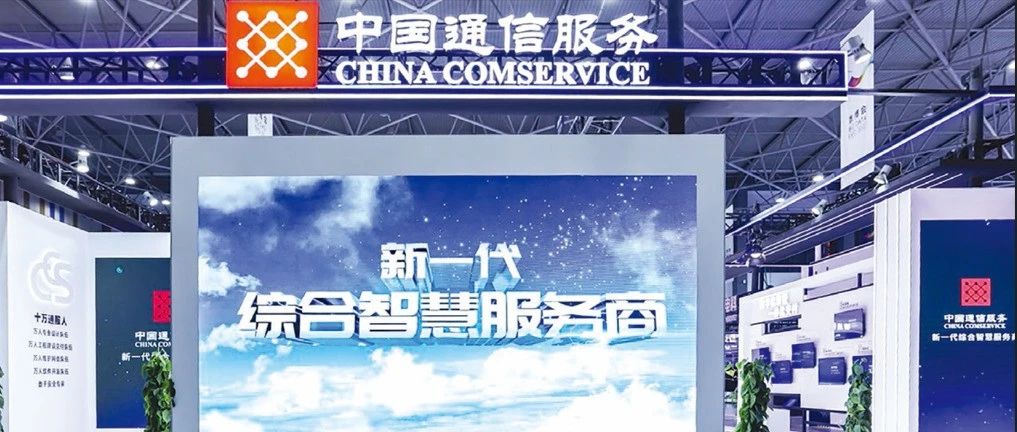
新财富・港股特辑|中国通信服务:向新而行,以质谋远
新财富· 2025-07-11 08:34
Core Viewpoint - Hong Kong serves as a global financial hub, providing a bridge for mainland enterprises to connect with global capital, showcasing resilience amid challenges like U.S. interest rate hikes and geopolitical fluctuations [1] Group 1: Company Performance - The company achieved operating revenue of RMB 150 billion in 2024, a year-on-year increase of 0.9% [4] - Operating gross profit reached RMB 17.596 billion, with a gross margin of 11.7%, reflecting a 0.1 percentage point increase [4] - Net profit was RMB 3.607 billion, with a net profit margin of 2.4%, remaining stable year-on-year [4] - Free cash flow increased by 20.4% to RMB 5.214 billion, maintaining a healthy cash flow level [4] - The company declared a dividend of RMB 0.2187 per share for 2024, with a payout ratio of 42%, consistently above 40% over the past three years [4] Group 2: Business Segments - The telecommunications infrastructure service revenue was RMB 75.172 billion, accounting for 50.1% of total revenue, influenced by cautious client investments [6] - Business process outsourcing services generated RMB 43.459 billion, representing 29.0% of total revenue, with a focus on optimizing low-margin product distribution [6] - Revenue from digital services and applications exceeded RMB 31.369 billion, surpassing 20% of total revenue, marking it as a key growth driver for three consecutive years [6] Group 3: Market Strategy - The company is focusing on the domestic telecommunications operator market by enhancing service delivery quality through digital means and addressing new demands in infrastructure and digital transformation [8] - In the non-operator market, the company is targeting high-value industries and accelerating the development of digital services, exploring areas like low-altitude economy and artificial intelligence [8] - The company is expanding its overseas operations in line with the Belt and Road Initiative, replicating domestic capabilities in digital infrastructure and new energy projects [10] Group 4: Innovation and Development - The company emphasizes technological innovation as a driver for high-quality development, focusing on strategic emerging industries and enhancing its product offerings [18] - It has developed over 40 products with a value exceeding RMB 10 million and holds more than 3,900 patents and 10,500 software copyrights [18] - The company aims to enhance its core capabilities by integrating new technologies like AI, cloud computing, and quantum communication into its service offerings [19] Group 5: Investor Relations - The company is committed to strengthening investor relations, conducting approximately 110 meetings and engaging with around 600 analysts and investors in 2024 [23][24] - The proportion of H-shares held by domestic investors through the Hong Kong Stock Connect increased from 7.2% at the end of 2023 to over 27% [24] Group 6: Corporate Social Responsibility - The company adheres to sustainable development principles, receiving multiple awards for its governance and ESG efforts, including recognition in the Hang Seng Sustainable Development Index [26]
【投顾沙龙·上海站】风口几许远?AI破云天
新财富· 2025-07-10 07:17
Core Viewpoint - The article emphasizes the rapid evolution of generative AI and its impact on industry dynamics and investment logic, highlighting the need for investors to reassess their strategies as AI continues to gain momentum into the second half of 2025 [1]. Group 1: Event Overview - The upcoming offline salon titled "How Far is the Windfall? AI Breaks Through the Clouds" will focus on AI technology development trends and investment paths in technology assets, aiming to identify value and direction amidst the AI boom [1][4]. - The salon will take place on July 17, 2025, from 13:30 to 16:30 at the Shanghai Chunda Renaissance Hotel [4]. Group 2: Guest Speakers - Zheng Hongda, Deputy Director of the Western Securities Research Institute and Chief Analyst in the technology sector, will present on "The Endless Frontier of AI Technology Innovation," analyzing technological evolution and new industry momentum [3]. - Yin Hao, Fund Manager of the Index and Quantitative Investment Department at Bosera Fund, will discuss "Investment Opportunities in the Technology Theme Driven by the AI Wave," exploring ETF allocation and layout directions under AI influence [3]. - Gao Meng, Deputy General Manager of the Xuhui Guangyuan West Road Branch of Dongfang Securities, will share insights on how AI technology is reshaping the core of wealth management in securities advisory, based on practical experience [3]. Group 3: Engagement Activities - The salon will feature engaging activities, including a check-in event with attractive gifts, community red envelope rain, and interactive games, creating a lively atmosphere for participants [2].

小米一口也吃不下AI智能眼镜
新财富· 2025-07-10 07:17
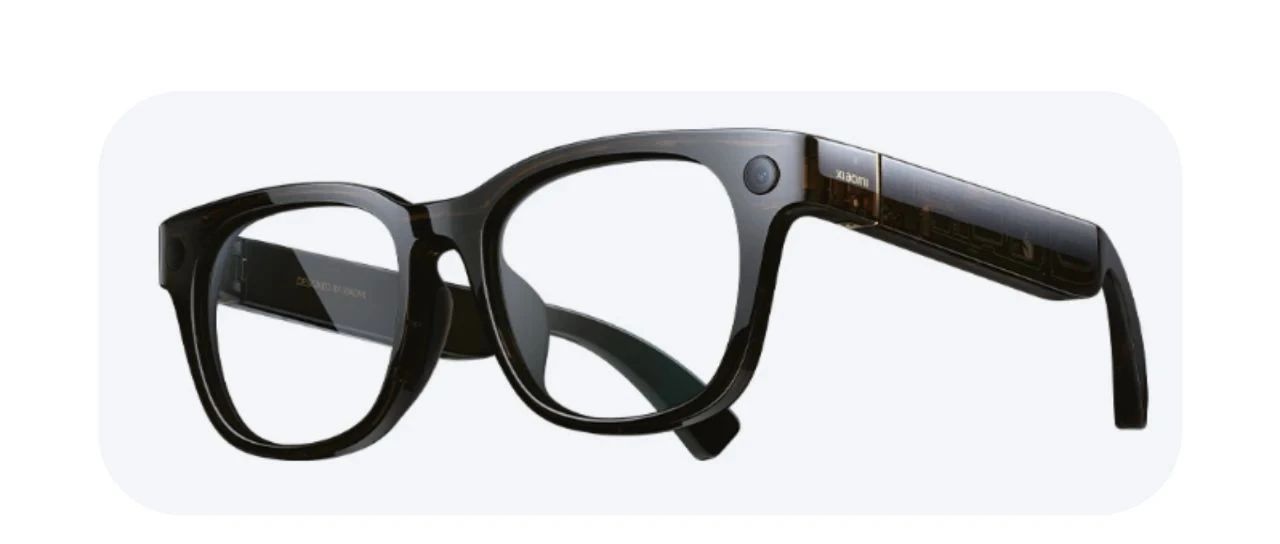
Core Viewpoint - The article discusses the current state and challenges of the smart glasses market, particularly focusing on Xiaomi's AI smart glasses and their competition with Meta's Ray-Ban Meta glasses. It highlights that while Xiaomi has potential, it has not yet captured the market's excitement as effectively as Meta has with its product [4][6][45]. Group 1: Product Comparison - Xiaomi's AI smart glasses have high specifications and features that surpass those of Meta's glasses, such as better suitability for Asian face shapes and longer battery life [13]. - Despite the technical advantages, Xiaomi's smart glasses face issues in user experience, such as connectivity problems and delayed interactions, which hinder their performance compared to Meta's offerings [14][15]. - The success of Meta's glasses is attributed to a well-executed product strategy, including collaborations with established brands and a focus on user experience, which Xiaomi has yet to replicate effectively [11][21]. Group 2: Market Dynamics - The smart glasses industry is still in its early stages, with a projected shipment of 156.8 million units in 2024, which is significantly lower than the smartphone market at the time of the iPhone's launch [24][25]. - The Chinese market for smart glasses is expected to see a 44% year-on-year growth, but the total volume remains low, indicating a nascent market with limited consumer adoption [26]. - The current landscape is described as "chaotic," with numerous product categories and consumer confusion regarding the actual needs and functionalities of smart glasses [28][30]. Group 3: Future Outlook - The article suggests that the integration of AI into smart glasses could redefine user interaction and drive future demand, although this potential has not yet been fully realized in consumer preferences [40][42]. - Major tech companies, including Xiaomi, are investing heavily in the smart glasses sector, indicating a belief in its long-term potential despite current challenges [43]. - The path to widespread adoption of smart glasses is expected to be a long process, with significant technological advancements needed before they can achieve mass-market appeal [46].


中国力量崛起,跨国药企加速“买入”中国创新
新财富· 2025-07-09 07:59
Core Viewpoint - The article highlights the significant growth in the Chinese innovative drug sector, particularly through record-breaking business development (BD) transactions, exemplified by Rongchang Biopharma's partnership with Vor Biopharma, which underscores the global competitiveness of Chinese innovative drugs [3][4][30]. Group 1: Record-Breaking BD Transactions - Rongchang Biopharma announced a milestone international licensing agreement with Vor Biopharma for its innovative drug, Taitasip, with a total deal value of $4.23 billion, setting a new record for outbound licensing in the Chinese pharmaceutical industry [3][4]. - The deal includes a $45 million upfront payment, $80 million in warrants, and up to $4.105 billion in milestone payments, along with a royalty on future sales [3][4]. - Taitasip has shown strong commercial performance, with domestic sales exceeding 1.5 million units in 2024, representing a 95% year-on-year growth, making it a key driver of Rongchang Biopharma's revenue [5]. Group 2: 2025 as a Year of BD Growth - The article notes that 2025 is expected to be a significant year for innovative drug BD transactions, with multinational corporations (MNCs) in China already reaching $9.1 billion in upfront payments by June 2025, surpassing the total for 2024 [7][8]. - The urgency for MNCs to engage in BD transactions is driven by the impending patent cliff, with over $100 billion in sales from major drugs set to lose patent protection in the next five years [12][13]. Group 3: Patent Cliff and MNC Strategies - The approaching patent cliff poses a substantial challenge for MNCs, necessitating the acquisition of innovative drugs to extend product lifecycles and mitigate revenue losses [12][13]. - The article lists several key drugs facing patent expiration, including Merck's Keytruda, which generated $25 billion in sales in 2023 and will lose patent protection in 2028 [14]. Group 4: Chinese Innovative Drugs' Competitive Edge - The performance of the Hong Kong innovative drug sector has been impressive, with the Hong Kong Innovative Drug ETF rising over 52% in 2025, reflecting the shift from a generic-following model to a focus on developing globally competitive innovative products [21]. - The article emphasizes that the core competitiveness of Chinese innovative drug companies lies in their ability to produce high-quality products, as evidenced by significant BD transactions from international firms like BMS and Pfizer, totaling over $17 billion in 2025 [24]. Group 5: Future Outlook and Investment Opportunities - The ongoing BD boom in innovative drugs is seen as a strategic move by MNCs to navigate the challenges posed by the patent cliff, highlighting the robust R&D capabilities of Chinese companies [26][30]. - The article suggests that while market expectations for innovative drugs are high, only companies with solid clinical data and clear commercial prospects will sustain growth, indicating a need for investors to identify firms with genuine international competitiveness [28][29].

打视频听播客,豆包为何总是先人一步?
新财富· 2025-07-08 07:14
Core Viewpoint - The article discusses the innovative strategies and competitive advantages of Doubao, a product developed by ByteDance, in the AI assistant market, particularly focusing on its unique interaction design and technological advancements. Group 1: Product Development and Innovation - Douyin, as a latecomer in the short video market, succeeded by innovating interaction design and leveraging technology effectively, which allowed it to capture user interest and engagement [5][10][11] - The full-screen design of Douyin minimizes distractions, enhancing user experience by allowing immediate content consumption [6][7] - ByteDance's product development philosophy centers around user experience, setting OKRs that prioritize user needs and employing comprehensive technical capabilities to create distinct user experiences [15][16] Group 2: Market Position and Competitive Landscape - The AI assistant market has reached a saturation point where many companies are enhancing existing services rather than innovating, leading to a competitive stalemate [20] - ByteDance's strategy is to differentiate itself by investing in AI multimodal interaction, moving beyond traditional text-based interfaces to more intuitive voice and video interactions [21][30] Group 3: User Interaction and Accessibility - Doubao's introduction of real-time voice calling and video features aims to lower the entry barrier for users, particularly benefiting older adults who may struggle with text input [22][23][30] - The article highlights the importance of reducing user psychological barriers in AI interaction, suggesting that simplifying user engagement is more critical than merely advancing model technology [34][36]