日经中文网

Search documents
日铁收购美钢反转剧(下)特朗普担心军工输中国
日经中文网· 2025-06-23 07:02
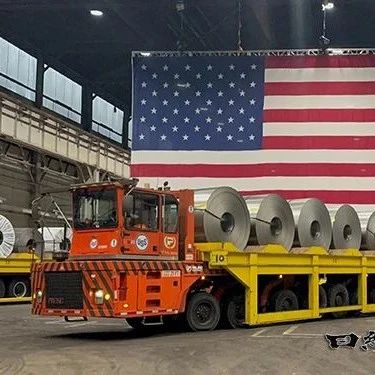
Core Viewpoint - The article discusses the growing concerns of the U.S. government, particularly under President Trump, regarding the steel industry and its implications for national security, especially in the context of military production capabilities compared to China. Group 1: U.S. Steel Industry Concerns - President Trump has expressed anxiety over the U.S. steel industry's ability to support national security, highlighting that China's steel production is 13 times that of the U.S. [1][4] - The U.S. steel industry is struggling to compete with China's military production capabilities, which is a significant concern for national defense [3][5]. Group 2: Military Comparison and Production Capacity - A comparison of naval capabilities shows that China is projected to have 370 vessels compared to the U.S.'s 296 vessels by 2024-2025, indicating a shift in military power [3][4]. - The U.S. Navy aims to increase its fleet to 515 vessels by 2054, but faces challenges due to weak shipbuilding capacity and frequent delivery delays of 1 to 3 years [4]. Group 3: Investment and Acquisition Dynamics - Japan's Nippon Steel has raised its investment offer to $10 billion in negotiations to acquire U.S. Steel, which has influenced Trump's stance on the acquisition [3][5]. - The U.S. steel industry has a history of decline, with only two major high furnace companies remaining, both of which are currently operating at a loss [5][6]. Group 4: Policy Implications - The article critiques the U.S. government's protectionist policies that have historically hindered the steel industry's technological advancement, suggesting that Trump's high tariff policies may not effectively revitalize the industry [6]. - The proposed investment from Nippon Steel is seen as a potential framework for future foreign investments in critical industries, with the U.S. government retaining significant control through a "golden share" arrangement [6].

日本财务省正式对中国石墨电极加征95%关税
日经中文网· 2025-06-23 07:02
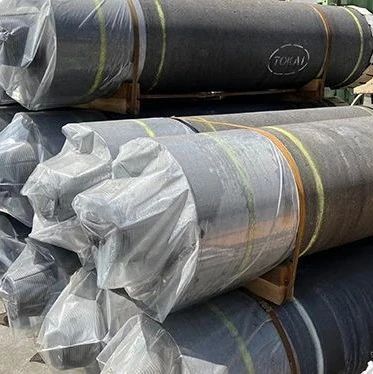
Core Viewpoint - Japan has officially imposed a 95.2% anti-dumping duty on Chinese graphite electrodes for a period of five years, following a temporary measure that began in March 2023, based on the results of an additional investigation [1]. Group 1 - The Japanese Ministry of Finance decided on June 20 to levy anti-dumping duties on Chinese graphite electrodes, which are primarily used as electrodes in electric furnaces to melt iron scrap [1]. - The decision to implement the anti-dumping duty was approved during a meeting of the Tariff and Foreign Exchange Review Committee held on June 20 [1]. - The measure was initiated in response to complaints from domestic manufacturers regarding dumping practices by Chinese companies [1].

全球股市关注下一个“DeepSeek时刻”
日经中文网· 2025-06-23 02:29
Core Viewpoint - The term "DeepSeek moment" is emerging as a topic in global stock markets, symbolizing the disruption of global industry structures and mainstream technologies by innovations originating from China, particularly in the AI and biopharmaceutical sectors [1][3]. Group 1: AI Industry - In January, the Chinese emerging enterprise DeepSeek launched a low-cost generative AI, challenging the United States' dominance in the AI sector [1]. - The "DeepSeek moment" reflects a significant shift in technological leadership from the U.S. to China, indicating a potential change in global power dynamics [1]. Group 2: Biopharmaceutical Industry - Following the AI sector, the biopharmaceutical industry is experiencing its own "DeepSeek moment," highlighted by Pfizer's exclusive licensing agreement with China's 3SBio for cancer treatment drug development and production [3]. - After the announcement, 3SBio's stock surged by 70% compared to the end of April, showcasing investor confidence in Chinese biopharmaceutical companies [3]. - Since the end of 2024, the stock index of biotechnology companies listed in Hong Kong has increased by 51%, significantly outperforming the Hang Seng Index (17%) and the S&P 500 Index (1%), indicating high investor expectations for Chinese biotech firms [3].

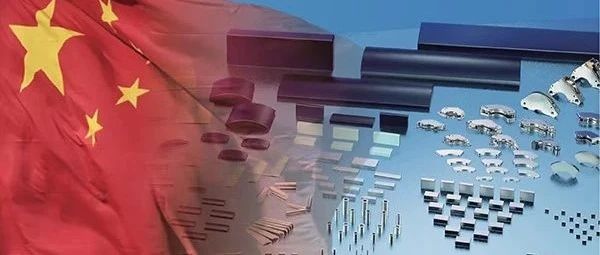
中国稀土(4)日本如何摆脱对中依赖?
日经中文网· 2025-06-23 02:29
Core Viewpoint - Japan is 100% dependent on China for heavy rare earth elements, particularly dysprosium and terbium, which are essential for enhancing the heat resistance of magnets used in electric and hybrid vehicles. The current situation makes it difficult to diversify procurement sources [1][3]. Group 1: Current Challenges - Japan's reliance on China for heavy rare earth elements has been highlighted, with the country facing challenges in sourcing alternatives. The production of dysprosium and terbium is heavily concentrated in China, making diversification difficult [1][3]. - The impact of China's export restrictions was evident when Suzuki halted production of small cars due to a lack of necessary materials [3]. Group 2: Technological Development - The technology for neodymium magnets originated in Japan, developed by individuals such as Sagawa Makoto in 1982. Companies like Proterial, Shin-Etsu Chemical, TDK, and Daido Steel are advancing research in this area [2]. - Daido Steel has developed magnets that do not use heavy rare earth elements, which have been adopted by Honda for hybrid vehicles since 2016. However, these magnets still face challenges in heat resistance and magnetic properties compared to those using heavy rare earths [5]. Group 3: Strategies for Reducing Dependence - Japanese companies are implementing two main strategies to reduce reliance on heavy rare earths: reducing raw material usage and recycling [4][6]. - Proterial and Shin-Etsu Chemical have managed to reduce the amount of heavy rare earths used in magnets to one-tenth of the levels seen around 2000 by optimizing their usage [4]. - Shin-Etsu Chemical has developed technologies for recycling rare earths from manufacturing scraps and waste magnets, creating an internal recycling mechanism [6]. Group 4: Market Dynamics and Government Support - Chinese companies benefit from government support, allowing them to offer magnets at lower prices than their Japanese counterparts. In 2018, approximately 50% of Japan's rare earth metal imports came from China, projected to rise to 63% by 2024 [7]. - Japan's Ministry of Economy, Trade and Industry has identified 86 categories of imports that are heavily reliant on specific countries, surpassing the numbers for the US and Germany [7]. - The Japanese government aims to ensure that domestic neodymium magnet production meets local demand by 2030 and is providing subsidies for recycling equipment [7].
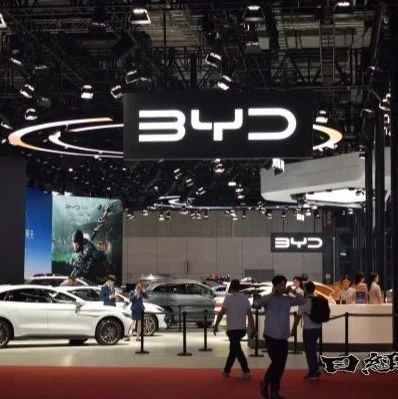
FT中文网精选:一位欧洲比亚迪销售眼中的比亚迪
日经中文网· 2025-06-23 02:29
即使中国自主品牌在欧洲进行本地化生产,"比亚迪被当作欧洲制造商来看待"的图景不 会轻易发生,至少不可能在短期内发生。 文丨FT中文网专栏作家 张冬方 在过去的两年间,中国汽车品牌比亚迪给奥地利人托马斯•哈内德(Thomas Haneder)带来 了一些变化。作为一个过去十二年间一直销售意大利车的销售,自两年前同时成为比亚迪在 奥地利销售以来,哈内德称自己逐渐变成了中国迷。他对中国文化和美食都产生了兴趣,尤 其是对中国人尽一切努力实现目标的心态。在采访中,哈内德向我描述,"中国人的此种心 态和欧洲人的相对松懈形成了反差,在欧洲,目标常有,但有时缺乏最终实现它们所需的意 志。" 编者荐语: 日本经济新闻社与金融时报2015年11月合并为同一家媒体集团。同样于19世纪创刊的日本和英国的两家 报社形成的同盟正以"高品质、最强大的经济新闻学"为旗帜,推进共同特辑等广泛领域的协作。此次, 作为其中的一环,两家报社的中文网之间实现文章互换。 以下文章来源于FT中文网 ,作者张冬方 FT中文网 . 英国《金融时报》集团旗下唯一的中文商业财经网站,旨在为中国商业菁英和决策者们提供每日不可或 缺的商业财经资讯、深度分析以及评论。 ...

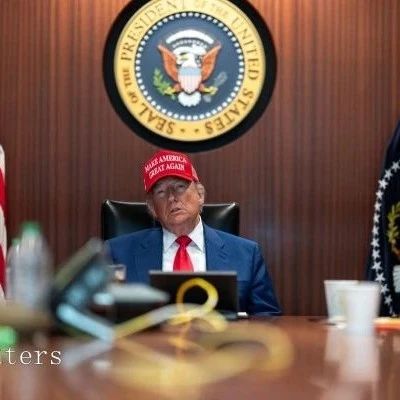
特朗普被以色列拖入战争
日经中文网· 2025-06-23 02:29
Core Viewpoint - The article discusses the shift in U.S. military strategy under President Trump regarding Iran, highlighting the potential for escalating conflict and the implications for U.S. foreign policy and economic stability [1][2]. Group 1: U.S. Military Strategy and Iran - President Trump initially aimed to avoid "endless wars" but has been drawn into conflict with Iran, influenced by Israeli interests [1]. - The U.S. has gained air superiority over Iran and is considering further military actions, which could lead to a more severe situation for Iran [1]. - The article suggests that Israel has strategically weakened Iran through proxy attacks, ultimately leading to U.S. involvement [1]. Group 2: Risks of Prolonged Conflict - A prolonged conflict could expand the Middle Eastern front, posing significant risks [2]. - There is a concern that the U.S. may not fully dismantle Iran's nuclear capabilities, as Iran reportedly possesses 400 kilograms of highly enriched uranium, enough for nine nuclear weapons [2]. - Economic risks are highlighted, with oil prices already rising by 10% due to Iranian attacks, potentially exceeding $100 per barrel if conflict continues [2]. - The U.S. faces risks related to long-term interest rates and potential inflation, which could harm the economies of heavily indebted nations [2]. - The article notes that rising oil prices could benefit Russia and impact peace efforts in Ukraine, undermining U.S. hegemony [2]. Group 3: U.S. Objectives - Preventing Iran's nuclear development is a key objective for the U.S., and the success or failure of this effort will significantly affect evaluations of Trump's presidency [3].
Temu全面放开招募日本商家
日经中文网· 2025-06-23 02:29
Core Viewpoint - Chinese e-commerce platforms are expanding their operations in Japan, with Temu recently opening up merchant recruitment and competing against established players like Amazon and Rakuten [1][2]. Group 1: Temu's Expansion - Temu began recruiting Japanese merchants at the end of January 2023, initially through an invitation system, which has now been fully opened for free applications [1]. - The platform aims to expand its product offerings to align with consumer preferences in Japan, directly competing with Amazon and Rakuten [1][2]. - Temu launched its services in the U.S. in September 2022 and has since expanded to over 90 countries, focusing on cross-border sales of low-priced goods from Chinese small and medium-sized factories [2]. Group 2: Competitive Landscape - Other Chinese e-commerce companies are also entering the Japanese market, with Alibaba set to launch its platform "TAO" in the fall of 2024 [2]. - The Chinese fast-fashion brand Shein is leveraging Chinese clothing factories to penetrate the Japanese market [2]. - TikTok is also starting to recruit merchants in Japan, preparing to launch e-commerce services, showcasing the competitive nature of the market [2].

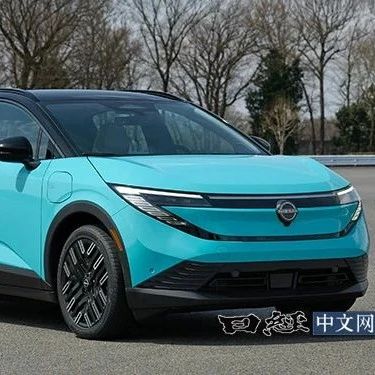
日产披露第3代LEAF,变为SUV、续航超600km
日经中文网· 2025-06-20 07:30
Core Viewpoint - Nissan is reintroducing the LEAF as a compact SUV with significant improvements in range and charging efficiency, aiming to regain its presence in the competitive EV market [1][2]. Group 1: Product Overview - The third-generation LEAF features a range increase of 30%, exceeding 600 kilometers, making it one of the best in the world [1][2]. - The new LEAF can be charged to meet daily usage needs in just 35 minutes [3]. - Nissan plans to sell the new LEAF in the U.S. starting in fall 2025, followed by Japan and Europe [2]. Group 2: Market Positioning - The LEAF is positioned as a standard vehicle within Nissan's EV lineup, alongside other models like the "Sakura" and "ARIYA" [2]. - The shift from a hatchback to a compact SUV format is expected to enhance consumer appeal, as SUVs are increasingly popular globally [2]. Group 3: Competitive Landscape - The new LEAF's range surpasses competitors like BYD's "ATTO3" and Volkswagen's "ID.3," which both have ranges below 600 kilometers [2]. - The first-generation LEAF was a market leader, but Nissan has fallen behind competitors like BYD and Tesla in price and performance [4]. Group 4: Strategic Challenges - Nissan's recent operational restructuring includes significant personnel adjustments and the abandonment of plans to build a domestic battery factory in Japan, which could impact cost competitiveness [4]. - The pricing strategy for the new LEAF remains a key focus, with Nissan aiming for competitive pricing while ensuring profitability [4].