格隆汇APP

Search documents

狂飙!新“AI链”全面引爆
格隆汇APP· 2025-11-26 10:54
Core Viewpoint - The article discusses the significant impact of Google's TPU on the AI computing power market, highlighting the emergence of new investment opportunities and the changing dynamics in the capital market related to AI [3][4]. Group 1: Market Performance - The CPO sector has shown remarkable performance, with the 5G Communication ETF (515050) surging by 5.08% and a year-to-date increase of 77.65%, while the Huaxia AI ETF (159381) rose by 5.05% with a 71.09% increase since its launch on March 24 this year [2][7]. - The "Google chain content" in the two ETFs is significant, with 48% in the Huaxia AI ETF and 30.87% in the 5G Communication ETF [7]. Group 2: Google's Impact - Google's Gemini 3 has been praised for surpassing ChatGPT, and the release of TPU chips has garnered significant attention, with reports indicating that Meta is considering using TPU [4][6]. - Analysts believe that Google's latest model has reset the AI landscape, marking a new "DeepSeek moment" in the market [5]. Group 3: Nvidia's Challenges - Nvidia's stock faced a sharp decline, dropping nearly 7% after the opening of the US stock market, amid concerns about its growth logic being altered due to Google's advancements [9][10]. - Despite the challenges, Nvidia reported strong financial results for Q3 of FY2025, with revenue reaching $57.006 billion, a 62% year-over-year increase, and a net profit of $31.91 billion, up 65% [14][15]. Group 4: Alibaba's Performance - Alibaba's cloud intelligence group reported revenue of 39.82 billion yuan, a 34% year-over-year increase, driven by public cloud services and AI-related products [19]. - The CFO revealed that the company has invested approximately 120 billion yuan in AI and cloud infrastructure over the past four quarters, indicating a commitment to building AI technology infrastructure [20]. Group 5: AI Computing Demand - The demand for AI computing power is real and global, encompassing various technologies including Nvidia's GPUs and Google's TPUs, with a focus on high-speed optical interconnects [31]. - The components involved in AI computing infrastructure, such as optical modules (CPO), PCB, servers, and high-speed copper connections, are critical and represent high-certainty investment opportunities for Chinese companies [32].



AI的尽头是核电
格隆汇APP· 2025-11-25 09:24
Core Insights - The article emphasizes that the bottleneck for AI development is not funding or algorithms, but rather the availability of electricity and data centers to support AI operations [2] - Major tech companies are increasingly turning to nuclear power as a reliable energy source to meet the growing demands of AI [20][21] Group 1: AI's Energy Consumption - AI systems are consuming vast amounts of electricity, with a single training session for models like GPT-5 requiring 100,000 MWh, enough to power a medium-sized city for a week [3][6] - Daily operations of AI applications like ChatGPT consume over 500,000 kWh, which is 17,000 times the average daily electricity usage of a U.S. household [4] - The energy consumption for inference operations can exceed that of training, leading to a long-term energy demand that is unsustainable without reliable power sources [5] Group 2: Current Energy Landscape - Data centers in the U.S. currently account for 2.5% of total electricity consumption, projected to rise to 15% by 2028, with global data center energy demand expected to grow by 105% annually due to AI [6] - The existing energy infrastructure is struggling to keep pace with AI's rapid growth, with significant delays in building new power plants and transmission lines [6][11] - Renewable energy sources like wind and solar are not sufficient to meet AI's continuous power needs, as their utilization rates are low [7][9] Group 3: Nuclear Power's Resurgence - Nuclear power is gaining traction as a stable energy source for AI, with a utilization rate of 92%, making it a reliable option for continuous operation [14][18] - Major companies like Microsoft and Google are investing in nuclear energy, signing long-term agreements for nuclear power to support their AI data centers [20][21] - The integration of AI into nuclear operations can enhance efficiency and reduce operational costs, making nuclear power more attractive [23][24] Group 4: Future Outlook - The demand for nuclear energy is expected to increase significantly as AI capabilities expand, with projections indicating a 3-5 times rise in nuclear power needs by 2030 [29][30] - The collaboration between AI and nuclear power is seen as a mutually beneficial relationship, where AI can optimize nuclear operations while nuclear power provides the necessary energy for AI [33][37] - The article concludes that the future of AI is closely tied to nuclear energy, positioning it as a critical component for sustaining AI's growth [38]


刚刚,集体飙涨!“AI新王”诞生
格隆汇APP· 2025-11-25 09:24
Core Viewpoint - The article highlights the resurgence of AI-related stocks in the A-share market, driven by significant developments from Google and its partnerships, particularly in the AI hardware sector, which is expected to lead to increased capital expenditures in computing power and chip procurement [3][19]. Group 1: Market Performance - The three major A-share indices closed higher, with the Shanghai Composite Index up 0.87%, the Shenzhen Component Index up 1.56%, and the ChiNext Index up 1.77% [2]. - The communication ETF (515880) saw a notable increase of 3.67% and has risen 84.38% year-to-date, making it the top-performing industry theme ETF in the A-share market [4]. Group 2: AI Developments - Google is reportedly considering a multi-billion dollar investment in acquiring Google's TPU for its data center construction, which has positively impacted Google's stock performance and that of its AI chip partner Broadcom, which surged 11.1% [7]. - Google's self-developed TPU is expected to capture 10% of Nvidia's annual revenue, potentially generating billions in new income for Google [8]. - The release of Google's Gemini 3 Pro model has set a new industry benchmark, showcasing significant improvements in multi-modal capabilities and logic reasoning [10][23]. Group 3: Competitive Landscape - The AI landscape is rapidly evolving, with Anthropic's Claude Opus 4.5 outperforming Google's Gemini 3 Pro and OpenAI's GPT-5.1 in various coding tasks, indicating intense competition in the AI model space [13][23]. - Google's advancements in AI models and hardware are seen as a direct challenge to Nvidia's dominance in the chip market, with expectations of increased capital expenditures in computing power [19][20]. Group 4: Investment Opportunities - The communication equipment sector is experiencing growth due to the ongoing global AI arms race, with significant capital expenditures from cloud service providers [26]. - The communication ETF (515880) provides a convenient investment tool for investors looking to gain exposure to the communication sector, which has seen substantial net inflows [26][29]. - The article suggests that the recent adjustments in the communication sector present a good opportunity for technical rebounds, driven by strong demand for computing power [32].
暴力反弹!最牛AI指数变了!
格隆汇APP· 2025-11-25 09:24
Core Insights - The article discusses the evolution of ETFs, particularly focusing on the recent performance of AI-related indices and their significant rebound in the market [2] Group 1: Market Performance - The AI index has shown a remarkable recovery, indicating a strong market interest in AI technologies [2] - The article highlights specific performance metrics, noting that the AI index has outperformed traditional indices by a substantial margin [2] Group 2: Industry Trends - There is a growing trend towards investing in AI-focused ETFs, reflecting broader market shifts towards technology and innovation [2] - The article emphasizes the importance of understanding the underlying assets within these ETFs to gauge future performance [2]
500亿“充电宝巨头”赴港IPO,谷歌前员工创办,来自湖南长沙
格隆汇APP· 2025-11-25 09:24
格隆汇新股 500亿"充电宝巨头"赴港IPO,谷歌前员工创办,来自湖南长沙 原创 阅读全文 ...

产业精炼:AI应用终结泡沫论,谷歌阿里系持续暴涨!
格隆汇APP· 2025-11-24 09:57
| | | 近三轮科技牛期间最大调整情况 | | | | --- | --- | --- | --- | --- | | 牛市名称 | 指数名称 | 最大级别调整持续时间 | 调整幅度 (%) | 调整时长 | | 互联网牛 | | 创业板指 = 2014年2月25日到5月19日 | 22.95 | 57个交易日 | | 塞道牛 | 创业板指 | 2019年4月8日到6月10日 | 21.92 | 42个交易日 | | | 创业板指 | 2020年2月26日到3月23日 | 20.75 | 20个交易日 | | | 创业板指 | 2021年2月18日到3月25日 | 25.09 | 26个交易日 | | 本轮牛市 | 创业板指 | 2025年10月30日至今 | 12.36 | 17个交易日 | | | 科创50指数 | 2025年10月9日至今 | 19.28 | 31个交易日 | | 了解更多图文干货,请下载 "格隆汇App" | | | | | 一边喊"泡沫要破了",说AI就是资本堆出来的概念,烧钱无数却没见多少真赚钱的业务,甚至 杜撰出英伟达庞氏骗局;另一边怼"格局小了",坚信AI是下一次生产力革命, ...


今海医疗(02225.HK):资质、技术与生态三重奏,驱动价值重估
格隆汇APP· 2025-11-24 09:57
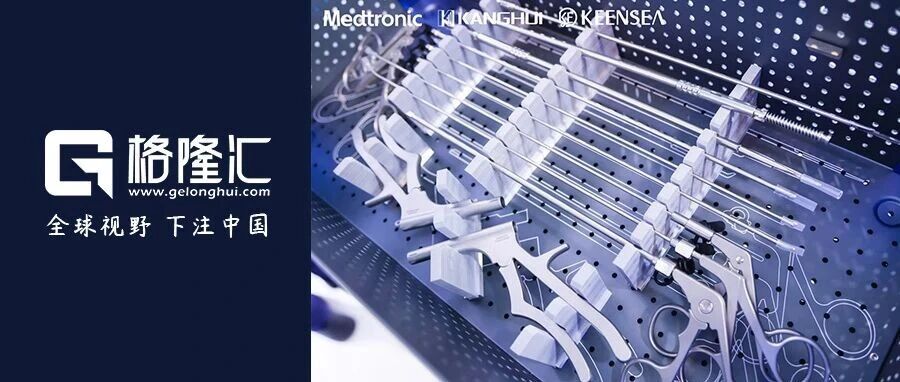
Core Viewpoint - The Chinese medical device industry is undergoing structural changes, shifting from scale expansion to a focus on "innovation-driven," "domestic substitution," and "overseas layout" as core themes for growth [2] Group 1: Company Development and Achievements - Since its transformation in 2021, the company has obtained 13 medical device registration certificates in China, demonstrating its robust R&D and quality management systems [3] - The company plans to acquire additional registration certificates by the end of this year and aims for two Class III certificates next year, indicating a steady progression in its regulatory achievements [3] - The company has made significant breakthroughs in endoscope technology, including the development of a 4K 3D naked-eye fluorescence endoscope system, positioning itself as a leader in high-end medical equipment [3][4] Group 2: Strategic Focus and Market Positioning - The company is diversifying its product offerings into areas such as spinal minimally invasive surgery and is investing in AI and surgical intelligence, aligning with future medical trends [4] - The collaboration with clinical experts is seen as a perfect match for advancing AI in surgery, particularly in spinal surgery, enhancing the company's market positioning [4][7] - The company has strategically chosen to focus on the under-served market of osteoporosis vertebral fractures, developing a bone cement infusion robot to address specific clinical needs [9] Group 3: Strategic Partnerships and Ecosystem Development - The strategic partnership with Medtronic aims to develop integrated solutions for navigation spinal endoscopy, enhancing the surgical process's visibility and safety [7][8] - This collaboration represents a shift from being a technology follower to an ecosystem builder, allowing the company to access global high-end medical markets and absorb advanced product concepts [8][11] - The company has established a dual registration mechanism for both domestic and international markets, significantly reducing the time from local launch to international expansion [11] Group 4: Market Trends and Future Outlook - The minimally invasive surgical instrument and consumables market in China is projected to reach 236 billion yuan in 2023, with a compound annual growth rate (CAGR) of 11.5% expected from 2023 to 2028 [13] - The company is well-positioned in this growing market due to its solid qualifications, forward-looking technology positioning, and top-tier ecosystem alliances [16] - The company is seen as a "silent warrior" in the market, with its strong entry barriers and clear technological pathways contributing to its value creation [17]
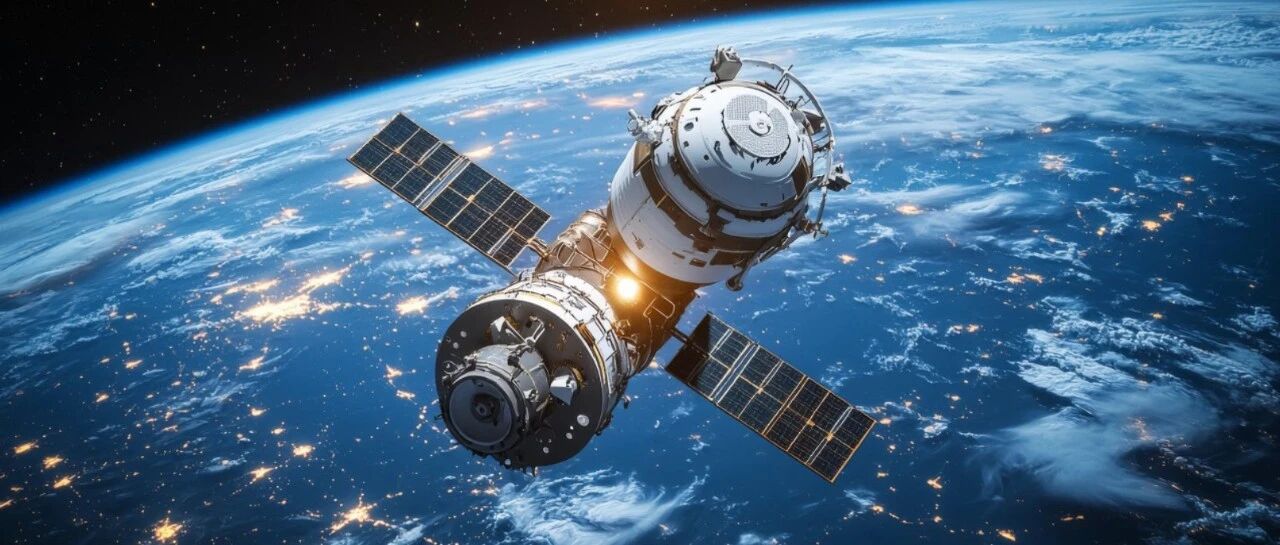
湖南长沙冲出一家IPO,聚焦卫星导航、航天测控领域,毛利率约60%
格隆汇APP· 2025-11-24 09:57
Core Viewpoint - A new IPO has emerged from Changsha, Hunan, focusing on satellite navigation and aerospace measurement and control, with a gross margin of approximately 60% [1] Group 1 - The company specializes in the satellite navigation and aerospace measurement and control sectors, indicating a strong alignment with current technological trends [1] - The gross margin of around 60% suggests a potentially lucrative business model, which may attract investor interest [1]