虎嗅APP

Search documents
苹果不再需要“苹果发布会”了
虎嗅APP· 2026-03-05 00:19
Core Viewpoint - Apple is shifting from grand product launches to a more financially efficient approach, focusing on targeted promotions rather than traditional high-profile events [4][5][8]. Group 1: Product Launch Strategy - Apple introduced new products like the iPhone 17e and MacBook Neo through simple website updates and local experience events, rather than a large-scale global event [4][5]. - The iPhone 17e is priced at 4499 yuan for the 256GB version and 6499 yuan for the 512GB version, targeting the competitive 4000-6000 yuan market segment [5][9]. - The absence of high-profile executives at the events indicates a shift in strategy towards leveraging digital media and influencers for product promotion [8][9]. Group 2: Market Competition - Apple is entering the mid-range market while local competitors like Xiaomi are moving into the high-end segment, indicating a dual competition dynamic [6][9]. - The Chinese market is crucial for Apple, with a reported 38% revenue growth in the Greater China region, despite challenges in fully integrating the iPhone 17 series features [8][9]. - Local brands are responding aggressively to Apple's pricing strategy, with Huawei regaining market share and launching competitive products in the same price range [15][16]. Group 3: Financial Strategy - Apple's approach involves a careful balance of cost management and product pricing, aiming to maintain profitability while offering competitive pricing [11][12]. - The iPhone 17e features a new A19 processor but retains some components from previous models to control costs, reflecting a strategy of financial prudence [12][13]. - The introduction of the MacBook Neo at a starting price of 4599 yuan demonstrates Apple's strategy to provide affordable access to its ecosystem while managing production costs [13][14]. Group 4: Market Dynamics - The smartphone market is projected to decline by 12.9% in 2026, prompting Apple to adopt a strategy that emphasizes cost efficiency and market positioning [9][10]. - The 4000-6000 yuan price segment is becoming increasingly competitive, with Apple aiming to leverage its pricing strategy to gain market share against local brands [16][17]. - Apple's focus on maintaining a healthy gross margin while participating in subsidy programs indicates a long-term strategy to secure its position in the market [16][17].



马斯克频繁为中国AI站台,真相被忽略了
虎嗅APP· 2026-03-05 00:19
Core Viewpoint - The article discusses Elon Musk's recent praise for Chinese AI models, particularly in the context of his business interests and competitive strategies in the AI sector. It highlights the implications of Musk's comments for both Tesla's operations in China and the broader AI landscape. Group 1: Musk's Interest in Small Models - Musk's excitement about small AI models, such as Qwen3.5, stems from their efficiency and ability to operate locally, which is crucial for applications like Tesla's Optimus robot and FSD (Full Self-Driving) technology [10][12][14]. - The Qwen3.5 models, with parameters ranging from 0.8B to 9B, can perform complex tasks while being lightweight enough for mobile and embedded devices, making them suitable for real-time applications [12][15]. Group 2: Business Implications for Tesla - Tesla's sales in China account for over one-third of its global sales, and the Shanghai factory is its largest production base. The company plans to invest over $20 billion in AI capabilities and autonomous vehicle production by 2026 [20]. - Tesla is reportedly using Chinese AI models for its in-car voice assistant, indicating a strategic shift to leverage local technology due to challenges faced by its own AI model, Grok [21][22]. Group 3: Competitive Dynamics - Musk's criticisms of competitors like Anthropic are intertwined with his business interests, as he aims to position his company, xAI, favorably in the market while undermining rivals [28][34]. - The article suggests that Musk's public support for Chinese AI serves a dual purpose: to enhance his own business prospects and to critique the limitations of American AI infrastructure [39][41]. Group 4: Broader Narrative and Strategy - Musk's comments about China's AI capabilities reflect a strategic narrative aimed at highlighting the need for reform in the U.S. energy and AI sectors, emphasizing the importance of power supply for AI development [38][40]. - By framing Chinese AI as a model of accessibility and efficiency, Musk seeks to position himself against perceived monopolistic practices in the AI industry, aligning with his long-standing anti-establishment persona [41][42].


伊朗,大刀向霍尔木兹的头上砍去
虎嗅APP· 2026-03-04 14:02
Core Viewpoint - Iran's announcement to close the Strait of Hormuz represents a significant escalation in regional tensions, impacting global oil supply and prices [3][4][10]. Group 1: Importance of the Strait of Hormuz - The Strait of Hormuz is a critical chokepoint for global oil trade, with approximately 20% of the world's oil, equivalent to about 20 million barrels per day, passing through it [7][9]. - The closure of the Strait would severely disrupt oil exports from Gulf countries, particularly affecting major consumers in Asia such as China, India, Japan, and South Korea [9][24]. Group 2: Historical Context and Military Capability - Historically, the closest attempt to block the Strait occurred during the Iran-Iraq War, where both nations targeted each other's oil tankers [11][12]. - Iran has developed advanced missile and drone capabilities, allowing it to threaten shipping in the Strait without resorting to traditional methods like laying mines [14][15]. Group 3: Immediate Economic Impact - Following the announcement of the closure, Brent crude oil futures surged by 13%, reflecting market fears of supply disruptions [19][44]. - The potential for a significant reduction in oil supply could lead to further price increases, as seen in past conflicts [18][19]. Group 4: Regional Responses and Future Outlook - Gulf countries, including Saudi Arabia and the UAE, have indicated plans to increase oil production, suggesting confidence in maintaining exports despite the tensions [32]. - Iran's foreign minister stated that the country does not intend to permanently close the Strait, indicating that the closure may be a strategic maneuver rather than a long-term action [29][30]. Group 5: China's Oil Strategy - China, which imports about 11 million barrels of oil daily, has built up significant reserves, reaching 1.202 billion barrels, enough to sustain its needs during supply disruptions [52]. - The shift in China's oil import sources, with increased imports from South America and North America, reflects a strategy to mitigate risks associated with Middle Eastern oil supply [56][60].

肯德基APP,“逼疯”顾客?
虎嗅APP· 2026-03-04 14:02
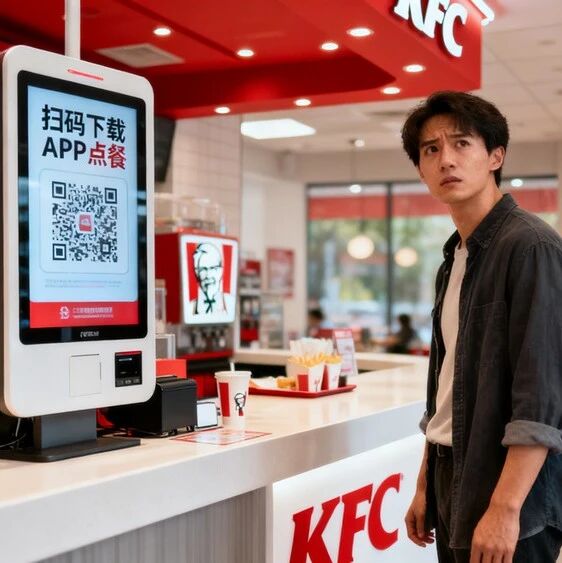
Core Viewpoint - The article discusses the challenges and consumer frustrations associated with KFC's mandatory app ordering system, highlighting the tension between digital transformation and customer experience [6][9][16]. Group 1: Consumer Experience - Many consumers express frustration over KFC's insistence on using the app for ordering, feeling coerced into downloading it to complete their purchases [7][10]. - Experiences shared by consumers indicate that attempts to order at the counter often lead to being redirected to the app, causing dissatisfaction and abandonment of purchases [10][12]. - The article notes that some customers feel that the app requirement diminishes their autonomy and complicates the ordering process, leading to negative perceptions of the brand [8][33]. Group 2: Employee Perspective - KFC employees report feeling pressured to encourage app downloads due to store performance metrics, with some locations requiring a minimum of 60% of orders to be placed through the app [13][15]. - Employees express frustration over the situation, stating that they face criticism from management if app usage targets are not met, regardless of customer satisfaction [14][16]. - The article highlights a divide between corporate expectations and frontline employee experiences, with some employees indicating that they would prefer customers to leave rather than face the pressure of app compliance [14][16]. Group 3: Business Strategy - KFC's focus on app ordering is tied to its broader digital strategy under Yum China, aiming to reduce reliance on third-party delivery platforms that charge high commissions [18][20]. - The app serves as a tool for better customer management and data collection, allowing KFC to enhance its marketing strategies and customer relationship management [21][22]. - The article emphasizes that the app's performance metrics are crucial for KFC's market positioning and investor confidence, making it a key component of the company's digital transformation narrative [23][24]. Group 4: Market Dynamics - The competitive landscape in the food service industry shows that many brands, including KFC, are leveraging app-based incentives to drive downloads and customer engagement [32]. - The article notes that while KFC offers promotions to encourage app usage, the method of enforcement has led to consumer backlash, indicating a need for a more balanced approach [33][34]. - The introduction of AI features in the app, such as the "one-sentence ordering" capability, is seen as a potential way to enhance user experience, but the core issue remains the lack of choice for consumers [29][31].

三年前OpenAI预测不会被AI影响的职业,正以4倍速被残酷碾压
虎嗅APP· 2026-03-04 14:02
Core Insights - The article discusses the rapid transformation of the labor market due to AI advancements, highlighting significant job displacement and the restructuring of job roles, particularly in high-exposure industries [5][6][7][8]. Group 1: AI Impact on Employment - In March 2023, OpenAI estimated that about 19% of U.S. workers would see over 50% of their tasks affected by AI within a decade [6]. - By January 2026, Cognizant reported that 93% of jobs were impacted by AI, with the rate of exposure accelerating from an average annual growth of 2% to 9%, indicating a 4.5-fold increase [14][16]. - The proportion of jobs with over 50% task exposure surged from 0% in 2023 to 30% in 2026, while jobs with at least 25% exposure rose to 69% [16]. Group 2: Job Role Transformation - The article emphasizes that the nature of job roles is changing rather than disappearing, with entry-level positions declining and demand for senior roles increasing [7][34]. - AI's influence is penetrating traditionally secure roles, including management, where CEO exposure to AI increased from 25% to over 60% [25]. - Specific job categories, such as financial managers, have a staggering 84% of their tasks potentially automated by AI [33]. Group 3: Economic Implications - Cognizant estimates that AI could transfer $4.5 trillion in labor costs to AI, representing about 15% of the U.S. GDP [18]. - The article warns of a potential economic crisis by 2028, where AI-driven productivity increases could lead to a hollowing out of consumer spending, termed "ghost GDP" [58][63]. - The disparity in wage structures is highlighted, with AI-related roles commanding a 15% to 30% salary premium, exacerbating income inequality [43][46]. Group 4: Future Projections - The article predicts that by 2028, the labor market will face severe structural pressures, with AI capable of performing most tasks traditionally done by humans [62][63]. - The concept of "task rewriting" is introduced, where job descriptions evolve to require skills in managing AI systems rather than performing traditional tasks [51]. - The potential for a societal shift is noted, where machines create the majority of economic value but do not participate in consumption, raising questions about wealth distribution [63].



英特尔,又一个叫 Craig 的人来救你了
虎嗅APP· 2026-03-04 14:02
Core Viewpoint - The leadership transition at Intel, with Craig Barratt appointed as the new independent chairman, signals a strategic shift towards a technology-driven approach as the company aims to regain its dominance in the semiconductor industry [3][4]. Group 1: Leadership Transition - Craig Barratt's appointment as independent chairman is seen as a reassurance to Wall Street, indicating a focus on technology rather than purely financial oversight during a critical phase of production for the 18A process [4]. - The timing of this leadership change is notable, as Intel's stock price has doubled after a prolonged low, suggesting that the market is regaining confidence in the company's strategic direction [4]. Group 2: Craig Barratt's Background - Craig Barratt has a strong technical background, having previously led Atheros Communications and served as a senior vice president at Google, which positions him well to navigate the complexities of the semiconductor industry [7][9]. - His experience includes significant contributions to the development of software-defined networking through the Tofino series of chips, which may help reshape perceptions of Intel's capabilities [10]. Group 3: Financial Performance and Challenges - Under Frank Yeary's leadership, Intel stabilized its financial performance and established a new financing model for factory expansion, but the company now faces challenges in meeting market demand and delivering products [12][13]. - Intel reported a projected loss in Q1 2026, attributed to high investments in new chip production and inventory shortages, highlighting the need for improved operational efficiency [15]. - The company aims to increase its gross margin from 34.5% to 40% within the next 12 months, indicating a focus on optimizing product cost structures [16]. Group 4: Strategic Focus Moving Forward - The core task for Craig Barratt will be to ensure that Intel does not fall behind in the competitive landscape of process technology and high-performance computing architectures [13]. - The balance between optimizing current costs for survival and ensuring long-term growth through strategic investments will be crucial for Intel's future [16].


裁员越多、股价越高,公司治理的旧逻辑正在失灵?
虎嗅APP· 2026-03-04 10:00
Core Viewpoint - The article discusses the implications of Block's significant layoffs, which affected nearly 40% of its workforce, in the context of the AI efficiency revolution and its impact on ESG principles [2][4]. Group 1: Impact of AI on Employment and ESG - Block's layoffs reflect a broader trend where companies prioritize short-term profits over long-term ESG values, leading to a systemic crisis in ESG implementation [4][5]. - The layoffs raise concerns about employee rights and the potential for legal challenges, especially in regions with strong labor protections [5][10]. - The traditional ESG framework is inadequate in addressing the challenges posed by AI, particularly regarding labor rights and the necessity of human employees [10][11]. Group 2: Governance Issues - The decision-making process behind Block's layoffs lacked transparency and stakeholder engagement, focusing solely on maximizing shareholder returns [6][7]. - The governance model should incorporate a more inclusive decision-making process that balances efficiency gains with employee needs and social responsibilities [6][7]. Group 3: Future of ESG in the AI Era - The article emphasizes the need for ESG frameworks to adapt to the realities of AI, addressing new risks and ethical considerations that arise from technology's integration into business [12][13]. - Companies are encouraged to enhance governance by promoting transparency, providing fair compensation, and offering career transition support for affected employees [15][16][18]. - The long-term success of businesses in the AI era will depend on their ability to align profit motives with social responsibility and sustainable practices [18].

林俊旸卸任,对阿里可能不是坏事
虎嗅APP· 2026-03-04 10:00
Core Viewpoint - The article discusses the impact of Lin Junyang's resignation from Alibaba's Qwen technology team, highlighting the potential implications for the company's talent management and strategic direction in AI development [4][16]. Group 1: Lin Junyang's Background and Contributions - Lin Junyang, born in March 1993, is recognized as a key figure in Alibaba's technology talent pool, having graduated from top local universities and joined Alibaba as a fresh graduate [5]. - He played a significant role in the development of the Qwen series models, achieving over 2 billion downloads in the developer community by 2024 and surpassing 10 billion downloads by 2025, with over 200,000 derivative models created [6][7]. - Lin is noted for his unique combination of technical expertise and high emotional intelligence, which contributed to Qwen's positive reception in the open-source community [7]. Group 2: Strategic Context and Challenges - Alibaba is facing two major strategic battles in 2026: the AI entry battle centered around the Qianwen APP and the instant retail competition led by Taobao Flash Purchase, which are extensions of its 2025 strategy [8][9]. - The Qianwen APP aims to drive traffic to Alibaba's e-commerce ecosystem and restructure existing business models, addressing Qwen's commercial viability and practical capabilities [9][10]. - The current competitive landscape emphasizes the need for AI companies to demonstrate commercial viability beyond just state-of-the-art performance, marking a shift in market expectations [10][11]. Group 3: Organizational Changes and Future Directions - Following Lin's promotion to P10 in May 2025, the Qwen project underwent significant internal restructuring to enhance collaboration with the Qianwen APP, indicating a shift in focus towards more specialized technical teams [13][14]. - Alibaba is actively seeking to recruit top technical talent globally to lead various modules within the Qwen team, aiming for clearer accountability and resource allocation [14][15]. - Lin's resignation may prompt Alibaba to reassess its young talent development strategies, as his rapid rise and subsequent departure highlight potential issues in organizational culture and employee retention [16].


人人呼唤“贾维斯”,AI硬件的答案在哪儿?
虎嗅APP· 2026-03-04 10:00
Core Viewpoint - The AI hardware market is experiencing a split, with some companies aggressively investing while others are retreating, highlighting the importance of identifying the correct trends in the industry [2][3][14]. Group 1: AI Hardware Trends - The article outlines three key trends in AI hardware for Q1 2026: naturalization of experience, scenario-based value, and ecological integration [4]. - Naturalization of experience refers to AI operating seamlessly in the background, allowing users to interact without needing to engage with specific applications [5][6]. - Scenario-based value emphasizes moving away from feature stacking to focusing on a few essential user scenarios, enhancing efficiency and user experience [8][9]. - Ecological integration highlights the importance of interconnected devices, where hardware serves as components within a larger digital ecosystem, enhancing user interaction and data sharing [10][11]. Group 2: Market Dynamics - The current AI hardware market is characterized by a divide between low-cost products and high-end, experience-driven offerings, creating challenges for consumers in discerning value [13][14]. - Companies like OpenAI are making significant investments, such as the $6.5 billion in developing screenless hardware, indicating a shift in interaction paradigms [13]. - The market is filled with new products, but there is a lack of reliable criteria for consumers to evaluate their utility, emphasizing the need for a structured approach to assess AI hardware [14]. Group 3: Evaluation and Awards - The article introduces the "2026 Q1 Upward and New AI Hardware Trend List," which aims to recognize products that meet real user needs and demonstrate structural value [14][26]. - The evaluation will focus on consumer AI hardware products released or available for purchase in the Chinese market between January 1 and March 20, 2026 [15][18]. - Awards will be given for trend-setting products that have been validated by the market and those that show potential for innovation and rule-changing capabilities [23].

近万吨新疆三文鱼,都去哪儿了?
虎嗅APP· 2026-03-04 10:00
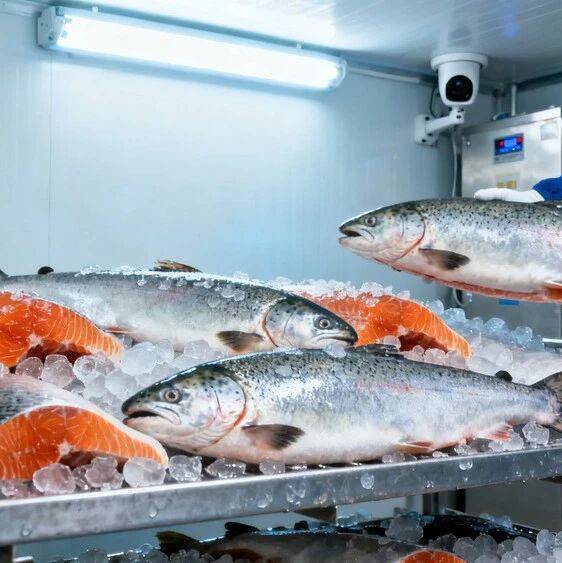
Core Viewpoint - The article discusses the surprising emergence of salmon farming in Xinjiang, China, which has been ongoing for nearly a decade, yet remains largely invisible to consumers despite significant production growth and government support [3][4][12]. Group 1: Industry Background - Salmon is one of the fastest-growing imported seafood products in China, with the country being the sixth largest salmon market globally, consuming twice as much as Japan, the second-largest market in Asia [6][7]. - The consumer demographic for salmon is expanding, now including children and the elderly, while consumption is also spreading from first-tier cities to lower-tier cities [7]. - The reliance on imported salmon has exposed structural risks, especially highlighted during disruptions in the cold chain logistics around 2020 [7][9]. Group 2: Production and Supply Chain - Xinjiang is identified as a prime region for salmon farming due to its cold water resources, which are essential for salmon growth, with the region's production expected to approach 10,000 tons by 2025 [10][4]. - The current salmon produced in Xinjiang is primarily rainbow trout, which has undergone significant breeding improvements, and the supply chain efficiency is enhanced by reduced transportation times compared to imported salmon [10][11]. - The cost of domestically produced rainbow trout is estimated to be at least one-third lower than imported salmon, providing a competitive edge in terms of freshness and price [10][11]. Group 3: Market Challenges - Despite the advantages, domestically produced salmon remains largely absent from mainstream retail shelves, with consumers primarily recognizing imported salmon due to extensive marketing efforts over the past two decades [14][16]. - The lack of consumer awareness and acceptance of domestic rainbow trout is compounded by naming conventions and concerns over potential parasites, which have not been effectively addressed through public education or marketing [17][19]. - The distribution of domestic rainbow trout is primarily through wholesale markets, with mainstream restaurants still favoring imported salmon, indicating a significant gap in consumer acceptance [20][21]. Group 4: Future Prospects - The potential for growth in domestic salmon production is limited by water resource availability, as regions suitable for farming are constrained by competing demands for drinking and irrigation water [23][24]. - Current projections suggest that by 2026, Xinjiang's salmon production may reach 11,200 tons, but without a significant shift in consumer awareness, substantial growth is unlikely [24]. - There is a need for a public discourse to address consumer concerns about domestic salmon, which could facilitate market entry and acceptance, but the responsibility for this lies primarily with local governments and producers [24][28].