虎嗅APP

Search documents
真正把蓝莓价格打下来的,是它
虎嗅APP· 2026-03-28 14:05
Core Viewpoint - The article discusses the decline in the price and status of blueberries in China, particularly in Yunnan, where increased production has led to a significant drop in prices, transforming blueberries from a "middle-class fruit" into a more accessible commodity [4][8][25]. Group 1: Price Decline and Market Dynamics - Blueberry prices have plummeted, with half a kilogram in Shenzhen dropping from nearly 30 yuan to 19.9 yuan, and in Yunnan, prices are as low as 60 yuan for two kilograms [4][8]. - As of 2024, China has become the world's largest blueberry producer, with a planting area of 1.4382 million acres and an annual output of 780,000 tons, marking a 197% increase in production since 2020 [8][29]. - The oversupply of blueberries has diminished their perceived scarcity, leading to a market where they are sold by the bucket rather than in premium packaging [8][12]. Group 2: Agricultural Practices and Quality Concerns - The majority of blueberries in Yunnan are grown using advanced agricultural techniques, such as facility cultivation and nutrient soil, resulting in yields exceeding 2,000 kg per acre, more than double traditional methods [11][21]. - Despite high production, there are concerns about the quality of blueberries, with reports of farmers using growth regulators that affect taste, leading to a decline in consumer satisfaction [14][21]. - The article highlights a potential crisis in quality similar to that experienced by the "sunshine rose" grapes, where increased production has led to a loss of flavor and consumer trust [18][23]. Group 3: Consumer Behavior and Market Perception - The shift in blueberry pricing reflects a broader trend of devaluing "middle-class fruits," where the symbolic value associated with these fruits diminishes as they become more widely available [25][28]. - Consumers are increasingly aware of the quality differences, with many expressing disappointment in the taste of cheaper blueberries compared to their more expensive counterparts [14][21]. - The article suggests that the market is moving towards a model where consumers prioritize taste and quality over the status associated with premium pricing [23][29]. Group 4: Economic Impact and Employment - The blueberry industry in Yunnan has created over 150,000 jobs, with cooperative farmers earning an average annual income of over 350,000 yuan, indicating a positive economic impact despite the price decline [29][30]. - The shift towards more accessible pricing has allowed a broader segment of the population to enjoy fruits that were once considered luxury items, contributing to local economic growth [29][31].


有意思周报|白人饭迎来最新变种:男孩狗粮;特朗普的签名将会出现在美国纸币上
虎嗅APP· 2026-03-28 12:06
Group 1 - The article discusses the phenomenon of "post-game depression," defined as feelings of emptiness or sadness after completing an immersive game, particularly role-playing games [10][11][14] - A study published in "Current Psychology" quantifies this phenomenon, noting that it correlates with more severe depressive symptoms and lower overall happiness [11][14] - The research highlights that as video games evolve, they increasingly address deeper emotional needs, moving beyond mere entertainment [14] Group 2 - The article reports that despite the UK banning single-use e-cigarettes, over 6 million are still discarded weekly, creating significant waste management challenges [40][41] - A study predicts that by 2025, the number of discarded e-cigarettes will reach 6.3 million per week, despite a 31% decrease in weekly purchases following the ban [42][43] - Improper disposal of e-cigarettes, which contain lithium-ion batteries, has led to numerous fires in waste management facilities, causing estimated losses exceeding £1 billion annually [44][46] Group 3 - The article highlights the implementation of SmartPass, a digital monitoring system in New York schools, which has faced criticism from students for its restrictive nature [48][49] - The New York City Department of Education signed a $368,000 contract for this software, which has been met with student dissatisfaction and concerns over privacy [49][55] - Critics argue that the use of such monitoring software could lead to students being treated as products, with their behaviors recorded and potentially misused [55]

张雪峰用生命讲完了最后一课
虎嗅APP· 2026-03-28 09:34
Core Viewpoint - The sudden death of Zhang Xuefeng has sparked a significant public concern regarding heart health, leading to a surge in the demand for health products and emergency medical devices [2][3]. Group 1: Public Reaction and Market Response - Following the news of Zhang Xuefeng's death, there has been an unprecedented increase in public interest in heart health, resulting in a buying frenzy for health products [3]. - Sales of emergency medications and devices, such as nitroglycerin and AEDs (Automated External Defibrillators), have surged by 2 to 5 times since the announcement of his death, with some AEDs selling out in major cities [3]. - The search volume for heart-protective supplements like Coenzyme Q10 increased by 10 times, while the search for emergency heart medications rose by 30 times [3]. Group 2: Health Statistics and Trends - The incidence of sudden cardiac death in China has been rising, with a crude mortality rate of 18.59 per 100,000 people reported in 2021, more than double the rate from 2013 [4]. - Men are approximately twice as likely to experience sudden cardiac death compared to women, and there is a growing trend of such incidents among younger populations, including middle-aged individuals and children [5]. Group 3: Market Potential for Health Products - The market for emergency and preventive health devices is expanding rapidly, with around 3 million AEDs in China and a market size nearing 60 billion yuan [7]. - The potential market for early screening related to sudden cardiac death is estimated to reach 80 billion yuan, with wearable devices for data collection and monitoring projected to have a market potential in the hundreds of billions [7]. - Major tech companies like Apple, Huawei, and Xiaomi are also entering the market with products aimed at preventing sudden cardiac death [7]. Group 4: Technological Developments and Limitations - Wearable devices, such as smartwatches, can monitor heart health indicators and provide valuable data to healthcare professionals, potentially saving lives [8]. - However, the effectiveness of these devices is limited by their reliance on specific technologies, which may not accurately capture heart health data in all situations, particularly during physical activity [9]. - The clinical evidence supporting the efficacy of these devices is still insufficient, and there are concerns regarding their ability to provide comprehensive health assessments [9]. Group 5: Behavioral and Awareness Issues - A significant challenge in preventing sudden cardiac death is the lack of awareness and understanding of health conditions among individuals, particularly those who appear healthy [15][16]. - Many individuals ignore early warning signs of health issues, attributing them to stress or fatigue, which can lead to missed opportunities for timely medical intervention [15][16]. - The need for a cultural shift towards proactive health management is emphasized, as reliance solely on technology without personal awareness and action may not be sufficient [16].

一代神车,退出中国
虎嗅APP· 2026-03-28 09:34
Core Viewpoint - Skoda has officially announced its exit from the Chinese market, ceasing vehicle sales while maintaining after-sales services, marking the end of its 21-year presence in China. This decision reflects a systemic shift in the Chinese automotive market, where consumer preferences have evolved from brand origin to product capability, particularly as the penetration of new energy vehicles exceeds 50% [4][5]. Market Environment Changes - Skoda's departure is indicative of broader changes in the automotive market rather than a singular brand failure. Remaining joint venture brands must redefine their value propositions to survive. Volkswagen is opting for deep localization, luxury brands are retracting upwards, and Japanese brands are accelerating their electric transformation [5][17]. Skoda's Market Entry and Growth - Skoda entered the Chinese market in 2005 through a partnership with SAIC Volkswagen, capitalizing on the demand for affordable, reliable vehicles. The brand's strategy was to offer vehicles at a lower price point than Volkswagen, appealing to consumers who could not afford the higher-priced models [6][7]. - The launch of the Octavia in 2007 marked a significant success, leading to a rapid expansion of Skoda's product line and sales growth, peaking at 341,000 units in 2018, making China Skoda's largest single market globally [7][10]. Decline in Sales - Following its peak in 2018, Skoda's sales began a steep decline, dropping to 282,000 units in 2019 and continuing to fall dramatically to just 15,000 units projected for 2025, representing a 94% decrease over six years [10][12]. Factors Contributing to Decline - The first major factor was Skoda's absence in the new energy vehicle market, failing to launch any domestic electric models while competitors like BYD and NIO thrived [12]. - The second factor was Volkswagen's decision to reduce prices, eroding Skoda's competitive pricing advantage. As Volkswagen's models became more affordable, consumers preferred them over Skoda [13][14]. - The third factor was Skoda's positioning within the Volkswagen Group, which prioritized resources for its core brands, leaving Skoda without the necessary support for competitive product development [15]. Future of Joint Venture Brands - Skoda's exit does not signify the end for all joint venture brands in China. The market logic has shifted, and brands that can adapt to this change by offering competitive products and localized services will have opportunities to thrive. Volkswagen's strategy of deep localization and collaboration with local tech firms exemplifies a path forward [17][19].

莱卡也破产了
虎嗅APP· 2026-03-28 09:34
Core Viewpoint - The article discusses the bankruptcy protection application of Lycra, a leading player in the elastic fiber industry, highlighting the financial struggles and mismanagement following its acquisition by Shandong Ruyi Group, which aimed to create a fashion empire similar to LVMH [5][6][12]. Group 1: Company Background - Lycra, known for its high-quality elastic fabric, has been a dominant force in the textile industry, with 1.3 billion garments certified each year [5]. - The company originated from DuPont's development of spandex in the late 1950s, which revolutionized the fabric market and led to its widespread adoption in various clothing categories [8][9]. - By the late 1990s, Lycra held over 50% market share in the global spandex market, becoming a cultural icon in fashion [10]. Group 2: Acquisition and Financial Struggles - In 2019, Shandong Ruyi Group acquired Lycra for $2.6 billion, aiming to integrate it into a broader luxury fashion strategy [6][12]. - Shortly after the acquisition, Ruyi faced severe financial difficulties, leading to a default on loans used for the purchase, with total debts reaching $4.4 billion by mid-2019 [13][14]. - The COVID-19 pandemic exacerbated Ruyi's financial woes, resulting in multiple lawsuits and a significant decline in cash flow [13][14]. Group 3: Bankruptcy and Restructuring - In March 2023, Lycra filed for bankruptcy protection, with debts exceeding $1.5 billion, primarily due to unsustainable debt levels from the acquisition [5][18]. - The bankruptcy filing included a prepackaged restructuring plan, converting over $1.2 billion of debt into equity, which would significantly reduce total debt from $1.53 billion to approximately $330 million [19]. - Despite the restructuring, Lycra faces challenges in regaining market share lost to competitors from Asia, particularly in the high-end spandex market [17][19].

美团的真正威胁藏在暗处
虎嗅APP· 2026-03-28 03:56
Core Insights - The article discusses Meituan's internal transformation driven by AI, highlighting a significant increase in AI-generated code and the adoption of AI tools like CatPaw, which is reshaping the company's development processes [4][5][6]. AI Integration and Efficiency - Meituan aims to enhance human efficiency through AI by reducing manual labor in repetitive tasks and optimizing business processes to minimize internal friction [6][7]. - By the end of 2025, AI-generated code in Meituan's new codebase reached nearly 52%, with projections of 60% by the first quarter of 2026 [4]. Financial Performance - In Q4 2025, Meituan's revenue grew by 4.1% year-on-year to 92.096 billion yuan, but it faced an operating loss of 16.074 billion yuan, contrasting with a profit of 6.693 billion yuan in the same period the previous year [8]. - For the entire year of 2025, Meituan's revenue increased by 8.1% to 364.855 billion yuan, yet it reported an operating loss of 25.041 billion yuan, compared to a profit of 36.845 billion yuan in 2024 [8]. Competitive Landscape - The intense competition in the food delivery sector has significantly impacted Meituan's profitability, leading to a core local business segment operating loss rate of 2.6% in 2025 [8][9]. - Market sentiment around Meituan's stock fluctuated based on expectations regarding AI and competition, with a notable 13% stock price increase prior to the earnings report, followed by a 3.67% drop post-report due to concerns over ongoing losses [8][9]. Strategic Focus for 2026 - Meituan's strategy for 2026 involves maintaining market share while accelerating AI integration, with a focus on adapting to changing market conditions [10][11]. - The company plans to enhance its competitive edge through acquisitions, such as the 717 million yuan purchase of Dingdong Maicai's domestic business [10]. Organizational Changes - Meituan is streamlining its decision-making processes by decentralizing authority to frontline managers, allowing for quicker responses to market demands [14][15]. - The company is focusing on two key areas: AI and international expansion, with a strategic emphasis on the Middle East and South America [21][22]. Internal Reflection and Future Directions - Meituan's leadership has recognized that internal challenges, rather than external competitors, pose the greatest risk to its success [24]. - The company is shifting its performance metrics from traditional growth indicators to more qualitative measures, such as user satisfaction and sustainable ROI [25][26].

身价立涨10倍,抽屉里的碎屏安卓机成香饽饽了
虎嗅APP· 2026-03-28 03:56
Core Viewpoint - The article discusses the recent surge in the value of old smartphones, driven by the booming AI industry and the resulting demand for storage chips, leading to a significant increase in the mobile phone recycling market [5][12][18]. Group 1: Market Dynamics - The recycling market for old smartphones has seen a price surge, with sellers reporting that previously unwanted devices are now in high demand, leading to quick sales and higher offers from recyclers [6][8]. - A specific example includes the OPPO Find X8 Ultra, which can be sold for 3,465 yuan, significantly higher than the 2,900-3,000 yuan offered by online recycling platforms [11]. - The price of recycled phones has reportedly increased five to six times, with some models that were valued at 20-30 yuan last year now fetching 150-180 yuan [11]. Group 2: Chip Demand and Supply - The explosive growth of the AI industry has led to a dramatic increase in demand for high-bandwidth memory (HBM) and large-capacity storage chips, causing a supply-demand imbalance and skyrocketing prices [12][13]. - According to data from TrendForce, the prices of storage chips have increased by over 300% in the last three months, with DRAM prices expected to rise by 80% to 95% in the first quarter of 2026 [12]. - The share of memory chips in the material costs of smartphones has risen from 10%-15% to 30%-40%, prompting manufacturers to raise retail prices [13]. Group 3: Recycling Process and Profitability - Recyclers are focusing on domestic Android phones, as they are more profitable due to the reusability of their memory chips, unlike Apple devices which have a unified memory architecture that limits reuse [11][16]. - The profit margins for recycled devices vary, with normal machines yielding profits of 100 to 300 yuan, while higher-end devices can yield lower percentages due to increased costs [11]. - The internal components of old smartphones, including metals like copper and silver, contribute to their value, making them a source of electronic raw materials rather than mere waste [17]. Group 4: Future Outlook - The current enthusiasm for recycling old smartphones may wane as the market becomes saturated with new entrants, leading to increased competition and potentially lower profit margins [17][18]. - The article suggests that as the storage chip market stabilizes and the recycling industry becomes more regulated, the initial high profits may normalize, returning the focus to sustainable resource utilization [18].

日本光刻机巨头,崩了
虎嗅APP· 2026-03-28 03:56
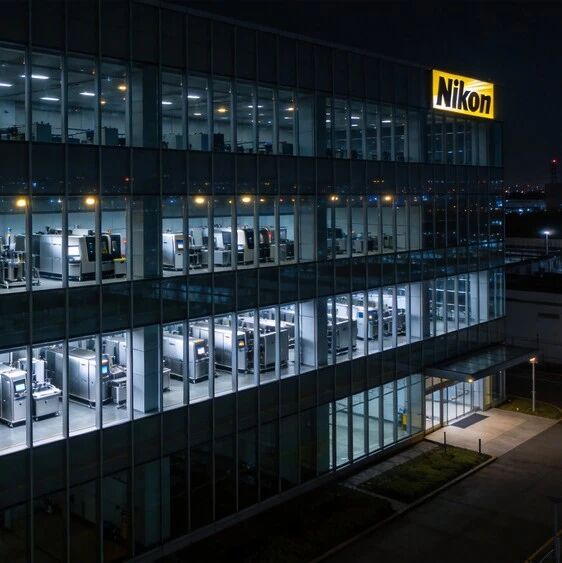
Core Viewpoint - Nikon, a century-old optical giant in Japan, is facing unprecedented challenges, reporting a record loss of 85 billion yen for the fiscal year 2025, primarily due to its struggling 3D printing business and a drastic decline in its lithography machine sales, which totaled only 9 units in the past six months compared to ASML's 160 units sold [5][8][49]. Group 1: Historical Context and Market Position - In the 1980s, Nikon was at the pinnacle of precision manufacturing, dominating the global market in both professional cameras and semiconductor lithography machines [13][14]. - Nikon's lithography machines were considered essential for the semiconductor industry, with major companies like Intel and IBM vying for access to its technology [15][16]. - At its peak, Nikon held a significant market share in lithography machines, akin to ASML's current dominance [17]. Group 2: Key Decisions and Strategic Missteps - A pivotal moment occurred in 2002 when TSMC's Lin Benshan proposed a revolutionary immersion lithography concept, which Nikon's executives rejected due to concerns over potential risks and previous investments in dry lithography technology [22][25]. - Nikon's refusal to adopt the immersion technology allowed ASML to capitalize on the idea, leading to the successful launch of immersion lithography machines in 2004, which significantly eroded Nikon's market share [30][32]. Group 3: The EUV Gamble and Its Consequences - Following the setback with immersion technology, Nikon shifted its focus to developing extreme ultraviolet (EUV) lithography, investing over 100 billion yen in the project, but ultimately failed to commercialize a viable product [36][43]. - The Japanese government supported Nikon's EUV efforts, but the exclusion from key technology alliances and the inability to access critical American technology hindered progress [42][44]. - Nikon's decision to pursue a fully self-reliant development strategy resulted in a lack of collaboration and ultimately led to the termination of the EUV project [45]. Group 4: Current Situation and Future Outlook - Nikon's recent operational decisions, including the closure of its Yokohama factory, reflect a significant contraction in its lithography business, with the company struggling to compete against ASML and emerging Chinese competitors [49]. - The departure of Nikon's long-time leader, Masahiro Matsumoto, symbolizes the end of an era for Japanese lithography technology, highlighting the consequences of arrogance and insularity in the face of rapid technological advancement [48][50].


罗技侮辱消费者?大厂就不该试图做内容
虎嗅APP· 2026-03-27 14:49
Core Viewpoint - Logitech's recent incident highlights the importance of brand management and consumer respect, as the company faced backlash for an inappropriate marketing message that insulted consumers [10][11]. Group 1: Incident Overview - Logitech issued an apology following a controversial post from its official store on Douyin, acknowledging the disappointment and anger of consumers [10]. - The inappropriate content was attributed to an employee of a third-party company that operates the official store, which Logitech claimed violated its brand guidelines [10][11]. - The backlash was intensified by the perception that Logitech was deflecting responsibility rather than addressing the core issue of consumer respect [11]. Group 2: Consumer Sentiment - The marketing message was perceived as arrogant, suggesting that consumers would come back regardless of the price, which angered many [9]. - Consumers expressed frustration over Logitech's pricing strategy in China, with some stating they would not spend any more money on the brand [9]. - The incident reflects a broader issue of how companies should engage with their customers, emphasizing the need for mutual respect in market transactions [9]. Group 3: Corporate Communication Strategy - The article argues that large companies should avoid creating content for new media, as it often leads to miscommunication and brand damage [13][15]. - It suggests that the only effective strategies for large brands on social media are promotions, discounts, and positive messaging, rather than engaging in content creation [14][35]. - The risks associated with corporate accounts are highlighted, as any misstep can lead to significant reputational damage, unlike personal accounts [31][32]. Group 4: Recommendations for Brands - Companies are advised to delegate content creation to professionals in the field to mitigate risks and ensure effective communication [37][38]. - By outsourcing marketing efforts, companies can protect their brand image and avoid direct accountability for potential missteps [38][39]. - The article emphasizes that large companies should focus on their core competencies and leave content creation to experts to avoid unnecessary risks [35][40].

中餐正在征服全世界?骗你的
虎嗅APP· 2026-03-27 14:49
Core Viewpoint - The article discusses the challenges and limitations of Chinese cuisine's global expansion, highlighting that the so-called "Chinese food going abroad" often translates to "Chinese people doing business for Chinese people" rather than a genuine cultural export [5][10]. Group 1: Market Presence - The number of Chinese restaurants in the U.S. is estimated to be between 45,000 and 50,000, surpassing the total number of McDonald's, Burger Kings, and KFCs combined [7]. - In the UK, there are over 12,000 Chinese restaurants, making it the largest source of takeaway cuisine [7]. Group 2: Cultural Recognition - There exists a "dual-track" system in the overseas Chinese restaurant market: one track caters to locals with "Americanized Chinese food," while the other serves authentic Chinese cuisine primarily to the Chinese community [8]. - Authentic Chinese restaurants struggle to survive outside of Chinese neighborhoods, where over 90% of customers are of Asian descent [9]. Group 3: Consumer Expectations - Chinese food is a "necessity" for Chinese diners, who seek authenticity and high standards, while local diners view it as an occasional exotic choice [12][13]. - The perception of Chinese cuisine among Western diners remains low, often associated with takeout boxes and heavy flavors, which limits its acceptance in higher-end dining [13][14]. Group 4: Pricing and Profitability - Chinese cuisine is often trapped in a "cost-performance" trap, with high supply chain costs and labor challenges preventing it from achieving higher price points [17]. - The average check for Chinese restaurants in the U.S. is approximately $45, significantly lower than the $120 average for fine dining establishments [13][18]. Group 5: Market Dynamics - The recent trend of "Chinese food going abroad" is primarily focused on existing markets with high Chinese populations, rather than exploring new customer bases [20]. - Over 20% of new Chinese restaurant brands in New York and London closed or significantly reduced their scale within two years, indicating a challenging survival rate [21]. Group 6: Cultural Barriers - Cultural differences in dining practices and taste preferences create barriers for Chinese cuisine's acceptance in mainstream Western society [23][24]. - The perception of Chinese food as "ethnic cuisine" limits its status and integration into local dining habits, making it difficult to achieve mainstream recognition [26].