虎嗅APP

Search documents
全球最大成人内容平台的缔造者,43岁沉默离世
虎嗅APP· 2026-03-24 09:39
Core Viewpoint - The article discusses the life and impact of Leonid Radvinsky, the owner of OnlyFans, highlighting his low-profile approach and the platform's evolution into a major player in the adult content industry, as well as the challenges it faces moving forward [4][5][6]. Group 1: Radvinsky's Background and Business Ventures - Leonid Radvinsky was born in 1982 in Ukraine and later moved to Chicago, USA, where he graduated from Northwestern University in 2002 with a degree in economics [9][12]. - He began his career in the late 1990s with "porn link farms," generating significant revenue, with a reported daily income of $5,000 in 2002, totaling $1.8 million for the year [13]. - In 2004, he founded MyFreeCams, an adult live streaming site, which operated quietly and profitably without much public attention [14][16]. - Radvinsky established a venture capital fund named "Leo" in 2009, maintaining a low profile while investing in undisclosed ventures [19]. Group 2: OnlyFans' Growth and Business Model - OnlyFans was founded in 2016 by Tim Stokely, initially targeting various creators, but struggled until Radvinsky acquired 75% of the company in 2018, steering it towards adult content [20][21][24]. - The platform operates on a subscription model, taking a 20% commission from creators, allowing them to retain control over their content and pricing [25][28]. - By 2023, OnlyFans generated over $6.6 billion in annual revenue, with over 200 million registered users and more than 3 million creators, having paid out over $20 billion to creators [35][37]. Group 3: Challenges and Controversies - Radvinsky's low-profile approach has drawn scrutiny, especially as OnlyFans faced regulatory pressures and controversies regarding illegal content on the platform [38][43]. - In 2021, OnlyFans announced a ban on sexual content due to external pressures but quickly reversed the decision after backlash from creators [45][47]. - The platform has faced legal challenges from users who felt misled by interactions with third-party customer service representatives instead of actual creators [52]. Group 4: Future Prospects for OnlyFans - Following Radvinsky's death, there are speculations about the future of OnlyFans, including potential sale considerations due to tightening regulatory environments [55][56]. - The rise of AI-generated content poses a threat to OnlyFans' core value of authenticity and personal interaction, as users may prefer cheaper AI alternatives [62][63]. - The platform's reliance on adult content limits its expansion potential, and it faces increasing competition from similar platforms offering lower fees and better tools for creators [66][68].


大A再次砸出“黄金坑”
虎嗅APP· 2026-03-24 02:07
Core Viewpoint - The article discusses the recent market volatility driven by geopolitical tensions, particularly the U.S.-Iran conflict, and explores potential investment opportunities and risks in the current environment [4][5][6]. Group 1: Market Reactions and Geopolitical Tensions - The recent market downturn was triggered by escalating tensions between the U.S. and Iran, shifting market expectations from short-term to long-term conflict [5][6]. - The market is currently characterized by extreme volatility, heavily influenced by geopolitical conflict expectations, with any marginal change leading to significant market reactions [8][19]. - The U.S. administration's fluctuating stance and Iran's increasingly hardline responses contribute to a state of uncertainty in the market, making it difficult to predict future developments [9][10]. Group 2: Historical Context and Economic Implications - Historical parallels are drawn to the 2003 Iraq War, which had profound effects on the 2008 financial crisis through rising oil prices and interest rate hikes [10][11][12]. - The article outlines two main pathways through which war impacts the economy: rising interest rates due to increased military costs and surging oil prices leading to inflation [12][14]. - The interplay between high oil prices and economic downturns can create a "double whammy" effect, exacerbating financial instability [16]. Group 3: Investment Phases in Current Market - The article identifies three potential phases for the capital market under the current geopolitical tensions: inflation trading, recession pricing, and a volatile market driven by fluctuating expectations [17][18][19]. - Currently, the market is experiencing the third phase, characterized by oscillating expectations and increased volatility due to mixed signals from geopolitical developments [20]. Group 4: Sector-Specific Insights - The technology sector is under pressure due to rising oil prices and inflation, but certain high-growth areas may present investment opportunities if oil prices stabilize [35][37][40]. - The photovoltaic sector shows resilience amid market downturns, supported by favorable news and a shift in demand dynamics, particularly from Tesla's procurement plans [42][45][47]. - The chemical sector faces challenges due to rising costs from oil price increases and supply chain disruptions, but potential recovery is anticipated if geopolitical tensions ease [58][60][64]. Group 5: Future Outlook and Strategic Considerations - The article suggests that the worst of the market downturn may have already occurred, with indicators pointing to a potential short-term rebound [22][27]. - The state of the market is viewed as a deep adjustment within a bull market rather than a reversal, with future growth driven by earnings and structural changes rather than mere sentiment [68].

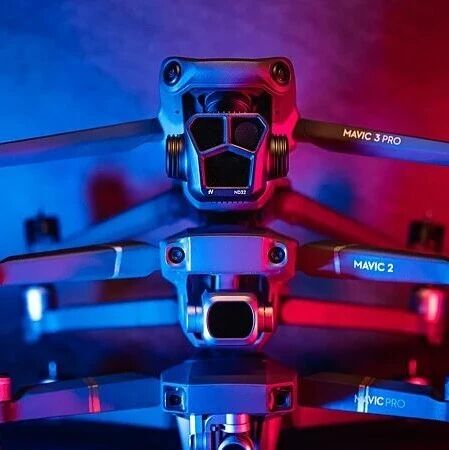
早报|大疆起诉影石专利侵权,影石回应;纽约机场客机撞车致2死41伤;国家对成品油价格采取临时调控措施;寿司郎回应金枪鱼异物事件
虎嗅APP· 2026-03-24 00:33
Group 1: Iran and US Talks - Senior officials from Iran and the US are set to hold talks in Islamabad, Pakistan later this week [1] Group 2: DJI and YingShi Innovation Patent Dispute - DJI has filed a lawsuit against YingShi Innovation regarding six patent ownership disputes, involving former DJI employees [8] - YingShi Innovation claims that the patents in question were developed legally and independently after the employees left DJI [2][3] - The patents are not considered core to YingShi's business and are not expected to significantly impact its operations or financial status [2] Group 3: Economic Outlook by Goldman Sachs - Goldman Sachs has raised the probability of a US recession to 30%, up 5 percentage points due to rising oil and gas prices and tightening financial conditions [4] - The firm expects the US GDP growth rate to be below trend, predicting an annualized growth rate between 1.25% and 1.75% for the second half of the year [5] - Goldman Sachs has also increased its oil price forecast due to ongoing disruptions in energy supply through the Strait of Hormuz, which could raise global inflation and reduce GDP growth by 0.4 percentage points [6] Group 4: OpenAI's Strategic Moves - OpenAI has hired former Meta executive Dave Dugan to lead its advertising sales, indicating a push to strengthen relationships with major advertisers [7] Group 5: Regulatory Actions in Beijing - Beijing's market regulators have conducted talks with 12 platform companies to address issues related to "involutionary" competition and have issued corrective measures [9] Group 6: National Oil Price Regulation - The National Development and Reform Commission has implemented temporary measures to regulate domestic fuel prices in response to rising international oil prices due to geopolitical tensions [13]

黄金暴跌、油价大涨:“乱世买黄金”,错了吗?
虎嗅APP· 2026-03-24 00:33
Core Viewpoint - The article discusses the recent military conflict between the US and Iran, its impact on oil and gold prices, and the underlying reasons for the divergence in their market behaviors during this period [4][5]. Group 1: Understanding "Chaos" and Gold's Role - The traditional notion of "buying gold in chaotic times" is challenged by recent market trends, where gold prices fell sharply despite escalating conflicts [7][8]. - The true meaning of "buying gold in chaos" is not merely linked to war but rather to the instability of the monetary system and the risk of currency devaluation [8][9]. - The difference between the impacts of the Russia-Ukraine war and the recent Israel-Iran conflict on gold prices is highlighted, with the former leading to significant financial sanctions that affected global perceptions of the dollar [10][11]. Group 2: Liquidity and Interest Rates - The article emphasizes the importance of real interest rates and liquidity conditions in understanding the recent decline in gold prices, as high real interest rates increase the opportunity cost of holding gold [12][13]. - The market's reaction to the conflict involved profit-taking from previous gains, leading to a rapid decline in gold prices, which is described as a market correction rather than a failure of gold as a safe haven [14]. Group 3: Impact on the Dollar Oil Pricing System - The article explains the foundation of the petrodollar system established in the 1970s, where oil transactions are conducted in dollars, reinforcing the dollar's status as a global reserve currency [16]. - The recent conflict's direct impact on the dollar oil system is limited, as Iran was already outside this system, and major oil-producing countries continue to operate within it [18]. - However, the conflict signals a gradual reassessment of reliance on the dollar by countries in the region, contributing to a long-term trend of de-dollarization [18]. Group 4: Asset Allocation Perspective - The article advises against speculative trading in gold and oil for ordinary investors, emphasizing the complexity of the factors influencing their prices [20]. - Gold's value in an investment portfolio lies in its low correlation with other assets, particularly during market downturns, making it a strategic asset for risk management [21]. - For oil, the recommended approach for ordinary investors is to use commodity ETFs to gain exposure while mitigating risks associated with individual commodities [23]. Group 5: Principles for Ordinary Investors - Investors should clarify their objectives for holding gold or oil, as different purposes require different strategies [24]. - Acceptance of volatility is crucial, as both gold and oil can experience significant price fluctuations [24]. - Timing the market is discouraged; instead, a strategy of gradual buying and long-term holding is recommended [25].
一夜之间,微信为何失守?
虎嗅APP· 2026-03-24 00:33
Core Viewpoint - WeChat's ClawBot launch signifies a strategic move to integrate AI capabilities into its ecosystem, transforming the platform into a comprehensive AI task execution interface, thereby solidifying its position as a dominant player in the AI entry market [5][21][22]. Group 1: WeChat's ClawBot Launch - On March 22, WeChat officially launched the ClawBot plugin, allowing various AI products to integrate seamlessly, making WeChat the largest "lobster pool" in China [5][6]. - The ClawBot serves as a standardized channel that connects OpenClaw with WeChat, enabling users to assign tasks directly within the chat interface without needing to switch applications [9][10]. - The integration process for users has been simplified to three steps, allowing even those with no coding experience to connect their AI tools to WeChat easily [10][11]. Group 2: AI Integration and User Experience - ClawBot enhances user interaction by allowing AI agents to appear as contacts in WeChat, enabling direct communication and task management similar to regular chats [11][12]. - The plugin supports various media types, allowing users to execute tasks like file processing and email management through simple commands, thus facilitating seamless cross-device collaboration [11][12]. - The introduction of ClawBot is seen as a way to keep users within the WeChat ecosystem, preventing them from migrating to independent AI applications [14][18]. Group 3: Strategic Implications for Tencent - Tencent's strategy with ClawBot aims to create a robust AI ecosystem by integrating various AI agents into WeChat, thereby enhancing user retention and engagement [18][21]. - The move is perceived as a response to concerns that independent AI applications could undermine WeChat's user base, positioning WeChat as the primary interface for AI interactions [14][21]. - Tencent's long-term vision includes developing its own native AI assistant that will further enhance user experience within the WeChat platform [18][19]. Group 4: Market Dynamics and Competitive Landscape - The launch of ClawBot is expected to shift the competitive landscape, as independent AI applications may struggle to retain users who now have integrated AI capabilities within WeChat [21][22]. - The integration of AI into WeChat's existing ecosystem allows for a more efficient user experience, potentially diminishing the value of standalone AI applications [22][24]. - The article suggests that the future of AI competition will revolve around ecosystem integration, user engagement, and the ability to embed AI capabilities into daily workflows [25][26].

Meta和苹果都来“借兵”,谷歌Gemini怎么就成了硅谷“托底王”?
虎嗅APP· 2026-03-23 13:56
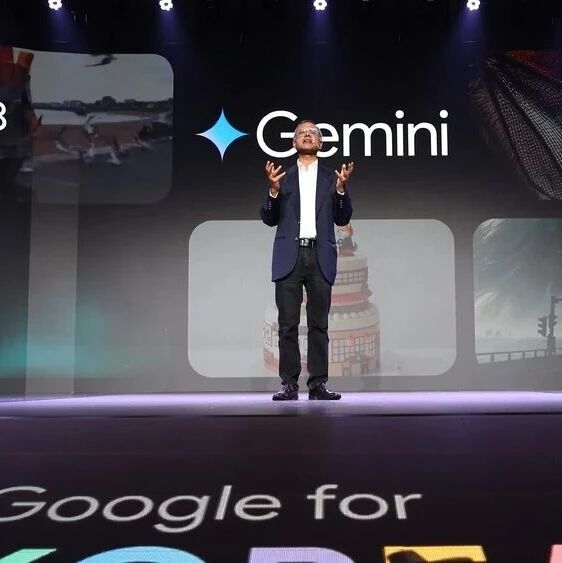
本文来自微信公众号: 字母AI ,作者:毕安娣,题图来自:视觉中国 实在搞不定,就借借谷歌的兵。 最近Meta不顺,最典型的就是新模型"牛油果"项目推迟。 新模型推迟的原因很简单,效果不及预期,比得上去年3月的Gemini 2.5,但是比不上去年11月的 Gemini 3.0。 以下文章来源于字母AI ,作者毕安娣 字母AI . 聚焦前沿科技,抢先看到未来。 在相关爆料中,有一个容易被忽略的细节是,相关人士称,Meta高层曾讨论在"牛油果"能支棱之 前,暂时使用Gemini顶上。 就在今年1月,苹果宣布和谷歌达成合作,下一代Siri和Apple智能核心将基于Gemini模型和谷歌云技 术。 巨头之间的AI竞争有多激烈,已不必多费口舌去描述。在如此激烈的竞争中,谷歌Gemini却默默混 成了硅谷"托底王"。 谷歌帮帮忙 如果只看表面,Gemini成为业内的"托底王"多少有些反常。 毕竟无论是Meta还是苹果,过去几年都在把人工智能能力视为自己的核心战场,按常理说,真到关 键时候,最不愿意依赖的恰恰应该是竞争对手的模型。 但今年以来接连出现的两个案例,却把同一个事实摆到了台面上: 当自家路线暂时撑不住,或者核 心 ...



英伟达正在封装世界
虎嗅APP· 2026-03-23 10:24
Core Insights - Nvidia is transitioning from a chip provider to an AI infrastructure system provider, emphasizing the encapsulation of AI computing power [2] - The encapsulation process allows customers to avoid complex procurement and testing of foundational components, enabling a modular approach to building systems [2] - Nvidia's CUDA was the first layer of encapsulation, creating a significant ecosystem that abstracts hardware complexities for developers [3] Token Pricing Structure - Nvidia's introduction of a five-tier token pricing system at GTC 2026 reflects a shift towards treating tokens as a new commodity, with layers corresponding to different token volumes [6][4] - This pricing strategy aims to meet the increasingly refined demands of various AI applications, where different scenarios require distinct performance metrics [6][7] - The evolution from a uniform supply of AI resources to a more nuanced demand reflects a fundamental change in how AI is integrated into commercial applications [8] Expansion of Nvidia's Empire - Nvidia is building a larger empire beyond CUDA, integrating specialized CPUs and acquiring companies like Groq to enhance its capabilities in AI inference [14][13] - The company is positioning itself as a comprehensive solution provider, akin to Apple in the computing space, controlling hardware, software, and applications [14][10] - The focus on inference hardware is becoming critical as the demand for real-time processing and low-latency responses grows in various AI applications [13] Opportunities for Startups - Despite Nvidia's dominance, there are still opportunities for startups, particularly in edge computing and customized solutions that require specific adaptations [16][15] - The rise of reconfigurable computing presents a chance for companies to address the inefficiencies of general-purpose chips while maintaining flexibility for diverse tasks [16][17] - Startups must quickly adapt to the shifting focus towards inference capabilities rather than solely pursuing training chip development to remain competitive [18]

新加坡是怎么赚钱的
虎嗅APP· 2026-03-23 10:24
Core Viewpoint - Rwanda has transformed from a war-torn nation with a history of genocide to one of the safest and fastest-growing economies in Africa, often compared to Singapore in its governance and development model [3][4]. Group 1: Rwanda's Development - Rwanda's leadership has remained stable since the end of the civil war, with a unique governance style that differs from typical authoritarian regimes in Africa [4]. - The country's development strategy has drawn inspiration from Singapore, particularly in terms of governance and economic management [4][5]. - Rwanda's approach to nation-building emphasizes peace, reconciliation, and stability, positioning it as a modern example for other nations [4]. Group 2: Singapore's Competitive Advantages - Singapore is often viewed as a model for small nations, demonstrating how to thrive despite limited resources [5][6]. - The country has established itself as a global hub for maritime fuel supply, with over 50 million tons of ship fuel sold annually, despite having no oil resources [8][9]. - Key factors contributing to Singapore's success in the maritime fuel sector include efficiency, reliable quality standards, and flexible payment options [9][10][12]. Group 3: Legal and Regulatory Framework - Singapore's legal system is recognized for its credibility, making it a preferred choice for arbitration in international trade agreements [6][11]. - The country has developed a robust framework for processing and purifying water, allowing it to profit from water imports by selling treated water back to neighboring regions [13]. Group 4: Strategic Insights for Businesses - Companies can learn from Singapore's model by leveraging existing resources and creating value through innovative business practices [14]. - The importance of maintaining government credibility and trust is highlighted, especially in times of crisis, as seen in Dubai's response to external challenges [14].

制造业与其养“龙虾”,不如造一把“AK47”
虎嗅APP· 2026-03-23 10:24
Core Insights - The article discusses the rise of industrial AI, particularly focusing on the company Melody, which aims to transform manufacturing processes through AI solutions. The founder emphasizes the need for simplicity and usability in AI applications, likening it to the AK47 for its ease of use and reliability [6][34]. Group 1: Company Overview - Melody is a startup focused on AI transformation for manufacturing, specifically targeting procurement and process optimization [6][10]. - The company has established a valuation of 300 million yuan during its angel round and is currently seeking further investment [9]. - The founder, Xu Zhongren, emphasizes the importance of understanding client needs and addressing the root causes of issues within manufacturing processes [21][22]. Group 2: Industry Context - The industrial AI sector is experiencing a dichotomy where advanced AI applications are rapidly being adopted in various verticals, while many traditional manufacturing practices remain outdated [7][10]. - There is a significant gap between the promises of AI in manufacturing and the actual implementation results, with many companies still relying on manual processes and lacking proper data management [10][11]. - The article highlights the challenges faced by large enterprises in adopting AI solutions, often due to their reliance on generic models that do not cater to specific operational needs [15][41]. Group 3: Challenges and Solutions - Many manufacturing companies have previously invested in digital solutions that failed to deliver, leading to skepticism about new AI initiatives [25][28]. - Melody's approach involves conducting a thorough "health check" of a company's data processes before implementing AI solutions, which is a departure from previous information technology initiatives that created isolated data silos [12][20]. - The company aims to simplify the data collection and analysis process, ensuring that AI applications are user-friendly and can be operated by individuals with minimal technical expertise [34][36]. Group 4: Market Position and Strategy - Melody's strategy involves focusing on specific pain points within manufacturing, such as procurement and process efficiency, rather than offering broad, generic solutions [18][33]. - The company has a competitive advantage due to its ability to deliver tailored solutions quickly, contrasting with larger firms that may take significantly longer to implement similar projects [41]. - The founder believes that addressing complex scenarios in manufacturing will yield higher value and create more significant opportunities for growth [37][38].

大疆把影石压得很难受
虎嗅APP· 2026-03-23 10:24
Core Viewpoint - The competition between DJI and Innosilicon has intensified, with DJI filing a patent lawsuit against Innosilicon, marking a significant escalation in their rivalry within the drone and imaging technology sectors [6][10]. Group 1: Legal and Competitive Landscape - DJI has officially filed a lawsuit against Innosilicon in Shenzhen, focusing on six patents related to drone flight control, structural design, and image processing [6]. - This lawsuit is DJI's first domestic patent dispute, claiming that the patents in question were developed by a former employee within a year of leaving the company [6]. - The competition has been heating up over the past year, with Innosilicon launching its Antigravity drone, which features a unique first-person view experience [7][10]. Group 2: Market Position and Financial Performance - DJI holds over 70% of the global consumer drone market and has a strong supply chain, while Innosilicon has recently entered the market with its own drone brand [9][14]. - Innosilicon's Antigravity drone achieved sales of 30 million yuan within 48 hours of its launch, despite facing supply chain pressures from key suppliers [7][8]. - In 2025, Innosilicon reported a revenue of 9.858 billion yuan, a 76.85% increase year-on-year, but its operating profit decreased by 16.49% due to price wars and strategic investments [13]. Group 3: Product and Market Strategy - In 2025, DJI plans to launch the Osmo 360 camera, directly competing with Innosilicon's products, and has significantly undercut Innosilicon's pricing [12]. - Innosilicon dominates the global panoramic camera market with a 67% market share, while DJI's entry into this space poses a significant threat [12]. - The hand-held smart imaging market is projected to grow significantly, with IDC estimating a compound annual growth rate of nearly 20% over the next five years [15].