虎嗅APP

Search documents
车企盯上有钱人,“9系”大战一触即发
虎嗅APP· 2026-03-25 00:32
Core Viewpoint - The "9 Series" battle represents a critical competition among domestic electric vehicle brands, significantly impacting their market positioning and survival, as they aim to capture high-end consumers and redefine luxury in the automotive sector [2][4][16]. Group 1: Market Context - The Chinese automotive market is undergoing a severe reshuffle, with profit margins dropping to a five-year low of 4.1% by 2025, and even lower to 1.8% in December [7][10]. - The market for vehicles priced below 200,000 yuan is dominated by large manufacturers like BYD and SAIC, leaving new entrants struggling to gain traction [10][11]. - The emergence of the "9 Series" is a strategic response from manufacturers seeking to escape the low-price competition and secure higher profit margins in the premium segment [12][16]. Group 2: Competitive Landscape - The "9 Series" includes flagship models from various brands, characterized by high prices (generally above 300,000 yuan), advanced technology, and spacious designs, targeting affluent customers [4][5]. - Key players in the "9 Series" include NIO, Li Auto, and BYD, each with different financial health and market strategies, ranging from established leaders to those still seeking profitability [4][6][16]. - The competition is not only among the "9 Series" brands but also against established luxury brands like BMW, Benz, and Audi (BBA), which are facing challenges in maintaining their market share [16][32]. Group 3: Strategic Implications - The battle is expected to be most intense in the business market, where many "9 Series" models cater to high-net-worth individuals, influencing brand perception and market dynamics [20][21]. - The family market will see increased competition, but it is anticipated to be less fierce compared to the business segment, as "9 Series" vehicles are well-suited for family needs [22]. - The introduction of models like the Leap Motor D19, which aims to combine affordability with high-quality features, could create a new competitive landscape focused on value [23][24]. Group 4: Product Differentiation - All "9 Series" models share common features of spaciousness and high intelligence, leading to potential product homogeneity, which necessitates unique selling propositions to stand out [26][28]. - Early-stage leaders like Li Auto and Xpeng are expected to leverage their established market presence and technological advancements to gain an initial advantage [27][28]. - Long-term success will depend on the ability to innovate and provide unique customer experiences, balancing high-end services with financial sustainability [31][32]. Group 5: BBA's Response - BBA's strategy to counter the "9 Series" includes aggressive pricing, launching new models, and enhancing technological capabilities through partnerships with tech companies [34][36]. - Despite these efforts, BBA's response may not effectively address the fundamental shifts in market dynamics, as the "9 Series" brands continue to innovate and capture market share [32][42]. - The ongoing transformation in consumer preferences towards smart and electric vehicles indicates that BBA must adapt quickly to maintain relevance in the evolving market landscape [40][41].




张雪峰跑步后离世,跑步和猝死真有关系?
虎嗅APP· 2026-03-25 00:32
本文来自微信公众号: 凤凰网科技 ,作者:凤凰网科技 3月24日晚,苏州峰学蔚来教育科技有限公司发布官方讣告,张雪峰因心源性猝死,经全力抢救无 效,于2026年3月24日15时50分在苏州逝世,年仅41岁。 以下文章来源于凤凰网科技 ,作者凤凰网科技 凤凰网科技 . 凤凰科技频道官方账号,带你直击真相。 据《央视新闻》报道,事发当日中午12点26分,张雪峰在公司跑步后出现不适,被紧急送医,最终 抢救无效离世,医院诊断死亡原因为心源性猝死。而就在事发两天前,张雪峰还在社交平台打卡跑步 记录,3月22日完成7公里跑步,当月累计跑步里程已达72公里。 骤然离世的消息,加上日常坚持跑步的过往,让"跑步会不会导致猝死"再次成为全网热议的焦点。不 少人陷入恐慌:日常跑步真的有这么高的猝死风险吗?我们又该如何守住运动的安全底线? 跑步猝死的真实概率:健康人群 科学跑步风险极低 首先需要明确的核心结论是:跑步本身不是猝死的元凶,不当运动叠加潜在基础疾病,才是引发猝死 的核心诱因。健康人群规律、科学地跑步,猝死风险远低于大众认知。 从权威数据来看,2025年国际顶级医学期刊《JAMA》发表的覆盖2931万马拉松、半程马拉松完赛 ...

早报|张雪峰因心源性猝死抢救无效去世;Token中文名定了:词元;汽车之家多个平台账号被禁止关注;OpenClaw升级现严重事故
虎嗅APP· 2026-03-25 00:32
Group 1 - Zhang Xuefeng, the founder of Suzhou Fengxue Weilai Education Technology Co., Ltd., passed away on March 24, 2026, due to cardiac arrest [2] - OpenAI has reportedly completed the preliminary development of a new AI model, with Sam Altman shifting focus towards data center construction and fundraising [4] - The U.S. government has proposed a 15-point negotiation plan to Iran, addressing nuclear capabilities and regional issues, with potential sanctions relief as a trade-off [6] - Apple is testing a standalone Siri application for iOS 27, aiming for a significant AI upgrade, with a planned announcement at the WWDC on June 8 [7] - The term "Token" has been officially translated to "词元" in China, highlighting its importance in the AI industry as a billing unit for large model usage [9][10] Group 2 - Automotive platform "Autohome" has faced restrictions on multiple social media accounts due to regulatory violations, following previous criticisms for misleading evaluations [11] - Xiaomi's management acknowledged challenges due to rising memory costs, indicating that while pressure is significant, the company may adapt better than competitors due to its high-end strategy [24] - Estée Lauder has confirmed discussions regarding a potential merger with Spanish beauty company PUIG, although no agreement has been reached yet [20][21] - Nvidia's CEO Jensen Huang predicts a significant increase in the GDP share attributed to AI computing, suggesting that the economic role of computing has fundamentally shifted from storage to production [32][33]

用造机器人的逻辑,重做一遍水上生意
虎嗅APP· 2026-03-24 13:34
Core Viewpoint - The article discusses the emergence of Ouka Robotics as a significant player in the unmanned surface vehicle (USV) market, aiming to create a "water-based Weilai" by leveraging China's hardware supply chain advantages and focusing on the underdeveloped maritime sector [4][5]. Group 1: Company Background and Development - Ouka Robotics was founded in 2018, initially struggling to find a reliable supply chain for unmanned surface vehicles, highlighting the industry's lack of industrialization compared to consumer electronics [5]. - The company gained traction after being introduced to the Greater Bay Area's hardware ecosystem, allowing them to build a supply chain for unmanned boats over two months [7]. - Ouka completed a B+ round of financing amounting to nearly 200 million RMB, marking the largest single financing in China's civil unmanned surface vehicle sector [7][8]. Group 2: Market Position and Strategy - The company aims to penetrate the European and American markets with smart yachts, targeting a consumer base that is currently underserved in the maritime sector [8][9]. - Ouka's revenue has surpassed 100 million RMB, achieving profitability, which is rare among autonomous driving companies [8]. - The global maritime market is vast, with over 30 million yachts and a trillion-dollar commercial shipping market, presenting significant opportunities for growth [9]. Group 3: Technological Challenges and Innovations - The technology for water-based autonomous driving is significantly more complex than for land vehicles, requiring unique solutions for challenges such as wave dynamics and environmental reflections [9][10]. - Ouka has invested five years in research and development, creating a proprietary control system and radar technology that achieves positioning accuracy within 0.1 meters [9][10]. - The company has accumulated a substantial dataset of 50 million samples from its fleet of unmanned boats, establishing a data barrier in the industry [10]. Group 4: Product Focus and Market Entry - Ouka chose to focus on cleaning vessels as their first product due to the high demand and operational frequency in waterway maintenance, which allows for extensive data collection [11][12]. - The company emphasizes a strategy of standardization in manufacturing, drawing parallels with successful AGV and industrial AMR models to enhance efficiency and reduce costs [13][14]. - Ouka's dual approach includes both the development of unmanned surface vehicles and intelligent driving systems, aiming to capture value across the maritime supply chain [36]. Group 5: Future Outlook and Expansion Plans - The company plans to expand its product offerings from cleaning vessels to ocean-going unmanned boats and smart tourist vessels, responding to market demands and trends [25][26]. - Ouka's pricing strategy positions its products significantly lower than competitors, with smart yacht prices 30% lower and intelligent driving systems priced at half of similar offerings in the market [16][37]. - The company is also exploring international markets, prioritizing Europe for consumer products and the Middle East and Southeast Asia for B2B applications [37].

这项老钱运动,如何拿下中国年轻人
虎嗅APP· 2026-03-24 13:34
Core Viewpoint - The article discusses the explosive popularity of Formula 1 (F1) among Chinese youth, particularly the Z generation, highlighting the cultural shift and commercialization of the sport in China [5][11][66]. Group 1: F1's Popularity Surge - F1 has become a major cultural phenomenon in China, with over 230,000 attendees at the recent Chinese Grand Prix, including 14% international spectators and 74% from other provinces [10]. - The sport has gained approximately 200 million fans in China, transforming from a niche interest to a mainstream attraction [11][66]. - The event in Shanghai showcased extensive commercial promotion, with F1 branding permeating various sectors, including retail and luxury goods [13][76]. Group 2: Cultural Integration and Fan Engagement - The F1 event has evolved into a vibrant cultural festival, blending elements of anime conventions and idol concerts, attracting a diverse audience [26][109]. - Young fans, particularly women, have introduced new engagement methods, such as creating personalized support materials and merchandise, enhancing the social aspect of attending races [30][34]. - The influx of female fans has shifted the dynamics within the F1 community, leading to a blend of traditional racing culture with modern fandom practices [43][44]. Group 3: Economic Impact and Commercialization - The F1 event significantly boosts local economies, with hotel prices near the race venue increasing by 216% during the event [80]. - The overall sponsorship revenue for F1 is projected to exceed $2.9 billion by 2025, with a growing number of brands participating in the sport [76]. - The commercialization of F1 has led to a broader audience, with the sport's revenue rising from $1.8 billion to $3.8 billion, and its valuation increasing from $8 billion to over $20 billion [90]. Group 4: Generational and Cultural Tensions - The rise of younger fans has created a divide between traditional and new fan bases, with older fans often dismissing the newer audience as lacking genuine interest in the sport [44][48]. - The article highlights the ongoing debate about the legitimacy of new fans, particularly women, in a traditionally male-dominated sport, reflecting broader societal changes [57][62]. - The integration of meme culture and social media engagement has transformed how fans interact with the sport, making it more accessible and relatable to younger audiences [66][92].


余承东“请假”,华为千元机全面搭载麒麟芯片
虎嗅APP· 2026-03-24 13:34
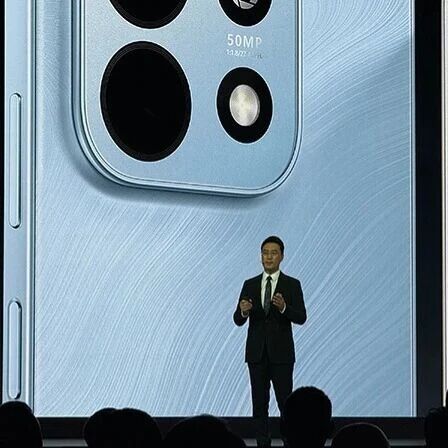
Core Viewpoint - Huawei has announced a comprehensive return to the smartphone market, particularly focusing on the low-end segment with the launch of the Enjoy 90 series, which starts at 1299 yuan, amidst rising memory costs in the industry [5][6]. Group 1: Smartphone Strategy - Huawei's strategy involves a "high configuration at low price" approach, leveraging national policy subsidies to capture the existing market while promoting the HarmonyOS ecosystem [6]. - The Enjoy 90 series features an 8500mAh battery and emphasizes durability, system smoothness, and signal quality, addressing key pain points for consumers in this price range [5]. - The Mate 80 Pro Max, priced at 8499 yuan, reflects a shift in Huawei's high-end strategy by removing a telephoto lens to incorporate a new cooling module, indicating a focus on performance under heavy usage [7]. Group 2: Technological Innovations - Huawei is utilizing software optimization to counteract hardware price increases, allowing for greater "technical tolerance" compared to competitors [8]. - The Mate 80 Pro Max employs new memory technology that provides a 20GB experience on a 16GB setup, aiming to expand its market reach despite rising hardware costs [7]. Group 3: Broader Product Ecosystem - Huawei is expanding its product lineup beyond smartphones, with the WATCH Ultimate 2 targeting high-net-worth individuals through specialized features for golf, and the WATCH GT Runner 2 focusing on running enthusiasts [8]. - The introduction of the Hand Band 11 series ensures continuous iteration in the entry-level health monitoring market, contributing to a comprehensive ecosystem [9]. - Huawei's strategy includes a "full family" update across various product categories, enhancing user engagement within its ecosystem and ensuring that consumers remain connected to Huawei products across different usage scenarios [9].
日本汽车惨败,但中国就“赢”了吗
虎嗅APP· 2026-03-24 13:34
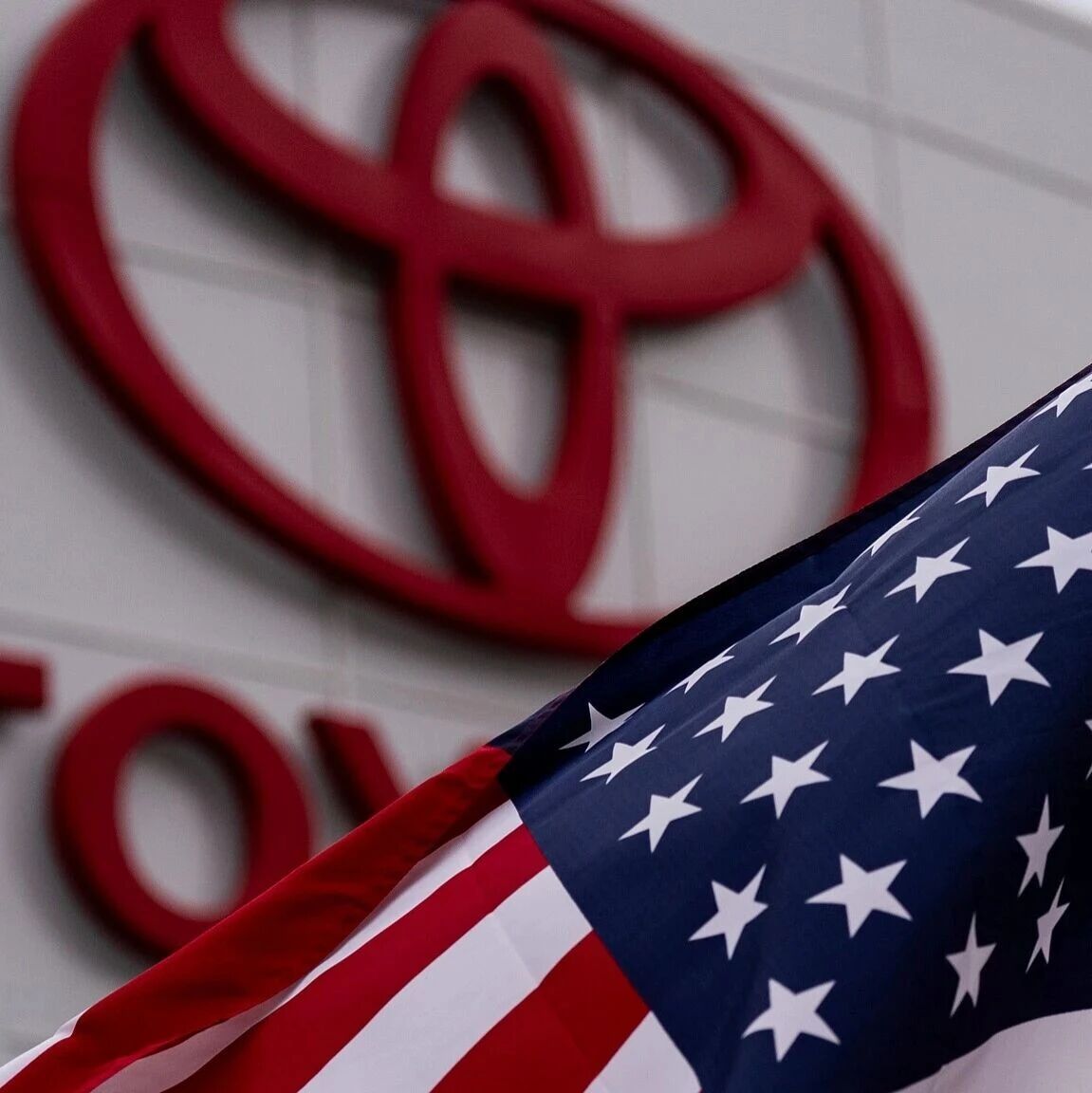
Core Viewpoint - The article discusses the significant milestone of Chinese automotive manufacturers surpassing Japanese companies in global sales, marking a shift in the global automotive landscape. However, it questions whether this achievement truly reflects a win for Chinese companies in terms of profitability and brand value [2][3][4]. Group 1: Sales Data - In 2025, Chinese automotive manufacturers are projected to achieve global sales of approximately 27 million vehicles, while Japanese manufacturers are expected to sell around 25 million vehicles, indicating a notable shift in market leadership [6][7]. - Specific sales figures for leading companies include BYD with 4.602 million units (+8%), SAIC with 4.507 million units (+12.3%), and Geely with 4.116 million units (+26%), while Toyota remains the top seller with 11.323 million units (+4.63%) [9][10]. Group 2: Market Share and Trends - China's global market share in the automotive sector is expected to reach 35.6% in 2025, up from 34.2% in 2024, highlighting a steady increase in dominance [10]. - The decline of Japanese automotive companies is attributed to strategic missteps, with a significant drop in market share in China, where Japanese brands now account for less than 9% of sales compared to 30% at their peak [11]. Group 3: Profitability and Brand Value - Despite leading in sales, Chinese companies like BYD have a net profit that is less than one-fifth of Toyota's, indicating a disparity in profitability [16]. - The overall profit margin for the Chinese automotive industry is only 4.1%, significantly lower than Toyota's operating profit margin of approximately 10% [17]. Group 4: Globalization and Market Presence - BYD's overseas sales reached 1.05 million units in 2025, a 145% increase, but this is still limited compared to Toyota's extensive global presence [19]. - The article emphasizes that while Chinese companies are making strides in international markets, their global strategy remains concentrated in Southeast Asia, the Middle East, and Latin America, with minimal penetration in North America [20]. Group 5: Future Challenges - The article warns that the automotive industry is shifting from a "price war" to a "value war," where success will depend on brand strength, profitability, and global operational capabilities, areas where Chinese companies currently lag [21][24]. - The true winners in the automotive sector will be those who can achieve not just high sales but also strong profits, brand recognition, and a robust global presence [25][26].



9车齐发,余承东缺席,鸿蒙还缺五个“汪峰”
虎嗅APP· 2026-03-24 09:39
Core Viewpoint - Huawei's HarmonyOS is making significant strides in the automotive sector, launching nine new models at its spring conference, but the absence of key figure Yu Chengdong has raised questions about the brand's emotional connection with consumers [2][5][35]. Group 1: Product Launch and Performance - HarmonyOS has achieved cumulative deliveries exceeding 1.3 million vehicles in just 43 months, setting a record for the fastest delivery of a new automotive brand in China [4][18]. - The new product lineup includes nine vehicles across a price range of 150,000 to 1,000,000 yuan, featuring seven new color options and advanced technology such as solid-state LiDAR and ADS 4 [9][18]. - The introduction of vibrant colors like "Star Rose Pink" and "Night Purple" signifies a shift towards more personalized and fashionable vehicle aesthetics, moving away from traditional black, white, and gray [10][13][15]. Group 2: Market Position and Competition - HarmonyOS is positioned to compete with Xiaomi, which has a strong market presence driven by emotional marketing and personal branding, particularly through its founder Lei Jun [20][21]. - The automotive market is experiencing structural changes, with a significant shift towards third-tier cities, where emotional value and consumer engagement are becoming critical [23]. - HarmonyOS's strategy emphasizes technical superiority, but it risks losing consumer interest if it does not also focus on emotional engagement and storytelling [30][35]. Group 3: Leadership and Brand Identity - The absence of Yu Chengdong highlights a potential shift in Huawei's branding strategy, moving from a personal brand to a more collective brand identity, which may dilute emotional connections with consumers [35][41]. - The five leaders of the new vehicle series are encouraged to develop their own narratives and become the "rock stars" of their respective brands, enhancing consumer engagement [44][47]. - The future success of HarmonyOS will depend on its ability to create relatable figures who can connect with consumers on an emotional level, rather than relying solely on technical specifications [48][49].


一人跨国公司,要来了
虎嗅APP· 2026-03-24 09:39
Core Viewpoint - The emergence of Accio Work by Alibaba International signifies a transformative step towards the concept of a "one-person multinational company," enabling individuals without prior experience or teams to operate global businesses effectively [2][30]. Group 1: Accio Work Overview - Accio Work is an enterprise-level agent platform launched by Alibaba International, designed for global small and medium-sized business owners and entrepreneurs, featuring multiple professional agent templates and specialized skills covering e-commerce operations, market analysis, supply chain, and social media promotion [7]. - The platform has surpassed 10 million monthly active users since its launch in November 2024, indicating strong market adoption [7]. Group 2: Functionality and User Experience - Users can create multiple agents with specific roles, allowing for collaborative task management, which enhances operational efficiency [10][24]. - The platform allows users to issue commands in natural language, enabling non-technical users to manage their business operations seamlessly [9][10]. Group 3: Efficiency and Execution - Accio Work can autonomously handle various business tasks, such as market research, product selection, and supplier negotiations, significantly reducing the time and effort required compared to traditional methods [14][20]. - The platform's ability to execute tasks without constant user oversight allows for a more streamlined and efficient workflow, akin to having a dedicated team [18][26]. Group 4: Market Impact and Future Potential - The introduction of Accio Work represents a potential paradigm shift in entrepreneurship, where the need for large teams is diminished, and the focus shifts to decision-making and strategic direction [28][29]. - This innovation could lead to a new wave of entrepreneurs, as the barriers to entry in global markets continue to lower, driven by advancements in AI and automation [28][29].


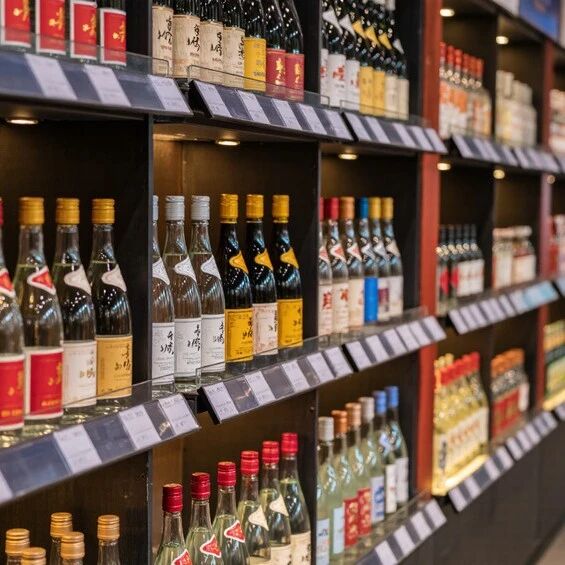
泸州老窖如何实现周期反转?
虎嗅APP· 2026-03-24 09:39
Core Viewpoint - The Chinese liquor industry is at a crossroads, with significant production declines and high inventory levels indicating a shift from rapid expansion to a focus on existing market competition. However, there are signs of potential recovery, particularly for high-end brands like Moutai, as sales during the Spring Festival exceeded expectations, prompting analysts to predict an upcoming cyclical turnaround for the industry [2]. Industry Overview - In 2025, the total production of liquor in China fell to 3.549 million kiloliters, a decrease of 12.1% year-on-year, marking the ninth consecutive year of decline and a nearly 74% drop from the peak in 2016 [2]. - The average inventory turnover days for the industry are projected to reach 900 days in 2025, with channel inventory valued at over 500 billion yuan, highlighting the challenges of production shrinkage, high inventory, and sluggish sales [2]. Company Strategy - Luzhou Laojiao has opted not to follow the market trend of price reductions but instead emphasizes its historical assets and launches the 38-degree Guojiao 1573 as a new growth engine, aiming for a unique path in the current market environment [2]. - Analysts predict that 2025 will be a year of pressure release for Luzhou Laojiao, with expectations of a cyclical reversal starting in 2026, and some optimistic forecasts suggest a return to high single-digit net profit growth by 2027 [2]. Product Growth Strategy - Luzhou Laojiao's product strategy consists of three parts: maintaining price stability for high-end Guojiao, expanding the low-alcohol Guojiao product line, and targeting younger consumers through innovative products [6][8][9]. - The high-end Guojiao 1573 has maintained a price around 850 yuan, successfully avoiding price declines, but a demand recovery is necessary to signal the end of the adjustment period [7]. - The 38-degree Guojiao 1573 has become the first low-alcohol product in the industry to achieve over 10 billion yuan in sales, with a 50% sales share, indicating a successful market entry and growth potential, particularly in the North China market [8]. Brand Positioning and Digital Strategy - The 2026 theme of the annual sealing ceremony, "The Ancestor of Strong Aroma, A New Chapter for Guojiao," reflects a strategic shift towards reinforcing brand identity and future direction, combining historical significance with modern trends [11]. - The focus on digitalization and consumer data collection aims to transition from a B2B channel-driven model to a C2C consumer-driven approach, addressing long-standing issues in the industry [12][13]. - Luzhou Laojiao's emphasis on its historical status as the "ancestor of strong aroma" serves to establish a mental anchor in the market, countering competition from other flavor categories [12]. Future Outlook - The strategic layout of Luzhou Laojiao is clear, with a focus on leveraging historical assets, validating low-alcohol products as a second growth curve, and implementing smart manufacturing to enhance efficiency and reduce costs [13][14]. - The company is preparing for a cyclical reversal by establishing value anchors, sustainable growth engines, and a consumer-driven mindset, with the potential for a significant turnaround in performance over the next 2-3 years [14][15].