是说芯语

Search documents
特朗普宣布对中国加征100%新关税,对所有关键软件实施出口管制
是说芯语· 2025-10-10 23:38
Core Viewpoint - The U.S. will impose a 100% tariff on Chinese imports starting November 1, 2025, as a response to China's new export controls on rare earth minerals, in addition to existing tariffs [1]. Group 1 - The announcement of the new tariffs comes after President Trump threatened to significantly increase tariffs on Chinese goods due to China's recent export control measures [1]. - Trump stated that the new tariffs would be applied to nearly all products produced in China, including some non-Chinese manufactured products [1]. - Alongside the tariffs, the U.S. will implement export controls on all critical software starting on the same date [1].


刚刚!高通公司被立案调查
是说芯语· 2025-10-10 09:25
Group 1 - Qualcomm is under investigation by the State Administration for Market Regulation for failing to legally declare its acquisition of Autotalks, potentially violating the Anti-Monopoly Law of the People's Republic of China [1] - Qualcomm completed the acquisition of Autotalks, a company focused on V2X communication technology for connected vehicles, in June 2025 [3] - This is not Qualcomm's first encounter with antitrust issues, as the company was previously fined 6.088 billion yuan in 2015 for abusing its market dominance [3]

长鑫存储完成首期上市辅导,罕见34人豪华团队护航
是说芯语· 2025-10-10 03:36
Core Viewpoint - Changxin Storage, as the only IDM enterprise in China to achieve mass production of general-purpose DRAM, is undergoing a highly anticipated capital process with significant backing from major financial institutions [3][4]. Group 1: Company Overview - Changxin Technology Group Co., Ltd. is preparing for its initial public offering (IPO) in China, with China International Capital Corporation (CICC) and CITIC Securities acting as advisory institutions [4]. - The company has achieved a breakthrough in DRAM chip production, with a yield rate exceeding 90% for its 19nm DRAM products, and has entered the supply chains of major clients like Huawei Cloud and Inspur [10]. Group 2: Advisory Team and Structure - The advisory team for the IPO consists of a rare 34-member group, with CICC contributing 18 members and CITIC Securities providing 16 members, including newly added core members to strengthen the team [3][5]. - The advisory process includes on-site investigations, video and phone meetings, and online consultations, focusing on regulatory compliance and corporate governance [5]. Group 3: Market Context and Future Prospects - The global storage chip market is entering a favorable cycle, with major players like Samsung and SK Hynix raising prices by 15%-30% this year, and the global market size expected to reach $189 billion in 2025, a 13% year-on-year increase [12]. - Changxin Storage's valuation reached approximately 139.98 billion yuan before investment, with a projected 50% increase in shipment volume by 2025, potentially raising its global market share from 6% to 8% [10][12]. - The company is expected to submit its IPO application by the end of 2025 or early 2026, which could position it as a significant player in the A-share semiconductor sector, akin to "China's Micron" [12].
艾睿电子回应被美国列入实体清单
是说芯语· 2025-10-10 02:13
Core Viewpoint - The U.S. Department of Commerce's Bureau of Industry and Security (BIS) has added 26 entities and 3 addresses to its Entity List, including Arrow Electronics' subsidiaries in China, raising concerns about compliance and supply chain stability [1][2]. Group 1: Regulatory Actions - The BIS has listed Arrow Electronics' subsidiaries for allegedly assisting in the procurement of U.S.-made electronic components for specific drone supply chains [4]. - Arrow Electronics has emphasized its commitment to compliance with U.S. export regulations and has initiated discussions with BIS to address the situation [2][4]. Group 2: Financial Impact - Arrow Electronics is one of the top four global electronic component distributors, with projected global sales of $28 billion in 2024 and $14.4 billion in the first half of 2025, indicating its significant influence on the supply chain [5]. - The timing of the listing coincides with a critical recovery period in the global semiconductor market, raising concerns about potential disruptions in distribution channels and accelerating domestic substitution processes [5]. Group 3: Future Actions - The company has started a consultation process with BIS and aims to minimize supply chain disruptions for its partners [4][5]. - The BIS regulations are now in effect, with a buffer period for in-transit goods until November 7, after which transactions will face strict licensing controls [5].


刚刚!全球首款1.8纳米芯片发布
是说芯语· 2025-10-10 01:33
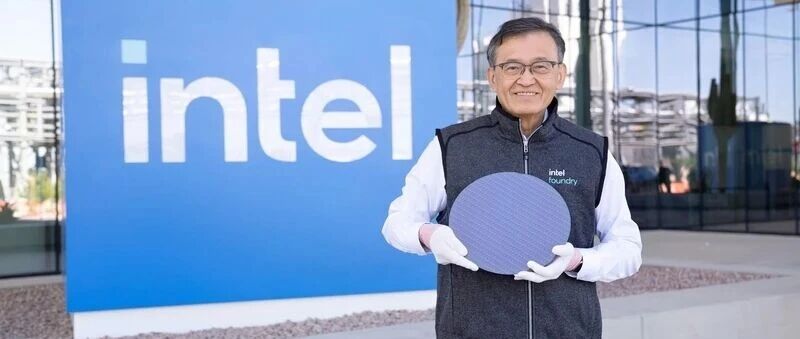
Core Viewpoint - Intel has made significant advancements with the introduction of its first client processor, Panther Lake, based on the Intel 18A process technology, which is set to enter mass production later this year in Arizona, marking a new era in computing technology [4][6][8]. Group 1: Product Launch and Production - Panther Lake is the first client SoC based on the Intel 18A process, featuring a scalable multi-chip architecture with up to 16 new performance and efficiency cores, achieving over 50% performance improvement compared to the previous generation [6][7]. - The mass production of Panther Lake is scheduled for later this year at the Fab 52 facility in Chandler, Arizona, with the first SKU expected to ship by the end of the year and full availability by January 2026 [4][6]. - The server processor Clearwater Forest, also based on the 18A process, was showcased and is planned for release in the first half of 2026 [4][6]. Group 2: Technological Advancements - The Intel 18A process is Intel's first 2nm technology node, offering a 15% performance improvement per watt and a 30% increase in chip density compared to the Intel 3 process [6][7]. - Key innovations in the 18A process include the RibbonFET transistor architecture and PowerVia backside power delivery technology, combined with Foveros 3D stacking technology to enhance performance and scalability [6][7]. Group 3: Market Impact and Future Outlook - The advancements in semiconductor technology are expected to shape the development of the industry for decades, with the new computing platforms acting as catalysts for innovation across Intel's business sectors [8]. - The operationalization of the Fab 52 facility signifies an upgrade in manufacturing capabilities, reinforcing Intel's leadership in the semiconductor market [7].

商务部:将TechInsights等14家外国实体列入不可靠实体清单
是说芯语· 2025-10-09 09:02
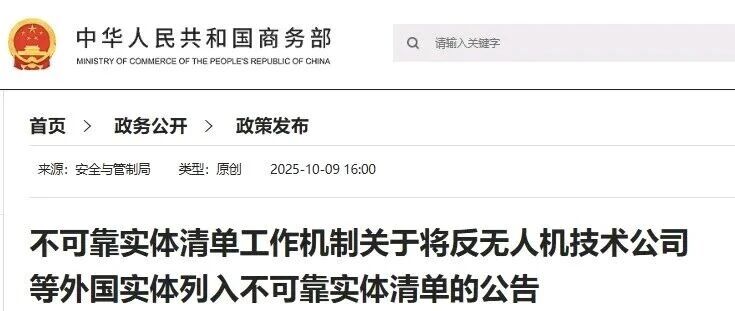
Core Viewpoint - The Ministry of Commerce of China has announced the inclusion of several foreign entities, including anti-drone technology companies and TechInsights, in the unreliable entity list, citing national security and development interests as the primary reasons for this action [1][6]. Group 1: Announcement Details - The announcement states that the listed entities will face several restrictions: prohibition from engaging in import and export activities related to China, prohibition on new investments in China, and prohibition on any transactions or cooperation with these entities by organizations or individuals within China [1]. - The entities included in the unreliable entity list are: Dedrone by Axon, DZYNE Technologies, Elbit Systems of America, Epirus, AeroVironment, Exelis, Alliant Techsystems Operations LLC, BAE Systems, Teledyne FLIR, VSE Corporation, Cubic Global Defense, Recorded Future, Halifax International Security Forum, and TechInsights and its branches [5][7]. Group 2: Rationale Behind the Decision - The Ministry of Commerce indicated that these foreign entities have engaged in military technology cooperation with Taiwan, made negative statements regarding China, and assisted foreign governments in suppressing Chinese companies, which has severely harmed China's national sovereignty and security [6]. - The Chinese government emphasizes that it handles the unreliable entity list cautiously and only targets a small number of foreign entities that pose a threat to national security, assuring that compliant foreign entities have nothing to worry about [8].
20倍回报!华为哈勃减持天岳先进
是说芯语· 2025-10-09 08:13
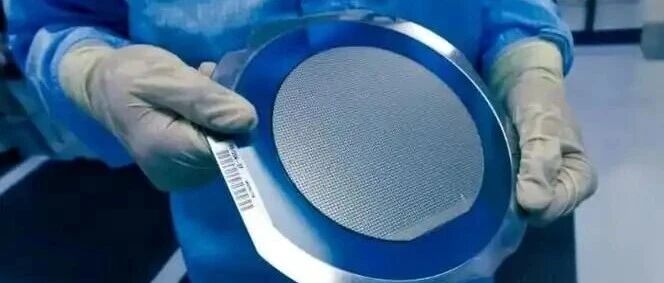
Core Insights - Huawei's Hubble Investment achieved a remarkable 20-fold return on its investment in Tianyue Advanced, turning an initial investment of 111 million yuan into a market value exceeding 2.2 billion yuan over six years [1][3]. Investment Performance - In 2019, Hubble Investment acquired a 10% stake in Tianyue Advanced for 111 million yuan [3]. - Tianyue Advanced went public on the STAR Market on January 12, 2022, leading to a significant increase in its stock price, which peaked at 99.88 yuan per share in September 2023 [3]. - As of September 26, 2025, Hubble's investment in Tianyue Advanced had a market value of approximately 235.4 million yuan, resulting in a floating profit of about 224.3 million yuan [3]. Company Performance - Tianyue Advanced is a leading player in China's silicon carbide semiconductor substrate market, achieving significant breakthroughs in substrate production [4]. - In 2024, the company reported a 41.37% year-on-year increase in revenue and a staggering 491.56% increase in net profit [4]. - However, in the first half of 2025, the company experienced a 12.98% decline in revenue and an 89.32% drop in net profit, attributed to lower substrate sales prices and increased R&D expenses [4]. Market Trends - The demand for silicon carbide is driven by its advantages in high-voltage and high-temperature applications, particularly in the electric vehicle sector [7]. - The global market for silicon carbide power semiconductor devices is projected to grow at a compound annual growth rate of 35.2%, increasing from $3.24 billion in 2024 to $19.745 billion by 2030 [7]. Investment Strategy - Hubble Investment, established in 2019, focuses on building Huawei's semiconductor supply chain and has invested in 112 projects, with over 10 companies successfully going public [8]. - As of mid-2025, Hubble's investments in eight A-share listed companies had a combined market value of approximately 4.415 billion yuan [8]. - The overall value of Hubble's holdings increased to 6.482 billion yuan by September 26, 2025, reflecting a quarterly floating profit of about 2.067 billion yuan [9].

刚刚!商务部宣布:对14nm芯片稀土出口管制
是说芯语· 2025-10-09 01:45
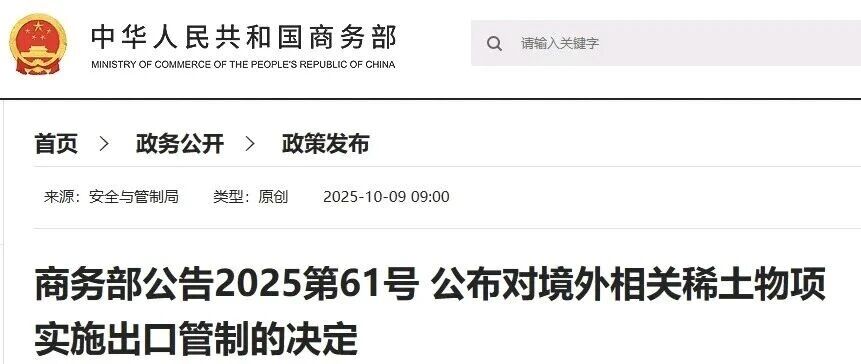
Core Viewpoint - The Chinese government has announced export control measures on certain rare earth items and related technologies to safeguard national security and interests, requiring specific licenses for exports to foreign entities [2][6]. Group 1: Export Control Measures - Exporters must obtain a dual-use item export license from the Ministry of Commerce before exporting items that contain or integrate rare earth materials from China, with a value proportion of 0.1% or more [2]. - Export applications to military users and those listed on control and watch lists will generally not be approved [2]. - Applications for exports intended for the development of weapons of mass destruction, terrorism, or military enhancement will also be denied [3]. Group 2: Specific Applications and Exemptions - Export applications for humanitarian purposes, such as emergency medical aid or disaster relief, do not require a license but must be reported to the Ministry of Commerce within 10 working days [3]. - Applications for exporting technologies related to the production of advanced semiconductors (14nm logic chips or 256-layer storage chips) will be reviewed on a case-by-case basis [3]. Group 3: Compliance and Reporting - Exporters must provide compliance notices to foreign importers and end-users when exporting controlled items [4]. - Exporters unsure if their items require a license can consult the Ministry of Commerce via email [4]. Group 4: Rare Earth Technology Controls - Export of rare earth mining, refining, and related technologies requires a license, and any assistance to foreign rare earth activities without permission is prohibited [7][10]. - Technologies that have entered the public domain or are necessary for basic scientific research are not subject to these controls [10]. Group 5: Implementation and Updates - The announced measures will take effect on December 1, 2025, for certain items, while others are effective immediately upon publication [4]. - The dual-use item export control list will be updated concurrently with these announcements [11].
突发!美国商务部BIS将数家电子元器件分销商列入实体清单
是说芯语· 2025-10-08 23:00
Core Viewpoint - The U.S. Department of Commerce's Bureau of Industry and Security (BIS) has added 26 entities and 3 addresses to the Entity List, primarily targeting intermediaries in China and Hong Kong that procure U.S.-origin electronic components for Iran and its proxy organizations [1][6]. Group 1: Entities and Addresses Added - The list includes 16 Chinese companies and 3 addresses in Hong Kong, with a focus on disrupting networks that facilitate the procurement of U.S. electronic components for Iranian armed groups [1][2]. - The Hong Kong addresses are linked to previously sanctioned Iranian electronic supply networks, indicating that any entity registered at these addresses will face automatic licensing requirements for exports under EAR jurisdiction [2]. Group 2: Specific Companies Involved - The companies listed range from large global distributors like Arrow's subsidiaries in China and Hong Kong to various small and medium-sized technology and trading firms [3]. - Specific companies include Arrow China Electronics Trading Co., Ltd., Beijing Kevins Technology Development Co., Ltd., and Easy Fly Intelligent Technology Co., Ltd., which are implicated in the procurement of components found in drone wreckage used by Iranian proxies [3][4]. Group 3: Regulatory Implications - All listed entities and addresses will be subject to a "presumption of denial" licensing policy for all items subject to EAR, with most licensing exceptions no longer applicable [6]. - The BIS has reiterated the "50% rule," meaning any foreign entity that is directly or indirectly owned 50% or more by the listed entities will also be subject to the same licensing requirements [6]. Group 4: Broader Context and Historical Reference - The inclusion of Arrow's subsidiaries marks a significant shift from a previous situation in 2020 where Arrow was not listed despite being part of a draft list of entities [7][8]. - This change reflects a broader enforcement logic and potential shifts in U.S. policy regarding global supply chains and geopolitical tensions [8].

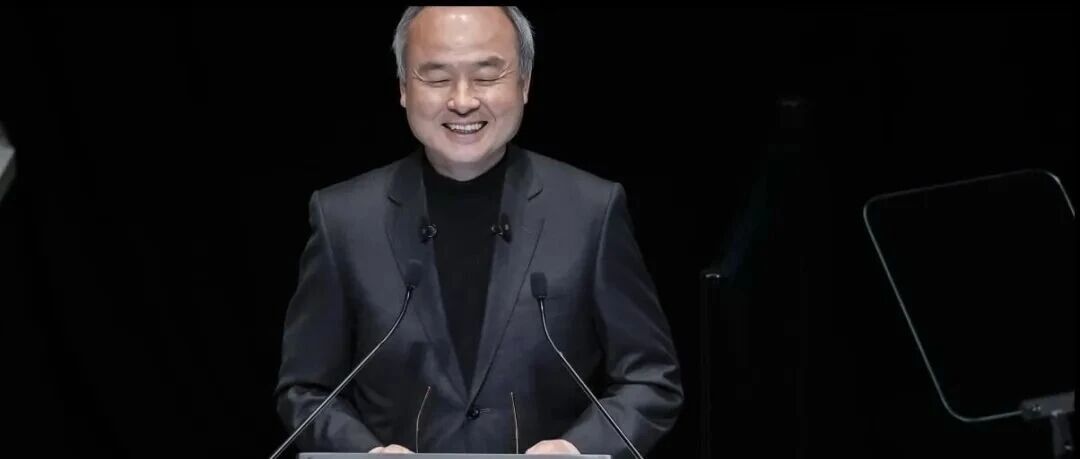
孙正义出手,54亿美元押注通用人工智能
是说芯语· 2025-10-08 13:17
Core Viewpoint - SoftBank Group announced a significant investment of $5.4 billion to acquire the robotics division of Swiss industrial giant ABB, marking a strategic move towards advancing physical artificial intelligence (AI) and general artificial intelligence (AGI) [2][5]. Group 1: Investment Strategy - The acquisition is part of SoftBank's broader strategy to integrate AI with robotics, which is seen as a crucial pathway to achieving AGI [2]. - SoftBank's chairman, Masayoshi Son, emphasizes the need for substantial funding to realize AGI, which he believes will be primarily achieved by large enterprises in the next 2-3 years [2][5]. - The global robotics market is currently valued at approximately $78 billion and is projected to reach $165 billion by the end of 2029, indicating a robust growth opportunity in this sector [4]. Group 2: Industry Context - SoftBank has previously invested in various robotics companies, including Agile Robots and AutoStore, and aims to enhance its robotics portfolio through the ABB acquisition [3]. - The industrial robotics sector is viewed as having a clearer commercialization path compared to humanoid robots, which have faced market challenges [4]. - Industry leaders, including NVIDIA's CEO Jensen Huang, predict that the next wave of AI will focus on physical AI capable of understanding physical laws and working alongside humans [4]. Group 3: Collaboration and Future Outlook - SoftBank is also deepening its commitment to AI through collaboration with OpenAI, planning to invest $3 billion annually in deploying OpenAI products [5]. - The integration of AI and robotics is expected to drive significant advancements in technology, with Son envisioning a future where AI will surpass human intelligence by a factor of ten thousand within the next decade [2].