材料汇

Search documents
1300+新材料深度报告下载:含半导体材料/显示材料/新材料能源等
材料汇· 2025-11-20 14:45
Investment Insights - The article emphasizes the importance of understanding the investment landscape in new materials, particularly in sectors like semiconductors and renewable energy [9][11]. - It highlights the potential for high returns in the new materials sector, especially as industries evolve and demand for advanced materials increases [9][11]. Semiconductor Sector - The semiconductor industry is categorized into various segments, including advanced packaging, third-generation semiconductors, and semiconductor equipment [4][6]. - Key materials such as silicon wafers, photoresists, and etching chemicals are critical for semiconductor manufacturing [4][6]. - The article discusses the growth of companies like ASML and TSMC, which are pivotal in the semiconductor supply chain [6]. Renewable Energy - The renewable energy sector is identified as a significant area for investment, with a focus on lithium batteries, hydrogen energy, and energy storage solutions [4][6]. - The demand for materials like lithium and advanced battery technologies is expected to rise as the world shifts towards sustainable energy sources [4][6]. New Materials - The article outlines various categories of new materials, including chemical new materials, composite materials, and high-performance films [5][6]. - Innovations in materials science are driving advancements in industries such as aerospace, automotive, and electronics [5][6]. Investment Strategies - Different investment stages are discussed, from seed rounds with high risks to pre-IPO stages with lower risks and higher valuations [8]. - The article suggests that investors should focus on team capabilities, market potential, and product maturity when evaluating investment opportunities [8].


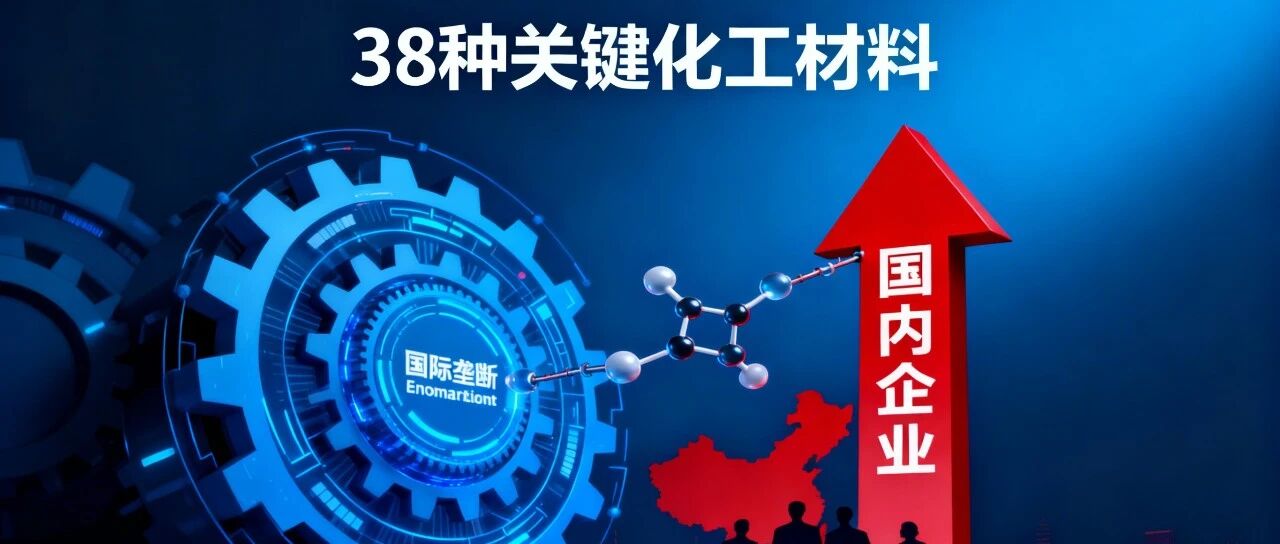
38种关键化工材料格局深度看:国际垄断vs国内突围,中国企业机会在哪?
材料汇· 2025-11-19 12:56
Core Viewpoint - The Ministry of Industry and Information Technology of China has initiated a program to promote innovation in key fine chemical products, focusing on critical demand areas such as new energy vehicles, medical equipment, mobile communication devices, rail transportation, and marine engineering [2]. Group 1: Intermediate Raw Materials - Liquid Crystal Polymer (LCP) key monomer (4,4'-Biphenol) is crucial for producing LCP, with applications in new displays, 5G/6G communication, semiconductors, and new energy vehicles. The global market is projected to reach approximately $268 million by 2030, with a CAGR of 5.0% from 2024 to 2030 [8]. - Biphenyl Terephthalic Anhydride (BPDA) is a key raw material for high-end polyimides, primarily used in aircraft structural components and aerospace insulation materials. The global market is expected to reach $1.3 billion by 2030, with a CAGR of 5.2% from 2024 [9]. - Poly(methyl methacrylate) (PMI) key monomer is essential for producing PMI, which is used in aerospace, wind turbine blades, and medical equipment. The global market for PMI is projected to reach $1.6 billion by 2030, with a CAGR of 8%-10% [10]. Group 2: Important Materials - Ethylene-Propylene-Acrylate Copolymer (EBA) is used for high-voltage cable shielding materials, with a global market size of approximately $1.5-3 billion in 2023, expected to grow at a CAGR of 6%-8% [22]. - Polyetherimide (PEI) is utilized in aircraft components and medical devices, with a global market size of $6-10 billion in 2023, projected to grow at a CAGR of 7%-9% [23]. - High Tear Strength Silicone Rubber is used in aerospace and medical devices, with a global market size of $12-15 billion in 2023, expected to grow at a CAGR of 5%-7% [24].
第三代半导体-碳化硅行业深度报告(附下载)
材料汇· 2025-11-19 12:56
Core Viewpoint - The article discusses the silicon carbide (SiC) industry, highlighting its performance advantages, application areas, new growth drivers, market potential, domestic substitution, and related companies, emphasizing the increasing demand driven by the renewable energy sector and emerging industries like AI and electric vehicles [2][3]. Group 1: Overview of Silicon Carbide - Silicon carbide (SiC) is a wide bandgap semiconductor material known for its high voltage resistance, thermal conductivity, and low switching losses, making it suitable for applications in renewable energy, AI server power supplies, and aerospace [2][4][16]. - The evolution of semiconductor materials is categorized into three generations, with SiC being part of the third generation, which meets the growing demands for high power, high voltage, and high frequency electronic devices [12][16]. Group 2: Application Areas of Silicon Carbide - SiC is primarily used in electric vehicle inverters, which are critical for energy conversion and efficiency optimization, with increasing voltage requirements from 650V to over 1200V to enhance vehicle performance [23][26]. - The thermal conductivity of SiC is significantly higher than that of silicon, allowing devices to operate at higher temperatures and improving their lifespan, which is crucial for the demanding conditions in electric vehicles [26][29]. Group 3: New Growth Drivers for Silicon Carbide - The demand for SiC is expected to grow in chip packaging due to the increasing power requirements of AI GPUs, with Nvidia's GPU power rising from 700W to 1400W, necessitating better thermal management solutions [73][74]. - SiC is anticipated to play a vital role in data centers, addressing challenges related to power density and energy consumption, as the market for data centers is projected to grow significantly from $31.95 billion in 2024 to $98.76 billion by 2035 [87][88]. Group 4: Market Potential of Silicon Carbide - The market for SiC is expanding rapidly, with the number of new SiC vehicle models in China increasing from 45 in 2023 to 47 in 2024, indicating a trend towards broader adoption across various vehicle price segments [34][35]. - The penetration of SiC in the electric vehicle market is expected to rise significantly, with projections suggesting it could exceed 20% by 2025 as the technology becomes more mainstream [38]. Group 5: Domestic Substitution of Silicon Carbide - The article highlights the ongoing efforts in China to develop domestic SiC production capabilities, which are crucial for reducing reliance on foreign suppliers and enhancing the competitiveness of local companies in the semiconductor market [2][5]. Group 6: Related Companies - Several companies are actively involved in the SiC market, focusing on various applications such as electric vehicles, data centers, and renewable energy systems, with significant investments being made to enhance production capabilities and technological advancements [2][3].


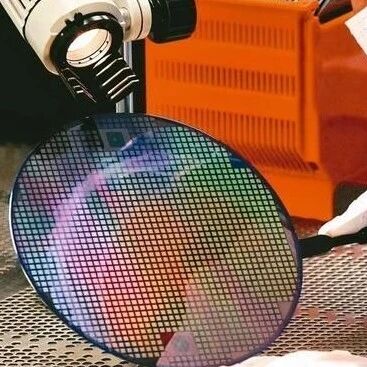
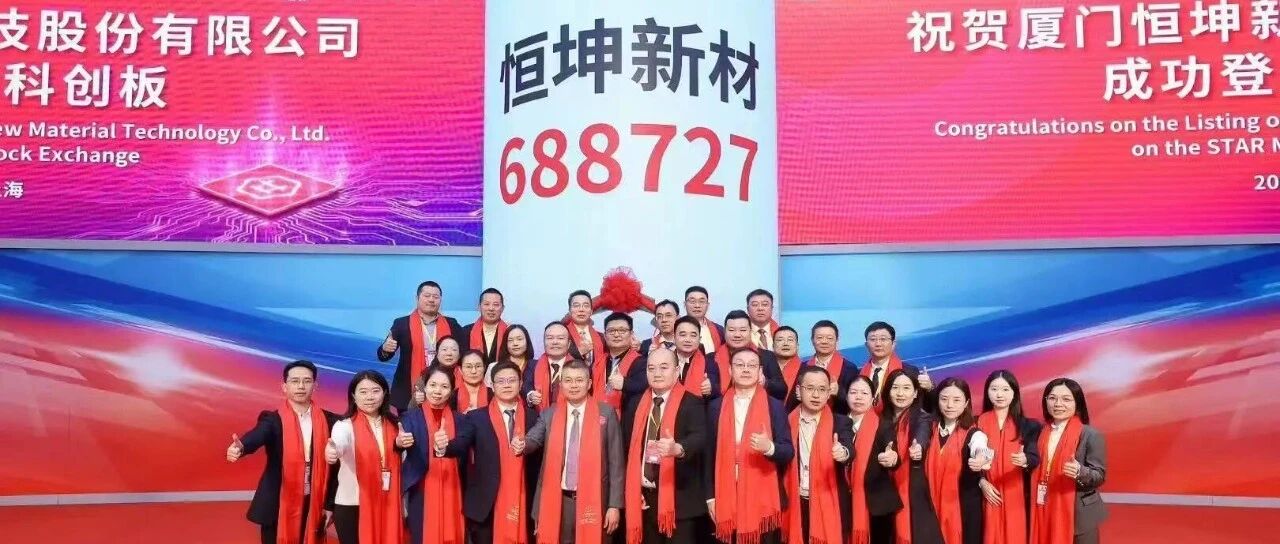
恒坤新材成功IPO,一度超280亿。谁会成为下一个IPO光刻材料企业?(附企业名单)
材料汇· 2025-11-18 11:26
Core Viewpoint - The successful IPO of Xiamen Hengkang New Materials Technology Co., Ltd. on the Sci-Tech Innovation Board marks a significant milestone in the domestic semiconductor materials industry, particularly in the field of photoresists, highlighting the trend of domestic substitution in critical materials [3][5][6]. Group 1: IPO Performance and Market Impact - Hengkang New Materials debuted at an issue price of 14.99 yuan per share, experiencing a remarkable opening surge of 287%, with its market capitalization briefly exceeding 28 billion yuan [3]. - The company's performance positions it as the largest IPO in Xiamen for the year, emphasizing its role in the semiconductor "bottleneck" materials sector [3]. Group 2: Technological Advancements and Market Position - Hengkang New Materials has established itself as one of the few domestic companies capable of developing and mass-producing key materials for 12-inch integrated circuit wafer manufacturing, focusing on photoresist and precursor materials since its inception in 2004 [5]. - The company’s core products, SOC (Spin Coated Silicon) and BARC (Bottom Anti-Reflective Coating), lead the domestic market, with SOC's market share exceeding 10% in 2024 [5]. - The company has invested significantly in R&D, with expenditures rising from 42.74 million yuan in 2022 to 88.61 million yuan in 2024, representing an increase in R&D expenditure ratio from 13.28% to 16.17% [5]. Group 3: Domestic Substitution and Supply Chain Integration - The domestic photoresist market remains heavily reliant on imports, with local production rates for various types of photoresists being significantly low, such as 10% for i-Line and only 1-2% for BARC and KrF photoresists [6]. - Hengkang New Materials has successfully entered the supply chains of major domestic 12-inch wafer fabs, delivering over 50,000 gallons of product, with some clients achieving sales exceeding 100 million yuan [6]. Group 4: Capital Injection and Future Prospects - The IPO has provided Hengkang New Materials with new growth momentum, with raised funds directed towards expanding production capacity and advancing R&D for high-end products like ArF photoresists [8]. - The listing serves as a benchmark for the industry, demonstrating the viability of the "technology breakthrough - customer validation - mass production - capital market entry" pathway for photoresist companies [8]. Group 5: Competitive Landscape and Global Context - The global photoresist market is dominated by Japanese and American companies, which hold a combined market share of 95%, particularly in high-end photoresists [16][17]. - Hengkang New Materials' success may inspire other domestic companies in the photoresist sector, although replicating or surpassing its achievements will require time and continued innovation [9].
“十五五”规划建议为我们指明哪些投资方向?
材料汇· 2025-11-18 11:26
Core Viewpoint - The article outlines the three main policy lines of the "14th Five-Year Plan," focusing on high-quality development, improved living standards, and enhanced national security [2]. Group 1: Development - Significant achievements in high-quality development have been made, with a marked increase in the level of technological self-reliance [2]. - The construction of a modern industrial system is emphasized, aiming to strengthen the foundation of the real economy [2]. - There is a push for high-level technological self-reliance and the cultivation of new productive forces [3]. Group 2: Livelihood - Continuous improvement in the quality of life for the people is a key goal, with efforts to promote common prosperity for all [2]. - The article highlights the importance of enhancing and improving living standards through various initiatives [2]. Group 3: Security - National defense is reinforced as a strategic support, with a focus on building ecological security barriers [7]. - The article discusses the modernization of the national security system and capabilities, aiming for a higher level of safety in the country [7].

2025年全国超材料前沿研究与器件应用交流会”定于2025年11月21日~11月23日在昆明市*枫渡酒店如期召开
材料汇· 2025-11-17 12:24
Group 1 - The conference titled "2025 National Frontier Research and Device Application Exchange Conference on Metamaterials" is scheduled to take place from November 21 to 23, 2025, in Kunming [5][8]. - The conference aims to promote academic and technical exchanges between the academic and industrial sectors in the field of metamaterials, focusing on knowledge and technology innovation [5][11]. - Key topics for discussion include metamaterial functional devices, application technologies, thermal metamaterials, surface plasmonics, optical metamaterials, and more [5][7]. Group 2 - Registration fees are set at 2000 yuan per person for early registration before November 10, and 2200 yuan for late registration or on-site payment [8][11]. - Accommodation is available at a standard rate of 380 yuan per room per day, including breakfast [8][11]. - Participants are encouraged to submit papers related to recent research advancements, with a submission deadline of November 10, 2025 [11][11]. Group 3 - The conference will feature renowned experts and scholars who will deliver keynote speeches and engage in discussions on the latest research findings [5][11]. - The organizing committee is responsible for the overall coordination of the event, with support from various media outlets in the materials science field [5][11]. - Sponsorship opportunities are available for companies, with different tiers offering various benefits such as exhibition space and promotional opportunities [44][44].

深度报告:先进封装设备与先进封装材料分析报告(附48页PPT)
材料汇· 2025-11-17 12:24
Group 1 - The article emphasizes that the advanced packaging equipment industry is entering a golden era driven by the AI wave and domestic substitution, with significant growth opportunities arising from the demand for advanced packaging technologies [1][8]. - The global advanced packaging market is projected to grow from $46 billion in 2024 to $79.4 billion by 2030, with a compound annual growth rate (CAGR) of 37% for 2.5D/3D packaging technologies from 2023 to 2029 [7][8]. - The Chinese semiconductor packaging equipment market is expected to reach a sales revenue of 28.27 billion yuan in 2024, reflecting an 18.93% year-on-year growth [12]. Group 2 - The article discusses the rapid development of domestic semiconductor packaging equipment manufacturers in China, such as North Huachuang and Shengmei Shanghai, amidst a competitive landscape dominated by international giants [8][9]. - The demand for advanced packaging technologies is driven by the need for high-density integration and improved chip performance, particularly in AI models, data centers, and high-end consumer electronics [7][8]. - The article highlights the evolution of bonding technologies, with a significant shift towards advanced techniques that enhance integration density and performance, such as hybrid bonding and laser debonding [13][16]. Group 3 - The article outlines the critical role of various semiconductor equipment types, including thinning machines, dicing machines, and die bonders, in the advanced packaging process, emphasizing the need for precision and efficiency [27][28]. - It notes that the laser cutting technology is gaining traction due to its advantages in energy efficiency and adaptability to complex packaging requirements, with the global wafer cutting equipment market expected to grow significantly [26]. - The article also mentions the importance of surface functionalization technologies in enhancing the performance of advanced packaging, particularly in applications like chip-on-wafer and fan-out packaging [35][39].






轻量化之镁合金:综合优势、未来市场需求、产业链及相关公司
材料汇· 2025-11-16 14:08
Industry Overview - Magnesium alloy is a lightweight material with high specific strength, excellent damping properties, and good thermal conductivity, making it suitable for applications in robotics, aerospace, and automotive industries [4][10]. - The domestic market for magnesium alloys is supported by government policies promoting lightweight materials, with significant R&D projects underway during the 14th Five-Year Plan [7][9]. Necessity of Lightweight Design in Humanoid Robots - Lightweight design enhances the endurance and energy efficiency of humanoid robots by reducing their mass, which decreases energy consumption during movement [13][14]. - It alleviates thermal management issues and simplifies system design by reducing the load on core components like motors and gearboxes [13][14]. Current Market Status of Magnesium Alloys in Robotics - Magnesium alloys are emerging as a preferred lightweight material for humanoid robots due to their cost-effectiveness compared to aluminum and PEEK materials, especially as magnesium prices decline [40][46]. - The use of magnesium alloys in automotive applications is increasing, with significant reductions in weight compared to traditional materials [46][51]. Comprehensive Advantages of Magnesium Alloys - Magnesium alloys offer superior electromagnetic shielding and thermal efficiency compared to aluminum, making them more suitable for protecting sensitive electronic components in robots [62]. - The cost of magnesium raw materials is decreasing, and advancements in manufacturing processes are enhancing the cost-effectiveness of magnesium alloys, making them more competitive in the market [63]. Future Market Demand Analysis - The demand for magnesium alloys in robotics is expected to grow as the industry shifts towards lightweight materials, with applications expanding in humanoid robots and other high-tech fields [10][25]. - The humanoid robot market is projected to reach approximately 27.6 billion yuan by 2024, with significant growth anticipated by 2035 [25][28]. Development Trends of Magnesium Alloys in Robotics - The trend towards lightweight humanoid robots is evident, with major manufacturers adopting magnesium alloys and other advanced materials to reduce weight and improve performance [32][37]. - Companies like Tesla and UBTECH are leading the way in integrating lightweight materials into their robot designs, showcasing significant weight reductions in their latest models [26][29].

半导体硅片行业全景图:从材料到芯片的底层密码
材料汇· 2025-11-16 14:08
Core Insights - The article emphasizes the critical role of semiconductor silicon wafers in modern technology, highlighting their importance in the global tech competition and national security [2][5][12] - It provides a comprehensive overview of the semiconductor industry, including market trends, technological barriers, and future opportunities driven by AI and self-sufficiency [8][12][61] Industry Overview - The semiconductor industry is foundational to the information industry, characterized by high production complexity, rapid technological iteration, and significant investment risks [5][7] - The global semiconductor market is projected to grow from $335.2 billion in 2015 to $627.6 billion by 2024, with a compound annual growth rate (CAGR) of 7.22% [10] - China's semiconductor market is expected to expand from $98.2 billion in 2015 to $182.2 billion by 2024, driven by national policies and increasing domestic demand [11][12] Semiconductor Materials Overview - The global semiconductor materials market is projected to grow from $43.3 billion in 2015 to $67.5 billion by 2024, with a CAGR of 5.06% [14] - China's semiconductor materials market is expected to grow from $6.8 billion in 2016 to $13.5 billion by 2024, outpacing global growth [19] Semiconductor Silicon Wafers - Semiconductor silicon wafers are essential for producing integrated circuits and sensors, with a complex manufacturing process involving multiple scientific disciplines [22][23] - The main types of silicon wafers include 2-inch, 3-inch, 4-inch, 6-inch, 8-inch, and 12-inch, with 12-inch wafers being the most prevalent due to cost advantages [26][28] - The demand for 12-inch wafers has increased significantly, with their market share rising from 1.69% in 2000 to 76.39% in 2024 [51] Market Dynamics - The global silicon wafer market is expected to experience a downturn in 2024, with a projected decline of 7.50% to $11.5 billion, but is anticipated to recover in 2025 due to demand from sectors like AI and electric vehicles [55][57] - The market for silicon epitaxial wafers is also growing, driven by applications in high-performance devices, with the market size increasing from $3.68 billion in 2015 to $6.06 billion in 2022, reflecting a CAGR of 7.39% [59] Challenges and Barriers - The semiconductor silicon wafer industry faces significant barriers, including customer onboarding challenges, technological complexities, talent shortages, and high capital investment requirements [41][45][46] - The industry is characterized by a high concentration of market share among a few key players, particularly in advanced wafer sizes [63] Future Outlook - The semiconductor industry is expected to enter a golden period of growth in the next decade, driven by advancements in 5G, AI, and other emerging technologies [12][67] - China's semiconductor industry is poised for rapid growth, with a projected market size increase from $0.5 billion in 2016 to $1.7 billion in 2023, indicating a robust development trajectory [62]


2025年金属复合材料行业分析报告
材料汇· 2025-11-15 15:10
Industry Overview - Metal matrix composites (MMCs) are advanced materials formed by combining different metals or non-metals, offering superior performance compared to single components. Their core value lies in "performance designability," which meets stringent requirements for lightweight, high strength, high thermal conductivity, and corrosion resistance in downstream applications [2][4]. - The industry is experiencing unprecedented growth opportunities due to the continuous upgrades in high-end manufacturing sectors such as aerospace, military electronics, smart terminals, and semiconductor equipment [2]. Metal Matrix Composites Classification - MMCs can be categorized into metal matrix composites and layered metal composites. Metal matrix composites include continuous fiber-reinforced and discontinuous reinforced types, while layered metal composites are created through various advanced preparation techniques [4][6]. Industry Chain Analysis - The upstream of the MMC industry chain includes raw materials like aluminum, magnesium, titanium, and ceramic fibers/particles, along with auxiliary materials and production equipment [9][10]. - The midstream involves the preparation of MMCs and component manufacturing, while the downstream applications span aerospace, military electronics, smart terminals, and automotive industries [11][16]. Market Analysis - The market for metal matrix composites in China is projected to grow from CNY 26.4 billion in 2020 to CNY 42 billion by 2024, with a compound annual growth rate (CAGR) of 12.31%. By 2027, the market size is expected to reach CNY 61 billion [25]. - The market for metal matrix composites has expanded from aerospace applications to include smart terminals and new energy vehicles, driven by demand from emerging civilian industries [25]. Production Processes - The production process for metal matrix composites involves several key steps, including material mixing, hot isostatic pressing, forging, and high-temperature stamping, ensuring uniform distribution and stable performance of the composite materials [36][39]. Technological Advancements - The technology level of MMCs is characterized by complex multi-material and multi-process interactions, focusing on component design, interface control, and quality consistency. The industry is moving towards high-performance and integrated structural-functional materials [42][66]. - The future of MMCs is expected to focus on high-performance applications, with aluminum matrix composites achieving tensile strengths of 500 MPa and aiming for 600-1000 MPa [66][67]. Competitive Landscape - The global market for aluminum matrix composites is dominated by international giants, with companies like DWA Aluminium Composites and Alvant holding a combined market share of 70%. Domestic companies are rapidly catching up in specific segments [48][56]. - Key players in the Chinese market include Youyan Metal Composite Materials, Hunan Xiangtou Light Materials, and Zhongke Composite Materials, which are making significant advancements in technology and market presence [49][60]. Future Development Trends - The metal matrix composites industry is expected to achieve breakthroughs across multiple markets, driven by technological advancements and increased application levels in various sectors [64]. - The demand for MMCs is anticipated to grow as applications expand into military electronics, smart terminals, and semiconductor equipment, providing sustained momentum for market growth [69].