材料汇

Search documents
先进制造:产业图谱、成长底层逻辑与主要赛道(附163页PPT)
材料汇· 2025-09-23 14:18
Core Viewpoint - The article emphasizes the acceleration of a new technological revolution and industrial transformation in advanced manufacturing, highlighting China's leading position in manufacturing output, growth rate, and GDP contribution globally [6][12]. Group 1: Industry Landscape and Growth Logic - China's manufacturing sector has shown a compound annual growth rate of approximately 5.4% from 2020 to 2023, while the U.S. manufacturing sector had a compound annual growth rate of about 5.0% from 2020 to 2022 [6]. - The article identifies five key challenges faced by Chinese manufacturing enterprises, including supply chain management, user demand for online services, IT/OT integration, economic downturns, and marketing channel transformations [7]. Group 2: Development Directions of Advanced Manufacturing - The future paradigm of manufacturing is characterized by high quality and efficiency, resilient intelligence, and ecological innovation [9]. - The traditional economic growth model is deemed unsustainable, necessitating the construction of new growth drivers [10][14]. Group 3: Growth Logic of Advanced Manufacturing - Advanced manufacturing is essential for China's transition from high-speed growth to high-quality development, serving as a foundation for overcoming the "middle-income trap" [16]. - Historical data shows that only 13 out of 101 middle-income economies successfully transitioned to high-income status, emphasizing the importance of technological innovation and industrial upgrading [16]. Group 4: Industry Map of Advanced Manufacturing - The article outlines six forward-looking tracks for future industry development, including future manufacturing, future information, future materials, future energy, future space, and future health [22][24]. - Future manufacturing focuses on intelligent manufacturing, bio-manufacturing, and advanced materials, aiming to break through key technologies and promote industrial internet development [21]. Group 5: Bio-Manufacturing - Bio-manufacturing is defined as the production of goods and services using biological systems at a commercial scale, with significant potential for economic and environmental benefits [28][30]. - The article discusses the transition from traditional production methods to advanced bio-manufacturing, highlighting its advantages in cost reduction, efficiency, and environmental sustainability [35][36]. Group 6: Synthetic Biology - Synthetic biology is presented as a transformative approach that allows for the design and reconstruction of biological systems, enabling the production of desired substances through engineered microorganisms [41][42]. - The article outlines the core technologies of synthetic biology, including gene editing, chassis cell selection, and product purification, emphasizing its potential to enhance production efficiency and expand product types [57][58]. Group 7: Carbon Emission Reduction through Bio-Manufacturing - Bio-manufacturing can achieve significant carbon emission reductions, with potential reductions exceeding 60% for various bio-based chemical products [79]. - The article highlights the cost advantages of bio-based products in the context of carbon tax policies, indicating that bio-based chemical products can significantly lower carbon tax costs compared to fossil-based products [87].


缺货!从LowDK到Q布:揭秘特种电子布三大升级路径,谁将卡位下一代PCB材料?
材料汇· 2025-09-23 14:18
Core Viewpoints - The industry is experiencing a significant upgrade in special electronic fabrics, transitioning from LowDK-1 to LowDK-2, with urgent demand for LowCTE fabrics to address chip packaging warping issues, and quartz fiber fabrics (Q fabrics) emerging as the ultimate solution for next-generation applications [2][3][11]. Demand Side: Dual Acceleration Driving Product Iteration - The market for low dielectric electronic fabrics is projected to reach 168 million meters by 2026, driven by the demand from Nvidia's Rubin architecture and 1.6T switches, with Q fabric demand expected to reach 16.85 million meters, corresponding to a market size of approximately 4 billion yuan [3][11]. - The increasing performance requirements of high-end smartphones will drive the demand for LowCTE glass fiber fabrics, with a potential increase in demand exceeding 13.5 million meters if the usage in a single Apple phone rises from 0 to 0.05 meters [11][12]. Supply Side: Clear Trend of Domestic Substitution, Short-Term Supply Still Tight - High-end electronic fabric production faces significant barriers in raw material formulation, drawing processes, and weaving machines, with a forecasted supply gap for LowDK-2 and LowCTE products continuing until 2026, supporting price stability [3][12][14]. - Domestic manufacturers such as China National Materials, Honghe Technology, and others are rapidly expanding their production capacity, with domestic production capacity expected to exceed 6 million meters per month by August 2025 [7][13]. Competitive Landscape: High-End Overseas Leadership, Domestic Manufacturers Accelerating Technology and Capacity Enhancement - The global market for special electronic fabrics is currently dominated by a few manufacturers in Japan and Taiwan, but domestic companies are making significant technological breakthroughs and capacity expansions [7][13]. - Companies like Feilihua, a leader in the quartz fiber industry, are positioned to benefit from the growing demand for quartz fiber and Q fabrics, with a comprehensive supply chain advantage [7][13]. Unique Insights Compared to Market Views - The report indicates that all types of special electronic fabrics will remain in a state of supply tightness in 2025, with LowDK-2 and LowCTE experiencing continued shortages until 2026 due to rapid demand growth and supply-side barriers [8][14]. - Q fabrics are expected to enter mass production in 2026, but the demand and ramp-up pace will depend on the determination of technological routes and the market launch of end products [8][14].


固态电池负极行业深度:材料体系、技术路线与市场前景
材料汇· 2025-09-22 15:07
Industry Background - The solid-state battery industry is driven by the urgent demand for high-performance batteries in electric vehicles and consumer electronics, with solid-state batteries offering advantages such as higher safety, significantly improved energy density, and fast charging potential [2][3] - Traditional liquid lithium batteries face three main challenges: limited energy density affecting range, safety issues due to flammable liquid electrolytes, and insufficient fast charging performance [8][10][14] Negative Electrode Material Systems - The negative electrode materials in solid-state batteries currently rely on graphite and silicon-carbon, with silicon-based anodes being a significant development direction due to their theoretical capacity being much higher than that of graphite [19][35] - Lithium metal anodes, while facing challenges such as volume expansion and dendrite growth, have the potential to achieve a qualitative leap in energy density, with commercial applications becoming increasingly viable [19][45] Lithium Metal Anode Preparation Methods - The most mature method for lithium metal preparation is the extrusion/rolling method, which involves extracting lithium from ore or brine, followed by electrolysis and rolling to achieve the desired thickness [53][54] - New techniques such as electrochemical deposition and liquid phase methods are being explored to overcome thickness limitations and improve uniformity in lithium metal anodes [57][59] Market Size and Growth Potential - The global lithium-ion battery shipment is projected to reach 1545.1 GWh in 2024, with the power battery segment accounting for 1051.2 GWh, indicating a rapid growth trajectory in the market [22] - The development of low-altitude economy and humanoid robots is expected to significantly boost the demand for solid-state batteries, as traditional liquid batteries cannot meet the energy density and safety requirements [24][28] Solid-State Battery Advantages - Solid-state batteries can achieve energy densities exceeding 500 Wh/kg, far surpassing the liquid battery limit of 300 Wh/kg, thus enhancing the range of electric vehicles and reducing charging frequency [19][21] - The solid-state electrolyte eliminates the risks associated with liquid electrolytes, such as leakage and combustion, thereby significantly improving battery safety [19][21] Industry Trends and Future Directions - The transition from semi-solid to all-solid-state batteries is underway, with semi-solid batteries serving as a bridge technology while full solid-state batteries are being developed to address existing technical challenges [30][34] - The industry is focusing on overcoming technical bottlenecks and high costs associated with solid-state batteries, including low ionic conductivity and poor solid-solid contact interface performance [32][34]


算力竞赛的下一个隘口:AI芯片封测设备的国产替代现状(附66页PPT)
材料汇· 2025-09-22 15:07
Group 1 - The rapid development of AI chips is driving new demand for testing and packaging equipment, particularly for high-performance testing machines and advanced packaging technologies [2][4][38] - The semiconductor testing equipment market is expected to exceed $13.8 billion by 2025, with SoC and storage testing machines accounting for approximately $4.8 billion and $2.4 billion, respectively [3][50] - The complexity of SoC and advanced storage chips is increasing, leading to a significant rise in demand for high-performance testing machines [35][33] Group 2 - The demand for SoC testing machines is increasing due to the high integration and stability requirements of AI HPC chips, which significantly raise testing volume and time [3][50] - The storage testing machines are facing increased complexity due to HBM testing, which includes wafer-level testing and KGSD testing, replacing conventional packaging-level testing [3][44] - The core barriers in testing machines are the testing boards and chips, with a significant market share held by companies like Advantest and Teradyne, which dominate approximately 90% of the global semiconductor testing machine market [3][50] Group 3 - Advanced packaging technologies, such as HBM and CoWoS, are becoming mainstream, driving the demand for advanced packaging equipment [38][36] - The main difference between advanced and traditional packaging lies in the connection methods between chips and external electronics, with advanced packaging requiring more sophisticated equipment [4][38] - The investment suggestion highlights the potential opportunities in domestic testing and packaging equipment driven by AI chip advancements [4][5] Group 4 - The AI chip market in China is projected to reach approximately 140.6 billion yuan by 2024, with a compound annual growth rate (CAGR) of 36% from 2019 to 2024 [12][10] - The smart computing scale in China is expected to reach 640.7 EFLOPS by 2024, indicating a significant increase in demand for AI chips [12][10] - The end-side AI applications are rapidly expanding, leading to increased demand for SoC chips, which are expected to grow significantly in the market [27][25] Group 5 - The global SoC chip market is anticipated to reach $274.1 billion by 2030, driven by the increasing integration and performance requirements of AI applications [27][26] - SoC chips are essential for various applications, including mobile devices, smart home systems, and industrial control systems, highlighting their versatility [27][24] - The core of SoC chips lies in the IP cores, which are critical for achieving high integration, performance, and low power consumption [30][29] Group 6 - The majority of the AI chip market is still dominated by foreign giants, with domestic companies like Huawei, Haiguang, and Cambricon making strides to break the monopoly [32][31] - The performance of domestic AI chips is improving, with Huawei's Ascend series and Haiguang's DCU chips showing competitive capabilities against leading foreign products [32][31] - The ongoing trend of domestic substitution in the AI chip market is expected to accelerate as local companies enhance their technological capabilities [32][31]

晶圆代工大变局:台积电通吃先进制程,中国大陆为何猛扩47%成熟产能?
材料汇· 2025-09-21 15:09
Core Viewpoint - The article emphasizes the transformative impact of artificial intelligence (AI) on the global semiconductor industry, particularly focusing on the critical role of advanced chips and wafer foundries in this evolution. It highlights the challenges and opportunities faced by Chinese foundries in the context of geopolitical tensions and the shift from globalization to regionalization [2][5]. Group 1: Industry Overview - The wafer foundry industry is defined by the division of labor among Fabless, Foundry, and OSAT, which is essential for analyzing the current state of China's semiconductor industry. China has strong players in Fabless and Foundry but faces significant challenges in EDA/IP and advanced equipment [5]. - The trend towards domestic production is driven by geopolitical pressures rather than purely market forces, revealing high barriers to entry in the industry, including capital, technology, and ecosystem accumulation [5][31]. - The semiconductor market is experiencing structural changes, with AI and automotive electronics being the primary drivers of capacity growth. However, there is a risk of overcapacity in mature processes [5][12]. Group 2: Market Dynamics - The article notes that the demand for chips is increasing, particularly in AI, HPC, and automotive electronics, which require higher performance and efficiency. This has led to significant R&D investments in advanced process technologies [32][44]. - The global semiconductor market is projected to exceed $1 trillion by 2030, with a compound annual growth rate (CAGR) of 9% from 2025 to 2030, driven by the surge in demand for servers, data centers, and storage [44][50]. Group 3: Chinese Foundries - Chinese foundries are forming a tiered layout, with companies like SMIC, Hua Hong Semiconductor, and others establishing competitive advantages in various niche markets, avoiding homogenization [6][19]. - SMIC is recognized as a leader in China's integrated circuit manufacturing, achieving significant revenue growth and technological advancements in logic and specialty processes [54][53]. - Hua Hong Semiconductor is noted for its comprehensive specialty process platform, focusing on embedded non-volatile memory and power devices, and has shown strong revenue growth [56][57]. - Jinghe Integrated Circuit has become a leader in the liquid crystal panel driver chip foundry sector, achieving significant market share and revenue growth [59]. Group 4: Competitive Landscape - TSMC's competitive advantages include technological leadership, R&D investment, and deep integration with major clients like Apple and NVIDIA, which are crucial for maintaining its market position [6][12]. - The article discusses the shift from IDM to Foundry as a revolutionary change in the industry, with geopolitical factors influencing global supply chain restructuring [14][50]. - The article highlights the importance of specialized processes and system-level foundry services as a trend in the industry, with TSMC's advanced packaging technologies serving as a significant competitive edge [29][12]. Group 5: Future Outlook - The future of the wafer foundry industry is characterized by a focus on mature processes and specialty technologies, with Chinese foundries positioned to capitalize on domestic demand and policy support [31][37]. - The article warns of potential overcapacity risks, particularly in consumer electronics, while emphasizing the importance of maintaining high utilization rates and strong customer relationships to mitigate financial pressures [26][50].



5G时代的高频高速材料之战:PTFE、LCP、XCPS、陶瓷复合材料谁主沉浮?
材料汇· 2025-09-21 15:09
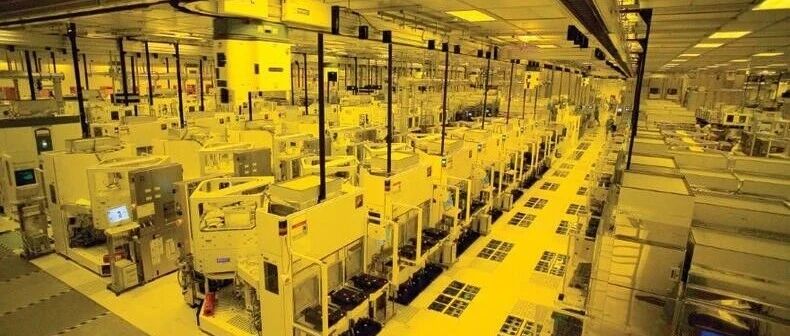
Core Viewpoint - The article emphasizes the silent revolution in materials science that supports the advancements in 5G technology, highlighting the critical role of high-frequency and high-speed materials in meeting the demands of modern communication systems [2]. Group 1: High-Frequency and High-Speed Materials - PTFE (Polytetrafluoroethylene) is recognized for its excellent performance in high-frequency applications, featuring a dielectric constant (Dk) of 1.9-2.1 and a low dielectric loss factor (Df) of approximately 0.0002-0.002, making it suitable for various electronic and chemical applications [6][7]. - PPO/PPE (Polyphenylene Oxide/Polyphenylene Ether) offers balanced performance with a dielectric constant of 2.6-2.8 and a loss factor of about 0.0042-0.008, widely used in automotive and medical applications [8]. - PCH (Polycyclic Hydrocarbon Resin) is a newer material with a dielectric constant of less than 2.6 and a loss factor below 0.001, gaining traction in base station antennas and power amplifier modules [9]. - LCP (Liquid Crystal Polymer) is favored for flexible circuits, with a dielectric constant of approximately 2.9 and a loss factor of 0.002-0.004, ideal for 5G mobile phone antenna modules [10][11]. - XCPS (Cross-linked Polystyrene) is a new low-dielectric material with a stable dielectric constant of 2.5 and an extremely low loss factor of 0.0005, applicable in various high-tech fields [12][13]. - Ceramic-filled composite materials allow for performance customization by adjusting the type and ratio of ceramic fillers, excelling in high-temperature and high-power applications [18]. Group 2: Market Size and Growth - The global high-frequency and high-speed materials market was valued at approximately 15 billion yuan in 2022, projected to grow to 25 billion yuan by 2025, with a compound annual growth rate (CAGR) exceeding 18% [21]. - The Chinese market is expected to grow faster than the global average, potentially capturing over 40% of the global market by 2025 [21]. Group 3: Application Scenarios - High-frequency materials are essential across the 5G industry chain, including base station equipment, RF modules, terminal devices, automotive electronics, and satellite communications [24][25]. - PTFE currently holds the largest market share at around 35%, while LCP is anticipated to grow the fastest with a CAGR exceeding 25% [26]. Group 4: Technological Development Trends - The development of high-frequency materials is moving towards diversification, composite materials, and localization, with various materials finding their niche in specific applications [27][28][29]. Group 5: Challenges and Opportunities - The industry faces challenges such as balancing performance and cost, ensuring stable mass production, and matching materials with processes, while also presenting opportunities from the demand for material upgrades in millimeter-wave applications and the rise of satellite internet [30].

1000+深度报告下载:半导体材料/显示材料/新材料能源/新材料等
材料汇· 2025-09-20 15:52
Investment - The article discusses various investment opportunities in new materials, semiconductors, and renewable energy sectors, highlighting the potential for growth and innovation in these industries [1][3][4]. Semiconductor - It emphasizes the importance of semiconductor materials such as photolithography, electronic special gases, and silicon wafers, which are critical for advanced packaging and manufacturing processes [1][3]. - The report also covers the advancements in third and fourth generation semiconductors, including silicon carbide and gallium nitride technologies, which are expected to drive future growth [1][3]. New Energy - The article outlines the investment landscape in new energy, focusing on lithium batteries, solid-state batteries, and hydrogen energy, which are pivotal for the transition to sustainable energy solutions [1][3]. - It highlights the significance of materials like silicon-based anodes and composite current collectors in enhancing battery performance [1][3]. Photovoltaics - The report details the photovoltaic sector, including materials such as solar glass, encapsulants, and back sheets, which are essential for solar panel efficiency [1][3]. - It also mentions the role of quartz sand and perovskite materials in the development of next-generation solar technologies [1][3]. New Display Technologies - The article discusses new display technologies, including OLED, MiniLED, and MicroLED, and the materials required for their production, such as optical films and adhesives [3][4]. Fibers and Composites - It covers advancements in fiber materials like carbon fiber and aramid fiber, which are crucial for lightweight and high-strength applications in various industries [3][4]. Notable Companies - The report lists key players in the materials sector, including ASML, TSMC, BYD, and Tesla, emphasizing their roles in driving innovation and market growth [4][3].

近100家散热材料企业榜单:谁在为你的iPhone和AI服务器“降温”?
材料汇· 2025-09-20 15:52
Core Viewpoint - The article emphasizes the growing importance of thermal management solutions in the electronics industry, driven by advancements in high-end smartphones, AI computing demands, and the increasing power density of electric vehicle control systems. The thermal materials industry is rapidly evolving, showcasing a vibrant ecosystem of domestic companies and innovative technologies [2]. Group 1: Listed Companies - Feirongda (300602) is a leading expert in electromagnetic shielding and thermal management solutions, providing a complete product chain including thermal conductive materials, graphite films, and liquid cooling plates. The company serves major clients like Huawei and BYD in the communication and new energy sectors [3][5]. - Siquan New Materials (301489) focuses on thermal management materials, offering a comprehensive range of products such as graphite heat dissipation films and modules. The company has notable clients including Xiaomi and Google [18][20]. - Suzhou Tianmai (301626) is recognized for its comprehensive thermal management solutions, with products like thermal interface materials and heat pipes, serving major clients in the telecommunications and new energy vehicle sectors [22][23]. - Zhongshi Technology (300684) specializes in high-performance synthetic graphite thermal solutions, becoming a core supplier for top global consumer electronics brands like Apple. The company reported a revenue of 1.566 billion in 2024, with a 24.51% year-on-year increase [26][28]. - Lingyi Zhi Zao (002600) provides intelligent manufacturing services, with thermal management business revenue reaching 4.107 billion in 2024, reflecting a 9.20% increase from the previous year [30][34]. - AAC Technologies (02018) reported a significant growth of 40.1% in its thermal business, achieving a revenue of 326 million in 2024, and holds over 50% market share in the domestic flagship smartphone thermal market [35]. - Shuo Beid (300322) offers thermal products and reported a revenue of 1.86 billion in 2024, with a 12.37% increase from the previous year [36]. Group 2: Financial Performance - Feirongda's 2024 revenue reached 5.03 billion, with a net profit of 173 million, reflecting a 15.76% year-on-year growth [17]. - Siquan New Materials achieved a revenue of 656 million in 2024, marking a 51.10% increase compared to the previous year [21]. - Suzhou Tianmai reported a revenue of 943 million in 2024, with a slight increase of 1.62% year-on-year [25]. - Zhongshi Technology's revenue for 2024 was 1.566 billion, showing a 24.51% increase from 2023 [29]. - Lingyi Zhi Zao's total revenue for 2024 was 442 billion, with a 29.56% increase from the previous year [34]. - AAC Technologies' thermal business revenue reached 326 million in 2024, reflecting a 40.1% growth [35]. - Shuo Beid's revenue for 2024 was 1.857 billion, with a 12.37% increase from the previous year [36].




PEEK:下一个万亿级风口的核心材料,国产替代迎来黄金十年(附报告与投资逻辑)
材料汇· 2025-09-19 14:56
Core Viewpoint - PEEK exhibits excellent performance, with downstream development and application expansion driving demand [1] Group 1: PEEK Market Overview - PEEK is a lightweight material with outstanding mechanical, physical, thermal, corrosion resistance, electrical properties, and biocompatibility, ranking at the top of the specialty engineering plastics pyramid [1] - After over 40 years of development, PEEK has been widely used in automotive, electronics, industrial manufacturing, aerospace, and medical fields [1] - The global PEEK consumption is expected to reach approximately 10,203 tons in 2024, with a year-on-year growth of 13.8%, and the market size is projected to reach $1.226 billion by 2027 [1][70] - The domestic PEEK market is growing rapidly, with a demand increase from 1,100 tons in 2018 to 3,904 tons in 2024, reflecting a CAGR of 23.5% [1][80] Group 2: Competitive Landscape - The PEEK production technology is complex, leading to a competitive landscape characterized by one leader and several strong players, with Victrex being the global leader, followed by Solvay and Evonik [2][7] - Domestic companies such as Zhongyan Co., Pengfulong, and Junhua Co. are gradually rising, achieving technological breakthroughs and improving product quality and market recognition [2][7] Group 3: Key Raw Materials - DFBP is a critical raw material for PEEK synthesis, accounting for about 50% of PEEK production costs, with approximately 0.8 tons of DFBP required for every ton of PEEK produced [3] - In 2023, global DFBP consumption was 6,646.97 tons, with a consumption value of 974 million yuan [3] Group 4: Investment Recommendations - Suggested companies for upstream raw materials include Xinhang New Materials, Zhongxin Fluorine Materials, and Xingfu New Materials [4] - Companies involved in PEEK production include Zhongyan Co., Water Co., and Jinfat Technology [4] - PEEK processing and application companies include Huitong Co., Tongyi Co., and Kent Co. [4] Group 5: Industry Challenges and Opportunities - The PEEK industry faces challenges such as high production costs, long verification cycles, and the need for technological innovation to overcome processing difficulties [50][55][60] - The industry is exploring various avenues for breakthroughs, including technological innovation, cost reduction through vertical integration, and collaborative development with downstream partners [60][62] Group 6: Policy Support - National policies have been established to enhance the self-sufficiency rate of engineering plastics, with a clear focus on PEEK as a strategic new material [64][65] - The strong policy push is a key external factor enabling domestic PEEK companies to rise rapidly and challenge international giants [65]




iPhone 17 Pro“弃钛从铝”:散热革命背后的VC均热管崛起(附投资逻辑)
材料汇· 2025-09-18 13:20
Core Viewpoint - The decision by Apple to switch from titanium alloy to aluminum alloy for the iPhone 17 Pro highlights a significant shift in the consumer electronics industry, emphasizing the importance of heat dissipation performance in high-end device design [3][4]. Group 1: Analysis of iPhone 17 Pro's Material Change - The core contradiction of "abandoning titanium for aluminum" lies in the trade-off between heat dissipation performance and high-end feel [5]. - Titanium alloy, while known for its strength-to-weight ratio and premium feel, has a thermal conductivity that is only 1/30th that of aluminum alloy, which has become a bottleneck for device performance as chip power increases [7]. - The new iPhone 17 Pro, utilizing 6061 aerospace aluminum and a 0.3mm ultra-thin laser-welded VC heat spreader, maintains a body temperature of 41.3°C after 30 minutes of 4K video recording, a reduction of 7.4°C compared to the previous titanium model [8][9]. - In high-performance gaming scenarios, frame rate fluctuations decreased from 15 frames to just 2 frames, significantly enhancing user experience [9]. - The aluminum and VC heat spreader combination improves heat conduction efficiency by 20 times compared to the titanium model, indicating that heat dissipation performance is now a critical metric for flagship devices [9]. Group 2: Heat Dissipation Performance Comparison - A comparative analysis of heat dissipation performance between iPhone 17 Pro and iPhone 16 Pro shows significant improvements across various metrics: - 4K recording temperature: 41.3°C (iPhone 17 Pro) vs. 48.7°C (iPhone 16 Pro), a difference of -15.2% [10]. - Frame rate fluctuation during gaming: 2 frames (iPhone 17 Pro) vs. 15 frames (iPhone 16 Pro), a difference of -86.7% [10]. - Continuous performance under full load: 40 minutes without throttling (iPhone 17 Pro) vs. 22 minutes with a 30% throttle (iPhone 16 Pro), an improvement of +81.8% [10]. - Maximum charging temperature: 38.5°C (iPhone 17 Pro) vs. 44.2°C (iPhone 16 Pro), a difference of -12.9% [10]. Group 3: Overview of the Heat Dissipation Materials Market - The global thermal interface materials (TIM) market is expected to grow at a compound annual growth rate (CAGR) of over 10%, potentially reaching approximately $7.5 billion by 2036 [15]. - The VC heat spreader is rapidly penetrating the high-end consumer electronics market, with its penetration rate in high-end smartphones projected to increase from 35% in 2023 to 62% by 2025 [17]. - The cost of thermal modules in smartphones has risen from 3.5% of the bill of materials (BOM) in 2020 to an expected 5.8% by 2025, indicating that heat dissipation systems are becoming a significant component of smartphone production costs [17]. Group 4: Evolution of Heat Dissipation Materials - The development of heat dissipation materials can be categorized into three main stages: passive heat dissipation, active heat dissipation, and smart heat dissipation [25]. - Traditional heat dissipation materials include metals like aluminum and copper, which are widely used due to their excellent thermal conductivity [26]. - Emerging materials such as graphite and phase change materials (PCM) are gaining traction due to their high thermal conductivity and efficiency in heat management applications [29][30]. - Advanced technologies like microchannel cooling and immersion cooling are being explored for high-power applications, showcasing the ongoing evolution in heat management solutions [31][32].