东京烘焙职业人

Search documents
中种法的利与弊,90%的人都存在误区!
东京烘焙职业人· 2025-10-14 08:33
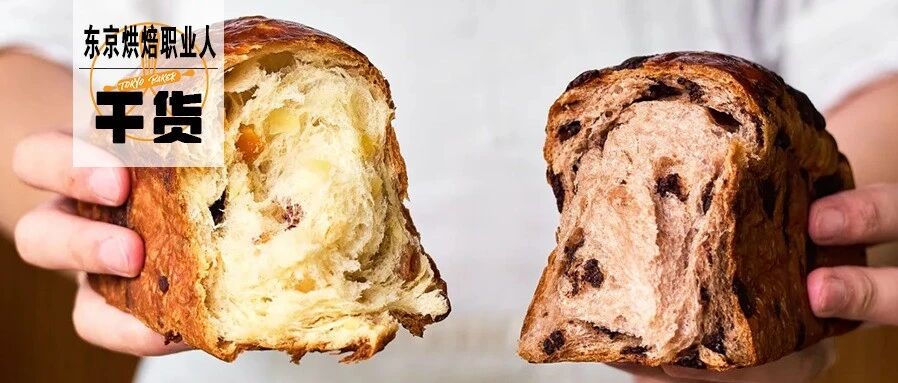
Core Viewpoint - The article discusses the "intermediate dough method" (中种法) in bread making, clarifying misconceptions while detailing its characteristics, advantages, and disadvantages [1][3]. Advantages - Shortens mixing time: The intermediate dough requires minimal kneading, allowing gluten to form during fermentation, thus reducing the mixing time needed for the main dough [7]. - Easier dough handling: The dough remains soft and resilient due to shorter fermentation times, making it less prone to damage during mechanical processing [9]. - Less affected by ingredients and steps: The method allows for better handling of ingredients that may negatively impact dough texture, such as cocoa powder and skim milk powder [11][12][15]. - Higher yeast activity: The intermediate dough's pH is more favorable for fermentation, and the second mixing introduces oxygen, enhancing yeast respiration [16][19]. - Larger final product volume: The method produces a strong and elastic dough, resulting in larger bread volume [20]. Disadvantages - Diminished flour flavor: The method can lead to a loss of the flour's original flavor due to excessive oxidation of gluten [22][23]. - More complex steps: The process is more labor-intensive, which can be a drawback for bakeries focused on efficiency [22]. - Space requirements: The need to store intermediate dough can be a challenge in smaller kitchens [23]. Types of Intermediate Dough Method - 70% Intermediate Dough Method: Uses 70% of the flour for the intermediate dough, with the remaining 30% added later [32]. - Night Dough Method: Involves using less yeast and water, allowing for overnight fermentation, which can improve efficiency [37][39]. - Sugar Intermediate Dough Method: Incorporates a small amount of sugar during the intermediate dough stage to manage osmotic pressure [41][44]. Suitable Applications - High ingredient ratio breads: The method is beneficial for rich breads that rely on flavors from ingredients like eggs and butter, where flour flavor is less critical [48][50]. - Breads with challenging ingredients: It helps improve dough extensibility when using ingredients like matcha or cocoa powder, which can hinder dough formation [51][53]. - Not suitable for flavor-focused breads: The method is less ideal for breads that require a strong wheat flavor or those that are already short in mixing time, such as baguettes [60]. Conversion from Direct Method to Intermediate Dough Method - Adjust flour ratios: The proportion of flour used for the intermediate dough should be determined based on the desired bread characteristics [63][68]. - Slightly reduce total water: A reduction of 3% to 5% in water is recommended to prevent stickiness [70]. - Shorten first fermentation time: The first fermentation time should be controlled to avoid over-fermentation, typically around 15 minutes [72].

爆品不是“赌”出来的,肯德基爆品打造背后的设计逻辑
东京烘焙职业人· 2025-10-14 08:33
Core Insights - The article emphasizes the importance of creating a systematic approach to developing "hit products" in the restaurant industry, focusing on emotional value and commercial efficiency [4][5][34] - It discusses the integration of technology, standardization, and a modular approach in product development to ensure consistency and quality [9][11][34] Group 1: Understanding Hit Products - Hit products are defined as those that blend extreme emotional value with extreme commercial efficiency, achieved through a precise ecological research and development system [4] - The creation of hit products requires insight into human nature, where the focus should be on selling emotions and experiences rather than just food [5][6] Group 2: Modular Approach to Product Development - The process of creating hit products can be broken down into four core modules: safety, raw materials, processes, and operations, with each module requiring careful consideration [6][9] - Transparency and benchmarking against industry standards are crucial for identifying cost-saving opportunities and market differentiation [7][11] Group 3: Technological Integration and Standardization - The article highlights the role of technology as a primary productivity driver, with examples from major brands like KFC and McDonald's utilizing advanced cooking equipment [9][11] - Standardization in management and research is essential to maintain consistent quality across products [11][34] Group 4: Case Study - New Orleans Chicken Wings - The success of KFC's New Orleans chicken wings is attributed to a comprehensive system that includes cost control, flavor development, and effective marketing strategies [24][34] - The product's design process involved a detailed understanding of consumer preferences and a systematic approach to problem-solving [30][31] Group 5: Future Trends in the Restaurant Industry - The article suggests that the future of the restaurant industry will revolve around the role of Super Product Managers (SPM) who can integrate resources and drive innovation [19][20] - The DTC (Direct-To-Consumer) model is highlighted as a key strategy for building competitive advantages and long-term growth in the restaurant sector [35]


【独家专访】面包届的“嘉年华”!这家「面包马戏团」把自己打造成邯郸标杆“文旅IP”!
东京烘焙职业人· 2025-10-13 08:34
Core Insights - The article highlights the entrepreneurial journey of Xin Xin, the founder of "Bread & Circus," emphasizing her transformation from a health-conscious individual to a successful bakery owner focused on healthy eating [3][6][58] - The brand has gained popularity by integrating local ingredients and creating unique products that resonate with the community, such as the "crispy fish tart" that combines local flavors [16][18][21] Group 1: Entrepreneurial Journey - Xin Xin's journey began with a personal health transformation, losing 70 pounds and realizing the importance of healthy eating [4][6] - She transitioned from a healthy meal studio to a bakery, focusing on creating nutritious bread that complements a balanced diet [6][8] Group 2: Brand Development - "Bread & Circus" has established itself as a local cultural symbol, with unique branding elements like the "red-nosed bus" and immersive experiences that attract customers [13][23][26] - The bakery's design and atmosphere evoke a carnival feel, enhancing customer engagement and brand recognition [10][12] Group 3: Product Innovation - The bakery offers around 40 different SKUs, ensuring a mix of fresh bread and pastries to maintain customer interest [34][36] - Products are made with high-quality ingredients, including imported flour and butter, emphasizing health without compromising taste [40][42] Group 4: Community Engagement - The brand actively participates in local markets and events, creating interactive experiences that foster community connections [13][8] - Xin Xin collaborates with local agricultural products, promoting regional flavors and supporting local farmers [18][21] Group 5: Health Focus - The bakery prioritizes health by using natural sweeteners and extending fermentation times to reduce sugar content, ensuring a healthier product [42][54] - Transparency in ingredient sourcing and nutritional information builds trust with customers, reinforcing the brand's commitment to health [50][57]

【书籍专题 · 面包大全】原味马芬面包
东京烘焙职业人· 2025-10-13 08:34
本食谱选自《面包大全 》 原味马芬面包 材料: 3. 将发酵好的面团翻面,让面团增加弹 性,每40分钟翻一次,共翻3次。 4. 将面团分割成80克/个。 高筋面粉500克 盐6克 蜂蜜30克 全麦天然酵种225克 水190克 牛奶40克 黄油36克 表面装饰: 玉米淀粉适量 制作过程: 1. 将所有材料一起倒入搅拌机中,搅拌至 面团光滑有弹性。 2. 以室温28℃,发酵60分钟。 7. 放 入 圆 形 模 具 , 以 温 度 28 ℃ 、 湿 度 75%,发酵60分钟。 5. 然后将面团滚圆。 6. 蘸上玉米淀粉。 8. 发酵好后,在表面盖上烤盘,放入烤 箱,以上下火200℃,烘烤18分钟即成。 9、 如何让吐司4天依然保持柔软?我们问到了林育玮老师的独家秘笈! 10、 【日本探店】现象级面包店AMAM Dacotan!一位天才"料理师"开创了烘焙全新赛道 烘焙职人专访: 行业前辈: 史见孟 | 庄鸿铭 | 吴武宪 | 林育玮 | 林永志 曹继桐 | 干文华 | 黎国雄 | 陈聪敏 比赛冠军: 蔡叶昭 | 龚鑫 | 林业强 | 于鹏 | 张政海 | 鲁胚枝 | 冯英杰 | 吕浩然 | 王记 | 周振山 | 田 ...

蜜雪冰城“连载小说”火上热搜!小票文学又翻红
东京烘焙职业人· 2025-10-13 08:34
Core Insights - The article discusses the resurgence of "receipt literature" in the tea and coffee industry, highlighting how brands like Mixue Ice City have creatively engaged consumers through serialized storytelling on receipts, leading to increased customer interaction and brand loyalty [4][5][19]. Group 1: Marketing Strategies - Mixue Ice City launched a serialized novel titled "The Snow King Sells Coffee in Ancient Times," printed in 20 chapters on receipts, which has captivated consumers and sparked a trend of exchanging chapters among customers [9][11]. - Other brands such as Jasmine Milk White and CoCo都可 have also adopted similar strategies, enhancing consumer engagement through creative content on receipts [18][19]. - The trend of "receipt marketing" has gained traction again this year due to its cost-effectiveness and ability to transform a standard receipt into a marketing tool without additional material costs [21][23]. Group 2: Consumer Engagement - The interactive nature of these marketing strategies has led to consumers actively participating in the storytelling process, with some visiting stores multiple times to collect all chapters [12][24]. - Brands are encouraging user-generated content by leaving open-ended storylines on receipts, prompting consumers to contribute their own endings, which enhances brand engagement and social media sharing [25][27]. - The emotional resonance of the content, such as motivational quotes and poetry, has also struck a chord with younger consumers, making the receipts a medium for connection and reflection [32][35]. Group 3: Broader Implications - The success of "receipt literature" illustrates that effective marketing does not always require significant investment; rather, it can stem from innovative ideas that leverage everyday consumer experiences [37][42]. - Other brands are exploring low-cost interactive methods, such as creative designs on cups and engaging games during wait times, to enhance customer experience and brand perception [40][41].


为什么日本车站里的甜品店每周都换?
东京烘焙职业人· 2025-10-12 08:32
Core Viewpoint - The article discusses the unique concept of "limited-time dessert shops" in Japan, particularly at train stations, highlighting how this model has evolved and its cultural significance in attracting customers through novelty and seasonal offerings [7][21]. Group 1: Concept and Evolution - The idea of rotating dessert shops at train stations is rooted in Japan's cultural affinity for "limited-time" products, which creates a sense of scarcity and new experiences for consumers [7][21]. - The emergence of these dessert shops can be traced back to the privatization of Japan's national railways in 1987, which led companies to seek new revenue streams beyond ticket sales [11][12]. - JR East's "ecute" brand, launched in 2005, marked the beginning of integrating commercial spaces within train stations, paving the way for the later development of limited-time dessert shops [13][15]. Group 2: Market Dynamics - The success of "ecute" demonstrated the commercial potential of train stations, inspiring other private railway companies to explore similar concepts, leading to the establishment of Sweets Mode and Sweets Box in 2007 and 2008, respectively [17][18]. - The appeal of desserts lies in their ability to provide a small luxury in daily life, especially during economic downturns, making them a popular choice for consumers seeking happiness [21][22]. - The rotating nature of these dessert shops keeps the offerings fresh and engaging, encouraging repeat visits from customers who are eager to try new products [21][22]. Group 3: Business Strategy and Impact - Over 900 dessert shops participate in this rotating model, allowing brands to test new markets and gather customer feedback with minimal investment [22][25]. - The limited-time nature of these shops creates a sense of urgency and excitement, benefiting both the train stations and the brands involved [25][26]. - The article emphasizes the innovative marketing strategies employed by Japanese train companies, which differ significantly from more traditional approaches seen in other markets [35][36].
【书籍专题 · 面包大全】法式培根面包
东京烘焙职业人· 2025-10-12 08:32
Core Points - The article discusses a recipe for French bacon bread, detailing the ingredients and step-by-step preparation process [4][6][19]. Ingredients Summary - High-gluten flour: 350 grams - Low-gluten flour: 150 grams - Salt: 10 grams - Bacon bits: 100 grams - Cheese shreds: 50 grams - Black pepper: to taste [4]. Preparation Steps Summary - Mix all ingredients until the dough is smooth and elastic, then ferment at room temperature (30°C) for 50 minutes [6]. - Divide the dough into 250 grams each, round them, and let them rest for 30 minutes [7]. - Press the dough to release gas [9]. - Roll out the dough and add bacon bits, black pepper, and cheese shreds [10]. - Roll the dough into a cylindrical shape [11]. - Place in a baking tray, sprinkle with low-gluten flour, and ferment at 30°C with 75% humidity for 60 minutes [17]. - After fermentation, score the top of the dough [18]. - Bake in an oven at 220°C (top) and 200°C (bottom) with steam for 25 minutes [19].

一周上新!BON APPÉTIT、辛一铜锣烧、石头先生的烤炉...海内外新品资讯抢先看 | 全球职人情报站
东京烘焙职业人· 2025-10-12 08:32
Group 1 - The article highlights new product launches in the baking industry, showcasing various innovative items from different brands [2][4][5][6][7][10][11][12][15][18][21][23][26][29][32][35][37][40][42][45][47][49][52][55][57][60][62][64][67][70][72][75][79][80][82][85][86][89][92][96][100][105][107][111][113][115][118][121][123][125][130][132][134][136][139][141][144][145][147][149][150][152][155][159][161][162][163][164][165][166][167][168][169][171][172][173][175][177][179][182] Group 2 - The article discusses the rise of supermarket baking and the competition among chain bakeries, indicating a shift in consumer preferences and market dynamics [182] - It mentions the importance of fresh ingredients and innovative techniques in the baking sector, emphasizing the need for differentiation in a competitive landscape [182] - The article also touches on the challenges faced by bakeries, including closures and the need for operational efficiency to remain profitable [182]




【书籍专题 · 面包大全】法式培根面包
东京烘焙职业人· 2025-10-11 08:33
Core Points - The article discusses a recipe for French bacon bread, detailing the ingredients and preparation steps involved in making the bread. Ingredients Summary - High-gluten flour: 350 grams - Low-gluten flour: 150 grams - Salt: 10 grams - Filling: - Bacon bits: 100 grams - Cheese shreds: 50 grams - Black pepper: to taste [4] Preparation Steps Summary - Mix all ingredients until the dough is smooth and elastic, ferment at room temperature (30°C) for 50 minutes [6] - Divide the dough into 250 grams each, round them, and let them rest for 30 minutes [7] - Press the dough to release gas [9] - Roll out the dough, add bacon bits, black pepper, and cheese shreds [10] - Roll the dough into a cylindrical shape [11] - Place in a baking tray, sprinkle with low-gluten flour, and ferment at 30°C with 75% humidity for 60 minutes [17] - After fermentation, score the top of the dough [18] - Bake in the oven at 220°C (top) and 200°C (bottom) with steam for 25 minutes [19]

治愈!看瑞士卷怎么被机器卷、卷、卷起来... | 有趣的制造
东京烘焙职业人· 2025-10-11 08:33
Group 1 - The article discusses the production process of Swiss rolls, highlighting the transition from manual to automated methods in manufacturing [6][12][22] - It details the ingredients required for Swiss rolls, emphasizing the simplicity of the cake layer and cream filling [6][10] - The article explains the importance of techniques such as tapping the cake before demolding to enhance texture and prevent shrinkage [8] Group 2 - The manual rolling technique is illustrated through a demonstration by an elderly woman, showcasing the skill involved in creating Swiss rolls by hand [12][13] - The article introduces semi-automatic machines that utilize a conveyor belt system to roll the cake, comparing it to previous discussions on dough rolling machines [15][16] - Full automation in production is described, with multiple cream application points and a spiral mechanism for rolling the cake, leading to efficient mass production [22][30] Group 3 - The article mentions the use of a cutting wheel to divide the rolled cake, indicating a streamlined process for preparing Swiss rolls for packaging [28][32] - It also touches on variations in Swiss roll designs, such as the flat appearance of certain types, and references popular products like the "Aishangfei" cake [36][39] - The conclusion includes a mention of other cake types that can be produced using similar semi-automatic machines, expanding the scope of the discussion beyond Swiss rolls [39][41]