经济观察报

Search documents
26只浮动管理费产品或月内获批 你的基金收益与管理费挂钩了!
经济观察报· 2025-05-24 05:59
Core Viewpoint - The recent introduction of floating management fee products represents a significant step in the fee reform of public funds, providing new choices for investors while posing challenges to the operational models and investment strategies of the fund industry [2][4]. Product Submission - Recently, 26 major fund management companies, including E Fund, Huaxia Fund, and GF Fund, have submitted floating management fee products for approval, indicating a strong industry response to the fee reform [4]. - The first batch of submitted products primarily targets mainstream broad-based indices such as CSI 300 and CSI 500, focusing on full-market stock selection [4]. Fee Structure Innovation - The new floating management fee products innovate the fee structure by linking management fees to both the holding period and the performance during that period, unlike previous models that were primarily based on fund size or investor holding time [6]. - For instance, if an investor holds the product for over one year and achieves an annualized excess return exceeding 6%, the management fee could be set at 1.50% [6]. Challenges Faced - Fund managers face new challenges in managing floating fee products, as their management fees are closely tied to performance, necessitating precise market trend analysis and portfolio optimization [8][9]. - The complexity of the new fee structure requires significant system upgrades for fund companies, especially for smaller firms, to handle the individualized fee calculations for each investor [10][11]. Ecosystem Development - The introduction of floating management fee products is seen as a crucial exploration for the public fund industry, aiming to strengthen the alignment of interests between fund managers and investors [14]. - As regulatory guidance evolves, floating management fee products are expected to become a mainstream model in fund issuance, promoting a shift away from short-term profit chasing towards sustainable investment returns [15].

泰康资产:筑牢数智化转型基石,锚定数字金融高质量发展
经济观察报· 2025-05-23 14:00
站在资产管理规模突破四万亿元的全新发展阶段,泰康资产的 数字金融发展也逐步迈上新台阶。 作者: 李言 封图:图片资料室 数字金融是建设金融强国的底座,数智化转型是金融业高质量发展的必由之路。泰康资产 作为行业领先的 保险 资管机构, 面对业务条线复杂、资产 管理密度大、协同性要求高等业态特征,始终将数智化转型作为公司发展的核心战略之一。 经过多年实践探索,泰康资产数字金融发展多点突破,赋能投资研究能力,提升业务承载能力和整体运作效率,降低资产管理规模增长的边际成本, 夯实 合规 稳健经营,护航高质量发展。 赋能投研体系升级,锻造核心竞争力 近年来,伴随 经济环境变化和产业发展迭代 , 传统 投资 研究模式 面临一定挑战,打造适应时代要求的投资研究体系成为行业共识。数字金融为投 研体系的升级提供强大的技术支撑和数据基础。 泰康资产 通过 "人+AI+数据+平台"的深度融合 ,成为资管机构投研体系数智化迭代升级的成功案例。公司 投研团队和科技团队组成数智化投研小 组,支持宏观、固收、权益等投资研究体系的线上沉淀和迭代,形成 "宏观-中观-微观"数字化研究体系, 全力支持 构建穿越大周期的投研能力。 此外 ,泰康资 ...

如何打造“好房子”
经济观察报· 2025-05-23 14:00
Core Viewpoint - The article emphasizes that real estate companies are shifting their focus from traditional development models to addressing the real needs of customers by creating "good houses" that solve common pain points in the housing industry [1][3]. Pain Points - According to the 2024 residential quality complaint report by the China Index Academy, common complaints include water leakage (18%), noise issues (15%), and insufficient storage space (12%), which are now key areas for real estate companies to address in their "good house" product lines [5]. - China Overseas Land & Investment has developed a "6633" living demand framework based on 33,000 customer cases, focusing on 101 high-frequency pain points among 172 identified needs, prioritizing basic quality issues in housing [5][6]. Solutions to Pain Points - China Overseas has implemented specific solutions in their "good house" products, such as advanced waterproofing techniques that reduce leakage rates by approximately 80% compared to industry averages, and noise reduction systems that decrease complaints by 87% [7]. - Other companies like China Resources Land have also focused on addressing resident pain points, such as using soundproofing materials to enhance living conditions [7][8]. Resource Integration - Real estate companies are increasingly integrating internal and external resources to enhance product offerings and brand recognition, with examples including the collaboration between Dalian Wanda and COFCO to incorporate health concepts into real estate projects [10][11]. - Companies like Longfor Group are leveraging their resources in commercial, elderly care, and rental sectors to enrich the value of their residential offerings [11]. Core Competitiveness - The transition from traditional housing to "good houses" is supported by the resources and technologies of parent companies, with examples including China Overseas leveraging its parent company's engineering and green building technologies [15][16]. - Companies are developing unique product identities and competitive advantages through the integration of cultural and operational resources, such as Poly Developments' focus on cultural integration within communities [16].





民生银行与民营火箭“六支箭”的星辰大海——用金融温度陪伴中国商业航天迈入“万星时代”
经济观察报· 2025-05-23 14:00
Core Viewpoint - The commercial aerospace sector, particularly private rocket launch companies, is in the early stages of commercialization, facing challenges such as high R&D costs and difficulty in achieving profitability. Despite these challenges, Minsheng Bank has proactively engaged with this sector, providing tailored financial services to support innovation and growth [1][5][9]. Group 1: Industry Overview - The commercial aerospace industry, especially private rocket launch enterprises, has not yet established stable revenue streams and faces significant R&D investments [1][5]. - The industry has a high technical barrier and complex technological routes, making it difficult for traditional banks to provide credit loans [1][5]. - As of now, six private rocket companies in China have successfully launched operational rockets, marking a significant shift in the global aerospace landscape [2][5]. Group 2: Minsheng Bank's Strategy - Minsheng Bank has aligned its strategy with national innovation-driven development policies, establishing a strong presence in Beijing's "Rocket Street," which houses 75% of China's commercial rocket companies [5][6]. - The bank has developed a differentiated service strategy, shifting its credit approval focus from traditional financial statements to evaluating talent, technology, and market ecosystems [6][9]. - Minsheng Bank has cultivated a team of professionals who understand the unique needs of aerospace companies, enhancing credit support and expanding loan products to include long-term project financing [9][12]. Group 3: Comprehensive Support Services - The bank has created the "Minsheng Easy Innovation" service matrix, offering a one-stop solution that combines commercial banking and investment banking services [12]. - Minsheng Bank actively participates in equity financing for private rocket companies, leveraging its network to connect them with venture capital and private equity firms [12][14]. - The bank provides high-level services to executives of these companies, including wealth management and exclusive benefits, enhancing the overall client experience [12][14]. Group 4: Ecosystem Development - Minsheng Bank has expanded its financial services across the entire commercial aerospace supply chain, from upstream fuel storage to downstream satellite manufacturing [14][15]. - The bank's "Minsheng E-Link" product series addresses diverse financing needs for core enterprises and their supply chain clients, utilizing transaction data for risk assessment [14][15]. - The bank aims to transform data assets of innovative enterprises into financial assets, providing more precise and efficient financial services [15].


“摆烂”花样迭出 紫天科技“脚踩”退市红线
经济观察报· 2025-05-23 10:50
Core Viewpoint - The article highlights the severe operational and financial issues faced by Zitian Technology, including allegations of financial fraud, management evasion of regulatory inquiries, and a lack of transparency in their financial reporting, leading to significant losses and potential delisting risks [1][2][3]. Financial Performance - In 2023, Zitian Technology reported a revenue of 2.188 billion yuan and a net loss of 1.210 billion yuan, contrasting sharply with a net profit of 206 million yuan reported for the first three quarters of 2023 [6][12]. - The company’s financial troubles are underscored by a cumulative net profit of less than 1.1 billion yuan from 2013 to 2022, with the 2023 loss nearly wiping out a decade's worth of earnings [12]. Regulatory Issues - Zitian Technology has faced multiple regulatory actions, including a warning from the Fujian Securities Regulatory Bureau and a suspension of trading due to financial misconduct [3][7]. - The company has not responded adequately to inquiries from the Shenzhen Stock Exchange, leading to disciplinary procedures against its management [7][8]. Management and Governance - The company has experienced frequent changes in its executive team, with key executives reportedly evading communication with regulators and investors [3][5]. - Independent directors have expressed concerns over the management's ability to operate effectively, leading to resignations and a lack of oversight [9]. Market Impact - Zitian Technology's stock price plummeted approximately 62.60% from 22.27 yuan per share to 8.33 yuan per share between January 2 and March 17, 2025, reflecting investor panic and loss of confidence [14]. - The company was once a popular stock in the A-share market, benefiting from trends in internet marketing and gaming, but has since become a cautionary tale of corporate mismanagement [3][4]. Future Outlook - The company is under a delisting risk warning, with a potential termination of its stock listing if it fails to rectify its issues within the stipulated timeframe [3][4]. - Zitian Technology has projected a further loss of 150 million to 220 million yuan for 2024, attributed to reduced client budgets and increased market competition [13].


对重整存异议 隆鑫创始人涂建华起诉管理人
经济观察报· 2025-05-23 01:31
Core Viewpoint - The article discusses the bankruptcy restructuring of Longxin Group and the legal actions taken by its former actual controller, Tu Jianhua, who claims his interests have been harmed during the restructuring process [2][14]. Group 1: Background Information - Tu Jianhua was once a billionaire and the actual controller of Longxin Group, which controlled four listed companies at its peak: Longxin General (603766.SH), Fenghua Shares (600615.SH), Hanhua Financial (3903.HK), and Qihe Environmental (0976.HK) [2][11]. - Longxin Group was included in China's top 500 enterprises for 18 consecutive years [2]. Group 2: Bankruptcy Restructuring Process - On January 30, 2022, Chongqing Fifth Intermediate People's Court accepted the bankruptcy restructuring application for Longxin Group and thirteen other companies due to debt defaults [4]. - The restructuring plan was approved by the court on November 21, 2022, after a creditors' meeting [7]. - The total asset valuation of the thirteen companies was assessed at 10.825 billion yuan, with a confirmed debt of 36.76 billion yuan, indicating insolvency [8][9]. Group 3: Legal Actions and Claims - Tu Jianhua filed a lawsuit against the restructuring managers, claiming damages for not being able to enjoy the restructuring rights associated with his shares in Longxin General [14]. - He is seeking compensation of approximately 30.89 million yuan for losses incurred due to the restructuring process [14]. - The lawsuit highlights concerns over the management's decision to change the restructuring plan from a comprehensive approach to a segmented sale without proper approvals [14]. Group 4: Changes in Control - As of December 27, 2024, the control of Longxin General was transferred to Zongshen Group, led by Zuo Zongshen, marking a significant shift in ownership [15][16]. - The establishment of a new holding company, New Longxin Holdings, which was supposed to grant Tu Jianhua a 5% equity stake, has been rendered void due to the asset restructuring [12].


晨星中国“劝告”基民:应规避短期择时和情绪化决策
经济观察报· 2025-05-22 12:40
Core Viewpoint - The report suggests that investors should break free from a single-minded focus on returns, actively avoid short-term timing and emotional decisions, and leverage the power of time to smooth out market fluctuations [2][6]. Summary by Sections Investor Return Gap - The report analyzes the "investor return gap" in the context of the Chinese market, focusing on the difference between fund returns and investor returns as of December 31, 2024, highlighting the impact of timing decisions on final returns [2]. - Investor returns are typically lower than fund returns due to poor timing decisions, leading to a "buy high, sell low" phenomenon [2][3]. Performance of Different Fund Types - As of December 31, 2024, the five-year annualized investor return gaps for higher-risk products like equity-focused funds are -2.17%, -2.65%, and -3.59%, while lower-risk products like conservative mixed funds and fixed-income funds show gaps of -0.86% and -0.62% respectively [3]. - Despite higher fund returns in aggressive equity funds, investor returns lag significantly due to high volatility associated with these products [3][4]. Behavioral Insights - Investors often overlook potential risks due to blind chasing of high returns, leading to lower investor returns compared to fund returns, particularly in sector funds that attract significant follow-on investments during market upswings [4]. - When sectors face downturns, investors may panic and sell at low points, missing out on potential rebounds [4]. Sector-Specific Analysis - The report highlights the investor return gaps in the healthcare and consumer sectors, with five-year annualized gaps of -7.70% and -7.11% for healthcare, and -5.16% and -5.36% for consumer sectors [5]. - The surge in demand during 2020-2021 was followed by a decline in growth, leading to net outflows from these sectors [5]. Recommendations for Investors - Investors are advised to carefully assess their risk tolerance and select funds that align with their risk preferences, emphasizing the importance of a diversified investment portfolio to mitigate risks [5][6]. - The report advocates for a long-term holding strategy, encouraging investors to avoid short-term timing and emotional decisions to enhance long-term asset appreciation [6].

中国企业的国际化应该是星辰大海
经济观察报· 2025-05-22 09:58
时间来到2025年4月2日,美国总统特朗普在白宫签署两项关于"对等关税"的行政令,宣布美国对 贸易伙伴设立10%的"最低基准关税"。特朗普展示的图表中,美国对中国实施34%的"对等关税", 对欧盟实施20%,对中国企业出海投资比较集中的越南、泰国、印尼的"对等关税"分别是46%、 36%与32%。 美国的关税政策扰乱了中国企业国际化的布局,也影响了众多企业对未来经济发展的信心。为此, 促进会在4月10日晚组织了一期主题为"美国'全球加税',出海走向何方?"的论坛,邀请专家与企 业家共同探讨中国企业国际化的新问题。 本文即将成文之际,《中美日内瓦经贸会谈联合声明》发布,但全球化、世界贸易存在的是结构问 题,中国企业新的国际化已然开始,未来企业仍将沿着既定方向深度布局,不应该因此而偏移。 拳击赛中的"贴近搂抱" 美国的关税政策扰乱了中国企业国际化的布局,也影响了众多 企业对未来经济发展的信心。就在本文即将成文之际,《中美 日内瓦经贸会谈联合声明》发布,但全球化、世界贸易存在的 是结构问题,中国企业新的国际化已然开始,未来企业仍将沿 着既定方向深度布局,不应该因此而偏移。 作者: 谢泓 封图:图虫创意 2024年底 ...

“零帧起手”的华为鸿蒙电脑操作系统来了
经济观察报· 2025-05-22 09:58
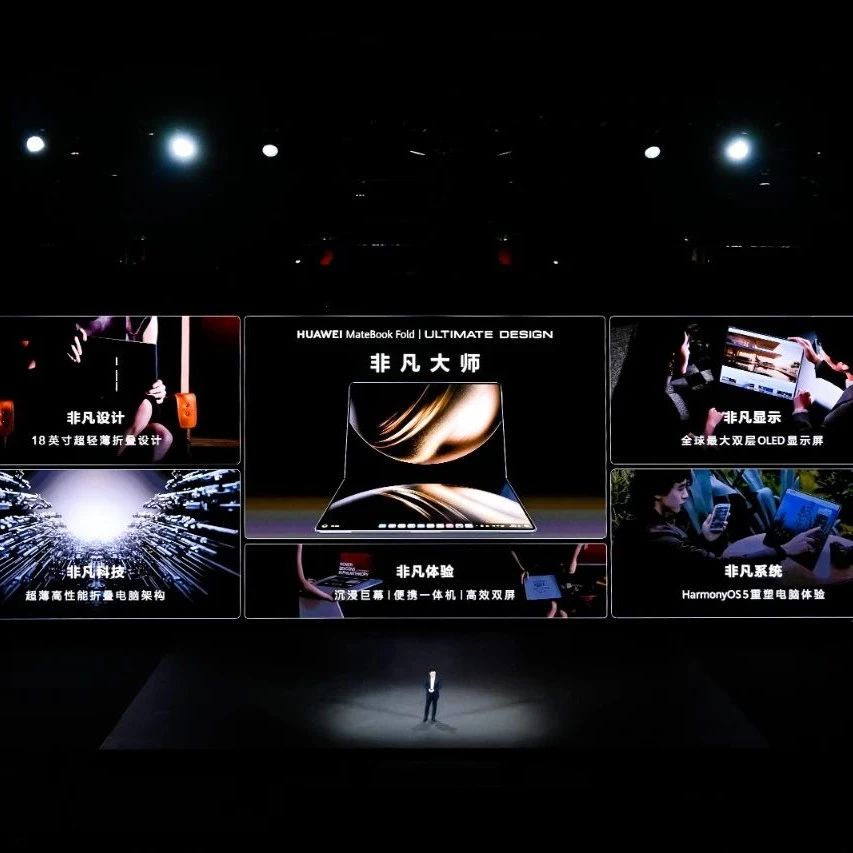
Core Viewpoint - The launch of the HUAWEI MateBook Fold marks a significant breakthrough for China's domestic computer operating system, indicating a shift in the PC industry towards self-reliance and innovation in the face of global challenges [2][3][21]. Group 1: Importance of Self-Developed Operating Systems - The necessity for self-developed computer operating systems arises from the digital era and the 5G Internet of Things, which demand systems that can support interconnectivity and collaboration among devices [2]. - The current global landscape of operating systems is highly concentrated, with Windows holding over 70% market share and macOS over 10%, making it challenging for new entrants [3]. Group 2: Technical Challenges and Innovations - HUAWEI's HarmonyOS for computers is a fully self-developed system, achieving 100% independence from Linux or Windows, with a focus on a microkernel architecture that reduces code redundancy and enhances security [5][6]. - The development process is complex, requiring a balance between compatibility with existing software and the need for innovation, as traditional systems have extensive legacy code [6]. Group 3: Ecosystem Development - Building a software ecosystem for computers is more challenging than for mobile devices, as the existing software landscape is dominated by Windows and macOS [10]. - As of May 19, 2025, over 150 dedicated computer applications have been adapted for HarmonyOS, with expectations to support over 2000 applications by the end of the year [10][13]. Group 4: User Experience and Security - HarmonyOS integrates AI deeply into the operating system, enhancing user experience through features like seamless cross-device collaboration and innovative interaction methods [18][20]. - The system employs a multi-layered security architecture, including chip-level encryption and strict application governance, to ensure data security and privacy [20]. Group 5: Industry Impact - The release of HarmonyOS for computers signifies a historic leap for China's tech industry, transitioning from a technology follower to a rule-maker in the global tech landscape [21]. - The development of HarmonyOS is expected to stimulate the domestic software industry and promote the growth of local enterprises, creating a more self-sufficient technology ecosystem [14][21].