麦肯锡

Search documents
敢想敢干:专访黑石集团CEO苏世民等三位卓越CEO
麦肯锡· 2025-06-25 08:01
Core Insights - The article emphasizes the importance of CEOs developing their own "toolbox" of thinking strategies to navigate the complexities and uncertainties of today's business environment, drawing parallels to the crisis faced by Apollo 13 [1][2]. Group 1: CEO Mindsets - Top CEOs share a common mindset when fulfilling six core responsibilities, such as being bold in setting direction and prioritizing team dynamics over rigid management structures [2]. - Continuous interviews with successful CEOs have confirmed previous research findings and provided additional practical insights [2]. Group 2: Stephen Schwarzman (Blackstone Group) - Schwarzman co-founded Blackstone Group in 1985, growing it into one of the largest investment firms globally, managing nearly $1 trillion in assets across various sectors [6]. - He utilized a systematic approach to investment analysis, achieving a 64% annualized return during a downturn in the real estate market by applying a cash flow-based valuation method [7]. - Schwarzman emphasizes that success in finance relies more on talent allocation than on capital, advocating for the recruitment of top talent for critical roles [8]. Group 3: Ken Frazier (Merck) - Frazier reaffirmed Merck's commitment to research and development, prioritizing patient welfare over profits, which led to the development of significant drugs like the cancer treatment Pembrolizumab [12]. - He faced multiple crises, including the Vioxx litigation, by prioritizing the company's values and maintaining public trust, even rejecting settlement offers [13]. - Frazier believes that while specific crisis plans are impractical, organizations can enhance their resilience through training and simulations [14]. Group 4: James Gorman (Morgan Stanley) - Gorman transformed Morgan Stanley post-2008 financial crisis by focusing on wealth management, which he viewed as undervalued due to poor management [17][18]. - He established a strategic framework that involved assessing industry risks and ensuring a balanced approach to growth and risk management [19][20]. - Gorman emphasizes the importance of team dynamics, evaluating executives based on competence and collaboration to ensure a unified approach to challenges [23].



登顶,并非旅程的终点
麦肯锡· 2025-06-19 13:28
Core Insights - The journey of self-exploration is crucial for achieving exceptional leadership, as many CEOs continue to grow even after reaching the pinnacle of their careers [1] - Effective leaders must develop both hard business skills and soft skills, such as self-awareness and empathy, to connect deeply with themselves and their teams [2] - Many high-ranking CEOs remain trapped in the "social mind" stage, seeking external validation rather than embracing their true selves [3] Group 1 - The need for leaders, especially CEOs, to engage in self-exploration and cultivate core leadership qualities like empathy, integrity, and humility [3] - The importance of balancing seemingly opposing traits, such as confidence and humility, to achieve effective leadership [3] - The realization that many CEOs do not naturally grow into their roles but rather undergo long-term, thoughtful self-development [3] Group 2 - Leaders must continuously refine themselves and ensure that their organizations are stronger upon their departure [4] - The experience of a high-level executive transitioning from banking to venture capital illustrates the necessity of challenging oneself to maintain peak performance [5] - Early self-reflection on personal authenticity, resilience under pressure, and team motivation can accelerate growth and leadership readiness [5] Group 3 - The path to leadership is not linear, and true leaders never cease to question themselves and explore innovation [5]

“夏季达沃斯论坛”又要来啦,今年有哪些看点?
麦肯锡· 2025-06-18 10:08
Core Viewpoint - The annual "Summer Davos Forum" will be held in Tianjin, China from June 24 to 26, 2025, gathering over 1,700 leaders from business, politics, and social organizations to discuss the transformation of the global economy and the challenges posed by geopolitical factors, technology, sustainability, and demographic changes [1][2]. Group 1: Global Economic Insights - The global economy is at a crossroads, with growth rates expected to be 3.3% in 2025 and 2026, significantly below historical averages. The focus will be on unlocking new growth drivers amidst changing global trade patterns and productivity challenges [1][2]. Group 2: China's Economic Outlook - China is actively adjusting its economic development model in response to challenges such as export volatility and weak domestic demand, focusing on new productivity driven by technological innovation [2][3]. Group 3: Industry Transformation - The rapid deployment of new technologies, such as generative AI, is reshaping the global industrial landscape, with private sector technology investments projected to reach $5.6 trillion by 2025. The emphasis will be on how industries can leverage these technological trends to convert investments into productivity [3][4]. Group 4: Climate Action and Investment - Despite some progress in climate action financing, global targets are only expected to be met at less than 20%. The challenge lies in balancing short-term commercial interests with long-term human development [4][5]. Group 5: Energy Transition and Materials - The acceleration of global energy transition is leading to a "relay race" between old and new energy sources, with a significant increase in clean energy generation and demand from smart factories and electric vehicles. Strategies are needed to ensure a safe, stable, and sustainable supply of energy and critical materials [5][6]. Group 6: McKinsey's Forum Activities - McKinsey will host a special forum on June 25, 2025, focusing on the global strategic transformation and value reconstruction of Chinese companies, emphasizing the need for a shift in operational paradigms to achieve true globalization [5][6].

2030中国智能制造行业将迎来跨越式增长,三大技术趋势值得关注
麦肯锡· 2025-06-13 09:44
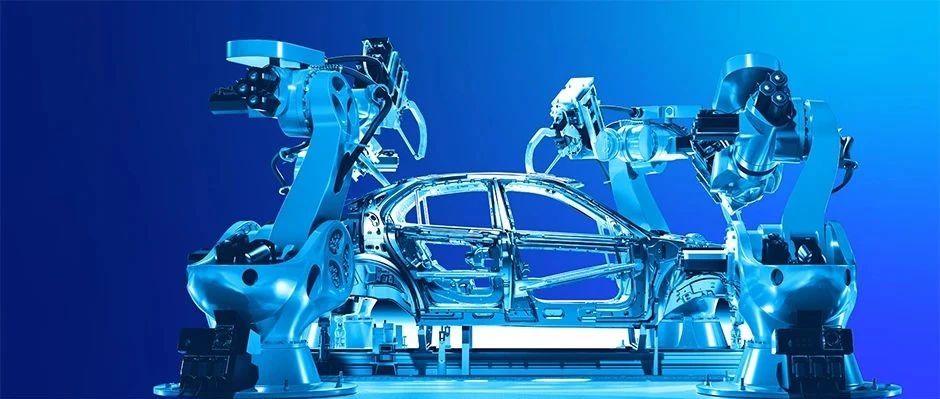
Core Viewpoint - The global smart manufacturing and industrial automation industry is expected to undergo significant transformation by 2030, driven by factors such as labor market changes, technological breakthroughs, and increasing market demand, particularly in China, Japan, South Korea, and Western Europe [2][3][5]. Summary by Sections Industry Growth Potential - The global industrial automation market is projected to reach approximately $108.3 billion by 2025, with a compound annual growth rate (CAGR) of about 3.7% over the past three years. China's industrial automation market exceeds 250 billion RMB, accounting for over one-third of the global market [5]. - The automation market is segmented into three main areas: continuous flow manufacturing automation equipment, discrete manufacturing automation equipment, and industrial IoT software and cloud services, with the latter expected to grow at a rate of 18% [9][10]. Technological Trends - The industry is witnessing three major technological trends: platformization, agility, and intelligence. These trends aim to address existing pain points in traditional industrial automation systems, such as data sharing and system integration challenges [15][19][22]. - The shift towards a platform-based architecture is becoming mainstream, allowing for better data sharing and reduced integration costs [19]. Digital Transformation and AI Integration - A survey of 188 global industrial automation users and suppliers revealed that 69% consider digital solutions crucial for their automation efforts, with 94% indicating their importance for future initiatives [11]. - Companies are increasingly adopting AI solutions, transitioning from "tool-level AI" to "system-level AI," and leveraging external industrial internet platforms for rapid application development [30]. Recommendations for Manufacturing Enterprises - Companies should prioritize strategic planning and investment in automation and intelligence, focusing on high-cost and high-risk scenarios to achieve quick returns on investment [28]. - Embracing AI and integrating into an open ecosystem is essential for continuous optimization and efficiency improvements [30]. - Building a cross-functional team with both industrial experience and digital skills is critical for successful transformation [31]. Future Outlook - By 2030, the smart manufacturing industry is expected to enter a new era characterized by human-machine collaboration, data-driven decision-making, and continuous evolution, enabling companies to navigate uncertainties in demand fluctuations, technological changes, and global competition [26][24].
区域型银行如何实现AI战略突围?
麦肯锡· 2025-06-11 09:24
Core Viewpoint - The competition for generative AI in regional banks has shifted from technological exploration to value realization, making it essential for these banks to capture AI value and implement applications effectively [1]. Group 1: Current State of Generative AI in Banking - Generative AI applications are expanding from internal use to client-facing services, transforming operational models and customer service methods within banks [2]. - The emergence of multi-agent systems is providing comprehensive solutions that can cover complex processes, allowing generative AI agents to act as virtual colleagues [3]. Group 2: Impact on Profitability - Generative AI is expected to significantly enhance productivity across industries, with banking projected to see a potential productivity increase of $200 billion to $340 billion, translating to a 14%-24% potential profit increase, which could rise to 60%-80% over the next three years [4]. Group 3: Challenges in AI Adoption - Despite the apparent technological benefits, regional banks face significant barriers to large-scale AI application, including data silos and a shortage of hybrid talent, with an estimated talent gap of 5 million in China by 2030 [7]. - Regional banks must address three core questions: how to focus on high-value scenarios with limited resources, how to balance short-term wins with long-term strategies, and how to manage innovation and ecosystem collaboration [7]. Group 4: High-Value AI Application Scenarios - Six high-value AI application scenarios are emerging as key areas for regional banks to leverage AI capabilities, transitioning from experimental phases to growth drivers [8]. - These scenarios include credit risk management, customer relationship management, software development efficiency, intelligent customer service, hyper-personalized services, and knowledge management [10]. Group 5: Strategic Pathways for Regional Banks - Regional banks must choose between three strategic models: "builders" who deeply reconstruct core business, "innovators" who enhance middle and back-office processes, and "adopters" who focus on efficiency improvements [14]. - A comprehensive AI transformation framework is necessary, integrating AI with overall business strategy and ensuring that AI investments are directly linked to financial metrics [15][16]. Group 6: Collaboration and Ecosystem Development - Finding suitable ecosystem partners is crucial for regional banks to quickly develop strategies and implement use cases, allowing them to leverage existing solutions and accelerate their AI adoption [17]. - The future of banking will see AI not just as a tool for efficiency but as a core competitive advantage for enhancing customer service, optimizing risk management, and improving operational resilience [18].

如何提升团队效能?规避三大误区,采取四大行动
麦肯锡· 2025-06-06 07:37
全文阅读时间约为17分钟。 今时今日,能否破解团队效能密码,愈发成为关乎组织成败的关键。对多数企业而言,团队是价值创造 的核心单元。现代团队往往更具自主性与能动性,并融入充满活力的跨团队协作生态系统中。然而,现 实中许多团队协同乏力,甚至陷入低效泥潭:研究显示,四分之三的跨职能团队在关键绩效指标上表现 欠佳。 人们往往将团队成败简单归因于个体因素,尤其是领导者的能力,或归因于说不清道不明的"化学反 应"。但寄托于希望绝非良策。提升团队领导力固然重要,也远远不够。我们必须警惕两大误区:一是 对"默契至上"的迷思(要么一拍即合,要么一盘散沙);二是对"英雄队长"的迷信(只要领军者足够优 秀,团队便可无往不利)。这些误区掩盖了真正影响团队表现和组织成效的深层结构与情境因素。 即便组织开始关注团队效能,往往也将重点局限于高层领导团队。这并非毫无道理:数据显示,当最高 管理团队构建出真正意义上的共同愿景,公司财务表现超越行业中位数水平的概率会提升近一倍。 高层团队理应受到重视,但不应止步于此。组织中那些承担关键跨职能任务的团队,也亟需更多支持。 如今,企业愈加依赖敏捷团队、项目团队和团队网络等形式来创造价值。而最贴近客 ...

揭秘高效能领袖:更新个人操作系统的四条指南
麦肯锡· 2025-06-04 06:50
Core Viewpoint - The article emphasizes the importance of leaders updating their personal work modes, akin to updating operating systems, to enhance their effectiveness and adaptability in a rapidly changing business environment [1][26]. Group 1: Personal Work Mode Drivers - Personal work modes consist of four drivers: work focus, role, time allocation, and energy, which can either hinder efficiency or enhance adaptability depending on the executive's circumstances [3][15]. - Leaders must continuously assess their practices in these areas, especially during significant transitions in their careers or organizations [3][26]. Group 2: Assessing Work Focus - Effective leaders start by clarifying their work priorities, identifying critical issues to address, and recognizing key opportunities [4]. - Understanding stakeholder expectations is crucial for establishing clear work priorities, which involves identifying both internal and external stakeholders [5][6]. Group 3: Role Clarity - Leaders should determine which tasks require their direct involvement and which can be delegated, focusing on areas where their unique skills can make a significant impact [10][11]. - Engaging in meaningful dialogues with stakeholders can help clarify expectations and enhance organizational alignment [13][14]. Group 4: Time Management - Leaders need to strategically manage their time by setting boundaries and creating a rhythm that allows for flexibility while focusing on high-priority tasks [16][17]. - Restructuring meeting processes can improve efficiency, as many executives find that a significant portion of their decision-making time is wasted in unproductive meetings [19]. Group 5: Maintaining Energy Levels - Maintaining physical health and strong interpersonal relationships is essential for leaders to sustain high energy levels and effectively manage stress [20][21]. - Building a supportive network of trusted advisors can provide valuable perspectives and help leaders navigate challenges [22]. Group 6: Expanding Personal Work Modes - Leaders are encouraged to reflect on their personal work modes regularly and consider how to implement these practices organization-wide to enhance overall productivity [25][26]. - The article suggests that fostering a culture where every individual understands how to manage their work focus, role, time, and energy can lead to significant improvements in organizational performance [25][26].

亚洲跃迁时刻,CEO准备好了吗?
麦肯锡· 2025-05-30 07:19
Core Viewpoint - Asia is entering a new era with the potential to significantly expand its global influence, contributing 42% of global GDP by 2040 and nurturing 60% of the Fortune Global 500 companies, while also becoming a key player in various industries such as semiconductors, e-commerce, cloud services, and renewable energy [2][3]. Group 1: Asian Enterprises on the Global Stage - Asian companies are rapidly emerging in high-growth sectors like digital services, fintech, healthcare, advanced manufacturing, and clean energy, with leadership and innovation becoming key success factors [3]. - From 2004 to 2024, approximately 80 Asian companies have entered the Fortune Global 500 list, and by 2040, an additional 80 to 100 Asian companies are expected to join [3]. Group 2: CEO's Strategic Imperatives - CEOs must focus on four strategic themes to navigate the changing landscape: strategic focus, building resilience, acquiring necessary capabilities, and balancing global expansion with local depth [5][6][7][8]. - Scenario planning is essential for CEOs to navigate geopolitical uncertainties, requiring a dual perspective of balancing trends and risks [4]. Group 3: Investment Landscape in Asia - Asia is transitioning from reliance on foreign direct investment (FDI) to stimulating local capital, with fixed investment expected to grow to $140 trillion over the next decade, surpassing the combined $89 trillion of the US and Europe [9][10]. - In 2023, China's fixed asset investment reached $7 trillion, while India invested $800 billion in infrastructure over the past five years [9][10][11]. - The average return on invested capital (ROIC) for the top 1000 Asian companies is approximately 9%, significantly lower than the 20% for their global counterparts [9][10]. Group 4: Financial Strategy Transformation - CEOs should reshape financial strategies to embrace local and pan-Asian capital, focusing on high-growth sectors and optimizing capital allocation [11][12]. - Companies are encouraged to streamline their asset portfolios and focus on core business areas to enhance operational efficiency and shareholder value [13][14]. Group 5: AI and Digital Transformation - Asia is becoming a global leader in AI, with 75% of global AI patent applications filed in the region in 2022, and AI investment projected to reach $110 billion by 2028 [16][17]. - Companies should leverage AI to enhance operational efficiency, personalize customer experiences, and build robust AI capabilities within their teams [16][17][18]. Group 6: The Rise of the Digital Generation - The emergence of the digital native generation is driving new wealth creation in Asia, with projections indicating that by 2040, Asia will account for 52% of the global population aged 18 to 24 [19][20]. - Companies must adopt highly personalized strategies to engage this growing consumer base, utilizing digital platforms and gamification to enhance customer interaction [20][21][22].

百里挑“一”:卓越企业如何驱动经济体生产力增长
麦肯锡· 2025-05-28 09:40
Core Insights - The article emphasizes that productivity growth is essential for addressing challenges such as balance sheet expansion, net-zero transition costs, and demographic changes. Exceptional companies play a crucial role in driving this productivity growth, significantly impacting economic performance [1][2]. Group 1: Role of Exceptional Companies - Exceptional companies contribute approximately two-thirds of the positive productivity growth in the studied sample, while a small number of lagging companies account for 50%-65% of the total productivity decline [2][8]. - The research tracked 8,300 large companies across the retail, automotive, tourism, logistics, and computer and electronics sectors in the US, UK, and Germany from 2011 to 2019, revealing that productivity growth is characterized by explosive features driven by a few companies [2][8]. Group 2: Types of Exceptional Companies - Exceptional companies are defined as those contributing at least one basis point to productivity growth, while lagging companies are those causing a decline of at least one basis point. They can be categorized into three types: - Improvers: Large established companies enhancing internal efficiency [9]. - Disruptors: Small innovative firms leveraging technology or business model innovations [9]. - Expanders: Leading companies increasing employment and market share [9][16]. Group 3: Factors Supporting Exceptional Companies - Market conditions, technology, regulation, and competition in certain industries create favorable environments for the rise of exceptional companies. For instance, the US computer and electronics sector has seen numerous expanders and disruptors due to its ability to create new customer value [13][24]. Group 4: Growth Strategies of Exceptional Companies - Exceptional companies employ diverse strategies to stimulate productivity growth, including: 1. Expanding business models or technologies, as seen with Apple and Amazon [17][21]. 2. Adjusting regional and product portfolios to focus on more productive areas [17][21]. 3. Reshaping customer value propositions to adapt to market trends [21]. 4. Building scale and network effects to achieve economies of scale [21]. 5. Transforming operations to enhance efficiency and reduce costs [21]. Group 5: Comparison of Productivity Growth - Between 2011 and 2019, the US experienced a productivity growth rate of 2.1%, significantly higher than Germany (0.2%) and the UK (close to zero). This is attributed to the higher number of exceptional companies in the US, particularly in the computer and electronics sector [24][25]. Group 6: Implications for Future Growth - The article suggests that productivity growth is a key driver for long-term success, enabling companies to pay higher wages and achieve greater profit margins. It highlights the need for a strategic focus on exceptional companies to foster economic growth [28][31][32]. Group 7: New Mindsets for Growth - The research identifies six new mindsets necessary for driving productivity growth, including focusing on exceptional companies, embracing diverse paths to excellence, and prioritizing strategic innovation over mere efficiency [33][34][35][36][37].



科技行业独角兽如何穿越周期、保持增长
麦肯锡· 2025-05-23 07:43
Core Viewpoint - In times of economic turbulence, unicorn companies must exhibit resilience to adapt to the new normal, with founders needing to continuously adjust their mindset and actions to enhance management capabilities and lead effectively [1] Group 1: Challenges Faced by Unicorn Companies - Unicorn companies often face five key demands during their growth phase: founders need to transition from entrepreneurs to managers, align their strategic vision with organizational consensus, continuously identify and convert growth opportunities, establish a lean financial system and organizational structure, and recruit and develop key talent for future growth [2] - The six major challenges identified include: 1. Disconnection between strategic planning and implementation, necessitating optimization of the business model [2] 2. Core executive teams from technical backgrounds may overlook leadership development and talent pipeline construction [3] 3. Insufficient financial management capabilities, with a lack of integration between business and finance leading to cash flow issues [4] 4. Inadequate digital marketing and management capabilities, resulting in poor data analysis for decision-making [5] 5. Deficiencies in risk management across knowledge, financial, and legal domains [7] 6. Transitioning from startup and growth phases to facing maturity challenges, including bureaucratic tendencies and the need for organizational optimization [8] Group 2: Key Values and Actions for Success - Successful tech companies embody five core values: listening to customer feedback, continuous improvement to meet customer needs, driving innovation for sustained enhancement, fostering a winning team culture, and maximizing shareholder value [9] - The five key actions for rapid growth include: continuously seeking new growth opportunities, expanding management bandwidth, promoting lean operations, managing market capitalization, and enhancing leadership excellence [9] Group 3: Specific Actions for Growth - Continuous exploration of new growth opportunities is essential, utilizing systematic methods and tools to identify potential value within investment portfolios [10] - Expanding management bandwidth involves aligning strategic goals with organizational capabilities and ensuring effective execution of strategies [12] - Integrating business and financial management is crucial for maintaining profitability during growth stagnation, focusing on proactive risk management and performance monitoring [19] - Implementing lean operations through effective management tools can optimize performance across production, commercial, and personnel levels [32][36] - Market capitalization management aims to maximize company value through strategic optimization and effective communication with stakeholders [37][41] Group 4: Leadership Development - Exceptional leadership is critical for navigating uncertainty, with CEOs needing to cultivate resilience, balance cost control with innovation, and develop key talent [39] - The six dimensions of effective CEO leadership include setting strategic direction, unifying the organization, fostering a collaborative executive team, managing personal efficiency, building stakeholder relationships, and collaborating with the board [40]