
GLP1减重宝典

Search documents
司美格鲁肽:或将改写抗衰领域的划时代创新药物
GLP1减重宝典· 2025-11-07 08:05
Core Viewpoints - Semaglutide is recognized as a significant medical breakthrough with potential applications beyond obesity and sleep apnea, including treatment for various diseases such as heart failure, arthritis, Alzheimer's, and cancer [2][4]. - The drug's ability to improve cardiovascular metabolic health suggests far-reaching benefits that could revolutionize cardiovascular care [2][4]. Group 1: Medical Applications - Semaglutide shows potential in treating multiple diseases, including heart failure, arthritis, Alzheimer's, and cancer, by improving overall health and potentially delaying aging [4]. - The Select trial involved over 17,600 patients aged 45 and above with obesity or overweight and cardiovascular disease risk, demonstrating a significantly lower all-cause mortality rate in the semaglutide group compared to the placebo group [4]. Group 2: Efficacy and Safety - In patients taking semaglutide, the mortality rate from COVID-19 was 2.6%, compared to 3.1% in the placebo group, indicating a significant reduction in death rates despite similar infection risks [6]. - Semaglutide effectively reduces the risk of severe cardiovascular events and alleviates heart failure symptoms, regardless of weight loss [6]. Group 3: Drug Mechanism and Usage - Semaglutide, marketed under the brand names Wegovy and Ozempic, mimics the GLP-1 hormone to induce satiety and reduce hunger, administered via injection [6]. - Experts caution that semaglutide is not a panacea and should not replace healthy diet and exercise, emphasizing the importance of medical supervision to avoid potential side effects [6]. Group 4: Future Research and Implications - Ongoing research is exploring the potential of semaglutide and similar drugs in combating age-related diseases, indicating a promising future for longevity biotechnology in global health systems [6]. - The era of semaglutide in medicine is just beginning, with its comprehensive impact still requiring further study and observation [6].


2025美国肥胖周看点!创新“水凝胶药丸”Sirona闪耀登场
GLP1减重宝典· 2025-11-07 08:05
Core Insights - The article discusses the innovative Sirona weight loss hydrogel pill, which has shown promising results in recent clinical trials for obesity management [6][8][13]. Group 1: Sirona Hydrogel Pill Overview - Sirona is a gastric-retentive, super porous, double-network polymer pill that expands rapidly in the stomach, helping to suppress appetite and reduce food intake [8]. - The unique mechanism allows Sirona to remain in the stomach for several days before being metabolized and excreted naturally [8]. Group 2: Clinical Trial Details - A pilot randomized controlled trial was conducted from February to December 2024, involving participants with a BMI between 30-40 and no type 2 diabetes [11]. - The trial included 38 participants, with 29 receiving Sirona treatment and 9 receiving a placebo, and was designed to assess feasibility, tolerability, safety, weight change, dietary intake, and metabolic/liver function indicators [14]. Group 3: Trial Results - Sirona demonstrated excellent tolerability, with 95.2% of participants completing the treatment, and no serious adverse events reported [14]. - In terms of weight loss, 25% of the Sirona group lost at least 5% of their body weight compared to 12.5% in the placebo group, with an average weight loss of 3.9% for the Sirona group versus 1.0% for the placebo group [14]. - The Sirona group also showed a significant reduction in caloric intake, averaging a decrease of 369.7 kcal compared to 93.5 kcal in the placebo group [14]. Group 4: Additional Health Benefits - Sirona also positively impacted blood sugar and liver function, with participants showing improvements in HbA1c levels and normalization of ALT levels after treatment [16].
AI拟定减肥处方,成效远超人类医生!
GLP1减重宝典· 2025-11-06 08:17
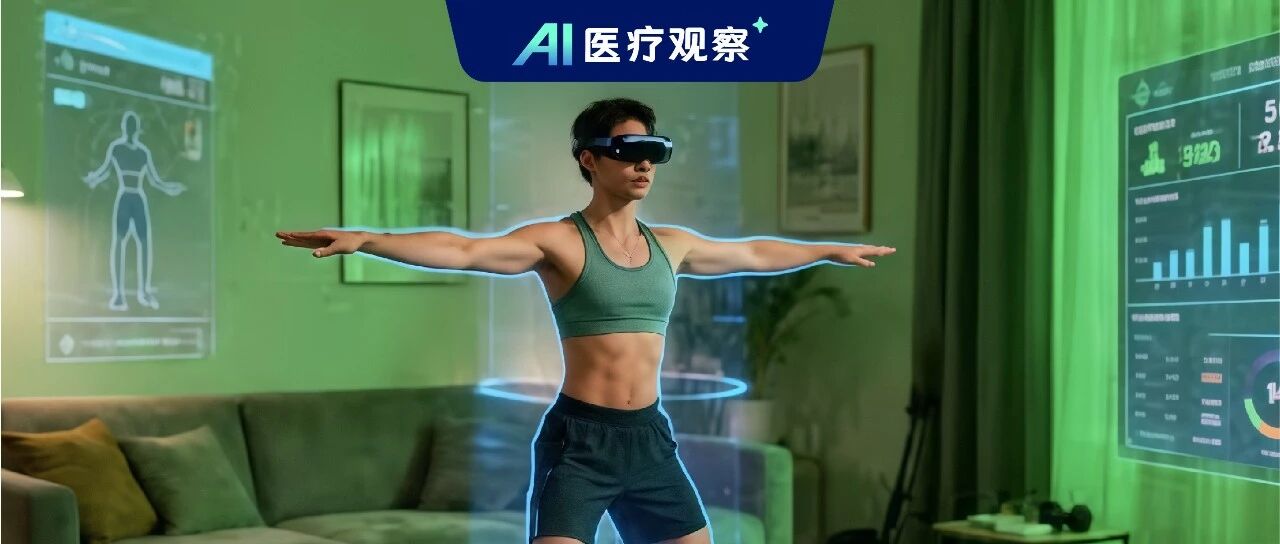
Core Insights - The article discusses the significant impact of AI in the healthcare sector, particularly in weight loss and supplement recommendations, highlighting a study that shows AI's effectiveness compared to traditional physician guidance [4][21]. Experiment Details - A study was conducted with 60 participants divided into two groups: one receiving supplement recommendations from AI and the other from physicians. Both groups were instructed to create a daily caloric deficit of 500 calories and engage in 150 minutes of moderate exercise weekly over 180 days [6]. - The AI-guided group lost an average of 12.3% of their body weight, while the physician-guided group lost only 7.2%. The baseline weights were 90.8 kg for the AI group and 88.5 kg for the physician group, resulting in actual weight loss of 11.2 kg versus 6.4 kg [8]. Supplement Usage - The AI group utilized an average of 4.2 different supplements, while the physician group used only 2.5. The usage rates for specific supplements were significantly higher in the AI group, including fiber (83% vs. 42%), green tea extract (67% vs. 35%), and targeted micronutrients (61% vs. 18%) [9][10]. Appetite Control - The AI group demonstrated superior results in appetite control metrics, including hunger, fullness, satiety, and overall appetite suppression, with statistically significant differences (p < 0.01) across all measures [10]. Practical Recommendations - The article suggests that a higher variety of supplements may be beneficial, advocating for the use of at least five different supplements regularly. It emphasizes that most supplements are safe when used appropriately and can provide additional health benefits [11].
司美格鲁肽7.2mg制剂亮相!平均减重18.7%,最新临床研究结果公布
GLP1减重宝典· 2025-11-06 08:17
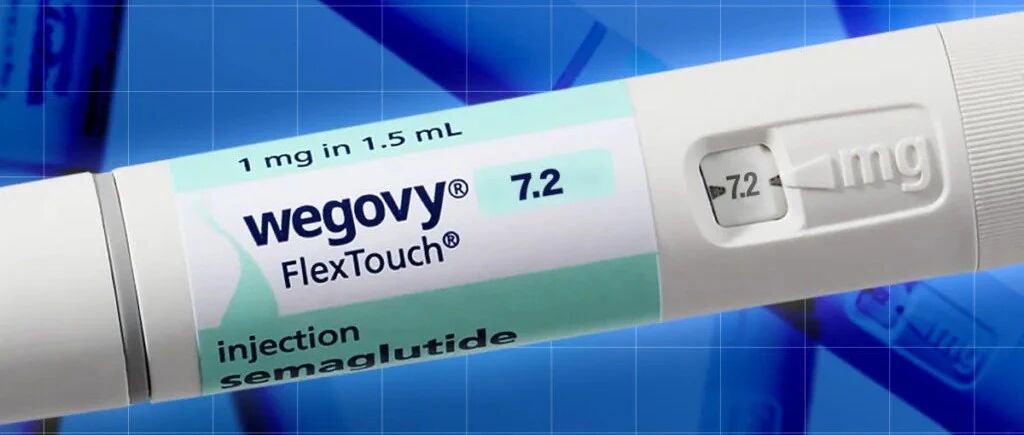
Core Viewpoint - The STEP UP study demonstrates that the 7.2mg dose of semaglutide significantly improves weight loss and metabolic health in obese patients compared to lower doses and placebo, providing a new treatment option for those who did not achieve desired results with lower doses [5][12]. STEP UP Study Overview - The STEP UP study is a phase 3b, randomized, double-blind, placebo-controlled clinical trial involving 1,407 obese adults (BMI ≥ 30 kg/m²) without diabetes, assessing the efficacy and safety of different doses of semaglutide [6]. - Participants were randomly assigned to three groups: 7.2mg semaglutide (1,005 participants), 2.4mg semaglutide (201 participants), and placebo (201 participants), with a treatment duration of 72 weeks followed by a 9-week follow-up [6]. Primary and Secondary Endpoints - The primary endpoint was the percentage change in body weight from baseline to week 72 comparing 7.2mg semaglutide to placebo, along with the proportion of participants achieving a weight loss of ≥5% [7]. - Secondary endpoints included comparisons of weight percentage changes, waist circumference changes, and proportions of participants achieving weight loss of ≥10%, 15%, 20%, and 25% between the 7.2mg and 2.4mg groups [7]. Results: Significant Weight Loss and Waist Circumference Reduction - The 7.2mg semaglutide group achieved an average weight loss of 18.7%, compared to 3.9% in the placebo group, with an estimated treatment difference (ETD) of -14.8% (p<0.0001) [8]. - Compared to the 2.4mg group, the 7.2mg group also showed greater weight loss (18.7% vs. 15.6%, ETD -3.1%, p<0.0001) [8]. - The proportion of participants losing ≥5% of body weight was significantly higher in the 7.2mg group (90.7%) compared to the placebo group (36.8%) [10]. Weight Loss Proportions - Weight loss ≥10%: 7.2mg group 82.4%, 2.4mg group 75.1%, placebo group 20.5% [10] - Weight loss ≥15%: 7.2mg group 66.5%, 2.4mg group 54.5%, placebo group 7.6% [10] - Weight loss ≥20%: 7.2mg group 47.7%, 2.4mg group 33.3%, placebo group 2.9% [10] - Weight loss ≥25%: 7.2mg group 31.2%, 2.4mg group 15.3%, placebo group 0% [10] Significant Improvement in Metabolic Indicators - The 7.2mg group showed significant improvements in waist circumference, blood pressure, blood lipids, HbA1c, and fasting blood glucose [11]. - Average waist circumference reduction was 17.5cm in the 7.2mg group compared to 5.9cm in the placebo group (ETD -11.7cm, p<0.0001) [11]. - HbA1c decreased by 0.32 percentage points in the 7.2mg group versus 0.02 in the placebo group, and fasting blood glucose decreased by 0.63mmol/L compared to 0.12mmol/L in the placebo group [11]. Conclusion - The STEP UP study results indicate that the 7.2mg semaglutide formulation shows significantly better efficacy and good safety in obesity treatment, offering new options for patients who did not meet treatment goals with lower doses [12].
速递 | 外国人,是如何教外企跟中国BioPharma打交道的?
GLP1减重宝典· 2025-11-06 08:17
Core Insights - The article discusses the growing interest of Western pharmaceutical companies in China's biopharmaceutical market, highlighting both opportunities and challenges in collaboration with local firms [4][11]. Group 1: Cultural Differences - One of the main challenges in collaborating with Chinese companies is the cultural differences, particularly in communication and decision-making processes [7][8]. - In China, decision-making is often hierarchical, with authority resting with founders or chairpersons rather than operational CEOs, necessitating careful identification of decision-makers by foreign firms [7][19]. - Building trust through informal interactions over 6 to 12 months is crucial, as relationships (guanxi) play a significant role in Chinese business culture [7][19]. Group 2: Decision Dynamics and Collaboration Models - The rapid development of China's biopharmaceutical industry has led to a shift from merely importing Western assets to a more globalized collaboration model, with Chinese firms increasingly focusing on independent R&D [9][11]. - Foreign companies need to understand the importance of "headline numbers" in negotiations, which often reflect high upfront payments or market promotion figures, and adjust contract structures accordingly [9][11]. Group 3: Risk Management and Data Transparency - Data transparency remains a challenge, as the quality of data provided by Chinese biopharmaceutical companies may not always meet FDA or EU standards, necessitating thorough due diligence [10][15]. - Collaborating with local experts can help foreign firms ensure data accuracy and mitigate risks associated with data discrepancies [10][15]. Group 4: Future Outlook - Despite challenges, foreign companies maintain confidence in the Chinese biopharmaceutical market due to its rapid growth, large market demand, and supportive government policies [11][24]. - Partnerships with Chinese firms are essential for cost savings of 40%-70%, and future collaboration models will likely become more diverse, including joint ventures and new business units [11][24].
科学证实:抖腿是最轻松的燃脂运动!Cell子刊揭示每日抖腿4.5小时可倍增能量消耗
GLP1减重宝典· 2025-11-06 08:17
Core Insights - The article highlights the surprising health benefits of leg shaking, a common unconscious behavior, which has been scientifically proven to be an effective method for fat burning and metabolic improvement [5][6][11]. Group 1: Research Findings - A study published in the journal iScience indicates that specific leg shaking (up and down motion) can significantly activate the soleus muscle, increasing local metabolic rates by 2-3 times [6][10]. - The research emphasizes that to achieve optimal fat-burning effects, individuals should aim for 270 minutes of leg shaking per day, which is feasible given the average sitting time of 8-10 hours for modern individuals [8][12]. - The study involved 25 sedentary participants who engaged in a new exercise called "soleus push-up," which mimics leg shaking and showed a remarkable 118% increase in total energy expenditure [9][10]. Group 2: Health Implications - Regular leg shaking not only doubles energy expenditure but also significantly enhances fat and carbohydrate metabolism, making it a practical solution for weight management and metabolic health [11][12]. - The findings suggest that incorporating leg shaking into daily routines can serve as a low-cost, low-effort health investment, particularly for those who are required to sit for extended periods [12]. - The research underscores the importance of this simple movement in preventing chronic diseases, as it provides a way to improve metabolic health without the need for structured exercise [12].

司美格鲁肽片,如何突破多肽药物的口服易降解、难吸收?
GLP1减重宝典· 2025-11-05 05:00
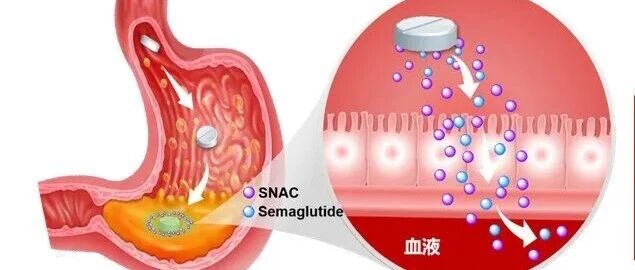
Core Viewpoint - The successful development and market launch of oral semaglutide, a GLP-1 receptor agonist, represents a significant breakthrough in overcoming the challenges associated with oral administration of peptide drugs, which are typically unstable in gastric acid and difficult to absorb in the intestine [5][9]. Group 1: Development and Innovation - The oral formulation of semaglutide has addressed multiple obstacles, including instability due to gastric acid and digestive enzymes, large molecular size affecting absorption, and individual variability in efficacy [5]. - The use of SNAC (sodium N-[8-(2-hydroxybenzoyl) amino] caprylate) has been pivotal in enhancing the solubility and absorption of the peptide, as well as protecting it from degradation [7]. - Pharmacokinetic and pharmacodynamic studies have established the optimal administration method and dosage, ensuring that the semaglutide tablet combined with 300 mg of SNAC achieves maximum bioavailability [7]. Group 2: Clinical Efficacy - The disintegration and absorption of the semaglutide tablet occur rapidly, with drug absorption observable approximately one hour after administration, leading to the onset of its long-acting GLP-1 receptor agonist effects [9]. - Clinical studies have confirmed the titration method and clinical efficacy of semaglutide, showing that starting from a low dose and gradually increasing to an effective dose optimizes clinical outcomes [9]. - Research indicates that a 14 mg semaglutide tablet can significantly reduce HbA1c levels by approximately 2% and also contributes to weight loss [9]. Group 3: Industry Implications - The development of semaglutide tablets not only provides patients with a new and effective treatment option but also breaks down barriers for oral administration of peptide drugs, setting a new benchmark for the development of peptide-based medications [9]. - This innovation opens up new possibilities for the future development of more oral peptide drugs, potentially transforming the landscape of therapeutic options in the pharmaceutical industry [9].
斯坦福AI揭秘超级减肥神器!不靠GLP-1照样燃脂,全新多肽机制首次曝光,减重效果堪比"司美",代谢疾病患者迎来福音!
GLP1减重宝典· 2025-11-05 05:00
Core Viewpoint - The article emphasizes the urgent need for weight management due to the global obesity crisis, which is linked to various metabolic diseases and health issues. It advocates for a dual approach to weight management: self-discipline through lifestyle changes and external interventions such as medication or surgery [6][10]. Summary by Sections Obesity as a Public Health Crisis - The National Health Commission has issued a warning about the critical state of public health due to obesity, which is a major contributor to diseases like type 2 diabetes and cardiovascular issues. The article highlights real-life examples of individuals facing health problems due to excessive weight, reinforcing the need for immediate action [6]. Current Weight Management Approaches - Weight management strategies include self-discipline through exercise, regular sleep, and scientific dietary practices, alongside pharmacological interventions like GLP-1 receptor agonists such as semaglutide and liraglutide, which have been approved for weight loss [7][10]. New Developments in Obesity Treatment - Recent research from Stanford University has identified a new natural bioactive peptide, BRINP2-related peptide (BRP), which shows significant potential in reducing food intake and improving blood sugar levels in animal models. This peptide operates independently of known appetite-related hormones, suggesting a novel mechanism for obesity treatment [8][14]. Mechanism of Action of BRP - BRP has been shown to activate specific neuronal pathways in the hypothalamus, influencing appetite regulation without causing anxiety or behavioral changes. The peptide's effects were observed in both mice and mini-pigs, demonstrating its ability to suppress food intake effectively [14][16]. Experimental Results - In mouse studies, BRP significantly reduced food intake and body weight, with a dosage of 5 mg/kg leading to an average weight loss of 4 grams over 14 days. The peptide also improved glucose tolerance and insulin sensitivity, comparable to the effects of liraglutide [14][16]. Future Directions - The discovery of BRP opens new avenues for obesity research and treatment strategies. However, further studies are needed to explore its detailed mechanisms and long-term safety before clinical applications can be realized [18].

AI仅用两周便研发出超长效降糖肽,疗效全面超越司美格鲁肽
GLP1减重宝典· 2025-11-05 05:00
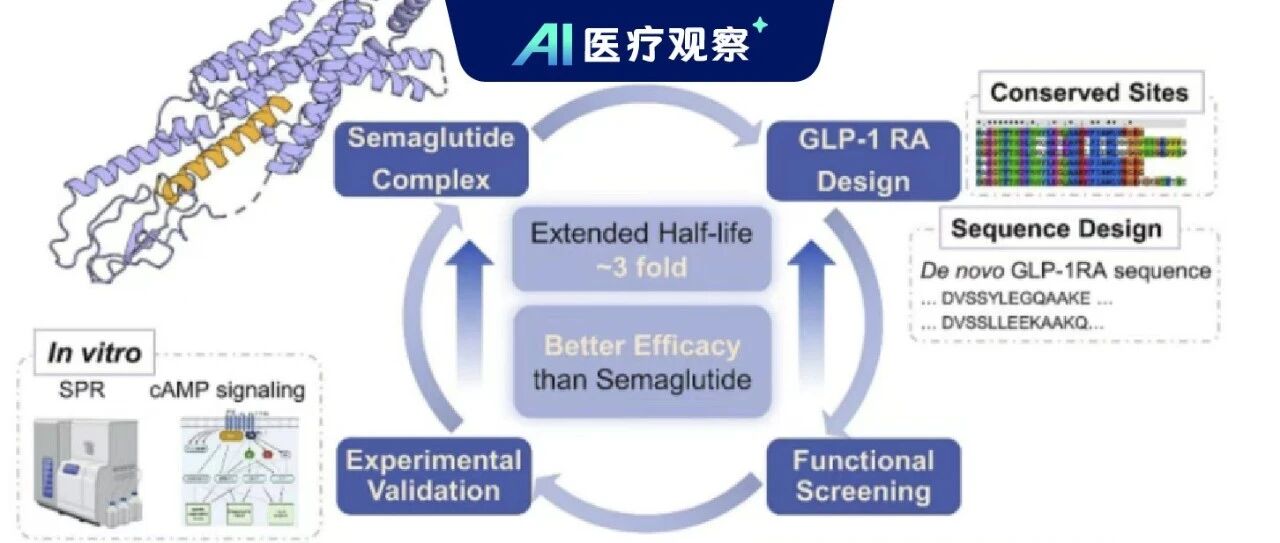
Core Viewpoint - The article highlights the transformative potential of artificial intelligence (AI) in the medical field, particularly in drug development, showcasing a recent study that demonstrates significant advancements in peptide drug design using deep learning techniques [4][6]. Group 1: AI in Drug Development - A recent study published in "Advanced Science" reveals that a research team from Shanghai Jiao Tong University successfully designed a long-acting GLP-1 receptor agonist (GLP-1 RAs) with a half-life three times that of the existing drug Semaglutide, completing the process in just two weeks [4]. - The traditional drug development process is time-consuming and costly, often taking years to identify clinical candidates, whereas AI can streamline this process significantly [6]. Group 2: Peptide Drug Market - The global peptide drug market is projected to grow from $49.13 billion in 2024 to $83.75 billion by 2034, indicating a robust market opportunity despite existing challenges such as metabolic stability and short plasma half-lives [6]. - Peptide drugs face limitations in clinical application due to issues like susceptibility to proteolytic degradation, which hinders their widespread use [6]. Group 3: AI Design Methodology - The research team utilized the ProteinMPNN deep learning tool to design new GLP-1 receptor agonists, generating 10,000 novel sequences based on the crystal structure of Semaglutide and the GLP-1 receptor [8]. - Key conserved sites critical for receptor recognition and activation were identified, allowing AI to optimize the remaining positions, leading to a selection of 60 promising peptide sequences for further testing [8][10]. Group 4: Experimental Validation - The study achieved a remarkable 52% success rate in identifying GLP-1 RAs that bind effectively to the GLP-1 receptor, with some candidates showing binding affinities comparable to Semaglutide [11]. - Notably, two candidates, D41 and D44, demonstrated half-maximal effective concentrations (EC50) of 0.011 nM and 0.012 nM, respectively, outperforming Semaglutide's EC50 of 0.019 nM [12]. Group 5: Pharmacokinetics and Efficacy - The pharmacokinetic profiles of candidates D13 and D41 showed significantly extended half-lives, with D13 at 19.86 hours and D41 at 23.16 hours, both exceeding Semaglutide's half-life of 8.17 hours [12]. - In diabetic mouse models, D13 exhibited a sustained hypoglycemic effect lasting up to 96 hours after a single injection, compared to Semaglutide's 24 hours [14]. Group 6: Additional Findings - D13 also demonstrated protective effects on kidney function, significantly reducing markers of kidney damage in diabetic mice, indicating its potential for broader therapeutic applications [16].
速递|派格生物:解散旗下GLP-2研发子公司,专注PB-119
GLP1减重宝典· 2025-11-05 05:00
Core Insights - The article discusses the strategic decision by the company to voluntarily dissolve its non-wholly owned subsidiary, Shanghai Maiji Biopharmaceutical Technology Co., Ltd., to focus on core product lines amid increasing competition and resource constraints [5] - The company is advancing its key product PB-119, a long-acting GLP-1 receptor agonist, which has received acceptance for its new drug application for the treatment of type 2 diabetes by the National Medical Products Administration in September 2023 [7] - The company has also signed a collaboration agreement with PDC FZ-LLC for the exclusive development and commercialization of PB-119 in the Middle East and Africa [9] Company Strategy - The dissolution of Shanghai Maiji is seen as a proactive adjustment to concentrate resources on core projects, particularly in the metabolic and weight loss treatment sectors [5] - The company aims to enhance its product matrix centered around PB-119, which is positioned as a first-line treatment for type 2 diabetes and obesity [7] Product Development - PB-119 is designed to be administered once weekly, simplifying the clinical administration process and potentially improving patient compliance [7] - The company is also developing PB-718, a long-acting GLP-1/GCG dual receptor agonist targeting obesity and NASH, with plans for clinical trials in China [9][10]
