
CHINA RES BEER(00291)

Search documents
华润啤酒牵手古越龙山 啤酒+黄酒寻求突围
Zhong Guo Jing Ying Bao· 2025-10-17 08:52
Core Viewpoint - The collaboration between Guyue Longshan and China Resources Beer aims to create a new product that combines yellow wine and beer, responding to changing consumer trends and targeting the younger demographic seeking low-alcohol beverages [2][3][4]. Group 1: Strategic Collaboration - Guyue Longshan has become the exclusive partner of China Resources Beer in the "yellow wine + beer" crossover product area, focusing on creating a "yellow wine craft beer" [3]. - The partnership is seen as a strategic move to innovate product offerings and break traditional perceptions of yellow wine, leveraging the strengths of both companies [4][8]. - The new product is set to launch in the East China region before expanding nationwide, aiming to reach a broader and younger consumer base [3][4]. Group 2: Market Trends and Consumer Behavior - The collaboration is driven by the trend of younger consumers preferring low-alcohol beverages, with yellow wine typically having an alcohol content of 14%-20% and beer at 3%-5% [3][4]. - The combination of the rich flavor of yellow wine and the refreshing taste of beer is expected to create a unique drinking experience that aligns with modern social drinking preferences [3][4]. Group 3: Industry Context and Challenges - The yellow wine industry faces challenges such as limited market size, regional concentration, and a consumer base primarily consisting of older males, which hinders the growth potential among younger consumers [6][7]. - Competitors in the yellow wine sector, such as Kuaijishan and Jinfeng Wine Industry, are experiencing varied financial performances, indicating a competitive and evolving market landscape [5][6]. - The collaboration may help overcome regional limitations and enhance brand appeal, but it also faces challenges related to integrating different product categories and consumer habits [8][9].



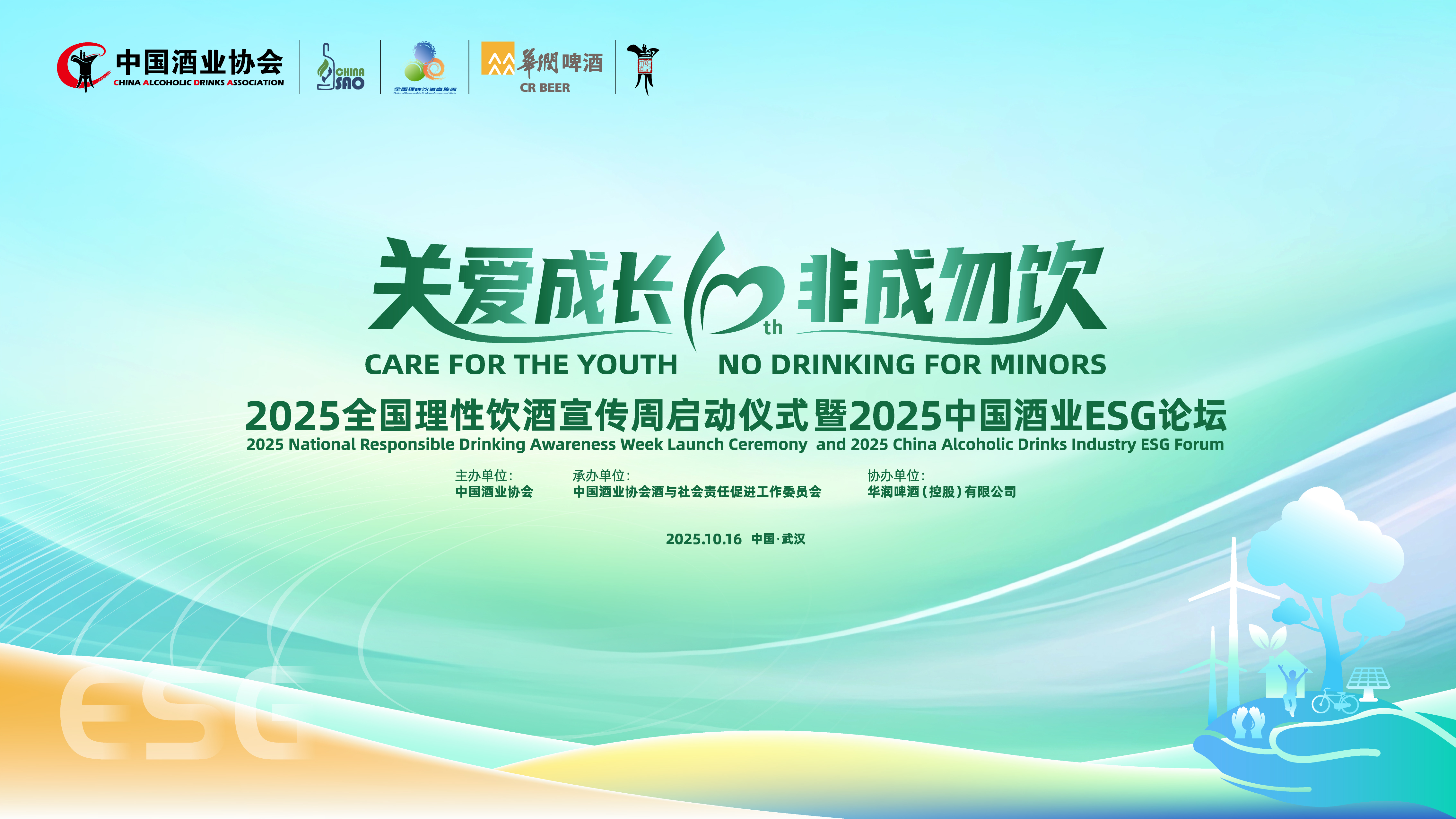
2025全国理性饮酒宣传周启动仪式盛大举行
Qi Lu Wan Bao· 2025-10-17 07:55
Core Viewpoint - The 2025 National Rational Drinking Promotion Week was launched in Wuhan, emphasizing the theme "Caring for Growth, No Drinking for Minors," highlighting the importance of responsible drinking and ESG (Environmental, Social, and Governance) principles in the Chinese liquor industry [1][9][12]. Group 1: Event Overview - The event was organized by the China Alcoholic Drinks Association, with participation from various industry leaders and government officials, showcasing a collaborative effort to promote responsible drinking [1][3][4]. - The launch included the release of the "2025 China Prevention of Underage Drinking Green Book," which emphasizes a multi-faceted approach involving families, schools, society, liquor companies, and government [32][33]. Group 2: Key Messages from Leaders - Yang Xiangwei, Deputy Director, highlighted Wuhan's potential as a consumer city and the importance of promoting the "No Drinking for Minors" concept [7]. - Song Shuyu, Chairman of the China Alcoholic Drinks Association, reflected on the achievements of the Rational Drinking Promotion Week over the past decade and stressed the significance of ESG in the industry's sustainable development [9][21]. - Zhao Chunwu, Chairman of China Resources Beer, emphasized the role of ESG in driving high-quality development within the industry [12]. Group 3: ESG Initiatives - The first "China Alcohol Industry ESG Development Index Report" was released, detailing the industry's social responsibility and ESG practices for 2024 [22][25]. - A vertical ESG rating platform for the liquor industry was established, incorporating AI technology to assess 155 industry indicators [25]. - The 2024 ESG list highlighted outstanding cases in environmental governance, social welfare, and corporate governance within the industry [28][26]. Group 4: Public Engagement and Outreach - The promotion week aims to reach a broader audience, with last year's activities impacting 500 million people [33]. - Various promotional plans were initiated to further spread the message of rational drinking, including the "5X Promotion Plan" and the "Fengming Plan" [33]. - A public-themed microfilm titled "Heaven and Earth Apart" was released, aligning with the year's theme and showcasing the importance of responsible drinking [38].
古越龙山又跨界联名了!这次华润渠道会给力吗?
Nan Fang Du Shi Bao· 2025-10-17 00:21
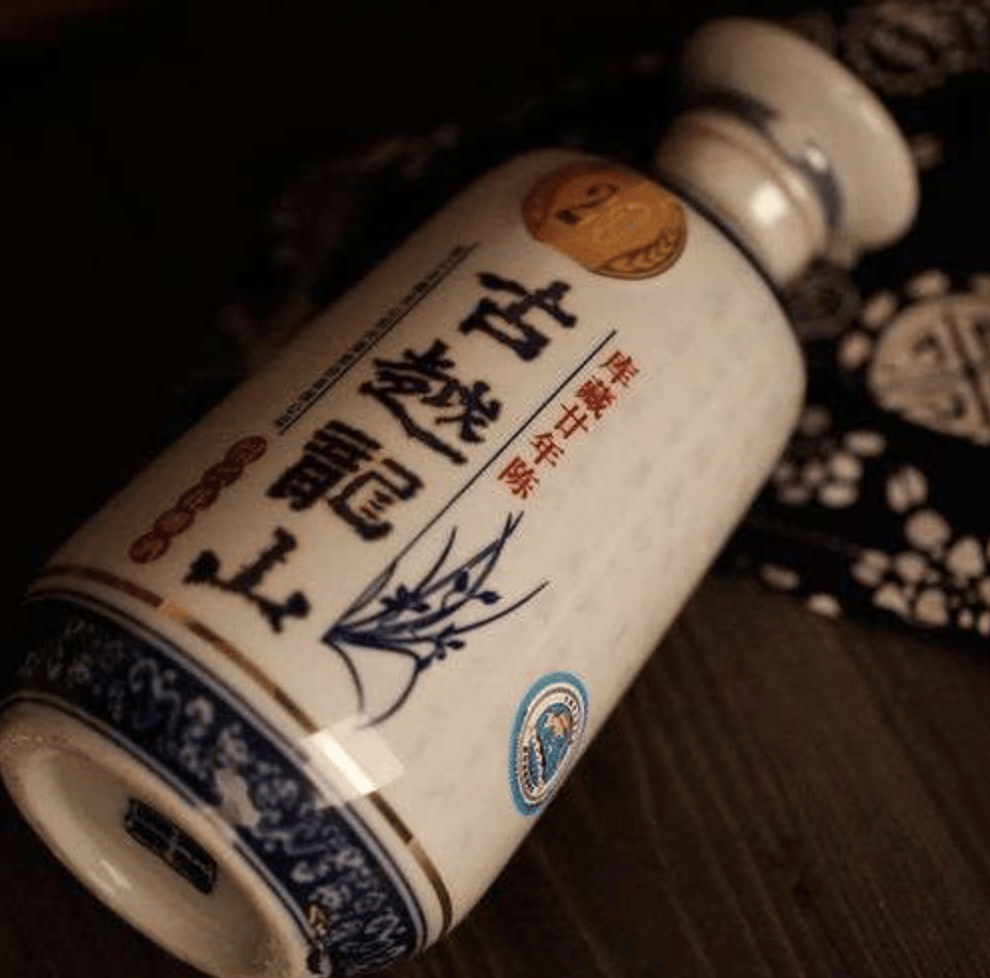
Core Viewpoint - The collaboration between Guyue Longshan and China Resources Beer aims to create a new product that combines yellow wine and beer, addressing the growing demand for low-alcohol beverages among younger consumers [2][3][5] Group 1: Strategic Collaboration - Guyue Longshan has signed a strategic cooperation agreement with China Resources Beer to jointly develop a "yellow wine + beer" product, leveraging both companies' strengths in production and market channels [2][3] - This partnership is exclusive, making Guyue Longshan the sole partner of China Resources Beer in the "yellow wine + beer" crossover market, which could provide a competitive edge [3] - The collaboration is seen as a key move for Guyue Longshan to pursue its strategy of "youthfulness and premiumization" amid increasing market competition and performance pressures [2][8] Group 2: Market Potential and Consumer Trends - The low-alcohol beverage market is experiencing structural opportunities, with young consumers increasingly influencing consumption patterns, as evidenced by a 34% share of young people in liquor consumption [6] - The product will initially be piloted in East China, a traditional market for yellow wine, before expanding nationwide, supported by China Resources Beer's extensive distribution network [4][9] - The marketing strategy will target modern social scenarios like camping and music festivals, aiming to reshape the perception of yellow wine as a traditional drink [4][7] Group 3: Financial Performance and Future Outlook - Guyue Longshan reported a revenue of 893 million yuan in the first half of the year, a slight increase of 0.4%, but net profit decreased by 4.72%, indicating ongoing performance challenges [9] - The company aims for a sales growth of over 6% and profit growth of over 3% by 2025, focusing on product optimization and market positioning [8][9] - The collaboration with China Resources Beer is part of a broader strategy to enhance brand image and attract younger consumers, potentially leading to new revenue streams [9]
古越龙山牵手啤酒龙头,将推出首款精酿黄啤
Xin Lang Cai Jing· 2025-10-16 09:33
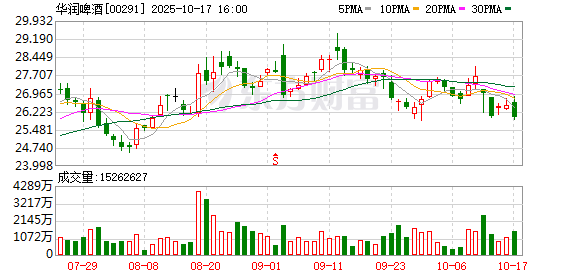
Core Insights - The strategic partnership between Guyue Longshan and China Resources Beer aims to innovate in the alcoholic beverage market by launching a new product, "Yellow Wine Brewed Beer," targeting a broader consumer base [1][3][6] Company Developments - Guyue Longshan has announced a significant collaboration with China Resources Beer, marking a strategic move to enhance its market presence in both the beer and yellow wine sectors [1][6] - The new product will first be trialed in East China before expanding nationwide, indicating a phased approach to market penetration [3][8] - Following the announcement, Guyue Longshan's stock price rose over 3%, reflecting positive market sentiment towards the partnership [3] Market Context - The yellow wine sector has seen a resurgence in interest, with stocks like Kuaijishan experiencing a 120% increase in value this year, highlighting a competitive landscape [3][10] - Guyue Longshan, despite being a long-standing leader in the yellow wine market, has faced challenges in maintaining growth, with a reported revenue increase of only 0.4% in the first half of the year [10][12] - The collaboration with China Resources Beer is seen as a potential catalyst for revitalizing Guyue Longshan's brand appeal, particularly among younger consumers [10][13] Strategic Implications - The partnership aligns with broader strategic goals set by the Zhejiang provincial government and China Resources Group, emphasizing synergy and mutual benefits [6][8] - The introduction of "Yellow Wine Brewed Beer" is positioned as an innovative cross-category product that could redefine market dynamics and consumer preferences [8][10] - Guyue Longshan's historical significance in the yellow wine industry, combined with China Resources Beer's marketing expertise, is expected to enhance product visibility and cultural relevance [6][12]

古越龙山反攻:与华润推黄酒精酿,开盘大涨6%
Sou Hu Cai Jing· 2025-10-16 07:58
Core Insights - The strategic partnership between Guyue Longshan and China Resources Beer aims to innovate in the alcoholic beverage market by launching a new product, "Yellow Wine Brewed Beer," targeting a broader consumer base [3][6][8] - The collaboration is a response to the rising popularity of yellow wine stocks, particularly Kuaijishan, which has seen a significant stock price increase of over 120% this year, surpassing Guyue Longshan in market capitalization [3][12][13] - Guyue Longshan's recent stock performance has been positive, with a rise of 3.92% to 10.35 yuan following the announcement of the partnership [3] Company Developments - Guyue Longshan and China Resources Beer signed a strategic cooperation agreement to leverage each other's strengths in marketing and product development [6][9] - The new product will first be trialed in East China before expanding nationwide, aiming to reshape the perception of yellow wine as an "old drink" [3][8] - The partnership aligns with a broader strategic framework established by the Zhejiang provincial government and China Resources Group to enhance consumption and promote high-quality development [6][9] Market Context - The yellow wine market has recently gained attention, with Kuaijishan leading the charge through innovative products like sparkling yellow wine, resulting in substantial revenue growth [11][12] - Guyue Longshan, despite being a long-standing leader in the yellow wine industry, has faced challenges in maintaining growth, with a reported revenue increase of only 0.4% in the first half of the year [13][15] - The collaboration with China Resources Beer is seen as a crucial step for Guyue Longshan to rejuvenate its brand and appeal to younger consumers, potentially enhancing its market position [4][16]
古越龙山牵手啤酒龙头,将推出首款精酿黄啤
21世纪经济报道· 2025-10-16 07:55
Core Viewpoint - The strategic partnership between Guyue Longshan and China Resources Beer aims to innovate the beverage market by launching a new product, "Yellow Wine Brewed Beer," targeting a broader consumer base and leveraging each company's strengths in marketing and distribution [1][3][10]. Group 1: Strategic Collaboration - Guyue Longshan and China Resources Beer signed a strategic cooperation agreement to develop a new product that combines the characteristics of yellow wine and beer, with plans for a pilot launch in East China before expanding nationwide [3][10]. - This collaboration is part of a broader strategic framework established between the Zhejiang provincial government and China Resources Group, focusing on high-quality development and consumer expansion [8][10]. Group 2: Market Impact - Following the announcement of the partnership, Guyue Longshan's stock price rose over 3%, reflecting positive market sentiment towards the collaboration [3][15]. - The yellow wine sector has seen a resurgence in interest, with companies like Kuaijishan experiencing significant stock price increases, highlighting a competitive landscape where Guyue Longshan must adapt to maintain its market position [12][14]. Group 3: Product Innovation - The new "Yellow Wine Brewed Beer" product is expected to blend the rich flavors of yellow wine with the refreshing qualities of beer, aiming to create a unique offering in the beverage market [10][12]. - Guyue Longshan has previously attempted to innovate with products like coffee yellow wine and ice cream, but these efforts have not yet translated into significant market success [14][15]. Group 4: Future Prospects - The collaboration is seen as a crucial step for Guyue Longshan to rejuvenate its brand image and appeal to younger consumers, potentially enhancing its market competitiveness against emerging players like Kuaijishan [6][14]. - The partnership may lead to further collaborative efforts beyond product development, focusing on strategic alignment in marketing and distribution channels [15].

古越龙山反攻 与华润啤酒达成战略合作
2 1 Shi Ji Jing Ji Bao Dao· 2025-10-15 23:49
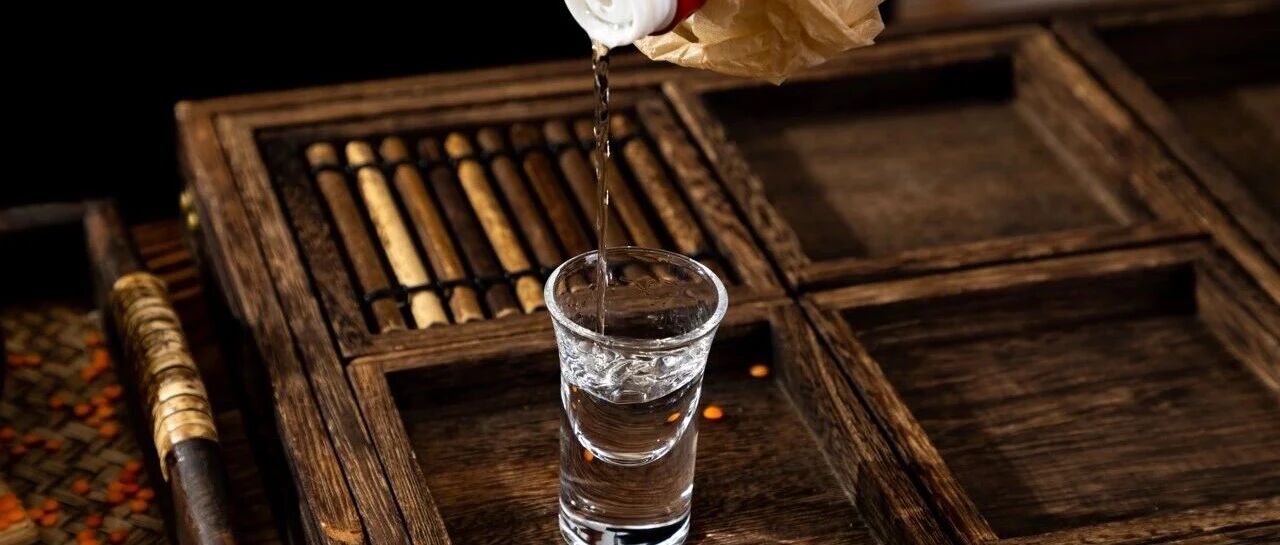
Core Insights - The strategic partnership between Guyue Longshan and China Resources Beer aims to innovate in the alcoholic beverage market by launching a new product, "Yellow Wine Brewed Beer," targeting a broader consumer base [1][2][3] - The collaboration is part of a larger strategic framework established between the Zhejiang provincial government and China Resources Group, focusing on high-quality development and consumer expansion [2] - The market for yellow wine has seen a resurgence, with companies like Kuaijishan experiencing significant stock price increases, while Guyue Longshan has lagged behind in growth [1][7][8] Company Collaboration - Guyue Longshan and China Resources Beer have signed a strategic cooperation agreement to leverage each other's strengths in marketing and product development [2][5] - The new product will first be launched in East China, with plans for nationwide expansion [3][5] - The partnership is expected to combine the youthful marketing strategies of China Resources Beer with the cultural heritage of Guyue Longshan [5][10] Market Dynamics - Kuaijishan has seen its stock price rise by over 120% this year, surpassing Guyue Longshan in market capitalization, which is currently around 9 billion [7][8] - Guyue Longshan's revenue growth has been slow, with a reported 0.4% increase in the first half of the year, while Kuaijishan's revenue exceeded 800 million with double-digit growth [8][9] - The yellow wine market is experiencing a shift, with innovative products like sparkling yellow wine gaining popularity, highlighting the need for Guyue Longshan to adapt quickly [7][9] Product Innovation - The new "Yellow Wine Brewed Beer" is positioned as a novel product that combines the characteristics of both yellow wine and beer, aiming to attract younger consumers [4][5] - Guyue Longshan has previously attempted to innovate with products like coffee yellow wine and yellow wine ice cream, but these efforts have not yet translated into significant market success [10] - The collaboration with China Resources Beer is seen as a crucial step for Guyue Longshan to enhance its product offerings and market presence [11]
古越龙山与华润啤酒签署战略合作协议将共同研发“黄酒+啤酒”跨界联名产品
Xin Lang Cai Jing· 2025-10-15 21:04
Core Viewpoint - The strategic cooperation between Guyue Longshan and China Resources Beer aims to leverage their respective strengths in the yellow wine and beer sectors to jointly develop new products combining both beverages [1] Group 1 - Guyue Longshan and China Resources Beer held a strategic cooperation signing ceremony on October 15 in Beijing [1] - The collaboration focuses on the development of products that integrate yellow wine and beer [1]
古越龙山与华润啤酒合作推出“黄酒+啤酒”跨界联名产品,预计今年先在华东地区试点
Cai Jing Wang· 2025-10-15 15:17
Core Insights - The strategic partnership between Guyue Longshan and China Resources Beer aims to create a new category of products by combining yellow wine and beer, targeting modern social drinking preferences [1][2] Group 1: Partnership Details - The signing ceremony took place at China Resources Building in Beijing, marking the official collaboration between the two companies [1] - The partnership is exclusive, with Guyue Longshan being the sole collaborator for the "yellow wine + beer" crossover products, establishing a strategic alliance with market exclusivity [1] Group 2: Product Development - The collaboration will leverage the unique flavors and cultural heritage of Guyue Longshan's Shaoxing wine, creating innovative products that appeal to contemporary taste preferences and social contexts [2] - The joint products are set to launch this year, starting with pilot promotions in East China before expanding nationwide, aiming to build a comprehensive national operational system [2] Group 3: Market Strategy - The partnership intends to utilize the marketing network and operational experience of China Resources Beer to support the distribution of the new products, while Guyue Longshan's cultural depth will enhance brand value and differentiation in a competitive market [1] - The marketing strategy will focus on breaking the traditional image of yellow wine, targeting younger consumers through trendy marketing in various social settings like camping and music festivals [2]
Third Space获投资;八马茶业通过上市聆讯;复朗集团总裁将辞任
Sou Hu Cai Jing· 2025-10-14 14:41
Investment Dynamics - Yonghui Supermarket has established a new trading company in Beijing with a registered capital of 10 million yuan, focusing on food internet sales, telecommunications, and internet information services, which could create additional revenue streams for the company in the long term [3] - Third Space, a luxury gym in London, secured a £75 million bank loan from OakNorth, following a previous loan of £38.5 million in June 2023, indicating investor confidence in the gym's growth potential amid increasing consumer health demands [5] - Guizhou Southern Dairy announced the suspension of its listing application on the Beijing Stock Exchange due to the need for supplementary audit matters, with projected 2024 revenue of 1.817 billion yuan and net profit of 209 million yuan, ranking 20th among 36 listed dairy companies [7] - Eight Horse Tea has passed the listing hearing at the Hong Kong Stock Exchange, aiming for a main board listing with projected revenues of 1.818 billion yuan, 2.122 billion yuan, and 2.143 billion yuan from 2022 to 2024, showing growth rates of 16.8% and 1.0% for 2023 and 2024 respectively [10][11] - Haidilao has opened a budget conveyor sushi restaurant in Hangzhou, indicating its strategy to diversify into the sushi market, leveraging its supply chain to create a differentiated product offering [13] Brand Dynamics - Luckin Coffee has launched a venue leasing cooperation across 39 cities, focusing on school locations, which is expected to enhance brand coverage in a rapidly growing coffee market [19] - LOEWE and Swiss sports brand On have collaborated to launch a limited edition Cloudsolo sneaker, which is anticipated to generate high-margin revenue for LOEWE while attracting high-net-worth customers for On [16] Personnel Dynamics - Cargill appointed Andrew MacPherson as the new CEO of Teys, coinciding with Cargill's acquisition of Teys, which is expected to enhance operational capabilities and market reach [22][23] - China Resources Beer announced a management reshuffle, appointing Jin Hanquan as executive director and president, which aims to strengthen leadership amid increasing competition in the premium beer segment [26] - The global luxury fashion group, Richemont, announced the resignation of its CEO and CFO, Chen Jiyu, who will leave on October 27, 2025, raising questions about the future leadership and performance of the group [28]


