TINGYI(00322)

Search documents
康师傅换帅,创始人43岁儿子接棒,2024年薪酬937万!
2 1 Shi Ji Jing Ji Bao Dao· 2025-12-21 14:27
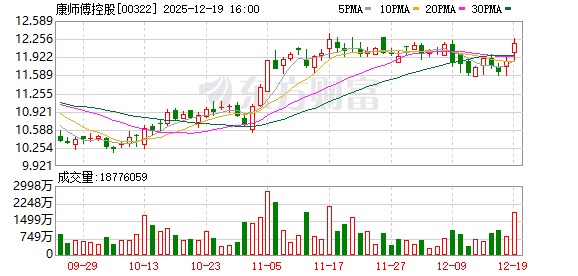
12月18日,康师傅控股公告称,董事会委任魏宏丞为新任CEO,2026年1月1日起生效。 (文章来源:21世纪经济报道) ...


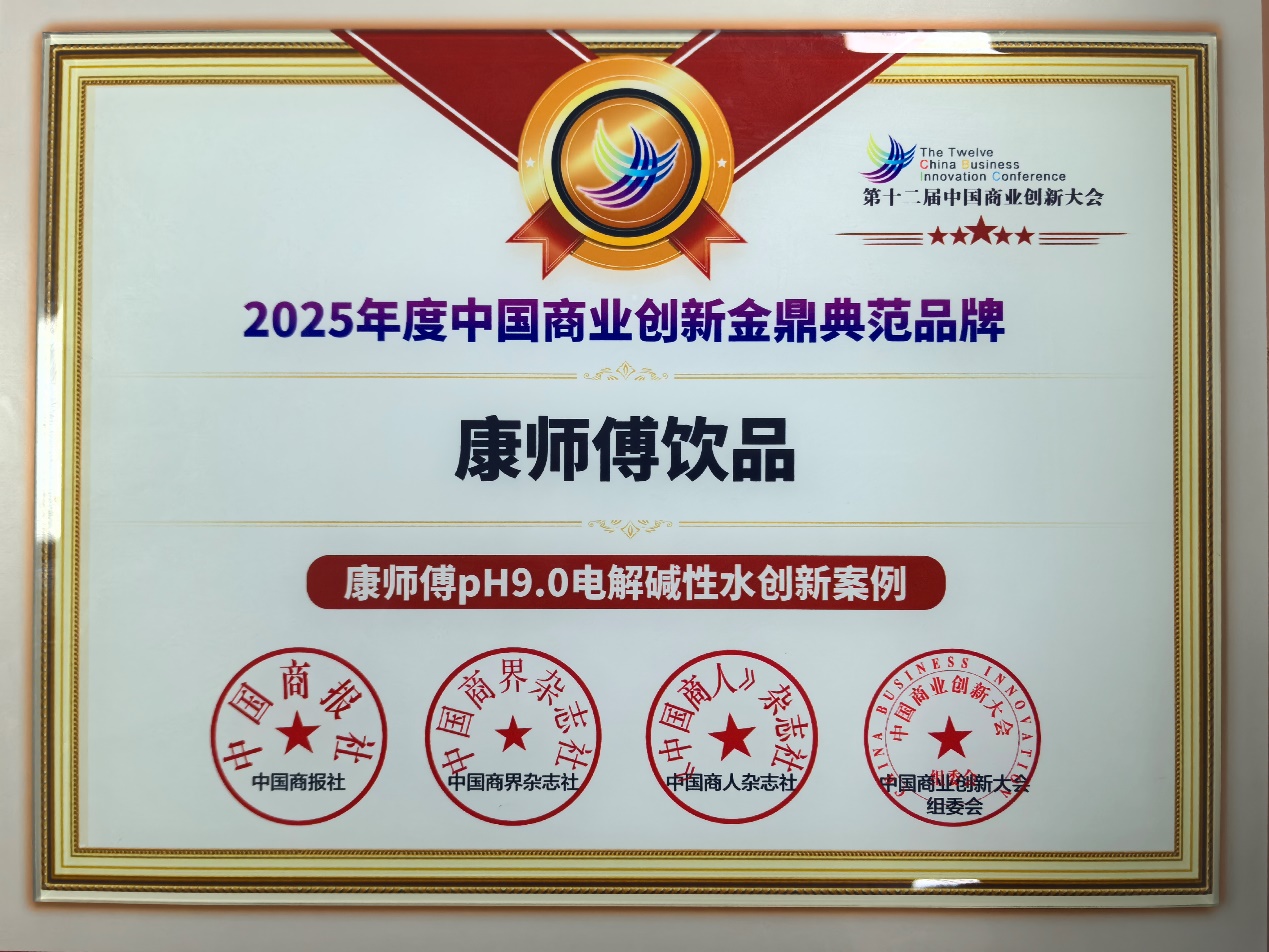
破解健康饮水核心难题,康师傅pH9.0电解水斩获商业创新金鼎典范品牌奖
Sou Hu Wang· 2025-12-21 08:49
Core Insights - The 12th China Business Innovation Conference highlighted the importance of innovation in driving commercial progress, with 康师傅's pH9.0 Electrolyzed Alkaline Water winning the "2025 China Business Innovation Gold Award" for its product innovation and market recognition [1][3][5] Company Highlights - 康师傅's pH9.0 Electrolyzed Alkaline Water is recognized for its innovative value, reflecting the brand's commitment to health-conscious consumer needs and its strategic alignment with national policies promoting innovation and modern circulation systems [5][9] - The product's success is attributed to a professional R&D team that developed three key innovative technologies, ensuring stable water quality and addressing common issues in traditional alkaline water, such as taste and sodium content [6][8] - 康师傅's marketing strategy effectively targets urban sub-healthy populations through a comprehensive distribution network, linking the product to various consumption scenarios like sports recovery and late-night work [8][9] Industry Trends - The global bottled alkaline water market has surpassed $4.32 billion in 2023, growing at an annual rate of 7.9%, indicating a shift towards functional and health-oriented products [5][6] - The industry faces challenges with most alkaline waters relying on sodium bicarbonate for alkalization, leading to taste and sodium content issues, which 康师傅 aims to resolve with its innovative technologies [5][6] Market Performance - 康师傅's pH9.0 Electrolyzed Alkaline Water achieved over 100 million in sales within six months of launch, with a repurchase rate of 32%, demonstrating the effectiveness of its product strategy [9]
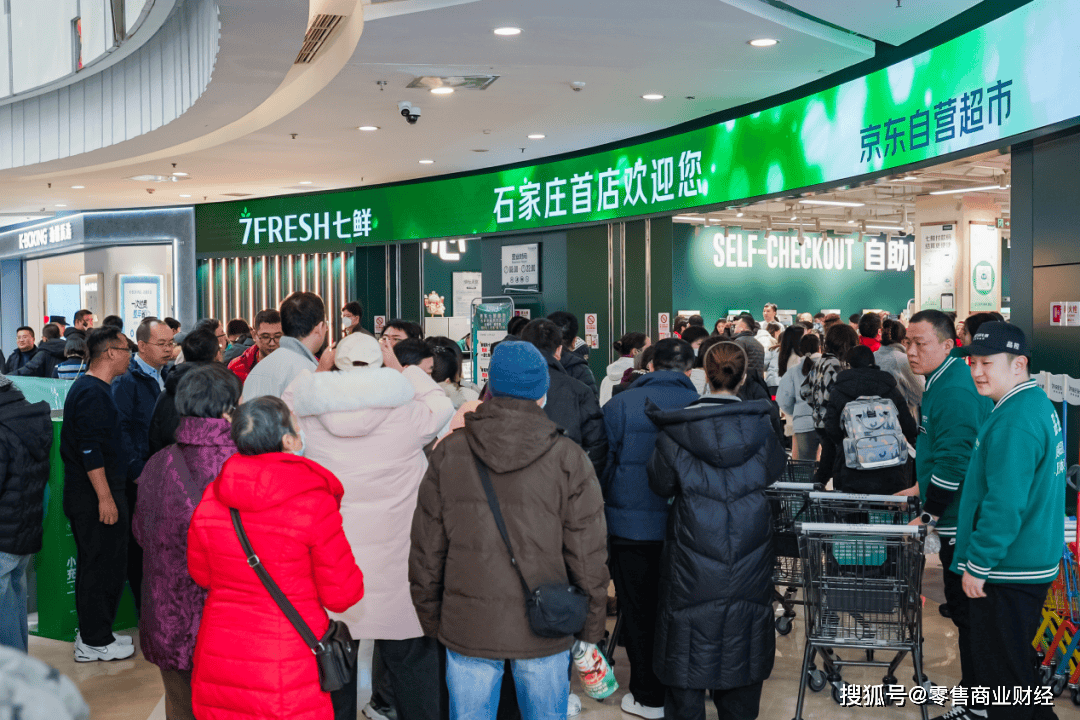
京东七鲜石家庄首店火爆开业;拼多多升级治理架构
Sou Hu Cai Jing· 2025-12-19 18:35
Group 1: JD and Dingdong Maicai Developments - JD's first Seven Fresh store in Shijiazhuang opened on December 19, featuring 24-hour fresh produce and a "1+N" delivery model, boosting local consumption [1] - Dingdong Maicai launched a dynamic evaluation standard for fish products in collaboration with Qingyu Hall and the China Quality Certification Center, leading to a 50% increase in sales in the first month of its "True Safe Fish" initiative [3] Group 2: Logistics and Retail Innovations - JD Logistics introduced a comprehensive logistics service for duty-free products in Hainan, supporting the high-quality development of the Hainan Free Trade Port with seven operational warehouses [5] - Anta officially joined Taobao Flash Sale, enabling rapid delivery of sports equipment from over 1,000 stores across major cities [8] Group 3: Corporate Governance and Strategic Focus - Pinduoduo announced a new governance structure with Zhao Jiazhen appointed as co-chairman, focusing on the Chinese supply chain as a core business strategy [7] - 1688 signed a partnership agreement with the China Council for the Promotion of International Trade to enhance cross-border supply chain capabilities for small and medium-sized enterprises [10] Group 4: Market Trends and Performance - Domestic TV brands are increasingly utilizing AliExpress for international sales, with a 300% year-on-year increase in sales on the platform [12] - Nike reported a revenue of $12.4 billion for Q2 of fiscal year 2026, with a 20% growth in its running segment and a 3% decrease in inventory [15] Group 5: Expansion and Sustainability Initiatives - McDonald's China surpassed 7,500 stores and will begin using bio-based packaging, aiming to reduce petroleum-based plastic usage by approximately 5,800 tons annually [17] - AEON confirmed the opening of three new supermarkets in Wuhan in Q1 2026, continuing its strategy of enhancing customer experience amid declining foot traffic [18] Group 6: International Expansion of Food Brands - Yuanji Cloud Dumplings opened its first store in Thailand, marking its commitment to local market integration [18] - Baoshifu announced the upcoming opening of its first North American store in New York City, following its successful entry into Singapore earlier this year [19] Group 7: Corporate Changes and Legal Developments - Budweiser Asia appointed a new CFO, Bernardo Novick, effective April 1, 2026, following Ignacio Lares' 18-year tenure [20] - Chongqing Beer is in discussions to settle a long-standing legal dispute with Jiawei Beer, potentially resolving an 18-year conflict involving a claim of 353 million yuan [20]


康师傅“少帅”魏宏丞接棒,年薪曾达937万元
Xin Lang Cai Jing· 2025-12-19 13:44
Group 1: Leadership Change - The CEO of Master Kong Holdings, Chen Yingrang, announced his retirement effective at the end of the year, with Wei Hongcheng, the founder's son, set to take over [1][12][13] - This transition marks a shift from a "professional manager era" back to a "family management era" within the company [1][12] Group 2: Current Business Challenges - Master Kong is facing significant growth pressures, with revenue growth stagnating at a compound annual growth rate of only 0.8% over the past four years, rising from 78.7 billion to 80.65 billion [6][17] - The instant noodle segment has seen a decline for two consecutive years, with a 2.5% drop in revenue to 13.465 billion in the first half of the year [6][18] - The beverage segment, which Wei Hongcheng has overseen, has also experienced a slowdown, with revenue growth dropping from 20.18% in 2021 to just 1.3% in 2024, and a 2.6% decline in revenue to 26.359 billion this year [20][22] Group 3: Competitive Landscape - Competitors like Uni-President have reported a 7.5% increase in beverage revenue, highlighting the intense competition in the market [22] - The price increases implemented by Master Kong have led to a loss of price-sensitive consumers, contributing to a decrease in both distributor and retail store numbers [11][22] Group 4: Executive Compensation - Wei Hongcheng's salary reached 9.37 million, a 25% increase from the previous year, significantly higher than the former CEO's salary of 7.036 million [3][4][15]
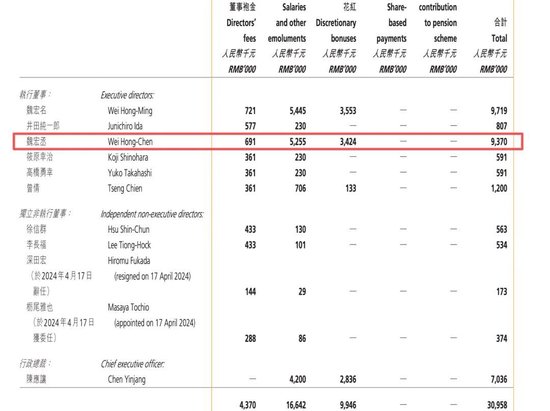
康师傅“少帅”魏宏丞接棒 年薪曾达937万元
Guo Ji Jin Rong Bao· 2025-12-19 13:38
Group 1: Leadership Change - The current CEO of Master Kong, Chen Yingrang, will retire at the end of the year, and Wei Hongcheng, the founder's son, will succeed him [2][3] - This appointment marks a shift from a "professional manager era" back to a "family management era" after over a decade of professional leadership [2] Group 2: Financial Performance - Master Kong's revenue increased from 78.7 billion to 80.65 billion RMB over the past four years, with a compound annual growth rate of only 0.8% [7] - The company's overall revenue for the last year was 80.651 billion RMB, a year-on-year increase of 0.3% [3] - The beverage segment, which Wei Hongcheng oversees, generated 51.621 billion RMB in revenue, up 1.3% year-on-year [3] Group 3: Challenges in Core Businesses - The instant noodle business has seen a decline for two consecutive years, with a revenue drop of 2.5% to 13.465 billion RMB in the first half of this year [8][10] - The beverage segment's growth has significantly slowed, dropping from 20.18% in 2021 to just 1.3% in 2024, with a revenue decline of 2.6% to 26.359 billion RMB this year [10][11] - Price increases in products have led to a loss of price-sensitive consumers, impacting sales negatively [11][12] Group 4: Market Competition - Competitors like Uni-President have seen a revenue increase of 7.5% in their beverage segment, highlighting the competitive pressure Master Kong faces [11] - The number of distributors for Master Kong has decreased by 3,409 to 63,806, indicating a contraction in distribution channels [13]
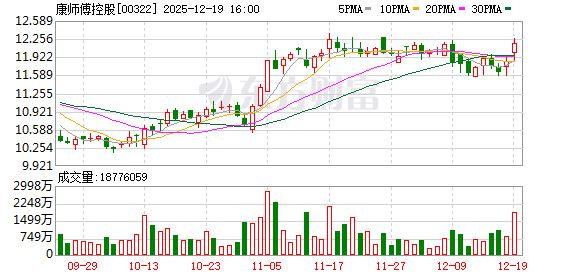
康师傅换帅:创始人家族回归 能否挽回“增利不增收”局面
Xin Lang Cai Jing· 2025-12-19 08:31
Core Insights - The announcement of a significant management change at Master Kong Holdings indicates the end of a decade-long era of professional management, with the founder's third son, Wei Hongcheng, set to take over as CEO starting January 1, 2026 [1][2] Management Transition - The transition marks a return to family governance after ten years of professional management initiated in 2015 when founder Wei Yingzhou stepped down as CEO [2] - Wei Hongcheng, aged 43, has a background in Imperial College London and an MBA from Harvard Business School, joining Master Kong in 2015 and serving as chairman of the beverage segment since 2019 [2] - Wei Hongcheng holds 5 million shares and 1.385 million stock options, with a total compensation of approximately 9.37 million yuan for 2024 [2] Business Performance - Master Kong is currently experiencing a unique situation of declining revenue alongside increasing profits, with a reported revenue of 40.092 billion yuan for the first half of 2025, a 2.7% decrease year-on-year, marking the first negative growth since 2019 [3] - Despite the revenue decline, net profit increased, with an overall gross margin improvement of 1.9 percentage points to 34.5% [3] - The beverage and convenience food segments, which are core to Master Kong, both saw revenue declines, with beverage revenue at 26.359 billion yuan (down 2.6%) and convenience food revenue at 13.465 billion yuan (down 2.5%) [3] Challenges Ahead - Wei Hongcheng faces significant challenges, including reversing the decline in core business, particularly in the beverage segment, which accounts for over 60% of revenue [4] - Balancing profit and scale while driving channel transformation will be critical for future growth [4] - The company's current state of "declining revenue but improving profits" presents a transitional pain point, and the ability of the new CEO to innovate and transform channels will be crucial for maintaining market competitiveness [4]
从国民记忆到当下餐桌,康师傅做对了什么?
Sou Hu Wang· 2025-12-19 06:10
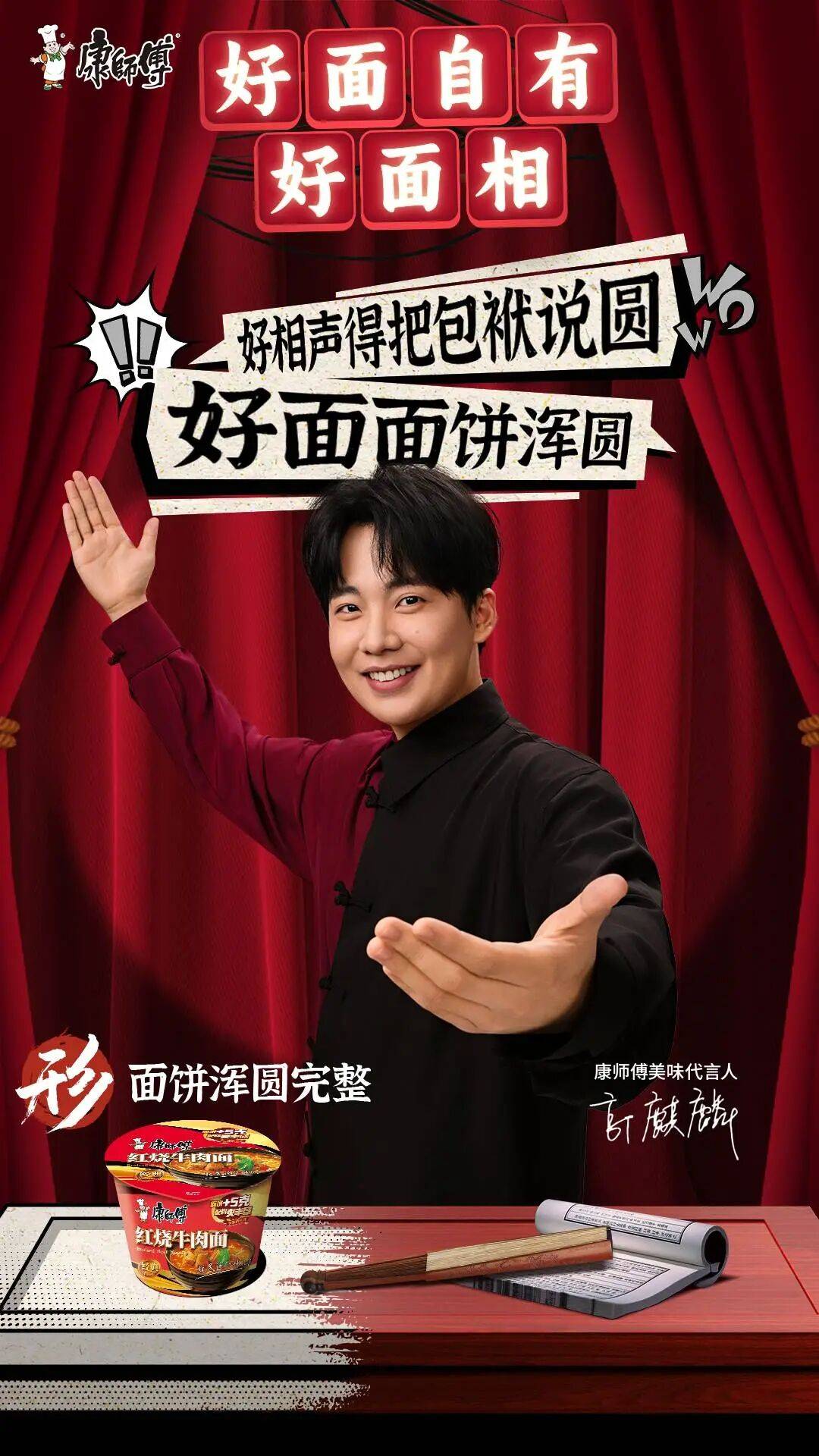
Core Insights - The article discusses how Master Kong, a national brand, has successfully engaged with younger consumers through innovative marketing strategies, including IP collaborations, celebrity partnerships, and content creation [1][2]. Group 1: Brand Communication Strategies - Master Kong has shifted its communication style to resonate with younger audiences, moving from a "telling" approach to a "participatory" one, allowing consumers to engage with the brand in a more relatable manner [2][4]. - The brand has utilized humor and cultural references, such as the "good noodle face" concept with spokesperson Guo Qilin, to create a relatable and memorable messaging framework [2][4]. - By integrating product information into entertaining formats, such as variety shows, Master Kong has effectively conveyed its quality standards while building consumer trust [4][6]. Group 2: Product Positioning and Market Strategy - Master Kong is evolving its product offerings from being a "universal item" to providing "scene-specific solutions," addressing the fragmented lifestyles of younger consumers [9][10]. - The brand has identified specific consumption scenarios, such as travel and late-night snacking, to tailor its products, ensuring they meet the emotional and practical needs of consumers [10][12]. - Innovations like the patented "lock-fresh" technology for chicken soup noodles have positioned Master Kong as a leader in quality, enhancing consumer trust and repeat purchases [12][16]. Group 3: Long-term Brand Engagement - Master Kong aims to establish itself as a part of the cultural context of younger consumers, moving beyond mere advertising to co-create meaning within their social narratives [17]. - The brand's strategy focuses on providing stable value and expression materials, allowing users to reinterpret and share their experiences within their social circles [17].
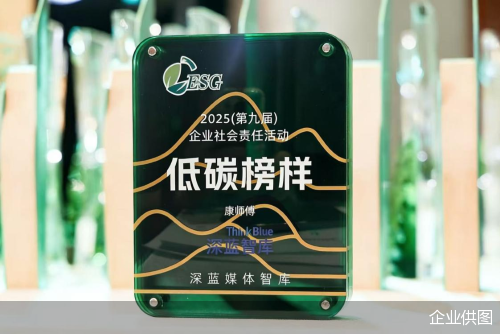
厚植责任底色 践行低碳理念:康师傅获评“2025年度企业社会责任低碳榜样”
Bei Jing Shang Bao· 2025-12-19 02:18
12月9日,2025(第九届)企业社会责任活动在深圳举行,现场发布了深蓝媒体智库企业社会责任优秀 案例榜单。康师傅控股有限公司(以下简称"康师傅")因在"双碳"目标大框架下,通过新质生产力实现 绿色低碳科技革命,为有关方面发展绿色低碳产业提供切实可行的解决方案,提升产业链稳定性,创造 更大的价值而获得了"2025年度企业社会责任低碳榜样"。 在当下社会,企业社会责任正经历从"被动合规"到"主动战略"的深刻变革。ESG要求企业将长期的社会 效益、环境效益与经济效益相结合,这促使企业的价值创新更加注重长期性和多元性。这种价值创新不 仅体现在经济回报上,更体现在对社会和生态系统的正向影响中,为企业构建更强的长期竞争力。也正 是在这样的大背景下,康师傅通过新质生产力实现绿色低碳科技革命,为有关方面发展绿色低碳产业提 供切实可行的解决方案,提升产业链稳定性。 不论是2023年的rPET造万物项目,还是2024年的万物皆有yuan项目,亦或是2025年的食·裳项目,康师 傅数年如一日地深耕ESG,拓界衣食住行不同场景,并始终致力于将ESG理念从愿景落到实处。从细节 来看,康师傅此次环保时装共创项目,正是GDI for S ...
康师傅换帅!魏宏丞接棒陈应让,2026年1月1日正式上任
Jin Rong Jie· 2025-12-19 02:05
康师傅控股有限公司于12月18日发布公告,宣布公司首席执行官陈应让已决定退休,其服务合约将于 2025年12月31日届满后不再续签。自2026年1月1日起,现任执行董事魏宏丞将接任首席执行官一职,并 继续担任执行董事。 根据公司公告,陈应让自2013年2月加入集团,在人才培养、引进外部合作伙伴、食品安全与技术平台 建设等方面取得了显著成就。公告称,其在推动集团ESG体系构建、绿色运营及社会责任实践方面发挥 了关键作用,有效提升了公司的公共形象与社会声誉。 接任者魏宏丞现年43岁,自2019年1月1日起出任康师傅控股执行董事。其本科毕业于伦敦帝国学院,并 获得哈佛商学院工商管理硕士学位。魏宏丞于2015年2月起获委任为康师傅饮品控股有限公司董事,并 自2019年起担任该公司董事长。公告显示,在其领导下,康师傅饮品战略决策高效落地,营收与利润实 现了连年稳健增长。 公告披露,魏宏丞为董事会主席及执行董事魏宏名的胞弟,其家庭成员及亲属实益拥有公司主要股东顶 新(开曼岛)控股有限公司的全部权益。截至公告日期,魏宏丞持有500万股公司股份及可认购138.5万 股股份的购股权。(市场有风险,投资需谨慎。本文为AI基于第三 ...
【立方早知道】吴清发声!事关资本市场“十五五”规划/美联储下月降息可能性上升/国盾量子董事长离世
Sou Hu Cai Jing· 2025-12-19 00:22
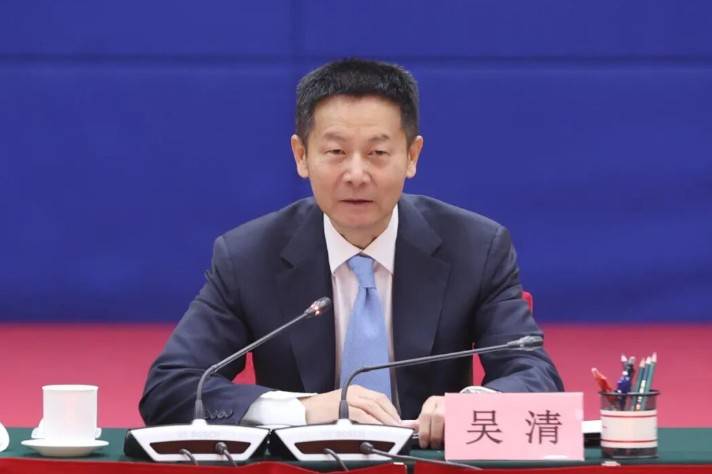
Group 1: Capital Market Developments - Wu Qing emphasized the need to enhance the inclusiveness and attractiveness of the capital market to better serve high-quality economic development and modernization [1] - The China Securities Regulatory Commission (CSRC) is committed to implementing the "14th Five-Year Plan" for the capital market, focusing on risk prevention, strong regulation, and promoting high-quality development [1] Group 2: Economic Indicators - The U.S. November CPI increased by 2.7%, lower than the expected 3.1%, while the core CPI rose by 2.6%, against an expectation of 3% [2] - Initial jobless claims in the U.S. were reported at 224,000, slightly below the forecast of 225,000 [2] - Following the data release, the likelihood of a Federal Reserve rate cut in January rose from 26.6% to 28.8% [2][6] Group 3: IPO and Market Activities - Shenzhen Dapu Microelectronics is set to undergo an IPO review on December 25, marking the first IPO of an unprofitable company on the ChiNext board [3] - The company reported cumulative losses of 1.566 billion yuan from 2022 to the first half of 2025 [3] Group 4: Regulatory Updates - The State-owned Assets Supervision and Administration Commission (SASAC) has refined the accountability system for central enterprises, introducing compliance exemption clauses for due diligence in investment [5] - The State Administration for Market Regulation is focusing on optimizing the business environment and addressing "involution" competition to promote healthy market order [8] Group 5: Corporate Announcements - Guo An Quantum's chairman, Lv Pin, passed away at the age of 46, which may impact the company's strategic direction [22] - Feilong Co., Ltd. experienced a stock price surge of 29.02% following the announcement of a share reduction by its controlling shareholder [18] - Puyang Co. acquired a 15.28% stake in Xinjiang Qinxiong for 10 million yuan, increasing its ownership from 52.49% to 67.77% [20] - Chicheng Co. plans to invest up to 80 million yuan of idle funds in short-term cash management products to enhance capital efficiency [21] - Master Kong's CEO, Chen Yingrang, will retire, with Wei Hongcheng, the founder's son, taking over as CEO starting January 1, 2026 [22]