
BYD(01211)

Search documents
【新能源周报】新能源汽车行业信息周报(2026年3月2日-3月8日)
乘联分会· 2026-03-10 08:44
Industry Information - The "Dongche Di" platform released a white paper indicating that over 80% of fuel vehicle users prefer to switch to new energy vehicles when replacing their cars, with a total of 18.3 million vehicles expected to be replaced from 2024 to 2025, of which nearly 60% will be new energy vehicles [7][8] - During the Spring Festival, the total charging volume for new energy vehicles in Guangxi exceeded 49 million kilowatt-hours, marking a year-on-year increase of 6.93 million kilowatt-hours [10] - Junsheng Electronics announced that its first L3 and L4 intelligent driving domain controllers are set to enter mass production by mid-2027 [10] - A new research and development center project has been established in Shanghai Jiading, with an estimated investment of 50 million yuan [10][11] - Huawei's Hongmeng Intelligent Driving report indicated that the assisted driving mileage exceeded 370 million kilometers during the Spring Festival, with an active user ratio of 92.07% [11][12] - The China Automobile Circulation Association has initiated preparations to implement guidelines to standardize pricing behavior in the automotive industry [12] - The 2026 China International New Energy Vehicle Technology, Parts, and Service Exhibition will be held from March 13-16, 2026, in Beijing, with over 1,500 participating companies [13] - Guoxuan High-Tech's 2GWh all-solid-state battery production line design is nearing completion, with plans for pilot production by mid-2025 [13][14] - A strategic cooperation agreement has been signed between Youjia Innovation and a subsidiary of CATL to focus on technology development in the new energy vehicle and autonomous driving sectors [14] - The Ministry of Industry and Information Technology emphasized the need to accelerate the development of new generation artificial intelligence products [15] - The National People's Congress is focusing on the implementation of L3 level intelligent driving, promoting healthy industry development from multiple dimensions [15] - CATL has established a new company in Suzhou with a registered capital of 2 billion yuan to cover the entire battery industry chain [17] - By 2025, 100 battery swap stations are planned to be built in Chaoyang District, Beijing [17] - Huawei released a new 896-line dual optical path image-level lidar, which will be used in its new vehicle models [18] - A proposal has been made to eliminate the annual inspection system for private cars and implement remote monitoring instead [19] - The government work report highlighted that in 2025, China's development will focus on new and high-quality growth, showcasing vibrant vitality [20] - Xiaopeng's "land aircraft" has completed trial production and is moving towards mass delivery [20] - In January 2026, global power battery installations increased by 10.7% year-on-year, with CATL leading the market [21] - Chinese automotive brands have achieved a market share of over 10% in the UK, becoming the second-largest car series [21] Policy Information - The Sichuan Provincial Government is accelerating rural revitalization and modern agricultural construction [3] - China is actively improving the international standard system in the new energy vehicle sector [3] - The Guizhou Provincial Government has reported on the execution of the 2025 economic and social development plan [3] - The Hebei Province has approved a proposal for the construction of intelligent charging piles and infrastructure for new energy vehicles [3] - Jiangxi Province has upgraded its vehicle replacement subsidy policy, allowing for savings of up to 20,000 yuan [4][29] - The Jiangsu Provincial Government has announced a pilot program for market-oriented allocation of factors in key cities [4] - The Hunan Provincial Government has introduced funding incentives for recognized intelligent vehicle equipment [4] - The implementation of a new policy requiring the public disclosure of battery repair information is set to begin in 2026 [4][35] Company Information - The Tengshi brand has officially entered the Philippine market [40] - Xiaopeng Motors' CEO plans to propose suggestions for accelerating the transition from L2 to L4 autonomous driving at the National People's Congress [40] - Leap Motor has launched an initiative to create a clean online environment [40] - Xiaopeng Motors reported that over 80% of pre-orders for the second-generation VLA version of the Xiaopeng X9 have been secured [40] - Li Auto has achieved a milestone with cumulative deliveries of 370,000 vehicles [40] - The 2026 model of the Yangwang U7 will feature the second-generation blade battery, boasting a range of 1,006 kilometers [40] - Xiaomi's vehicles have surpassed new national standards for battery safety [40] - Geely's CEO has proposed the establishment of a cross-disciplinary program for "smart electric vehicles" at the National People's Congress [40] - Xiaomi has announced a patent for customized license plates for its vehicles [40] - The Firefly brand plans to launch more special edition models this year and has entered nine countries [40] - NIO's 200,000th electric drive unit has rolled off the production line in Hefei [40] - Tesla has adjusted its FSD transfer policy, requiring deliveries to be completed by March [40] - GAC Aion plans to increase its battery swap station network to 5,000 over the next three years [40] - BYD has launched a fast-charging pile with a power output of 1,500 kW, the largest in global production [40] - Xiaomi's CEO has stated that true unmanned driving can be achieved in limited scenarios within five years, with an investment of 200 billion yuan in core technologies [40] - The Firefly brand will introduce more special edition models this year and has expanded to nine countries [40]




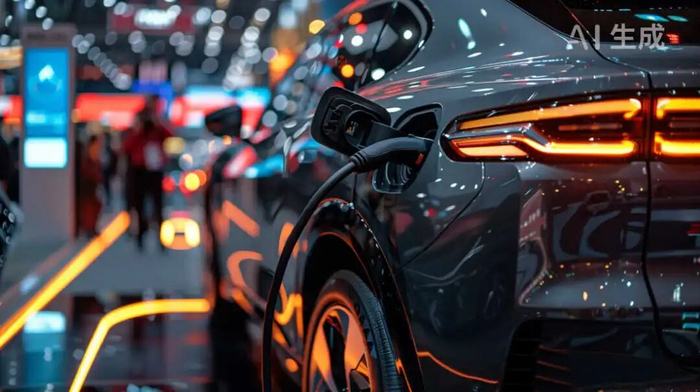
蔚来比亚迪隔空交锋
Di Yi Cai Jing· 2026-03-10 08:41
Core Viewpoint - The competition between BYD and NIO highlights the ongoing debate between fast charging and battery swapping technologies in the electric vehicle industry, with both companies making significant advancements in their respective areas. Group 1: BYD's Fast Charging Technology - BYD announced its second-generation blade battery, achieving a charging speed from 10% to 70% in just 5 minutes and from 10% to 97% in 9 minutes, even in extreme cold conditions [1][2] - The company plans to build 20,000 fast charging stations by the end of 2026, including 2,000 high-speed service area stations, ensuring coverage every 100 kilometers for long-distance travel [3] Group 2: NIO's Battery Swapping Technology - NIO reached a milestone of 100 million battery swap services and plans to add over 1,000 battery swap stations this year, aiming for a total of 10,000 by 2030 [1][4] - NIO's battery swapping model allows users to upgrade to newer battery technologies, addressing the issue of battery lifespan and enabling the use of advanced battery types as they become available [4] Group 3: Industry Dynamics and Collaboration - Experts suggest that both fast charging and battery swapping serve different purposes and can coexist, with the focus shifting from competition to collaboration [5][6] - Both companies are expanding their respective charging and swapping networks, with BYD collaborating with national charging network operators and NIO planning to deploy its fifth-generation battery swap stations [7][8] Group 4: Market Context - The rising oil prices due to geopolitical tensions have led to a renewed interest in electric vehicles, with both fast charging and battery swapping being viable solutions for consumers facing energy volatility [1][8]
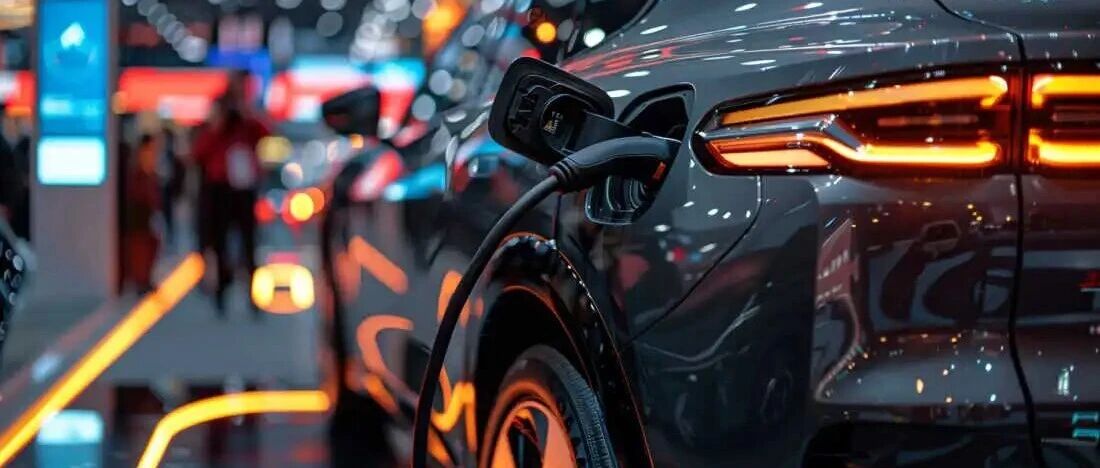
蔚来比亚迪隔空交锋
第一财经· 2026-03-10 08:26
Core Viewpoint - The article discusses the ongoing competition between BYD and NIO in the electric vehicle sector, focusing on their respective charging technologies: BYD's fast charging and NIO's battery swapping. Both companies are making significant advancements to address the challenges of electric vehicle charging and are expanding their infrastructure to support these technologies [3][4][6]. Group 1: BYD's Fast Charging Technology - BYD announced its second-generation blade battery, achieving a charging speed from 10% to 70% in just 5 minutes and from 10% to 97% in 9 minutes, even in extreme cold conditions [4][5]. - The company plans to build 20,000 fast charging stations by the end of 2026, with an initial goal of 1,000 stations to be completed by May [5][11]. - BYD's advancements aim to alleviate common pain points in electric vehicle usage, such as long charging times and difficulties in cold weather [4][5]. Group 2: NIO's Battery Swapping Model - NIO celebrated a milestone of 100 million battery swap services and plans to add over 1,000 new swap stations this year, targeting a total of 10,000 by 2030 [3][6]. - NIO's CEO emphasized that battery swapping offers significant advantages, such as extending battery life and allowing users to upgrade to newer battery technologies easily [6][10]. - The company is also focusing on the potential for battery recycling and secondary utilization, viewing retired batteries as valuable resources [6][11]. Group 3: Industry Dynamics and Future Outlook - Experts suggest that both fast charging and battery swapping can coexist, addressing different user needs and scenarios [9][10]. - The competition is shifting from a confrontational stance to a more collaborative approach, with both companies recognizing the value in each other's technologies [9][11]. - The rising oil prices due to geopolitical tensions are prompting a reevaluation of electric vehicles as a viable alternative, highlighting the importance of both charging methods in the transition to electric mobility [3][11].
电力设备行业跟踪报告:3月锂电排产数据回升,新型储能再次写入政府工作报告
Wanlian Securities· 2026-03-10 08:01
Investment Rating - The industry investment rating is "stronger than the market," indicating an expected relative increase of over 10% in the industry index compared to the broader market within the next six months [40]. Core Insights - The power equipment index rose by 0.55% to 11,113.85 points, outperforming the market, with the electric grid equipment sector leading with a 6.66% increase [3][13]. - Lithium battery production in March 2026 is expected to grow by approximately 20% month-on-month and 40% year-on-year, driven by strong demand [10][37]. - The government work report emphasizes the development of new energy storage systems and the acceleration of smart grid construction [10][37]. Market Review - The power equipment sector has shown a year-to-date increase of 10.17%, outperforming the Shanghai and Shenzhen 300 index, which increased by only 0.66% [3][13]. - Among the sub-sectors, electric grid equipment saw the highest increase, while battery, photovoltaic, wind power, and motor sectors experienced declines [14][18]. Industry Data Tracking - As of March 6, 2026, the price of battery-grade lithium carbonate is 155,100 CNY/ton, down 9.77% week-on-week but up 107.42% year-on-year [24]. - The price of lithium hexafluorophosphate is 111,000 CNY/ton, reflecting a week-on-week decrease of 9.02% and a year-on-year increase of 80.49% [25]. - Prices for ternary materials (5, 6, and 8 series) have decreased slightly week-on-week but show significant year-on-year increases [27]. Major Industry News - The production of lithium batteries is accelerating post-holiday, with significant contributions from large-capacity energy storage cells [37]. - BYD has launched its second-generation blade battery and fast-charging technology, achieving record charging speeds [37]. - The government report highlights the push for a new energy system and the expansion of green electricity applications [37].
港股评级汇总:交银国际维持比亚迪股份买入评级
Xin Lang Cai Jing· 2026-03-10 07:19
Group 1 - Jiangyin International maintains a "Buy" rating for BYD Company Limited with a target price of HKD 133, highlighting the launch of the second-generation blade battery and MW Flash Charge 2.0 technology, which allows for a 70% charge in 5 minutes at room temperature and 97% in 12 minutes at -20°C, alleviating user anxiety regarding charging [1] - CMB International maintains a "Buy" rating for ZTE Corporation with a target price of HKD 38.6, noting a projected 10.4% revenue growth in FY25, despite a 33.3% decline in net profit due to a higher proportion of enterprise and government business affecting gross margin [1] - CITIC Securities maintains a "Buy" rating for Bilibili Inc., indicating that the company is expected to achieve its first annual GAAP profit by Q4 2025, with advertising revenue growing by 27.4% as a core driver [1] Group 2 - Huatai Securities maintains a "Buy" rating for JD.com with a target price of HKD 147.88, reporting steady growth in retail with double-digit growth in daily categories for five consecutive quarters and a 40% increase in user purchase frequency [2] - CITIC Jiantou maintains a "Buy" rating for JD Health with a target price of HKD 69.22, forecasting a 26.3% revenue increase and a 36.3% rise in Non-IFRS net profit in 2025, driven by prescription drugs and platform advertising revenue [2] Group 3 - Huatai Securities maintains a "Buy" rating for JD Logistics with a target price of HKD 17.1, projecting an 18.8% revenue increase in 2025, with a significant rise in integrated supply chain revenue [3] - Tianfeng Securities maintains a "Buy" rating for Bosideng, reporting an 8.3% revenue increase in brand down jackets for FY26H1, supported by designer collaborations and store reform strategies [4] Group 4 - Tianfeng Securities maintains a "Buy" rating for Nine Dragons Paper Holdings, noting a 318.8% increase in net profit for FY26H1, benefiting from integrated pulp and paper operations and new production lines [5] - Zhongtai International maintains a "Buy" rating for Weisheng Holdings with a target price of HKD 32.68, expecting a 42% to 50% increase in net profit for FY25, driven by smart distribution business growth [7] Group 5 - Shenwan Hongyuan maintains a "Buy" rating for Xidi Intelligent Driving, reporting a 57.9% revenue increase with 304 autonomous mining trucks delivered in H1 2025, and a significant order backlog [8]

蔚来比亚迪隔空交锋,电车补能路线之争硝烟再起
Di Yi Cai Jing· 2026-03-10 06:56
Group 1 - The core competition between BYD and NIO has intensified, focusing on the charging and battery swapping technology debate [1] - BYD announced that its second-generation blade battery can charge from 10% to 70% in just 5 minutes and from 10% to 97% in 9 minutes, with plans to build 20,000 fast charging stations by the end of 2026 [1] - NIO celebrated a milestone of 100 million battery swap services and plans to add over 1,000 battery swap stations this year, aiming for a total of 10,000 by 2030 [1] Group 2 - The international oil price has surpassed $100 per barrel due to geopolitical conflicts in the Middle East, highlighting the importance of advancements in electric vehicle technology as a response to the energy crisis [1] - Both BYD and NIO's continuous investment in technology signifies the progress of the electric vehicle industry, providing more options for addressing energy challenges globally [1]
广发证券:如何看待比亚迪(01211)“闪充”生态影响下的竞争格局演绎?
智通财经网· 2026-03-10 06:56
Core Viewpoint - BYD has launched its second-generation blade battery and flash charging technology, aiming to create the fastest charging speed in the world, with significant infrastructure plans for flash charging stations across China [1] Group 1: Product Launch and Technology - BYD officially announced its second-generation blade battery and flash charging technology on March 5, 2026, achieving a record charging speed from 10% to 70% in just 5 minutes and from 10% to 97% in 9 minutes [1] - The company plans to build 20,000 flash charging stations by the end of 2026, with 4,239 already completed as of March 5, 2026, and aims to collaborate with national charging network operators to accelerate this construction [1] Group 2: New Vehicle Launch Strategy - The company is expected to adopt a relatively slower new vehicle launch rhythm due to current pricing stability and external constraints, which may ease pressure on dealers and performance during model transitions [2] - Two potential strategies for new vehicle launches are identified: slowing down the launch pace to manage inventory and pressure, or accelerating launches to enhance consumer awareness of the flash charging ecosystem, which may impact profitability [2] Group 3: Competitive Landscape and Tracking System - The competitive landscape under the influence of the flash charging ecosystem is analyzed, with two scenarios considered based on consumer perception of flash charging [3] - A tracking system has been established to monitor monthly construction of flash charging stations, changes in EV/PHEV/REEV penetration rates, and market share variations of typical competing models across different price segments to gauge consumer willingness to choose flash charging [3]

反内卷后比亚迪的破局之道:以闪充技术重构产品竞争力
Minmetals Securities· 2026-03-10 06:45
Investment Rating - The investment rating for the automotive industry is "Positive" [5] Core Insights - BYD officially launched the second-generation blade battery and flash charging technology, along with the "Flash Charge China" strategy, covering 12 models across its brands [2][10] - The second-generation blade battery significantly enhances charging speed, allowing for a 5-minute charge from 10% to 70% and a 9-minute charge from 10% to 97% at room temperature [11][20] - The flash charging station will have a single-gun charging power of 1500kW, addressing grid capacity limitations with a super-fast energy storage system [14][20] - BYD plans to build 20,000 flash charging stations by the end of 2026, including 18,000 "Flash Charge Station in Station" and 2,000 "Flash Charge Highway Stations" [15][20] - All vehicles equipped with the second-generation blade battery will receive one year of free flash charging rights [17] Summary by Sections Event Description - On March 5, 2026, BYD held a press conference to unveil its second-generation blade battery and flash charging technology, along with the "Flash Charge China" strategy, which includes 12 models from various brands [1][10] Charging Technology - The second-generation blade battery offers a substantial increase in charging speed, with specific times for different charge levels and temperatures [11][20] - The charging power of 1500kW represents a significant advancement in charging technology, aimed at improving user experience, especially in cold regions [20] Strategic Development - The "Flash Charge China" strategy aims to establish a comprehensive network of charging stations, ensuring accessibility within urban areas and along highways [15][20] - The integration of battery, vehicle, charging station, and energy storage capabilities forms BYD's core competitive advantage, allowing it to effectively compete with battery swapping solutions [23]
蔚来比亚迪隔空交锋,补能路线之争硝烟再起
Di Yi Cai Jing· 2026-03-10 06:04
Core Viewpoint - The competition between BYD and NIO is shifting from confrontation to coexistence, with both companies advancing their respective charging and battery swapping technologies to address the evolving needs of electric vehicle users [6][8]. Group 1: BYD's Fast Charging Technology - BYD announced its second-generation blade battery, achieving a charging speed from 10% to 70% in just 5 minutes and from 10% to 97% in 9 minutes, even in extreme cold conditions [2][3]. - The company plans to build 20,000 fast charging stations by the end of 2026, including 2,000 high-speed service area stations, effectively covering major long-distance travel scenarios [3][8]. - BYD's advancements aim to alleviate common pain points in electric vehicle charging, particularly during holiday travel and in low-temperature environments [2]. Group 2: NIO's Battery Swapping Advantage - NIO's CEO Li Bin emphasized that battery swapping addresses different scenarios compared to fast charging, highlighting its advantage in extending battery life and allowing users to upgrade to newer battery technologies [4][7]. - NIO plans to add over 1,000 battery swapping stations this year, with a long-term goal of establishing 10,000 stations by 2030 [4][8]. - The company is focusing on creating a flexible battery swapping system that can accommodate various battery standards, enhancing service adaptability [8]. Group 3: Industry Dynamics and Future Outlook - Experts suggest that both fast charging and battery swapping have their unique advantages, and the future of electric vehicle charging will depend on the practical implementation of these technologies [6][8]. - The rising oil prices due to geopolitical tensions are prompting a reevaluation of electric vehicles' value, with both BYD and NIO making significant investments in technology and infrastructure to meet the growing demand for electric mobility [8].
研报掘金丨交银国际:维持比亚迪股份买入评级,技术突破缓解用户续航焦虑
Ge Long Hui· 2026-03-10 05:33
Core Viewpoint - The report from CMB International maintains a "Buy" rating for BYD Company Limited (1211.HK) with a target price of HKD 133, highlighting significant advancements in battery technology and overseas expansion plans [1] Group 1: Technology Advancements - BYD has launched its second-generation blade battery and MW Flash Charge 2.0 technology, which significantly enhance charging efficiency and range [1] - These technological breakthroughs are expected to alleviate user concerns regarding range anxiety [1] Group 2: Market Expansion - The company is accelerating its overseas expansion, with projections indicating that by February 2026, overseas sales will account for over 50% of total sales [1] - The introduction of multiple new vehicle models is expected to support profitability growth [1]