
MENGNIU DAIRY(02319)

Search documents
一线品牌押注,网友催上架,这款“黄金奶茶”要爆发?
3 6 Ke· 2025-08-08 02:03
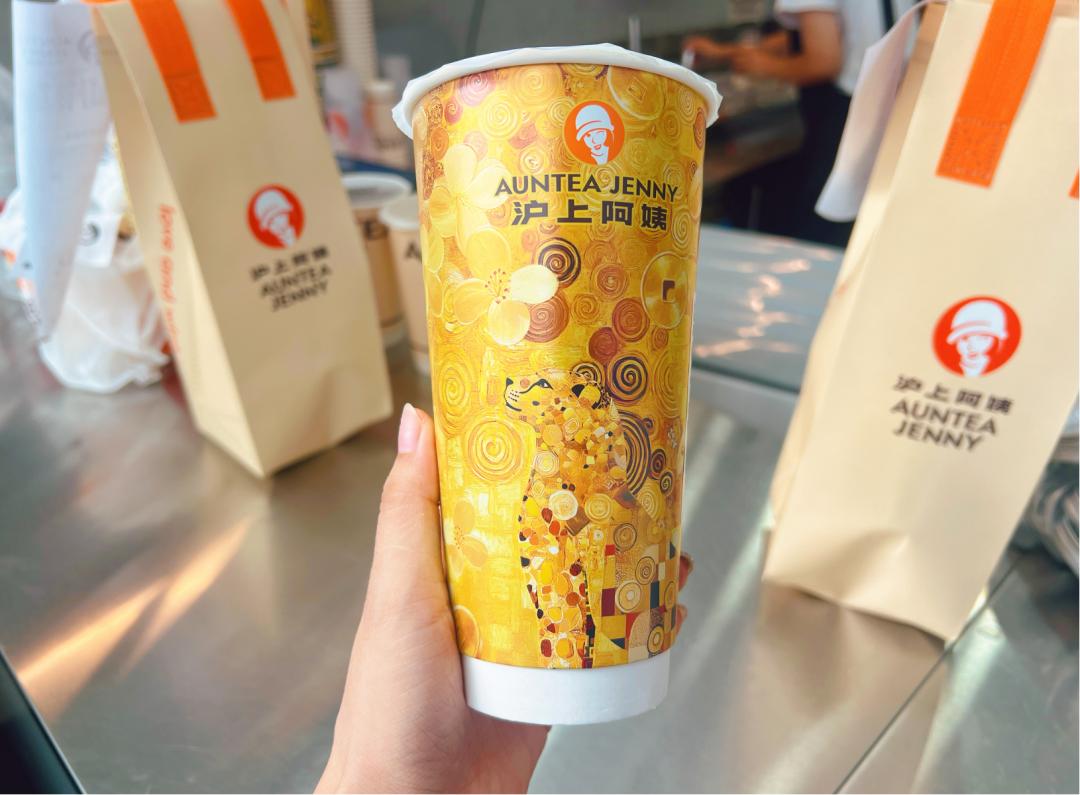
Core Insights - The corn beverage market is expected to experience a significant surge this autumn and winter, driven by rising consumer interest and social media buzz [1][2][10] - Various brands are already launching innovative corn-based drinks, indicating a trend towards healthier and more appealing beverage options [4][5][6][8] Market Trends - Social media platforms like Xiaohongshu and Douyin have seen extensive discussions and high engagement regarding corn beverages, with topics like "corn juice" reaching over 1 billion views [2][6] - Brands such as Hushang Ayi and Mengniu have introduced new corn products, reflecting a growing trend in the beverage industry [5][6] Product Innovations - New corn beverages are being developed with a focus on health benefits, such as high fiber content and low calories, appealing to the "light health" trend among younger consumers [11][13] - The introduction of unique flavors and combinations, such as corn and butter, has been validated by market success, indicating consumer interest in innovative taste profiles [17][19] Nutritional Value - Corn is recognized for its nutritional benefits, particularly its fiber content, which aligns with national health initiatives promoting dietary fiber intake [13][24] - For example, a liter of a specific corn beverage contains approximately 320g of sweet corn, providing significant dietary fiber [13] Visual Appeal and Marketing - The vibrant yellow color of corn beverages enhances their marketability, creating a visually appealing product that resonates with consumers' emotional needs during the autumn and winter seasons [16][24] - The trend of reimagining classic national beverages, such as corn drinks, is gaining traction, allowing brands to leverage nostalgia while introducing modern twists [24]

蒙牛乳业(02319)8月6日注销已回购股份合共742.8万股
Zhi Tong Cai Jing· 2025-08-06 10:27
智通财经APP讯,蒙牛乳业(02319)发布公告,于2025年8月6日注销已回购股份合共742.8万股。 该信息由智通财经网提供 ...
蒙牛乳业8月6日注销已回购股份合共742.8万股
Zhi Tong Cai Jing· 2025-08-06 10:24
蒙牛乳业(02319)发布公告,于2025年8月6日注销已回购股份合共742.8万股。 ...
蒙牛乳业(02319) - 翌日披露报表
2025-08-06 10:08
FF305 翌日披露報表 (股份發行人 ── 已發行股份或庫存股份變動、股份購回及/或在場内出售庫存股份) 表格類別: 股票 狀態: 新提交 公司名稱: 中國蒙牛乳業有限公司 呈交日期: 2025年8月6日 如上市發行人的已發行股份或庫存股份出現變動而須根據《香港聯合交易所有限公司(「香港聯交所」)證券上市規則》(「《主板上市規則》」)第13.25A條 / 《香港聯合交易所有限公司GEM證券 上市規則》(「《GEM上市規則》」)第17.27A條作出披露,必須填妥第一章節 。 | 第一章節 | | | | | | | | | --- | --- | --- | --- | --- | --- | --- | --- | | 1. 股份分類 | 普通股 | 股份類別 | 不適用 | 於香港聯交所上市 | 是 | | | | 證券代號 (如上市) | 02319 | 說明 | | | | | | | A. 已發行股份或庫存股份變動 | | | | | | | | | 事件 | | 已發行股份(不包括庫存股份)變動 | | 庫存股份變動 | 每股發行/出售價 (註4) | | 已發行股份總數 | | | | 已發行股 ...
大行评级|杰富瑞:下调蒙牛目标价至26港元 维持“买入”评级
Ge Long Hui A P P· 2025-08-06 07:59
Group 1 - Jefferies forecasts a decline in revenue and net profit for Mengniu Dairy in the first half of 2025, expecting a decrease of 3% and 3.5% respectively, reaching 43.3 billion yuan and 2.4 billion yuan [1] - The firm anticipates an expansion in Mengniu's gross margin and core operating profit margin due to favorable raw milk price trends and effective cost control measures [1] - Revenue forecast for Mengniu has been lowered by 1% to 3% reflecting weaker-than-expected consumer demand, while net profit forecast has been reduced by 6% to 16% due to the impact of China Modern Dairy's expected net loss in the first half of 2025 [1] Group 2 - Jefferies predicts a 2.4% increase in sales and a 7.5% increase in net profit for Yili Group in the second quarter, reaching 28 billion yuan and 1.7 billion yuan respectively [1] - The chilled dairy product category is expected to achieve positive growth in the first half of the year, driven by fresh milk [1] - Yili's milk powder business continues to perform steadily, aligning with management's expectations [1]

新风口?多家A股公司推出助眠饮料
财联社· 2025-08-05 11:24
Core Viewpoint - The increasing consumer focus on emotional and sleep health presents new opportunities for beverages containing GABA, which is believed to help with emotional regulation and sleep improvement [1][2]. Industry Overview - Several beverage companies, including China Wangwang, Yangyuan Beverage, Mengniu Dairy, and Junyao Health, are entering the GABA market by launching products that highlight the benefits of GABA for sleep and emotional relief [1][2]. - The global GABA market is projected to grow from $100 million in 2024 to $170 million by 2033, with a compound annual growth rate (CAGR) of 6.4% during the forecast period [2]. Market Trends - The beverage industry is experiencing a shift from thirst-quenching products to health-oriented options, with GABA beverages expected to maintain an annual growth rate of over 30% [3]. - The rise in societal stress, poor sleep quality, and emotional anxiety creates significant strategic opportunities for beverage companies to develop sleep-aiding products and establish strong brands [3]. Company Strategies - Yangyuan Beverage is diversifying its product line beyond its core product, "Six Walnuts," by introducing GABA-infused products like "Dream Concentrated Walnut Milk" to cater to the high-pressure lifestyle market [4]. - Companies are leveraging GABA as a means to create new product categories and brands, helping to overcome the challenges posed by traditional brand perceptions [3][4]. Challenges in the GABA Beverage Market - The effectiveness of GABA beverages in alleviating insomnia and anxiety is debated, with some medical professionals noting that oral GABA may not effectively cross the blood-brain barrier [5]. - Marketing claims regarding the benefits of GABA beverages often include disclaimers, which may lead consumers to perceive these products as mere marketing gimmicks, potentially harming brand reputation [5][6]. - Limited consumer awareness of GABA as an ingredient poses a challenge for market growth, as evidenced by the small sales volume of Yangyuan's "Dream" series [6].




妙可蓝多20250731
2025-08-05 03:20
Summary of the Conference Call for Miaokelando Company Overview - **Company**: Miaokelando - **Industry**: Cheese Retail Market Key Points and Arguments Industry Dynamics - After 2022, the cheese retail market experienced a decline, but leading companies like Miaokelando increased their market share, which is currently around 30% [2][3] - Smaller brands are exiting the market due to cost pressures and insufficient R&D capabilities, raising industry barriers [2][3] Business Performance - **C-end (Consumer)**: Miaokelando is diversifying its product matrix beyond low-temperature cheese sticks to include adult cheese snacks, expanding into new channels like Hema and Sam's Club [2][4] - **B-end (Commercial)**: The company has made significant progress in sectors like Western cuisine, baking, and tea drinks, aided by resources from Mengniu and partnerships with major brands like Yum and McDonald's [2][4][12][13] Growth Potential - Miaokelando is positioned for dual growth in revenue and profit, leveraging low milk prices and deep processing to replace imported cheese, thus reducing costs [2][5] - The Chinese cheese market is expected to grow significantly, with a mid-term scale projected to reach 300-400 billion yuan and a long-term potential to exceed 1 trillion yuan [2][6] Management and Strategy - The new management team, which includes nine executives with marketing backgrounds, is focused on business-driven and diversified growth, setting ambitious revenue and profit targets for 2025-2027 [2][9] - The company has launched a stock incentive plan to boost confidence in future performance, targeting a revenue growth rate of 16% by 2026 and 20% by 2027 [9][18] Channel Expansion - Miaokelando is actively exploring new channels, including customized products for Sam's Club and Hema, and entering snack wholesale markets with smaller packaging [2][10] Marketing Innovations - The company is shifting its marketing strategy to include adult-oriented IP resources, signing contracts for IP rights worth 50 million yuan to enhance brand recognition among younger consumers [2][11] B-end Market Development - The B-end market is expected to grow significantly, with the Western fast food market projected to reach approximately 300 billion yuan by 2024, and the tea and coffee market exceeding 500 billion yuan in 2023 [12][14] Support from Mengniu - Mengniu's acquisition of Miaokelando has provided substantial support, including supply chain advantages that help reduce raw material costs and enhance competitiveness [15][16] Cost Structure and Profitability - The cost of domestically produced cheese is now 80-90% of imported cheese, with potential reductions to 70% through better raw milk procurement [17] - This shift is expected to improve gross margins, particularly in the B-end market where cost sensitivity is higher [17] Future Outlook - Miaokelando aims for a net profit margin comparable to international leaders, with a vision to achieve over 10 billion yuan in revenue by 2030 [18] - The company anticipates a doubling of profits and a double-digit revenue growth in 2025, with a projected net profit of 38 to 63 million yuan for Q2 [18][19] Valuation Concerns - There are concerns regarding the high valuation of Miaokelando, with a current P/E ratio of 60, expected to normalize to around 30 by 2027 [20][21] - Despite this, the company is viewed positively due to its unique position in the cheese market and the anticipated profit growth [20][21] Additional Important Insights - The cheese consumption per capita in China is significantly lower than in Japan, South Korea, and Western countries, indicating substantial growth potential in the market [6] - The management's focus on innovation and market expansion is expected to drive future growth and profitability [7][8]

中国必选消费8月投资策略:关注政策催化带来的结构性机会
Haitong Securities International· 2025-08-04 09:33
Investment Focus - The report highlights a focus on structural opportunities driven by policy catalysis, particularly in essential consumer sectors such as dairy products and liquor, while cautioning against the risks in the soft drink sector [7]. Demand Analysis - In July, among the eight tracked essential consumer sectors, six maintained positive growth, while two experienced negative growth. The sectors with single-digit growth included dining (+4.4%), soft drinks (+2.7%), frozen foods (+1.7%), condiments (+1.1%), dairy products (+1.1%), and beer (+0.6%). The declining sectors were high-end and above liquor (-4.0%) and mass-market liquor (-3.9%) [3][9]. - The report notes that five sectors saw a deterioration in growth rates compared to the previous month, while three improved. The new alcohol ban and adverse weather conditions were identified as significant negative factors affecting demand [3][9]. Price Trends - In July, most liquor wholesale prices stabilized after a period of decline. Specific prices included Feitian at 1915/1880/655 yuan for different packaging, with year-on-year declines of 665/500/155 yuan. The price of Wuliangye was 930 yuan, showing a slight increase of 10 yuan from the previous month [3][22][24]. - The report indicates that the prices of liquid milk and beer saw a reduction in discount rates, while soft drink discounts increased, with stable prices for infant formula, convenience foods, and condiments [4][19]. Cost Analysis - The report states that the spot cost index for various sectors, including dairy, soft drinks, frozen foods, and beer, generally decreased in July, while futures cost indices showed mixed results. For instance, the spot cost index for dairy products fell by 2.92% [4]. Fund Flow - As of the end of July, net inflows into Hong Kong Stock Connect amounted to 124.1 billion yuan, with the essential consumer sector's market capitalization share rising to 5.05%. The food additives sector saw a decrease in share, while the dairy sector experienced an increase [5]. Valuation Insights - By the end of July, the historical PE ratio for the food and beverage sector was at 16% (20.2x), remaining stable from the previous month. The report notes that the median valuation for leading A-share companies was 20x, a decrease of 1x from the previous month [6]. Sector Recommendations - The report recommends focusing on sectors benefiting from policy support, particularly dairy and liquor, while being cautious about the soft drink sector's marginal deterioration. Specific companies to watch include China Feihe, Yili, Mengniu, Master Kong, Uni-President, Yanghe, WH Group, and China Foods [7].





蒙牛乳业(02319) - 截至2025年7月31日止股份发行人的证券变动月报表
2025-08-04 09:01
致:香港交易及結算所有限公司 公司名稱: 中國蒙牛乳業有限公司 股份發行人及根據《上市規則》第十九B章上市的香港預託證券發行人的證券變動月報表 截至月份: 2025年7月31日 狀態: 新提交 | 1. 股份分類 | 普通股 | 股份類別 | 不適用 | | | 於香港聯交所上市 (註1) | 是 | | | | --- | --- | --- | --- | --- | --- | --- | --- | --- | --- | | 證券代號 (如上市) | 02319 | 說明 | | | | | | | | | | | 法定/註冊股份數目 | | | 面值 | | | 法定/註冊股本 | | | 上月底結存 | | | 6,000,000,000 | HKD | | 0.1 | HKD | | 600,000,000 | | 增加 / 減少 (-) | | | | | | | HKD | | | | 本月底結存 | | | 6,000,000,000 | HKD | | 0.1 | HKD | | 600,000,000 | 本月底法定/註冊股本總額: HKD 600,000,000 FF301 第 1 ...
政策赋能乳企护航 “学生饮用奶计划”共护青少年健康成长
Xin Hua Wang· 2025-08-01 08:11
Group 1 - The "Student Milk Program" has been implemented for 25 years, aiming to provide quality milk to school students and improve their health and development [2][3] - Various policies have been introduced to support the program, including the "Notice on Promoting Stable Development of Beef and Dairy Production" and the "China Food and Nutrition Development Outline (2025-2030)" [2] - The program has expanded from 5 pilot cities to 31 provinces, covering over 100,000 schools and benefiting 31.34 million students, with daily milk supply increasing from 500,000 servings in 2001 to 26.72 million servings in 2024 [3] Group 2 - Mengniu was one of the first companies to obtain national production qualifications for the Student Milk Program and currently supplies milk to over 20,000 schools, benefiting 8 million students daily [4] - Since 2002, Mengniu has initiated various philanthropic actions, donating a total of 1 billion yuan to support over 25 million students across 28 provinces [4] - Mengniu actively promotes nutritional education and healthy eating concepts among students and parents, aligning with national health policies [4]