
JD(09618)

Search documents
4.99万的“国民好车”陷退订风波,广汽、宁德时代、京东紧急召开“恳谈会”致歉补救
Guo Ji Jin Rong Bao· 2025-12-04 07:31
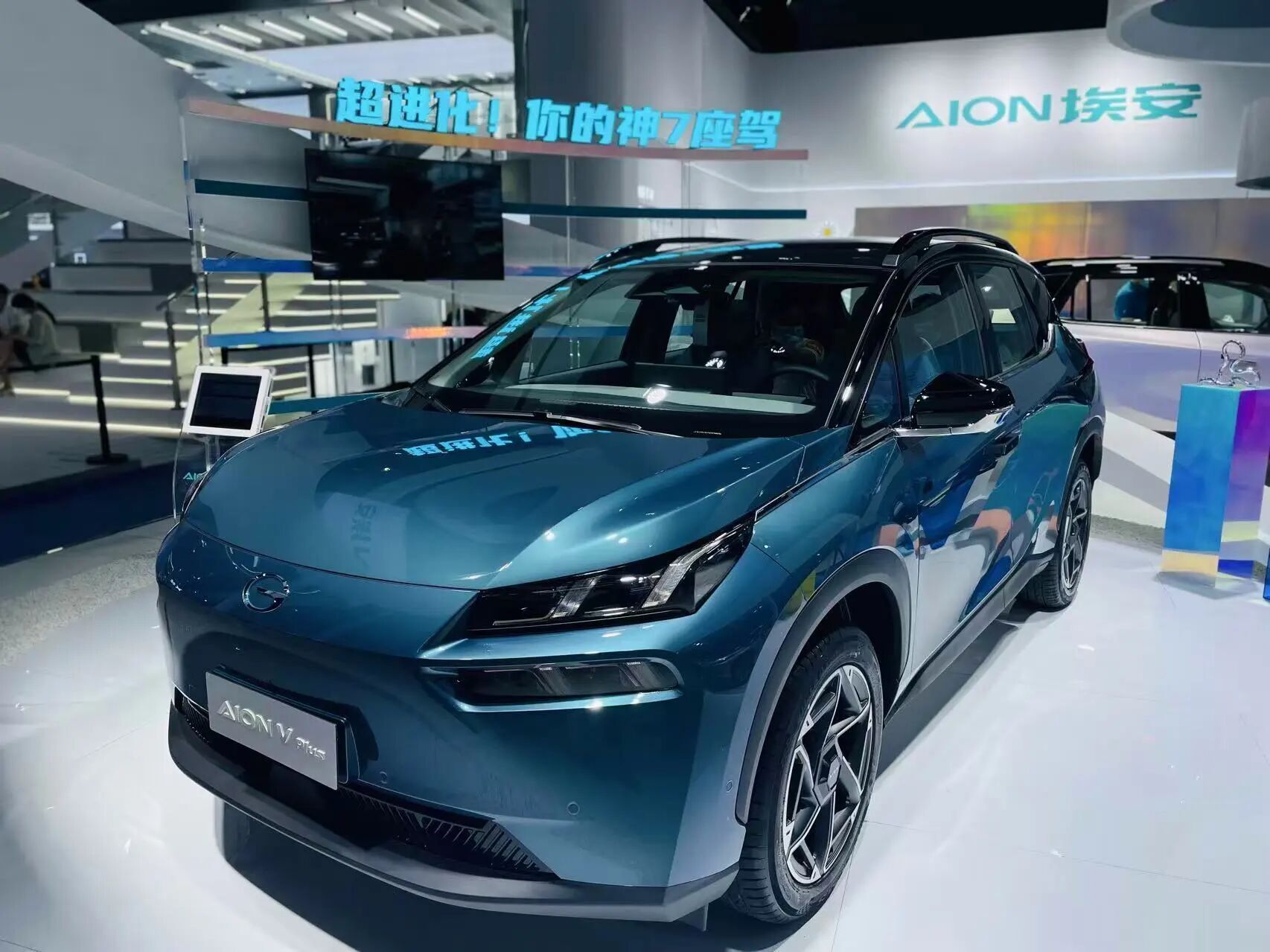
Core Viewpoint - The newly launched "National Car" Aion UT Super faces a wave of cancellations due to issues such as the disappearance of the sunroof and mileage limitations, prompting a response from the manufacturers and a series of remedial measures [1][4]. Group 1: Product Issues - The main controversy revolves around the missing sunroof and discrepancies in hardware configurations, leading to consumer complaints [3][4]. - Consumers reported that promotional materials indicated the vehicle would have a sunroof, but the actual model did not include this feature, which was not available for selection [4]. - The rental model advertised a monthly fee of 399 yuan, but it included a mileage limit of 3,000 kilometers, with additional charges for exceeding this limit, which was not clearly communicated to consumers [4]. Group 2: Consumer Complaints and Refund Process - Consumers expressed dissatisfaction with the refund process, citing difficulties in obtaining refunds due to initial policies that restricted cancellations [6][7]. - Reports indicate that some consumers had to engage in prolonged communication with the dealership to successfully process refunds, highlighting challenges in consumer rights protection [7]. Group 3: Remedial Measures and Sales Impact - In response to the issues, the manufacturers announced a series of remedial measures, including a 2,600 yuan "worry-free service package" for users who place orders by December 31, 2025, and a more flexible refund policy [9]. - The sales performance of Aion UT Super is critical for GAC Group, which reported a revenue decline of 10.49% year-on-year in the first three quarters, with a significant drop in net profit [9][10]. - The strategy of "exchanging price for volume" is evident, with significant price reductions on various models, including the Aion UT Super starting at 49,900 yuan [10].




护士上门采样、公立医院检测,应对流感高发 京东到家快检“医院检测服务”上线首批覆盖南京等16城
Yang Zi Wan Bao Wang· 2025-12-04 07:29
Core Insights - The article discusses the launch of "Hospital Testing Services" by JD Daojia to address the surge in respiratory infections and long wait times during the flu peak season [1][3]. Group 1: Service Overview - JD Daojia's "Hospital Testing Services" allows for sample collection by licensed nurses at the user's location, ensuring timely delivery to partner hospitals for testing [3]. - The entire sampling process is standardized, with strict adherence to personal protective measures and timely sample handling, resulting in an average turnaround time of 3 hours for test results [3]. Group 2: Service Availability - The service is currently available in 16 cities, including Beijing, Shanghai, and Chengdu, partnering with nearly 30 public hospitals of tertiary level or above [5]. - Initial testing projects include respiratory pathogen panels, primarily using nasopharyngeal swabs, with a service radius of 10-15 kilometers from hospitals [5]. Group 3: User Experience - Users can easily book the service through the JD app by searching for "Daojia Fast Test" and selecting local public hospital online testing [5]. - The testing report is issued by the hospital and can be viewed online, facilitating consultations without the need for repeat testing at the hospital [3].

北京消协推动京东、美团、拼多多等8家电商平台签订全国首份AI技术规范应用承诺书
Xin Lang Cai Jing· 2025-12-04 07:01
Core Viewpoint - The Beijing Consumer Association has signed the first national "Commitment to Promote the Standardized Application of AI Technology" with eight e-commerce platforms, establishing self-regulatory norms to protect consumer rights and delineate compliance boundaries for AI technology applications [1][9]. Group 1: Legal Compliance and Consumer Protection - E-commerce platforms and merchants must adhere to laws such as the Consumer Rights Protection Law and the E-commerce Law, ensuring consumer rights are prioritized when using AI-generated content [3][11]. - The commitment includes six specific measures to create a compliance framework for AI technology applications [1][9]. Group 2: Transparency and Disclosure - Merchants and content creators are required to clearly label AI-generated content, such as digital avatars and virtual scenes, with terms like "AI-generated" or "simulated scene" [4][13]. - Platforms are encouraged to provide unified AI content labeling features to promote transparency [4][13]. Group 3: Monitoring and Enforcement - Content monitoring and manual review will be implemented to prevent the dissemination of unmarked AI-generated content, with measures to add prominent labels to non-compliant content [4][14]. - Platforms will take further actions, such as blocking links, against confirmed violations [4][14]. Group 4: Support and Training - E-commerce platforms will provide tools and clear guidelines to help merchants and content creators comply with AI labeling requirements [5][15]. - Training programs will be established to enhance compliance awareness among merchants and content creators [8][17]. Group 5: Integrity of AI Standards - Strict measures will be enforced against the malicious deletion, alteration, or concealment of AI content labels, ensuring the integrity of the AI regulatory framework [6][16]. - Violating accounts and content will be dealt with according to legal regulations to maintain the seriousness of AI standards [6][16]. Group 6: Consumer Education and Engagement - The Beijing Consumer Association will continue to monitor AI technology applications and engage in consumer education to enhance awareness of AI technology and its implications [8][17]. - Multi-channel educational activities will be conducted to improve consumers' ability to identify false content and enhance their protective awareness [8][17].



北京消协推动平台企业签订AI技术规范应用承诺书
Zhong Guo Xin Wen Wang· 2025-12-04 06:54
Core Viewpoint - Beijing Consumer Association (BCA) has initiated the first national "Commitment to Promote the Standardized Application of AI Technology" to address the misuse of AI synthesis technology and regulate the e-commerce live streaming industry [1] Group 1: Issues Identified - Three major issues regarding AI technology application harming consumer rights have been identified: insufficient protection of consumer's right to know, misuse of synthetic technology leading to consumer risks, and shortcomings in platform review mechanisms [2][3] - A survey of 3,162 valid responses revealed that nearly 90% of respondents demand clear labeling of AI-generated content, over 70% accept virtual backgrounds with significant prompts, and over 60% feel AI digital humans lack genuine emotion [2] - The investigation found that 5 out of 10 AI digital live streaming samples did not label their content as "AI-generated" or "simulated scenes," and 6 samples failed to inform about private transaction risks [3] Group 2: Measures Proposed - The "Commitment" outlines six specific measures focusing on transparency, strict review, and traceable responsibility to establish compliance boundaries for AI technology in e-commerce [4] - It emphasizes adherence to laws such as the Consumer Rights Protection Law and the E-commerce Law, requiring platforms and merchants to prioritize consumer rights when using AI technology [4] - The measures include clear labeling requirements for AI-generated content, monitoring and manual review to prevent the spread of violations, and providing tools and guidance for merchants to comply with AI labeling [5][6] Group 3: Future Actions - BCA plans to continuously monitor the application of AI technology, organize volunteer experiences in live shopping, and conduct consumer education activities to enhance awareness of AI technology [6] - The goal is to create a network consumption environment characterized by "compliant technology, responsible platforms, and consumer assurance" through multi-faceted collaboration and strategies [6]

京东等8家平台企业签订AI技术规范应用承诺书
Bei Jing Shang Bao· 2025-12-04 06:09
Core Viewpoint - The Beijing Consumer Association, along with eight major e-commerce platforms, has signed the first national "Commitment to Promote the Standardized Application of AI Technology" to address the risks of AI misuse and regulate the live-streaming e-commerce industry [1] Group 1: AI Application Issues - The rapid adoption of AI technologies in live-streaming and virtual scenarios has led to increased consumer rights risks, with a survey indicating that nearly 90% of respondents demand clear labeling for AI-generated content [2] - A significant portion of consumers (over 60%) feel that AI digital personas lack genuine emotion, and nearly 30% are concerned about potential misguidance in their purchasing decisions [2] - A study found that 50% of AI digital live-stream samples did not provide timely responses to consumer inquiries, and 60% failed to disclose risks associated with private transactions [3] Group 2: Commitment Measures - The "Commitment" outlines six specific measures to ensure compliance in AI technology applications, emphasizing legal adherence and consumer rights protection [4] - It mandates clear labeling of AI-generated content and prohibits the use of AI face-swapping technology to impersonate celebrities [5] - The measures include providing tools for compliance, strict penalties for label falsification, and enhanced training for merchants and content creators to improve understanding of AI compliance [5][6] Group 3: Future Actions - The Beijing Consumer Association plans to monitor AI technology applications continuously and engage in consumer education to enhance awareness and ability to identify false content [6]
@长春人,消费券来了
Sou Hu Cai Jing· 2025-12-04 06:07
Core Points - Changchun City will launch an e-commerce consumption voucher program named "Ice and Snow Carnival · Enjoy Consumption" in December 2025 to stimulate consumer spending and drive economic growth [1] - The program will utilize a "government subsidy + enterprise matching" model, with the government contributing 50 million yuan and enterprises required to match at least 1:1 [1] Activity Platform - The consumption vouchers will be available on JD APP, Taobao APP, and Tmall APP [2] - The activity period for JD APP is from December 4, 21:00 to December 31, 00:00, while for Taobao APP and Tmall APP, it is from December 4, 21:00 to December 25, 00:00 [2] Supported Categories - The program supports 11 major categories of home appliances, including air conditioners, televisions, refrigerators, washing machines, and more [4] - Additionally, it includes 10 minor categories of home appliances such as vacuum cleaners, electric ovens, and air purifiers [4] - It also covers 4 types of 3C digital products, including computers, mobile phones, tablets, and smartwatches [5] Subsidy Standards - For the 11 major categories of home appliances, the subsidy is 20% of the sales price for first-level energy efficiency products, capped at 2,000 yuan per item [6] - For second-level and other energy efficiency products, the subsidy is 15%, capped at 1,500 yuan per item [6] - For the 10 minor categories of home appliances, the subsidy is 15%, capped at 1,500 yuan per item [6] - For 3C digital products, the subsidy is 10%, capped at 1,000 yuan per item [6] Participation Process - Consumers must log in to the Cloud Flash Payment APP to claim the consumption vouchers [7] - To redeem, consumers log in to the respective e-commerce apps and select the "Changchun Consumption Voucher" to make purchases [7] Other Rules - Vouchers are valid for the day they are issued and expire at 24:00 if not used [8] - In case of returns, consumers can reapply for the government subsidy the day after the return [9] - Any fraudulent activities will result in disqualification from the program [10]


误入人均10个顶级offer的技术天团活动,顶尖AI人才的选择逻辑我悟了
量子位· 2025-12-04 05:57
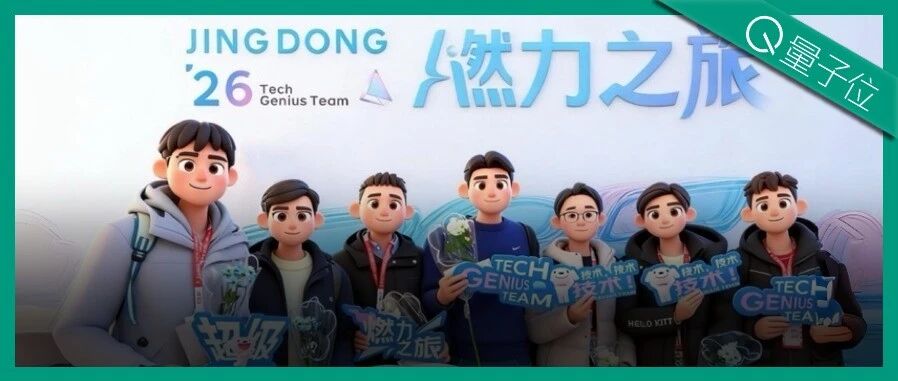
Core Viewpoint - The article highlights the competitive landscape for top AI talent, focusing on how JD.com (京东) successfully attracts elite candidates through its Tech Genius Team (TGT) program, emphasizing the company's commitment to technology and innovation [1][2][5][14]. Group 1: Event Overview - The event was part of JD.com's TGT program, aimed at recruiting top technical talent from prestigious universities [2][3]. - Attendees included candidates with multiple job offers from leading tech companies, showcasing the high demand for AI-related positions [1][7]. Group 2: Candidate Insights - Two TGT members, Daniel and Kyrie, shared their reasons for choosing JD.com over other offers, highlighting the company's focus on meaningful projects and technical resources [10][16]. - Daniel was attracted to JD.com for its emphasis on generative recommendation algorithms and the company's commitment to technology [17][21]. - Kyrie appreciated the entrepreneurial spirit at JD.com and the respect for his technical ideals, feeling he could contribute meaningfully to product development [26][30]. Group 3: Project Involvement - Daniel is involved in a project to upgrade JD.com's recommendation system to a generative model, which is crucial for enhancing user experience and driving sales [34][36]. - Kyrie's work focuses on developing the 京言 Agent, allowing for more complex user interactions without predefined workflows [41][43]. Group 4: Company Support and Culture - Both candidates emphasized the supportive company culture, including minimal interference and a stable work rhythm, which fosters collaboration and innovation [52][53]. - JD.com implements a "three-mentor" system for TGT members, providing technical, business, and career guidance [57][59]. - The company encourages long-term thinking and innovation, as highlighted by senior leadership's commitment to cross-cycle technological advancements [48][50]. Group 5: Overall Impression - The article concludes that JD.com offers a unique environment for talented individuals to thrive, with ample opportunities for professional growth and meaningful contributions to technology [62][70]. - The company's comprehensive support system and focus on real-world applications of technology make it an attractive option for top talent in the AI field [69][72].
规范AI技术应用!京东、美团等8家平台企业签订承诺书
Xin Jing Bao· 2025-12-04 05:41
Core Viewpoint - The Beijing Consumer Association has signed the first national commitment letter to promote the standardized application of AI technology with eight e-commerce platforms, aiming to establish self-regulatory norms and protect consumer rights in the context of rapidly evolving AI applications in e-commerce [1][2][3] Group 1: Issues Identified - Insufficient protection of consumer rights regarding information transparency, with nearly 90% of surveyed consumers calling for significant labeling of AI-generated content [1] - The misuse of synthetic technology has led to increased consumer risks, particularly concerning "false marketing" practices observed in AI-driven live streaming [2] - Shortcomings in platform review mechanisms have been identified, indicating a need for improved risk prevention capabilities and management rules for AI content [2] Group 2: Measures Proposed - The commitment letter outlines six specific measures centered on transparency, strict review, and traceable responsibility to delineate compliance boundaries for AI technology in e-commerce [3] - The Beijing Consumer Association plans to continue monitoring AI technology applications and will engage volunteers to provide feedback on live shopping experiences [3] - Consumer education initiatives will be launched to enhance awareness and ability to discern false content, contributing to a safer online shopping environment [3]
一场直播的双向奔赴:“爱立方”见证残障群体创作实力,开启消费助残新实践
Hua Xia Shi Bao· 2025-12-04 05:02
Core Viewpoint - The event organized by JD.com on International Day of Persons with Disabilities aims to promote the "Love Without Barriers" initiative, showcasing the achievements in assisting people with disabilities through an interactive live-streaming format [2][12]. Group 1: Event Overview - The live-stream titled "Craftsmanship Shines, Hand in Hand" was held on December 3, coinciding with the 34th International Day of Persons with Disabilities, emphasizing the importance of participation in charitable actions through digital platforms [2]. - The event featured a combination of product showcases, interactive experiences, and talent performances, highlighting the growth of the unified brand "Love Cube" for products made by people with disabilities in Beijing [2][4]. Group 2: Product Showcase - The live-stream included a 30-minute exploration of the "Love Cube" offline flagship store, presenting various handmade products and their emotional backstories [4]. - Notable items displayed included over 60 artworks by children with autism and elderly individuals, a silk paper-cutting piece titled "Phoenix," and a wooden model of the "Temple of Heaven" constructed by individuals with disabilities [4][6]. Group 3: Charity and Sales Integration - The live-stream transitioned into a charity sales segment, featuring over ten handcrafted products from people with disabilities, allowing viewers to support them directly through purchases [6]. - The "Love Cube" flagship store serves as the only official online platform, recognized for broadening income sources for disabled workers while promoting the value of their labor through consumer engagement [6]. Group 4: Interactive and Artistic Elements - An interactive segment showcased a collaboration between a company and disabled individuals to build a metal model, highlighting the integration of fine motor skills and teamwork [8]. - The artistic performance segment featured a powerful African drum performance by trainees, symbolizing resilience and the spirit of self-reliance among people with disabilities [10]. Group 5: Community Engagement and Impact - The live-stream attracted tens of thousands of viewers, generating significant engagement with nearly 40,000 likes and 279 comments, reflecting the public's interest in the cause [10]. - The event successfully fostered a sense of community and collaboration, encouraging more individuals to participate in the ongoing charitable efforts and promoting a culture of equality and inclusivity [12].

划定AI应用合规红线!京东、美团、拼多多、唯品会、抖音、快手、小红书、微信直播签订承诺书
Bei Jing Ri Bao Ke Hu Duan· 2025-12-04 04:24
Core Viewpoint - The article highlights the growing concerns regarding the misuse of AI-generated content in live streaming e-commerce, emphasizing the need for clear labeling and regulation to protect consumer rights [1][2][3] Group 1: AI Technology and Consumer Rights - A survey conducted by the Beijing Consumer Association revealed that nearly 90% of respondents believe AI-generated content should be clearly labeled, with over 70% accepting virtual backgrounds but insisting on significant prompts [1][2] - The investigation identified three major issues regarding AI technology's impact on consumer rights, including insufficient protection of the right to know, leading to confusion between real and AI-generated content [1][2] Group 2: Regulatory Measures and Industry Response - The Beijing Consumer Association, in collaboration with eight major e-commerce platforms, signed the first national "Commitment to Promote the Standardized Application of AI Technology," establishing compliance guidelines for AI usage [2][3] - The commitment mandates that merchants and content creators must clearly label AI-generated digital hosts and virtual scenes, and prohibits the use of AI face-swapping technology to impersonate celebrities [3] Group 3: Monitoring and Enforcement - E-commerce platforms are required to implement monitoring measures for live content and scenes, ensuring that any unmarked AI-generated content is promptly flagged and addressed [3] - The Beijing Consumer Association plans to continue monitoring AI technology applications and educate consumers on identifying false content, enhancing their ability to discern authenticity [3]