JD(09618)

Search documents
京东京造,加速制造 AI+ 爆款
晚点LatePost· 2026-03-24 04:42
Core Viewpoint - JD's 2025 financial report shows a revenue of 1.31 trillion yuan, marking a 12.94% year-on-year growth, driven by AI technology [3] Group 1: AI Integration and Product Development - AI technology has been fully integrated into JD's operations, enhancing user experience and operational efficiency [3] - The self-developed model JoyAI saw a nearly 100-fold increase in token usage in 2025, applied in over 2000 business scenarios [3] - JD's self-owned brand, Jingzao, has successfully launched AI products, including AI toys that quickly sold out, demonstrating the effective application of AI in consumer products [4][6] Group 2: Jingzao's Market Strategy - Jingzao leverages JD's supply chain advantages to develop self-owned brand products, focusing on filling market gaps where consumer demand is not met [8] - The initial strategy of Jingzao was to offer high-quality products at lower prices, leading to rapid growth and a user base exceeding 10 million [9] - Jingzao's first major success was a latex pillow, which was priced significantly lower than competitors, validating the "single product explosion" strategy [9] Group 3: Product Innovation and User Engagement - Jingzao's product development has evolved from "quality-price ratio" to "superior quality," focusing on innovative designs and materials [10] - The introduction of AI-powered plush toys aims to enhance emotional engagement and companionship, addressing a significant market need [11] - Jingzao's innovative approach includes the use of new materials like carbon fiber to improve product performance while maintaining cost efficiency [12] Group 4: Supply Chain and Operational Efficiency - Jingzao operates within a highly integrated supply chain system, enhancing efficiency and reducing costs across all business operations [20] - The company has successfully adapted its production strategies to optimize costs, such as relocating manufacturing to lower-cost regions [21] - Jingzao's approach to product development emphasizes a narrow product range within broad categories, focusing on high-demand items to maximize supply chain efficiency [16] Group 5: Future Goals and Market Positioning - Jingzao aims to further enhance product quality, innovation, and original design, targeting the creation of new users for JD [22] - The company plans to continue expanding its product offerings in categories with unmet consumer needs, leveraging its supply chain capabilities for rapid market response [18]



后厨视频至少保存14天,南昌给美团、淘闪、京东等外卖平台划红线
Xin Lang Cai Jing· 2026-03-24 04:15
Core Viewpoint - The Nanchang Municipal Market Supervision Administration held a meeting to establish compliance standards for third-party online food delivery platforms, emphasizing food safety responsibilities from merchant admission to delivery management [1][2]. Group 1: Regulatory Measures - The meeting focused on addressing prominent issues in the online food delivery industry, shifting regulatory focus from traffic-driven to quality-driven [2]. - Strict requirements were set for platforms, including the appointment of food safety management personnel and the implementation of a daily, weekly, and monthly monitoring mechanism [2]. - Platforms must conduct substantial reviews of merchants to prevent the onboarding of unlicensed or fraudulent businesses [2]. Group 2: Compliance Standards - Platforms are required to standardize information disclosure, including displaying "no dine-in" labels on listings [2]. - The initiative promotes "Internet + Bright Kitchen" practices, mandating that kitchen video information be retained for at least 14 days [2]. - Major platforms like Meituan, Taobao, and JD signed a Food Safety Commitment, pledging to enhance their food safety management systems [2]. Group 3: Enforcement and Monitoring - The Nanchang Municipal Market Supervision Administration plans to conduct regular online monitoring, offline inspections, and random checks to address industry irregularities [3]. - The administration aims to promote compliance, standardization, and high-quality development within the online food delivery sector [3].

恒指低开低走,收市跌894点
Guodu Securities Hongkong· 2026-03-24 02:10
Group 1: Market Overview - The Hang Seng Index closed down 894 points or 3.54%, ending at 24,382 points, with a total market turnover of 368.68 billion [3] - The decline was influenced by geopolitical tensions and rising oil prices, leading to a significant drop in the Hong Kong stock market, which fell below the 25,000 mark [4] - The decline in the market was part of a broader trend, with the Hang Seng Index experiencing a cumulative drop of 1,642 points or 6.31% over three consecutive days [4] Group 2: Economic Forecasts - Hang Seng Bank raised its economic growth forecast for Hong Kong from 2.5% to 3.1% due to increased local and external demand, which is expected to support overall economic performance [8] - The bank noted that the recovery in consumer demand reflects strong performance in asset markets, particularly in the stock and property sectors [8] Group 3: Company News - Country Garden expects a profit of between 1 billion to 2.2 billion RMB for the year ending December 2023, primarily due to non-cash gains from debt restructuring [12] - WuXi AppTec reported a 38% increase in profit to 1.48 billion RMB for the year ending December 2023, with revenue rising by 46.69% to 5.944 billion RMB [13] - Henderson Land Development reported a 38% drop in basic profit, with shareholder profit at 5.653 billion RMB, attributed to reduced gains from land sales compared to the previous year [14] - Lao Poo Gold announced a significant profit increase of 2.3 times to 4.868 billion RMB, with revenue growing by 2.21 times to 27.303 billion RMB [15]




12家平台企业被约谈
中国能源报· 2026-03-23 12:50
Core Viewpoint - The article discusses the regulatory actions taken by Beijing's market supervision authorities against various online platforms for engaging in "involutionary" competition practices, highlighting the need for compliance and rectification to protect merchants' rights and consumer interests [1][3]. Group 1: Issues Identified - Platforms have infringed on merchants' autonomy by unilaterally enrolling them in promotional activities and enforcing minimum pricing without consent, leading to financial losses for merchants [4][5]. - Specific examples include Taobao Flash Sale modifying prices and activities without merchant agreement, resulting in significant revenue drops for merchants [6]. - Ctrip has been reported to automatically adjust hotel prices, pressuring hotels to comply with lowest price requirements, thus undermining their pricing authority [7]. Group 2: Unreasonable Rules - Some platforms have established unreasonable rules that impose additional burdens on merchants through penalties and restrictions, increasing operational challenges [9][10]. - Ctrip's "cutting customer" penalties have been criticized for being overly broad, penalizing hotels for legitimate customer interactions outside the platform [10]. Group 3: False Advertising - Platforms have engaged in misleading advertising practices that violate consumer rights, such as promoting paid services that falsely claim to enhance ticket purchasing success [12]. - Ctrip's misleading "thumbs up" symbol has been flagged for misrepresenting service quality, prompting regulatory guidance for its removal [13]. - Other platforms, like Gaode, have been noted for failing to update promotional indicators, misleading consumers about ongoing discounts [14]. Group 4: Compliance Management Shortcomings - Several platforms lack effective compliance management systems, leading to inadequate oversight and risk management [15][16]. - QuNar's compliance mechanisms have been criticized for being ineffective, lacking a dedicated management structure [16]. - JD's compliance management has been deemed insufficient, with unclear responsibilities and a need for improved operational effectiveness [17]. Group 5: Regulatory Actions and Future Directions - Regulatory authorities have issued administrative warnings to platforms, mandating strict adherence to responsibilities and timely rectification of identified issues [17]. - The authorities plan to continue monitoring and publicly reporting violations, focusing on platforms that fail to comply with rectification requirements [17].


龙虾热后,我们认真聊一次AI出海|线下沙龙报名
量子位· 2026-03-23 12:46
Core Insights - The article discusses the potential of AI startups in the context of globalization, emphasizing the need for these companies to target global markets from their inception [1][2]. Group 1: Event Overview - A salon event is organized featuring industry leaders from companies like Xiaoying Technology, FluxA, Google, JD, Agora, and Meshy, who will share reusable experiences in global expansion [4]. - The event aims to provide insights into the application, scenarios, and channels for AI startups looking to expand internationally [6][9]. Group 2: Guest Profiles - Lin Xiaodong, Vice President of Xiaoying Technology, has led the development of video editing tools and AI music applications that have achieved top rankings in various markets [12]. - Qiu Honglin, CTO of FluxA, is a co-founder with a background in architecture from Ant Group and Alibaba [13]. - Han Yuan, a Solutions Architect at Google Cloud, focuses on cloud solutions for AI applications [15]. - Li Jieyu, Product Head at JD, is working on AI-driven innovations in e-commerce [17]. - Yang Fan, AI Product Growth Lead at Agora, has extensive experience in the audio-visual and mobile internet sectors [18]. - Xu Shumu, responsible for 3D art at Meshy, has over 10 years of experience in the gaming and film industries, focusing on AI applications in these fields [19].



北京三部门联合约谈12家平台企业 通报“内卷式”竞争第一批问题
YOUNG财经 漾财经· 2026-03-23 11:40
Core Viewpoint - Beijing's regulatory authorities have initiated a comprehensive rectification of "involutionary" competition among platform enterprises, focusing on issues such as infringement of merchants' rights, unreasonable rules, false advertising, and shortcomings in compliance management [1][3][8]. Group 1: Issues Identified - The first batch of issues identified includes the infringement of merchants' autonomy, where platforms modify merchant settings without consent and impose minimum pricing, leading to economic losses for merchants [3][4]. - Unreasonable rules have been set by some platforms, leveraging their dominant position to impose penalties and restrictions that increase the operational burden on merchants [4][5]. - False advertising practices have been reported, where platforms mislead consumers through deceptive promotional tactics, violating consumer rights [6][7]. Group 2: Compliance Management Shortcomings - Several platforms have been found to have ineffective compliance management systems, with unclear responsibilities and lack of actual implementation of compliance mechanisms [7][8]. - Specific examples include Qunar's lack of a functional compliance management organization and JD's outdated compliance structure, indicating a need for improvement in compliance practices [7][8]. Group 3: Regulatory Actions and Future Steps - Regulatory authorities have issued administrative warnings to platforms, mandating them to rectify identified issues and protect the rights of both merchants and consumers [8]. - The next steps involve ongoing monitoring and public reporting of violations, with a focus on creating a long-term prevention mechanism through multi-party consultations [8].

携程、去哪儿网、高德、京东、淘宝闪购、美团、飞猪旅行、同程旅行、途家民宿、小猪民宿、抖音、快手被约谈
新华网财经· 2026-03-23 10:20
Core Viewpoint - The article discusses the regulatory actions taken by Beijing's market supervision authorities against various online platforms for engaging in "involutionary" competition practices that harm merchants and consumers [1]. Group 1: Issues Identified - The main issues reported focus on four areas: infringement of merchants' autonomy, unreasonable rules, false advertising, and shortcomings in compliance management [3][7][9][13]. Group 2: Infringement of Merchant Autonomy - Some platforms have modified merchant settings without consent, forcing them into promotional activities and dictating pricing, which leads to financial losses for merchants and potential quality risks in goods and services [3]. - Example 1: Taobao Flash Sale unilaterally listed merchants' products in promotional events and altered prices without consent, resulting in significant revenue losses for merchants [4]. - Example 2: Ctrip used technical means to enforce minimum pricing on hotels, pressuring them to comply or face consequences such as reduced visibility on the platform [5][6]. Group 3: Unreasonable Rules - Certain platforms have established unfair rules that increase the operational burden on merchants through penalties and restrictions [7]. - Example 3: Ctrip's "cutting customer" rule penalizes hotels for directing customers away from the platform, even in legitimate scenarios, leading to unfair commission demands [8]. Group 4: False Advertising - Platforms have engaged in misleading advertising practices that violate consumer rights [9]. - Example 4: Third-party train ticket platforms misrepresented paid services as exclusive benefits, misleading consumers about their effectiveness [10]. - Example 5: Ctrip's misleading "thumbs up" symbol associated with certain hotels did not reflect actual service quality, prompting regulatory intervention [11]. - Example 6: Gaode failed to update promotional indicators post-campaign, misleading consumers about ongoing discounts [12]. Group 5: Compliance Management Shortcomings - Several platforms lack effective compliance management systems, leading to inadequate risk assessment and oversight [13]. - Example 7: Qu Nar's compliance mechanisms were found to be ineffective, lacking a structured approach to managing compliance risks [14]. - Example 8: JD's compliance management was criticized for not being updated dynamically, with unclear responsibilities [15]. Group 6: Regulatory Actions and Future Steps - Regulatory authorities have issued administrative warnings and mandated platforms to rectify identified issues, emphasizing the protection of merchants' and consumers' rights [15]. - The authorities plan to continue monitoring and addressing "involutionary" competition practices, ensuring platforms engage in fair competition and adhere to regulations [15].
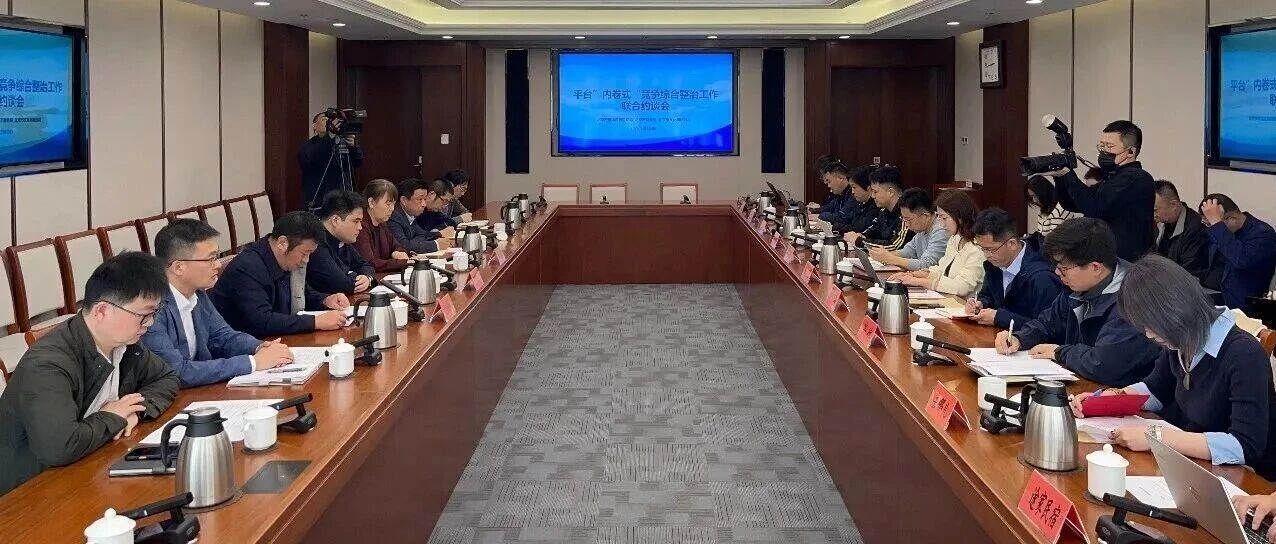
北京三部门约谈12家平台企业
券商中国· 2026-03-23 09:16
Core Viewpoint - The article discusses the regulatory actions taken by Beijing's market supervision authorities against various online platforms for engaging in "involutionary" competition practices that harm merchants and consumers, highlighting the need for compliance and fair competition in the market [1][14]. Group 1: Issues Identified - The main issues reported focus on four areas: infringement of merchants' autonomy, unreasonable rules set by platforms, false advertising practices, and shortcomings in compliance management systems [3][6][8][11]. Group 2: Infringement of Merchant Autonomy - Platforms have been found to modify merchant settings without consent, forcing them into promotional activities and dictating pricing, which leads to significant financial losses for merchants [3][4]. - A specific case involves Taobao Flash Sale, where merchants reported unauthorized price changes and promotional listings that resulted in them receiving only a fraction of their original prices, making it impossible to cover costs [4]. Group 3: Unreasonable Rules - Platforms like Ctrip have been criticized for imposing unreasonable rules that increase the operational burden on merchants, such as penalizing hotels for directing customers away from their platform [6][7]. - Ctrip's "cutting customer" rule was deemed unfair, as it penalized hotels for legitimate customer interactions outside the platform, prompting regulatory guidance for rule optimization [7]. Group 4: False Advertising - Instances of misleading advertising were noted, such as third-party train ticket platforms promoting paid services with exaggerated claims of success rates, misleading consumers about the benefits of their offerings [8][9]. - Ctrip's use of misleading "thumbs up" symbols to indicate hotel quality was also flagged, leading to regulatory intervention to eliminate such practices [10]. Group 5: Compliance Management Shortcomings - Several platforms, including Qunar and JD.com, were found to have ineffective compliance management systems, lacking clear responsibilities and failing to implement necessary compliance mechanisms [11][12]. - Regulatory authorities emphasized the need for these platforms to enhance their compliance frameworks to prevent future violations [12]. Group 6: Regulatory Actions and Future Steps - The market supervision authorities issued administrative warnings and mandated platforms to rectify identified issues, emphasizing the protection of merchants' and consumers' rights [14]. - Future actions will include ongoing monitoring of compliance, public reporting of violations, and the establishment of a collaborative mechanism for rule-making to ensure fair competition in the platform economy [14].
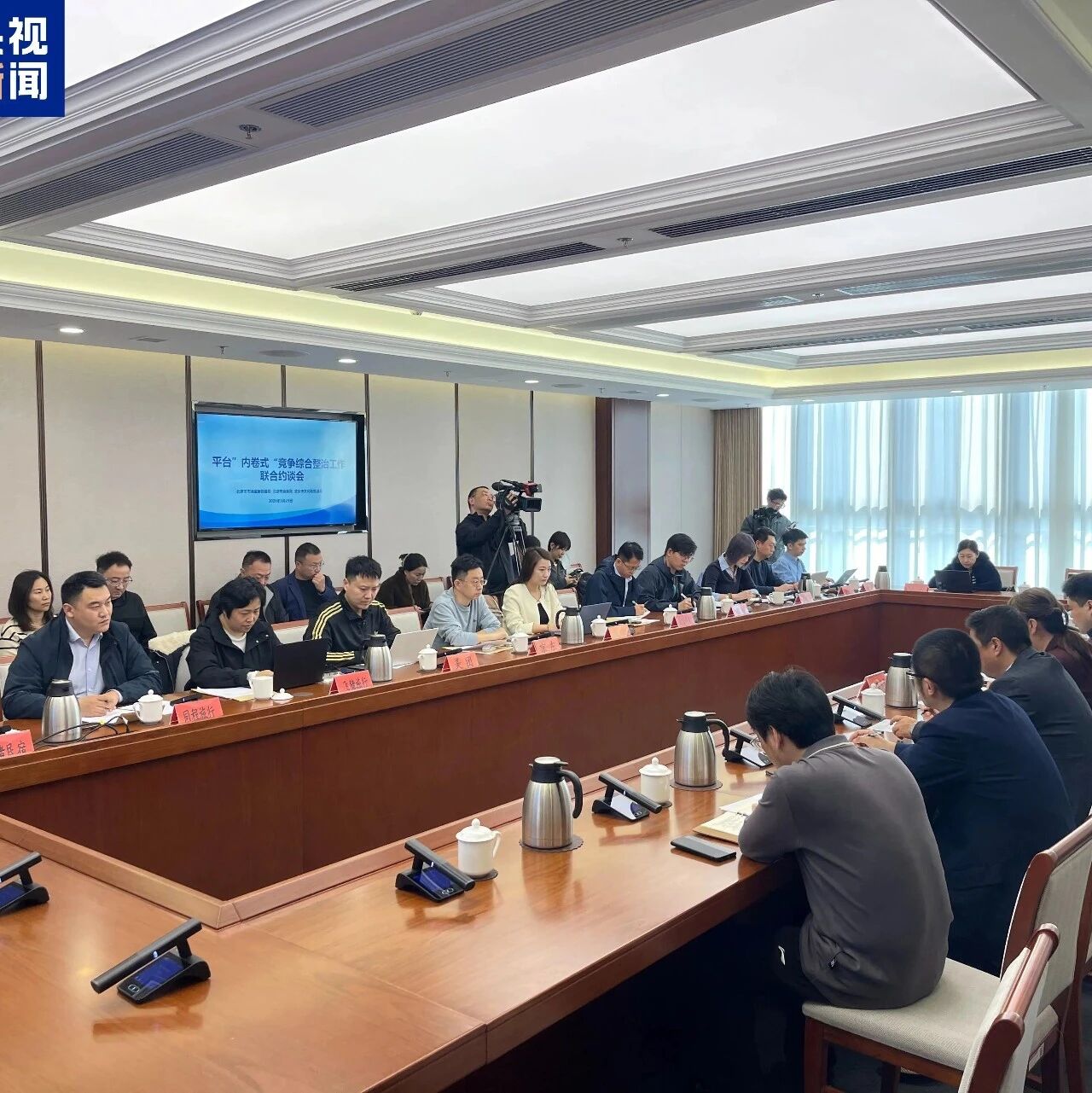
携程、去哪儿网、高德、京东、淘宝闪购、美团、飞猪旅行、同程旅行、途家民宿、小猪民宿、抖音、快手被约谈
21世纪经济报道· 2026-03-23 08:32
Core Viewpoint - The article discusses the regulatory actions taken by Beijing's market supervision authorities against various online platforms for engaging in "involutionary" competition practices that harm merchants and consumers [1][16]. Group 1: Issues Identified - The main issues reported focus on four areas: infringement of merchants' autonomy, unreasonable rules imposed by platforms, false advertising practices, and shortcomings in compliance management systems [3][6][11]. Group 2: Infringement of Merchant Autonomy - Platforms have been found to modify merchant settings without consent, forcing them into promotional activities and dictating pricing, which leads to significant financial losses for merchants [3][4]. - For instance, Taobao Flash Sale unilaterally listed products for promotional events, resulting in merchants receiving drastically reduced prices that do not cover their costs [4]. Group 3: Unreasonable Rules - Platforms like Ctrip have been reported to use technical means to enforce minimum pricing, pressuring hotels to comply or face penalties such as reduced visibility on the platform [5][7]. - Ctrip's "cutting customer" rules have been criticized for unfairly penalizing hotels for customer transactions that occur outside the platform, leading to additional financial burdens [7]. Group 4: False Advertising Practices - Third-party ticket sales platforms have been found to engage in misleading advertising, promoting services that falsely claim to enhance ticket purchasing success [8]. - Ctrip's misleading "thumbs up" symbols associated with certain hotels have been flagged for potentially deceiving consumers regarding service quality [9]. Group 5: Compliance Management Shortcomings - Several platforms, including Qunar and JD.com, have been noted for lacking effective compliance management systems, which has resulted in inadequate risk assessment and oversight of promotional activities [12][13][14]. - Regulatory authorities have emphasized the need for platforms to establish robust compliance mechanisms to prevent future violations [16]. Group 6: Regulatory Actions and Future Steps - The market supervision department has issued administrative warnings and mandated platforms to rectify identified issues within a specified timeframe [16]. - Ongoing efforts will focus on deepening the comprehensive rectification of "involutionary" competition, with a commitment to publicize violations and monitor compliance closely [16].

携程、去哪儿网、高德、京东、淘宝闪购、美团、飞猪旅行、同程旅行、途家民宿、小猪民宿、抖音、快手被约谈
财联社· 2026-03-23 08:20
Core Viewpoint - The article discusses the regulatory actions taken by Beijing's market supervision authorities against various online platforms for engaging in "involutionary" competition practices that harm merchants and consumers [1][16]. Group 1: Issues Identified - The main issues reported focus on four areas: infringement of merchants' autonomy, unreasonable rules set by platforms, false advertising practices, and shortcomings in compliance management systems [3][7][9][13]. Group 2: Infringement of Merchant Autonomy - Platforms have been found to modify merchant settings without consent, forcing them into promotional activities and dictating pricing, which leads to financial losses for merchants [3][4]. - For instance, Taobao Flash Sale unilaterally listed merchants' products in promotional events, resulting in significant revenue losses for merchants, with one merchant receiving only 2.58 yuan for a product originally priced at 19.8 yuan [4][5]. Group 3: Unreasonable Rules - Platforms like Ctrip have imposed unreasonable rules that increase the operational burden on merchants, such as penalizing hotels for directing customers away from the platform [7][8]. - Ctrip's "cutting customer" rule was criticized for misclassifying legitimate customer behavior, leading to unfair penalties for hotels [8]. Group 4: False Advertising - Platforms have been accused of misleading consumers through false advertising, such as promoting paid services that falsely claim to enhance ticket purchasing success [9][10]. - Ctrip's misleading "thumbs up" symbol was identified as a tactic to mislead consumers regarding service quality [11]. Group 5: Compliance Management Shortcomings - Several platforms, including Qunar and JD, were found to have ineffective compliance management systems, lacking clear responsibilities and mechanisms to address compliance issues [13][14][15]. - Regulatory authorities have mandated these platforms to enhance their compliance frameworks and rectify identified issues [15][16]. Group 6: Regulatory Actions and Future Steps - The market supervision departments have issued administrative warnings and set deadlines for platforms to rectify their practices, emphasizing the protection of merchants' and consumers' rights [16]. - Future actions will include ongoing monitoring of compliance and the establishment of a multi-party consultation mechanism to ensure fair practices in platform operations [16].