BIDU(09888)

Search documents
起大早的百度为何能领跑AI“赶大集”?
Feng Huang Wang· 2025-11-13 11:17
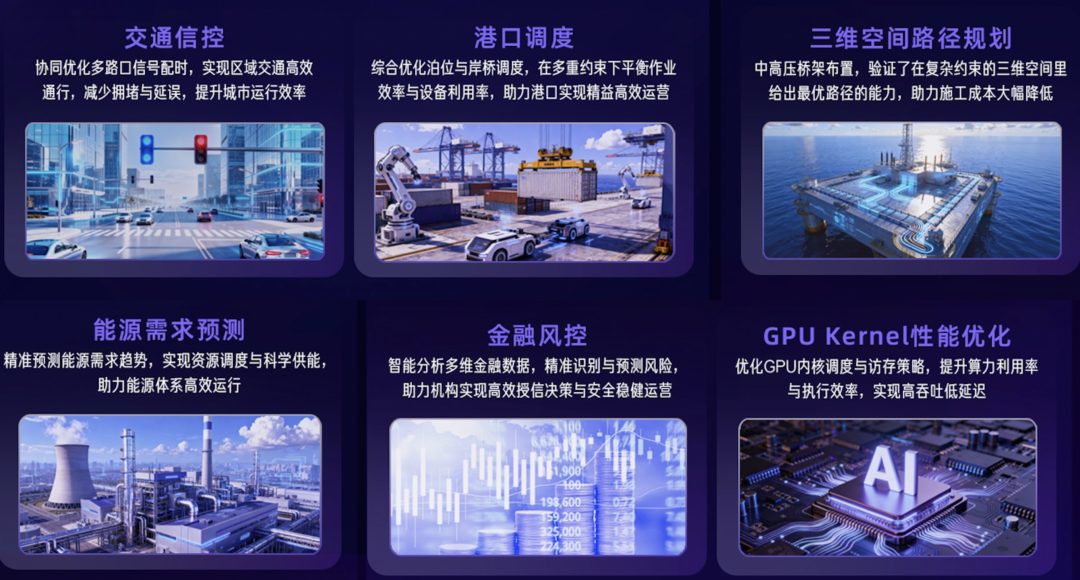
Core Insights - The healthy AI industry structure should resemble an "inverted pyramid," where models generate ten times the value of chips, and AI applications create one hundred times the value of models [1][5]. Group 1: AI Evolution and Internalization - Baidu's "伐谋" is the world's first commercially viable self-evolving super-intelligent system, reshaping industry logic by internalizing AI capabilities within enterprises [2][3]. - The traditional reliance on top algorithm experts has created a bottleneck in AI application, necessitating a shift from manually optimized models to self-evolving AI systems [3][4]. - The internalization of AI capabilities allows enterprises to activate dormant data energy, transitioning from superficial solutions to fundamental improvements [4][10]. Group 2: Industry Applications and Impact - In the energy sector, Baidu's "伐谋" optimizes cable layout in complex environments, significantly reducing project delivery time and costs [1][4]. - In finance, the collaboration between Citic Baixin Bank and Baidu has led to a dynamic risk model that enhances credit decision-making accuracy, improving feature extraction efficiency by 100% and risk differentiation by 2.41% [4]. - The application of "伐谋" extends to traffic control, where it has optimized traffic light timing across 4,942 intersections, alleviating congestion during peak hours [4]. Group 3: Comprehensive AI Infrastructure - Baidu's full-stack AI layout includes self-developed Kunlun AI chips, robust cloud infrastructure, and advanced deep learning frameworks, addressing core concerns of enterprises regarding computational efficiency and data security [6][8]. - The recent launch of the next-generation Kunlun chip and super node products enhances Baidu's AI capabilities, solidifying its position as a leader in AI transformation [6][8]. Group 4: Diverse AI Solutions - Baidu offers a comprehensive toolbox for enterprises, including "慧播星" for e-commerce, "萝卜快跑" for autonomous driving, and various AI development tools that lower application development barriers [8][9]. - The integration of AI into Baidu's search business has transformed 70% of search results into AI-generated outputs, enhancing user experience and engagement [9][10]. Group 5: Competitive Landscape - The AI industry is likened to a bustling marketplace, where efficiency and scale are the new competitive advantages, and early adopters are likely to establish significant barriers to entry [10].


Baidu Unveils New AI Chips as China Accelerates Tech Self-Sufficiency Efforts
WSJ· 2025-11-13 11:16
Group 1 - Baidu has unveiled two new artificial intelligence chips [1] - The launch is part of a broader trend among Chinese tech giants to enhance their chip-making capabilities [1] - This initiative aligns with China's strategic goal of achieving technological self-sufficiency [1]

百度集团-SW(09888):港股公司信息更新报告:昆仑芯、云、无人驾驶有望驱动估值提升
KAIYUAN SECURITIES· 2025-11-13 11:15
Investment Rating - Investment rating: Buy (maintained) [1] Core Views - Short-term advertising business is under pressure due to AI search transformation, leading to a slight downward adjustment of the company's non-GAAP net profit forecast for 2025-2027 to 18.1 billion, 20.3 billion, and 22.9 billion RMB respectively, with corresponding year-on-year growth rates of -33.1%, +12.1%, and +13.1% [2] - AI is transitioning from intelligent emergence to effective emergence, with the launch of two new Kunlun chip products expected to enhance valuation [3] - The smart cloud is expected to drive growth in the short term, while the autonomous driving business model is anticipated to be validated, accelerating overseas market expansion [4] Financial Summary and Valuation Metrics - Revenue (million RMB): 2023A: 134,598; 2024A: 133,125; 2025E: 124,875; 2026E: 132,534; 2027E: 139,638 [5] - Adjusted net profit (million RMB): 2023A: 28,747; 2024A: 27,002; 2025E: 18,072; 2026E: 20,266; 2027E: 22,925 [5] - EPS (diluted, RMB): 2025E: 6.3; 2026E: 7.0; 2027E: 8.0 [5] - P/E ratios: 2025E: 18.4; 2026E: 16.4; 2027E: 14.5 [5]
百度慧播星数字人现场演示失败,李彦宏表示“有些遗憾”
Sou Hu Cai Jing· 2025-11-13 11:14
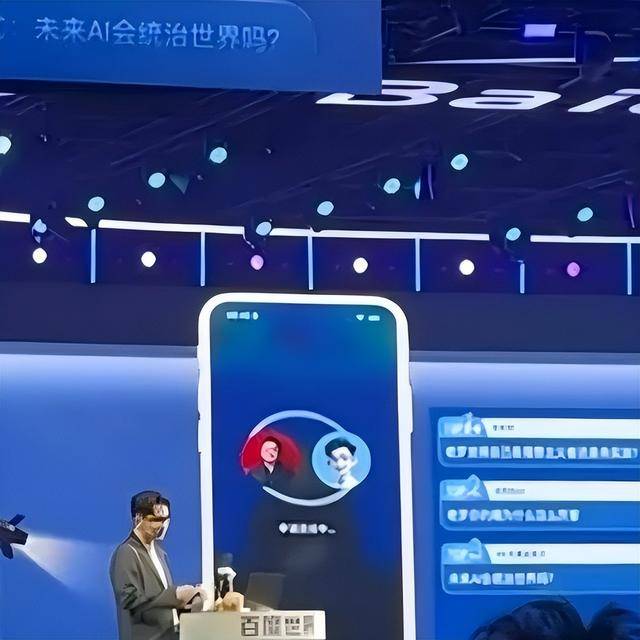
Group 1 - The 2025 Baidu World Conference opened in Beijing on November 13, where Baidu's founder Li Yanhong elaborated on the core value and key pathways of internalizing AI capabilities [1] - The Hui Bo Xing digital human technology was highlighted as the first product introduced, with a live demonstration scheduled [1] - During the demonstration, there was a failure in real-time interaction with the "digital human Luo Yonghao," which Li Yanhong described as "somewhat regrettable" despite previous rehearsals showing impressive results [3] Group 2 - The Hui Bo Xing "real-time interactive digital human" can deeply understand the real world, provide instant feedback, and express natural emotions, enhancing the interactivity of digital humans [3] - During this year's "Double 11" shopping festival, 83% of live stream hosts utilized Hui Bo Xing digital humans, with the number of live streaming rooms increasing by 119% year-on-year and GMV rising by 91%, indicating the reliability and commercial value of the technology [3] - Hui Bo Xing digital humans have already entered the Brazilian market, with plans to expand into Southeast Asia, the United States, and other key markets, targeting platforms like Shopee and Lazada [3]

万马科技与百度合作升级 拓展自动驾驶生态运营
Zheng Quan Shi Bao Wang· 2025-11-13 11:01
Core Insights - Wanma Technology's subsidiary, Youka Technology, has entered into a deep strategic partnership with Baidu's Apollo Intelligent Driving, transitioning from basic service cooperation to a comprehensive collaboration aimed at global markets [1][2] - Youka Technology has evolved from a vehicle networking service provider to a high-end networking solution supplier, enhancing its leadership position in the high-end networking sector [2] Group 1: Strategic Partnership - The partnership will leverage Youka Technology's full-chain technical capabilities to provide integrated hardware and software solutions for Robotaxi services [1] - The high-end networking solution includes global connectivity, high-precision positioning, AI networks, smart hardware, and comprehensive services, significantly improving the reliability and responsiveness of autonomous driving services [1][2] Group 2: Market and Policy Context - The collaboration aligns with the global commercialization and expansion of Robotaxi services, supported by China's push for "vehicle-road-cloud integration" in 20 pilot cities and the opening of over 35,000 kilometers of test roads [2] - Morgan Stanley identifies autonomous driving as a key opportunity in the automotive industry, predicting a potential market value increase of $2 trillion to $3 trillion [3] - The National Intelligent Connected Vehicle Innovation Center forecasts that by 2030, the total output value of the "vehicle-road-cloud integration" industry in China will reach 2.58 trillion yuan, with a compound annual growth rate exceeding 28% [3]

百度文心杯第三届结果揭晓!三年数亿元支持AI创业团队,李彦宏:让应用燎原
Sou Hu Cai Jing· 2025-11-13 10:44
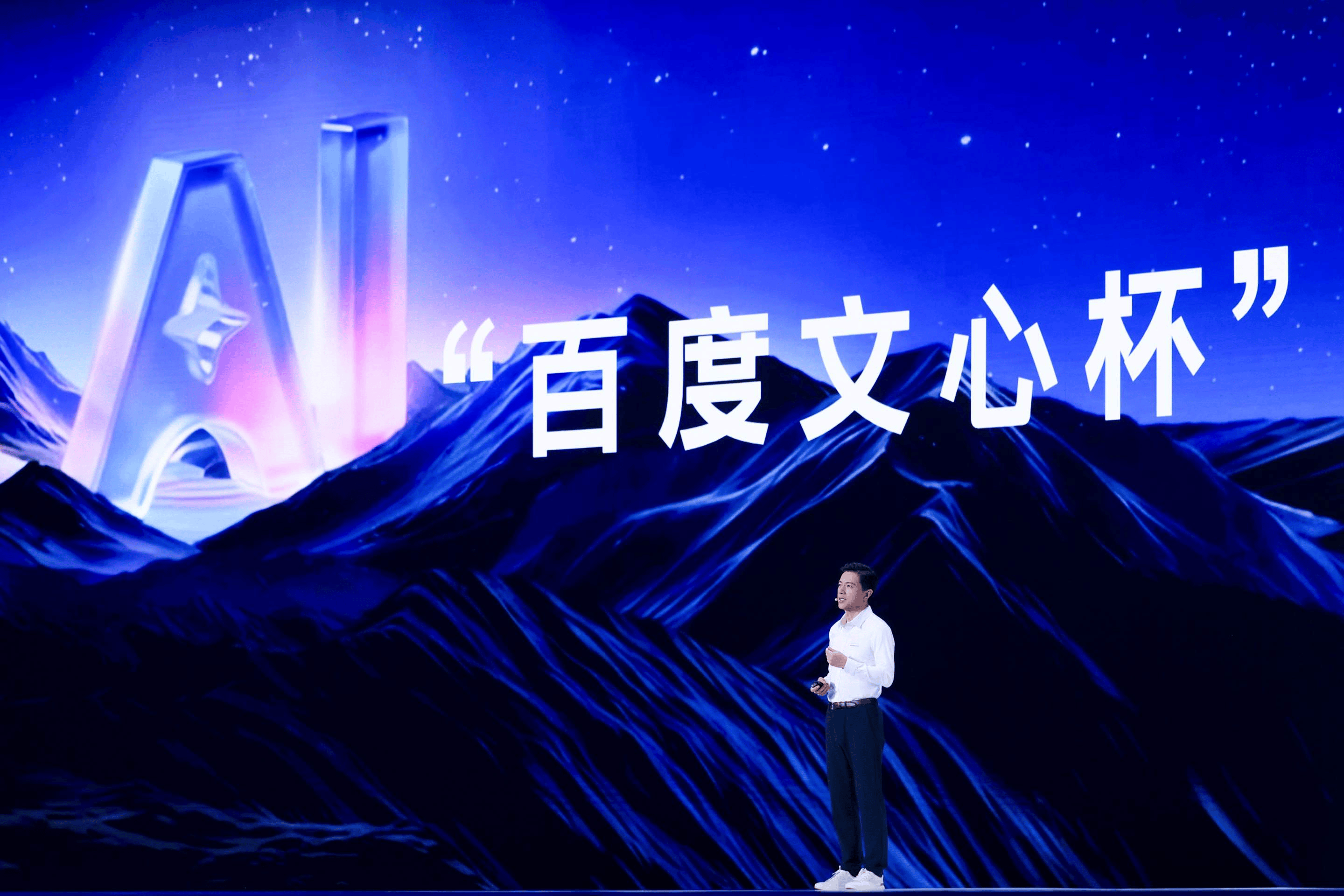
Core Insights - Baidu's founder, Li Yanhong, announced the results of the third "Wenxin Cup" entrepreneurship competition, which attracted nearly 1,000 teams globally, focusing on AI large model innovations across various fields [3][5] - The competition has seen over 3,200 entrepreneurial teams participate over three years, with Baidu providing billions in funding and comprehensive support to winning teams [3][6] - Li emphasized the need for everyone to adapt their work methods to leverage AI, suggesting that internalizing AI as a native capability could trigger a productivity revolution and economic growth [3] Competition Highlights - Eight winning teams received several million yuan in investments and will join Baidu's ecosystem, gaining access to resources such as computing power and promotion [3][5] - The first prize winners included TTC, an AI recruitment platform, and Nooka, a content automation platform based on agents [5] - Other notable projects included AI-driven tools for video rewriting and translation, and a decentralized travel service platform [5] Trends and Characteristics - The competition showcased a balanced representation of consumer (To C) and enterprise (To B) applications, with innovations in multi-modal and coding AI applications [6] - The participating teams exhibited a youthful and professional profile, with over half of the founders being from the "post-90s" generation and many core members coming from leading tech companies and academic institutions [6] - The "Wenxin Cup" has become one of the most prestigious and widely covered entrepreneurial events in the domestic large model field, reflecting trends in AI application entrepreneurship [6]

萝卜快跑无人驾驶订单量全球居首,李彦宏称将创造移动新空间
Sou Hu Cai Jing· 2025-11-13 10:44
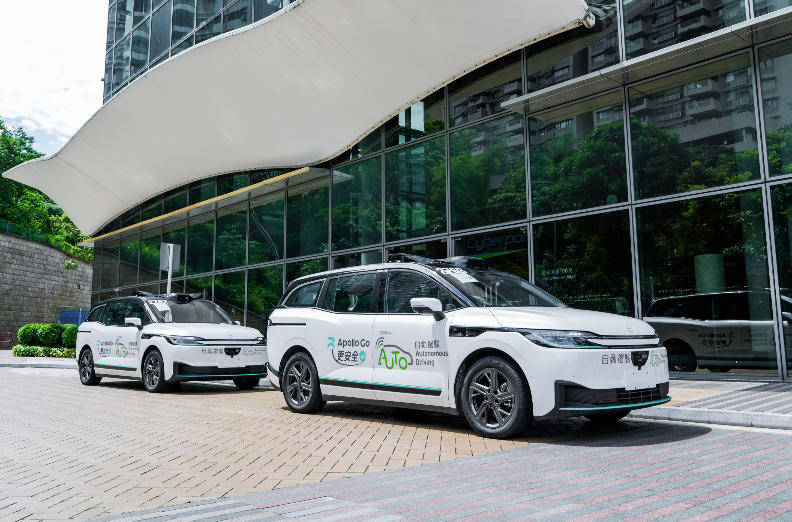
最新运营数据印证了这一趋势。百度旗下自动驾驶出行服务平台"萝卜快跑"目前每周全无人订单量已突破 25 万 单,全球累计出行服务次数超过 1700 万次,成为全球订单量第一的自动驾驶出行服务商。 【太平洋科技快讯】在 11 月 13 日举办的百度世界大会上,百度创始人李彦宏就无人驾驶技术的发展前景发表观 点。他指出,无人驾驶不仅将改变传统交通出行方式,甚至会改变社会生态。通过引用投资机构 ARK 的研究数 据,他预测到 2030 年,美国 Robotaxi(无人驾驶出租车)的单英里成本将降至约 0.25 美元,而打车需求将随之 增长 5 至 7 倍。 李彦宏强调,当打车服务变得足够便宜和便捷时,市场需求将被激发。他认为,无人车将突破传统交通工具的范 畴,成为人们全新的移动生活空间,并为社会发展创造更多可能性。 截至目前,萝卜快跑的服务网络已覆盖全球 22 座城市,全无人驾驶总里程突破 1.4 亿公里,自动驾驶总里程更 达到 2.4 亿公里。 ...
为了帮企业用好AI,百度和谷歌用尽了全力
Jing Ji Guan Cha Wang· 2025-11-13 10:42
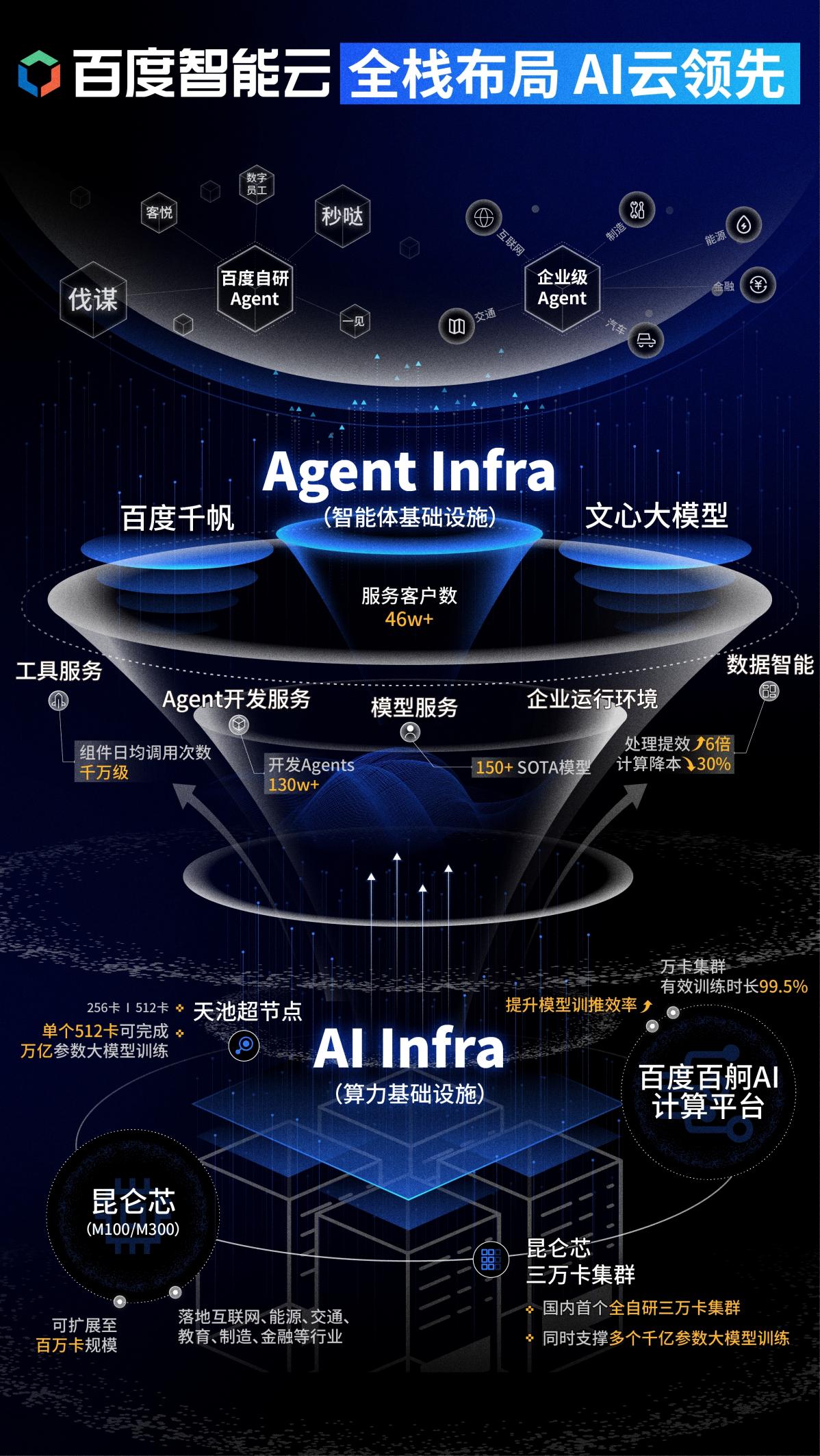
Core Insights - Google's recent financial report showcased significant growth driven by its full-stack AI services, distinguishing it from other major US tech companies [1] - Baidu, similar to Google, demonstrated its full-stack AI capabilities at the Baidu World 2025 Conference, highlighting various AI applications that enhance efficiency and reduce technical barriers [1] Group 1: Baidu's AI Capabilities - Baidu's AI product, "Paimo," is the world's first commercially viable self-evolving super-intelligent agent, designed to optimize complex decision-making across various industries [2] - The integration of AI into China's diverse industrial sectors can yield substantial value, with even a 1% optimization potentially generating millions in savings [2] - Baidu's "Paimo" has been successfully applied in offshore wind power design, significantly reducing costs and project timelines while freeing engineers for more creative tasks [2] Group 2: Digital Human Technology - Baidu's "HuiBoXing" digital human technology has proven its market value, achieving over 13 million views and generating more than 55 million yuan in GMV during its debut [3] - During the recent Double 11 shopping festival, 83% of live stream hosts utilized HuiBoXing, resulting in a 119% increase in live stream sessions and a 91% rise in GMV [3] - The digital human technology has expanded across various sectors, including e-commerce, education, and healthcare, demonstrating high conversion rates and significantly reducing operational costs for businesses [3] Group 3: Full-Stack AI Development - Baidu introduced new products in its full-stack AI capabilities, including the Kunlun chip series, designed for large-scale inference and multimodal model training, with future releases planned [4][5] - The "Wenxin" large model has reached 2.4 trillion parameters, showcasing advanced multimodal understanding and generation capabilities, positioning Baidu at the forefront of AI technology [9] - Baidu's AI technology stack encompasses four layers: chip, framework, model, and application, with significant investments over the past decade leading to a competitive edge in the AI market [10] Group 4: Industry Trends and Future Directions - The AI industry is shifting focus from mere technical superiority to delivering tangible value for businesses, marking a new phase in AI application [11] - Baidu has established pathways for practical AI applications, including automating repetitive tasks and enhancing productivity through AI-generated results [13] - The company aims to democratize AI capabilities by making its technologies accessible to all enterprises, fostering a collective advancement in the industry [14]
AI「效果涌现」的时代,百度开始快跑
3 6 Ke· 2025-11-13 10:39
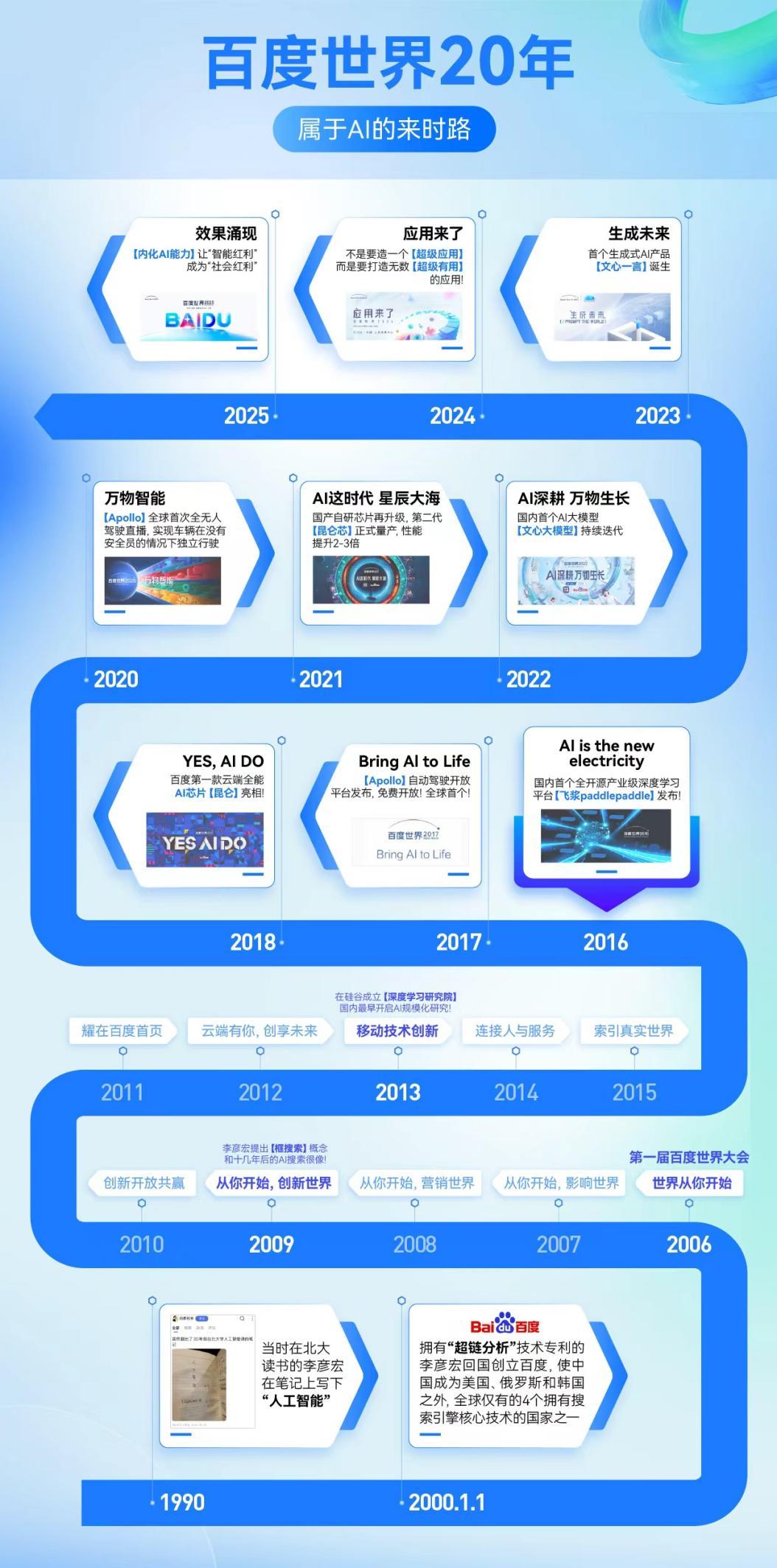
Core Insights - Baidu is shifting its focus from traditional internet contexts to a more asset-heavy, long-cycle AI landscape, emphasizing the internalization of AI as a core capability for various industries [1][2][5] - The company aims to build a comprehensive stack of capabilities from chips to applications, positioning itself for long-term growth rather than immediate gains [1][6][15] Group 1: AI Strategy and Development - Baidu's strategy is characterized by a long-term commitment to AI, focusing on deep technological investments rather than quick wins, which contrasts with the fast-paced culture of the internet era [2][5] - The company has developed its own Kunlun chips and AI frameworks, demonstrating a commitment to self-sufficiency and innovation in the AI space [7][12] - Baidu's approach to AI emphasizes the importance of internalizing AI capabilities to address real-world problems, moving away from the competitive "application war" mindset [6][10] Group 2: Autonomous Driving and Application Success - The "萝卜快跑" (Luobo Kuai Pao) autonomous driving service has achieved over 17 million service instances, showcasing the commercial viability of autonomous driving technology [8][9] - The service has established a safety benchmark, with an average of one airbag deployment every 10.14 million kilometers, surpassing human drivers and industry leaders [9] - Baidu's strategy for international expansion involves forming deep alliances with local companies, integrating into existing transportation ecosystems rather than merely exporting technology [9][10] Group 3: AI Ecosystem and Future Outlook - Baidu's AI capabilities are being modularized and standardized for broader enterprise use, with over 460,000 companies already utilizing its services [14][15] - The company is positioning itself as a "military supplier" of AI capabilities, aiming to facilitate the internalization of AI across various industries [13][15] - Baidu's long-term vision includes transforming AI from a technological novelty into a foundational element of societal advancement, aligning with its strategic focus on internalization and external application [15][17]
AI「效果涌现」的时代,百度开始快跑
36氪· 2025-11-13 10:26
Core Viewpoint - The article emphasizes the importance of Baidu's long-term strategy in AI development, focusing on building foundational capabilities rather than seeking immediate gains in the fast-paced internet culture [5][12][29]. Group 1: AI Strategy and Development - Baidu's AI strategy is characterized by a commitment to "long-termism," aiming to integrate AI as a fundamental capability across various industries rather than just a tool for quick monetization [5][12]. - The company has made significant investments in foundational technologies, including self-developed chips and AI frameworks, to support its AI applications [14][20]. - Baidu's approach contrasts with the prevailing "speed wins" mentality of the internet era, suggesting that AI competition may not follow the same rules as previous tech races [9][12]. Group 2: Technological Advancements - Baidu has introduced several AI applications, such as the "Luo Bo Kua Pao" autonomous vehicle service, which has completed over 17 million rides, demonstrating the viability of autonomous driving technology [4][18]. - The company has developed the Kunlun chip, capable of supporting multiple large models simultaneously, showcasing its commitment to self-sufficiency in computing power [14][22]. - Baidu's deep learning platform, PaddlePaddle, represents a significant step towards creating a competitive domestic AI framework, challenging the dominance of international platforms [14][22]. Group 3: Market Position and Future Outlook - Baidu's focus on "internalizing AI capabilities" aims to create a sustainable competitive advantage by embedding AI deeply within its business processes [13][24]. - The company is positioning itself as a "military supplier" of AI capabilities, offering modular solutions to businesses, which could lead to widespread adoption of AI across various sectors [24][26]. - Baidu's long-term investments and strategic choices are expected to yield significant returns as the AI landscape matures, moving from a focus on individual breakthroughs to a comprehensive ecosystem of AI applications [28][29].