BABA(09988)

Search documents
2026年春节“AI红包”派发超45亿元 “脉冲式流量”后用户黏性成关键
Xin Hua Cai Jing· 2026-02-25 03:27
Core Insights - The 2026 Spring Festival AI "ecological battle" marked a significant shift in the domestic AI industry from technical competition to a focus on consumer scenarios, with major players investing over 4.5 billion yuan during the holiday [1] - Different strategies were employed by major companies: Doubao leveraged exclusive AI collaboration with the Spring Festival Gala, Alibaba's Qianwen combined "free orders + consumption" to drive real transactions, while Tencent's Yuanbao utilized social interactions within the WeChat ecosystem to maintain user engagement [1][2] Investment and Market Dynamics - The competition is increasingly concentrated among leading platforms, creating significant barriers for smaller players, as the focus shifts from model parameters to integrating AI into daily consumption, social, and entertainment scenarios [2] - The ability to convert short-term user engagement into long-term value will be crucial for success in the AI market, with key factors including addressing real user pain points, continuous model iteration based on user data, and seamless integration into existing ecosystems [2][3] User Retention and Experience - Retaining users post-campaign will depend more on the core value and experience of AI products rather than the size of the red envelopes offered, emphasizing the importance of integrating AI assistants into real-life scenarios [3] - Historical context suggests that successful integration of payment behaviors into social interactions, as seen with WeChat red envelopes, is essential for transforming short-term traffic into lasting user engagement [3]



年轻人带着AI春节“下乡”后:下沉、渗透与留存
2 1 Shi Ji Jing Ji Bao Dao· 2026-02-25 02:20
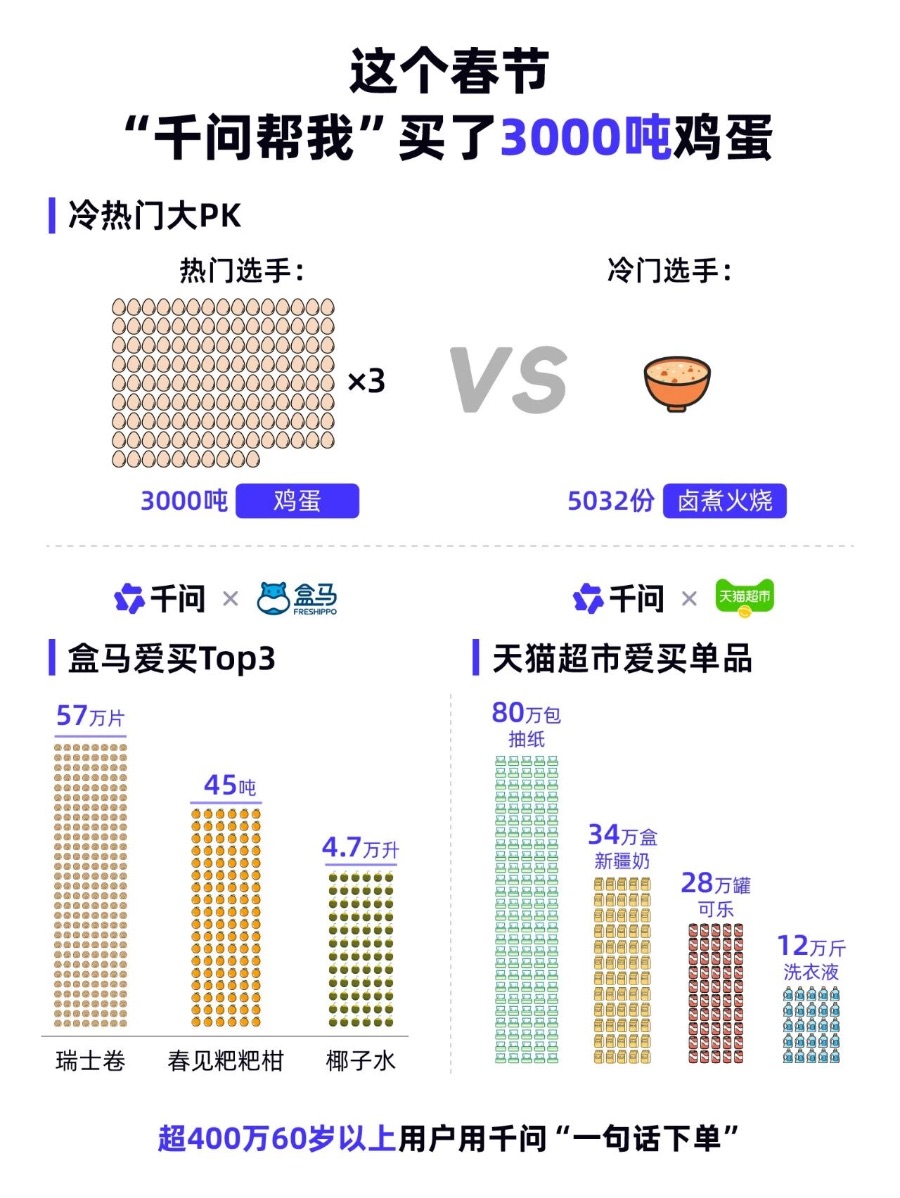
Core Insights - The article discusses the significant penetration of AI applications into lower-tier cities during the Spring Festival, driven by major tech companies like Alibaba, ByteDance, and Tencent, with a total investment exceeding 8 billion yuan [1] - The success of AI applications is highlighted by impressive user engagement metrics, such as over 50 million daily active users for Tencent's Yuanbao and nearly 2 billion AI interactions on New Year's Eve [1][3] - The challenge remains whether these AI applications can maintain their relevance in users' daily lives after the festive period [1] Group 1: User Engagement and Adoption - During the Spring Festival, AI applications like Qianwen and Doubao saw a surge in usage, with nearly half of AI orders coming from county and town users, and over 400 million users aged 60 and above utilizing AI for ordering [1][4] - The introduction of user-friendly features, such as voice-activated ordering in Qianwen, has made AI more accessible to older demographics, significantly reducing the steps required to place an order [4] - The trend of younger users teaching their parents to use AI applications has created a natural word-of-mouth marketing channel, enhancing trust in these technologies [3][8] Group 2: Market Dynamics and Future Challenges - The article notes a growing demand for AI in health-related inquiries among older users, with many using AI to seek medical advice and manage health conditions [7][9] - Despite the initial excitement, the long-term retention of users post-festival remains uncertain, as many older adults may not see the necessity of AI in their daily lives [10][11] - The success of AI applications will depend on their ability to integrate into users' everyday routines and provide indispensable services beyond promotional activities [10][11]

阿里千问宣布Qwen3.5开源家族扩容
Di Yi Cai Jing· 2026-02-25 02:15
Core Viewpoint - The company has announced the further open-sourcing of its Qwen 3.5 models, expanding its offerings in the AI space following the initial release of the flagship model Qwen 3.5-397B-A17B [1] Group 1 - The newly open-sourced models include Qwen 3.5-122B-A10B, Qwen 3.5-35B-A3B, and Qwen 3.5-27B (Dense) [1] - The Qwen 3.5-Flash API has officially launched on Alibaba Cloud [1]
港股关键指数回暖,恒生科技涨近1%,腾讯阿里上涨
Mei Ri Jing Ji Xin Wen· 2026-02-25 02:05
Core Viewpoint - The Hong Kong stock market opened higher on February 25, with the Hang Seng Technology Index rising nearly 1%, driven by gains in companies like Xpeng Motors, Hua Hong Semiconductor, Tencent Holdings, Alibaba, and SMIC [1] Valuation Insights - The current price-to-earnings ratio of the Hang Seng Technology Index is 21.49, which is at a historically low level since the index was launched, indicating sufficient margin of safety [1] - Galaxy Securities believes that the technology sector remains a key investment theme for the medium to long term, as the recent pullback has reduced valuation pressure on the index [1] Market Trends - The acceleration of AI model updates and the rapid deployment of AI applications are expected to support a rebound in the relevant sectors [1]
阿里巴巴、腾讯股价回暖,AI取代软件的悲观情绪缓解,恒生科技迎超跌反弹
Mei Ri Jing Ji Xin Wen· 2026-02-25 02:04
Group 1 - The Hang Seng Technology Index opened strong, with key stocks like Alibaba, Tencent, and Meituan recovering, indicating a rebound in the Hang Seng Technology Index ETF and Hang Seng Internet ETF [1] - Investor fears regarding AI disruption in software have eased, with Morgan Stanley's trading department suggesting that the market's anxiety is nearing a local peak [1] - Anthropic, a company gaining attention for its Claude product, announced collaborations with traditional software firms to launch workplace-oriented intelligent agents, signaling a message of "collaboration rather than replacement" [1] Group 2 - The Hang Seng Internet ETF focuses on major Hong Kong internet companies with high AI software and application content, including Alibaba, Tencent, Baidu, Meituan, and others, many of which have seen nearly a 20% decline over the past 20 days [2] - The Hang Seng Internet Technology Index has dropped approximately 13% cumulatively [2] - These ETFs are listed on mainland stock exchanges, allowing for T+0 intra-day trading, providing A-share investors with a low-threshold and convenient way to invest in undervalued Hong Kong technology stocks [2]
三大指数集体高开,小金属、磷化工板块走强,影视板块续跌,博纳影业、横店影视二连跌停;港股高开,科网股普涨 | 开盘播报
Mei Ri Jing Ji Xin Wen· 2026-02-25 01:58
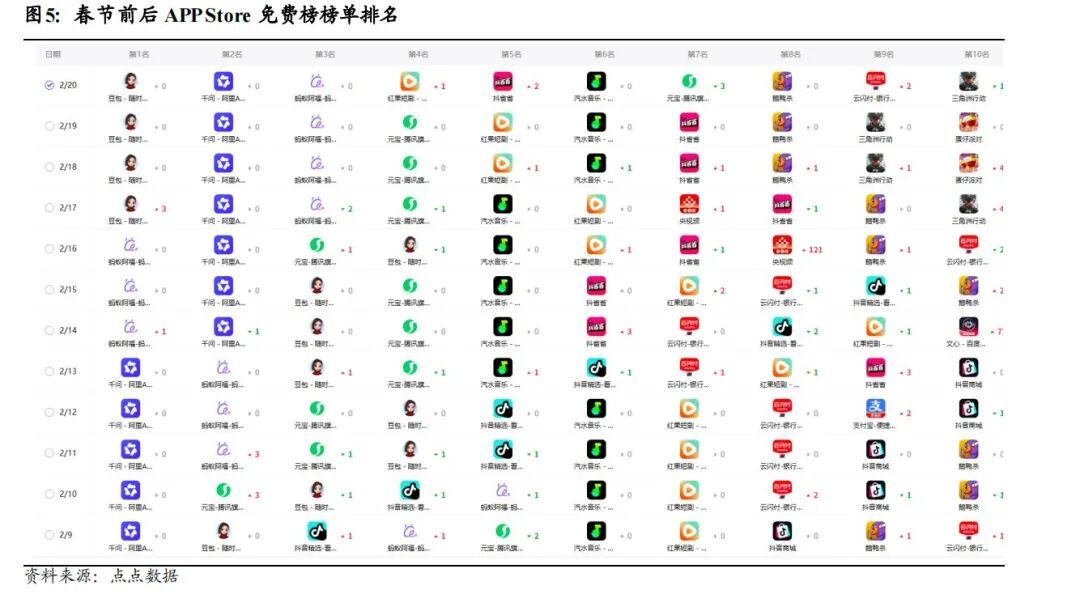
Market Overview - Major indices opened slightly higher on February 25, with the Shanghai Composite Index up 0.15%, Shenzhen Component Index up 0.21%, and ChiNext Index up 0.15% [1] - Over 2900 stocks in the market opened higher, with the phosphate chemical and small metal sectors leading the gains [1] Sector Performance - The phosphate chemical sector continued its strong performance, with stocks like Chengxing Co. rising for two consecutive days. Other companies such as Huanbang Bio, Jinzhe Da, Liuguo Chemical, Chuanjin Nuo, and Yuntianhua also saw gains [2] - The small metal sector experienced multiple stock increases, with Yunnan Zhenye opening up 9.87%. Other stocks like Zhangyuan Tungsten and Tin Industry also rose. The overall performance of non-ferrous metals was strong during the Spring Festival, with LME tin, nickel, and copper prices rising [3] Price Movements - International phosphate fertilizer prices have surpassed $700 per ton due to the U.S. designating phosphorus and glyphosate as critical defense materials, leading to a restructuring of the global phosphate supply chain [2] - The domestic tin ingot prices are expected to rise due to anticipated export restrictions on tin raw materials from Indonesia, strengthening the long-term supply-demand outlook for tin [3] Hong Kong Market - The Hong Kong stock market opened slightly higher, with the Hang Seng Index up 0.58% and the Hang Seng Technology Index up 0.86% [4] - Tech stocks in Hong Kong saw broad gains, with companies like Meituan, NetEase, JD.com, and Alibaba all rising over 1%. However, AI model concept stocks continued to weaken, with Zhipu falling nearly 6% and MiniMax dropping over 4% [5]


红包大战退潮,2026年春节AI“排位赛”大洗牌
Mei Ri Jing Ji Xin Wen· 2026-02-25 00:55
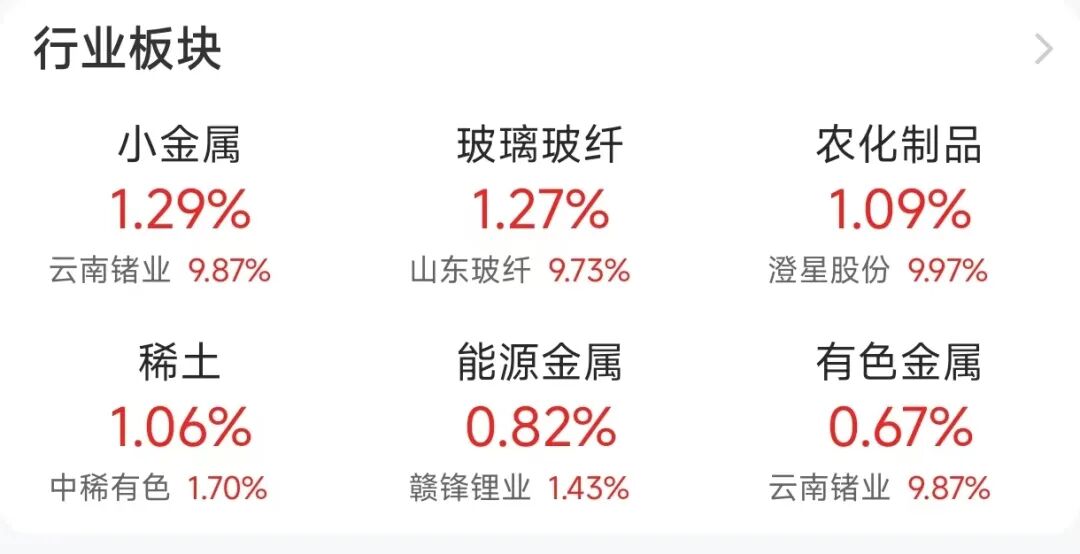
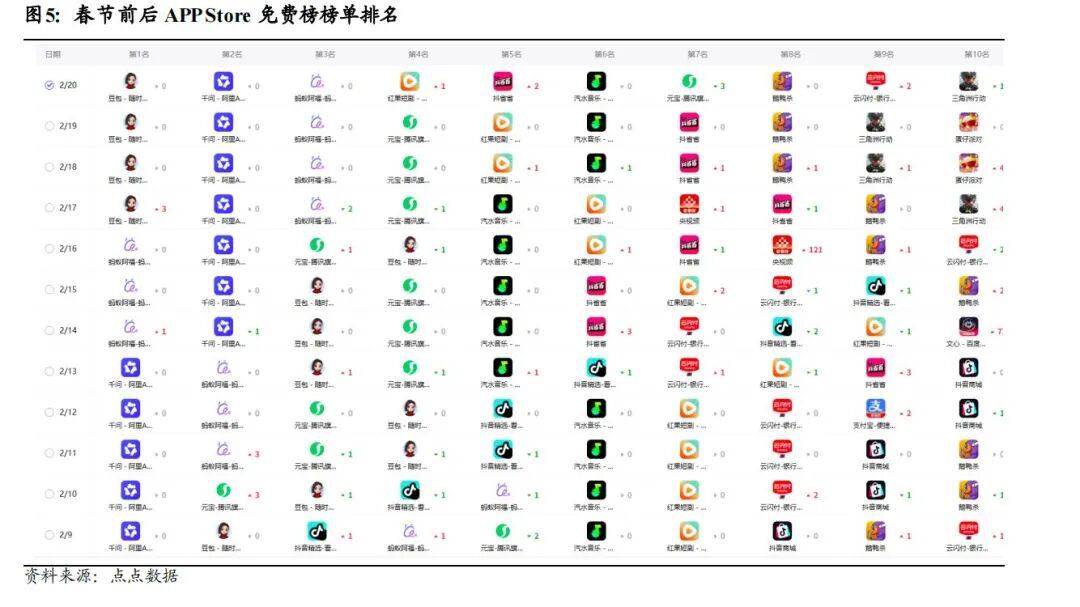
Core Insights - The core focus of major internet companies during the Spring Festival was on user acquisition, marking a significant shift towards AI application penetration in the market [1][2][3] User Acquisition and Engagement - Major companies like Tencent and ByteDance reported substantial increases in daily active users (DAU) during the Spring Festival, with Tencent's Yuanbao surpassing 50 million DAU and ByteDance's Doubao achieving 1.14 billion monthly active users [2] - The competition among AI applications intensified, with Doubao leading the App Store rankings, followed by Qianwen and Ant Financial's AI assistant [2][4] Market Dynamics and Competition - The Spring Festival saw a fierce competition primarily between ByteDance and Alibaba's AI assistants, with Qianwen experiencing a 727.7% increase in DAU on the first day of the red envelope campaign [4][5] - The rankings of AI applications fluctuated significantly during the campaign, indicating a dynamic market landscape [4][5] Long-term User Retention Challenges - Despite the initial success in user acquisition, industry experts highlight that user retention remains a critical challenge, with concerns about the sustainability of growth post-subsidy [6][11] - Companies are focusing on enhancing user experience and feedback rather than solely on DAU metrics, indicating a shift towards long-term engagement strategies [7] Technological Advancements and Strategic Differentiation - The competition is not just about user acquisition but also involves significant technological advancements, with companies launching new AI models and integrating them into their ecosystems [8][10] - Each major player is adopting distinct strategies: Alibaba is integrating its AI with e-commerce, ByteDance is leveraging its traffic and multi-modal capabilities, and Tencent is focusing on social integration [10][11] Future Outlook and Industry Trends - The Spring Festival marked a pivotal moment for AI applications in China, transitioning from novelty to mainstream usage, with a notable increase in older demographics engaging with AI [11][12] - The industry is entering a phase where the focus will shift from user acquisition to value creation and retention, indicating the beginning of an "AI oligopoly" era [13]
智通港股通持股解析|2月25日
智通财经网· 2026-02-25 00:30
Group 1 - The top three companies by Hong Kong Stock Connect holding ratios are Haotian International Investment (01341) at 71.99%, China Telecom (00728) at 71.35%, and Southern Hengsheng Technology (03033) at 69.01% [1][2] - The largest increases in holding amounts over the last five trading days were seen in the following companies: Yingfu Fund (02800) with an increase of 3.67 billion, Tencent Holdings (00700) with an increase of 3.60 billion, and Alibaba-W (09988) with an increase of 2.18 billion [1][2] - The companies with the largest decreases in holding amounts over the last five trading days include Zijin Mining (02899) with a decrease of 578 million, Pop Mart (09992) with a decrease of 382 million, and China Pacific Insurance (02601) with a decrease of 338 million [1][3] Group 2 - The latest holding ratio rankings for Hong Kong Stock Connect show that Haotian International Investment has 7.99 billion shares, China Telecom has 9.90 billion shares, and Southern Hengsheng Technology has 10.41 billion shares [2] - The top ten companies with the largest increases in holdings over the last five trading days include Xiaomi Group-W (01810) with an increase of 2.17 billion and Meituan-W (03690) with an increase of 1.18 billion [2] - The top ten companies with the largest decreases in holdings also include WuXi Biologics (02269) with a decrease of 290 million and Jiangxi Copper (00358) with a decrease of 239 million [3]



红包大战退潮!2026年春节AI“排位赛”大洗牌
Mei Ri Jing Ji Xin Wen· 2026-02-25 00:26
Core Insights - The core focus of the article is on the competitive landscape of AI applications during the Chinese New Year, highlighting the significant user acquisition efforts by major internet companies and the challenges they face in user retention and monetization [1][7][12]. User Acquisition and Engagement - Major internet companies have heavily invested in user acquisition during the Chinese New Year, with 千问 App reporting nearly 200 million "one-click orders" during the holiday, indicating that 1 in 10 people used the app [1]. - Tencent's 元宝 achieved over 50 million daily active users (DAU) and 114 million monthly active users (MAU) by February 18, while 豆包 reported 1.9 billion interactions on New Year's Eve, generating over 50 million themed avatars and 100 million New Year greetings [2][6]. - The competition saw 千问 App's DAU grow by 727.7% to 58.48 million on the first day of the New Year, significantly narrowing the gap with 豆包 [3]. Market Dynamics and Rankings - The rankings of AI applications fluctuated significantly during the holiday, with 千问 App, 豆包, and 蚂蚁阿福 frequently changing positions in the App Store [3][6]. - As of February 24, 豆包 remained at the top of the App Store free list, with 千问 in second place and 蚂蚁阿福 in fourth, while 元宝 dropped out of the top twenty [6]. Challenges and Future Outlook - Despite the apparent success in user acquisition, industry experts highlight challenges such as user retention post-subsidy, capability limitations in complex scenarios, and unproven monetization models [2][12]. - The article suggests that the current marketing strategies reflect a battle for the next traffic entry point, with long-term success dependent on user retention and the underlying AI capabilities [7][12]. - The competition is expected to continue evolving, with companies needing to focus on product innovation, user needs, and daily penetration rates to ensure sustained growth [14]. Differentiated Strategies - Companies are adopting distinct strategies: 阿里巴巴 integrates its AI model with a substantial cash reward plan, aiming to create a new business entry point; 字节跳动 employs a multi-modal approach to cover all user needs; and 腾讯 leverages its social ecosystem to enhance user engagement through 元宝 [11][12]. - The article emphasizes that the AI industry is transitioning from a "hundred models" era to an "oligopoly" phase, where the focus will shift from user acquisition to value creation and monetization [14].
智通港股沽空统计|2月25日
智通财经网· 2026-02-25 00:24
Group 1 - Anta Sports-R (82020), JD Health-R (86618), and Geely Automobile-R (80175) have the highest short-selling ratios at 100.00%, 100.00%, and 95.46% respectively [1] - Tencent Holdings (00700), Alibaba-W (09988), and Meituan-W (03690) lead in short-selling amounts, with 2.193 billion, 1.867 billion, and 1.658 billion respectively [1] - Geely Automobile-R (80175), Tencent Holdings-R (80700), and Blue Moon Group (06993) have the highest deviation values at 56.09%, 35.57%, and 33.29% respectively [1] Group 2 - The top short-selling ratio rankings show Anta Sports-R (82020) at 100.00% with a short-selling amount of 29.79 thousand, followed by JD Health-R (86618) at 100.00% with 9.88 thousand, and Geely Automobile-R (80175) at 95.46% with 31.09 thousand [2] - The top short-selling amounts are led by Tencent Holdings (00700) at 2.193 billion, Alibaba-W (09988) at 1.867 billion, and Meituan-W (03690) at 1.658 billion [2] - The highest short-selling deviation values are led by Geely Automobile-R (80175) at 56.09%, followed by Tencent Holdings-R (80700) at 35.57%, and Blue Moon Group (06993) at 33.29% [2]