China Unicom(600050)

Search documents
金十图示:2025年07月25日(周五)富时中国A50指数成分股今日收盘行情一览:盘面整体跌多涨少,银行、石油、煤炭等板块表现低迷
news flash· 2025-07-25 07:07
Market Overview - The FTSE China A50 Index showed a predominantly declining trend with more stocks falling than rising, particularly in the banking, oil, and coal sectors [1][6]. Banking Sector - Everbright Bank had a market capitalization of 241.07 billion with a trading volume of 716 million, closing at 4.08, down by 1.21% [3]. - Major banks like China Ping An, China Pacific Insurance, and China Life Insurance had market capitalizations of 374.58 billion, 360.67 billion, and 1,057.65 billion respectively, with trading volumes of 1.962 billion, 789 million, and 2.959 billion [3]. Oil Sector - China Petroleum and China Sinopec had market capitalizations of 1,586.79 billion and 722.62 billion respectively, with trading volumes of 1.598 billion and 996 million, both showing slight declines [3]. Coal Sector - China Shenhua and Shaanxi Coal had market capitalizations of 763.55 billion and 201.27 billion respectively, with trading volumes of 1.049 billion and 905 million, both experiencing declines [3]. Semiconductor Sector - Northern Huachuang, Cambrian, and Haiguang Information had market capitalizations of 246.76 billion, 281.68 billion, and 328.87 billion respectively, with trading volumes of 5 billion, 2.105 billion, and 8.133 billion, showing positive trends for Cambrian and Haiguang [3]. Alcohol Industry - Kweichow Moutai, Shanxi Fenjiu, and Wuliangye had market capitalizations of 1,827.77 billion, 226.40 billion, and 479.53 billion respectively, with trading volumes of 6.140 billion, 1.609 billion, and 2.285 billion, all showing declines [3]. Electric Power Sector - Changjiang Electric Power had a market capitalization of 191.69 billion with a trading volume of 2.910 billion, showing a slight increase [4]. Securities Sector - CITIC Securities, Ningde Times, and Guotai Junan had market capitalizations of 440.17 billion, 361.23 billion, and 1,289.37 billion respectively, with trading volumes of 3.625 billion, 2.769 billion, and 3.803 billion, with CITIC Securities showing a decline [4]. Consumer Electronics - Industrial Fulian, Luxshare Precision, and Dongfang Fortune had market capitalizations of 569.17 billion, 277.97 billion, and 379.14 billion respectively, with trading volumes of 11.391 billion, 3.082 billion, and 3.138 billion, with mixed performance [4]. Chemical and Pharmaceutical Sector - Heng Rui Pharmaceutical, Muyuan Foods, and SF Holding had market capitalizations of 265.38 billion, 242.76 billion, and 374.34 billion respectively, with trading volumes of 2.874 billion, 1.963 billion, and 1.074 billion, showing varied performance [4].








从内部协同到生态开放 中国联通携手京东共建供应链生态商城赋能产业数字化转型
Sou Hu Wang· 2025-07-25 03:36
Group 1 - The core viewpoint of the news is the strategic collaboration between JD's government and enterprise business and China Unicom to create a supply chain ecosystem mall named "Tongtong Huigou Enterprise Mall," aimed at enhancing digital transformation in procurement for enterprises [1][2][3] - The partnership has evolved from simple supply chain collaboration to a mature model that integrates co-research, co-construction, co-operation, and sharing, which is considered a core advantage of their collaboration [2] - The launch of "Tongtong Huigou Enterprise Mall" represents a significant innovation practice that aims to upgrade China Unicom's supply chain capabilities into an open platform, enhancing efficiency in the procurement process across the telecommunications industry [2][3] Group 2 - The initiative targets small and medium-sized enterprises (SMEs) by providing comprehensive support in terms of products, pricing, marketing, and services, facilitating their digital transformation and addressing the challenges they face [2][3] - According to the "China Enterprise Digital Procurement Development Report 2025," over 75% of SMEs are actively seeking to optimize their procurement processes through digital means, highlighting the necessity of digital procurement for high-quality development [3] - The collaboration aims to achieve a transaction scale of 50 billion yuan through the ecosystem mall over the next three years, with lightweight procurement solutions for SMEs identified as a core growth point [3]


告别套路!三大运营商官宣:将简化套餐、明码标价
猿大侠· 2025-07-25 03:25
Core Viewpoint - The article highlights persistent issues in the domestic telecommunications industry, including opaque pricing, complex packages, and customer service challenges, which undermine user trust and satisfaction [1][6][8]. Group 1: Issues in the Telecommunications Industry - Users face non-transparent pricing, often encountering unexpected charges or automatic upgrades without clear communication [1]. - The variety of packages offered by operators is overwhelming, with complex names and terms that are difficult for many users, especially the elderly, to understand [2]. - Bundling of services often leads to hidden fees, with promotions like "free upgrades" frequently tied to automatic renewal clauses [3]. - Users experience difficulties when attempting to unsubscribe from packages, facing complicated processes and potential penalties [4]. - Operators sometimes cancel packages unilaterally without notifying users, forcing them to switch to less favorable options [5]. - Complaints about operators' practices, such as false advertising and unclear fees, have surged on various platforms, indicating a significant trust deficit [6]. Group 2: Regulatory Response and Industry Measures - Regulatory bodies have acknowledged the issues related to operators' charging practices and have called for reforms [9]. - Major telecom operators have pledged to address these service pain points, committing to transparency and responsiveness to customer concerns [10][11]. - China Mobile has introduced ten service commitments aimed at improving transparency and customer service, including clear pricing and proactive notifications [12][13][14]. - China Unicom announced sixteen measures to simplify and clarify its pricing structure, ensuring better communication with users [15]. - China Telecom has implemented nine measures to standardize service processes and improve the ease of unsubscribing from services [16]. - As of May, the total number of mobile phone users in China reached 1.807 billion, indicating that improvements in service will have widespread implications [17]. Group 3: User Expectations and Rights - While operators have made commitments to improve services, the effectiveness of these measures remains to be seen, with users expressing hope for genuine change rather than empty promises [18]. - In the mobile internet era, telecommunications services are essential, and operators must prioritize user rights to remain competitive [19].




三大运营商,最新承诺!
Jing Ji Wang· 2025-07-24 09:49
Core Viewpoint - The three major telecom operators in China, China Mobile, China Unicom, and China Telecom, have announced a series of reforms aimed at addressing consumer complaints regarding opaque pricing, difficult cancellation processes, and complex service options, marking a significant shift towards standardization and service enhancement in the telecom industry [1][2][3] Group 1: Industry Actions - The telecom operators are responding to the Ministry of Industry and Information Technology's 2025 work deployment by implementing a "wind correction" initiative focused on "simplifying packages and transparent consumption" [1][2] - As of the end of May, the total number of mobile phone users among the three major telecom companies and China Broadcasting reached 1.807 billion, with a net increase of 16.99 million users compared to the end of the previous year [1] - The number of 5G mobile phone users reached 1.098 billion, representing a net increase of 84.14 million users, accounting for 60.8% of total mobile phone users [1] Group 2: Specific Measures by Telecom Operators - China Mobile announced 10 service commitments focused on consumer rights, including transparent pricing and mandatory customer confirmation for service subscriptions [3] - China Telecom introduced 9 initiatives under the "General Manager's Practical Measures" program, aimed at improving service standards and ensuring user consent before activating services [3] - China Unicom unveiled 16 measures across four areas, including enhancing the "one-click unbind" service for secondary numbers [3] - The Vice President of the China Consumers Association emphasized the need for operators to take responsibility in protecting consumer rights and creating a safer consumption environment [3]
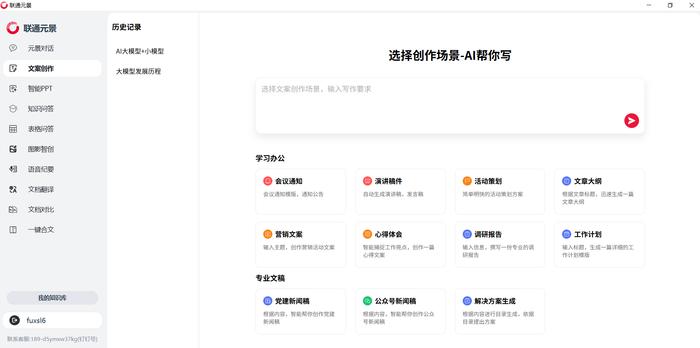
大模型如何链接政务办公?联通元景重磅发布
Huan Qiu Wang· 2025-07-24 04:56
Core Viewpoint - The emergence of AI large models, particularly the Unicom Yuanjing model, is revolutionizing government services by enhancing efficiency and precision in public service delivery [1][9]. Group 1: Technology Foundation - The traditional general-purpose AI models often struggle with the complexities of government processes, leading to inadequate responses [2]. - The Unicom Yuanjing model is designed to become a "government expert" by distilling government data and injecting specialized knowledge, creating a knowledge network of government entities [3]. - The model incorporates various skills, including language, voice, and visual capabilities, through techniques like supervised fine-tuning and data distillation [4]. Group 2: Product Matrix - The Yuanjing AI has developed a flexible application ecosystem that covers multiple fields and scenarios, driven by a "technology + scenario" dual approach [5]. - The product matrix features a modular architecture, allowing for customizable applications tailored to different government needs, from provincial to community levels [6][7]. Group 3: Practical Application - The Yuanjing model is already operational in various provincial and municipal government departments, significantly improving service efficiency and decision-making capabilities [9]. - The AI's ability to automate tasks such as generating meeting agendas and extracting key policy details has reduced preparation time and streamlined processes for government staff [8][9]. - The model facilitates better citizen engagement by ensuring that necessary materials and processes are clearly outlined, thus minimizing unnecessary trips for the public [8].
话费新规来了!三大运营商最新表态→
Sou Hu Cai Jing· 2025-07-24 04:28
Group 1 - The core issue highlighted is the common consumer pain points in the telecommunications sector, including confusing subscription packages and unsolicited international calls [1] - Major telecom operators in China have committed to implementing substantial measures to enhance transparent consumption and simplify packages [1] - The Ministry of Industry and Information Technology launched the "Clear Handling, Safe Use" initiative in April to address issues such as complex packages and unclear charges [8] Group 2 - China Mobile has introduced ten service commitments, including resolving service requests within 48 hours and providing 24/7 support through various channels [3][5] - China Telecom has announced nine regulatory measures, emphasizing that services will only be activated with user consent, aiming for greater transparency in the consumption process [4] - As of May 2025, the total number of mobile phone users among the three major telecom companies and China Broadcasting Network is projected to reach 1.807 billion, with fixed internet broadband users expected to reach 682 million [8]

金十图示:2025年07月24日(周四)富时中国A50指数成分股午盘收盘行情一览:银行板块回吐昨日涨势,保险、酿酒、半导体等板块集体飘红
news flash· 2025-07-24 03:36
Core Points - The FTSE China A50 Index saw a mixed performance with the banking sector retreating from previous gains while insurance, liquor, and semiconductor sectors showed positive trends [1][6] Banking Sector - The banking sector experienced a decline, with notable stocks like China Everbright Bank showing a decrease of 0.24% [3] - Major banks such as China Pacific Insurance and China Life Insurance reported market capitalizations of 373.69 billion and 360.67 billion respectively, with slight increases in their stock prices [3] Insurance Sector - The insurance sector performed well, with China Pacific Insurance and China Life Insurance seeing stock price increases of 0.92% and 1.43% respectively [3] Liquor Industry - The liquor industry showed strong performance, with Kweichow Moutai, Shanxi Fenjiu, and Wuliangye reporting market capitalizations of 232.44 billion, 1871.65 billion, and 486.02 billion respectively [3] - Kweichow Moutai's stock price increased by 0.98% [3] Semiconductor Sector - The semiconductor sector also performed positively, with stocks like Northern Huachuang and Cambricon Technologies seeing increases of 1.70% and 1.24% respectively [3] - Market capitalizations for key players in this sector include 243.27 billion for Northern Huachuang and 250.71 billion for Cambricon Technologies [3] Oil Industry - The oil sector showed mixed results, with China Petroleum and China Petrochemical reporting market capitalizations of 1616.08 billion and 729.90 billion respectively [3] - China Petroleum's stock price decreased by 1.23% while China Petrochemical remained unchanged [3] Coal Industry - The coal industry saw positive movement, with stocks like Shenhua Group and Shaanxi Coal and Chemical Industry showing increases of 1.93% and 0.46% respectively [3] Automotive Sector - The automotive sector, represented by BYD, reported a market capitalization of 1893.35 billion with a stock price increase of 0.67% [3] Other Sectors - Various other sectors such as shipping, electricity, and securities also showed varied performances, with notable movements in stock prices and market capitalizations across different companies [4][3]






2025国际低空经济博览会盛大开幕!
第一财经· 2025-07-24 03:19
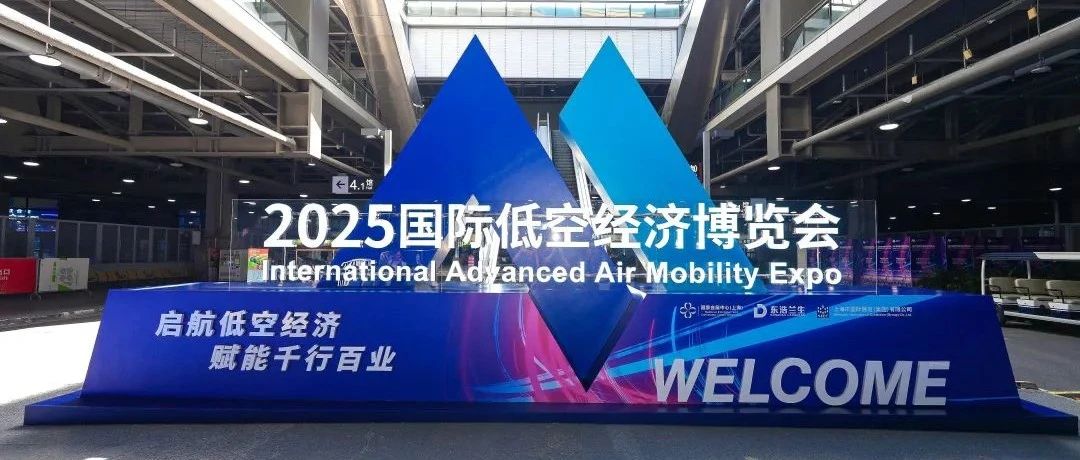
Core Viewpoint - The 2025 International Low Altitude Economy Expo, held in Shanghai, aims to showcase advancements in low altitude economic development and foster collaboration among industry stakeholders [1][12]. Group 1: Event Overview - The expo officially opened on July 23, 2025, at the National Exhibition and Convention Center in Shanghai, covering an area of 60,000 square meters with nearly 300 exhibitors and over 30 forums [1]. - The opening activities included three major events: the Future Air Traffic International Forum, the Low Altitude Economic Infrastructure Development Conference, and the Shanghai Low Altitude Economic Industry Innovation Conference [4][10]. Group 2: Key Participants and Speakers - Notable speakers at the Future Air Traffic International Forum included Dr. Alistair Wood from the Royal Aeronautical Society and representatives from various international aviation authorities [5][6]. - The Low Altitude Economic Infrastructure Development Conference featured prominent figures such as Wang Ruiping, Chairman of the China Civil Airport Association, and Wu Guanghui, Chief Designer of COMAC [8]. Group 3: Exhibitor Highlights - The expo showcased innovative products in the low altitude economy, including drones and electric vertical takeoff and landing aircraft (eVTOL), with participation from companies like DJI and China Postal Express Logistics [12]. - Exhibitors also included traditional general aviation leaders and companies focusing on new materials and technologies, such as China Telecom and China Mobile [12]. Group 4: Market Impact and Opportunities - The event attracted professional visitor groups from 23 countries and regions, facilitating precise order matching and market expansion for exhibitors [14]. - The expo aims to inject new momentum into the low altitude economy by addressing homogenization competition and enhancing brand influence [14]. Group 5: Forum and Conference Activities - A total of 14 forums were held on the opening day, focusing on topics such as low altitude flight service innovation and the annual forum of the Civil Unmanned Aerial Vehicle Industry Technology Innovation Strategic Alliance [16]. - The forums aimed to gather essential elements for low altitude economic development, including finance, talent, technology, standards, and policies [17]. Group 6: Community Engagement and Future Directions - The expo included various public engagement activities, such as the National Aerospace Model Championship and a low altitude carnival, to promote the low altitude economy among the general public [20][23]. - The event is positioned as a bridge between technological advancements and public needs, transitioning the low altitude economy from conceptualization to practical implementation [23].

三大运营商集体表态 期待兑现承诺解决用户痛点
Nan Fang Du Shi Bao· 2025-07-23 16:21
Core Viewpoint - The three major telecom operators in China have made significant commitments to improve transparency in consumer services and simplify their service packages, which is seen as a positive step for consumers [1][2][3] Group 1: Operators' Commitments - China Mobile has introduced "Ten Service Commitments," including a 48-hour completion time for contract-free package changes and the ability for users to block international calls and messages [1] - China Telecom has announced "Nine Standard Measures," emphasizing that telecom services can only be activated with user consent and that the process for unsubscribing from services will be fully regulated [1] - China Unicom plans to significantly reduce the variety and number of service packages, ensuring clear and categorized pricing information, and highlighting key terms in service agreements for better user understanding [1] Group 2: Consumer Rights and Market Dynamics - There have been ongoing issues with telecom operators infringing on consumer rights, leading to public dissatisfaction and complaints about deceptive marketing practices [2] - The China Consumers Association reported that telecom service complaints ranked fifth among service categories, with nearly 39,000 cases [2] - The commitments made by the operators are seen as a necessary step to restore consumer trust and improve market conditions, as consumers are increasingly willing to "vote with their feet" against unfair practices [2][3] Group 3: Regulatory and Market Implications - The operators' commitments serve as a self-regulatory measure and are expected to enhance compliance with legal standards in the telecom industry [3] - The Ministry of Industry and Information Technology launched the "Clear and Reassuring Telecom Services" initiative to address consumer concerns about complex packages and hidden charges [3] - The collective commitments from the three major operators will be a test of the effectiveness of this initiative and are crucial for gaining consumer trust and market share [3]
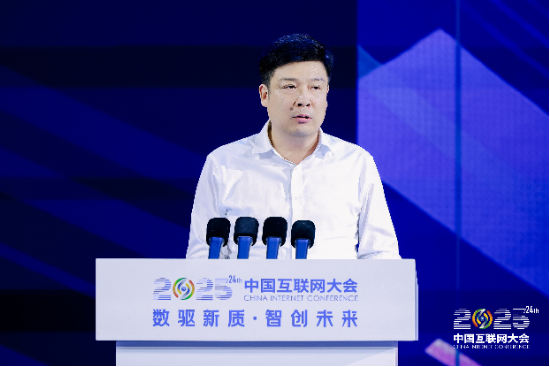
中国联通副总经理郝立谦:探索规划10万卡集群,预计今年底智算规模将达45EFLOPS
Xin Lang Ke Ji· 2025-07-23 15:26
Core Viewpoint - China Unicom is accelerating the integration of artificial intelligence (AI) into its operations, focusing on building a robust digital infrastructure, enhancing AI technology, and promoting practical applications across various industries [4][5][9]. Group 1: AI Infrastructure Development - China Unicom is rapidly expanding its digital infrastructure, establishing multiple intelligent computing centers, and aims to achieve a computing scale of 45 EFLOPS by the end of the year [5][6]. - The company is upgrading its mobile network from 5G to 5G-A and broadband from gigabit to 10-gigabit, enhancing connectivity and reducing latency [5][6]. - It is also developing a dedicated AI network to support various industries, including government and education, with capabilities for seamless service experiences [6][7]. Group 2: AI Technology Integration - China Unicom has upgraded its cloud services, emphasizing the integration of computing and intelligence, and launched a new brand slogan "AI Smart Choice Unicom Cloud" [8]. - The company has enhanced its MaaS platform to facilitate the development of AI applications, allowing users to create intelligent applications with minimal coding [8][9]. - It is also focusing on building trusted data spaces and has initiated over 60 pilot projects across various sectors to enhance data quality and accessibility [8][9]. Group 3: Practical Applications of AI - China Unicom is targeting six key industries: government, economic operations, industrial, medical, education, and cultural tourism, to create real value through AI applications [9][10]. - In the government sector, it has implemented AI models that have reduced call handling times by 25% and complaint processing times by 50% in cities like Beijing [9][10]. - The company has developed AI solutions for industrial manufacturing, healthcare, and education, significantly improving operational efficiency and service delivery [10][11].