
HEILAN HOME(600398)

Search documents
“男人的衣柜”海澜之家上半年净利再降,海外业务高增长
Nan Fang Du Shi Bao· 2025-08-29 08:30
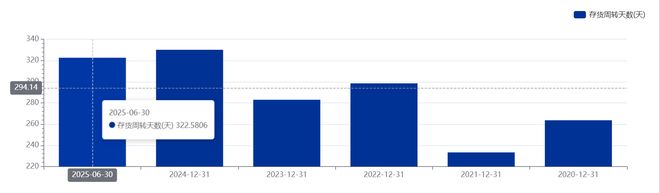
Core Viewpoint - The company, HLA, reported a slight increase in revenue but a decline in net profit, indicating ongoing performance challenges despite some positive developments in diversification and international expansion [1][2][10]. Financial Performance - For the first half of 2025, HLA achieved a revenue of 11.566 billion yuan, a year-on-year increase of 1.73%, while net profit attributable to shareholders was 1.58 billion yuan, a decrease of 3.42% [1]. - The net profit after excluding non-recurring gains was 1.566 billion yuan, reflecting a year-on-year growth of 3.83% [1]. - Basic earnings per share were 0.33 yuan, down 5.71% compared to the previous year [1]. - Revenue growth from 2020 to 2024 showed significant volatility, with figures of -18.26%, 12.41%, -8.06%, 15.98%, and -2.65% respectively [1]. Inventory and Operational Challenges - The company's inventory balance reached 10.255 billion yuan in the first half of 2025, up from 9.553 billion yuan in mid-2024 [2]. - Inventory turnover days were reported at 323 days, indicating a prolonged period for inventory digestion, which could impact liquidity and operational costs [2]. Channel Performance - As of the report's end, HLA operated 7,209 stores, with 2,099 being direct-operated, maintaining a stable offline presence [4]. - Online business revenue was 2.308 billion yuan, showing a slight increase from 2.212 billion yuan year-on-year, but growth has significantly slowed compared to a previous 47% increase [4]. - The overseas market showed promising growth, with 111 stores and revenue of 206 million yuan, a 27.42% increase year-on-year [4]. Brand Diversification and Strategy - HLA has expanded its brand portfolio, including women's, youth, and children's clothing, with other brands achieving a revenue growth of 65.57% [6][10]. - The company is actively pursuing international expansion, with plans to enter Central Asia, the Middle East, and Africa, and to open its first store in Australia [4][10]. - HLA's collaboration with JD.com to launch "JD Outlet" stores has also contributed to its diversification strategy [8][10]. Quality Concerns - The company faces challenges regarding product quality, with over 3,700 complaints reported, primarily related to garment quality issues [5].


海澜之家(600398):Q2主品牌改善,新零售业务有序推进
Yin He Zheng Quan· 2025-08-29 06:38
Investment Rating - The report maintains a "Recommended" rating for the company [3]. Core Insights - The company's main brand is under pressure, but the direct sales channel is expanding effectively. The revenue from the main brand, Hai Lan Zhi Jia, decreased by 5.86%, while the revenue from direct sales increased by 17.15% [6]. - The company is actively expanding its new retail business and optimizing its offline store layout, with a significant increase in the number of direct stores [6]. - The overall gross margin improved to 46.35%, an increase of 1.83 percentage points year-on-year, attributed to a higher proportion of direct sales [6]. - The company is also focusing on expanding its sports and outlet business, with a notable increase in overseas market revenue, which grew by 27.42% year-on-year [6]. Financial Forecast Summary - Revenue is projected to grow from 20,957 million yuan in 2024 to 26,086 million yuan in 2027, with a compound annual growth rate (CAGR) of approximately 8.2% [2]. - The net profit attributable to the parent company is expected to increase from 2,159 million yuan in 2024 to 3,001 million yuan in 2027, reflecting a growth rate of 12.6% in 2027 [2]. - The diluted EPS is forecasted to rise from 0.45 yuan in 2024 to 0.62 yuan in 2027, indicating a positive trend in earnings per share [2]. Financial Performance Overview - In the first half of 2025, the company achieved a revenue of 11,566 million yuan, a year-on-year increase of 1.73%, while the net profit decreased by 3.42% to 1,580 million yuan [6]. - The company's cash flow from operating activities is expected to improve significantly, reaching 3,478.60 million yuan in 2025 [8]. - The overall financial ratios indicate a stable performance, with a projected return on equity (ROE) increasing from 12.69% in 2024 to 16.47% in 2027 [7].
“男人的衣柜”增长失速?海澜之家2025年上半年增收不增利
Guan Cha Zhe Wang· 2025-08-29 05:15
Core Viewpoint - The financial performance of HLA (海澜之家) shows slight revenue growth but declining net profit, indicating challenges in attracting male consumers and the need for effective brand renewal strategies [1][2]. Financial Performance - HLA reported a revenue of 11.566 billion yuan for the first half of 2025, a year-on-year increase of 1.7% [1]. - The net profit attributable to shareholders decreased by 3.42% to 1.580 billion yuan, while the net profit excluding non-recurring items increased by 3.83% to 1.566 billion yuan [1]. - The main brand, HLA, generated 8.395 billion yuan in revenue, a decline of 5.86%, accounting for 72.58% of total revenue [1]. Business Segments - The group has diversified into women's wear, children's wear, and sports brands, but these segments have not yet formed a significant second growth curve [2]. - The group’s custom group purchase business achieved 1.343 billion yuan in revenue, a growth of 23.7%, while other brands generated 1.5 billion yuan, up 65.57% [2]. Profitability Metrics - The gross margin for the group increased by 0.56 percentage points to 46.4%, while the net profit margin decreased by 0.7 percentage points to 13.7% [3]. - The gross margin for the custom group purchase business was 40.36%, down 3.25 percentage points, and for other brands, it was 49.07%, down 9.58 percentage points [3]. Market Challenges - The men's apparel sector is facing growth pressures, with HLA's low revenue growth reflecting broader industry challenges, including rapid brand turnover and competition from fast fashion and cross-border e-commerce [4]. - Other men's apparel companies, such as Seven Wolves and Baoxini, are also experiencing revenue and profit declines, indicating a sector-wide issue [5][6]. Strategic Initiatives - HLA is focusing on expanding into the sports sector, with 529 authorized Adidas stores and ongoing partnerships with brands like HEAD [6][7]. - The company is developing a new "urban outlet" model in collaboration with JD.com, with 23 stores established in various provinces [7]. - HLA is also pushing for international expansion, with plans to enter markets in Central Asia, the Middle East, and Africa, and has opened 111 overseas stores, generating 206 million yuan in revenue, a 27.42% increase year-on-year [7].

海澜之家(600398):新业务驱动其他品牌高增 成为公司增长新引擎
Xin Lang Cai Jing· 2025-08-29 04:28
Core Viewpoint - Company reported a slight revenue growth in H1 2025, driven by multiple business segments, despite a decline in net profit [1] Group 1: Financial Performance - In H1 2025, the company achieved revenue of 11.566 billion yuan, a year-on-year increase of 1.73%, while net profit attributable to shareholders was 1.580 billion yuan, a decrease of 3.42% [1] - Other income increased significantly by 97.37% to 14 million yuan, attributed to increased government subsidies [1] - The net cash flow from operating activities rose by 36.11% to 2.718 billion yuan, due to a reduction in cash payments for goods and services [1] Group 2: Brand and Channel Performance - The main brand, Hailan Home, generated revenue of 8.395 billion yuan in H1 2025, a decline of 5.86%, but the gross margin improved by 2.2 percentage points to 48.32% [2] - Other brands, including those from the JD Outlet and Adidas FCC, reported revenue of 1.500 billion yuan, a year-on-year increase of 65.57% [2] - The group purchase custom series saw revenue growth of 23.70% to 1.343 billion yuan, indicating a strong growth rate [2] - Online channels generated revenue of 2.308 billion yuan, a year-on-year increase of 4.36%, with slight improvements in revenue share and gross margin [2] - Direct sales channels, excluding the group purchase custom series, performed well with a revenue increase of 17.15% to 2.902 billion yuan and a gross margin improvement of 1.2 percentage points to 63.89% [2] Group 3: Growth Drivers - The partnership with Adidas and the expansion into lower-tier markets is expected to drive growth in the sportswear retail segment [3] - The collaboration with JD to develop offline outlet channels is anticipated to enhance revenue, with plans to open new stores in multiple provinces [3] - The company is expected to leverage its established male apparel business and expand its overseas market presence while enhancing revenue from online and direct sales channels [4] Group 4: Profit Forecast - The company is projected to achieve net profits of 2.485 billion yuan, 2.851 billion yuan, and 3.207 billion yuan for the years 2025 to 2027, reflecting year-on-year growth rates of 15.11%, 14.75%, and 12.47% respectively [4] - The company maintains a strong competitive position in the men's apparel sector, with extensive channel coverage and a focus on discount channels [4]
海澜之家半年报:净利润同比下滑3.42%,多业务毛利率下滑
2 1 Shi Ji Jing Ji Bao Dao· 2025-08-29 04:08
Core Insights - The company reported a slight increase in revenue for the first half of 2025, achieving 11.566 billion yuan, a year-on-year growth of 1.73%, but net profit attributable to shareholders decreased by 3.42% to 1.580 billion yuan, indicating a divergence between revenue growth and profit decline [1] - The main business segment, the Hailan Home series, experienced a revenue drop of 5.86% to 8.395 billion yuan, which significantly impacted overall performance [1] - Despite the challenges, the company saw a substantial increase in operating cash flow, with a net cash flow from operating activities of 2.718 billion yuan, up 36.11% year-on-year [1] Business Performance - The multi-brand strategy attempted by the company showed mixed results, with the Hailan group purchase customization business revenue increasing by 23.70% and other brand revenues soaring by 65.57% [1] - However, the profitability of these segments declined, with the gross margin for the Hailan group purchase customization dropping by 3.25 percentage points to 40.36%, and other brands' gross margin falling significantly by 9.58 percentage points to 49.07% [1] Channel Analysis - Revenue from franchise stores decreased by 4.81%, while direct-operated stores saw a growth of 17.15%, with a slight increase in gross margin to 63.89% [1] - During the reporting period, the company net reduced 174 franchise stores while adding 64 direct-operated stores [1] - As of the end of June, the company's inventory balance was high at 10.255 billion yuan, with a provision for inventory impairment of 872 million yuan, and contract liabilities decreased significantly by 59.46% to 249 million yuan [1]
煤炭与电子等行业重点公司中报点评
GOLDEN SUN SECURITIES· 2025-08-29 00:46
Overview - The report provides insights into the performance of various companies across different industries, highlighting key financial metrics and growth prospects for the first half of 2025 [1][2]. Key Insights - The coal industry shows signs of recovery with companies like 潞安环能 and 山煤国际 reporting improved performance in Q2 2025, driven by increased production and cost optimization [34][40]. - The electric equipment sector is witnessing stability in pricing due to the phosphoric iron lithium development initiative, which aims to support sustainable growth in the industry [5]. - The construction and decoration industry, represented by companies like 中国建筑 and 矩阵股份, is experiencing accelerated growth in Q2 2025, with improved cash flow and profitability [10][14]. - The agricultural sector, particularly 温氏股份, is seeing a rebound in chicken prices, which is expected to enhance profitability in the latter half of 2025 [12]. - The media and entertainment industry, with companies like 风语筑 and 荣信文化, is leveraging AI and digital transformation to enhance revenue streams and improve financial performance [18][27]. Company Summaries Coal Industry - 潞安环能 reported a Q2 2025 revenue of 71.01 billion yuan, a decrease of 21.05% year-on-year, but with a significant improvement in production and cost management [34]. - 山煤国际's Q2 2025 revenue was 51.58 billion yuan, down 33.03% year-on-year, but the company is optimistic about recovery due to rising coal prices in the second half of the year [40]. Electric Equipment - The phosphoric iron lithium initiative aims to stabilize prices and improve profitability for companies in the sector, with a focus on sustainable development [5]. Construction and Decoration - 中国建筑 achieved a Q2 2025 net profit of 466 billion yuan, reflecting a 1% increase year-on-year, supported by improved cash flow and reduced impairment losses [10]. - 矩阵股份 reported a significant increase in net profit, with a 103% growth in non-recurring profit, driven by enhanced asset quality and cash flow [14]. Agriculture - 温氏股份 sold 1,793.19 million pigs in H1 2025, a 25% increase year-on-year, with a notable drop in costs leading to improved profitability [12]. Media and Entertainment - 风语筑's H1 2025 revenue grew by 33.97% to 7.75 billion yuan, marking a turnaround to profitability, while 荣信文化 is focusing on AI-driven marketing strategies to enhance growth [18][27]. Financial Projections - The report includes projections for various companies, indicating expected growth in net profits for 2025-2027 across multiple sectors, with specific figures provided for companies like 海尔智家 and 龙净环保 [28][30].






申万宏源证券晨会报告-20250829
Shenwan Hongyuan Securities· 2025-08-29 00:44
Group 1: Snow Peak Technology (603227) - The company is positioned as a leader in the civil explosives and chemical industry in Xinjiang, with a dual business layout of "civil explosives + chemicals" [10][12] - Revenue forecasts for 2025-2027 are projected at 6.582 billion, 7.665 billion, and 8.613 billion yuan, with corresponding net profits of 545 million, 820 million, and 1.035 billion yuan, indicating growth rates of -19%, 51%, and 26% respectively [12] - The company benefits from a significant regional advantage in Xinjiang, where the scarcity of ammonium nitrate is highlighted, and the entry of Guangdong Hongda is expected to facilitate the scale-up of explosives production [12] Group 2: Meituan (03690) - The company maintains a "buy" rating despite a decrease in profits due to increased competition in the food delivery and instant retail sectors, with adjusted net profits for 2025-2027 revised to -4.5 billion, 38.5 billion, and 57.6 billion yuan [11][15] - The core local business revenue grew by 7.7% year-on-year to 65.3 billion yuan, but operating profit fell by 75.6% to 3.7 billion yuan, indicating significant pressure on profit margins [13][15] - The company is actively expanding its logistics network and enhancing service quality, with a peak daily order volume exceeding 150 million in July [13][15] Group 3: Banking Sector Insights - Industrial Bank (601166) reported a revenue of 110.5 billion yuan in 1H25, a decrease of 2.3%, but net profit increased by 0.2% to 43.1 billion yuan, indicating a recovery in profitability [17][19] - CITIC Bank (601998) achieved a revenue of 105.8 billion yuan in 1H25, down 3%, while net profit rose by 2.8% to 36.5 billion yuan, reflecting stable asset quality [21][23] - Su Nong Bank (603323) reported a slight revenue increase of 0.2% to 2.28 billion yuan in 1H25, with net profit growing by 5.2% to 1.18 billion yuan, showcasing a robust fundamental performance [25][26]



海澜之家(600398):2Q25主品牌稳健 京东奥莱和FCC持续拓店
Xin Lang Cai Jing· 2025-08-29 00:25
Core Viewpoint - The company's 1H25 performance aligns with expectations, showing modest revenue growth but a decline in net profit [1] Financial Performance - 1H25 revenue reached 11.566 billion yuan, a year-on-year increase of 1.7%; net profit attributable to shareholders was 1.580 billion yuan, down 3.4%; and net profit after deducting non-recurring items was 1.566 billion yuan, up 3.8% [1] - In 2Q25, revenue was 5.379 billion yuan, a year-on-year increase of 3.6%; net profit attributable to shareholders was 0.645 billion yuan, down 13.9%; and net profit after deducting non-recurring items was 0.641 billion yuan, up 1.4% [1] Channel Performance - In 1H25, online and offline revenues grew by 4.4% and 2.7% respectively, reaching 2.308 billion yuan and 8.929 billion yuan; in 2Q25, online revenue decreased by 5.2% to 1.294 billion yuan, while offline revenue increased by 12.0% to 3.913 billion yuan [2] - The main brand, HLA, saw a revenue decline of 5.9% in 1H25, totaling 8.395 billion yuan; however, group purchase revenue increased by 23.7% to 1.343 billion yuan, and other brands, driven by adidas FCC and JD Outlet, saw a revenue increase of 65.6% to 1.500 billion yuan [2] Profitability and Costs - The gross margin for 1H25 improved by 1.1 percentage points to 46.4%, with the main brand's gross margin increasing by 2.2 percentage points to 48.3% [3] - Operating expenses increased, with sales, management, and financial expense ratios rising to 21.4%, 4.3%, and -0.4% respectively; the net profit margin decreased by 0.7 percentage points to 13.7%, while the net profit margin after deducting non-recurring items increased by 0.3 percentage points to 13.5% [3] Development Trends - The company expects steady growth in offline sales for the main brand in the second half of the year; as of the end of July, 29 JD Outlet stores have been opened, with a healthy opening trend anticipated for the future [4] Profit Forecast and Valuation - The company maintains net profit forecasts of 2.404 billion yuan and 2.802 billion yuan for 2025 and 2026, respectively; the current stock price corresponds to a P/E ratio of 14x and 12x for those years [5] - The target price has been adjusted down by 11.6% to 9.01 yuan, corresponding to a P/E ratio of 18x and 15x for 2025 and 2026, indicating a potential upside of 28% from the current stock price [5]
海澜之家(600398):二季度收入增长提速,主品牌企稳新业态持续布局
Guoxin Securities· 2025-08-28 15:24
Investment Rating - The investment rating for the company is "Outperform the Market" [6][4][30]. Core Views - The company experienced a revenue growth of 1.7% year-on-year in the first half of 2025, reaching 11.57 billion yuan, while the net profit attributable to shareholders decreased by 3.4% to 1.58 billion yuan, primarily due to a one-time investment income contribution from the previous year [1][4]. - The gross profit margin improved by 1.1 percentage points to 46.4%, while the net profit margin decreased by 0.7 percentage points to 13.7% [1][2]. - The main brand's revenue showed stability, with a focus on expanding new business formats, particularly the rapid growth of the JD Outlet and Adidas FCC businesses [4][3]. Summary by Sections Financial Performance - In Q2 2025, the company's revenue increased by 3.6% year-on-year to 5.38 billion yuan, while the net profit attributable to shareholders fell by 13.9% to 650 million yuan [2]. - The gross profit margin for Q2 was 46.0%, an increase of 2.6 percentage points year-on-year [2]. - The company’s inventory increased by 7.3% year-on-year to 10.26 billion yuan, with inventory turnover days rising by 50 days to 323 days [1]. Business Segments - The main brand's revenue was 8.39 billion yuan in the first half of 2025, a decrease of 5.9% year-on-year, with offline direct sales driving revenue growth [3]. - The group purchase business generated 1.34 billion yuan in revenue, up 23.7%, while other brands collectively saw a revenue increase of 65.6% to 1.5 billion yuan [3]. Future Outlook - The company expects to open new stores rapidly in the next 3-5 years, particularly in the JD Outlet and Adidas FCC segments, which are anticipated to contribute significantly to profits [4][22]. - The profit forecast for 2025-2027 is adjusted to 2.31 billion, 2.62 billion, and 2.92 billion yuan, with year-on-year growth rates of 6.9%, 13.4%, and 11.6% respectively [4][26].
机构风向标 | 海澜之家(600398)2025年二季度已披露前十大机构累计持仓占比68.46%
Xin Lang Cai Jing· 2025-08-28 10:38
Group 1 - The core viewpoint of the news is the significant institutional ownership in Hailan Home, with 96 institutional investors holding a total of 3.501 billion shares, representing 72.90% of the total share capital [1] - The top ten institutional investors collectively hold 68.46% of the shares, with a slight decrease of 0.81 percentage points compared to the previous quarter [1] Group 2 - In the public fund sector, two funds increased their holdings, accounting for a 0.10% increase, while four funds decreased their holdings by 0.35% [2] - Thirteen new public funds were disclosed during this period, including notable funds such as Xingquan Trend Investment Mixed (LOF) and Ping An CSI A500 ETF [2] - One foreign fund, Guoxing Group Co., Ltd., reduced its holdings slightly compared to the previous quarter [2]